Northern Thailand · Phrae
Phrae travel guide: teak mansions, indigo cloth and old-school food
Phrae made its fortune in teak, and it shows: the old town is full of stately wooden mansions with carved 'gingerbread' trim, set in green gardens. TAT calls it a historical and cultural time capsule and a hidden gem, too often treated as a stop on the way to Nan. Stay a night and you find an easy-going town with excellent old-fashioned cooking.
- Suggested time
- 1–2 days
- Where to stay
- Phrae old town
- Season and timing
- November to February is most comfortable; it is very hot from March to May.
The short answer
Give Phrae one full day, or a night on the way to Nan. Visit Wat Phra That Cho Hae, 9 kilometres from town, in the morning; explore the old town's teak mansions — Khum Chao Luang and Baan Wongburi — by bicycle; and watch mo hom indigo cloth being made. Add the eroded earth pillars of Phae Mueang Phi if you have a car. Fly in from Bangkok's Don Mueang or come by road.
Wat Phra That Cho Hae
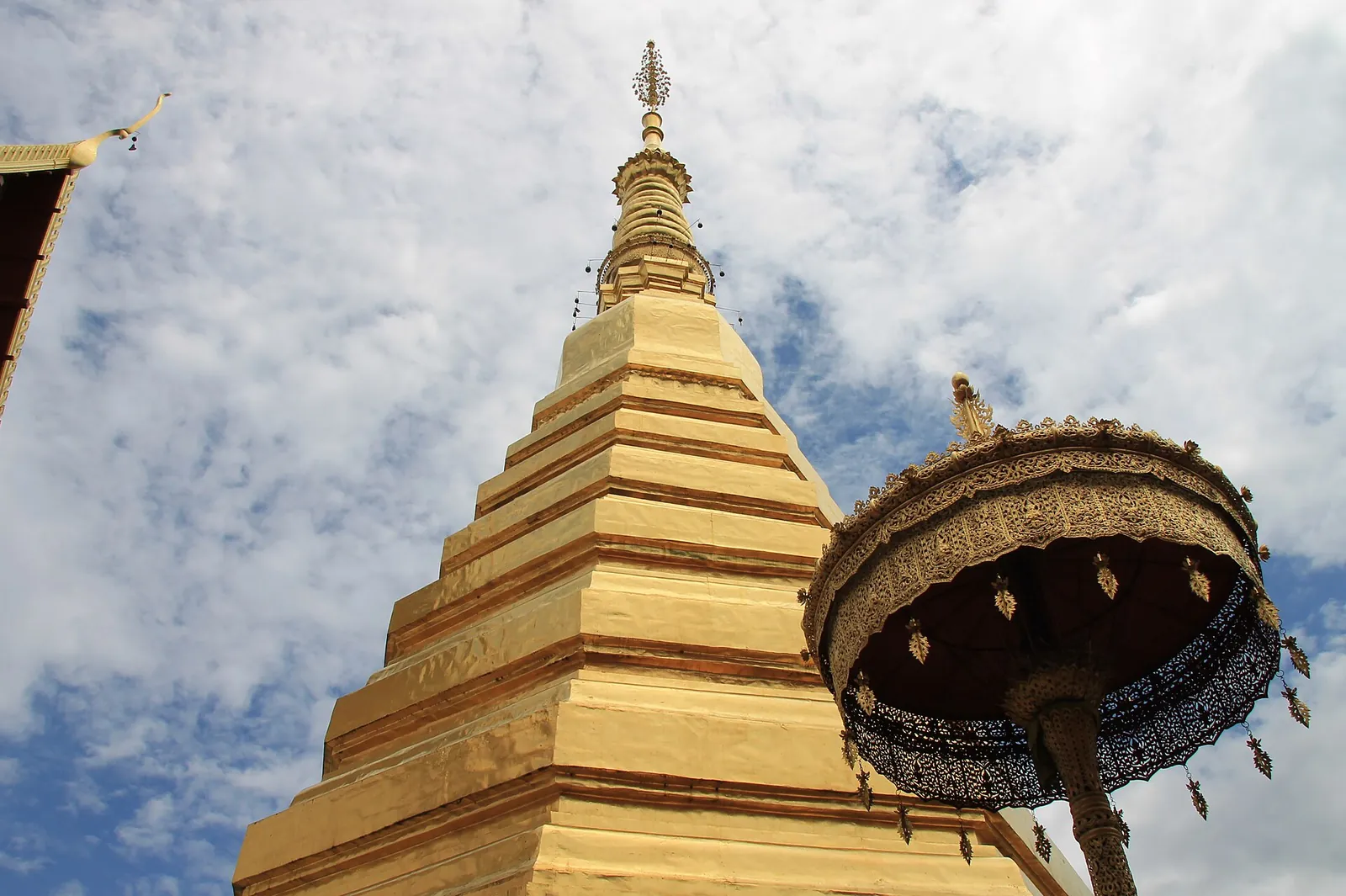
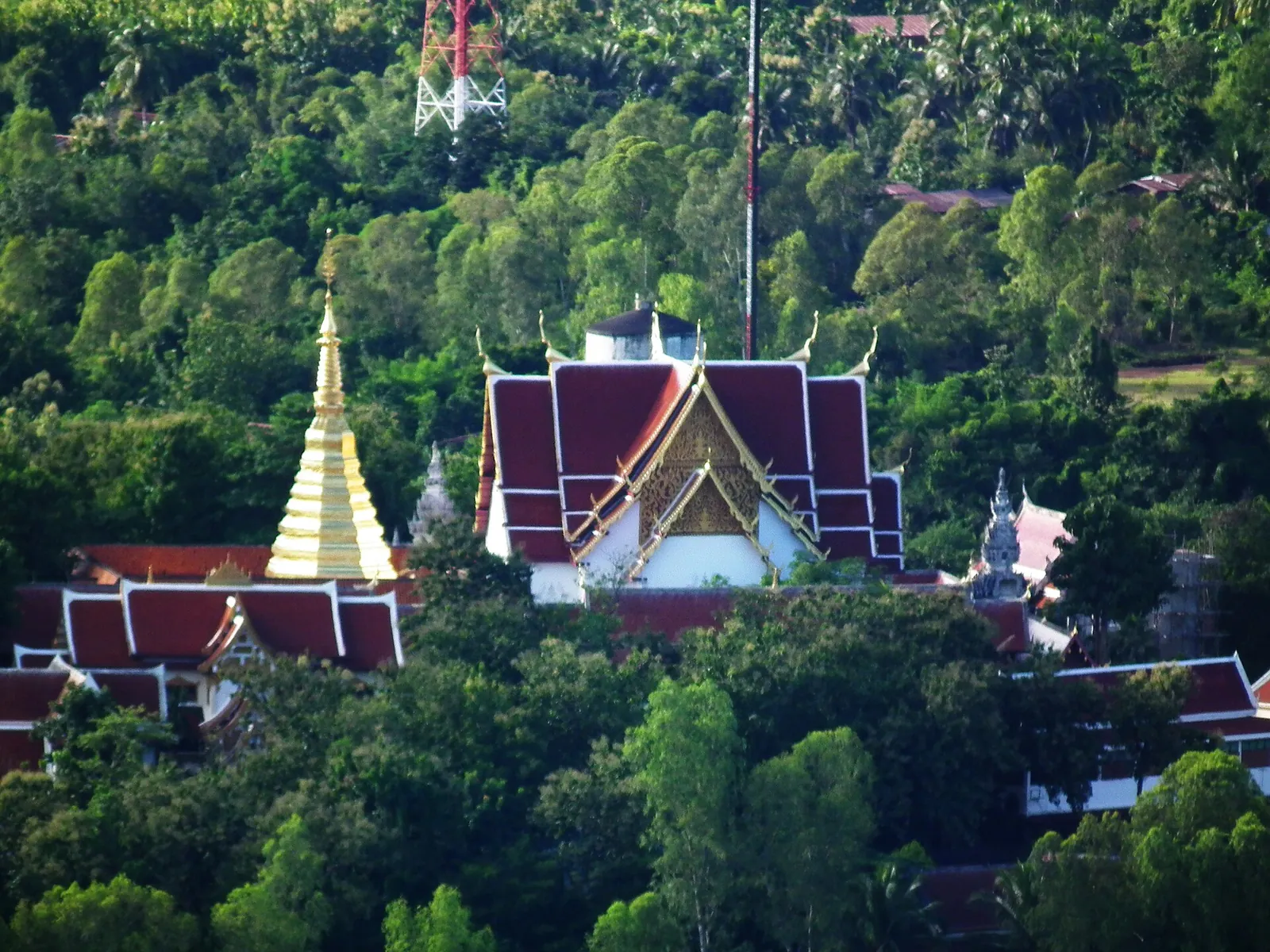
About 9 kilometres from the old town, Wat Phra That Cho Hae is Phrae's most sacred temple. Its golden octagonal chedi in the Chiang Saen style is said to hold relics of the Buddha — a hair and part of the left elbow — and dates from the Sukhothai period, according to the Ministry of Tourism and Sports' directory and TAT.
It is especially important to people born in the Year of the Tiger, who come to pay respect. Visit in the morning and dress modestly.
Teak mansions of the old town
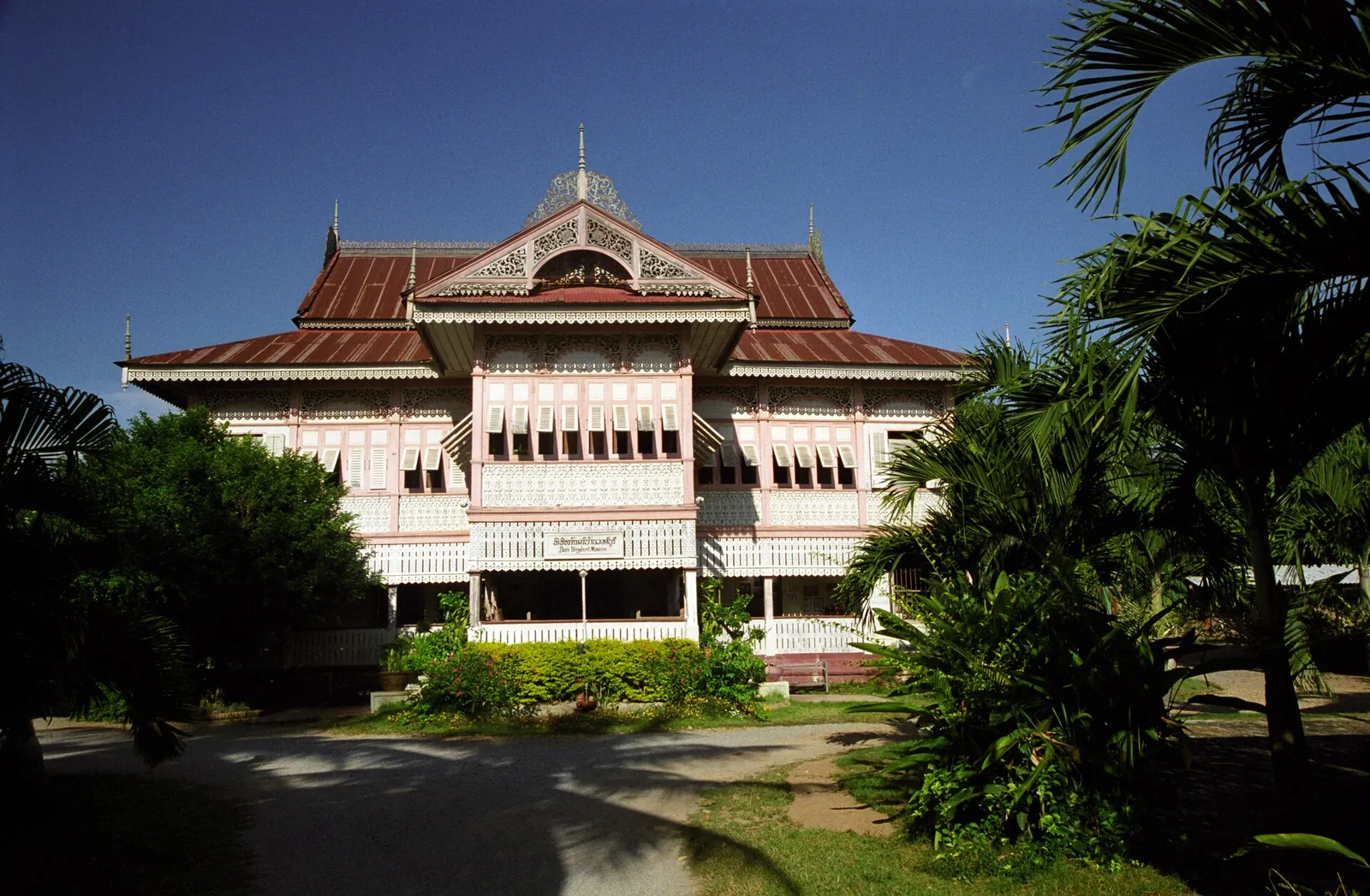
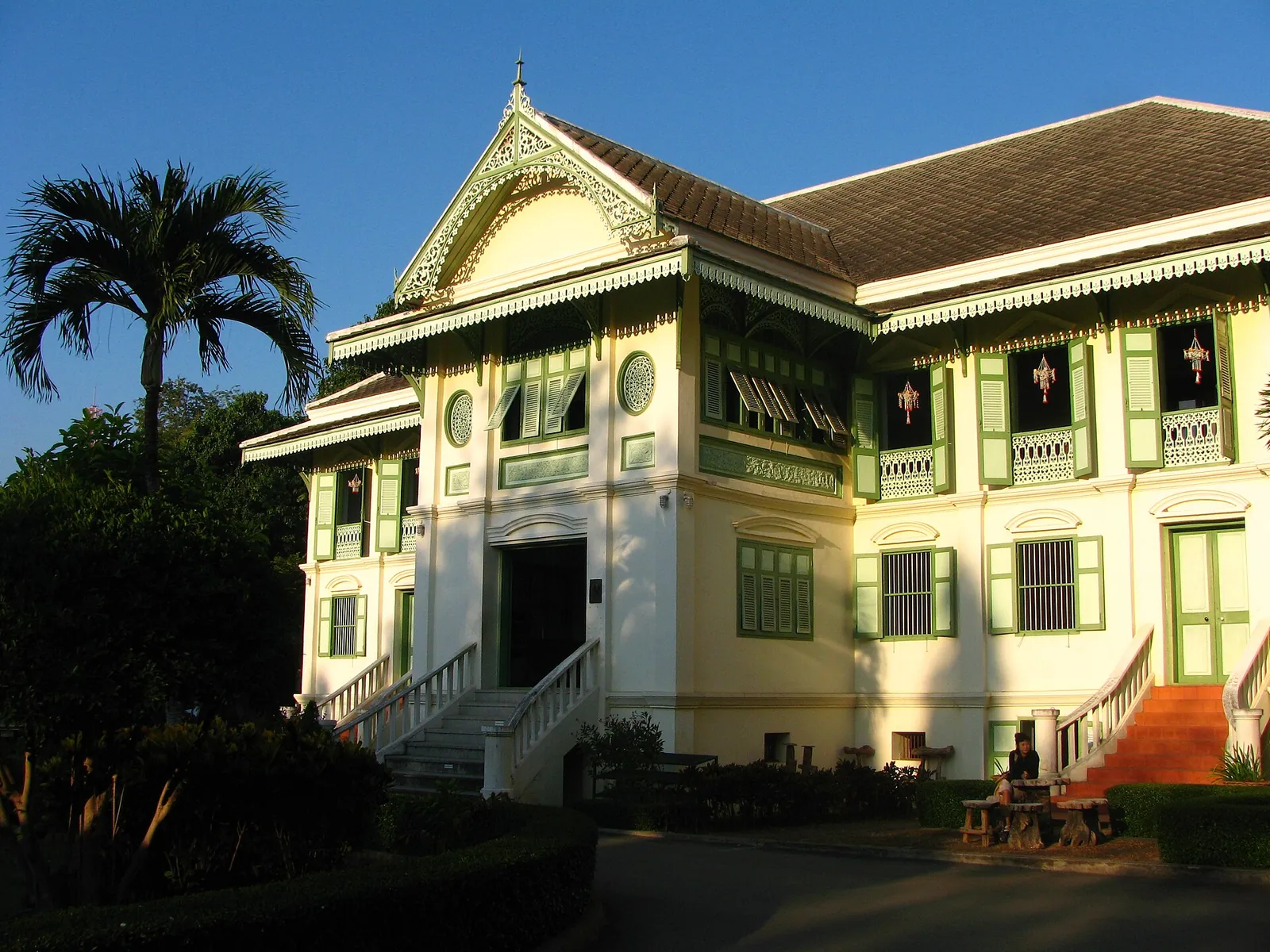
Khum Chao Luang, the former residence of Phrae's last ruler, was built in 1892 in a Thai-European gingerbread style with 72 doors and windows and carved wooden fretwork, as the directory describes. Baan Wongburi, built in 1897 by a craftsman from Guangdong for a descendant of the ruling family, is decorated with carved vines on its gables, vents and eaves and is still furnished with family heirlooms.
TAT also recommends the Vongburi-era mansions and the old Forestry Training Centre, which documents more than a century of Phrae's teak trade. The town is flat; a bicycle is the easiest way to link them.
Make time for the local food
What to eat and where to look
Old-school northern cooking
TAT singles out Phrae's home-style cooking — khao soi and nam phrik ong among the northern classics — served in restaurants that feel like a great-grandmother's kitchen.
- Where to look
- Long-established restaurants in the old town.
- Fit it into your day
- A long lunch after Wat Phra That Cho Hae.
Ask about chilli levels.
Som tam variations
Phrae's kitchens also serve papaya salads that, as TAT puts it, would make any visitor from Isan proud — a mix of northern and north-eastern flavours.
- Where to look
- Local restaurants and stalls.
- Fit it into your day
- Order with grilled chicken and sticky rice.
Often very spicy; fermented fish sauce in some versions.
Khanom jeen nam ngiao
Rice noodles in a tomato and pork broth, a northern breakfast found in Phrae's markets.
- Where to look
- The morning market and noodle shops.
- Fit it into your day
- Breakfast before the mansions.
Pork and often blood cubes.
Mo hom: Phrae's indigo cloth
Phrae is the home of mo hom, the indigo-dyed cotton shirts and trousers once worn by farmers across Thailand. TAT suggests learning the whole process here, from weaving to dyeing.
Workshops around the town let you try dyeing; shops sell everything from classic shirts to modern designs. Expect blue hands.
Phae Mueang Phi
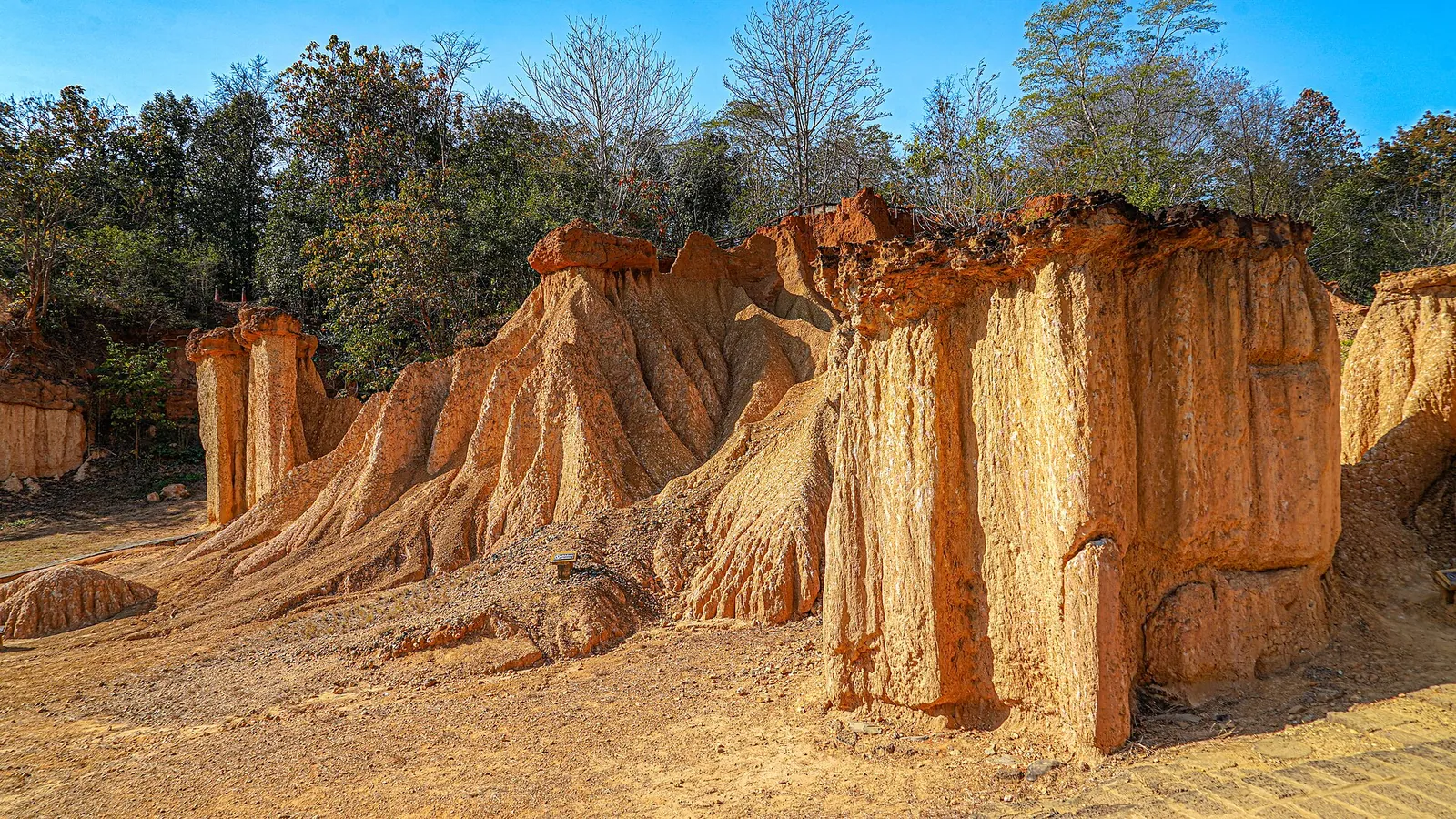
North-east of town, Phae Mueang Phi Forest Park — the 'ghost city' — is an area of earth and sandstone pillars eroded over millions of years into mushroom shapes and cliffs, according to the directory.
Go early or late in the day; there is little shade. Stay on marked paths, as the pillars are fragile.
Getting there
TAT describes the short turboprop flight from Bangkok's Don Mueang to Phrae's small airport, only minutes from the old town. Phrae is also on the road between Lampang and Nan, and the northern railway stops at Den Chai, south of town.
TAT notes that Phrae works well on a road trip from Chiang Mai through Lamphun, Lampang, Phrae and Nan.
Practical questions
Is Phrae worth a stop?
Yes. It has fine teak mansions, an important temple and good food, and TAT describes it as a destination in its own right rather than just a stop on the way to Nan.
How far is Wat Phra That Cho Hae from town?
About 9 kilometres, according to the directory and TAT.
How do I get to Phrae?
Fly from Bangkok's Don Mueang to Phrae's small airport, or travel by road from Lampang or Nan; the nearest railway station is at Den Chai.
What is mo hom?
Indigo-dyed cotton clothing, traditionally worn by farmers, made in Phrae.
What is Phae Mueang Phi?
A forest park of earth and sandstone pillars eroded into strange shapes, north-east of town.
Sources and checks before you travel
Reference sources for the version dated 1 October 2026. Confirm opening times, access, transport and conditions for your travel dates.
- TAT Newsroom: Charming Phrae showcases Thai history and culture ↗ — opens in a new tab
- Thailand Tourism Directory: Wat Phra That Cho Hae ↗ — opens in a new tab
- Thailand Tourism Directory: Khum Chao Luang ↗ — opens in a new tab
- Thailand Tourism Directory: Baan Wongburi ↗ — opens in a new tab
- Thailand Tourism Directory: Phae Mueang Phi Forest Park ↗ — opens in a new tab
- TAT Newsroom: Living history in Lampang ↗ — opens in a new tab
Photo credits
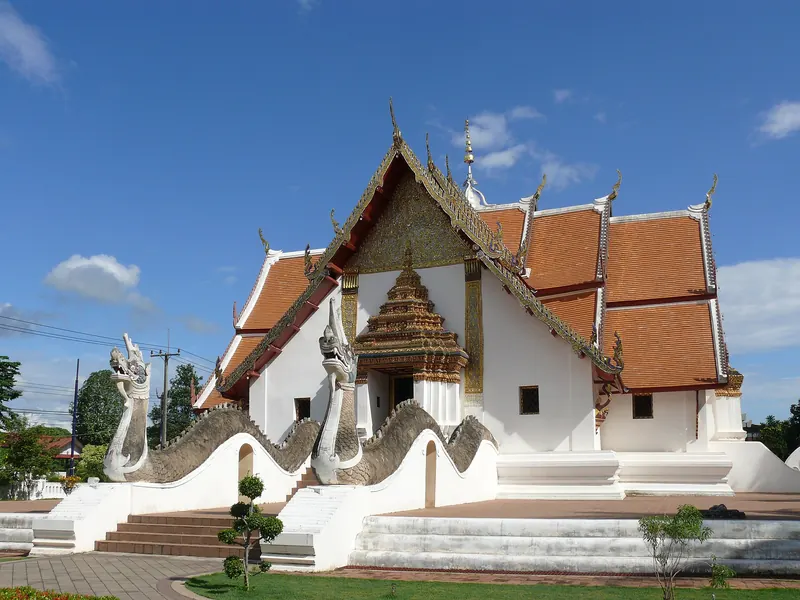
Wat Phra That Cho Hae, Phrae.
Photograph: jirat rattanawong — opens in a new tab · CC BY-SA 3.0 — opens in a new tab
Changes: Resized and converted to WebP; displayed with responsive crops. · Original photograph and licence details ↗ — opens in a new tab
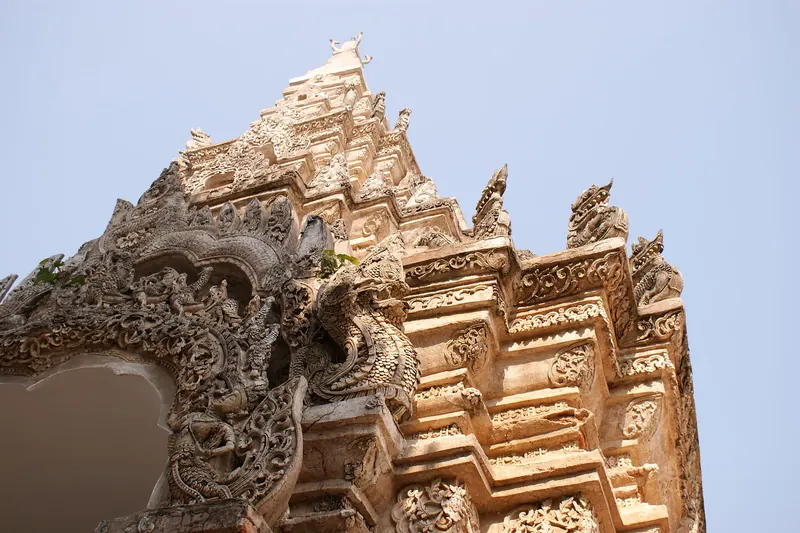
Wat Phra That Cho Hae on its hill outside town.
Photograph: Thammanoon chamnansin — opens in a new tab · CC BY-SA 3.0 — opens in a new tab
Changes: Resized and converted to WebP; displayed with responsive crops. · Original photograph and licence details ↗ — opens in a new tab
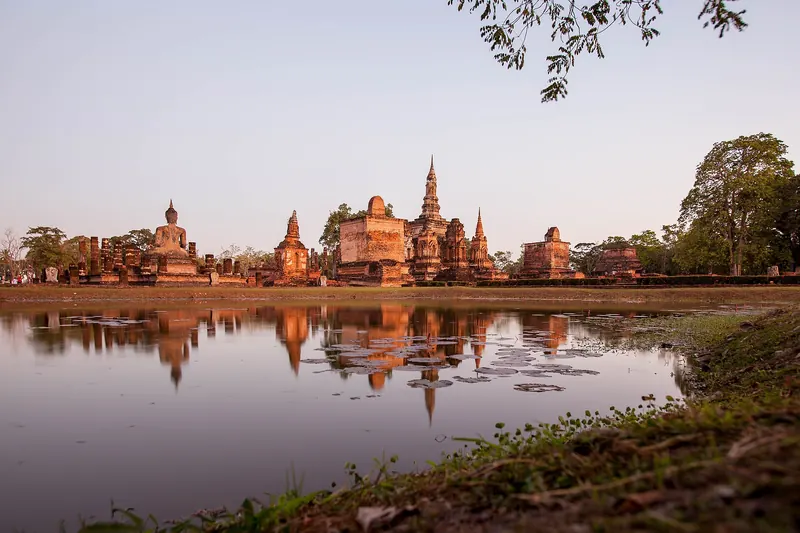
Earth pillars at Phae Mueang Phi Forest Park.
Photograph: Danai khoche — opens in a new tab · CC BY-SA 4.0 — opens in a new tab
Changes: Resized and converted to WebP; displayed with responsive crops. · Original photograph and licence details ↗ — opens in a new tab
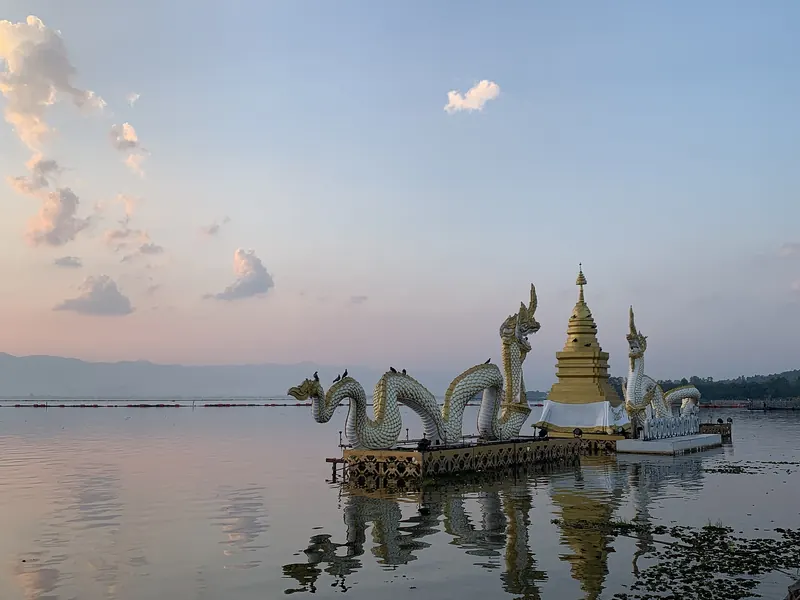
Baan Wongburi, a teak mansion in Phrae's old town.
Photograph: Paul Cornelis — opens in a new tab · CC BY-SA 4.0 — opens in a new tab
Changes: Resized and converted to WebP; displayed with responsive crops. · Original photograph and licence details ↗ — opens in a new tab
Khum Chao Luang, the former residence of Phrae's last ruler.
Photograph: Andromeda Oscar — opens in a new tab · CC BY-SA 3.0 — opens in a new tab
Changes: Resized and converted to WebP; displayed with responsive crops. · Original photograph and licence details ↗ — opens in a new tab