Northern Thailand · Lampang
Lampang travel guide: teak temples, horse carts and old bridges
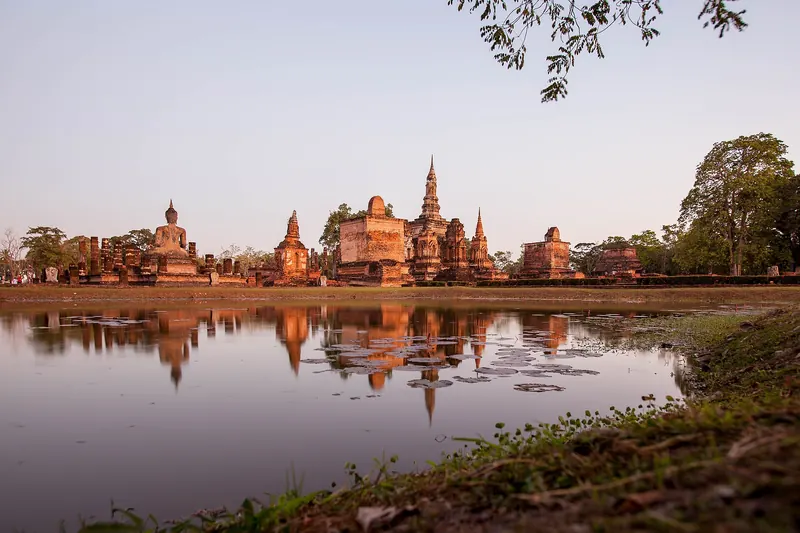
Lampang feels like a slower Chiang Mai. Its wealth came from the teak trade of the late 19th and early 20th centuries, which left Burmese- and Shan-style temples, wooden mansions and a railway station; it is also one of very few Thai towns where horse-drawn carriages still carry visitors. TAT calls its great temple perhaps Northern Thailand's most remarkable.
- Suggested time
- 1–2 days
- Where to stay
- Old town near the Wang River
- Season and timing
- November to February is most comfortable; the hot season (March to May) is very hot in the Lampang basin.
The short answer
Give Lampang one full day, or a night if you are travelling on to Phrae and Nan. Take a horse-cart tour of the old town, visit Ban Sao Nak and Wat Phra Kaeo Don Tao, then drive 18 kilometres to Wat Phra That Lampang Luang. Come by train or bus from Chiang Mai; the Thai Elephant Conservation Center is on the road between the two.
Wat Phra That Lampang Luang
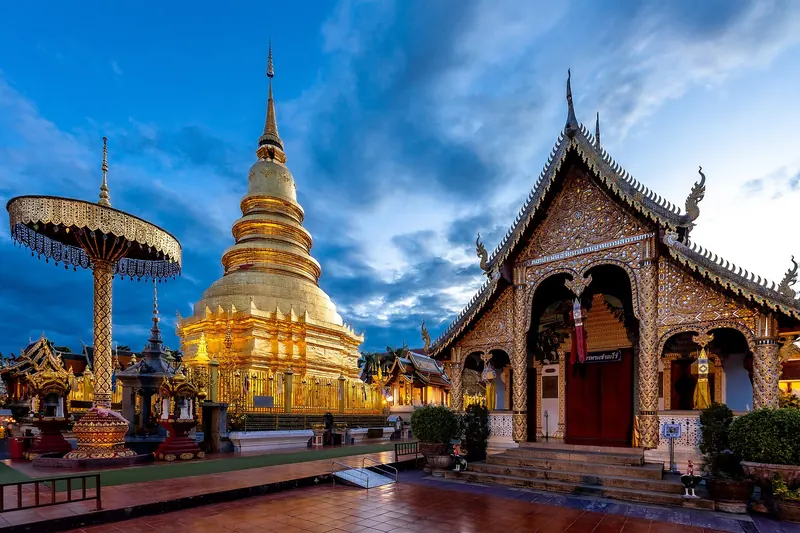
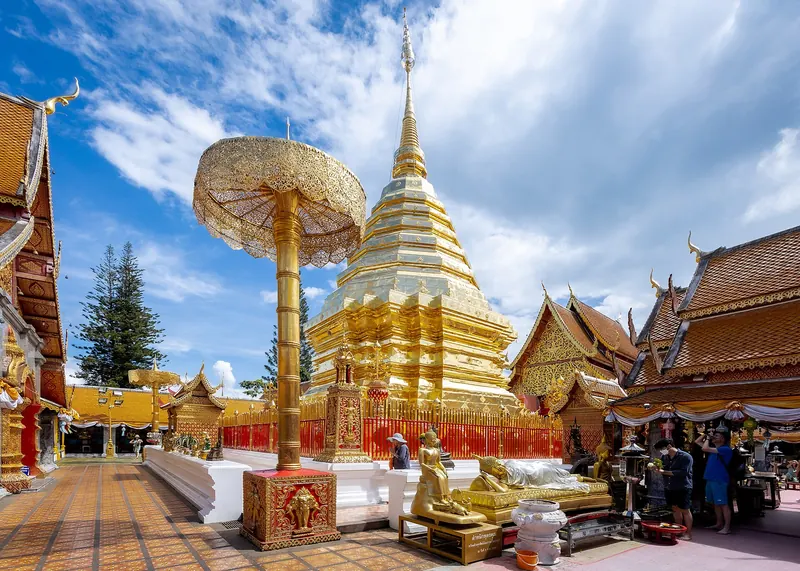
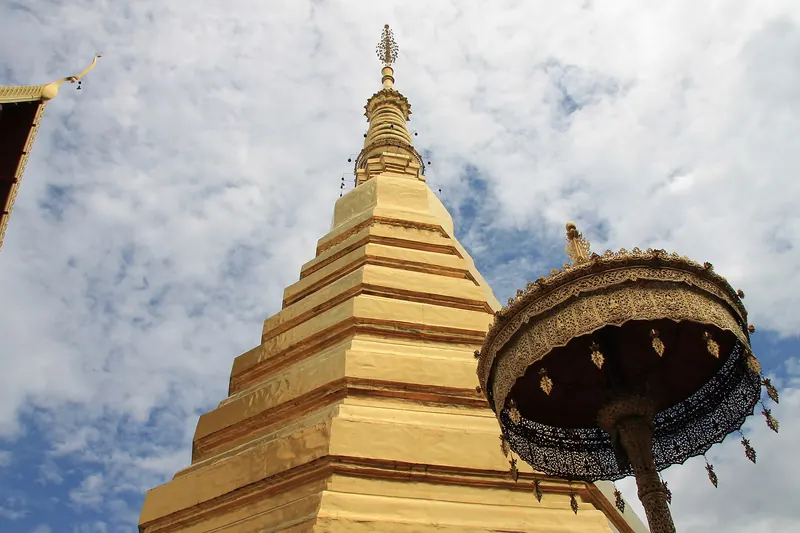
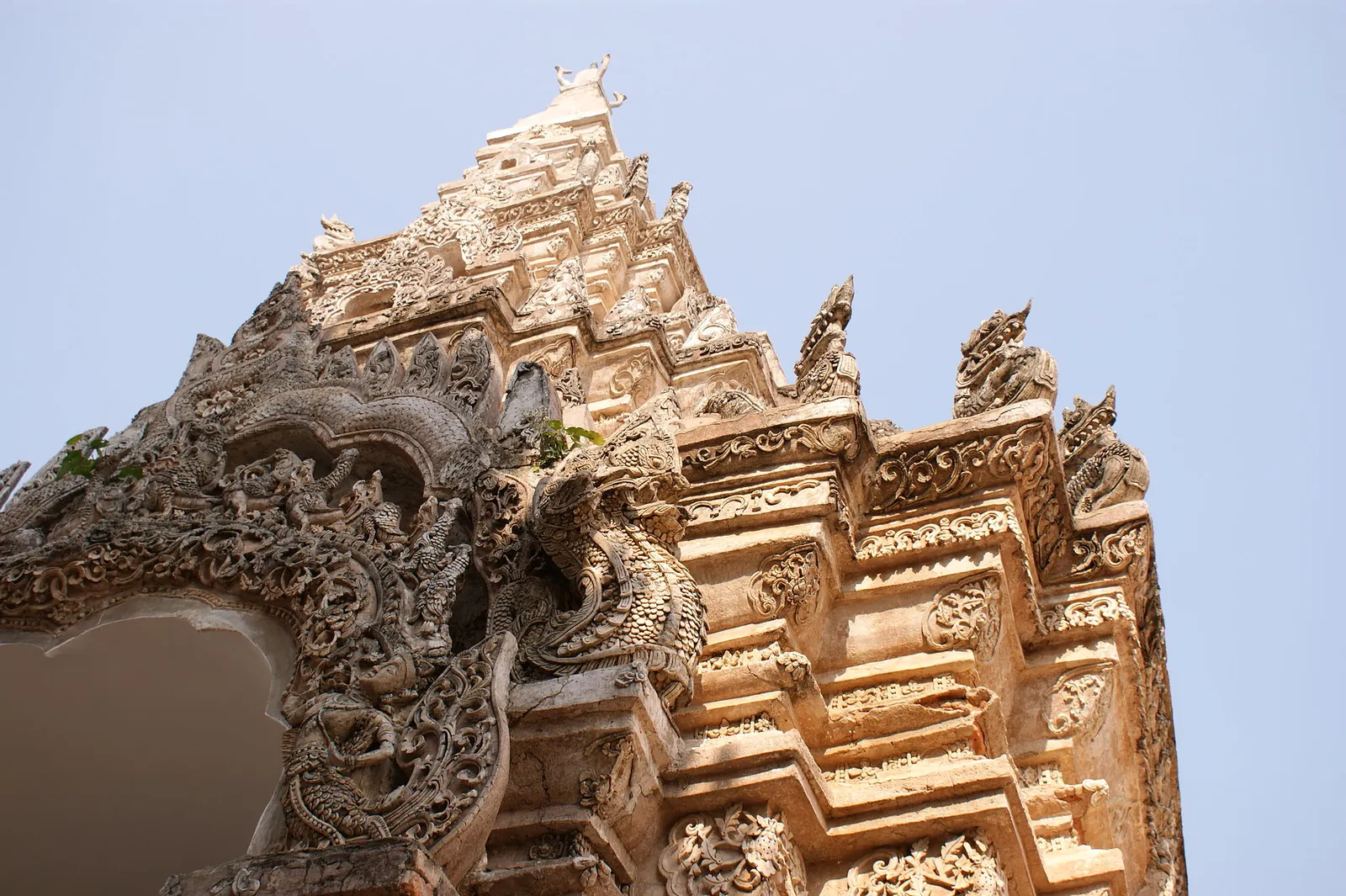
About 18 kilometres south-west of town, Wat Phra That Lampang Luang is a walled temple whose open-sided, three-tiered teak wihan luang dates from the 1400s and is considered by many to be Thailand's oldest teak building, according to TAT. The Ministry of Tourism and Sports' directory lists opening from 8:00 to 17:00.
Take time over the jataka murals and the smaller halls, and the Lanna museum in the grounds. The temple is a place of worship, and women are traditionally not permitted inside some relic structures; follow the signs.
The old town by horse cart
TAT describes Lampang's horse-drawn carriages as unique to the city in Thailand. A carriage or a walking tour can link the teak City Pillar Shrine, Ban Sao Nak — a large teak house on many pillars — and the riverside streets.
The Ratsada Bridge over the Wang River was first built in 1894 as the longest bridge in Thailand, and the current version was finished in 1917, TAT notes; it survived Allied bombing in the Second World War. Nakhon Lampang railway station, opened in 1916 when it was the kingdom's northernmost station, blends Lanna and European styles.
Make time for the local food
What to eat and where to look
Khao taen
Crisp rice crackers drizzled with sugarcane or watermelon syrup, one of Lampang's best-known snacks.
- Where to look
- Snack shops and markets in town.
- Fit it into your day
- Buy a bag for the road or as a gift.
Fried and sweet.
Khanom jeen nam ngiao
Rice noodles in a tangy tomato and pork broth with dried kapok flowers — a northern staple served in Lampang's morning markets.
- Where to look
- Morning noodle shops and markets.
- Fit it into your day
- Breakfast before the horse-cart tour.
Pork and often blood cubes.
Northern platter
Sai ua sausage, nam phrik noom and nam phrik ong chilli dips with vegetables and sticky rice.
- Where to look
- Northern Thai restaurants in the old town.
- Fit it into your day
- A shared dinner after the temple visit.
Can be very spicy.
Teak-era temples
Wat Phra Kaeo Don Tao was home to the Emerald Buddha between 1436 and 1468, according to TAT, and has a Lanna museum in its grounds. Wat Chedi Sao Lang, named for its 20 Lanna-style chedis (sao means twenty in the northern dialect), keeps a solid-gold seated Buddha of about 1,500 grams in a glass pavilion over a pond.
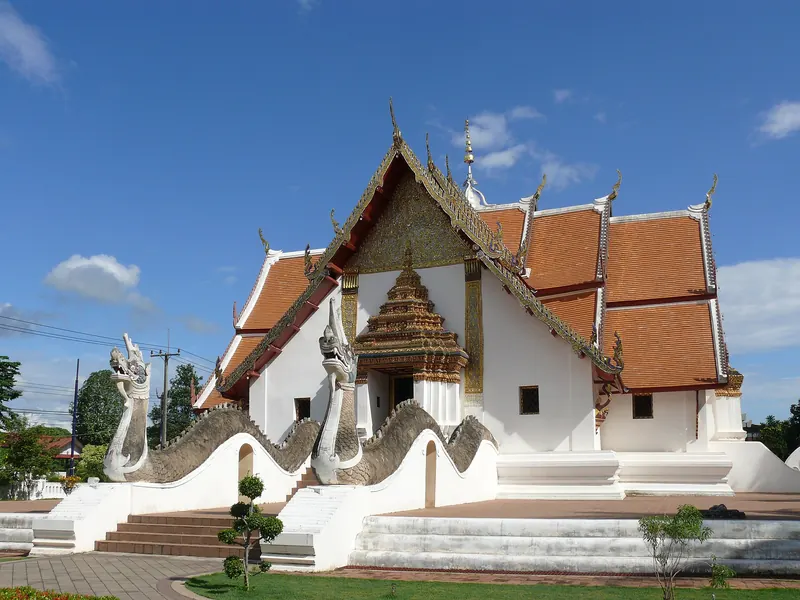
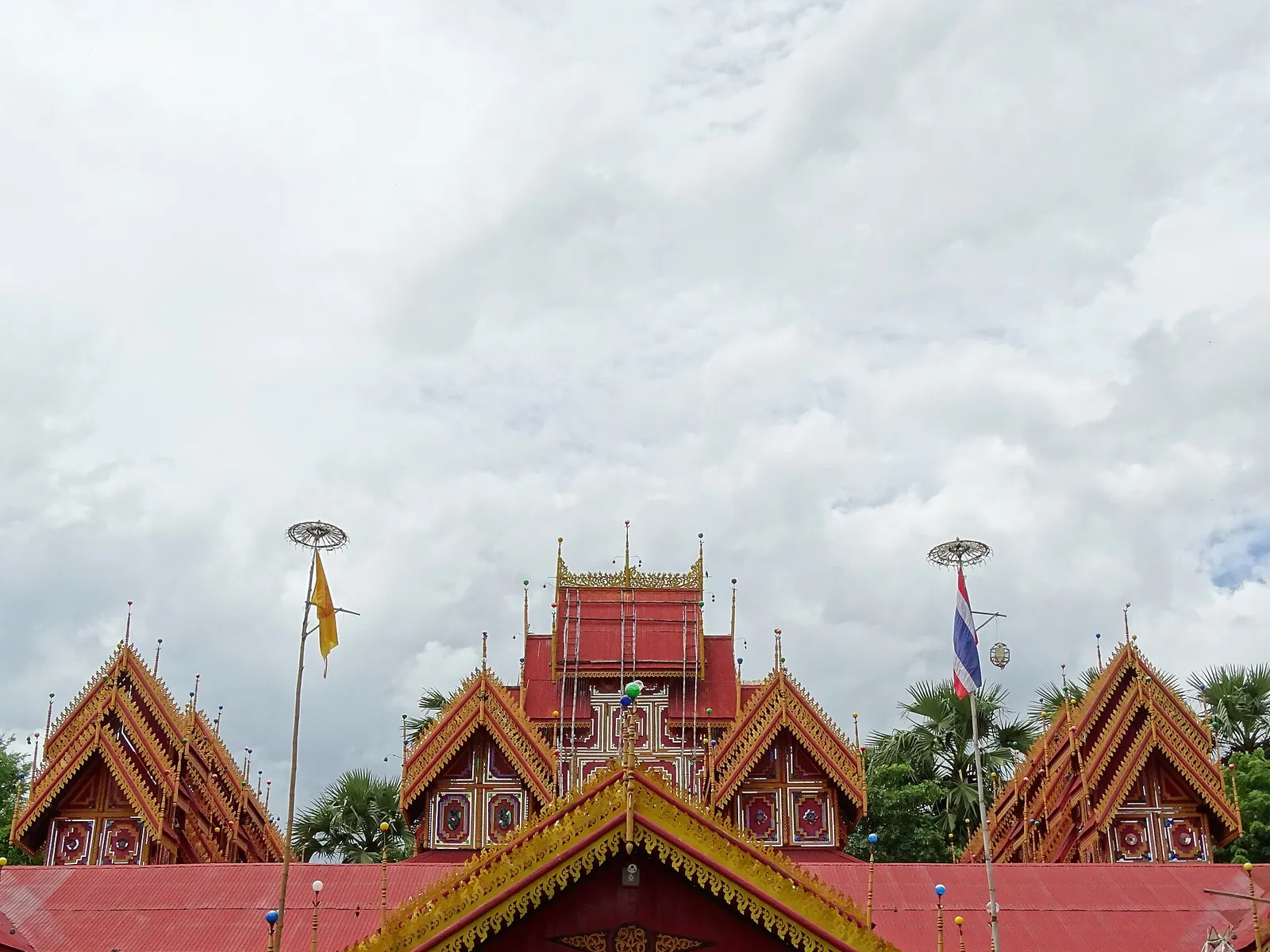
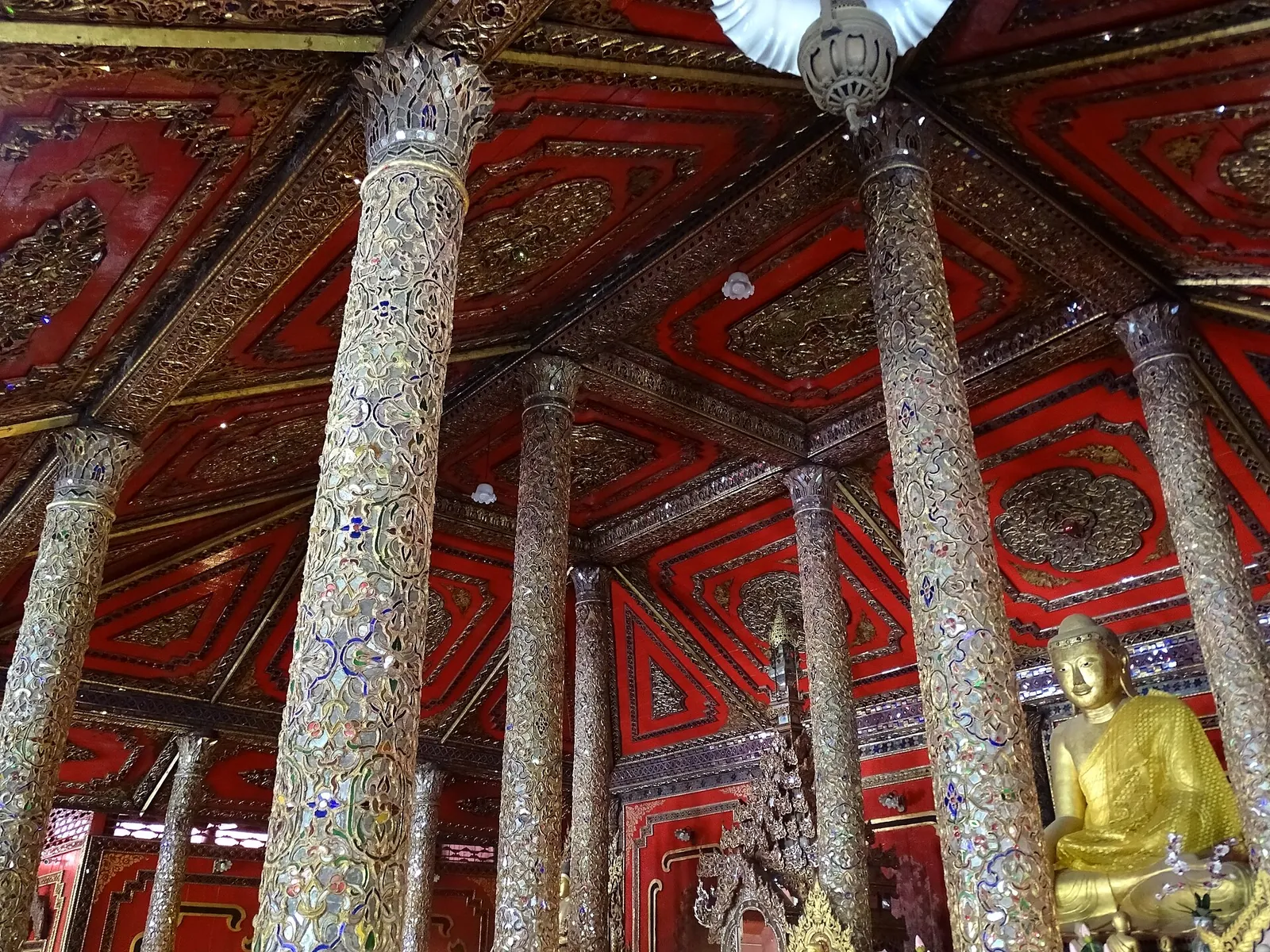
The teak trade also brought Burmese and Shan craftsmen, whose temples, such as Wat Si Rong Mueang, have layered wooden roofs and carved eaves unlike Lanna halls.
On the hills a few kilometres outside town, a temple viewpoint gives a wide view over Lampang and is a quiet place at the end of the day.
The Thai Elephant Conservation Center
Between Lampang and Chiang Mai, the Thai Elephant Conservation Center was established in 1993 under royal patronage and cares for more than 50 elephants, according to the directory. It runs an elephant hospital and educational programmes.
Choose experiences that focus on care and observation. Check what each programme involves before booking, and avoid activities you are not comfortable with.
Getting there and on
TAT notes that Lampang is easily reached by train or bus from Chiang Mai, and works well on a five- to seven-day road trip through Lamphun, Lampang, Phrae and Nan. The northern railway passes through the Khun Tan tunnel, Thailand's longest, between the two cities.
Lampang also has a small airport with flights from Bangkok. In town, horse carts, songthaews and bicycles cover the old centre.
Practical questions
Is Lampang worth visiting?
Yes, for one of northern Thailand's finest temples, a relaxed old town and its horse-drawn carriages. It works well as a stop between Chiang Mai and Phrae or Nan.
How far is Wat Phra That Lampang Luang from town?
About 18 kilometres south-west, according to TAT. The directory lists opening from 8:00 to 17:00.
How do I get to Lampang from Chiang Mai?
By train or bus, according to TAT, or by car in under two hours.
Can I take a horse-cart tour?
Yes. Lampang is one of very few Thai cities where horse-drawn carriages still carry visitors around the old town.
Should I visit the elephant centre?
If you want to learn about elephant care. Choose programmes based on care and observation, and check what they involve.
Sources and checks before you travel
Reference sources for the version dated 1 October 2026. Confirm opening times, access, transport and conditions for your travel dates.
Does this experience fit your route?
Compare the programme, departure point and practical requirements with your travel plans.
Check dates and details on Viator ↗ — opens in a new tabAffiliate link · Book with ViatorPhoto credits
The entrance gate of Wat Phra That Lampang Luang.
Photograph: Iceway12 ( talk ) / Iceway12 at English Wikipedia — opens in a new tab · CC BY-SA 3.0 — opens in a new tab
Changes: Resized and converted to WebP; displayed with responsive crops. · Original photograph and licence details ↗ — opens in a new tab
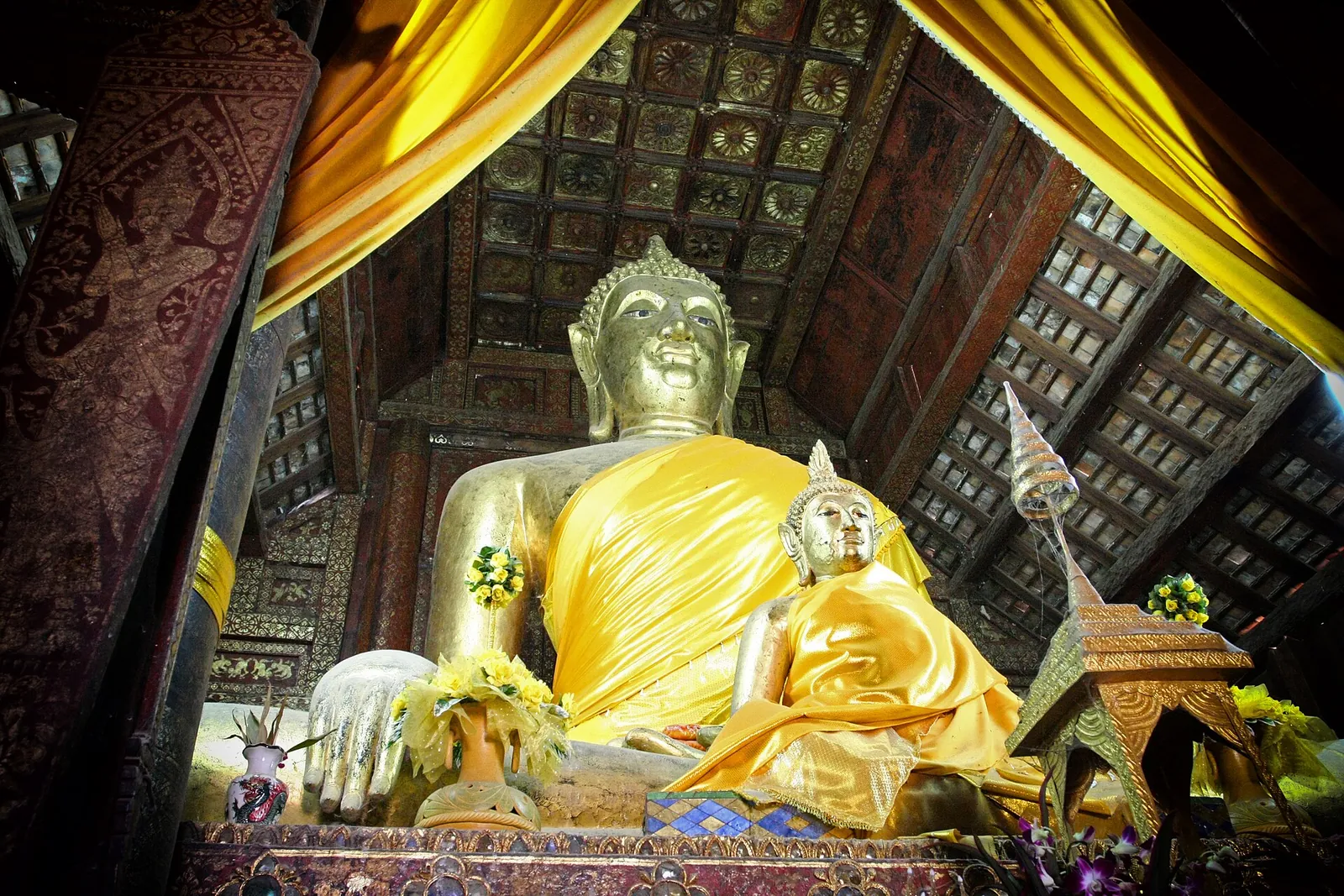
Inside a hall at Wat Phra That Lampang Luang.
Photograph: Kittipong khunnen — opens in a new tab · CC BY-SA 3.0 — opens in a new tab
Changes: Resized and converted to WebP; displayed with responsive crops. · Original photograph and licence details ↗ — opens in a new tab
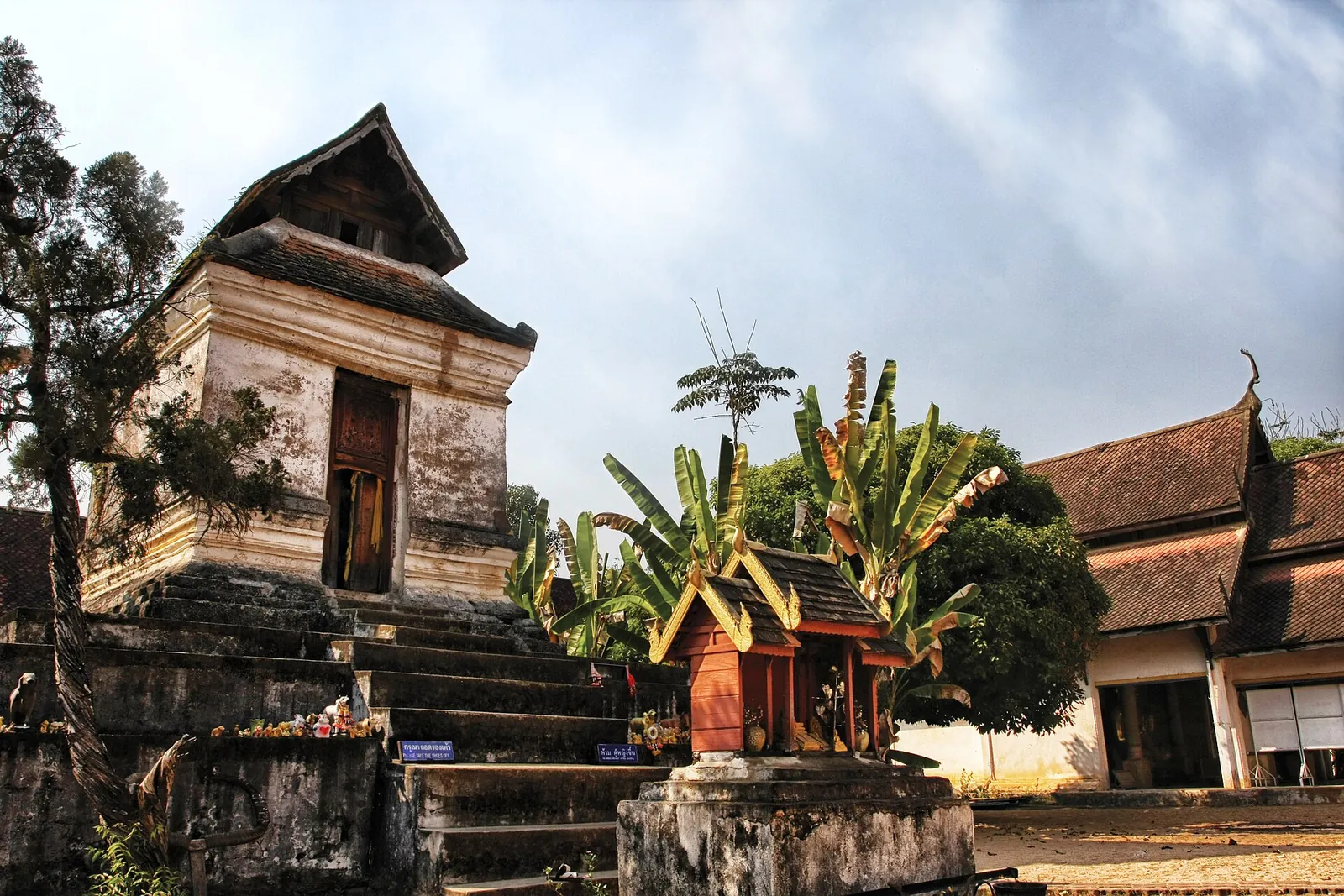
In the grounds of Wat Phra That Lampang Luang.
Photograph: Kittipong khunnen — opens in a new tab · CC BY-SA 3.0 — opens in a new tab
Changes: Resized and converted to WebP; displayed with responsive crops. · Original photograph and licence details ↗ — opens in a new tab
Wat Si Rong Mueang, a Burmese-style temple in Lampang.
Photograph: Adam Jones from Kelowna, BC, Canada — opens in a new tab · CC BY-SA 2.0 — opens in a new tab
Changes: Resized and converted to WebP; displayed with responsive crops. · Original photograph and licence details ↗ — opens in a new tab
The richly decorated interior of Wat Si Rong Mueang.
Photograph: Adam Jones from Kelowna, BC, Canada — opens in a new tab · CC BY-SA 2.0 — opens in a new tab
Changes: Resized and converted to WebP; displayed with responsive crops. · Original photograph and licence details ↗ — opens in a new tab