Plan your trip
Is Taiwan safe? Typhoons, earthquakes, dengue, hospitals and drug laws
Taiwan is an easy country to stay safe in: crime is low, intercity trains and buses are reliable, and medical care in Taipei is excellent. What changes a trip here is nature and the law. A typhoon can cancel flights and block mountain roads, the island shakes often, mosquitoes carry dengue from June to October, scooters weave through traffic, and an e-cigarette in your luggage or a small amount of drugs can turn into a serious problem at the border. This guide covers the three governments' advice as it stood on 8 November 2026, typhoons and earthquakes, the numbers to save and the phone that can call them, hospitals and insurance, vaccines and mosquitoes, altitude, the roads and the sea, and the laws that catch visitors out.
In this guide
Find the location ↗ — opens in a new tabThe short answer
Buy insurance before you fly that covers treatment, surgery and repatriation: hospitals charge visitors as they go, and an international-clinic outpatient visit at Hualien Tzu Chi Hospital costs NT$3,000, not counting medicines and tests. Save 110 for the police, 119 for fire and ambulance and 113, the 24-hour protection hotline for sexual assault, harassment and domestic violence, and check that your phone makes 4G voice (VoLTE) calls: without it you cannot call any number. Taiwan's typhoon season roughly falls between July and September, with August the peak, and the UK gives a wider May to November window; storms can delay or cancel flights, trains and buses. Dengue spreads from June to October, with a significant increase in the south, including Kaohsiung and Tainan, so avoid bites by day. On 8 November 2026 none of the UK, German or French governments advised against travel to any part of Taiwan; France placed the whole territory under normal vigilance and asks travellers to find the air-raid shelter nearest their hotel in advance. E-cigarettes may not be brought in, even for personal use; undeclared meat products bring a fine of NT$10,000 to NT$1,000,000, and pork products from areas with African swine fever cost NT$200,000 for a first offence.
- Key point
- Start at least 8 weeks before you fly, the UK's timing for a travel-clinic visit; the rest applies throughout the trip
- Where it applies
- No base is needed; the advice applies wherever you stay in Taiwan
- Timing
- Taiwan's typhoon season roughly falls between July and September, with August the peak (the UK and Germany give May to November); dengue is transmitted from June to October, and the Japanese encephalitis risk season is May to October
Travel advice, and the one instruction that changes a plan
This guide follows UK, German and French government advice as it stood on 8 November 2026. None of the three advises against travel to Taiwan or to any part of it: the UK names no area to avoid and carries a typhoon-season warning, Germany issues no travel warning, and France places the whole territory under normal vigilance. Other governments may draw a wider line, so read your own government's advice before you book and again before you fly. The UK has no diplomatic relations with Taiwan, so only limited support is available to British nationals.
France's advice adds the one instruction that changes what you do on arrival. If an air-raid alert sounds, by a notification on your phone or by siren, go without delay to the nearest air-raid shelter and follow the instructions of the Taiwanese authorities. Find the shelters near your hotel in advance on the official shelter map of Taiwan's Ministry of the Interior at adr.npa.gov.tw. For preparing for disasters and other emergencies, the Ministry of National Defense publishes an English guide, "In Case of Crisis: Taiwan's National Public Safety Guide", also known as the "Little Orange Book".
The internal political situation is stable. Demonstrations are possible in the big cities and can disrupt traffic, so keep away from them. There is no recent history of terrorism in Taiwan, although attacks cannot be ruled out.
Typhoons, mountain rivers and earthquakes
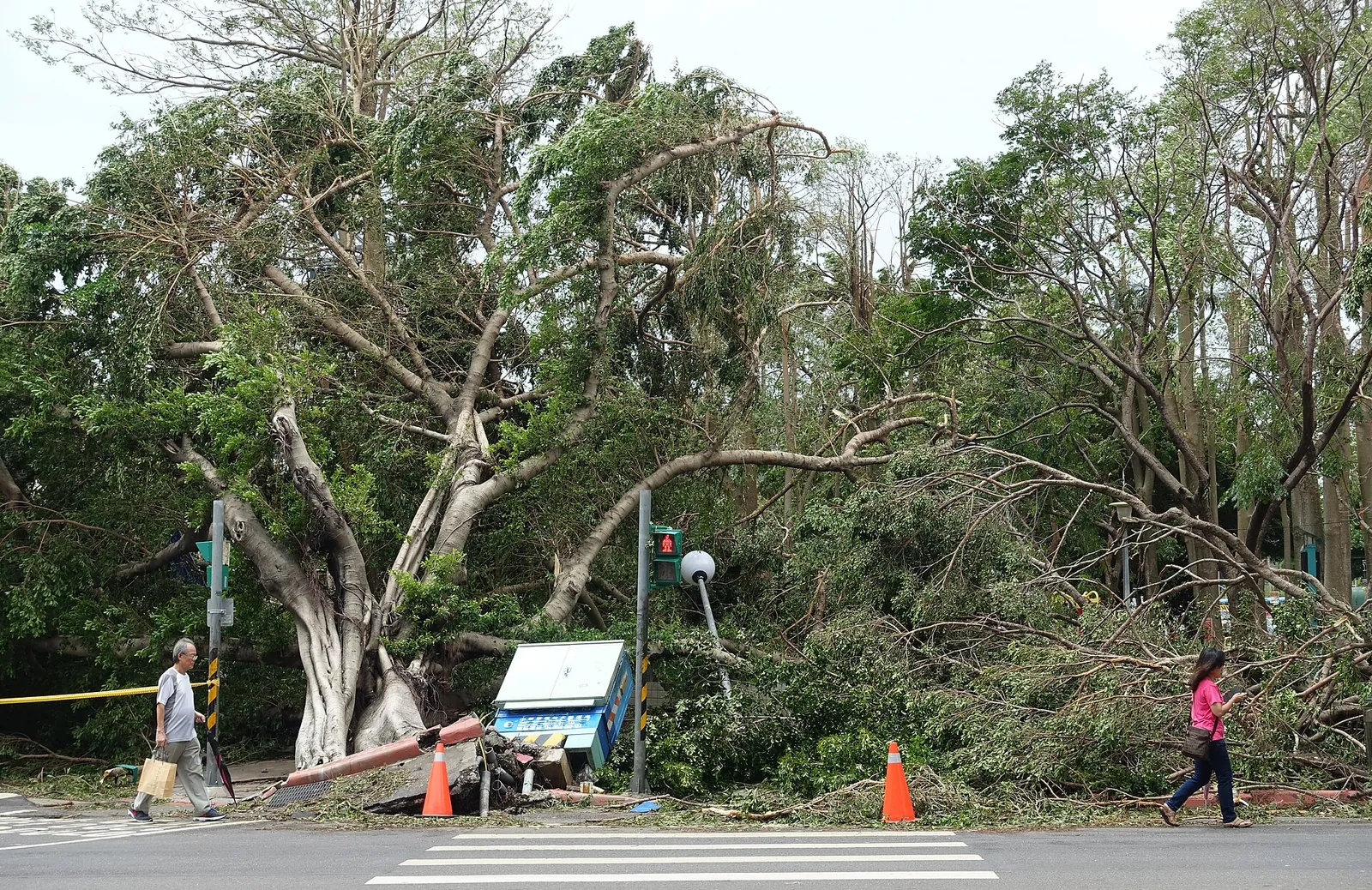
Typhoons are the hazard most likely to change your dates. Taiwan's typhoon season roughly falls between July and September, with August the peak month, according to the Central Weather Administration; the UK and Germany give a wider window, May to November. Check that your accommodation protects against strong winds and heavy rain; our guide to the best time to visit Taiwan sets these months against the rest of the weather.
In severe weather, flights, trains, buses and other transport may be delayed or cancelled, and coastal waters may be dangerous for swimming. After a typhoon there is a risk of road blockages and landslides, especially in central and southern Taiwan, and floods and landslides threaten mountain and cycling trips too; falling shop signs also cause accidents. Follow the Central Weather Administration's warnings; for news in English, the radio station ICRT broadcasts on FM 100.7 in Taipei. In these months, leave a spare day before an international flight; for closures in the gorge, see our Taroko Gorge guide.
In the mountains, any rain, even light rain or rain falling upstream, can make a river rise very suddenly, so move away from riverbanks as soon as it starts. After heavy rain, avoid floodwater and contact with soil or muddy water, and cover open wounds, because of infections such as leptospirosis.
Taiwan lies in an extremely active seismic zone: thousands of earthquakes between magnitude three and six are recorded in an average year, of which generally only five or six are clearly felt in Taipei. When the shaking starts, protect your head and neck. Indoors, drop, cover and hold on under a table or in a corner, away from furniture, lamps and shelves, and do not get into a lift. Outdoors, do not run inside: move away from buildings, trees and viaducts and watch for falling signboards and tiles. In a car, slow down, turn on the hazard lights, pull over to an open place away from buildings, trees and viaducts, and wait until the quake stops; on a train or the MRT, hold on to a handle or bar and bend down. Afterwards, contact your family to say you are safe.
Emergency numbers, and a phone that can call them
Save these numbers before you land. 110, 119 and 112 are free, and on 110 and 119 you can ask to be put through to an English speaker.
| Service | Number |
|---|---|
| Police | 110 |
| Fire and ambulance | 119 |
| Emergency call when mobile reception is poor | 112 |
| Coastguard | 118 |
| Protection hotline for sexual assault, harassment and domestic violence (24 hours, free) | 113 |
| Foreigners in Taiwan hotline | 1990 (+886-800-001990 from abroad) |
| Travel information, 24 hours, toll-free | 0800-011-765 |
| Taiwan CDC epidemic prevention line, toll-free | 1922 or 0800-001922 |
A phone that cannot make 4G voice calls cannot reach any of them: Taiwan shut down its 3G network on 30 June 2024, and a phone or SIM card without 4G voice (VoLTE) cannot make calls, emergency numbers included. Taiwan's authorities also cannot readily locate a foreign SIM card in a disaster, so buy a Taiwanese prepaid SIM with your passport at the airport or in any mobile phone shop. Then install the National Fire Agency's free app, 消防防災e點通, which pushes typhoon, earthquake and heavy-rain warnings to your phone.
113 is the 24-hour, free protection hotline for sexual assault, sexual harassment and domestic violence, and it has interpreters for English; our solo female travel guide covers getting around safely at night. The 1990 line is the National Immigration Agency's hotline for foreigners in Taiwan, and the 0800-011-765 travel information line answers around the clock.
Hospitals, pharmacies, costs, insurance and the medicines you bring
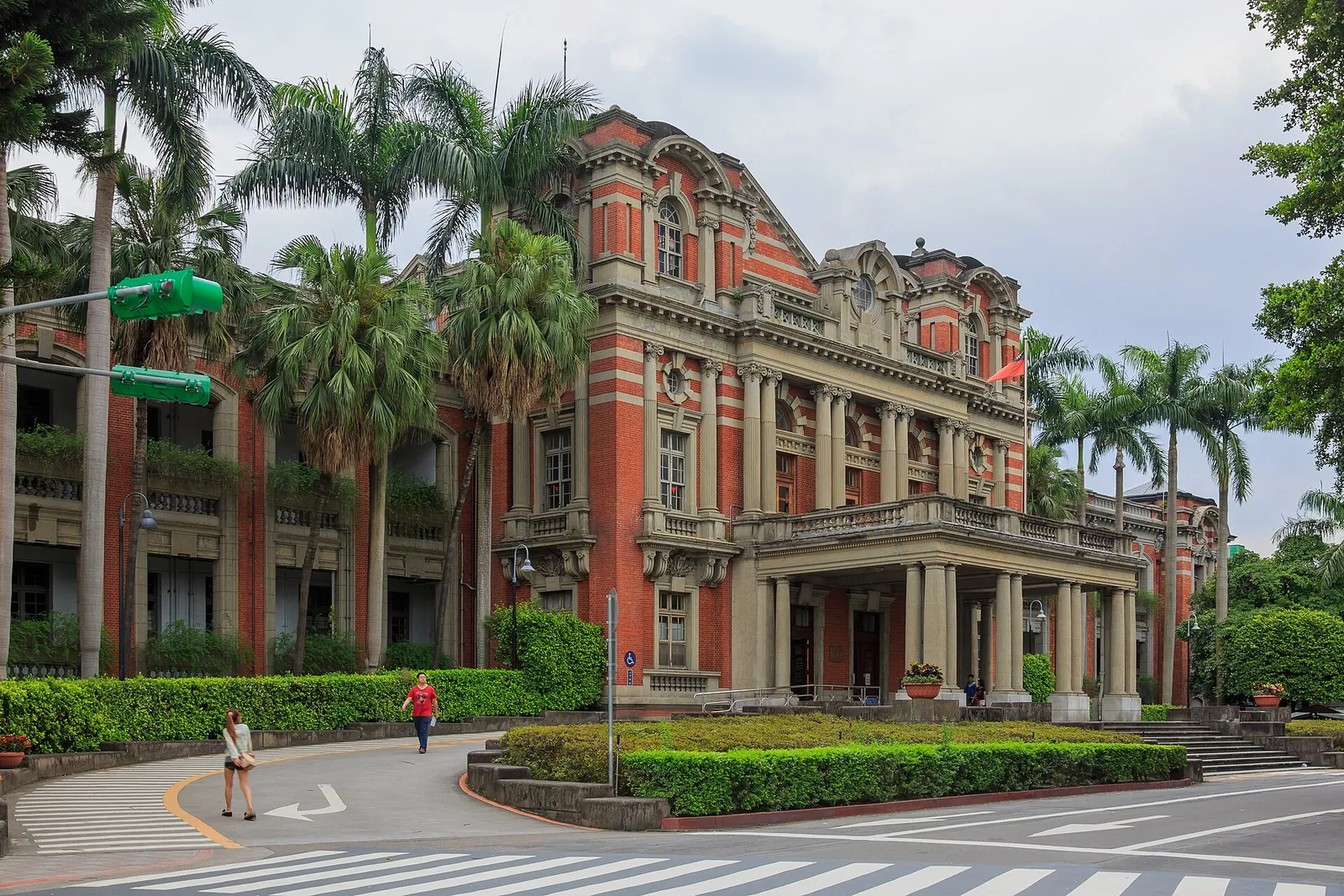
Medical care in Taiwan is of good quality: at a European level, and excellent in Taipei. Hospitals offer a range of routine, emergency and outpatient services, some with English-speaking staff, but outside the international departments of large hospitals communication can be difficult, especially in rural areas. The UK publishes a list of medical providers.
If you fall ill, go up the scale. For a minor complaint, ask the pharmacy staff at a pharmacy, as Taiwan's Ministry of Health and Welfare advises; if your symptoms last three days or more without improving, see a doctor. For a consultation in English, go to the international department of a large hospital: the Tourism Administration's list includes National Taiwan University Hospital (No. 7, Zhongshan S. Rd., Zhongzheng Dist., Taipei City; +886-2-2312-3456), MacKay Memorial Hospital, Taipei Veterans General Hospital, Kaohsiung Veterans General Hospital and Hualien Tzu Chi Hospital. In an emergency, call 119 and ask for an ambulance. The crew will not usually include a paramedic, and if you are referred to a medical facility, contact your insurer quickly.
Medicines fall into three classes. Prescription medicines, such as oral antibiotics and drugs for blood pressure or diabetes, need a doctor's prescription and are dispensed by pharmacy staff. Fever and pain relievers and cold medicines need no prescription and are sold in pharmacies and in drugstores that employ pharmacy staff. The mildest over-the-counter products, such as cooling balms and ointments, are also sold in ordinary shops, and they are the only medicines that may legally be sold online.
Hospitals operate on a "pay as you use" basis, so you pay each bill yourself. As an example, Hualien Tzu Chi Hospital's international medical service center charges patients without Taiwan's national health insurance NT$3,000 for an outpatient visit (NT$500 registration, NT$1,500 for the doctor's consultation and NT$1,000 outpatient service fee); medicines, treatment and tests are charged on top, and the hospital says its fees may change without notice. Ambulance fees follow the standards of each city or county: in Taipei, a fire-department ambulance called to a case later judged not to be an emergency is billed at NT$1,800 a trip.
Buy insurance before you fly that covers all medical costs, surgery and hospital stays included, and medical repatriation, and keep accessible funds for treatment. Choose a policy on the basis that you pay the whole bill yourself.
Pack prescription medicines in their original packaging with the original labels, in an amount consistent with the prescription, and carry the doctor's prescription with an English translation, naming each medicine by its generic name and showing that it is for your personal use. Cannabis oil and cannabis-derived medication may not be brought in, even if legally prescribed elsewhere. If you are unsure about a medicine, Taiwan's customs give binding answers and can approve the import in advance. Never buy medicines in the street, because they may be counterfeit.
Vaccines, dengue, bites, water and air
Book a travel-health appointment at least 8 weeks before your trip; even when time is short, an appointment is still worthwhile. There is no risk of yellow fever, the CDC neither recommends nor requires the yellow fever vaccine, and Germany lists no compulsory vaccinations for a direct flight from Germany. The table sets out what TravelHealthPro, the CDC and Germany recommend.
| Vaccine | Who it is for | Source |
|---|---|---|
| Routine vaccines, including tetanus and measles (MMR) | Everyone, up to date before the trip; the CDC asks all international travellers to be fully vaccinated against measles | TravelHealthPro, CDC, Germany |
| Hepatitis A | Unvaccinated travellers aged one year or older | CDC; TravelHealthPro lists it for some travellers |
| Hepatitis B | Unvaccinated travellers of all ages (CDC); TravelHealthPro says it could be considered for all travellers, since Taiwan has an intermediate or high prevalence | CDC, TravelHealthPro |
| Dengue and Japanese encephalitis | Long stays or special exposure such as rural areas (Germany); some travellers (TravelHealthPro) | Germany, TravelHealthPro |
| Rabies and chikungunya | Some travellers, depending on the trip | TravelHealthPro |
| Yellow fever | Not needed: there is no risk of yellow fever, and the CDC neither recommends nor requires the vaccine | TravelHealthPro, CDC |
Dengue is the mosquito-borne disease most likely to touch a visit. Taiwan's hot, humid subtropical climate makes it a high-risk setting for dengue epidemics; the virus is transmitted nationwide from June to October by day-active Aedes mosquitoes, and the UK reports a significant increase in cases in the south, including the cities of Kaohsiung and Tainan. These mosquitoes bite mainly in the daytime and are more common in towns and cities, so protect yourself against bites especially by day; that also guards against chikungunya, which TravelHealthPro lists as a risk. There is no preventive tablet and no specific treatment, though a vaccine is available. With a fever, see a doctor immediately and avoid anti-inflammatory drugs.
Japanese encephalitis occurs countrywide, with the risk season considered to be May to October, though cases may be reported outside these months; its mosquitoes usually bite between dusk and dawn, mainly in rural areas. As of 28 July 2026, ten confirmed cases had been reported in Taiwan in 2026, including one death, six of them in Taoyuan City. The CDC does not recommend the vaccine for short-term travel to urban areas, but suggests considering it for trips under a month that include rural visits, hiking or camping, or nights without air conditioning or screens.
Rabies has been reported only in wild animals in Taiwan, so most travellers are considered at low risk, and infected dogs are not commonly found; bats may carry rabies-like viruses. Seek medical advice promptly after any animal bite or scratch; rabies vaccines are typically available throughout most of the country. Scrub typhus, a fever carried by mites, is a potential risk only on hikes in the countryside, with low case numbers in recent years.
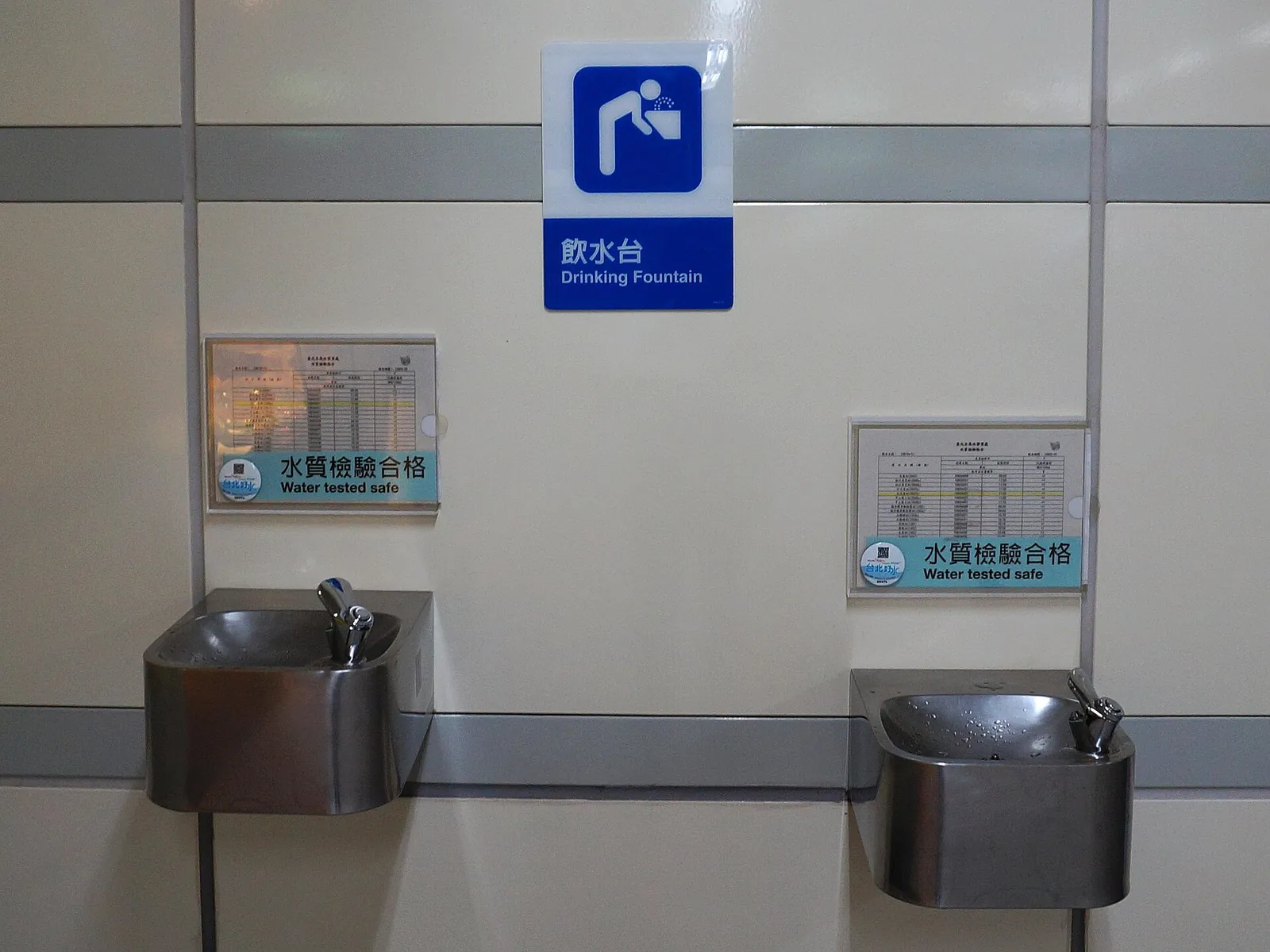
In Taipei, the Taipei Water Department says the water it supplies is safe to drink, and its drinking fountains in parks, on hiking trails and at tourist attractions are on an online map, so a refillable bottle works well in the capital. Elsewhere, drink only sealed drinks or water made safe by filtering or boiling, and avoid raw or undercooked food, raw shellfish included. Before a long day outdoors, check the Ministry of Environment's live air-quality index, which gives guidance on outdoor activity for each level. In the heat, drink enough and avoid the hottest hours, and cover up and use sunscreen against the sun.
Altitude and the high mountains
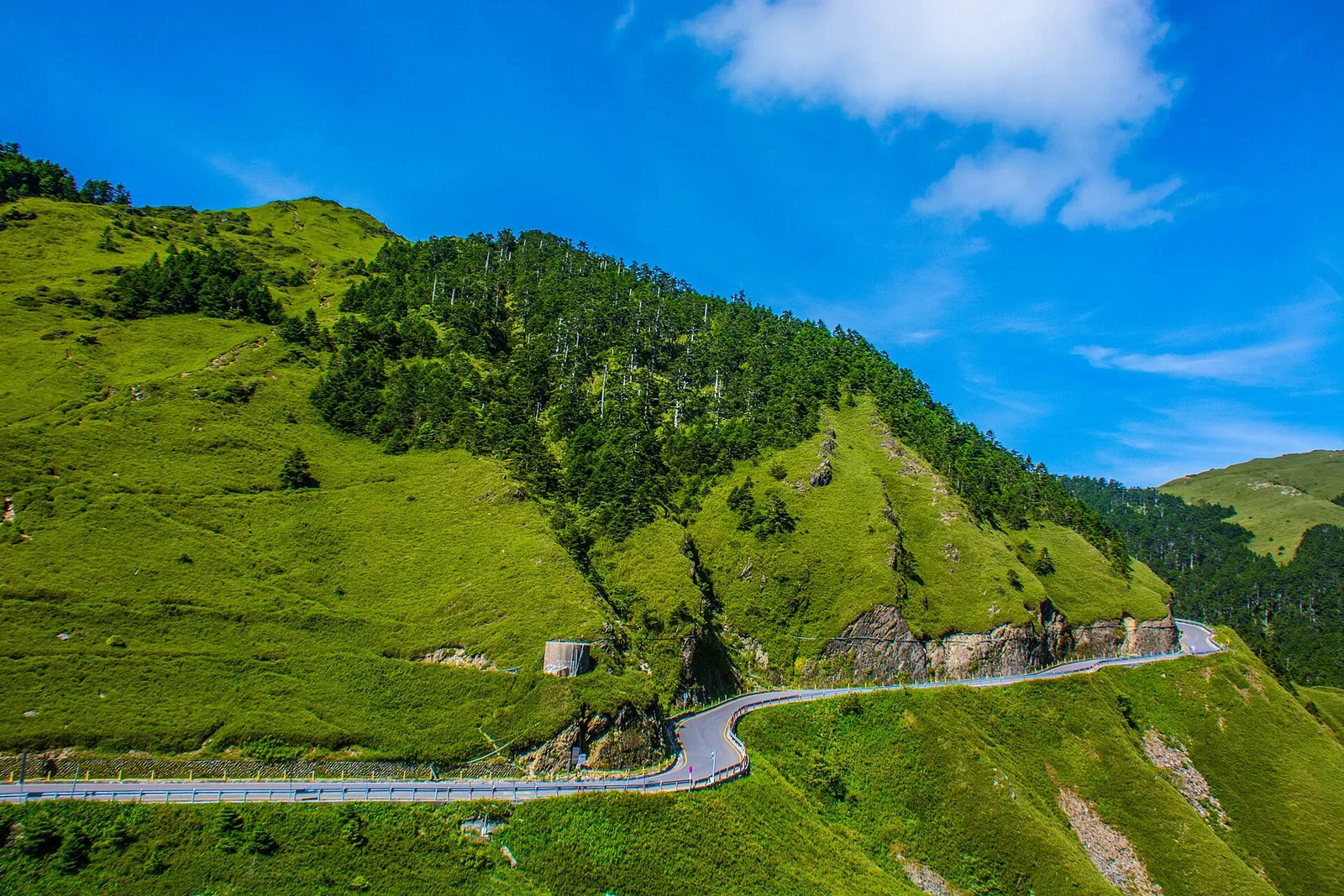
Altitude sickness is a risk in parts of Taiwan: it has peaks above 2,500 m, the height from which TravelHealthPro says altitude illness becomes a risk. Some summits start from a road: Hehuan East Peak, 3,421 m above sea level, has its trail entrance near Hehuan Mountain Villa at the 33 km mark of Provincial Highway 14A, and the trail is 1,056 m long and relatively steep. Taiwan's CDC warns that anyone, very healthy adults included, can get altitude illness when they go above 2,500 m without proper acclimatisation, and that at 3,000 m the air holds only about 70% of the oxygen at sea level. Our Cingjing and Hehuanshan guide covers the visit itself.
Follow these ascent rules. Spend a few days below 3,000 m before going higher, and where possible avoid going from under 1,200 m to over 3,500 m in a single day. Above 3,000 m, raise your sleeping height by no more than 500 m a day, with a rest day every three or four days. Headache, fatigue, loss of appetite, nausea and disturbed sleep are symptoms of acute mountain sickness: go no higher, and descend if they do not improve. High-altitude cerebral or pulmonary oedema needs immediate descent.
Highly restricted mountain areas need an entrance permit before you go in, and less restricted areas a B Class permit from a local police station; take your passport. The National Police Agency answers permit questions on +886-2-2357-7377, and our hiking guide explains the permits for the main routes. On trails and in gorges, watch for falling rocks, giant hornets, venomous snakes and wild monkeys, do not go into dangerous areas alone, and obey warning and stop signs.
Roads, scooters, the sea and boats
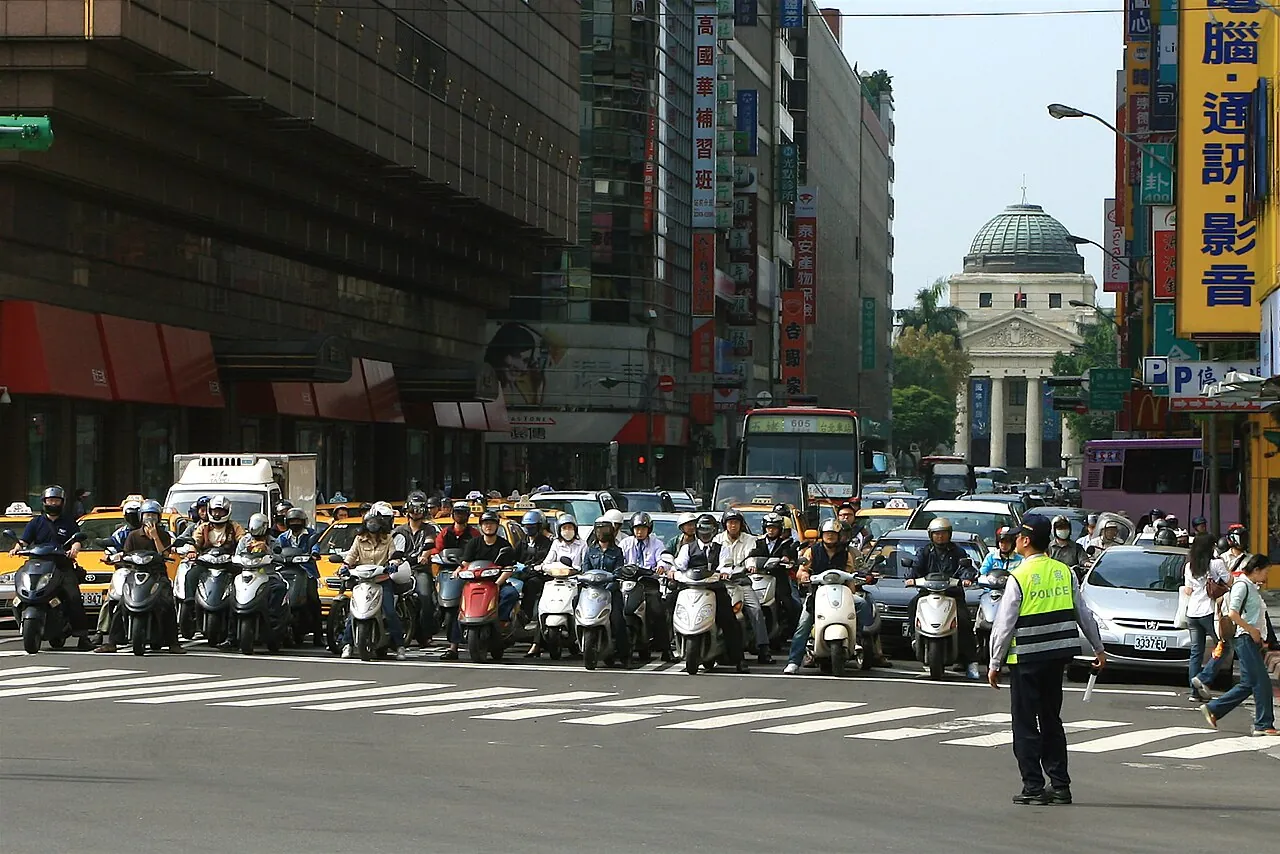
Taiwan's roads are well maintained, but scooters and motorcycles often weave through traffic, and vehicles might not stop at pedestrian crossings, so be alert whenever you cross. Intercity public transport is reliable, punctual and comfortable, with very good connections by domestic flights, scheduled buses and trains. Choose reliable transport, avoid driving at night, wear a seatbelt or helmet and watch out for two-wheelers. Our guide to getting around Taiwan gives the trains and buses.
To drive, British licence holders need a 1949 international driving permit, bought in the UK before travel, as well as their UK licence. Take the permit, your passport and a passport photograph to a local Motor Vehicles Office to have it validated; the validated permit lasts up to 12 months. The legal limit is a breath alcohol concentration of 0.15 mg per litre or a blood alcohol concentration of 0.03%, about a quarter of England's; drink-driving can bring a heavy fine and possible imprisonment, and passengers may also be fined.
Water is the other outdoor risk. Currents are very strong, so take particular care when swimming unsupervised in rivers, lakes or the ocean, and do not swim or do any water activities on coasts or rivers where no lifeguards are watching. On a boat, wear a life jacket, and never board one that is overloaded or unlicensed.
Crime, scams and the laws that catch visitors out
Crime rates are extremely low in Taiwan. Petty crime such as pickpocketing, handbag snatching and credit-card fraud does occur, especially in the big cities, so take particular care in large crowds: at airports and railway stations, on public transport and in busy streets. Pay by card where you can, carry only the cash you need for the day and no unnecessary valuables, and keep photos or electronic copies of your documents; our money guide covers cards and cash.
Assaults on foreigners, with fists and sometimes knives, and attempts at extortion are recorded from time to time, notably in or outside some bars, clubs and discos, so take basic care there.
Taiwan's drug laws are severe. Anyone found guilty of smuggling, trafficking, possessing or using illegal drugs, cannabis included, should expect a severe prison sentence or, in some cases, the death penalty, including when transiting through the airport, where transit baggage is scanned. Even relatively small amounts can bring long prison terms, so never carry items of unknown content for anyone else.
Always carry ID such as your passport; the police will usually accept a printed copy of the photo page. Leave e-cigarettes, vaporisers and e-liquids at home: Taiwan does not allow them in, even for personal use. Meat products are the other customs trap. Customs says almost all meat products made from land animals fail its processing and quarantine criteria, and carrying them without declaring them brings a fine of NT$10,000 to NT$1,000,000. Pork products from areas with African swine fever are banned outright: a first offence costs NT$200,000, whatever your nationality, and foreigners who do not pay at the border are repatriated. Throw any meat away before customs or declare it; our entry guide covers the rest of the customs rules.
Taiwan has some of Asia's most progressive policies on LGBT+ rights, and its Pride in October is the largest regular LGBT+ event in Asia. Same-sex marriage is possible and the rights are generally recognised by political institutions, though Germany cautions that acceptance cannot be expected everywhere among the population.
Practical questions
Is Taiwan safe for tourists?
For most visitors, yes. The UK describes crime rates as extremely low, and none of the UK, German or French governments advises against travel to Taiwan or any part of it; France places the whole territory under normal vigilance. The risks that change trips are typhoons, earthquakes, dengue, scooter traffic and the strict drug laws.
What is the emergency number in Taiwan?
Call 110 for the police and 119 for fire and ambulance; 112 is for an emergency call when mobile reception is poor. All three are free, and your phone must support 4G voice (VoLTE) calls to reach them.
When is typhoon season in Taiwan?
Taiwan's Central Weather Administration puts the season roughly between July and September, with August the peak month. The UK and Germany give a wider window, May to November, so a storm is possible outside the main months too.
Which vaccinations do I need for Taiwan?
There is no yellow fever risk, the US CDC does not require the yellow fever vaccine, and Germany lists no compulsory vaccinations for a direct flight from Germany. Make sure routine vaccines, including tetanus and measles, are up to date; the CDC recommends hepatitis A and B for unvaccinated travellers, and dengue, Japanese encephalitis and rabies vaccines depend on your trip.
Can I drink the tap water in Taipei?
In Taipei, yes: the Taipei Water Department says the water it supplies is safe to drink, and it runs drinking fountains in parks, on hiking trails and at tourist attractions. Elsewhere, drink sealed drinks or water made safe by filtering or boiling.
Can I bring an e-cigarette or vape to Taiwan?
No. E-cigarettes, vaporisers and e-liquids may not be brought into Taiwan, even for personal use.
Do I need travel insurance for Taiwan?
Yes. Hospitals operate on a pay-as-you-use basis: at Hualien Tzu Chi Hospital's international centre, for example, an outpatient visit costs NT$3,000, not counting medicines, treatment and tests. The UK, German and French governments all advise insurance that covers medical treatment and repatriation, and France adds surgery and hospital stays.
Keep planning your trip
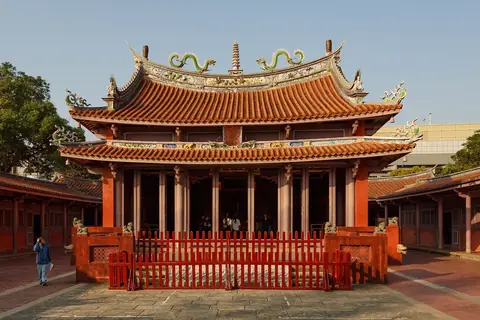
First trip to Taiwan
Plan a first Taiwan trip: nights and bases, compare rail routes, arrange the arrival card and SIM, and choose a hot-spring day.
Read the guide
Taiwan entry requirements
Check Taiwan visa-free entry, passport and onward-ticket rules, submit the free TWAC, and pack within customs limits before your flight to Taipei.
Read the guide
Best time to visit Taiwan
When to visit Taiwan by month and region: rain and temperatures, typhoons, 2027 festival dates, flower and fruit seasons and island ferries.
Read the guide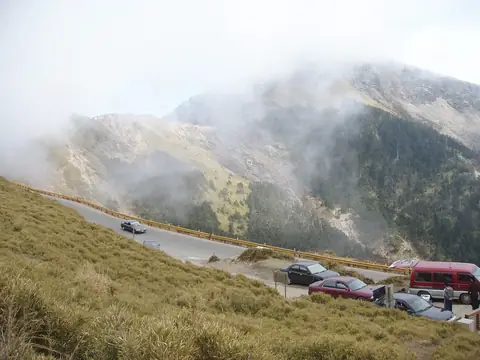
Hiking in Taiwan
Choose Taipei and northeast-coast day hikes, Hehuanshan peaks, Yushan or Snow Mountain, with permit windows, public buses, seasons and two mountain budgets.
Read the guide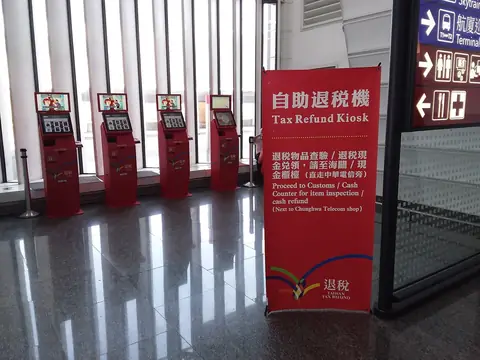
Money and payments in Taiwan
Where a foreign card works in Taiwan and where you still need New Taiwan dollars: metro gates, EasyCard, 7-Eleven ATMs, the 10% service charge and the 5% VAT refund.
Read the guide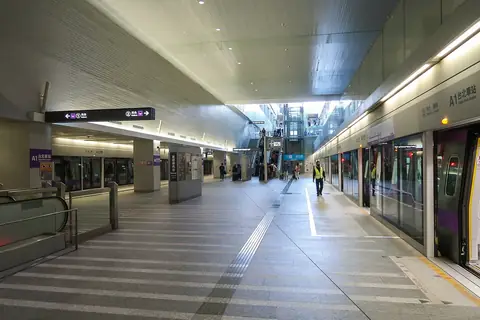
Solo female travel in Taiwan
Travelling alone as a woman in Taiwan: the UK, German and French advice, landing at Taoyuan after the last train, MRT intercoms, women's dorms and 113.
Read the guideSources and checks before you travel
(31)
- UK Foreign Office (GOV.UK): Taiwan travel advice, warnings ↗ — opens in a new tab
- UK Foreign Office (GOV.UK): Taiwan safety and security ↗ — opens in a new tab
- UK Foreign Office (GOV.UK): Taiwan health ↗ — opens in a new tab
- UK Foreign Office (GOV.UK): Taiwan getting help ↗ — opens in a new tab
- Germany's Federal Foreign Office (Auswärtiges Amt): Taiwan, Reise- und Sicherheitshinweise ↗ — opens in a new tab
- French foreign ministry (France Diplomatie): Taiwan, sécurité ↗ — opens in a new tab
- French foreign ministry (France Diplomatie): Taiwan, dernières minutes ↗ — opens in a new tab
- French foreign ministry (France Diplomatie): Taiwan, santé ↗ — opens in a new tab
- TravelHealthPro (NaTHNaC): Taiwan ↗ — opens in a new tab
- US CDC Travelers' Health: Taiwan ↗ — opens in a new tab
- Taiwan Centers for Disease Control: dengue fever ↗ — opens in a new tab
- Taiwan Centers for Disease Control: altitude illness ↗ — opens in a new tab
- Taiwan Tourism Administration: safety and emergency information ↗ — opens in a new tab
- Taiwan Tourism Administration: arrival health notice ↗ — opens in a new tab
- National Immigration Agency: Foreigners in Taiwan hotline ↗ — opens in a new tab
- Customs Administration (Taipei Customs): meat products and African swine fever ↗ — opens in a new tab
- National Fire Agency, Ministry of the Interior: Earthquake! What should we do? ↗ — opens in a new tab
- National Fire Agency, Ministry of the Interior: when you are in an outdoor space ↗ — opens in a new tab
- National Fire Agency, Ministry of the Interior: when you are in a public place ↗ — opens in a new tab
- Ministry of Health and Welfare (Taiwan FDA): the three classes of medicine ↗ — opens in a new tab
- Central Weather Administration: typhoon encyclopedia ↗ — opens in a new tab
- Taipei Water Department: tap water ↗ — opens in a new tab
- Forestry and Nature Conservation Agency: Hehuan East Peak trail ↗ — opens in a new tab
- Ministry of Environment: air quality monitoring network ↗ — opens in a new tab
- Hualien Tzu Chi Hospital, International Medical Service Center: service information ↗ — opens in a new tab
- Emergency Medical Services Act, article 20 (Laws and Regulations Database, in Chinese) ↗ — opens in a new tab
- Taipei City Government: plan for charging misuse of fire-department ambulances (in Chinese) ↗ — opens in a new tab
- Road Traffic Safety Rules, article 114 (Laws and Regulations Database, in Chinese) ↗ — opens in a new tab
- National Fire Agency app 消防防災e點通 (App Store listing, in Chinese) ↗ — opens in a new tab
- Ministry of National Defense: In Case of Crisis, Taiwan's National Public Safety Guide (PDF) ↗ — opens in a new tab
- Ministry of Health and Welfare: 113 protection hotline (in Chinese) ↗ — opens in a new tab
Reference sources for the version dated 8 November 2026. Confirm opening times, access, transport and conditions for your travel dates.
Photo credits
(5)
National Taiwan University Hospital in Taipei, one of the hospitals on the Tourism Administration's list
Photograph: CEphoto, Uwe Aranas — opens in a new tab · CC BY-SA 4.0 — opens in a new tab
Changes: Resized and converted to WebP; displayed with responsive crops. · Original photograph and licence details ↗ — opens in a new tab
Taipei after Typhoon Soudelor in 2015: strong winds bring down trees across the city
Photograph: FramaKa — opens in a new tab · CC BY-SA 4.0 — opens in a new tab
Changes: Resized and converted to WebP; displayed with responsive crops. · Original photograph and licence details ↗ — opens in a new tab
Hehuan East Peak, 3,421 m high, starts from a road, so altitude can arrive quickly
Photograph: Joyechen — opens in a new tab · CC BY-SA 4.0 — opens in a new tab
Changes: Resized and converted to WebP; displayed with responsive crops. · Original photograph and licence details ↗ — opens in a new tab
Drinking fountains in a Taipei Metro station
Photograph: Solomon203 — opens in a new tab · CC BY-SA 4.0 — opens in a new tab
Changes: Resized and converted to WebP; displayed with responsive crops. · Original photograph and licence details ↗ — opens in a new tab
Scooters wait at a light on Guanqian Road in Taipei; expect them to weave through traffic
Photograph: Jim Epler — opens in a new tab · CC BY 2.0 — opens in a new tab
Changes: Resized and converted to WebP; displayed with responsive crops. · Original photograph and licence details ↗ — opens in a new tab