Plan your trip · Taiwan
Taiwan money planning: NT$ cash, cards and exchange receipts
A useful Taiwan money plan starts with the currency on the bill and the payment method that the particular business accepts. A hotel, a noodle shop and a market stall need not handle the same card or app, so a single assumption is a poor substitute for checking. The official tourism guidance supplies the currency and exchange framework; your bank and the business supply the actual rate, fees and payment decision.
- Suggested time
- A sample 4-night Taipei stay; the practical checks also apply to longer trips
- Where to stay
- One central Taipei hotel, with the airport and the final city connection checked separately
- Season and timing
- Check requirements and operators again before departure; a seasonal travel plan does not replace current official information.
The short answer
For a four-night Taipei stay, use one central hotel and organise NT$ cash on arrival, leaving the first full day for city sights and market meals. The Tourism Administration’s Useful Tips page checked on 2026-10-08 identifies New Taiwan Dollar notes and coins, designated exchange providers and major card networks. Keep the exchange receipt and confirm each business’s actual payment method instead of assuming universal card or foreign-app acceptance. Compare the displayed price and any stated service charge before ordering. Customs declarations are a separate question: use the current authority guidance and its Red Channel if unsure.
Recognise the currency before comparing prices
Taiwan’s currency is the New Taiwan Dollar, written NT$ in the Tourism Administration’s Useful Tips page. When checked on 2026-10-08, that page listed notes of NT$100, NT$200, NT$500, NT$1000 and NT$2000, alongside coins of NT$1, NT$5, NT$10, NT$20 and NT$50. Those are denominations, not suggested spending amounts or a promise that every shop can change a large note.
Read the full price before paying, then compare it with the actual portion, room or service you are choosing. A modest arrival meal gives you a useful first transaction without turning one restaurant bill into a national daily budget. No exchange rate or typical meal price is fixed here: both should come from the provider and menu you will actually use.
Choose a documented exchange and keep the receipt
The official tourism page checked on 2026-10-08 says foreign currencies may be exchanged at government-designated banks and hotels. It also says exchange receipts should be retained for converting unused NT$ before departure. Choose an actual provider, check its terms and keep the documentation rather than treating every desk in a hotel as an exchange counter.
Before using a card abroad, check overseas transaction charges, withdrawal conditions and any currency-conversion choice with your own provider. Comparing those terms with the exchange provider’s actual rate gives you a basis for choosing how to pay, while the retained receipt keeps unused NT$ part of the departure plan. Arrange the money needed for your confirmed journey before adding a remote outing to the itinerary.
Make time for the local food
What to eat and where to look
Beef noodle soup
The national snack guide describes beef and noodles in a seasoned broth, including a preparation using spicy bean paste. Recipes vary between kitchens.
- Where to look
- A current noodle-shop menu near your Taipei hotel; check the actual dish and price.
- Fit it into your day
- Make a seated bowl the arrival meal rather than planning several tastings after a flight.
Contains beef; ask about wheat, soy, spice and any other ingredients relevant to your diet.
Pepper bun
The cited national guide describes an oven-baked bun with pork, green onion, black pepper, herbs and sesame.
- Where to look
- A stall or bakery actually listing pepper buns; the guide does not establish any one vendor’s hours.
- Fit it into your day
- Choose one as a smaller city snack, leaving room for a later meal.
Contains pork and sesame; check wheat and other allergens. Allow the hot filling to cool before eating.
Oyster omelette
The national description combines oysters, potato and tapioca starch, eggs and leafy vegetables, finished with sweet-and-sour sauce.
- Where to look
- Current night-market or restaurant menus, rather than assuming a named stall serves it every day.
- Fit it into your day
- Share a serving during a market evening if you are trying other dishes.
Contains molluscs and egg; check the sauce, other ingredients and shared cooking equipment.
Confirm the payment method and the complete bill
The Tourism Administration names major credit-card networks in its guidance, but that does not establish acceptance at every stall, small shop or accommodation. Ask the business how you can pay before placing the order, and keep a workable NT$ option for the transactions you have confirmed. A payment sticker or a QR code alone does not show that your foreign bank or app can use it.
The same official page describes a customary service charge of 10% in hotels or restaurants, when checked on 2026-10-08. Treat that as guidance to inspect the actual menu and bill, rather than a universal rule or an instruction to add a second charge yourself. Ask what the displayed price includes before agreeing to a room, meal or activity.
Separate the daily budget from border declarations
Taipei Customs’ Must Know page directs passengers carrying declarable goods to the Red Channel and also uses that channel for consultation when in doubt. Its rules were checked on 2026-10-08. A sensible holiday cash budget does not answer whether a particular amount or financial item needs declaration; consult the authority’s current money-control guidance for what you will carry.
For the sample four-night stay, one Taipei hotel makes it easier to compare the complete accommodation bill before allocating city meals and outings. Beef noodles can be a seated lunch, while a pepper bun or shared oyster omelette keeps a market evening flexible. Confirm current prices and portions as you go; the food suggestions are a way to shape meals, not an unverified claim about how cheaply the trip can be done.
Practical questions
What currency should I plan to use in Taiwan?
The official Useful Tips page checked on 2026-10-08 identifies the New Taiwan Dollar, written NT$. Check the complete displayed price and the denomination you hand over rather than relying on an assumed exchange rate.
Will my card or foreign QR app work everywhere?
No universal acceptance is established here. The official tourism guidance names major card networks, but you should ask the actual business about its payment methods and confirm your provider’s overseas conditions.
Should I keep a currency-exchange receipt?
Yes. The Tourism Administration’s guidance checked on 2026-10-08 says to retain the receipt for exchanging unused NT$ before departure. Confirm the exchange provider’s current terms before making the transaction.
Does a restaurant always add a service charge?
The tourism page checked on 2026-10-08 describes a customary 10% hotel or restaurant service charge. Check the actual menu and complete bill; the statement does not establish that every business adds it or that you should add another charge yourself.
Sources and checks before you travel
Reference sources for the version dated 8 October 2026. Confirm opening times, access, transport and conditions for your travel dates.
- Taiwan Tourism Administration: Useful Tips ↗ — opens in a new tab
- Taipei Customs: Must Know ↗ — opens in a new tab
- Taiwan Tourism Administration: Taiwan Snacks ↗ — opens in a new tab
- Taoyuan Metro: Airport MRT route map ↗ — opens in a new tab
- Taiwan Tourism Administration: Taipei City ↗ — opens in a new tab
Photo credits
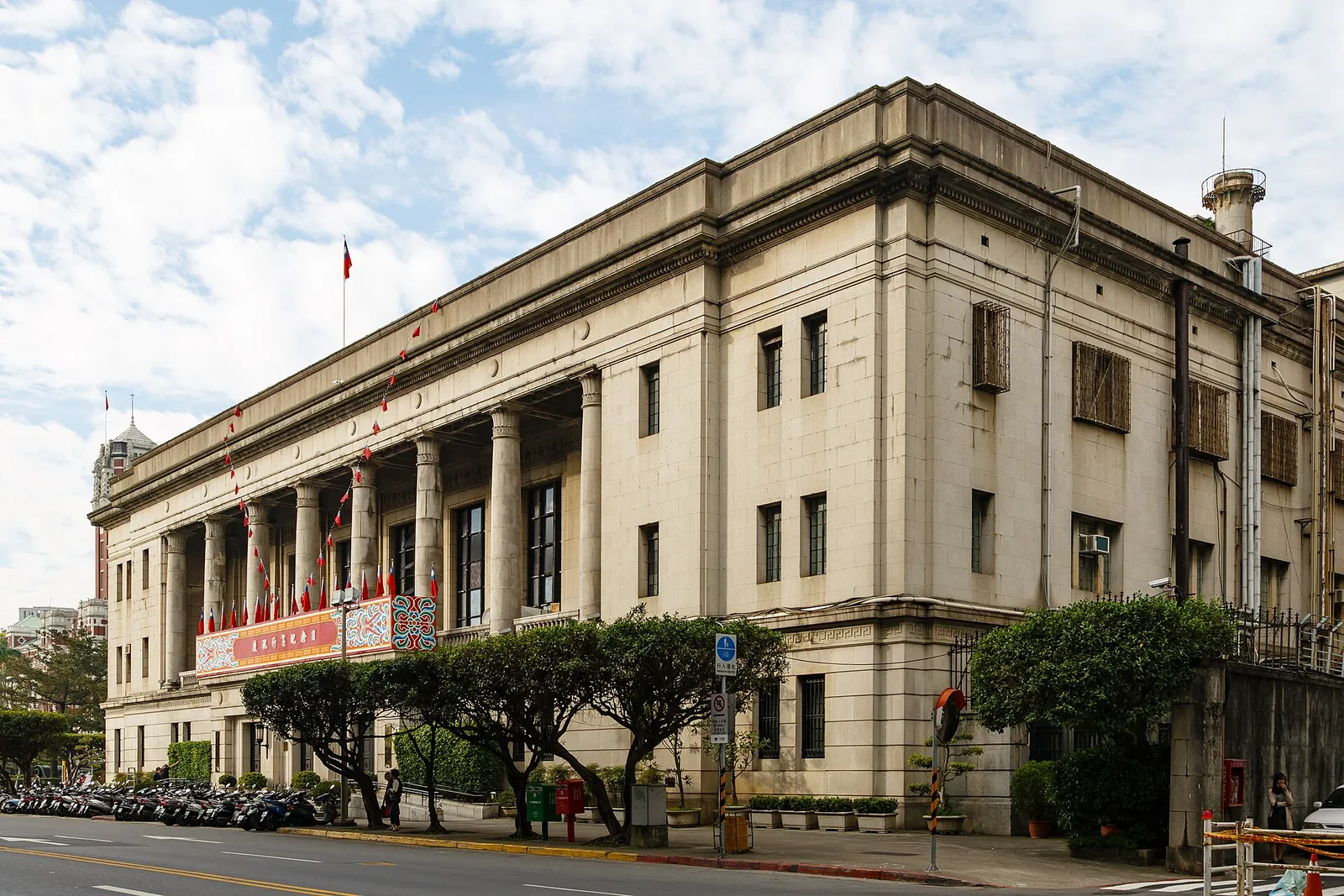
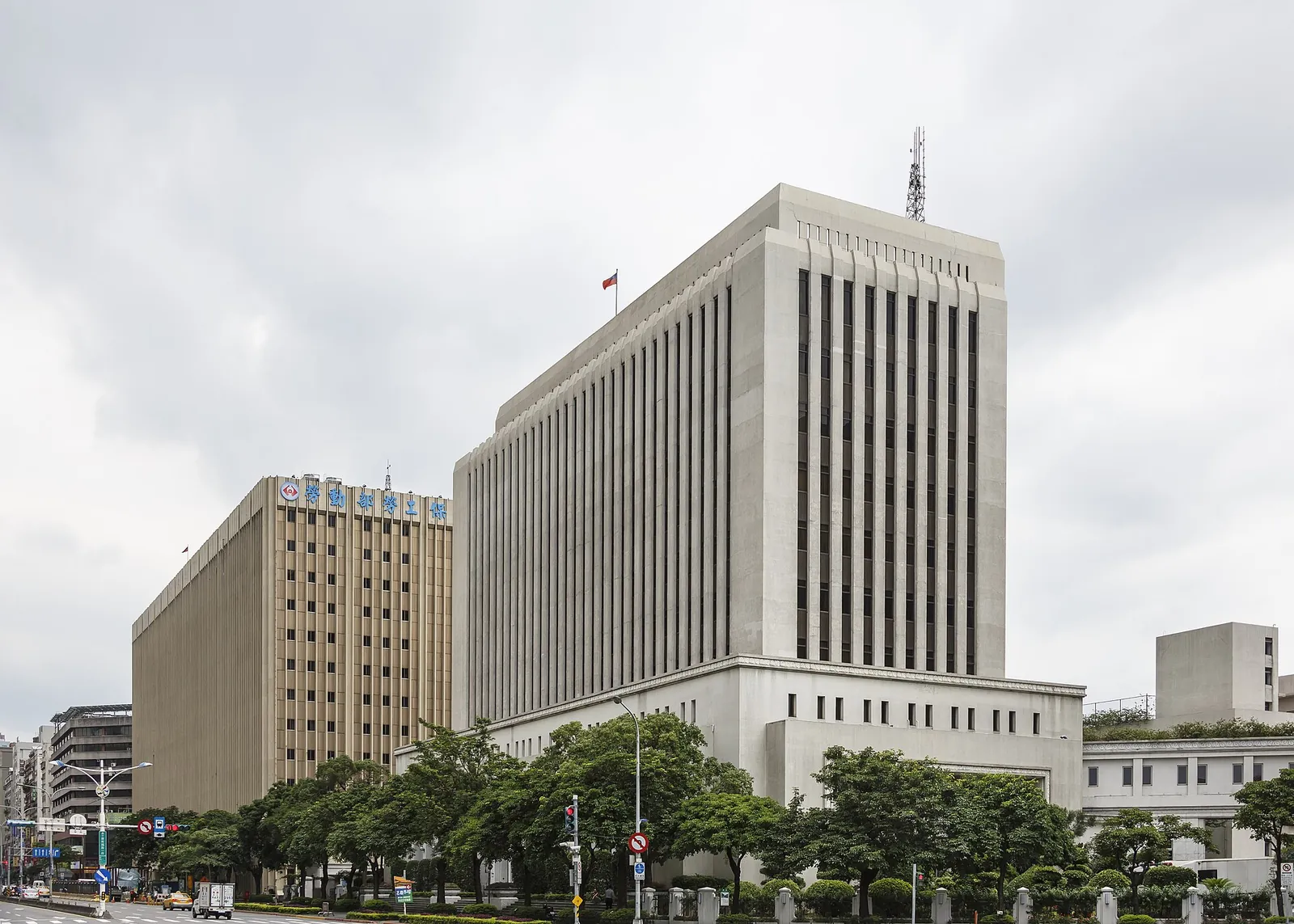
A historical view of a Taipei bank illustrates the exchange topic; current services and opening arrangements require confirmation.
Photograph: CEphoto, Uwe Aranas — opens in a new tab · CC BY-SA 3.0 — opens in a new tab
Changes: Resized and converted to WebP; displayed with responsive crops. · Original photograph and licence details ↗ — opens in a new tab
The central-bank setting provides currency context, not a claim that this building is a tourist exchange counter.
Photograph: CEphoto, Uwe Aranas — opens in a new tab · CC BY-SA 3.0 — opens in a new tab
Changes: Resized and converted to WebP; displayed with responsive crops. · Original photograph and licence details ↗ — opens in a new tab
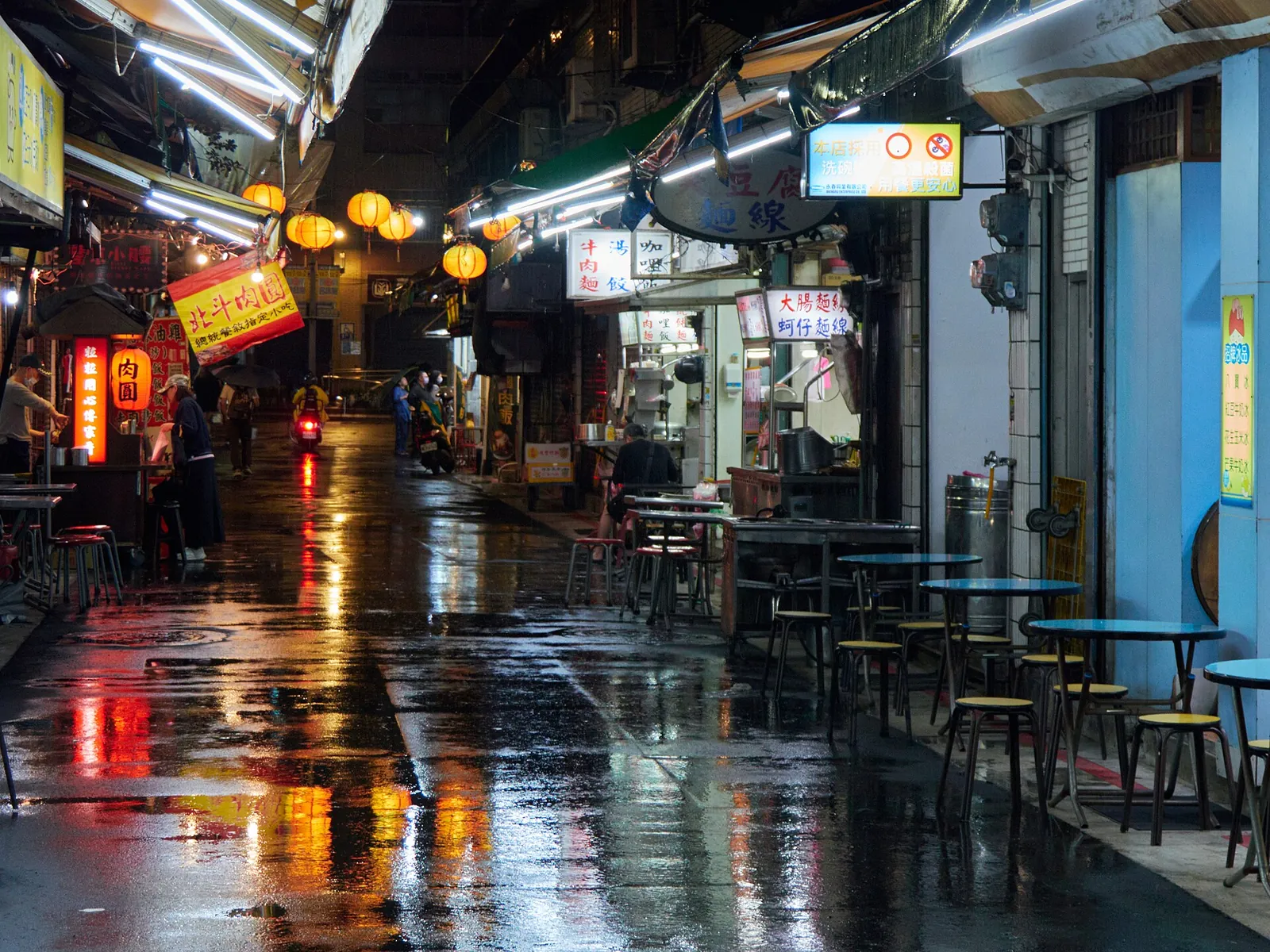
A market evening is part of the city meal plan; check each vendor’s current price and payment method.
Photograph: lumoplank — opens in a new tab · CC0 — opens in a new tab
Changes: Resized and converted to WebP; displayed with responsive crops. · Original photograph and licence details ↗ — opens in a new tab
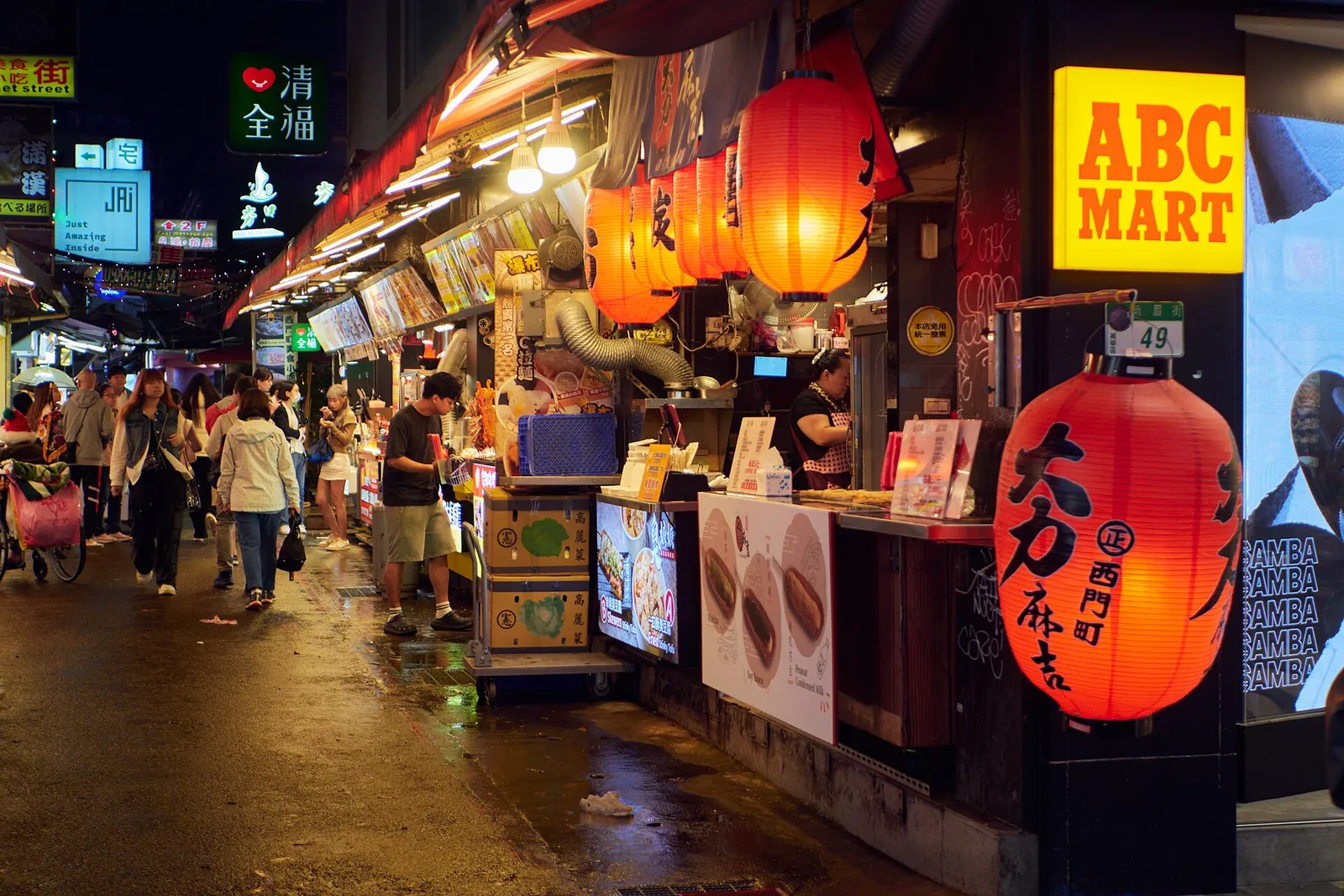
A Taipei food-shopping setting illustrates daily spending without establishing universal card or app acceptance.
Photograph: lumoplank — opens in a new tab · CC0 — opens in a new tab
Changes: Resized and converted to WebP; displayed with responsive crops. · Original photograph and licence details ↗ — opens in a new tab