Plan your trip · Taiwan
Best time to visit Taiwan: rain seasons and festival choices
Choosing a month becomes easier once you separate Taiwan’s weather patterns from the particular experience you want. A city break can adapt to rain with museums and changing walking plans; a ferry, mountain route or outdoor event has a different tolerance for disruption. The Central Weather Administration provides the seasonal framework, while the event organiser supplies the date and the day’s programme. Neither a festival photograph nor a climate average tells you what will operate on your arrival day.
- Suggested time
- Four nights for the Taipei example; adjust for a separately confirmed regional event
- Where to stay
- Taipei for the city example; choose a separate local hotel if an event elsewhere drives the trip
- Season and timing
- Match the region and activity to current forecasts; May–June Mei-Yu and roughly July–September typhoon season are planning considerations
The short answer
Use Taipei for four nights: explore the city on arrival, spend two flexible days on museums and markets, and leave the final day forecast-led, choosing dates around regional rain seasons. May–June brings Mei-Yu rain, roughly July–September brings concentrated typhoon activity, and the winter northeast monsoon brings cloudy, partly rainy conditions to the north and northeast. There is no single dry season that answers every route. If lantern celebrations or the southern butterfly programme are your priority, confirm the current schedule before choosing dates, transport and a local hotel.
Start with the region, then choose the month
Taiwan’s winter northeast monsoon affects the north and northeast with cloudy and partly rainy weather, according to the Central Weather Administration. That distinction matters more than a blanket promise that winter is dry. For a Taipei-led trip, a central hotel lets you alternate museum visits with markets and outdoor walks as conditions change. If your main goal lies elsewhere, use that place’s forecast and access notices before choosing the month, rather than applying Taipei’s seasonal pattern to the whole island.
Give the rainy seasons room in the itinerary
May and June are Taiwan’s Mei-Yu season, when a stationary front can bring cloudy skies, rain and sometimes heavy thundershowers. The typhoon FAQ places the rough typhoon season in July–September, with August the peak; its historical table also records storms outside that window. A month beyond the peak is therefore no guarantee of uninterrupted travel. Keep outdoor outings replaceable, check current warnings before departure and avoid making an unverified mountain or island connection the only workable day in your plan.
Make time for the local food
What to eat and where to look
Rice-flour dumplings
The Tourism Administration associates rice-flour dumplings with the Lantern Festival, making them a useful food connection when lantern celebrations anchor your trip.
- Where to look
- Food stalls or shops serving Lantern Festival foods near your chosen celebration
- Fit it into your day
- Choose them as a festival snack rather than assuming every tasting tour includes them.
Ask about fillings, cooking liquid and allergens; the festival description does not establish a standard recipe.
Zongzi
These glutinous-rice dumplings wrapped in bamboo leaves are one of the foods named in the official description of the Dragon Boat Festival.
- Where to look
- Shops or stalls advertising Dragon Boat Festival rice dumplings
- Fit it into your day
- A rice-based snack can fit between festival activities, once the seller explains the filling.
Fillings vary; ask about meat, seafood, nuts and other ingredients before ordering.
Mooncakes
Mooncakes belong to the Mid-Autumn Festival in the national tourism account, alongside pomelos and family celebrations.
- Where to look
- Bakeries or shops selling Mid-Autumn Festival foods
- Fit it into your day
- Share a mooncake as a seasonal sweet rather than treating the festival as a nightly food-market programme.
Ask about nuts, eggs, dairy and fillings; no particular recipe or allergen-free version is confirmed here.
Let a specific seasonal experience set the date
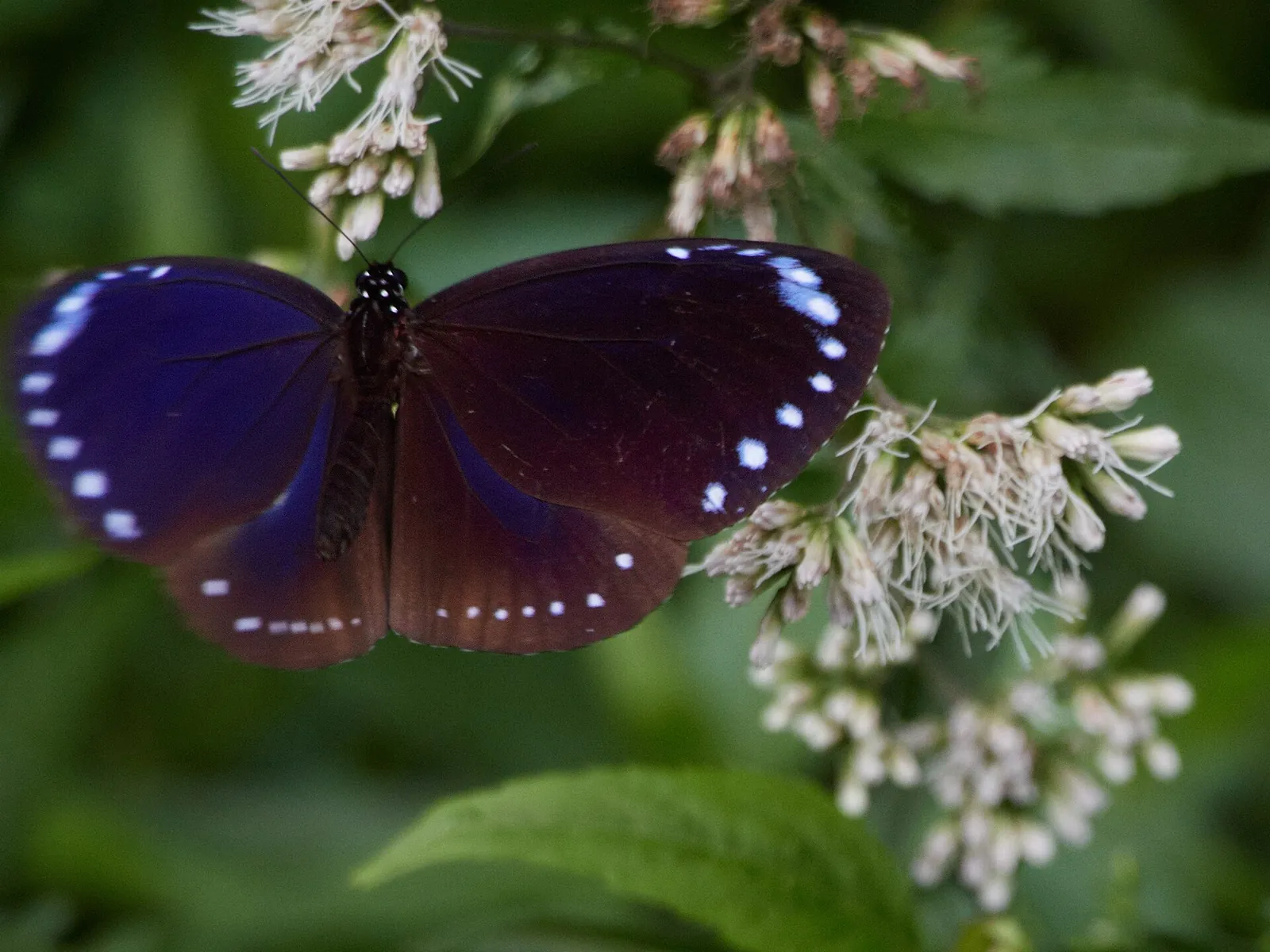
A festival can provide a clearer reason to choose dates than a general search for the best weather. Lantern celebrations follow the lunar calendar, so their Gregorian dates change. The Tourism Administration lists the 2026–2027 Butterfly Beauty Festival from 2026-10-31 to 2027-03-31 at Maolin Ecological Park, while describing the wider butterfly season as November–March. That programme window is not a promise of butterflies or activities every day; confirm the current programme and local conditions before adding a separate southern stay.
Turn the seasonal choice into a flexible city stay
In the four-night Taipei example, arrival belongs to the city rather than an ambitious onward journey. The middle days can combine museums and markets with outdoor outings that suit the forecast, leaving the last day for whichever option still works. Taipei Main Station is a useful starting area because the official airport rail map connects A12 and A13 with A1. For a festival-led detour, select accommodation and transport around the actual venue; the Taipei airport connection does not confirm the rest of that regional journey.
Practical questions
Is there one best month for all of Taiwan?
No single month guarantees suitable conditions for every region and activity. Start with the place and experience you want, then compare the local forecast, access notices and any current event programme.
When is Taiwan’s Mei-Yu season?
The Central Weather Administration identifies May and June as Taiwan’s Mei-Yu season. Cloudy or rainy conditions can include heavy thundershowers, although the weather is sometimes clear.
Does travelling after September avoid all typhoons?
No. The official FAQ describes a rough July–September season with August the peak, but its historical table includes October and November as well; current warnings still matter outside the main window.
Does the butterfly festival guarantee daily sightings?
No. The listed 2026–2027 programme runs from 2026-10-31 to 2027-03-31, but a date range does not establish daily butterfly sightings or a daily activity timetable. Check the local programme and conditions before arranging transport.
Sources and checks before you travel
Reference sources for the version dated 8 October 2026. Confirm opening times, access, transport and conditions for your travel dates.
- Central Weather Administration: monsoons ↗ — opens in a new tab
- Central Weather Administration: Mei-Yu in Taiwan ↗ — opens in a new tab
- Central Weather Administration: typhoon season ↗ — opens in a new tab
- Taiwan Tourism Administration: traditional festivals ↗ — opens in a new tab
- Taoyuan Metro: airport rail map ↗ — opens in a new tab
- Taiwan Tourism Administration: Butterfly Beauty Festival ↗ — opens in a new tab
Does this experience fit your route?
Choose your travel window around the experiences you value, then verify the local forecast, event programme and hotel location before booking.
Check dates and details on Viator ↗ — opens in a new tabAffiliate link · Book with ViatorPhoto credits
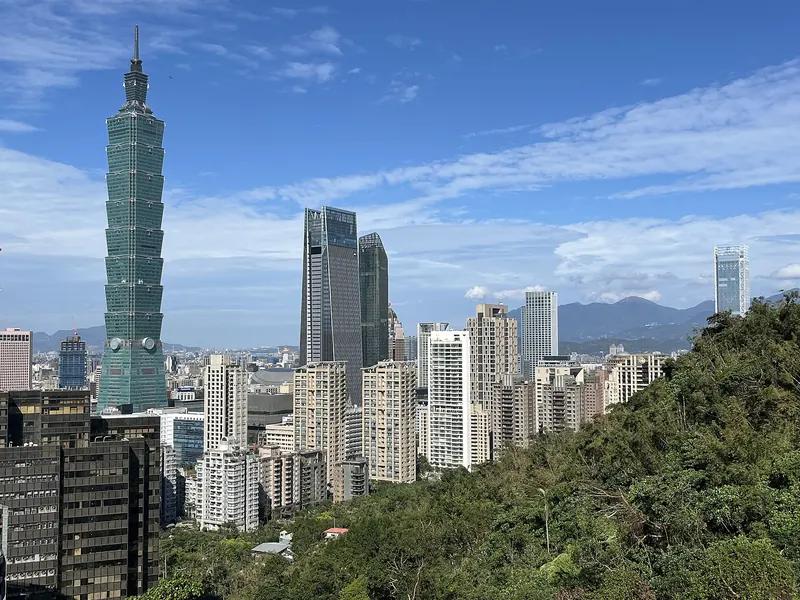
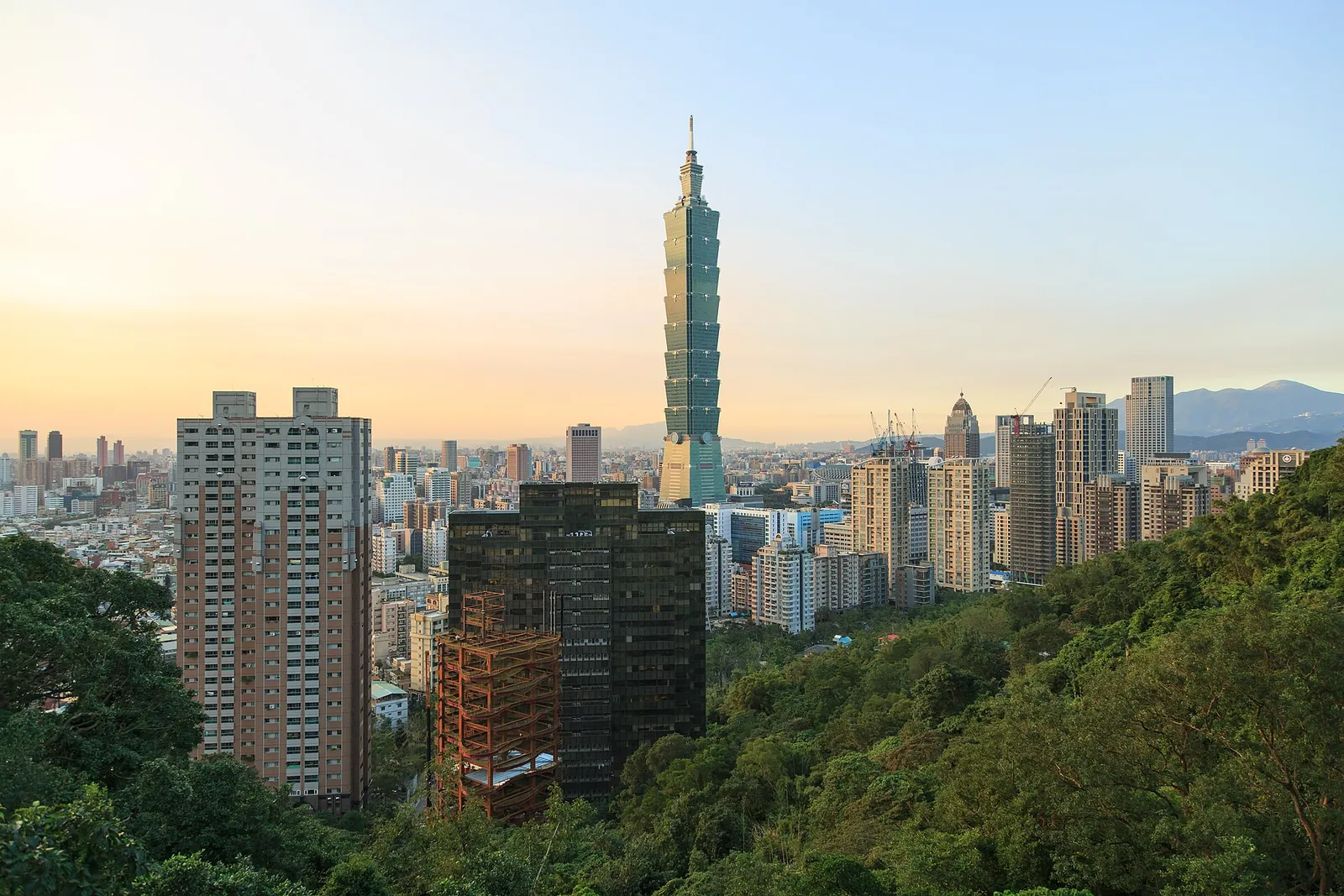
An archival Taipei skyline; clear conditions in a photograph do not promise the weather during your visit.
Photograph: CEphoto, Uwe Aranas — opens in a new tab · CC BY-SA 3.0 — opens in a new tab
Changes: Resized and converted to WebP; displayed with responsive crops. · Original photograph and licence details ↗ — opens in a new tab
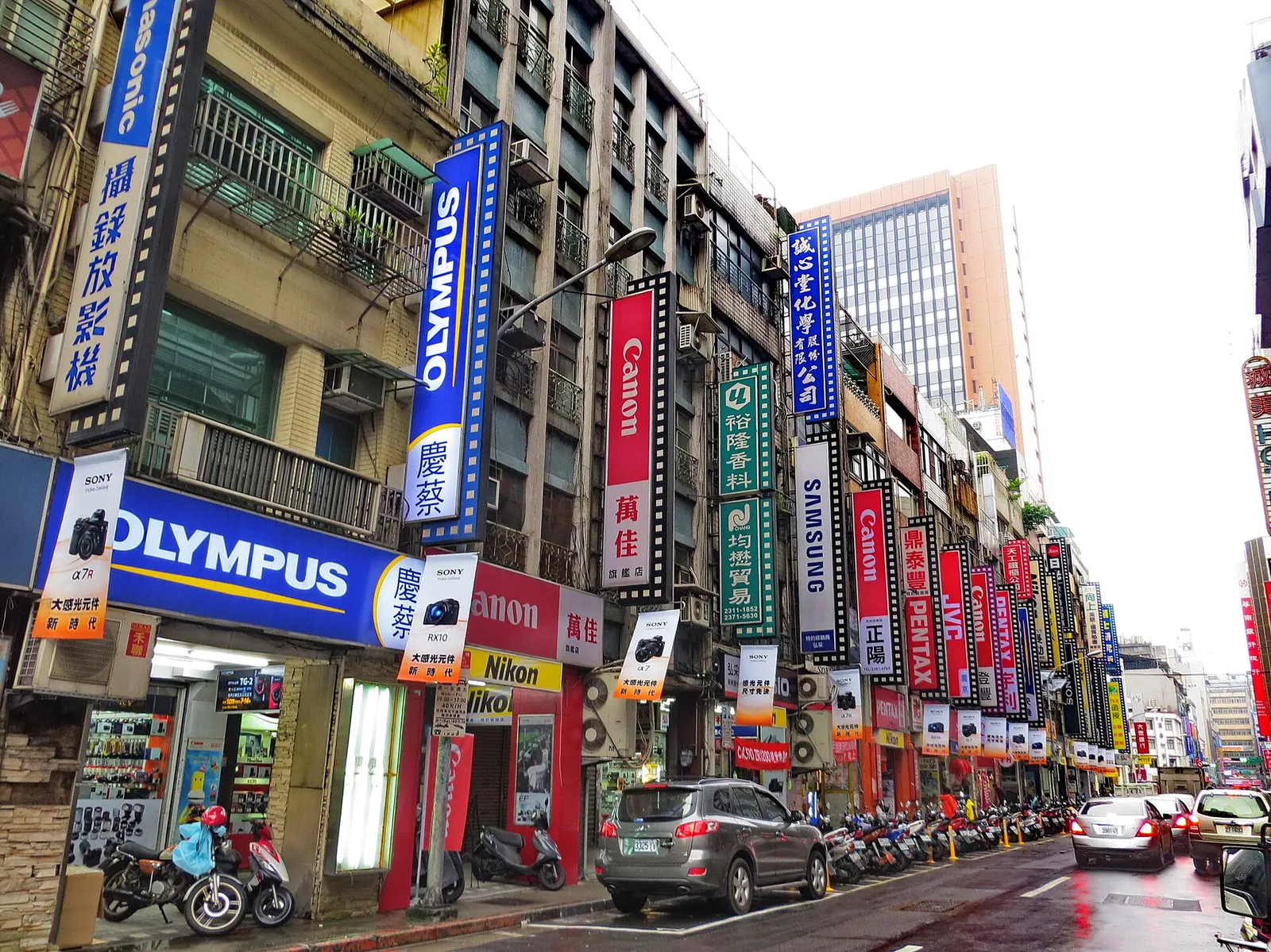
Rain on Hankou Street in Zhongzheng District, photographed in December 2013; a city stay allows plans to adapt to conditions.
Photograph: Mk2010 — opens in a new tab · CC BY-SA 3.0 — opens in a new tab
Changes: Resized and converted to WebP; displayed with responsive crops. · Original photograph and licence details ↗ — opens in a new tab
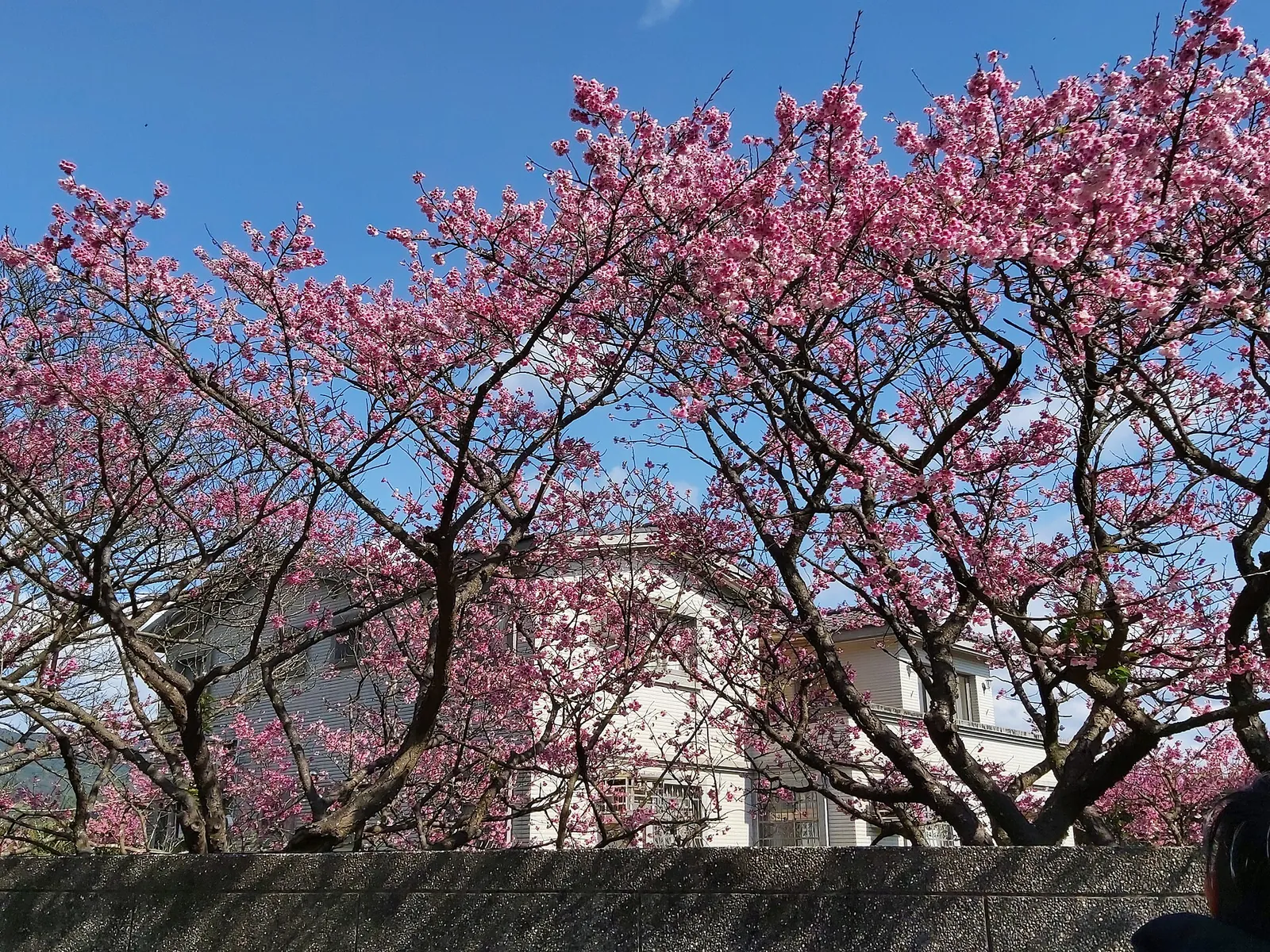
Cherry blossoms on Pingjing Street, photographed on 2025-01-29; this dated view is not a fixed flowering calendar.
Photograph: 阿道 — opens in a new tab · CC BY-SA 4.0 — opens in a new tab
Changes: Resized and converted to WebP; displayed with responsive crops. · Original photograph and licence details ↗ — opens in a new tab
An archival butterfly photograph from Maolin; seasonal programme dates do not guarantee daily sightings.
Photograph: lumoplank — opens in a new tab · CC0 — opens in a new tab
Changes: Resized and converted to WebP; displayed with responsive crops. · Original photograph and licence details ↗ — opens in a new tab