Itineraries · Uttar Pradesh, Lumbini Province and Bagmati Province
India to Nepal overland: Varanasi to Kathmandu via Lumbini
The road from Varanasi to Kathmandu joins two of the great pilgrim places of South Asia: the Hindu river city on the Ganges and Lumbini, where the Buddha was born, just across the border in Nepal. This plan crosses at Sunauli and Belahiya, the busiest crossing for foreign travellers, breaks the journey with a night in Bhairahawa and two at Lumbini, and keeps every long road day in daylight. It ends with four nights in the Kathmandu Valley, for its old royal squares in Kathmandu, Patan and Bhaktapur.
- Suggested time
- 10 days / 9 nights
- Where to stay
- Varanasi for 2 nights; Bhairahawa for 1; Lumbini for 2; Kathmandu for 4
- Season and timing
- October to November or February to March. The UK government says Nepal's monsoon normally runs from June to October, when floods and landslides can close roads for days; in December and January, fog and poor air are common on the plains around Varanasi.
The short answer
Plan 10 days and 9 nights: Varanasi 2, Bhairahawa 1, Lumbini 2 and Kathmandu 4. Fly into Varanasi, drive to the border on day 3 by hired car, walk across from Sunauli in India to Belahiya in Nepal, get your Nepali visa there and sleep in Bhairahawa. Take the local bus to Lumbini on day 4, which the Lumbini Development Trust says takes 1 to 1.5 hours for NPR 80 to 100, and a daytime bus to Kathmandu on day 6. Do not try to cross and reach Kathmandu on the same day. All in, it costs about USD 840 per person for two sharing a room, checked on 23 October 2026, with the flights to India and home from Nepal extra.
Nine nights, two countries
The trip runs north from the Ganges to the Himalayan foothills in four stages. Two nights in Varanasi give the river and the old city a full day. One night in Bhairahawa, the Nepali town just past the border, keeps the crossing to a day of its own: the drive, two immigration offices and a short ride, with no race for a bus. Two nights at Lumbini give the Sacred Garden and the monastery zones a day each. Four nights in Kathmandu leave room for Kathmandu's Durbar Square, Patan and Bhaktapur, plus a day in reserve before the flight home.
Fly into Varanasi, which is a designated e-Visa airport, and fly home from Kathmandu. For a longer stay in Nepal, add two nights in Pokhara after Lumbini, and confirm both bus legs, Lumbini to Pokhara and Pokhara to Kathmandu, with the bus company before you book.
- Days 1–2: Varanasi: the ghats, the evening aarti, a dawn boat, the old city and Sarnath.
- Day 3: by car to Sunauli, across the border on foot, the night in Bhairahawa.
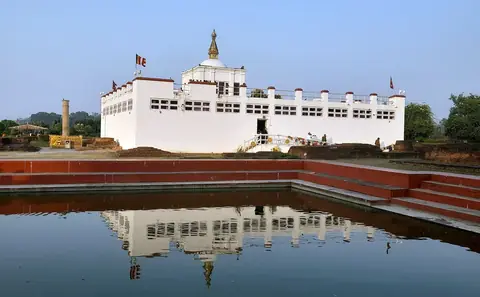
- Days 4–5: Lumbini: the Maya Devi Temple and the Sacred Garden, then the monastery zones.
- Day 6: a daytime bus to Kathmandu.
- Days 7–9: Kathmandu: Durbar Square and Swayambhunath, Patan, then Bhaktapur.
- Day 10: fly home from Kathmandu.
The border at Sunauli and Belahiya
The crossing has two halves. On the Indian side, at Sunauli (also spelled Sonouli), find the Indian immigration office and get your exit stamp; Sonouli is on the Indian e-Visa portal's list of land checkpoints for leaving India. Then walk through the international gate to the Nepali immigration office at Belahiya, which official Nepali embassy pages list as a point where visas are issued on arrival. Get your entry stamp and check the last day it allows. Your car from Varanasi stops in India; on the Nepali side, take a licensed taxi or local transport the few kilometres to your hotel in Bhairahawa.
The visa fee on arrival is USD 30 for 15 days, USD 50 for 30 days and USD 125 for 90 days, as the Embassy of Nepal in Kuala Lumpur lists them; this trip spends eight days in Nepal, so 15 days is enough. Fill in the online arrival form before you travel and carry the fee in US dollars cash. Twelve nationalities, and holders of refugee travel documents, cannot get a visa on arrival and must apply at an embassy first; our Nepal entry guide has the details. Travellers other than Indian and Nepali citizens may carry Indian rupee notes of INR 100 and smaller only, so spend or change larger notes before the border.
No opening hours for the foreign visitors' counters are published, so leave Varanasi early and arrive in daylight. If the border is closed or your papers cannot be processed, stay legally on the Indian side and cross the next day. The German Federal Foreign Office says this crossing and Raxaul–Birgunj are the two at which foreigners can travel overland between Nepal and India, and that either can close without notice; check before you set off. This plan leaves India for good, so you do not need an Indian visa that allows a second entry.
Days 1–2: Varanasi
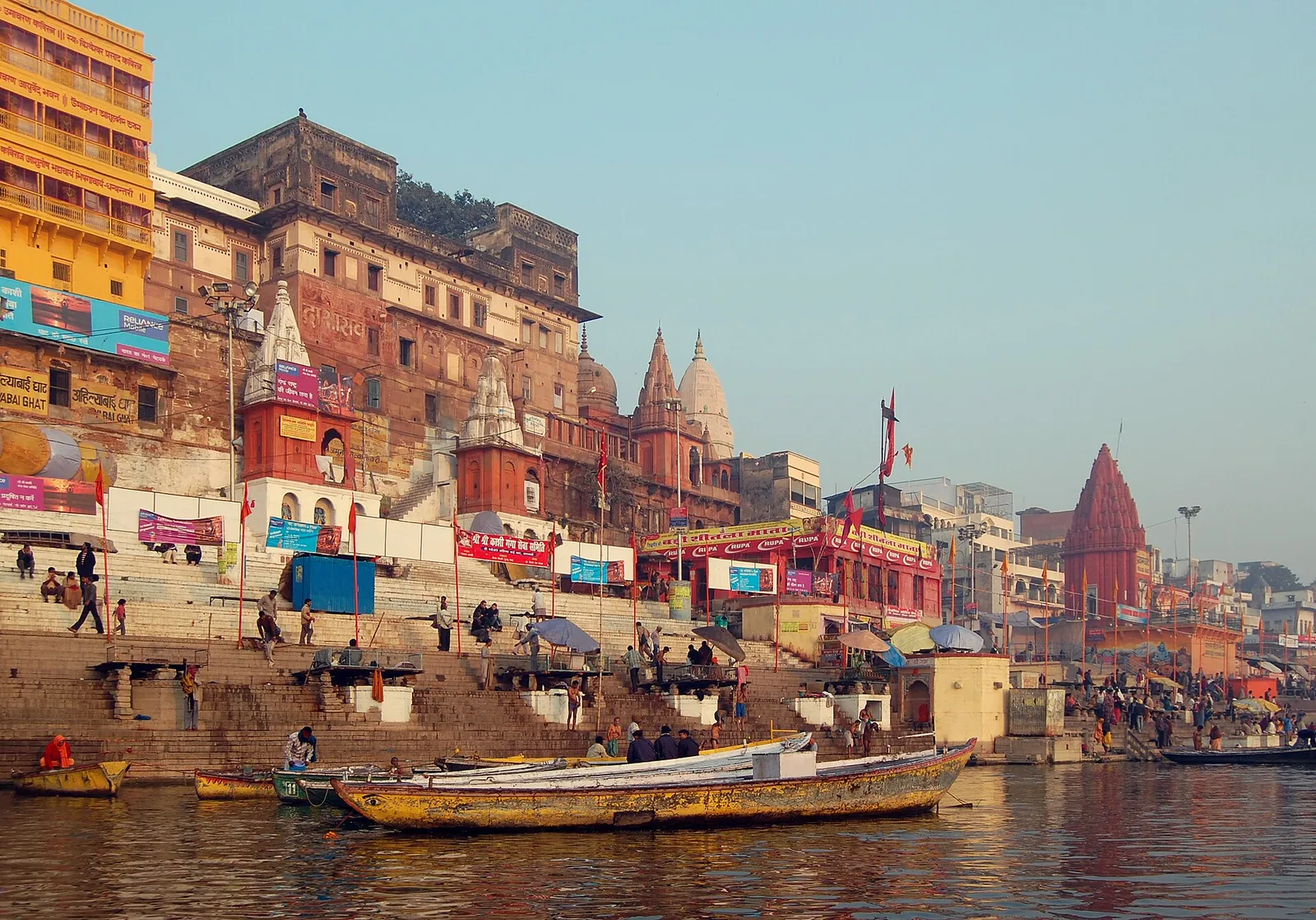
Day 1, arrival. Take a taxi from Varanasi's airport at Babatpur to the old city; Ganpati Guest House, for example, lists its own airport pickup at INR 1,000 per car, plus INR 300 at night. Rest, then walk down to Dashashwamedh Ghat for the evening Ganga aarti, which begins just after sunset.
Day 2, the river, the old city and Sarnath. Take a boat along the ghats at dawn, when pilgrims bathe on the steps; no official fare is published, so agree the price, the route and whether it is per boat or per person first. Walk through the old-city lanes; foreign visitors book darshan at Kashi Vishwanath only at the temple trust's help desk near Shapuri Mall, with the original passport, for INR 600. In the afternoon, take a taxi to Sarnath, about 10 km away, where the Buddha gave his first sermon; the Sarnath Museum is closed on Fridays. End at the quieter evening aarti at Assi Ghat. Our Varanasi guide has more.
Day 3: across the border to Bhairahawa
Hire a car with a driver from Varanasi to Sunauli and leave at first light. Ganpati Guest House's travel desk, for example, charges INR 13 a kilometre for a sedan, with a minimum of 250 km a day and road, border and toll taxes paid by the customer; the road is roughly 300 km, so ask for one written price that includes the driver's return. The car does not need to cross into Nepal, and an Indian car needs its own permit to do so.
After the two immigration offices, ride on to Bhairahawa and check in. Bhairahawa is a border town with the bus stand and Gautam Buddha International Airport; it is 22 km from Lumbini, not Lumbini itself. Do not continue after dark: the UK government advises against night travel on Nepal's roads.
Days 4–5: Lumbini
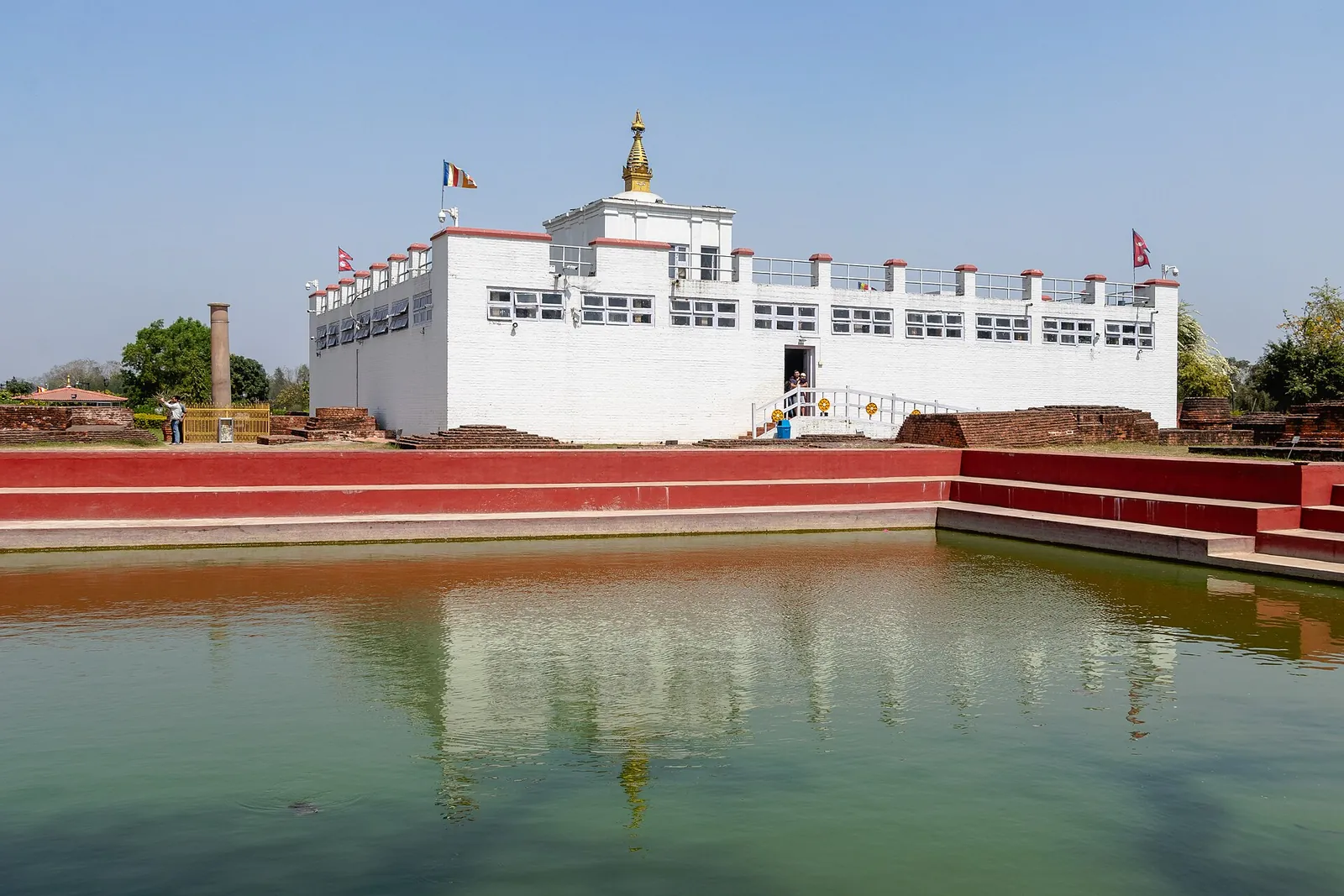
Day 4, the Sacred Garden. Take the local bus from Bhairahawa bus stand to Lumbini: the Lumbini Development Trust puts the ride at 1 to 1.5 hours and NPR 80 to 100. Register and pay at the trust's Visitor Information Centre, then walk into the Sacred Garden. Inside the Maya Devi Temple, the Marker Stone marks the spot where the trust says Prince Siddhartha was born; outside stand the Ashoka Pillar, raised by the emperor in 249 BC, and the sacred pond. The trust's daily fee for foreign visitors is NPR 1,000, with a still camera USD 3 more; remove your shoes at the temple and dress modestly.
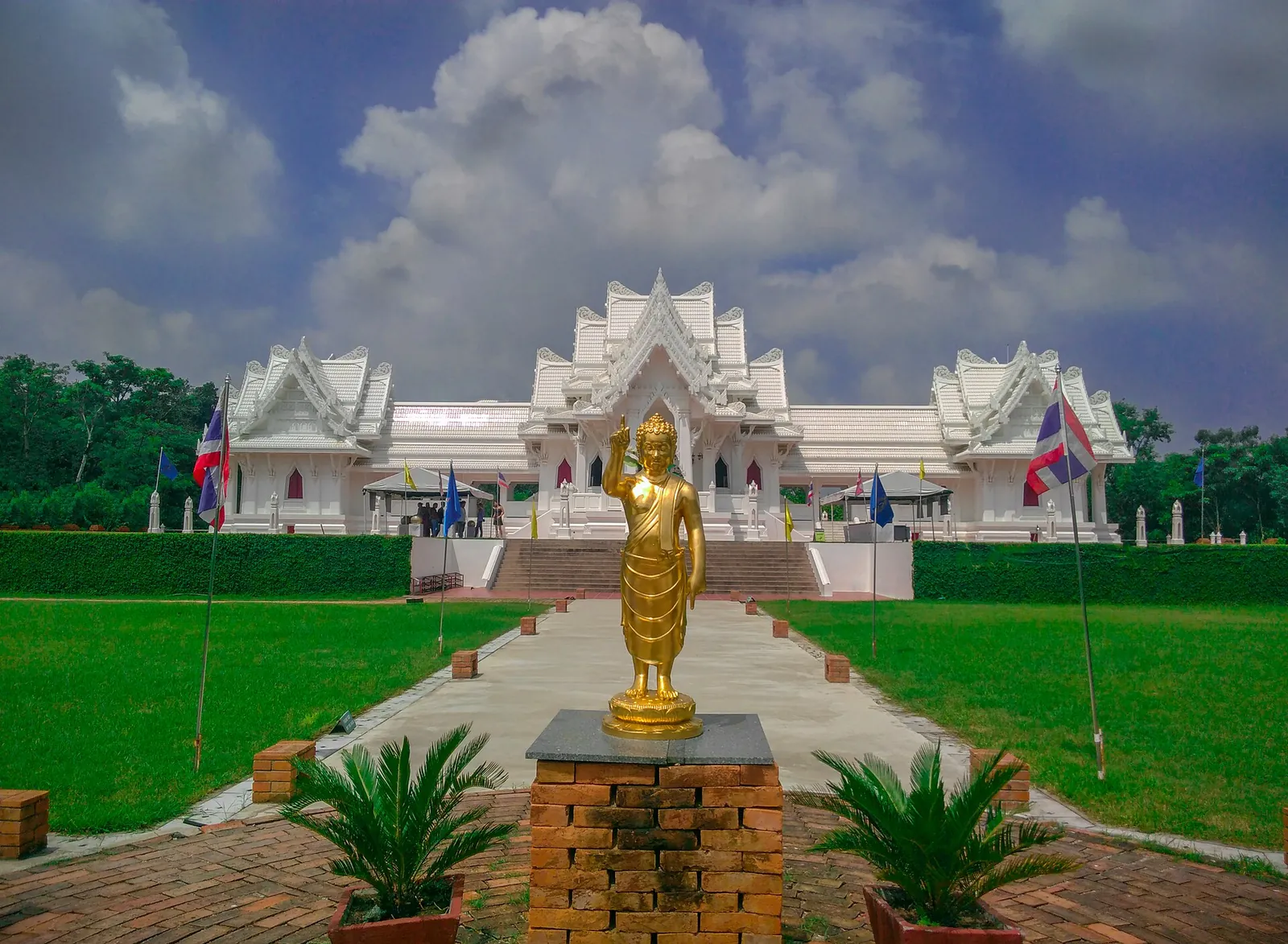
Day 5, the monastery zones. Walk or cycle the 1.6 km canal walkway between the two zones of monasteries built by Buddhist countries: the East Monastic Zone for the Theravada traditions, with the Royal Thai Monastery and the Myanmar Golden Temple, and the West Monastic Zone for the Mahayana and Vajrayana, with the Great Lotus Stupa and the Chinese and Korean temples. Keep the afternoon slow and confirm tomorrow's bus. Our Lumbini guide covers each site.
Day 6: the long road to Kathmandu
Keep the whole day for the road. The Lumbini Development Trust puts Kathmandu to Lumbini at about 280 km and 10 to 11 hours by bus, with buses leaving Kathmandu at 07:00 and 19:00 for about NPR 1,500 to 2,000; it does not publish the northbound times, so ask your hotel or the bus company for a morning departure and book a seat the day before. The UK government says tourist buses usually offer a higher standard of comfort and safety, and advises against overcrowded buses and night travel.
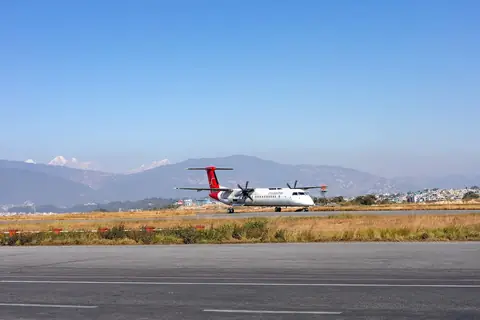
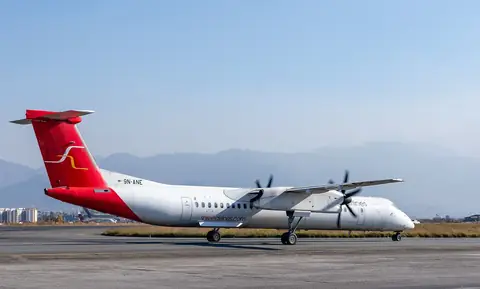
If the roads are closed by a landslide, wait a day rather than travel at night. Gautam Buddha airport at Bhairahawa has flights to Kathmandu of about 35 minutes with Yeti Airlines, but check the fare, the timetable and the weather for your date before you rely on it. Plan nothing timed for this evening.
Days 7–9: the Kathmandu Valley
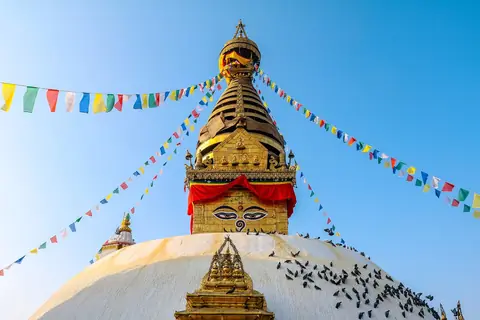
Day 7, Kathmandu. Start at Kathmandu Durbar Square, the old royal square of temples around the Hanuman Dhoka palace, then take a taxi to Swayambhunath, the hilltop stupa about 3 km west of the centre, for the view over the city. Spend the evening in Thamel.
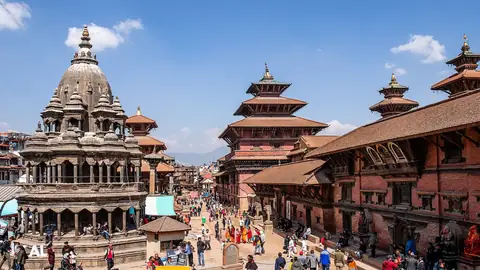
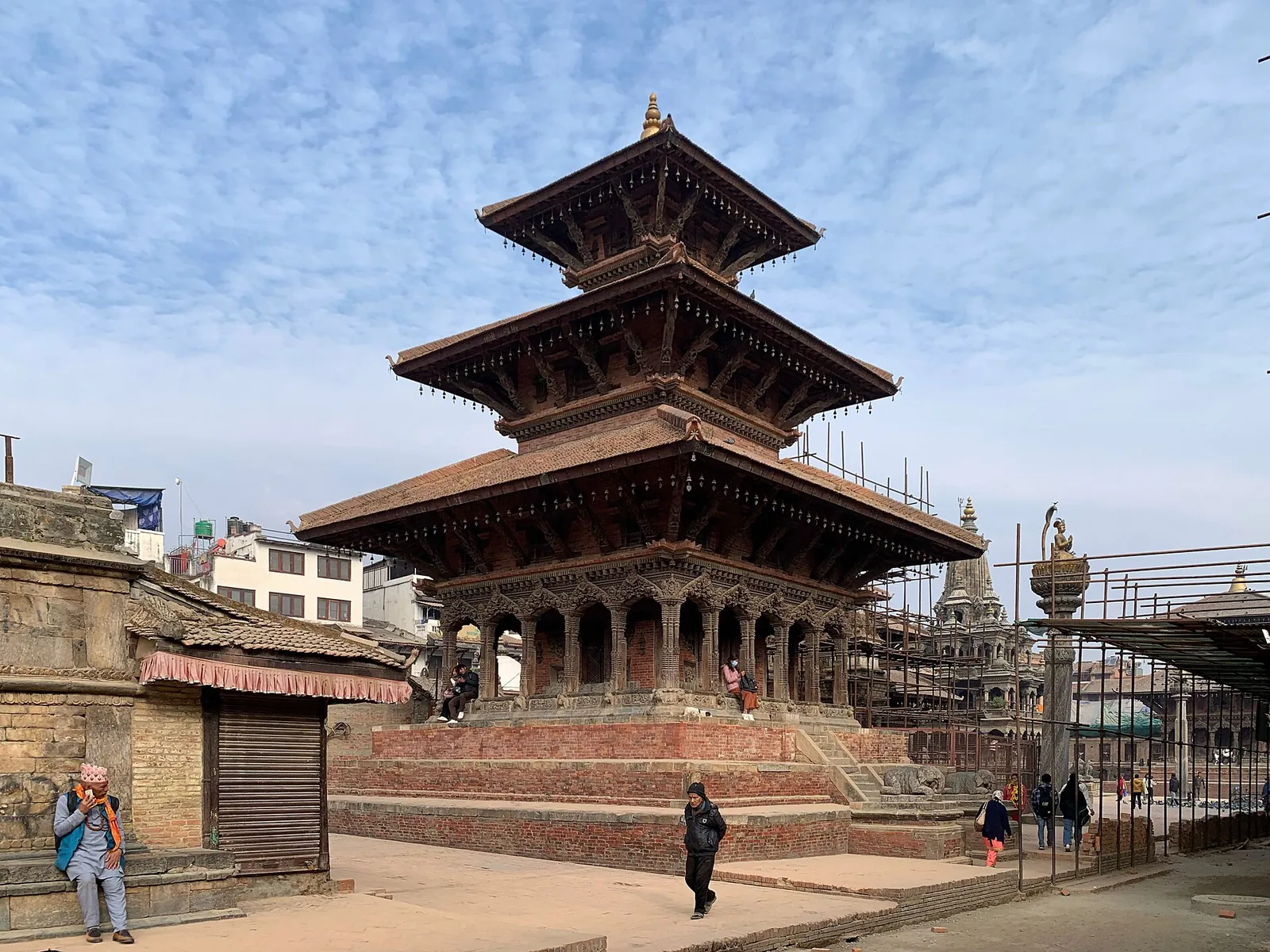
Day 8, Patan. Patan, about 5 km southeast, has the valley's finest Durbar Square and the Patan Museum in its old palace, with the craft lanes of metalworkers around it. See our Patan guide.
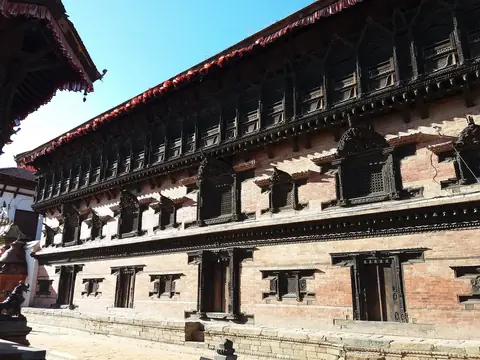
Day 9, Bhaktapur. Give the day to Bhaktapur, 12 km east, the best kept of the three royal towns, with its pottery square and five-tiered Nyatapola temple; see our Bhaktapur guide. If time is left, visit Boudhanath, the great stupa on the way back to the airport side of the city. This day is also your reserve if the road from Lumbini took longer.
Day 10. Take a taxi to Tribhuvan International Airport and fly home. Our Kathmandu guide covers the city in more depth.
Make time for the local food
What to eat and where to look
Kachori sabzi
Fried kachoris with a spiced vegetable curry, served in a leaf bowl; the city's Kashi portal says this is how breakfast begins in Varanasi.
- Where to look
- Kachauri Gali, the old-city lane named after it, a short walk from Dashashwamedh Ghat.
- Fit it into your day
- Breakfast on day 2, after the dawn boat.
Fried and often hot with chilli.
Tamatar chaat
Varanasi's own chaat: tomato cooked down with potato, topped with a sweet-and-sour chutney, as the Kashi portal describes it.
- Where to look
- The chaat stalls in the old-city lanes behind Dashashwamedh Ghat, in the evening.
- Fit it into your day
- A snack after the aarti on day 1.
Dal bhat
Nepal's everyday meal: rice with lentil soup, vegetable curry and pickle, usually with a free second helping.
- Where to look
- Simple restaurants in Bhairahawa and around Lumbini's Cultural Center.
- Fit it into your day
- Lunch on day 4 or 5, between the sites.
Momo
Steamed dumplings filled with meat or vegetables and served with a tomato-sesame dipping sauce, the Kathmandu Valley's favourite snack.
- Where to look
- Thamel and the lanes around Kathmandu's Durbar Square.
- Fit it into your day
- Dinner on day 6, after the long bus ride.
Newari food
The food of the valley's Newar people, such as beaten rice with spiced meat and black lentil pancakes, eaten on set platters.
- Where to look
- Restaurants around the Durbar Squares in Patan and Bhaktapur.
- Fit it into your day
- Lunch on day 8 or 9.
What ten days cost, all in
For two adults sharing a room, the trip costs about USD 840 per person, everything on the ground included, checked on 23 October 2026 and converted at a round USD 1 = INR 90 = NPR 135. The Lumbini and Kathmandu rooms are hotels' own published rates with tax added; the Varanasi and Bhairahawa rooms, the car and the bus to Kathmandu are estimates, because no point-to-point price is published.
- Rooms, about USD 315. Half of a double each night: a mid-range double near the ghats in Varanasi at about INR 6,500 plus tax, a double in Bhairahawa at about USD 70, Lumbini Zambala Hotel's standard room at USD 65 and Kasthamandap Boutique Hotel's standard double in Thamel at USD 50, both plus 10% service and 13% VAT.
- Food, about USD 200. About USD 20 a day each for three meals, water and snacks.
- The car, the buses and local rides, about USD 105. Half of the Varanasi–Sunauli car at about INR 5,000, the bus to Lumbini, about NPR 2,000 for the bus to Kathmandu, and taxis to and from both airports, the border and the Kathmandu sights.
- Tickets, about USD 65. Two days at Lumbini (NPR 1,000 a day) and a camera fee; Kathmandu Durbar Square NPR 1,000, Patan NPR 1,000, Bhaktapur NPR 1,800, Swayambhunath NPR 200 and Boudhanath NPR 400 on the tourism board's fee table; Kashi Vishwanath, Sarnath and the dawn boat in Varanasi.
- Visas and SIMs, about USD 75. Nepal's 15-day visa (USD 30), an Indian 30-day e-Tourist visa (USD 25 plus a 3% bank charge from July to March for many passports, among them the UK's; the fee depends on your nationality) and a SIM card in each country.
- Buffer, about USD 80. About 10% for price changes, an extra night if the border or a road is closed, and short transfers.
Season and safety
October and November, after the monsoon, and February and March are the best months for this road trip. The UK government says the monsoon in Nepal normally lasts from June to October and that floods and landslides can cut roads for days; check the road before each long day. In December and January, fog can delay trains, flights and cars on the plains around Varanasi.
Travel only in daylight, use marked tourist buses or a licensed car, and keep a day in reserve before the flight home. Never cross the border outside the official immigration offices: without both stamps you can be refused when you leave Nepal.
Practical questions
Can I travel from India to Nepal by land?
Yes. Foreign visitors can cross at Sunauli–Belahiya, on the road from Varanasi to Lumbini, and at Raxaul–Birgunj. Get an Indian exit stamp and a Nepali entry stamp at the two immigration offices; either crossing can close without notice.
Can I get a Nepali visa at the Sunauli border?
Most nationalities can. Belahiya, at Bhairahawa, issues visas on arrival: USD 30 for 15 days, USD 50 for 30 days and USD 125 for 90 days, in cash. Twelve nationalities must apply at an embassy before they travel.
How long does Varanasi to Kathmandu take?
Plan three travel days. The drive to the border takes most of a day, Bhairahawa to Lumbini 1 to 1.5 hours by local bus, and the Lumbini Development Trust puts the bus between Kathmandu and Lumbini at 10 to 11 hours.
Is there a direct bus from Varanasi to Kathmandu?
This plan does not use one. It breaks the trip at the border and at Lumbini, so that no stage runs into the night, and the UK government advises against night travel on Nepal's roads.
How much does the overland trip from India to Nepal cost?
About USD 840 per person for two sharing a mid-range room, all in: 9 nights, meals, the car to the border, the buses, local rides, tickets, both visas, SIM cards and a 10% buffer. The flights to India and home from Nepal are extra.
Sources and checks before you travel
Reference sources for the version dated 23 October 2026. Confirm opening times, access, transport and conditions for your travel dates.
- Official e-Visa site: e-Tourist visa and entry points ↗ — opens in a new tab
- Government of India e-Visa site: e-Tourist visa fee by country (8 September 2026) ↗ — opens in a new tab
- Ganpati Guest House, Varanasi: travel desk prices ↗ — opens in a new tab
- Ministry of Tourism, Incredible India: Varanasi ↗ — opens in a new tab
- Ministry of Tourism, Incredible India: Dashashwamedh Ghat ↗ — opens in a new tab
- Kashi portal (Varanasi Smart City): Ganga Aarti ↗ — opens in a new tab
- Kashi portal (Varanasi Smart City): Assi Ghat ↗ — opens in a new tab
- Shri Kashi Vishwanath Temple Trust: Foreign tourist ticket booking process ↗ — opens in a new tab
- Kashi portal (Varanasi Smart City): Sarnath ↗ — opens in a new tab
- Kashi portal (Varanasi Smart City): Varanasi cuisine ↗ — opens in a new tab
- Embassy of Nepal, Kuala Lumpur: visa ↗ — opens in a new tab
- Embassy of Nepal, Bahrain: visa ↗ — opens in a new tab
- Embassy of Nepal, Berlin: visa information ↗ — opens in a new tab
- Nepal Tourism Board: visa information ↗ — opens in a new tab
- Nepal Rastra Bank: foreign exchange FAQ (in Nepali) ↗ — opens in a new tab
- German Federal Foreign Office: Nepal travel and security advice ↗ — opens in a new tab
- UK government: Nepal safety and security ↗ — opens in a new tab
- Lumbini Development Trust: Lumbini ↗ — opens in a new tab
- Lumbini Development Trust: Entry Formalities ↗ — opens in a new tab
- Nepal Tourism Board: Lumbini ↗ — opens in a new tab
- Yeti Airlines: Bhairahawa ↗ — opens in a new tab
- Lumbini Zambala Hotel: home page ↗ — opens in a new tab
- Kasthamandap Boutique Hotel, Kathmandu: rooms and tariff ↗ — opens in a new tab
- Nepal Tourism Board: heritage site entry fees ↗ — opens in a new tab
- Kathmandu Metropolitan City: heritages ↗ — opens in a new tab
- Nepal Tourism Board: Kathmandu Durbar Square ↗ — opens in a new tab
- Nepal Tourism Board: Swayambhunath ↗ — opens in a new tab
- Nepal Tourism Board: Patan ↗ — opens in a new tab
- Nepal Tourism Board: Bhaktapur ↗ — opens in a new tab
- Nepal Tourism Board: Boudha ↗ — opens in a new tab
- Nepal Tourism Board: local cuisine ↗ — opens in a new tab
Photo credits
Ahilyabai Ghat on the Ganges in Varanasi, where the trip begins.
Photograph: Marcin Białek — opens in a new tab · CC BY-SA 3.0 — opens in a new tab
Changes: Resized and converted to WebP; displayed with responsive crops. · Original photograph and licence details ↗ — opens in a new tab
The Maya Devi Temple and the sacred pond in Lumbini's Sacred Garden.
Photograph: Bijay Chaurasia — opens in a new tab · CC BY-SA 4.0 — opens in a new tab
Changes: Resized and converted to WebP; displayed with responsive crops. · Original photograph and licence details ↗ — opens in a new tab
The Royal Thai Monastery in Lumbini's East Monastic Zone.
Photograph: Bijayrpoudel — opens in a new tab · CC BY-SA 4.0 — opens in a new tab
Changes: Resized and converted to WebP; displayed with responsive crops. · Original photograph and licence details ↗ — opens in a new tab
A pagoda temple in Patan Durbar Square, a short ride from Kathmandu.
Photograph: Chainwit. — opens in a new tab · CC BY-SA 4.0 — opens in a new tab
Changes: Resized and converted to WebP; displayed with responsive crops. · Original photograph and licence details ↗ — opens in a new tab