Plan your trip
Vegetarian and vegan travel in Japan: meals and ingredient questions
Vegetarian or vegan travel in Japan can still be a journey through regional flavours. Tofu in different textures, seasonal vegetables and carefully prepared temple cuisine give you more to explore than a list of dishes to avoid. The key is to plan meals deliberately and ask about the ingredients that are not visible on the plate.
- Suggested time
- Research meals with each accommodation base and confirm booked experiences in advance
- Where to stay
- A route with verified suitable meals, especially before rural overnight stays
- Season and timing
- Enjoy seasonal produce while checking the preparation of the actual dish
The short answer
Ask about broth, sauces, toppings and preparation as well as the main ingredient. Vegetable-looking food can contain fish or other animal ingredients. Identify suitable restaurants near your route and confirm requirements directly with cooking-class and food-tour providers before paying.
Explain your requirements specifically
JNTO's vegetarian guide highlights stocks, sauces and toppings as possible sources of animal ingredients. A vegetable dish, tofu dish or noodle bowl is therefore a starting point for a question, not proof of suitability. Ask about the complete preparation.
Explain what you exclude rather than relying only on the word vegetarian. Requirements differ between travellers, and the establishment needs to understand yours. Treat allergies separately: a dish suitable for a dietary preference does not establish safe preparation for an allergy or eliminate cross-contact.
Make suitable meals part of the route
Identify a few workable options near each accommodation and your main sightseeing stops. This gives you a comfortable foundation without forcing every day to revolve around a long journey to a restaurant. Save the larger food outing for somewhere you genuinely want to explore.
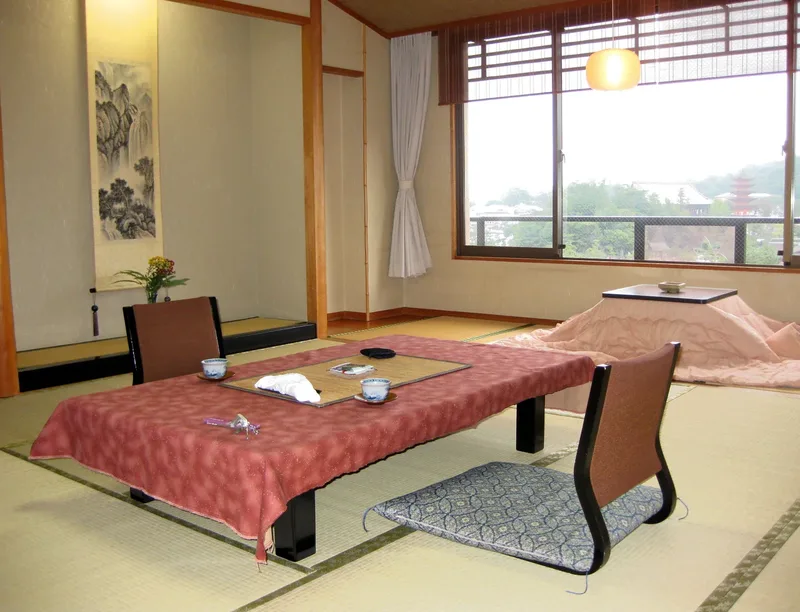
For rural stays, ask about meals before booking rather than assuming a vegetarian replacement can be assembled on arrival. An inn's seasonal dinner may be a central part of its experience, but the kitchen needs to confirm whether it can meet your requirements. Have an alternative meal plan when that answer is uncertain.
Make time for the local food
What to eat and where to look
Tofu preparations
Explore differences in texture and serving style after confirming the complete dish.
- Where to look
- Restaurants with clear ingredient information
- Fit it into your day
- Ask about broth, sauces and toppings
Tofu alone does not make the finished dish vegetarian or vegan.
Shojin ryori
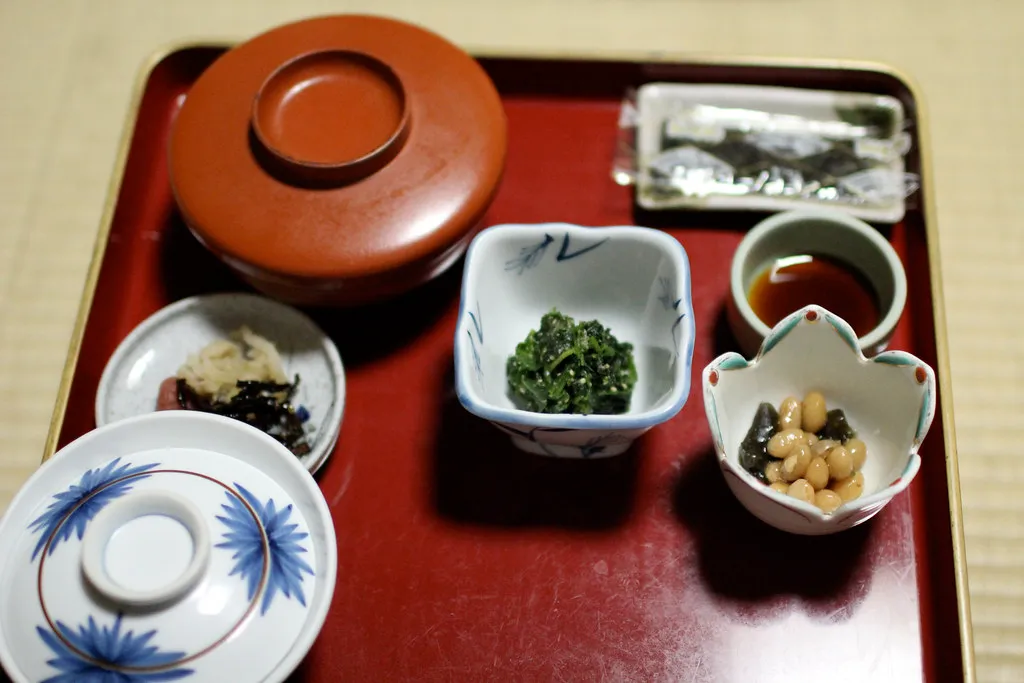
A carefully presented meal associated with Buddhist cuisine can make food part of a cultural visit.
- Where to look
- Establishments offering and explaining the actual menu
- Fit it into your day
- Confirm requirements and reservation arrangements
Do not assume every contemporary menu is strictly vegan.
Explore tofu and seasonal ingredients through their preparation
Instead of treating tofu as one interchangeable food, look at how a restaurant prepares and serves it. Texture, temperature and accompanying ingredients can make the meal distinctive. Confirm stocks and sauces, then enjoy the preparation for its flavour rather than choosing solely because the main ingredient sounds suitable.
The same approach works for seasonal vegetables and rice-based dishes. Ask what is added during cooking and at the table. A local food guide helps identify promising dishes; the restaurant's answer determines whether the particular serving fits your requirements.
Consider temple cuisine as an experience, with confirmation
JNTO introduces shojin ryori as cuisine connected with Buddhist practice and notes that contemporary preparations can differ, including occasional dairy use. It can be an appealing opportunity to appreciate presentation and seasonal ingredients, but vegan travellers should confirm the actual meal.
Give such a meal enough time to be part of the visit. Combine it with a suitable cultural stop rather than squeezing it between distant bookings. If a product mentions temple cuisine, read whether the meal is included and whether your dietary requirements have been accepted, rather than assuming the title settles both questions.
Book a food experience that can actually include you
A cooking class can be especially useful when the provider confirms a suitable menu: you get to understand how ingredients become a dish and take that understanding into the rest of the trip. Compare what you will prepare, the language used and the dietary response, not just the number of dishes promised.
For a Viator food tour, ask whether the confirmed route and participating venues can accommodate your requirements. An offer to skip unsuitable tastings may not create the experience you want. Choose a product for the meals and participation it can genuinely provide; if none fits, enjoy independently planned food stops instead of forcing an irrelevant booking.
Practical questions
Is a vegetable noodle bowl vegetarian?
Not necessarily. Ask about the broth, sauces, toppings and preparation, which may contain fish or other animal ingredients.
Is shojin ryori always vegan?
Confirm the actual menu. JNTO notes that contemporary preparations can differ, including occasional dairy use.
Can I book any food tour and skip unsuitable tastings?
Ask the provider what suitable food and participation it can genuinely offer. Skipping much of the advertised experience may not be a worthwhile booking.
Does vegan food automatically meet allergy requirements?
No. Ingredients and preparation need a separate allergy discussion with the establishment or provider.
Sources and checks before you travel
Reference sources for the version dated 30 September 2026. Confirm opening times, access, transport and conditions for your travel dates.
Does this experience fit your route?
Explore related tours and experiences
Check dates and details on Viator ↗ — opens in a new tabAffiliate link · Book with ViatorPhoto credits
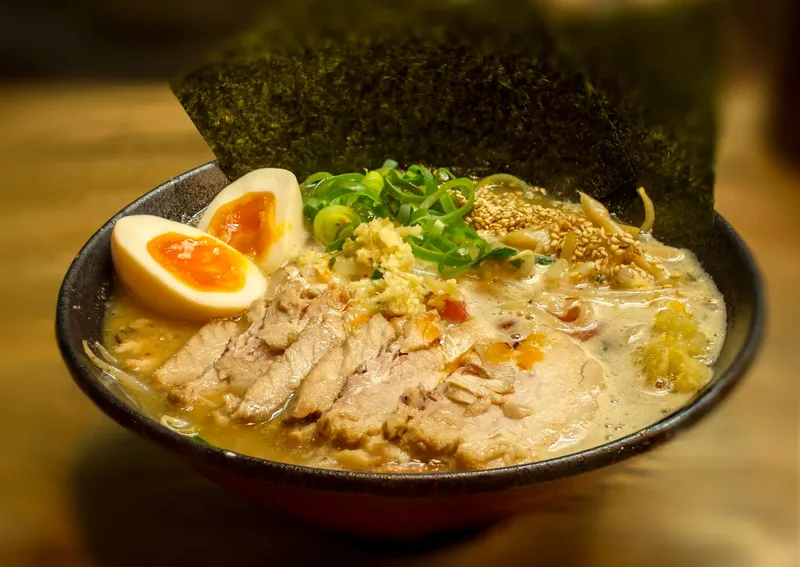
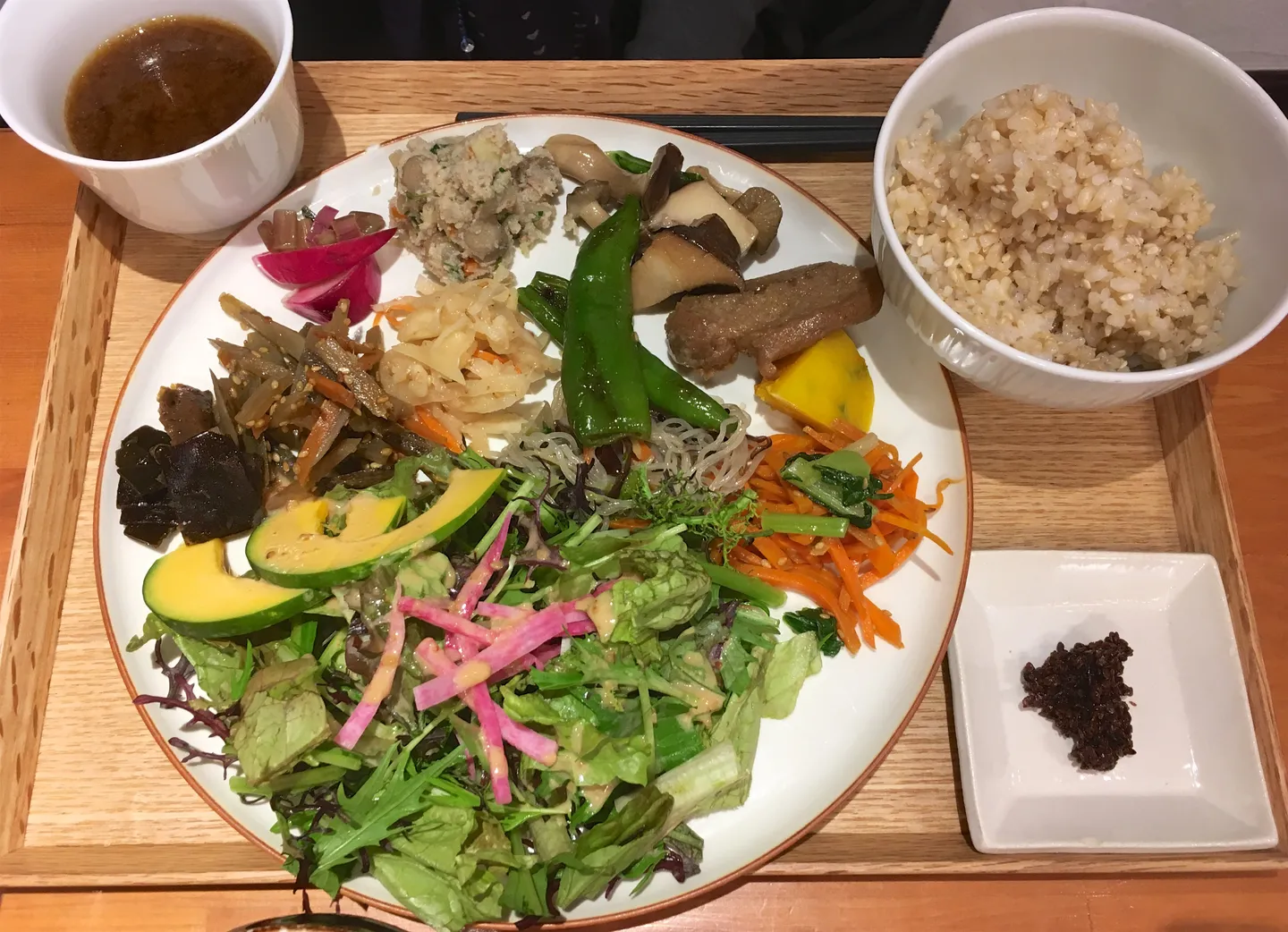
A serving example from a source photograph. Ask the establishment about the complete preparation.
Photograph: Pete Birkinshaw — opens in a new tab · CC BY 2.0 — opens in a new tab
Changes: Resized and converted to WebP; displayed with responsive crops. · Original photograph and licence details ↗ — opens in a new tab
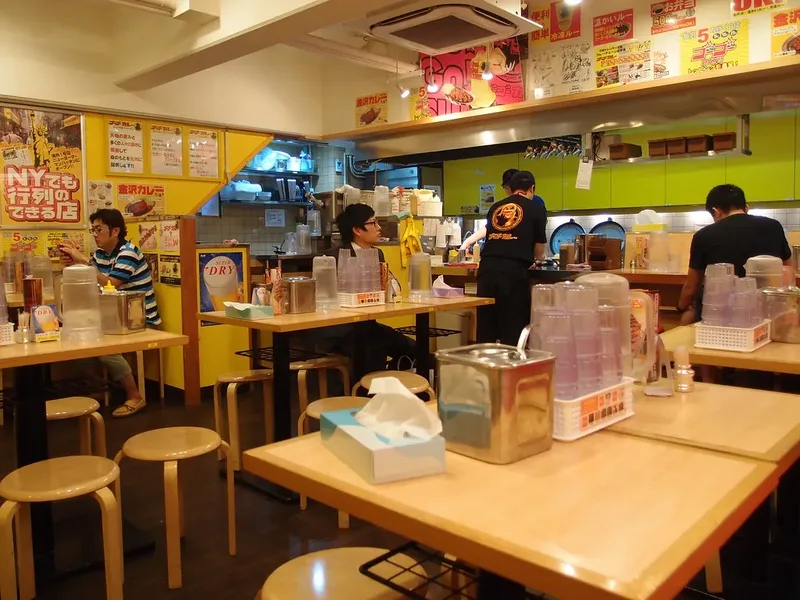
A source photograph illustrating a meal format. Its appearance alone does not verify vegetarian or vegan ingredients.
Photograph: Kim Unertl — opens in a new tab · CC BY 2.0 — opens in a new tab
Changes: Resized and converted to WebP; displayed with responsive crops. · Original photograph and licence details ↗ — opens in a new tab
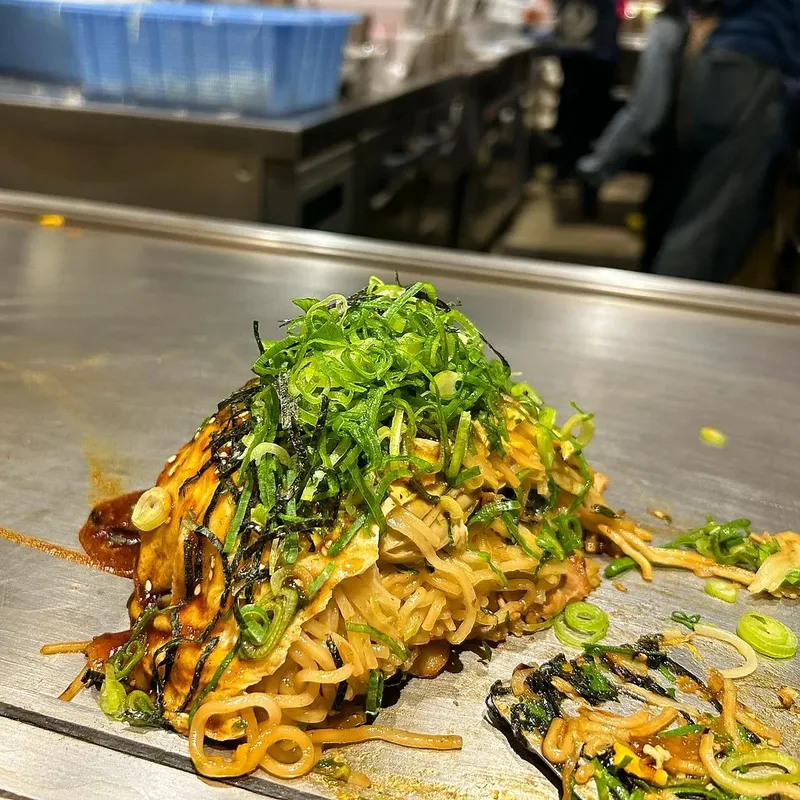
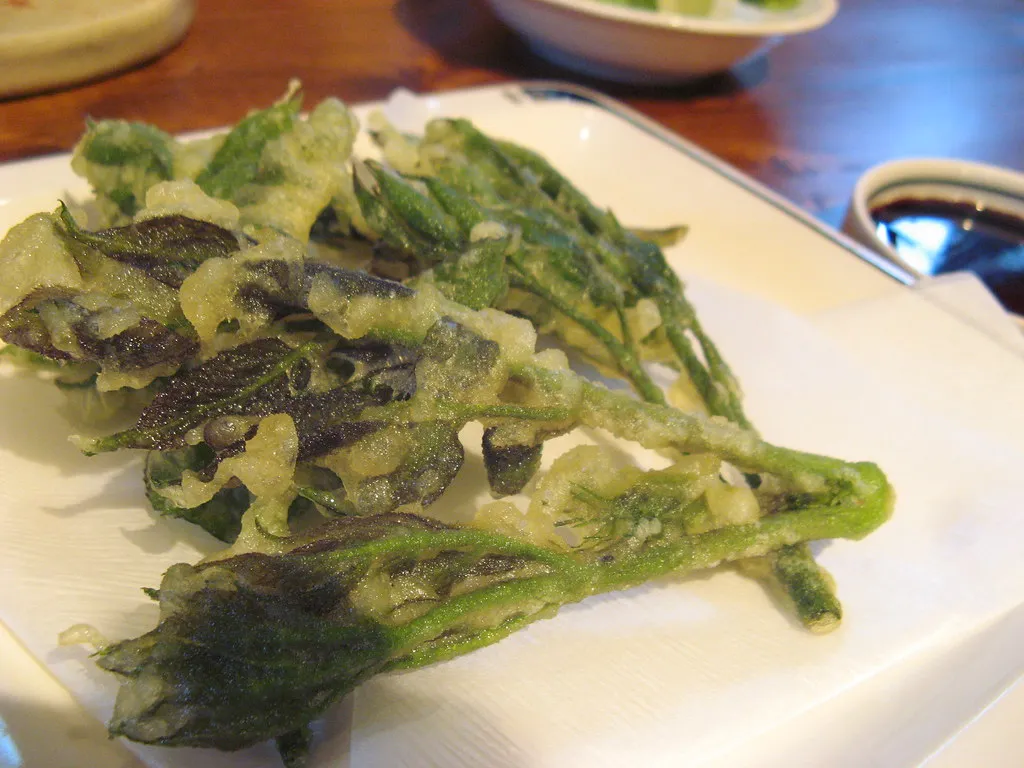
Vegetable tempura in a source photograph. Confirm batter, sauces and preparation for your requirements.
Photograph: Tristan Ferne — opens in a new tab · CC BY 2.0 — opens in a new tab
Changes: Resized and converted to WebP; displayed with responsive crops. · Original photograph and licence details ↗ — opens in a new tab