Plan your trip
Regional food in Japan: dishes worth planning a stop around
A regional dish can change the way you remember a place. The texture of Kagawa udon, a rice-based hot pot in Akita or the broth of Okinawa soba tells you something different from a national list of famous foods. Start with the regions on your route and leave time to enjoy a few preparations properly.
- Suggested time
- Integrate one or two distinctive food choices into each regional stay
- Where to stay
- The regions already connected by a coherent itinerary
- Season and timing
- Menus, seafood and other ingredients change with availability and season
The short answer
Choose local dishes in the regions you will actually visit, then give them suitable meal slots. Confirm the preparation and seasonal availability with the establishment. Use an appropriate cooking or food experience when it adds participation or context, without extending the route solely to collect dish names.
Use food to deepen a route you already want
Begin with the places you are interested in, then identify a few foods associated with each. A regional food stop works best when the surroundings also deserve your time. Adding a flight for one bowl rarely creates a more coherent journey on its own.
The Ministry of Agriculture, Forestry and Fisheries documents regional preparations, ingredients and cultural context. Use that information to understand a dish, then check whether an establishment offers it during your visit. A traditional recipe in an archive does not establish daily availability at every tourist restaurant.
Give different meals different roles
A noodle lunch can fit between two nearby visits; a shared hot pot deserves a more relaxed evening. A regional sweet can be a small afternoon discovery rather than a substitute for a full meal. The meal format helps decide where it belongs in the route.
For an inn dinner or a menu requiring advance preparation, confirm the arrangement before arrival. Leave another choice nearby if a restaurant's opening or queue changes the day. You can enjoy regional food without making one establishment the single point on which the entire itinerary depends.
Make time for the local food
What to eat and where to look
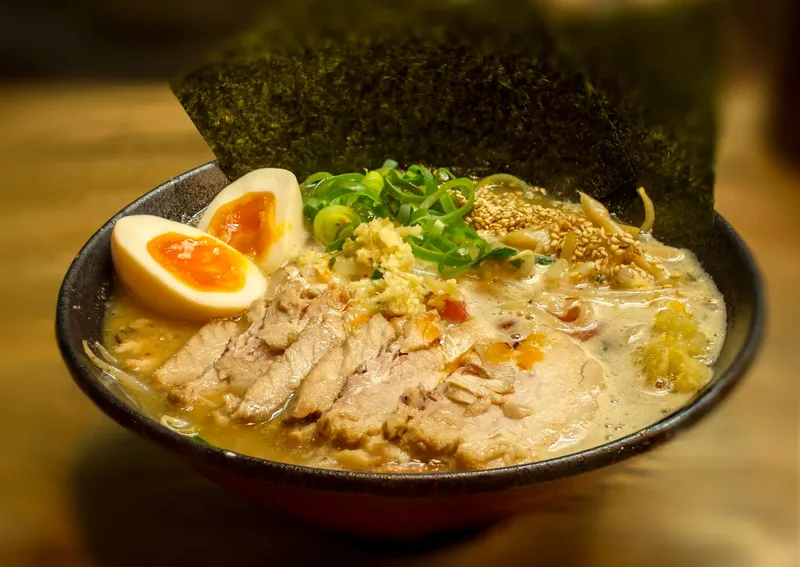
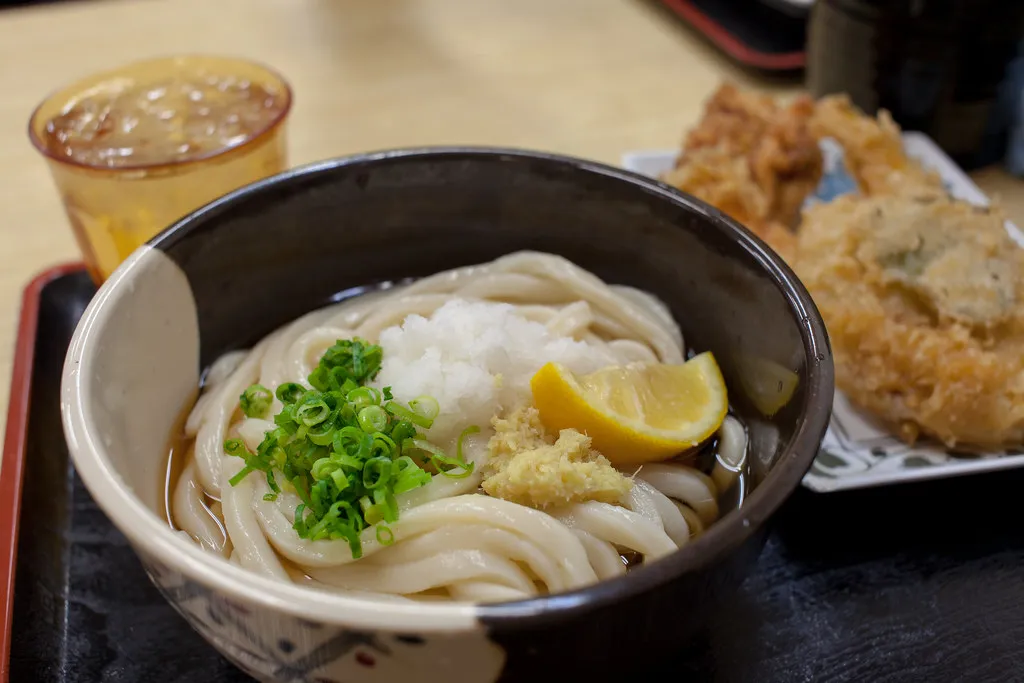
Sanuki udon in Kagawa
Thick wheat noodles give a Kagawa lunch a distinctive texture and regional context.
- Where to look
- Takamatsu and other Kagawa communities
- Fit it into your day
- Choose a suitable shop near the day's route and follow its serving format
Broths, accompaniments and service styles differ.
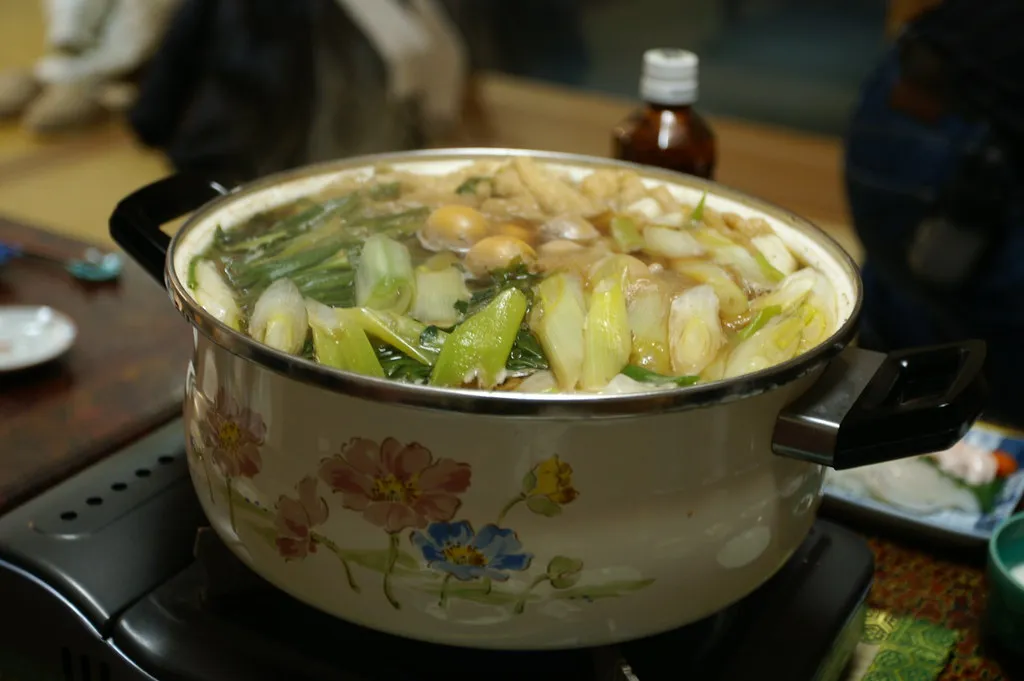
Kiritanpo nabe in Akita
Grilled rice preparations become part of a hot pot associated with Akita, often with chicken and vegetables.
- Where to look
- Regional-cuisine establishments in Akita
- Fit it into your day
- Give a shared hot-pot meal an unhurried evening
Confirm availability, order size and ingredients.
Okinawa soba
Wheat noodles and the local broth tradition make this a different experience from buckwheat soba elsewhere.
- Where to look
- Okinawa restaurants explaining their preparation
- Fit it into your day
- Use it as a regional lunch during an island or city stay
The name does not mean buckwheat or establish a vegetarian broth.
A local sweet during a neighbourhood walk
A small regional confection gives food a place in a sightseeing afternoon without requiring another full meal.
- Where to look
- Destination food guides and confectioners on the route
- Fit it into your day
- Leave time for a tea break or permitted tasting area
Seasonal shapes and preparations vary by establishment.
Notice how names and ingredients vary
Okinawa soba uses wheat noodles rather than the buckwheat associated with many other dishes called soba. MAFF describes the preparation and its pork and bonito broth traditions. The familiar word does not settle the ingredients.
Apply the same attention to tofu, sauces and toppings elsewhere. Ask about the finished preparation when you have dietary requirements, and distinguish where an ingredient originates from where you happen to eat it. A photograph supports the visual story of a dish; it does not certify ingredients or provenance.
Choose a local experience with a clear purpose
A cooking class can help you understand a regional preparation through the work of making it. A guided food outing can introduce the neighbourhood and its eating formats. Pick the format that adds something you want to the visit rather than treating all food activities as the same product.
When comparing Viator options, check the actual region, menu, guide language, walking and inclusions. A city-wide food tour is not necessarily a class in the specific local dish described here. Explain dietary requirements before booking and use the confirmed response to decide.
Let seasonality remain part of the appeal
A changing menu can be a reason to ask what is available rather than demand a fixed list of seafood or produce. Choose from the actual offering and leave room for a different regional preparation if the first choice is unavailable.
For food purchases, read storage and transport instructions and consider the next part of the journey. Enjoying a dish where it is prepared can be more practical than carrying a large quantity between accommodation bases. The destination guides connect these meals with places worth exploring around them.
Practical questions
Should I change regions just to try one dish?
Choose a detour when the place interests you beyond the meal and its connections fit. Otherwise explore regional food along the route you already want.
Is Okinawa soba made from buckwheat?
The regional preparation described by MAFF uses wheat noodles. Check the actual dish and broth when ingredient requirements matter.
Does a traditional recipe guarantee a restaurant serves it today?
No. Use the recipe to understand the dish, then confirm the establishment's current menu and availability.
What should I check before booking a regional food tour?
Check the actual place, tastings, guide language, walking and inclusions, plus the provider's response to any dietary requirements.
Sources and checks before you travel
Reference sources for the version dated 30 September 2026. Confirm opening times, access, transport and conditions for your travel dates.
Does this experience fit your route?
Explore related tours and experiences
Check dates and details on Viator ↗ — opens in a new tabAffiliate link · Book with ViatorPhoto credits
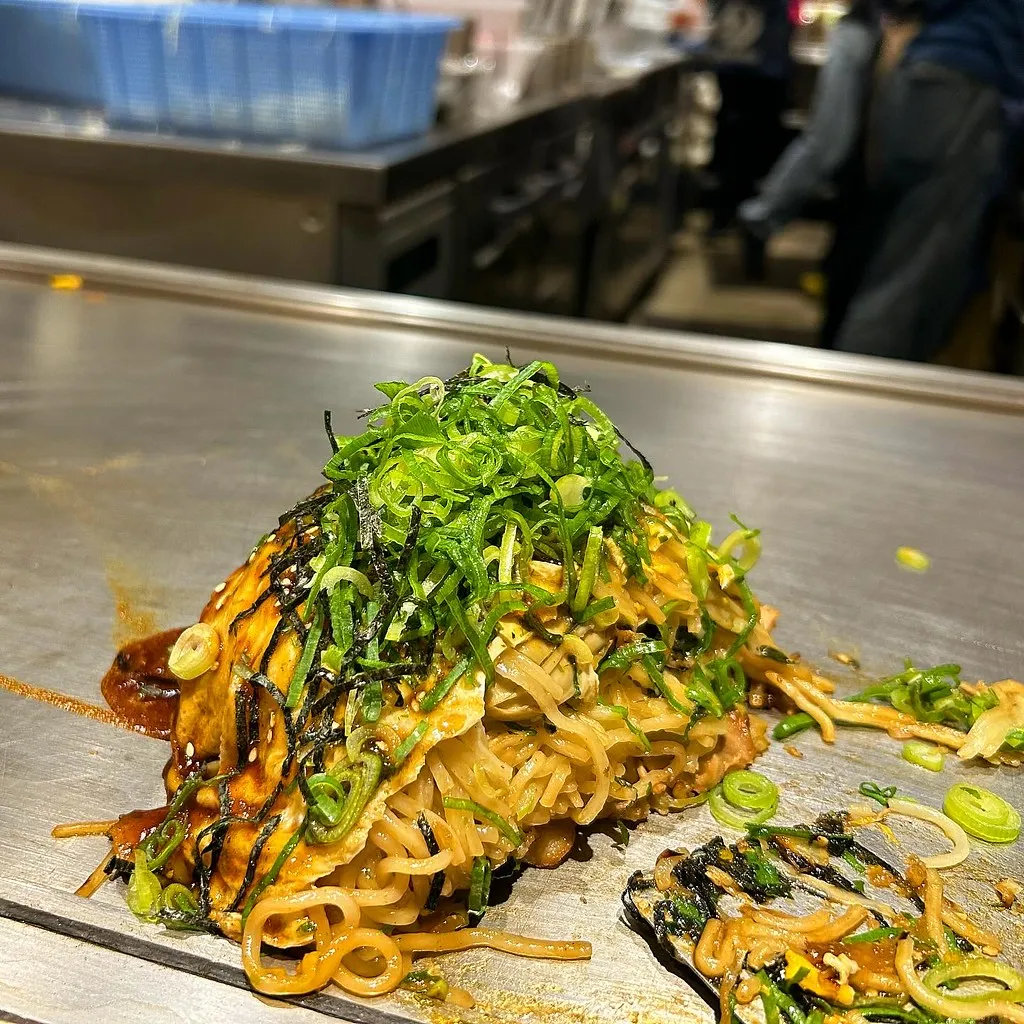
Hiroshima-style okonomiyaki prepared in layers.
Photograph: Kanesue — opens in a new tab · CC BY 2.0 — opens in a new tab
Changes: Resized and converted to WebP; displayed with responsive crops. · Original photograph and licence details ↗ — opens in a new tab
Sanuki udon, thick wheat noodles associated with Kagawa.
Photograph: George N — opens in a new tab · CC BY 2.0 — opens in a new tab
Changes: Resized and converted to WebP; displayed with responsive crops. · Original photograph and licence details ↗ — opens in a new tab
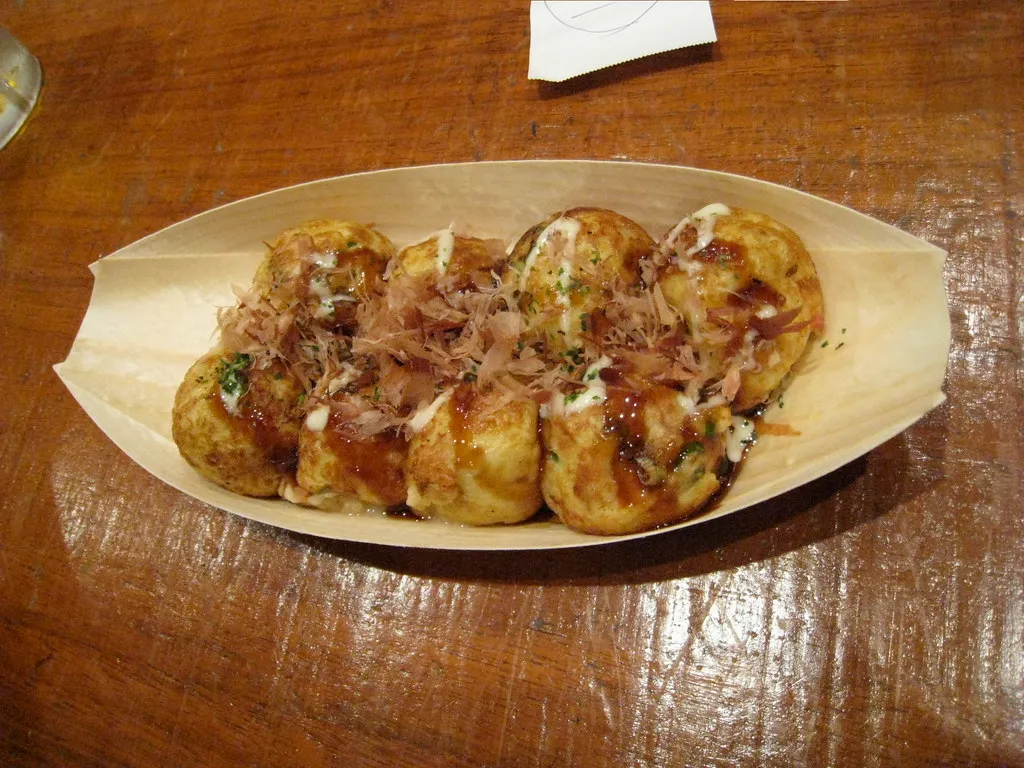
Takoyaki octopus dumplings served in a boat-shaped tray.
Photograph: saragoldsmith — opens in a new tab · CC BY 2.0 — opens in a new tab
Changes: Resized and converted to WebP; displayed with responsive crops. · Original photograph and licence details ↗ — opens in a new tab
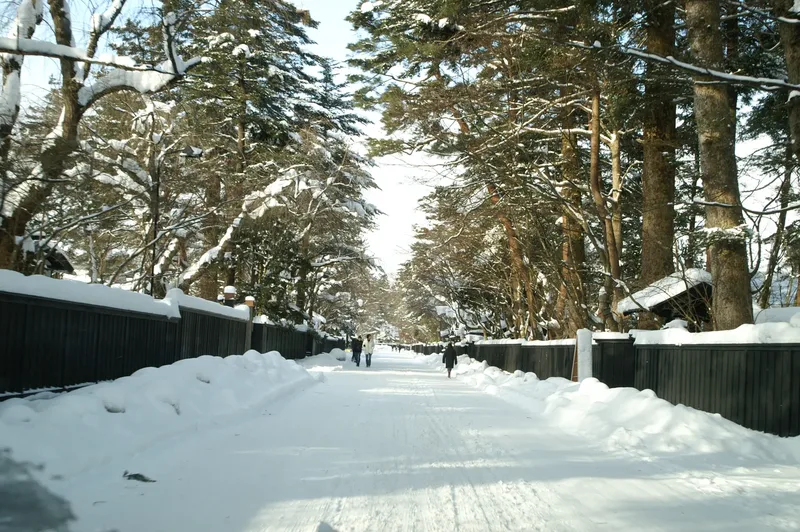
Kiritanpo nabe, an Akita hotpot with rice sticks and vegetables.
Photograph: Hideyuki KAMON — opens in a new tab · CC BY-SA 2.0 — opens in a new tab
Changes: Resized and converted to WebP; displayed with responsive crops. · Original photograph and licence details ↗ — opens in a new tab