Plan your trip
Where to stay in Japan: hotels, ryokan and choosing a useful base
Accommodation does more than divide a Japan trip into nights. The right base gives you an enjoyable breakfast, a straightforward journey to the places you want to explore and somewhere you are pleased to return to. A traditional inn can also become an experience in its own right, especially when you leave time for its food and surroundings.
- Suggested time
- Match each stay to the region you will explore and avoid unnecessary accommodation changes
- Where to stay
- A location with a useful route to transport, meals and your priority experiences
- Season and timing
- Check availability for your dates and the destination's seasonal access
The short answer
Choose the base and arrival route first, then compare the actual room and booking plan. Use city hotels for convenient exploration and consider a ryokan when you want an unhurried cultural stay. Confirm meal inclusions, sleeping arrangements and bathing facilities rather than assuming all properties in a category are the same.
Choose a useful neighbourhood rather than a famous address
Map the places you want to visit and the transport you will use before choosing a room. A station that serves your route, a simple airport arrival and nearby dinner options can be more valuable than staying beside one famous sight. Inspect the actual walking route and accommodation entrance.
Plan the evening as well as the morning. If most restaurants you want to try are across town, you may spend more of the trip travelling back and forth than the room price suggests. A comfortable base makes room for spontaneous neighbourhood exploration instead of turning every outing into another transfer.
Compare the specific room and plan
Check room size, bed layout, bathroom facilities, occupancy and cancellation conditions for the option you will book. These can differ within one property. Travellers with children or access needs should obtain answers about the actual room rather than relying on the hotel's general description.
Count practical savings as well as nightly cost. Laundry facilities or breakfast that suits an early departure may help a longer journey. Equally, paying for breakfast you will repeatedly miss is not useful value. Compare the plan against the days you have designed.
Make time for the local food
What to eat and where to look
A seasonal inn dinner
An evening meal can be a central part of a ryokan stay rather than an extra stop on the sightseeing route.
- Where to look
- The accommodation's meal descriptions and selected booking plan
- Fit it into your day
- Confirm inclusion, serving time and dietary requirements
Do not assume every room rate includes dinner.
Choose a ryokan for the stay itself
JNTO describes ryokan as traditional Japanese inns with varied styles and facilities. Tatami rooms, futon bedding, yukata and seasonal meals are associated with the experience, but the specific property and plan determine what you receive. Some stays do not include meals.
Give a ryokan night a less crowded schedule. Arrive in time for check-in instructions, the surrounding town and the confirmed dinner time. A stay chosen for its food and atmosphere loses much of its value when treated as a late-arrival bed between two intensive travel days.
Read the meal and bath descriptions carefully
Find out where meals are served, what the booking includes and whether the establishment can accommodate dietary requirements. A multi-course seasonal dinner can be a reason to choose an inn, but a photograph does not establish a vegan option or allergy accommodation.
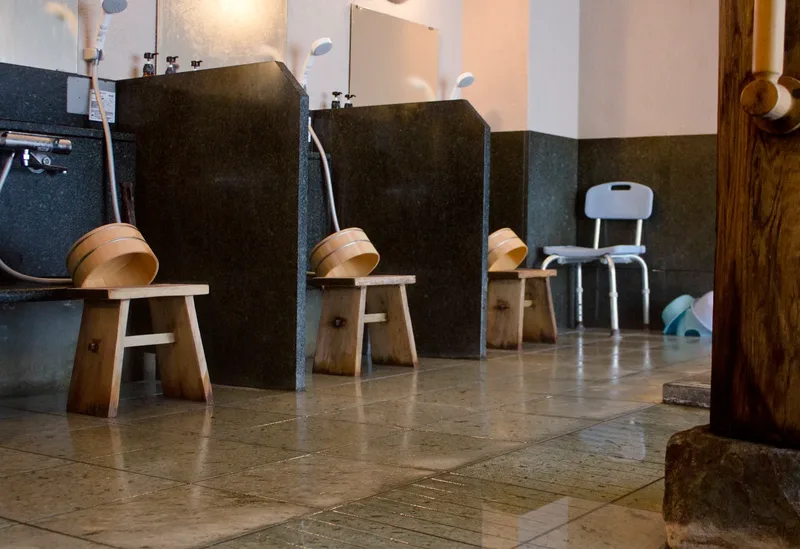
Shared baths, reservable private baths and an in-room bath are different arrangements. Check the actual room or time slot included in your plan, along with relevant tattoo or family policies. Use our onsen guide to understand the bathing routine, then confirm details with the property.
Let your base make one special outing easier
A walking tour, cooking class or other destination experience fits best when the meeting point is convenient and the return journey is straightforward. Compare the activity's start time against check-in, dinner and your onward transport. Accommodation and activities should support the same day.
Use Viator for relevant experiences around the chosen base, without treating an activity link as a hotel reservation. Choose the experience for what it explains or lets you do, then reserve only when its actual itinerary fits. Our destination guides help decide which surroundings deserve more than a quick stop.
Practical questions
Is a ryokan always more expensive than a hotel?
There is no useful universal answer. Compare the selected dates, room, occupancy and meal inclusions. The experiences and facilities differ as well as the price.
Do all ryokan have natural hot springs?
Do not assume so. Read the property's description of the actual bath and water source, then confirm if natural hot-spring bathing is a priority.
Should I stay near the main station?
Choose according to the transport lines and neighbourhoods you will actually use. The largest station is not automatically the simplest base for your route.
Can a Viator activity link book my accommodation?
An activity link books or browses the experience described by its product page. It does not establish a hotel reservation or meals at an inn unless those are explicitly included.
Sources and checks before you travel
Reference sources for the version dated 30 September 2026. Confirm opening times, access, transport and conditions for your travel dates.
Does this experience fit your route?
Explore related tours and experiences
Check dates and details on Viator ↗ — opens in a new tabAffiliate link · Book with ViatorPhoto credits
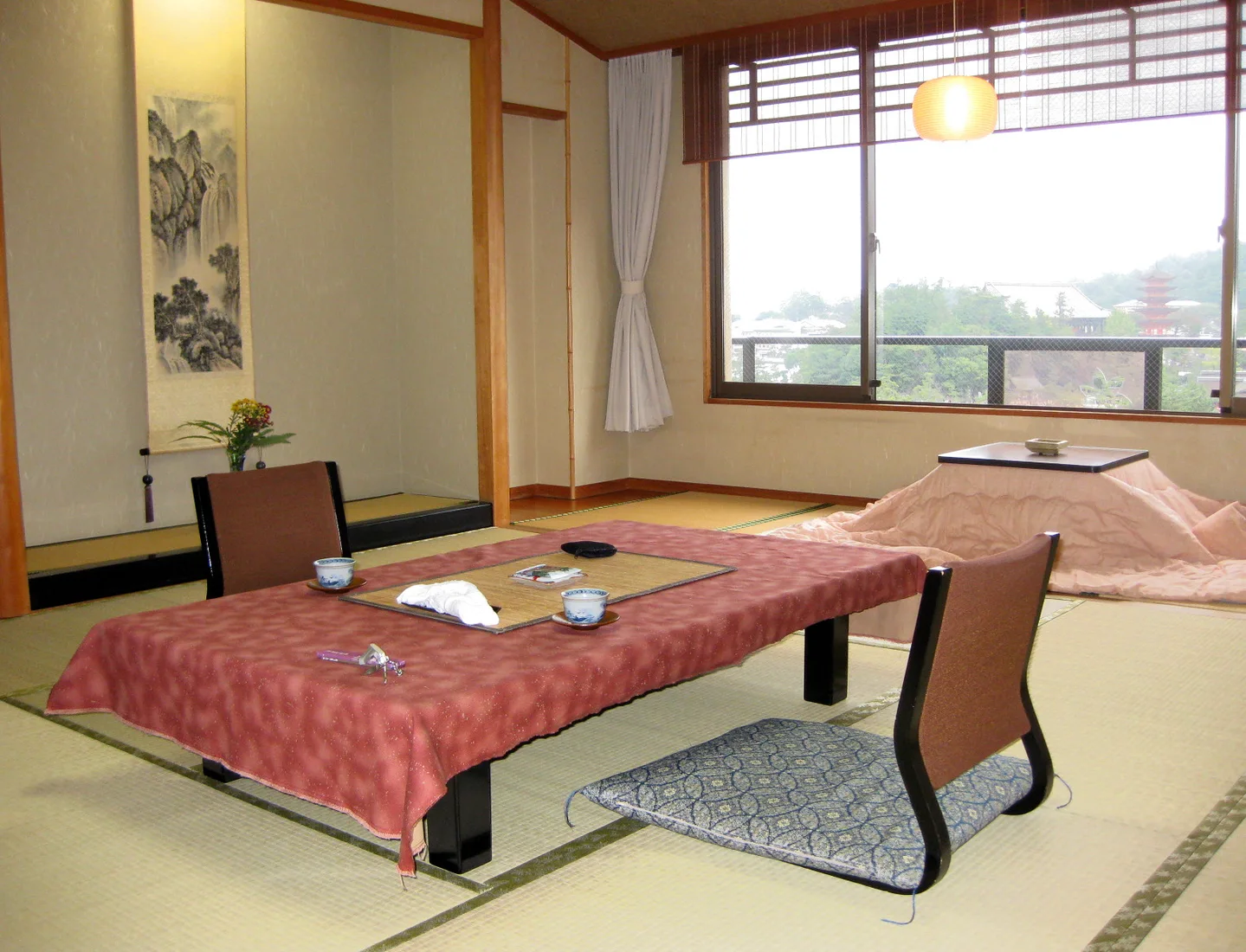
A source photograph of a room at Jukeiso, Miyajima; verify the actual room and plan offered for your dates.
Photograph: miss vichan — opens in a new tab · CC BY-SA 2.0 — opens in a new tab
Changes: Resized and converted to WebP; displayed with responsive crops. · Original photograph and licence details ↗ — opens in a new tab
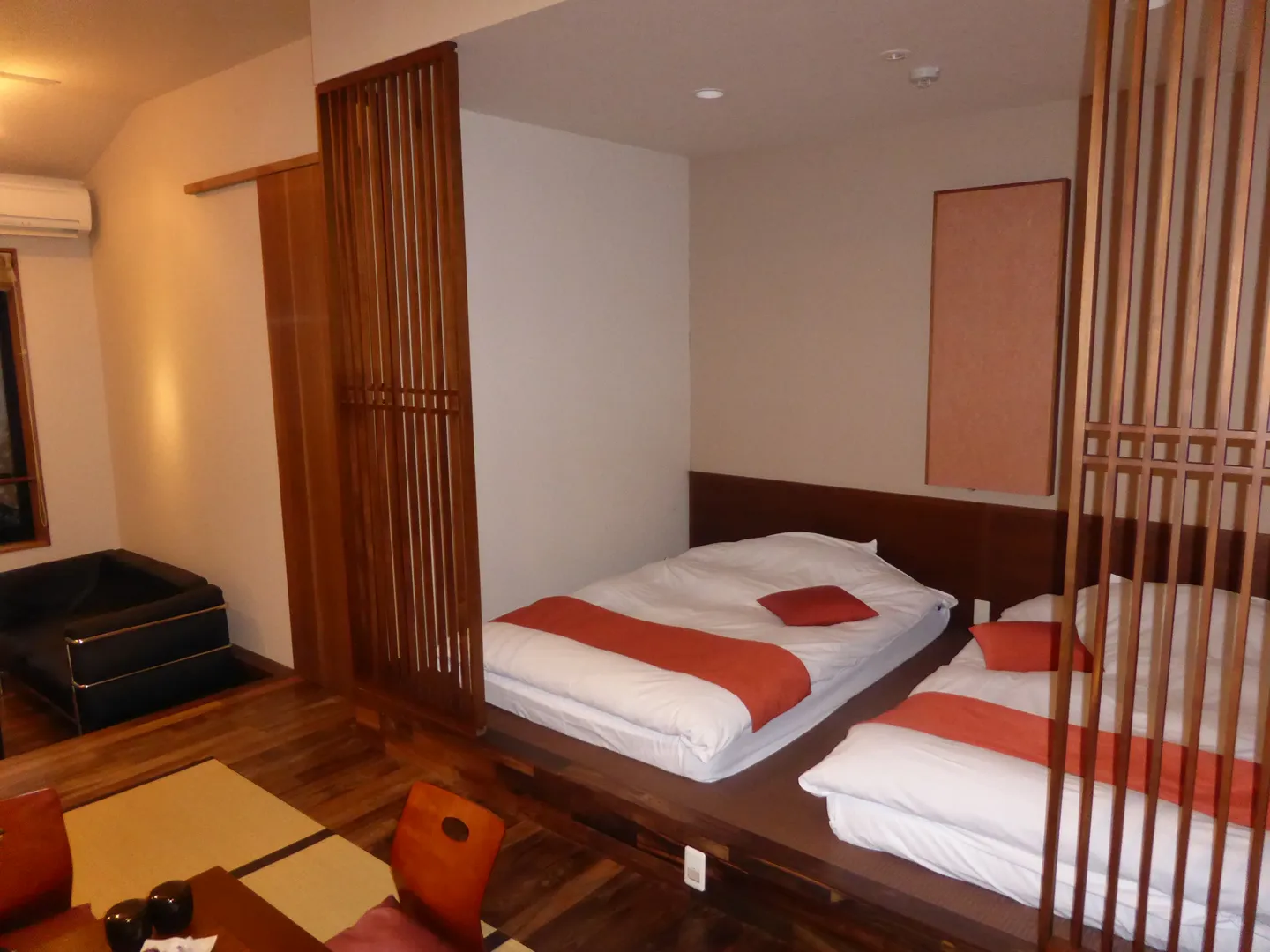
A historical source photograph of a Hakone ryokan room, illustrating one style of accommodation.
Photograph: Stephen Colebourne — opens in a new tab · CC BY 2.0 — opens in a new tab
Changes: Resized and converted to WebP; displayed with responsive crops. · Original photograph and licence details ↗ — opens in a new tab
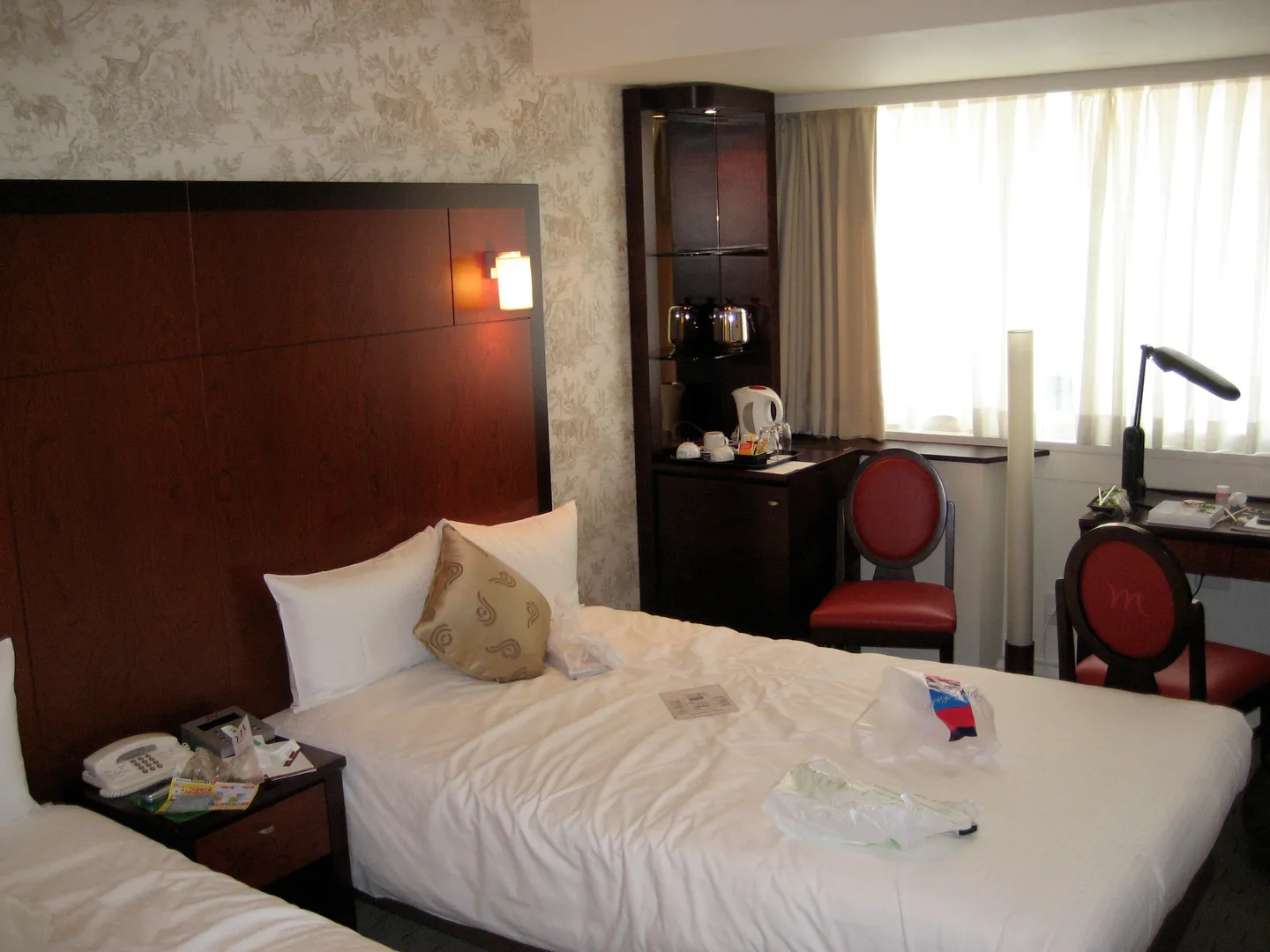
An archival hotel-room photograph from Ginza. It does not represent current availability or a specific room booking.
Photograph: bryansblog — opens in a new tab · CC BY-SA 2.0 — opens in a new tab
Changes: Resized and converted to WebP; displayed with responsive crops. · Original photograph and licence details ↗ — opens in a new tab