Plan your trip
Japanese restaurants: meal formats, menus and practical choices
The first meal in an unfamiliar place becomes easier when you understand how the restaurant works. A ticket-machine ramen shop, a set-meal restaurant and an izakaya offer different kinds of evening. Choose a format that suits your time and appetite, then enjoy the food without treating every small custom as an examination.
- Suggested time
- A quick individual lunch or a longer shared evening, according to the establishment
- Where to stay
- A restaurant convenient to the next activity or your accommodation
- Season and timing
- Check the actual opening day and menu for your visit
The short answer
Look at the menu and serving format before entering. Follow the establishment's seating and ordering instructions, ask ingredient questions before paying, and clarify any table charge or booking condition. Start with a manageable order; add more once you understand the portions.
Choose the meal format first
A set meal can be a straightforward individual lunch. A noodle shop may be suited to a shorter stop, while an izakaya can make a longer shared evening. These are useful starting points for reading the menu, not rules that every establishment follows identically.
Look at the waiting procedure and let staff assign seating. If a restaurant is small or busy, decide the main order before occupying its entrance. A queue does not establish how soon you will eat, so choose a simpler option when the next train or activity has a fixed start.
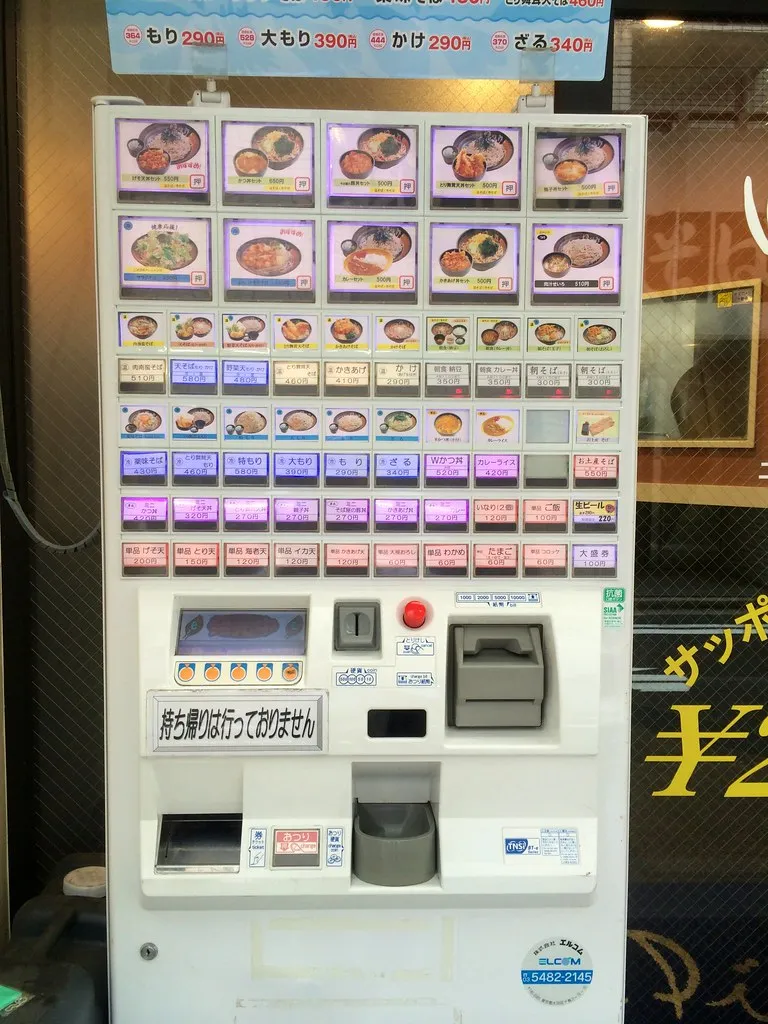
Use a ticket machine with the dish in mind
Where a machine is used, distinguish the main dish, size and extras. Similar photographs can represent different broths, toppings or serving temperatures. Ask a question before paying if the preparation is unclear, then follow the staff's instructions for the ticket.
For ingredient or allergy requirements, speak with the establishment rather than experimenting with several purchases. A machine may sell a defined preparation that cannot be adapted as you expect. Read a translated menu as a useful aid, not verification of every ingredient.
Make time for the local food
What to eat and where to look
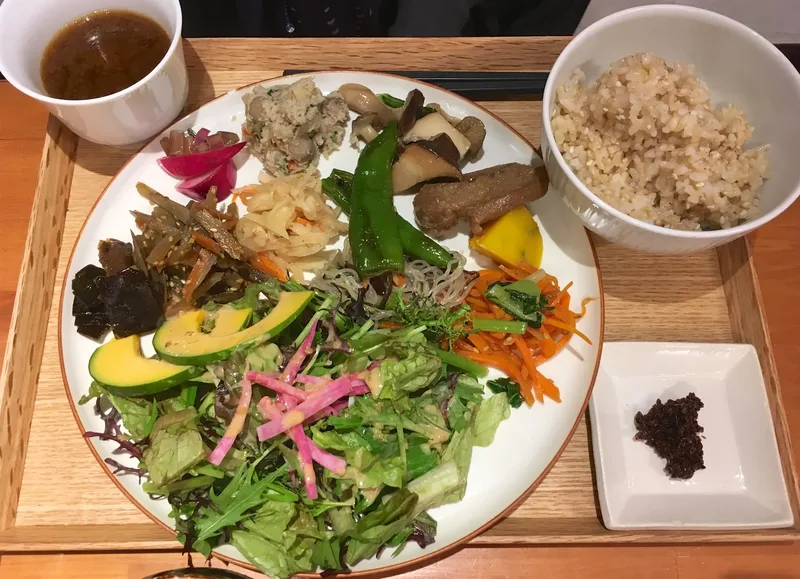
Teishoku
A set-meal format often brings a main preparation with rice, soup and small side dishes.
- Where to look
- Restaurants describing their set menus
- Fit it into your day
- Check the included items before adding extras
Side dishes and ingredients vary.
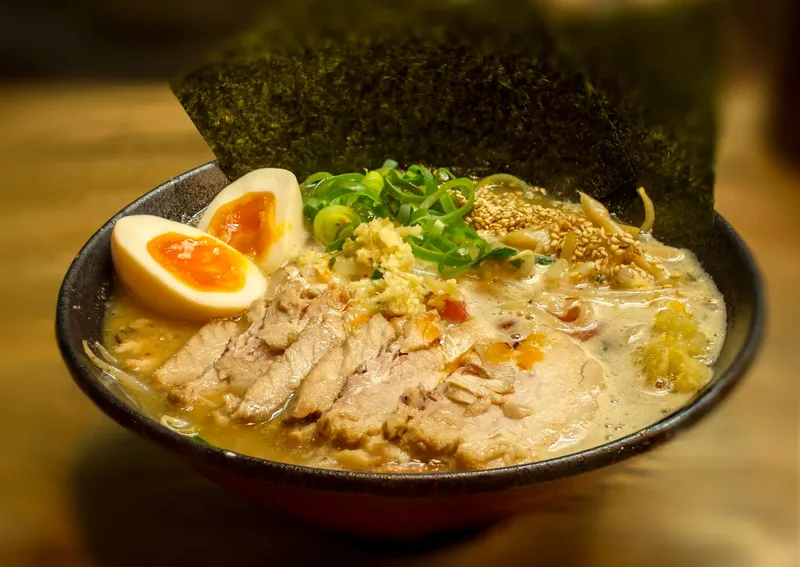
Ramen with a ticket-machine order
Selecting the main bowl and extras is part of the ordering process in some shops.
- Where to look
- An establishment using a ticket machine
- Fit it into your day
- Ask questions before payment and follow the ticket instructions
A similar picture does not establish the same broth or toppings.
Self-service udon
A simple bowl and a chosen accompaniment can make a comfortable introduction to this serving style.
- Where to look
- Shops explaining their actual self-service process
- Fit it into your day
- Follow the counter sequence and return the tray as instructed
Not every udon restaurant is self-service.
Shared izakaya dishes
Several smaller preparations can give a group a varied evening when portions and charges are understood.
- Where to look
- An establishment with a clear menu and serving conditions
- Fit it into your day
- Start with a moderate selection and add according to appetite
Confirm charges, ingredients and dietary requirements.
Follow the establishment's self-service sequence
At a self-service noodle shop, watch the actual order of choosing a bowl, taking accompaniments, paying and collecting anything served separately. Not every udon restaurant uses the same arrangement. Take the time to see the instructions instead of assuming a process from a different shop.
Use the serving utensils provided and return the tray where indicated. Choose a modest first portion if you are learning the format. This leaves the experience relaxed and gives you room to taste what makes the preparation different.
Understand a shared evening and its charges
For shared dishes, ask about portion sizes and use serving utensils when provided. Start with a small selection, then add another preparation according to appetite. A memorable evening does not require ordering the entire menu at once.
Some izakaya serve otoshi, a small dish associated with a charge. GO TOKYO explains this as part of dining information. Clarify the establishment's actual charges and conditions before accepting a table when they are unclear. Tipping is not customary in ordinary restaurant service, according to JNTO; follow the stated bill rather than guessing at a compulsory extra tip.
Reserve a specific meal or learn with a guide
For a reservation, confirm the date, party size, selected menu, dietary response and cancellation conditions. Tell the establishment if you will be late. A booking is for the agreed arrangement, not a guarantee that every dish can be changed on arrival.
A relevant guided food outing on Viator can help introduce unfamiliar meal formats and a neighbourhood's eating scene. Compare what the guide explains, the establishments visited and the actual inclusions. Choose it for the context and food offered; this guide itself does not claim a first-hand restaurant visit or award ratings to establishments.
Practical questions
When should I ask about ingredients at a ticket-machine restaurant?
Before paying. The ticket may refer to a defined preparation that the establishment cannot modify.
What is otoshi?
It is a small dish served at some izakaya and associated with a charge. Ask about the actual establishment's charge and serving conditions if unclear.
Must I tip at a Japanese restaurant?
Tipping is not customary in ordinary restaurant service according to JNTO. Follow the establishment's stated bill and conditions.
Do all udon shops use the same ordering process?
No. Some use self-service arrangements and others provide table service. Watch the instructions at the actual establishment.
Sources and checks before you travel
Reference sources for the version dated 30 September 2026. Confirm opening times, access, transport and conditions for your travel dates.
Does this experience fit your route?
Explore related tours and experiences
Check dates and details on Viator ↗ — opens in a new tabAffiliate link · Book with ViatorPhoto credits
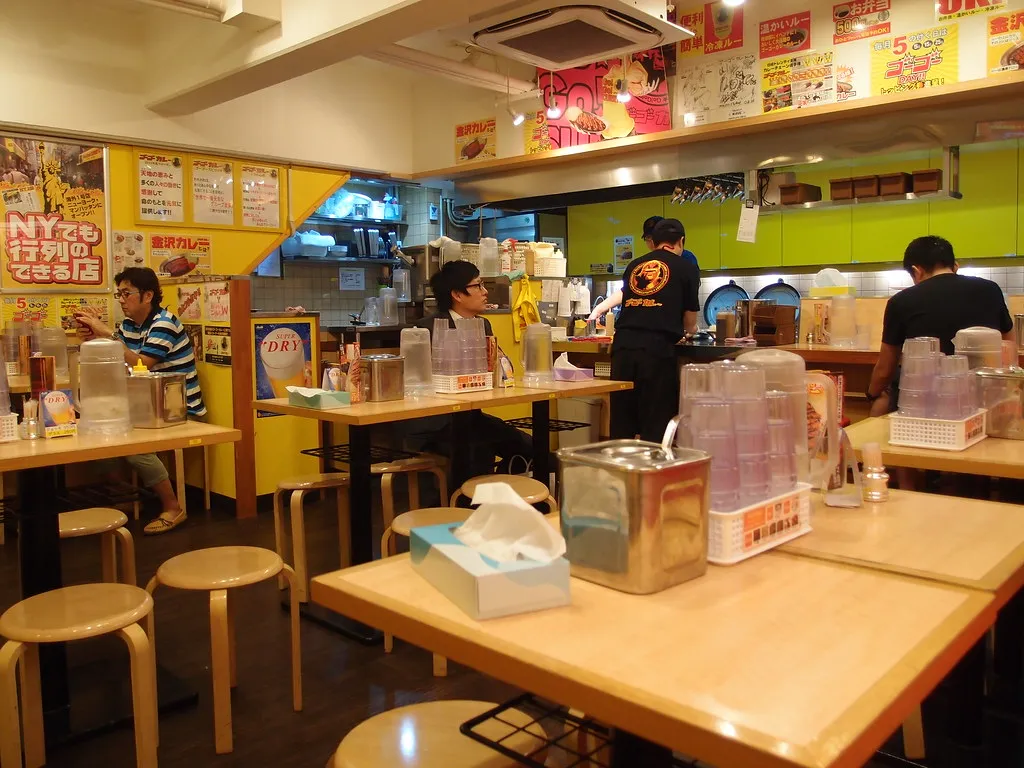
Tables, stools and wall menus inside a curry restaurant in Shimbashi, Tokyo.
Photograph: Guilhem Vellut — opens in a new tab · CC BY 2.0 — opens in a new tab
Changes: Resized and converted to WebP; displayed with responsive crops. · Original photograph and licence details ↗ — opens in a new tab
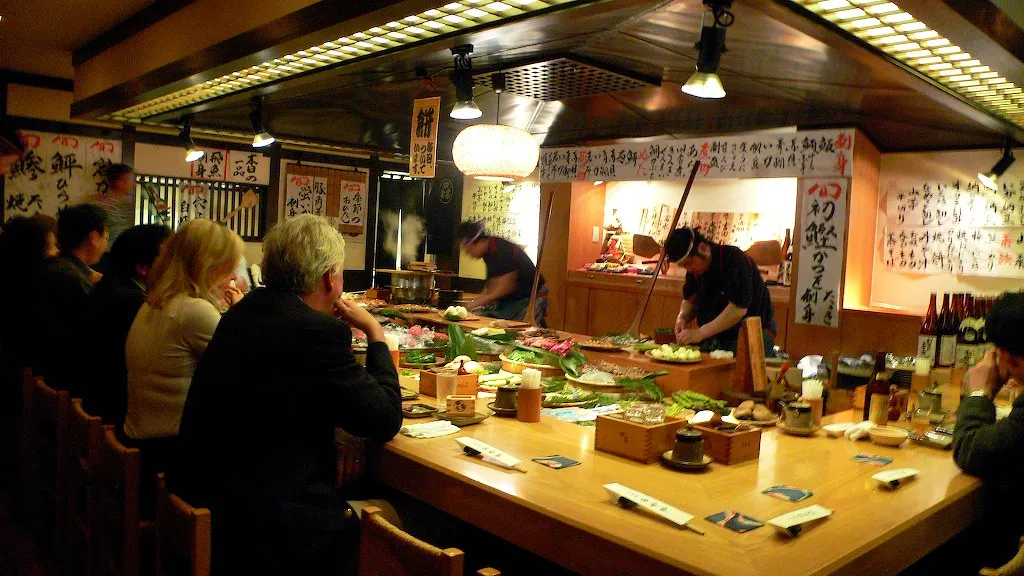
Customers sitting at a restaurant counter in Tokyo.
Photograph: Cory Doctorow — opens in a new tab · CC BY-SA 2.0 — opens in a new tab
Changes: Resized and converted to WebP; displayed with responsive crops. · Original photograph and licence details ↗ — opens in a new tab
A ticket vending machine for ordering food at a Japanese restaurant.
Photograph: Steven-L-Johnson — opens in a new tab · CC BY 2.0 — opens in a new tab
Changes: Resized and converted to WebP; displayed with responsive crops. · Original photograph and licence details ↗ — opens in a new tab