Plan your trip
Accessible travel in Japan: planning routes and checking experiences
Japan's food, gardens, neighbourhoods and craft traditions can shape a rewarding trip without making every famous attraction a requirement. The useful starting point is the experience you want, followed by a route and provider that fit your access needs. Accessibility belongs in the itinerary design, not in a note added after booking.
- Suggested time
- Allow planning time for property and provider confirmations before non-refundable bookings
- Where to stay
- A verified accommodation and transport route suited to your requirements
- Season and timing
- Choose temperatures and daylight that make your intended outings comfortable
The short answer
Check the complete journey: station exits, surface and gradients, accommodation facilities, toilets and the activity itself. Give providers specific requirements and request an answer about the actual route or equipment. A wheelchair-accessible label alone does not explain whether an experience fits your individual needs.
Start with experiences, then choose workable routes
List the things you most want to enjoy: a garden, a neighbourhood food outing, a museum or a hands-on activity. Build around a few suitable experiences rather than treating a standard itinerary as a checklist. This gives you a reason to compare routes and leaves room for a comfortable pace.
Describe your requirements concretely. For example, the width and weight of a mobility device, whether steps are possible, the distance you can comfortably cover, or the sensory environment you need. You do not need to share unnecessary medical details to ask a provider a practical question.
Check a continuous route rather than isolated accessible places
JNTO identifies accessibility resources and facilities at major transport hubs while advising independent research for current information. Use station and attraction information to trace the route you will actually take. An accessible entrance may be on a different side from the station exit shown by a general navigation app.
Ask about slopes, uneven surfaces, narrow passages, rest points and toilets where these affect your plans. Confirm arrangements for assistance directly with the relevant operator. A garden may have an accessible main route and optional paths that are unsuitable; knowing the distinction can preserve an enjoyable visit.
Make time for the local food
What to eat and where to look
A planned regional lunch
Enjoy a local dish at a restaurant whose access and seating work for you, rather than depending on an unverified stop.
- Where to look
- Near the confirmed sightseeing route
- Fit it into your day
- Ask about the requirements important to your meal
Access and dietary suitability are separate questions.
Confirm the room, bathroom and arrival arrangements
Request the actual room type and facilities you need, not simply an assurance that a hotel welcomes disabled guests. Useful questions may concern doorway widths, turning space, shower access, bed height, grab rails or the availability of a specific aid. The right questions depend on the traveller.
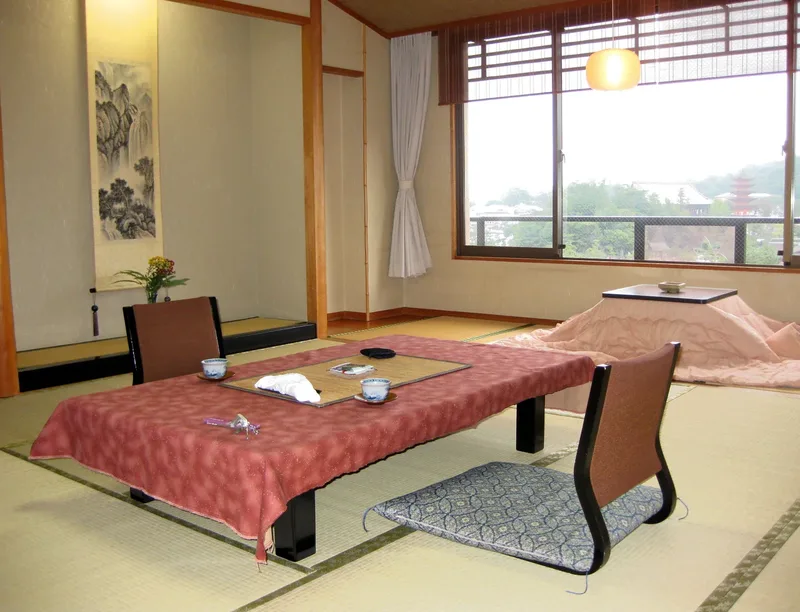
Plan how you will reach that room. Check the accommodation entrance, drop-off point and luggage assistance if needed. A traditional inn can be an appealing cultural stay, but its room surfaces, bathing arrangements and meal location need the same detailed review as any other property.
Choose a guided experience for its confirmed suitability
A private guide can be useful when the provider agrees to a realistic route, pace and meeting point. The benefit is time spent understanding a place instead of solving each logistical step during the outing. Private, however, does not automatically mean accessible.
When comparing Viator listings, read the accessibility information and contact the provider about requirements that the listing does not resolve. Confirm vehicle access, any lifting or transfer requirements, walking surfaces and the facilities used. Do not rely on a different traveller's review or an accessible collection label as a substitute for this response.
Give meals and rest stops a place in the plan
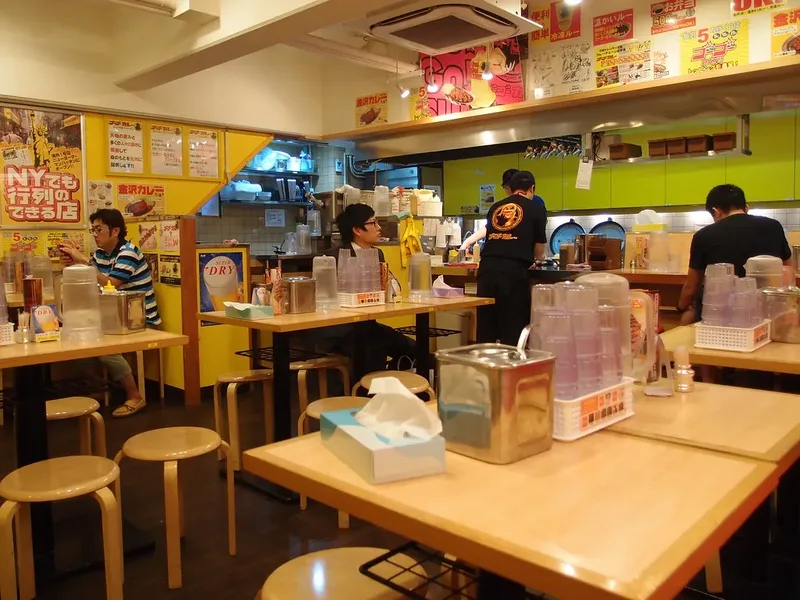
Choose a meal near the activity rather than crossing town for every recommendation. If access to seating, toilets, a quiet space or a particular food preparation is important, ask the restaurant in advance. Food can remain a highlight while the route stays manageable.
Prepare a nearby alternative and keep the day's route easy to shorten. This is not a less ambitious trip: it makes space for the experiences that matter. Our destination guides describe what makes places interesting; combine them with confirmed access information for your own journey.
Practical questions
Does wheelchair accessible mean an activity suits every wheelchair user?
No. Confirm the particular route, vehicle and facilities against your device and requirements. Broad labels cannot answer every traveller's needs.
Are private tours automatically accessible?
No. A private arrangement may allow adaptation, but the provider must confirm the actual route and equipment. Ask before reserving.
How should I choose a hotel?
Ask about the specific room and bathroom, entrance and arrival route. Request concrete information about the features that matter to you rather than relying only on an accessible-room label.
Can a destination guide replace access checks?
No. Use it to choose experiences, then confirm current access with transport operators, attractions and providers for your own trip.
Sources and checks before you travel
Reference sources for the version dated 30 September 2026. Confirm opening times, access, transport and conditions for your travel dates.
Does this experience fit your route?
Explore related tours and experiences
Check dates and details on Viator ↗ — opens in a new tabAffiliate link · Book with ViatorPhoto credits
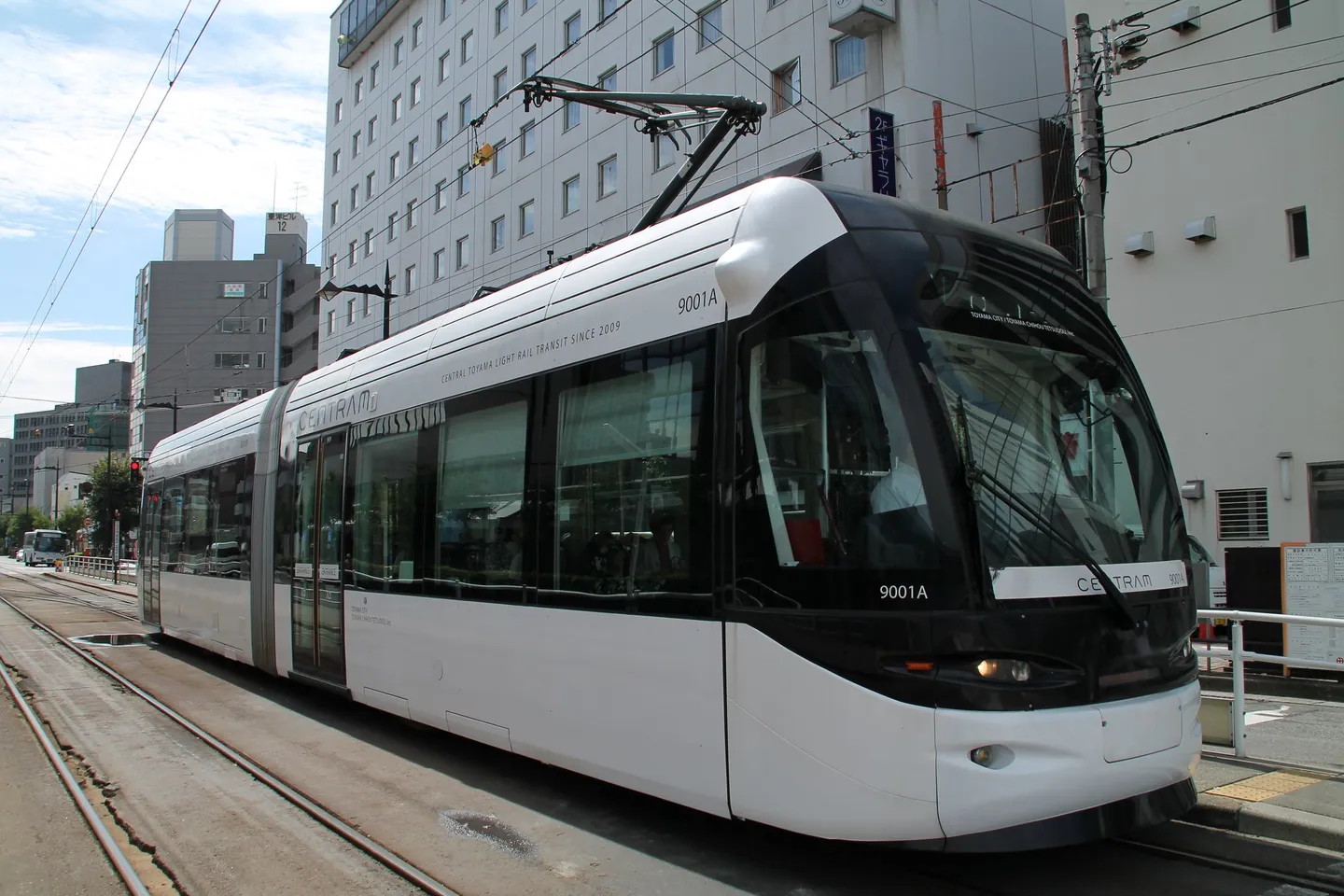
Toyama tram. This source photograph does not establish the access arrangements for every vehicle or stop.
Photograph: foooomio — opens in a new tab · CC BY 2.0 — opens in a new tab
Changes: Resized and converted to WebP; displayed with responsive crops. · Original photograph and licence details ↗ — opens in a new tab
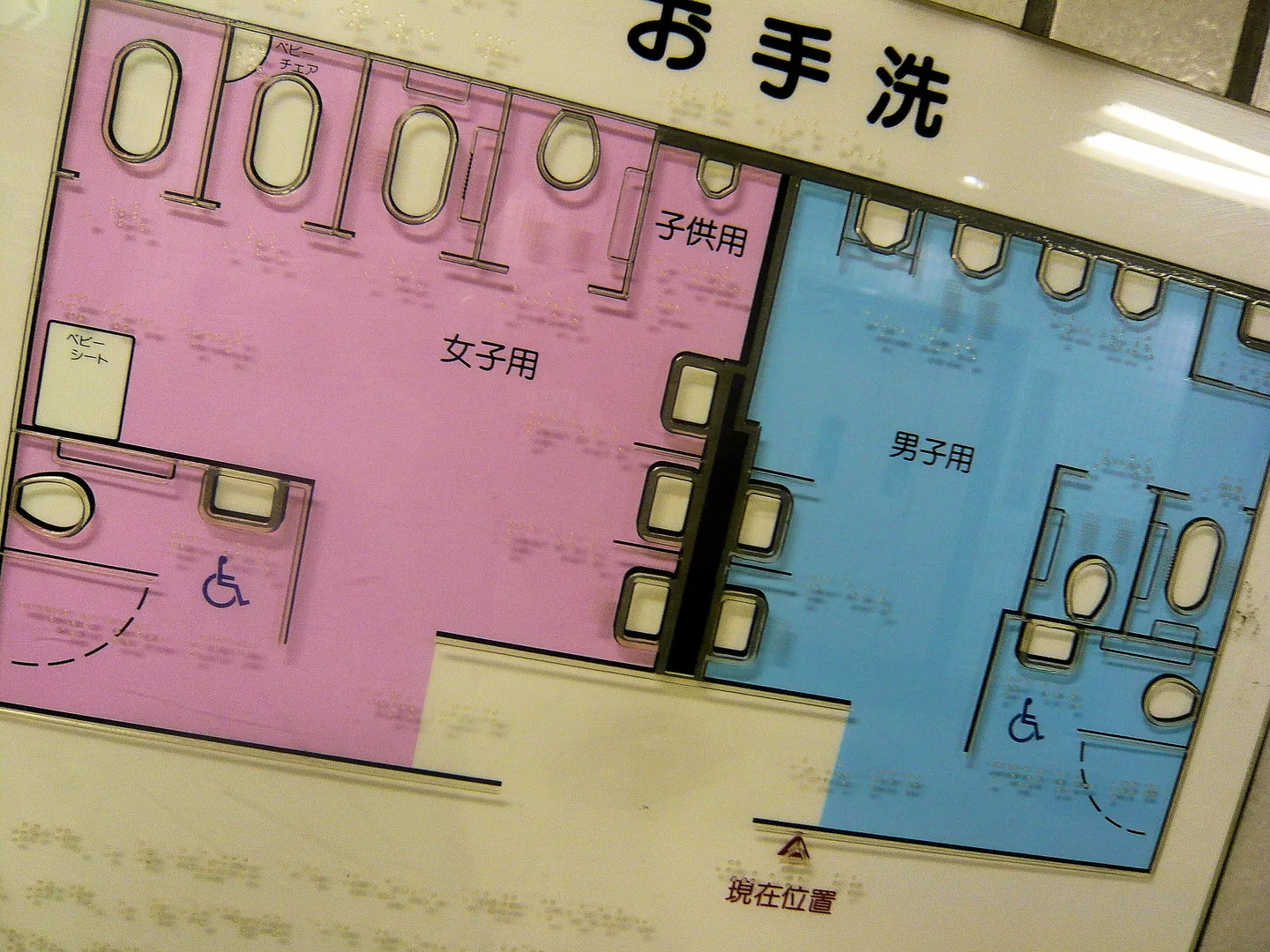
An example of a tactile facilities sign. Actual layouts and equipment differ between buildings.
Photograph: DocChewbacca — opens in a new tab · CC BY-SA 2.0 — opens in a new tab
Changes: Resized and converted to WebP; displayed with responsive crops. · Original photograph and licence details ↗ — opens in a new tab