Plan your trip
Japan travel safety: official help and planning for disruption
A little preparation can make a Japan trip easier to enjoy. Keep the right contacts and your location information together, then give your route enough flexibility for a changed connection or a cancelled outdoor activity. You should not have to search an entire booking inbox when you need help.
- Suggested time
- A short preparation session before travel
- Where to stay
- Useful contacts for each accommodation and transfer
- Season and timing
- Review relevant forecasts and alerts throughout the trip
The short answer
In Japan, call 119 for an urgent ambulance or fire response and 110 for urgent police assistance. JNTO’s Japan Visitor Hotline is a separate visitor-information and assistance service: 050-3816-2787 in Japan, or +81-50-3816-2787 from overseas. Follow official weather and local instructions, and the current information from your transport or activity operator.
Save the numbers with the place you are staying
JNTO lists 110 for urgent police help and 119 for ambulance or fire. Its Japan Visitor Hotline runs around the clock, with support in English, Chinese and Korean. Keep the visitor hotline distinct from the emergency services when deciding which number you need.
Alongside the contacts, save the full address of your accommodation and a way to identify your current location. A district name alone can be too vague. Keeping an address available offline is an uncomplicated step you can take before going out for the day.
Prepare one small set of useful information
Keep accommodation contacts, transport bookings, your insurer’s assistance details and the contact for someone in your travel party where you can find them. Choose a backup for situations when the main phone is unavailable. You do not need to carry every possible document on every walk, but you need a workable way to reach essential information.
Read your travel insurance’s relevant conditions and contact procedure before choosing activities. A tour description and an insurance policy answer different questions. If an activity or personal circumstance needs confirmation, get it from the responsible provider rather than assuming the word ‘travel’ covers everything.
Make time for the local food
What to eat and where to look
Use official warnings to change the plan
The Japan Meteorological Agency publishes warnings and advisories, and explains that action should not be delayed until an exceptional emergency warning appears. Follow local authorities’ directions and relevant operator updates. A saved itinerary is not evidence that a path, road or sailing remains open.
Ask your accommodation about local instructions and keep an alternative day that does not depend on the same exposed route. The right alternative depends on the event and place; a generic suggestion to go indoors cannot override an evacuation instruction or a local closure.
Give islands and mountain routes a buffer
A trip can be disrupted without becoming an emergency. One cancelled ferry or mountain connection may change your next hotel night. When a remote stay is important to you, avoid placing its only return option immediately before an international departure.
Before booking an outdoor experience, read how the operator handles unsuitable conditions and how you will receive updates. A cancellation policy explains a contract; it does not establish whether an activity is appropriate in a particular weather situation. Choose the route and experience around current advice.
Keep bookings useful without treating them as assistance services
Our linked activities are ordinary travel ideas. They are not emergency, medical or consular assistance. Compare them when planning a normal trip, and use the official channels when the situation calls for help.
For a change of plan, first establish what is operating and where you can stay; then contact the affected provider and review any alternative booking. The goal is a manageable next step rather than completing every attraction on the original list.
Practical questions
What is the ambulance number in Japan?
119. JNTO lists it for urgent ambulance and fire assistance. Its visitor hotline is a separate service.
Is the Japan Visitor Hotline available in English?
JNTO states that support is available in English, Chinese and Korean, 24 hours a day throughout the year.
Does a tour booking mean it will run in poor weather?
No. Check the operator’s current information and official local instructions. A booking confirmation does not override a closure or warning.
How much return buffer should a remote stay have?
Choose a margin around the actual transport options and the consequences of a missed connection. Avoid depending on a single remote return immediately before an international flight.
Sources and checks before you travel
Reference sources for the version dated 30 September 2026. Confirm opening times, access, transport and conditions for your travel dates.
Does this experience fit your route?
Explore related tours and experiences
Check dates and details on Viator ↗ — opens in a new tabAffiliate link · Book with ViatorPhoto credits
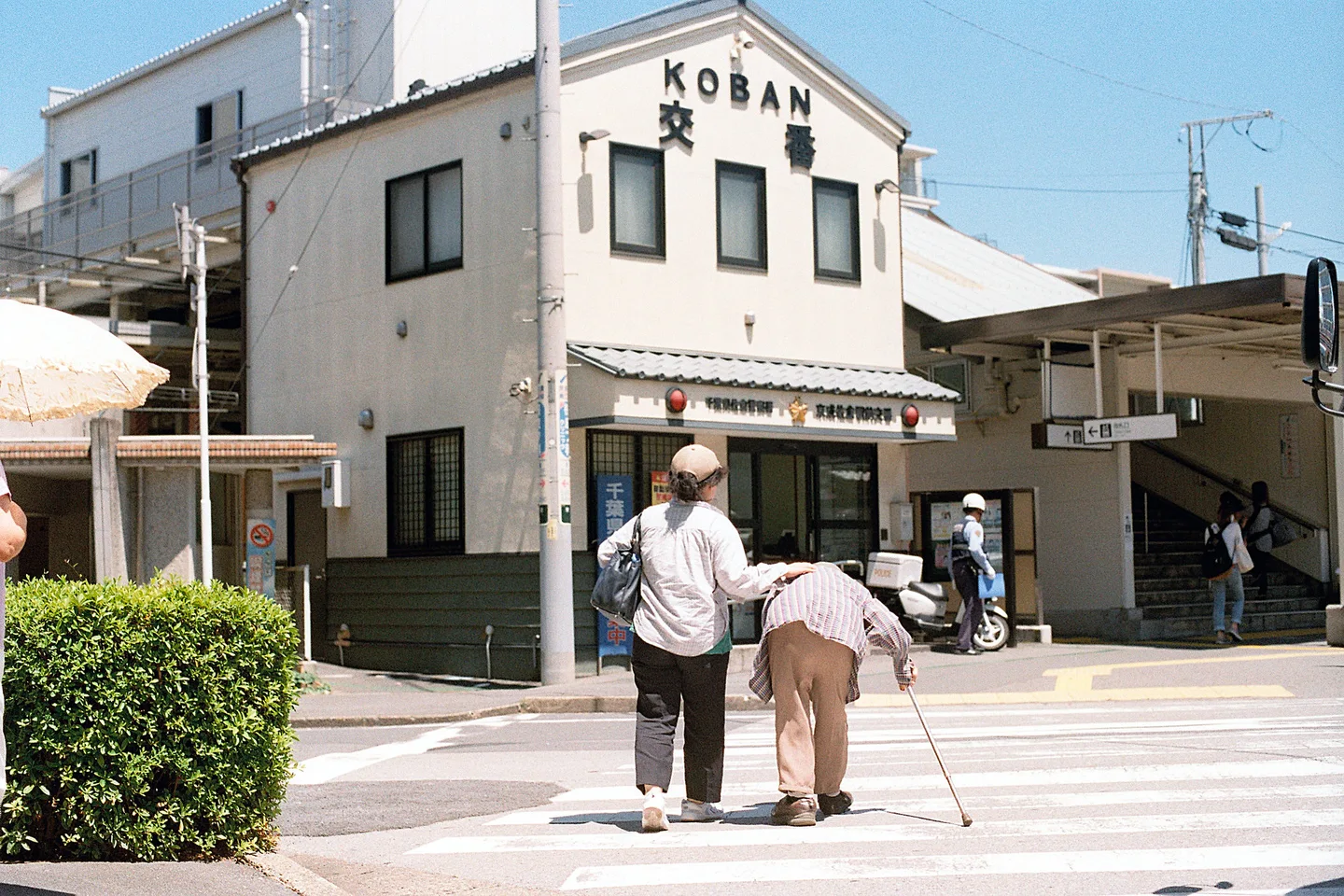
The koban police post near Keisei-Sakura Station in Chiba.
Photograph: Toomore Chiang — opens in a new tab · CC BY 2.0 — opens in a new tab
Changes: Resized and converted to WebP; displayed with responsive crops. · Original photograph and licence details ↗ — opens in a new tab
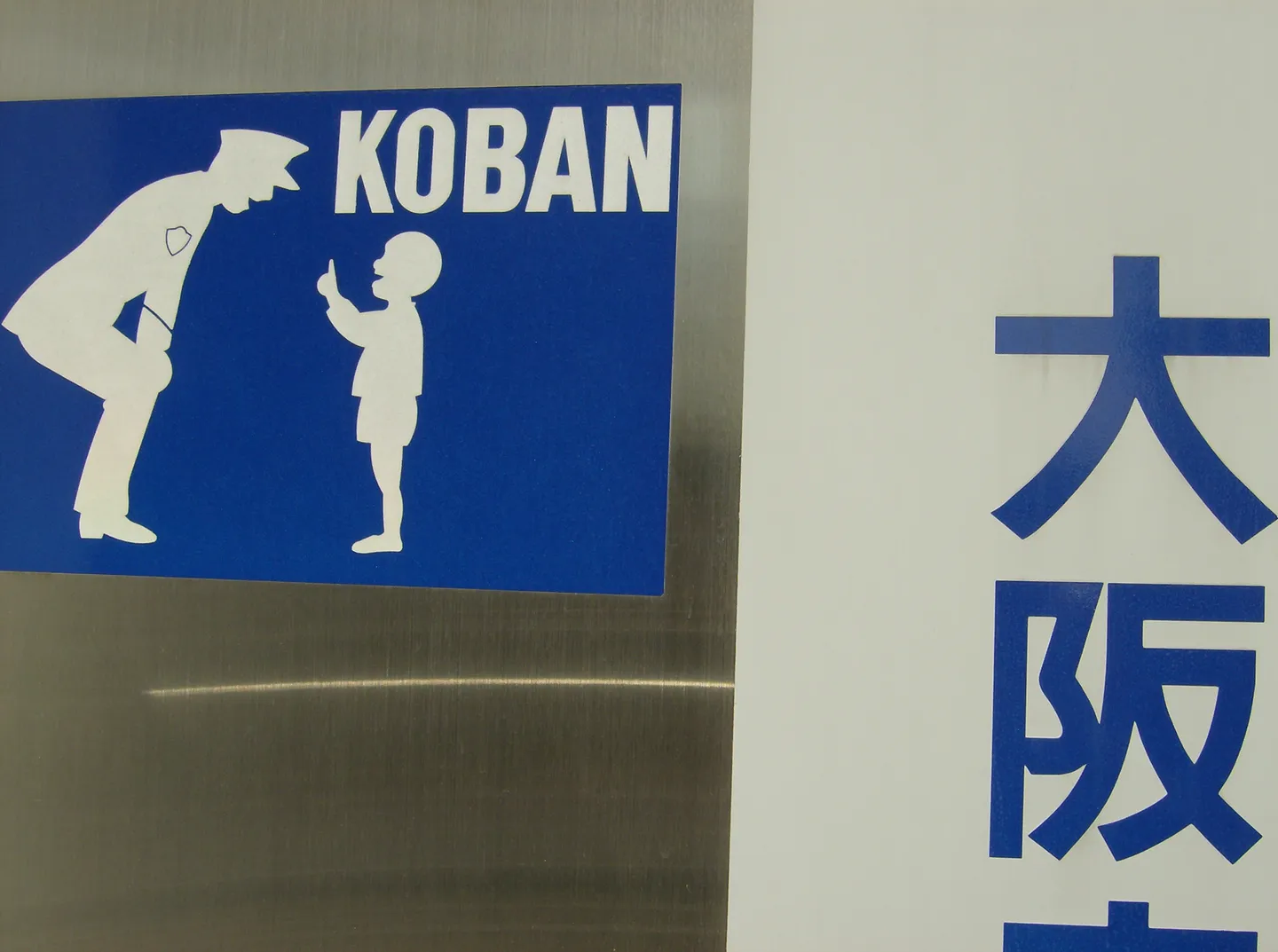
A sign identifying a koban police post in Japan.
Photograph: Michael — opens in a new tab · CC BY 2.0 — opens in a new tab
Changes: Resized and converted to WebP; displayed with responsive crops. · Original photograph and licence details ↗ — opens in a new tab
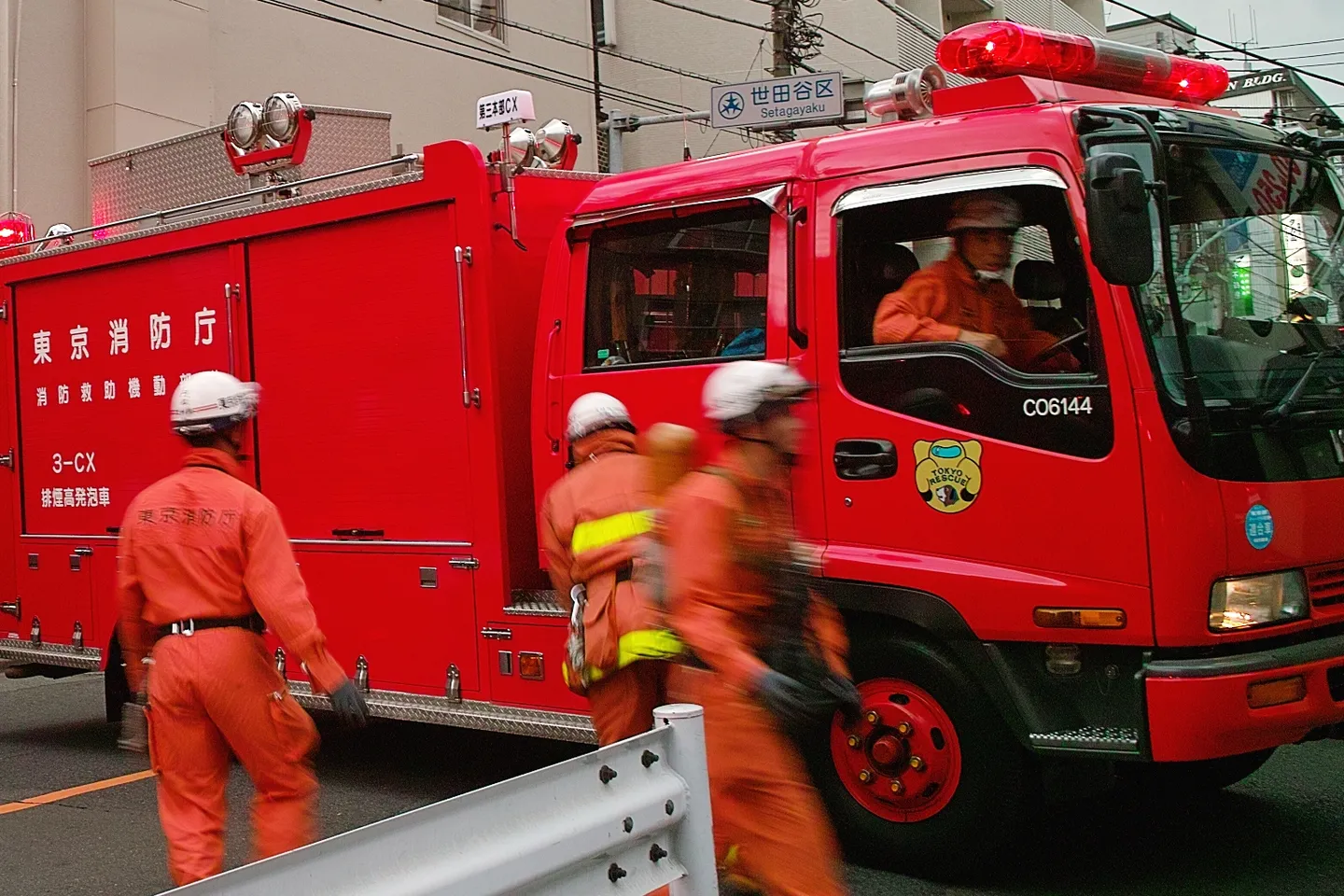
A Tokyo fire engine photographed in Jiyugaoka in 2008.
Photograph: Guwashi999 — opens in a new tab · CC BY 2.0 — opens in a new tab
Changes: Resized and converted to WebP; displayed with responsive crops. · Original photograph and licence details ↗ — opens in a new tab