Plan your trip
Temple stays in Japan: choosing shukubo, meals and cultural experiences
A temple stay gives an evening and a morning a different place in the journey. Instead of leaving a temple at the end of sightseeing, you can settle into its surroundings, enjoy a carefully arranged meal and consider the activities offered by the community hosting you. Choose the stay for what you want to understand and experience, as well as where you will sleep.
- Suggested time
- One unhurried overnight stay can fit a wider route; allow the confirmed arrival and meal times
- Where to stay
- The temple and destination whose setting and activities match your trip
- Season and timing
- Check the destination's conditions and the selected property's current plans
The short answer
Compare the actual temple, accommodation plan, meals and activities. Koyasan can be a mountain-focused cultural stay, while a town-centre temple or a private heritage property offers a different setting. Confirm room and bathroom arrangements, dietary requirements and which practices are included or optional. Do not assume every shukubo has the same rules or facilities.
Choose temple lodging for its rhythm and setting
JNTO describes shukubo as temple lodgings found across Japan and welcoming visitors of different faiths. The experience is not one uniform accommodation category. Look at the location, rooms, meals and activities of the actual property before choosing.
Leave the arrival afternoon and following morning reasonably open. A stay chosen for its atmosphere becomes less rewarding if you reach it after dinner and depart before the part you hoped to experience. Build the onward journey around the confirmed schedule rather than treating the temple as a late-night stop between distant attractions.
Compare a mountain stay with a town-centre base
Koyasan offers a mountain setting and a concentration of temple lodgings; our separate destination guide covers the wider visit. Here the decision is which accommodation and participation arrangement suits you. The official Shukubo Association provides property and booking information to help identify the actual plan.
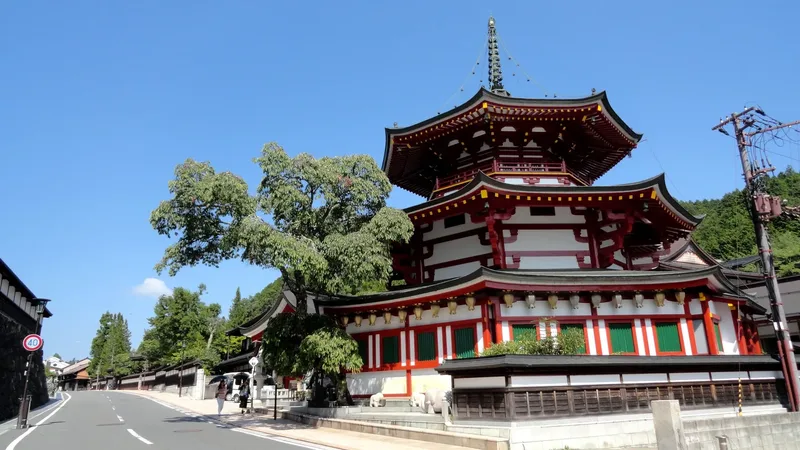
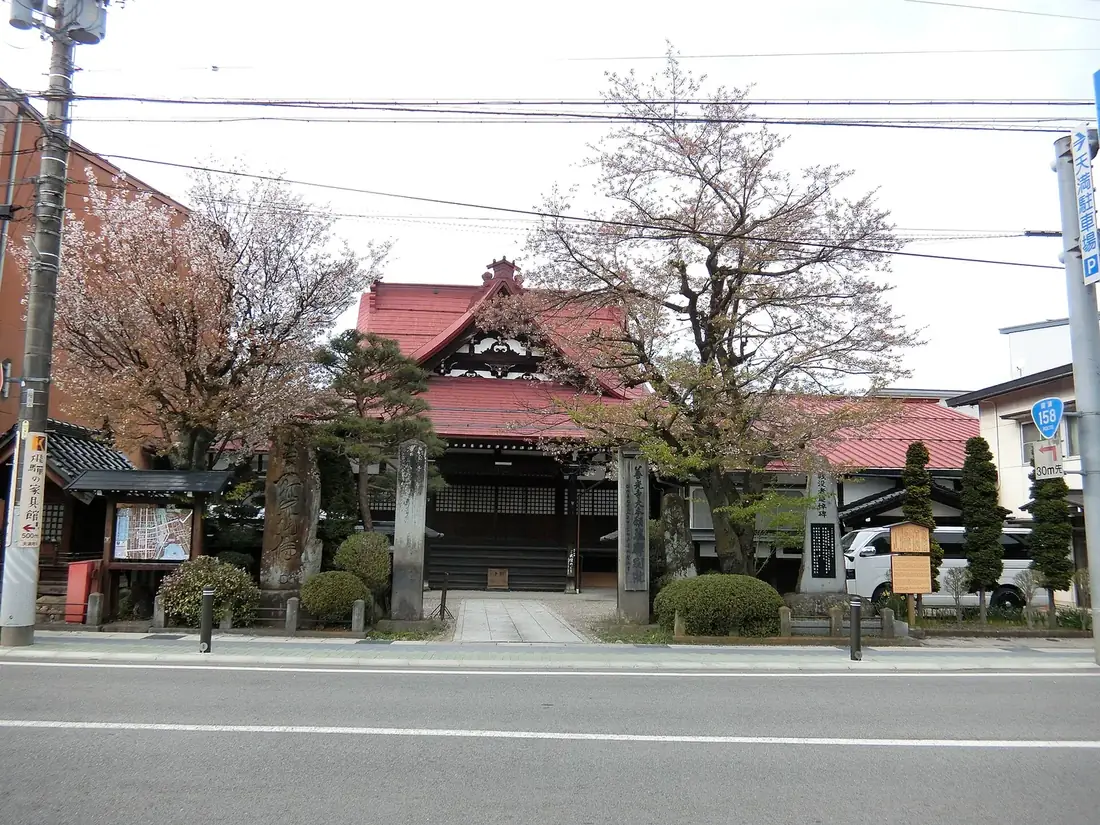
JNTO's profile of Temple Hotel Takayama Zenkoji describes an urban temple base with traditional rooms and activities, including an optional morning service. That can fit a traveller who also wants to explore Takayama's town streets. These are examples of different settings, not a claim that one plan or practice applies to every temple in Japan.
Make time for the local food
What to eat and where to look
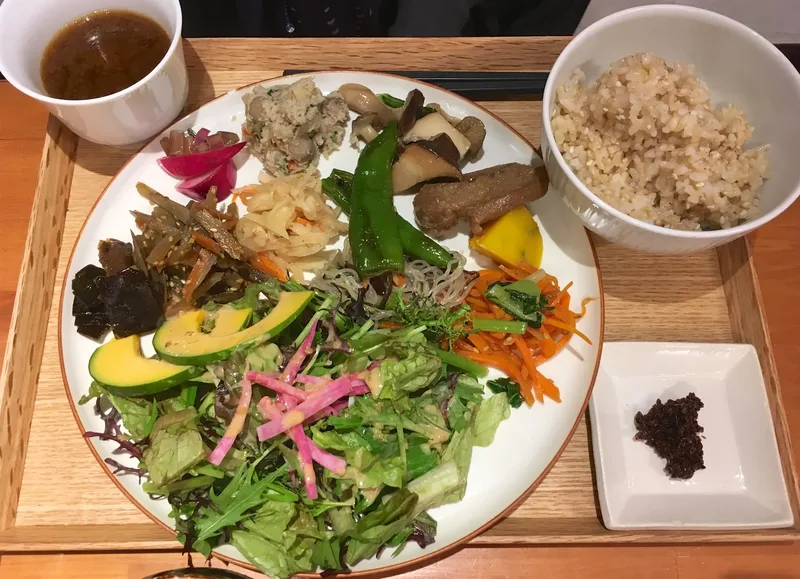
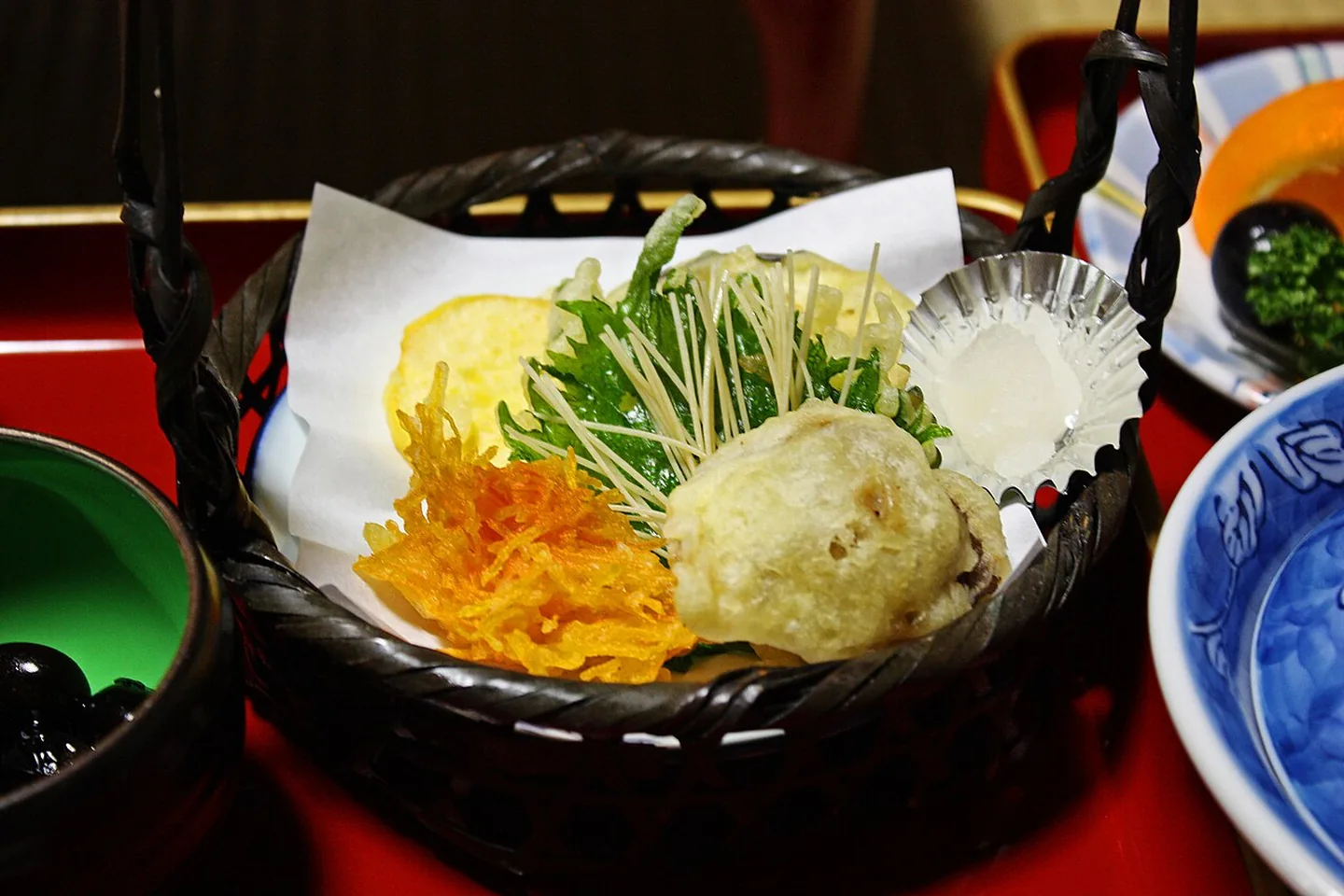
Shojin ryori
Carefully arranged preparations associated with Buddhist cuisine can make dinner part of a cultural stay.
- Where to look
- The specific temple's meal plan and ingredient information
- Fit it into your day
- Confirm inclusion and make time for the evening meal
Contemporary preparations differ; confirm your own dietary requirements.
The destination's regional cuisine
Some temple accommodation plans also offer regional meals, allowing the stay to connect with the surrounding town.
- Where to look
- The property's actual menu and the destination food guide
- Fit it into your day
- Choose the plan you want rather than adding another full dinner
A national temple-stay label does not establish the menu at every property.
Read the room and participation details together
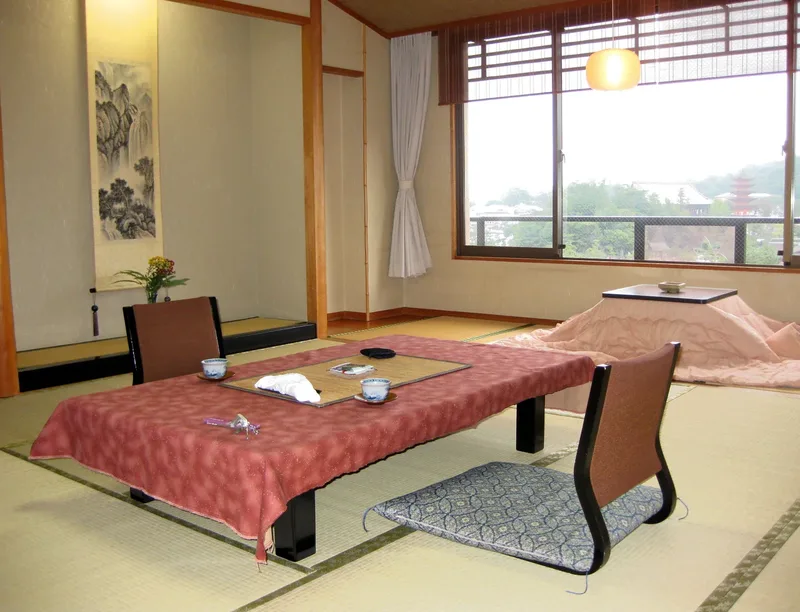
Ask about the selected room, sleeping arrangement, bathrooms, access and the schedule that matters to your stay. A beautiful garden photograph cannot establish a private bathroom or a room overlooking that garden. Travellers with specific access requirements should obtain concrete property information before reserving.
Check how activities are arranged, their language, whether participation is optional and any rules about clothing or photography. A morning service, meditation session and guided visit are different activities. Choose those you want to understand, and follow the host's directions in spaces used for religious practice.
Let the meal be part of the cultural experience
A meal arranged in several small preparations can invite you to notice seasonal ingredients and presentation. JNTO's Takayama profile discusses shojin ryori as well as regional meal choices. Confirm the menu included in your particular accommodation plan rather than assuming that the entire property serves only one style.
Explain dietary requirements before booking. Our vegetarian guide covers why an ingredient-looking photograph or a general vegetarian description cannot answer every vegan or allergy requirement. Make time for dinner itself; it should not be a rushed extra after another full meal elsewhere.
Compare an independent reservation with an organised overnight
An independent stay lets you choose the specific property and wider route. An organised overnight may simplify a combination of transport, guided visits and lodging. Compare the actual accommodation selection, meeting point, guide arrangements and free time rather than assuming the format settles every detail.
The two-day Koyasan package on Viator, product 2142OSA_K910, is a concrete organised option from Osaka. Its retrieved meeting instructions name Swissôtel Nankai Osaka in Namba, with the trip ending at Namba Station. The detailed itinerary covers Okunoin and Danjo Garan on the guided first day, followed by temple lodging and free time on the second. Compare this arrangement when you want the transport and first-day interpretation organised together.
Read the detailed lodging terms as well as the title. The package allows Fukuchi-in or Souji-in, and says the guide accompanies guests until the lodging arrival on day one; there is no guide on day two. Room and toilet arrangements depend on the assigned property, and the listing describes communal bathing rather than a private bath. If a particular temple, bathroom or morning activity is essential, obtain confirmation before booking instead of relying on the older Fukuchi-in wording in the page address.
A practical Kansai sequence is an Osaka stay, this two-day Koyasan overnight and a return to Osaka before another regional move. Keep the return evening unhurried and check where larger luggage will remain. An independent shukubo reservation can be a better choice when selecting one specific property matters more than having a guided first day. In either format, dinner, morning participation and the onward journey deserve their own time in the route.
Consider a different heritage plan near Lake Biwa
JNTO's Waqoo Miidera profile describes accommodation plans with different meal and experience inclusions, including guided cultural activities in some plans. It is another reason to compare the actual plan rather than treating the words temple stay as a complete specification.
Choose a destination you would enjoy around the stay as well. A private heritage property, a town-centre temple and a mountain shukubo create different journeys. The meaningful choice combines the setting with the experience you want, instead of collecting as many temple names as possible.
What public guest feedback can help you ask
On the Koyasan Shukubo Association's public site, a May 2026 guest at Shojoshin-in highlighted a fire ritual and morning meditation, while a May 2026 Daien-in guest mentioned the room, meals and sutra-related activities. These identifiable examples show why the programme and meal can matter as much as the room.
They are individual published comments about different stays, not our first-hand experience or a universal satisfaction score. Use feedback to form questions about your chosen property. The host's current response determines what your own plan includes.
Practical questions
Must I be Buddhist to stay in a shukubo?
JNTO describes temple lodgings welcoming visitors of different faiths. Confirm the chosen property's admission and participation arrangements and respect its religious spaces.
Are meditation and morning services always included?
No universal inclusion is established by the word shukubo. Read the actual plan and ask how each activity is arranged and whether participation is optional.
Does every temple stay include a private bathroom or onsen?
No. Check the exact room and property facilities, including any accommodation assignment within an organised package.
Is every temple meal vegan?
Do not assume so. Confirm the actual menu and preparation for your requirements before booking.
Will an overnight tour have a guide on both days?
Only if its selected itinerary says so. The retrieved Koyasan package used as an example describes a guided first day and independent time on the second.
Sources and checks before you travel
Reference sources for the version dated 30 September 2026. Confirm opening times, access, transport and conditions for your travel dates.
Does this experience fit your route?
Explore related tours and experiences
Check dates and details on Viator ↗ — opens in a new tabAffiliate link · Book with ViatorPhoto credits
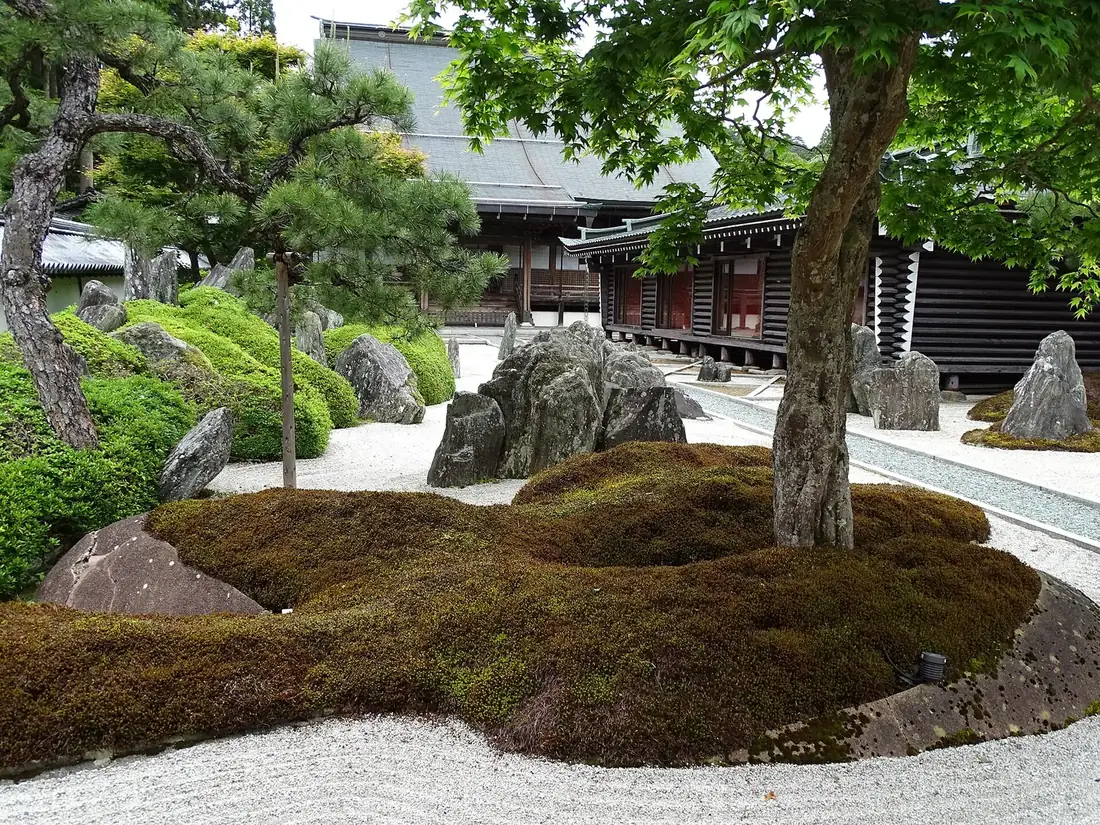
Fukuchi-in garden, Koyasan, in a licensed source photograph.
Photograph: Adam Jones from Kelowna, BC, Canada — opens in a new tab · CC BY-SA 2.0 — opens in a new tab
Changes: Resized and converted to WebP; displayed with responsive crops. · Original photograph and licence details ↗ — opens in a new tab
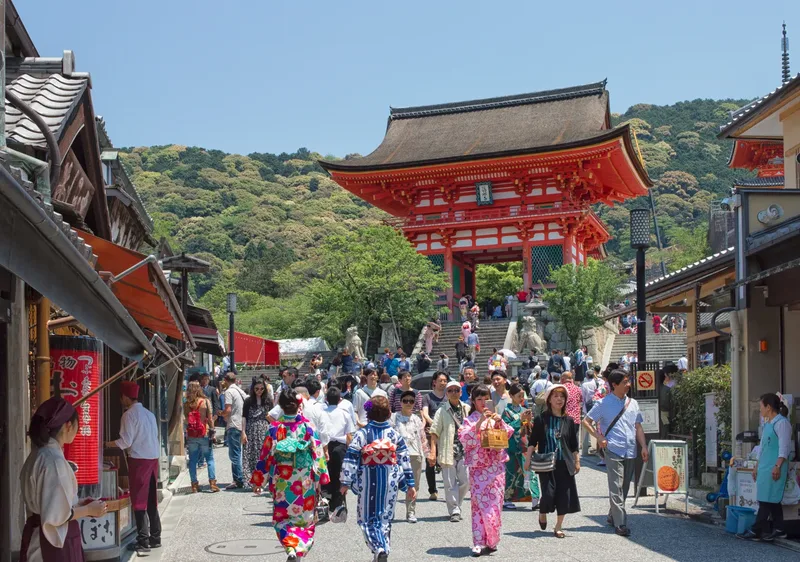
Zenkoji, Takayama: a city-based temple setting, photographed in 2017.
Photograph: 大野 一将 — opens in a new tab · CC BY-SA 4.0 — opens in a new tab
Changes: Resized and converted to WebP; displayed with responsive crops. · Original photograph and licence details ↗ — opens in a new tab
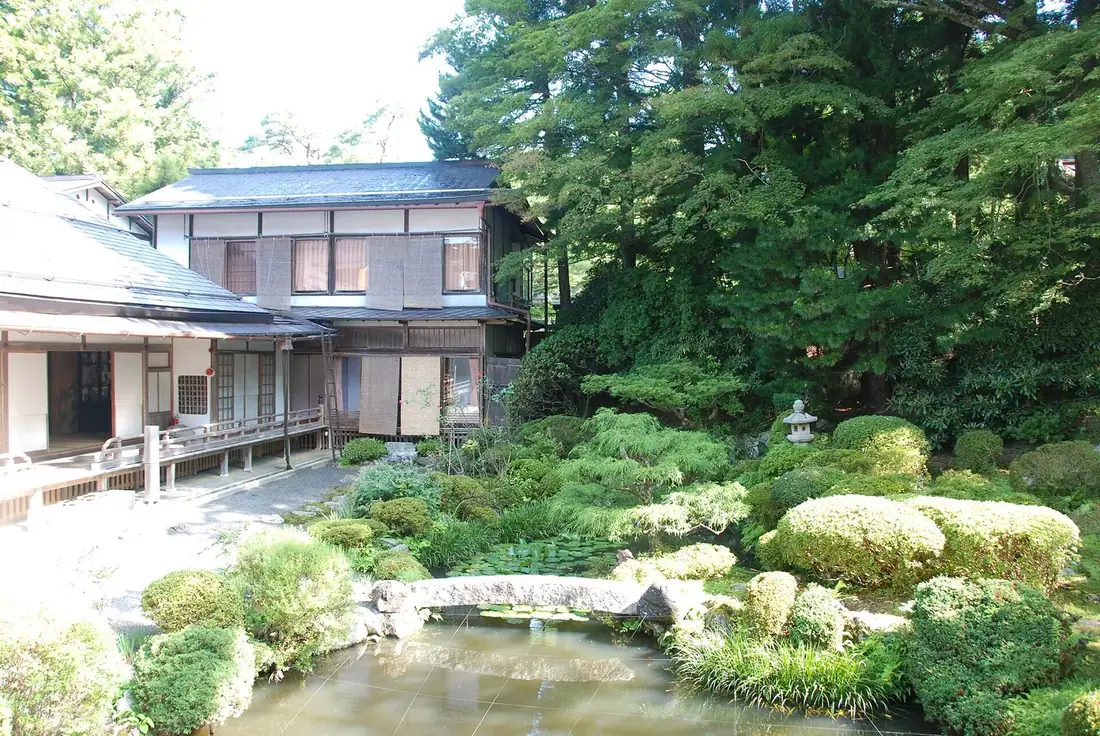
Muryoko-in garden, Koyasan: another setting for a temple stay.
Photograph: Maarten Heerlien from Voorschoten, The Netherlands — opens in a new tab · CC BY 2.0 — opens in a new tab
Changes: Resized and converted to WebP; displayed with responsive crops. · Original photograph and licence details ↗ — opens in a new tab