Plan your trip
Internet in Japan: compare eSIM, SIM and pocket Wi-Fi options
Reliable trip information makes room for spontaneity: finding the small restaurant near a temple, meeting a guide without a rushed search and getting back after a satisfying evening. Choose connectivity around the way you travel. A solo traveller and a family that sometimes separates do not necessarily need the same setup.
- Suggested time
- Choose and prepare before departure; verify activation and collection instructions
- Where to stay
- The devices, people and regional route of your actual trip
- Season and timing
- Coverage and operation depend on the provider, route and conditions
The short answer
Compare compatible eSIM and physical SIM plans with pocket Wi-Fi on data allowance, activation, coverage, sharing and practical arrangements. Confirm the exact phone and plan requirements. Save accommodation, transport and activity meeting details offline, especially before travelling to islands, mountains or rural areas.
Choose a format that fits the people travelling
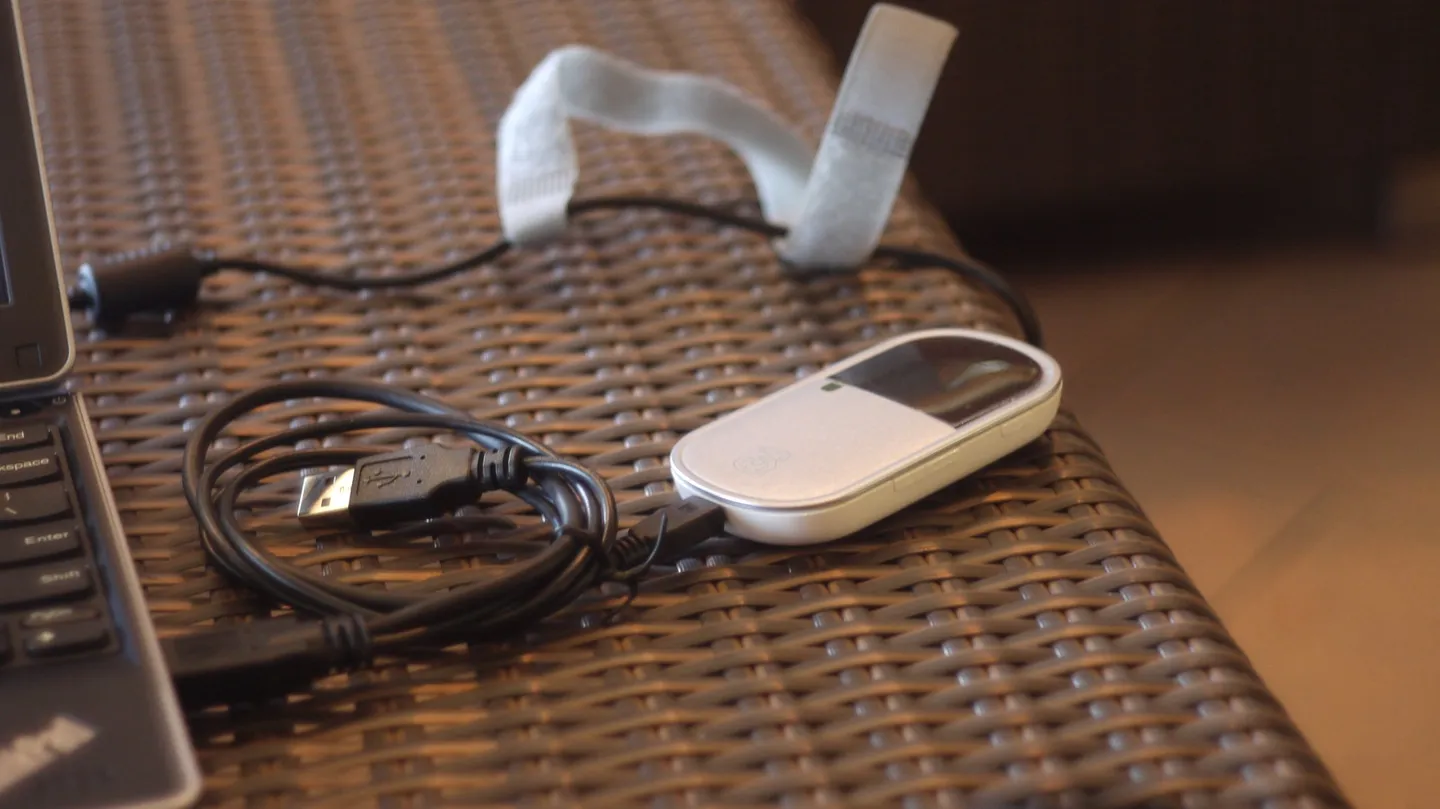
An eSIM avoids handling a physical card when the phone and service are compatible. A physical SIM requires a suitable unlocked device and handling the card. Pocket Wi-Fi adds a device to carry and charge, but may be useful when several people stay together. These are different practical arrangements, not a ranking that fits everyone.
Think about who needs independent access when the group separates. A shared hotspot helps only while people can reach it. Check data allowance, speed limits and tethering or sharing rules for the chosen service, rather than letting the word unlimited settle the comparison.
Check the exact phone and activation conditions
Confirm the device model, lock status and any compatibility conditions with the provider. Read when the plan starts and how the activation instructions arrive. A data-only product should not be presented as a Japanese phone number capable of receiving every call.
Keep instructions accessible without relying on the new connection itself. If the service requires an account or code, make sure you can reach it on the device you will bring. Avoid promising continuous coverage across every mountain valley or island; check the provider's actual information for your route.
Make time for the local food
What to eat and where to look
Prepare the first journey before landing
Save the accommodation address, arrival route, booking references and useful contact details before departure. Keep the hotel's Japanese address if supplied. These details can help you find the right place even while you are still sorting out your connection.
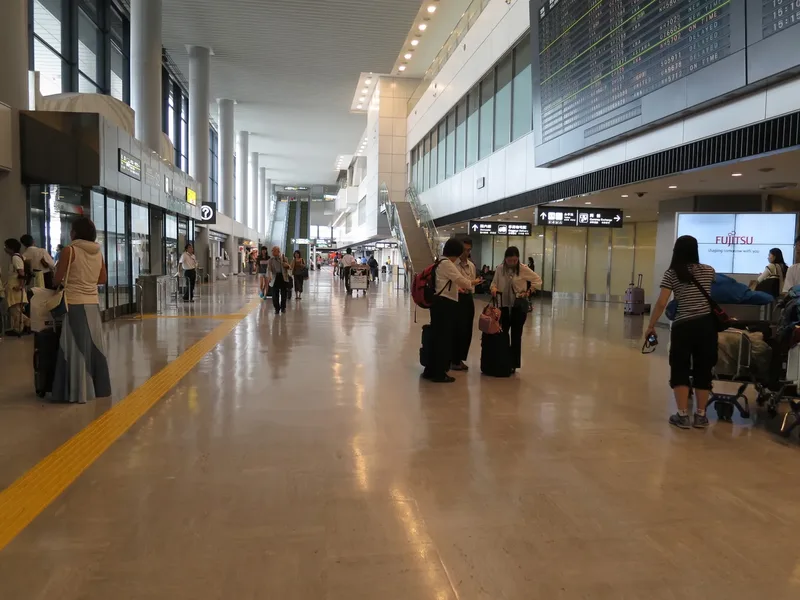
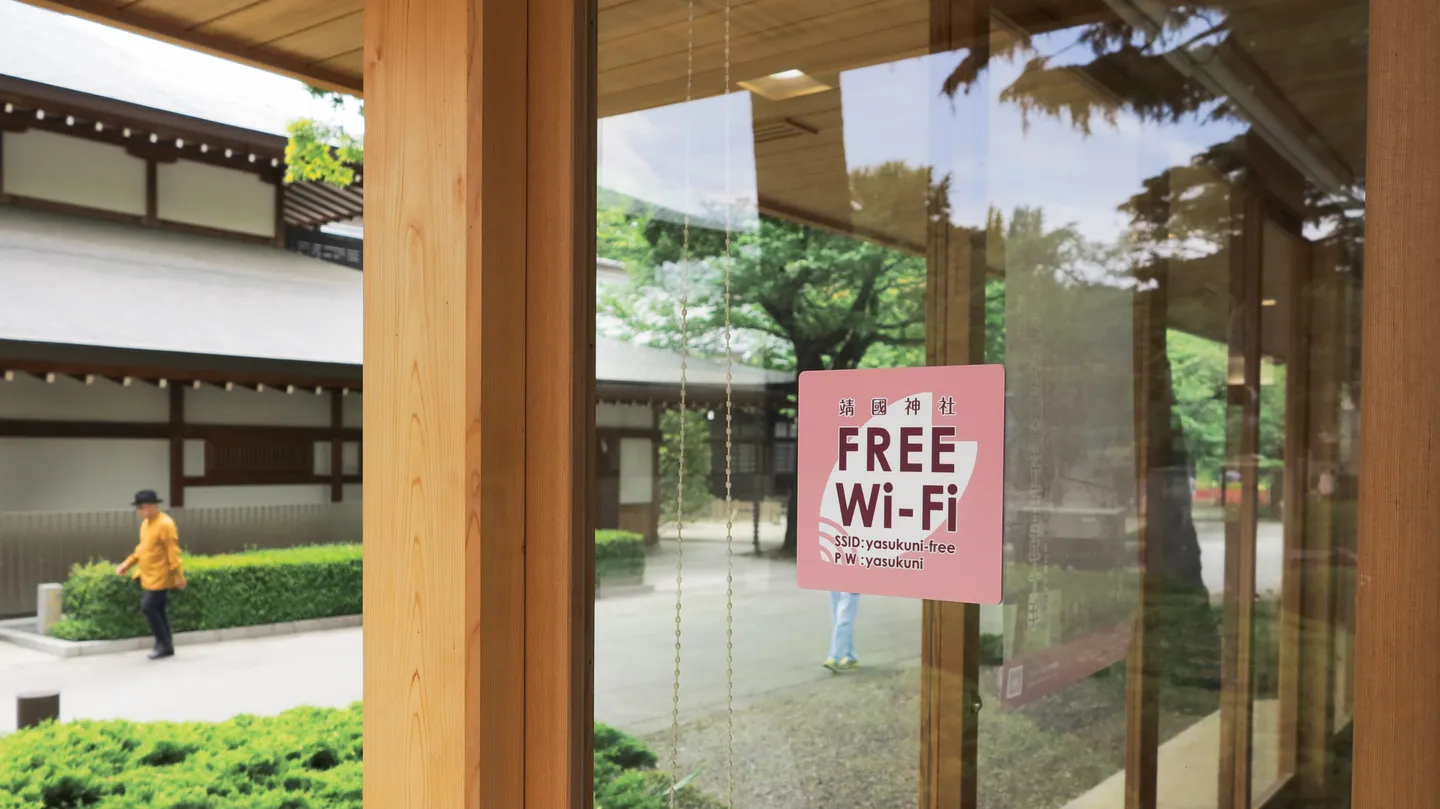
JNTO describes free Wi-Fi at major international airports and other public locations, while noting that connection arrangements differ. Treat it as a useful facility rather than a guarantee of access at every point between the terminal and your room. Confirm the collection counter and return arrangements if renting a device.
Make activity meeting points usable offline
For a guided walk or other booked experience, save the actual meeting point and provider instructions. Check the local start time, how to identify the group and the agreed contact channel. A photograph of the meeting area can be useful when included in the operator's instructions.
Connectivity should support the experience rather than replace preparation. If comparing a SIM or Wi-Fi rental listed on Viator, verify the selected product's plan, fulfilment and compatibility details. Only recommend it as a connectivity service after those checks; an airport-transfer link is not a substitute for a data plan.
Prepare rural days with useful offline information
Download the maps and schedules needed for the planned route and keep battery capacity for the whole day. Offline information does not establish that a trail is open or that a boat will sail. Read current notices before setting out and follow local operator instructions.
If travelling together with one hotspot, agree on meeting places and what to do if separated. Keep accommodation details available to everyone who needs them. This simple preparation lets the enjoyable parts of a regional trip take attention instead of the group's connectivity arrangement.
Practical questions
Is an eSIM always better than pocket Wi-Fi?
No. Compare phone compatibility, the people travelling, sharing arrangements and plan conditions. A group that stays together has different needs from travellers who separate.
Does a data plan provide a Japanese telephone number?
Not necessarily. Read the exact product's voice, SMS and data arrangements instead of assuming every tourist plan supports calls.
Can I rely entirely on public Wi-Fi?
Do not assume a continuous connection along the route. Prepare essential details offline and choose connectivity around the places you intend to visit.
Does an offline map establish that a hiking trail is open?
No. Check current official and operator notices separately before starting a weather- or access-dependent outing.
Sources and checks before you travel
Reference sources for the version dated 30 September 2026. Confirm opening times, access, transport and conditions for your travel dates.
Does this experience fit your route?
Explore related tours and experiences
Check dates and details on Viator ↗ — opens in a new tabAffiliate link · Book with ViatorPhoto credits
A Wi-Fi sign at the Yasukuni complex in Tokyo.
Photograph: MIKI Yoshihito — opens in a new tab · CC BY 2.0 — opens in a new tab
Changes: Resized and converted to WebP; displayed with responsive crops. · Original photograph and licence details ↗ — opens in a new tab
A portable pocket Wi-Fi device and cable.
Photograph: Seika — opens in a new tab · CC BY 2.0 — opens in a new tab
Changes: Resized and converted to WebP; displayed with responsive crops. · Original photograph and licence details ↗ — opens in a new tab