Itineraries · Indonesia
Indonesia in 10 days: Yogyakarta's temples, Ubud and the Bali coast
Indonesia is too big to sample in ten days, so the best first trip picks two islands that sit next to each other and joins them with a single short flight. This route gives Java the first half: the Sultan's palace in Yogyakarta, Prambanan on its own day and a night beside Borobudur so you see it at first light rather than after a two-hour drive. Bali takes the second half, three nights inland at Ubud for the rice terraces, temples and dance, and two on the coast before you fly home. Sumatra, Lombok, Komodo and the east are left out on purpose. Each of them needs more time than this trip has.
- Suggested time
- 10 days (9 nights)
- Where to stay
- Yogyakarta (3 nights), Borobudur (1 night), Ubud (3 nights), Bali's south coast at Jimbaran, Uluwatu or Sanur (2 nights)
- Season and timing
- The Ministry of Tourism gives April to October as the dry season and November to March as the wet season on Java and Bali, though it notes the seasons are now less predictable. Avoid Nyepi, Bali's day of silence in March or April, when Ngurah Rai airport and all transport on the island stop for 24 hours.
The short answer
Ten days (nine nights) is enough for central Java and Bali if you make the Yogyakarta–Bali leg your only domestic flight. Arrive at Yogyakarta International Airport (YIA), directly from a regional hub or with a connection, and fly home from Bali's Ngurah Rai (DPS). Sleep three nights in Yogyakarta (Kraton, Taman Sari and Malioboro on one day, Prambanan on another), one at Borobudur, three in Ubud and two on the coast, at Jimbaran or Uluwatu for cliffs and the sunset kecak, or at Sanur for calm water and boats to Nusa Lembongan. Book the Borobudur climbing ticket online before you go and keep the palace day away from a Monday. The dry season, April to October, suits both islands.
How the route fits together
The Ministry of Tourism names Jakarta's Soekarno-Hatta and Bali's Ngurah Rai as Indonesia's principal international gateways. Jakarta is not on this route, though. Yogyakarta International Airport (YIA), in Kulon Progo west of the city, is the gateway for Yogyakarta and Borobudur, and it has domestic flights to Denpasar as well as some international routes to Malaysia and Singapore. So you can arrive at YIA, either directly from one of those hubs or connecting through Jakarta on the same ticket, and fly home from Bali. Booked as an open-jaw trip, it never sends you back the way you came.
Inside the trip, the flight from Yogyakarta to Denpasar is the only one you take. Everything else is by road, and the drives are short enough to keep sightseeing in each day: Borobudur is about 40 km from Yogyakarta, and the ministry puts the drive from Borobudur to YIA at about 1.5 to 2 hours. Ubud has no airport or railway, so you reach it from Ngurah Rai by taxi or with a hired car and driver.
The nine nights split into three in Yogyakarta, one at Borobudur, three in Ubud and two on the coast. If you have to lose a night, take it from the coast, not from Ubud or Yogyakarta, where the rest of the plan depends on full days.
Days 1–3: Yogyakarta, the palace city
Base yourself around Malioboro or Sosrowijayan to walk to Tugu station, the market and the north square, or in Prawirotaman, a quieter street of guesthouses and cafés south of the palace. Arrival day is for settling in. YIA is about 45 km from the city, and the Ministry of Tourism lists taxis, ride-hailing and shuttle buses into the centre. Keep your first evening for Malioboro on foot.
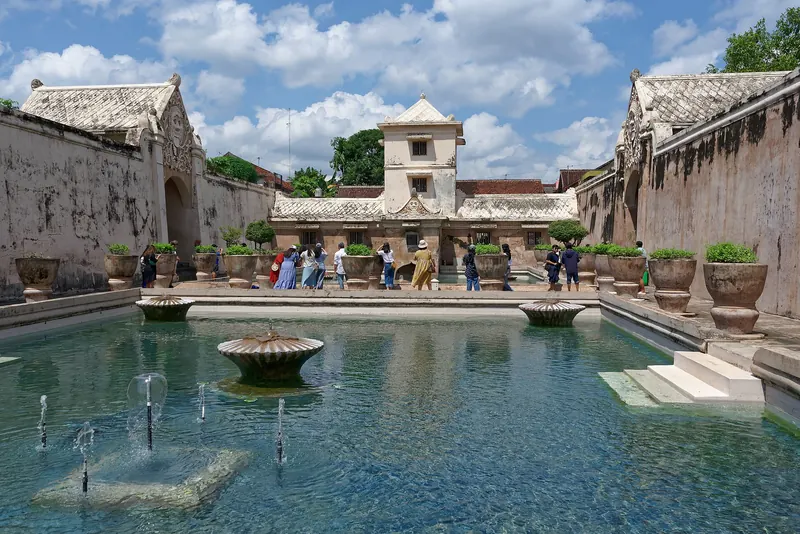
Day two is the old royal city. The Kraton, the Sultan's palace founded in 1755, is still a royal residence. When we checked on 2026-10-03, the palace's official tourism site listed the Kedhaton area open from 08:30 to 14:30 from Tuesday to Sunday and closed on Mondays, so do not plan this day for a Monday. The palace asks for modest clothing with sleeves and no shorts. From there it is about a 15-minute walk, according to the ministry, to Taman Sari, the 18th-century royal water garden. Spend the afternoon resting, and go back to Malioboro or Beringharjo market in the late afternoon.
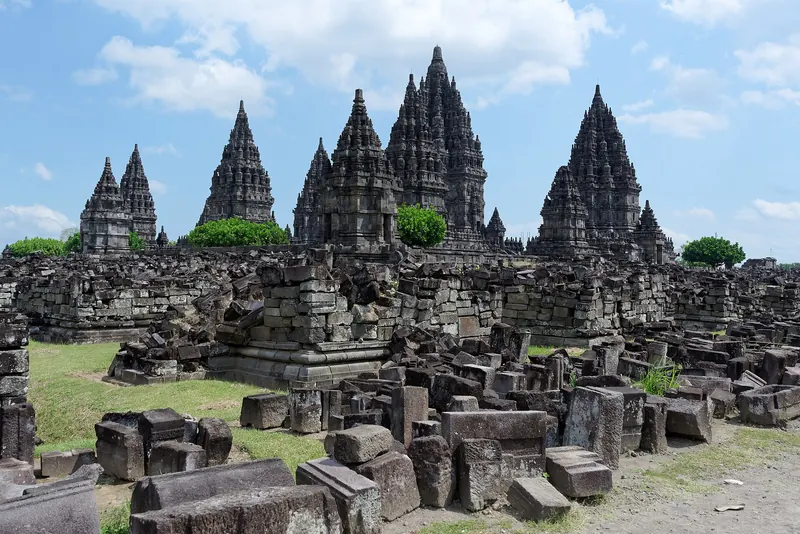
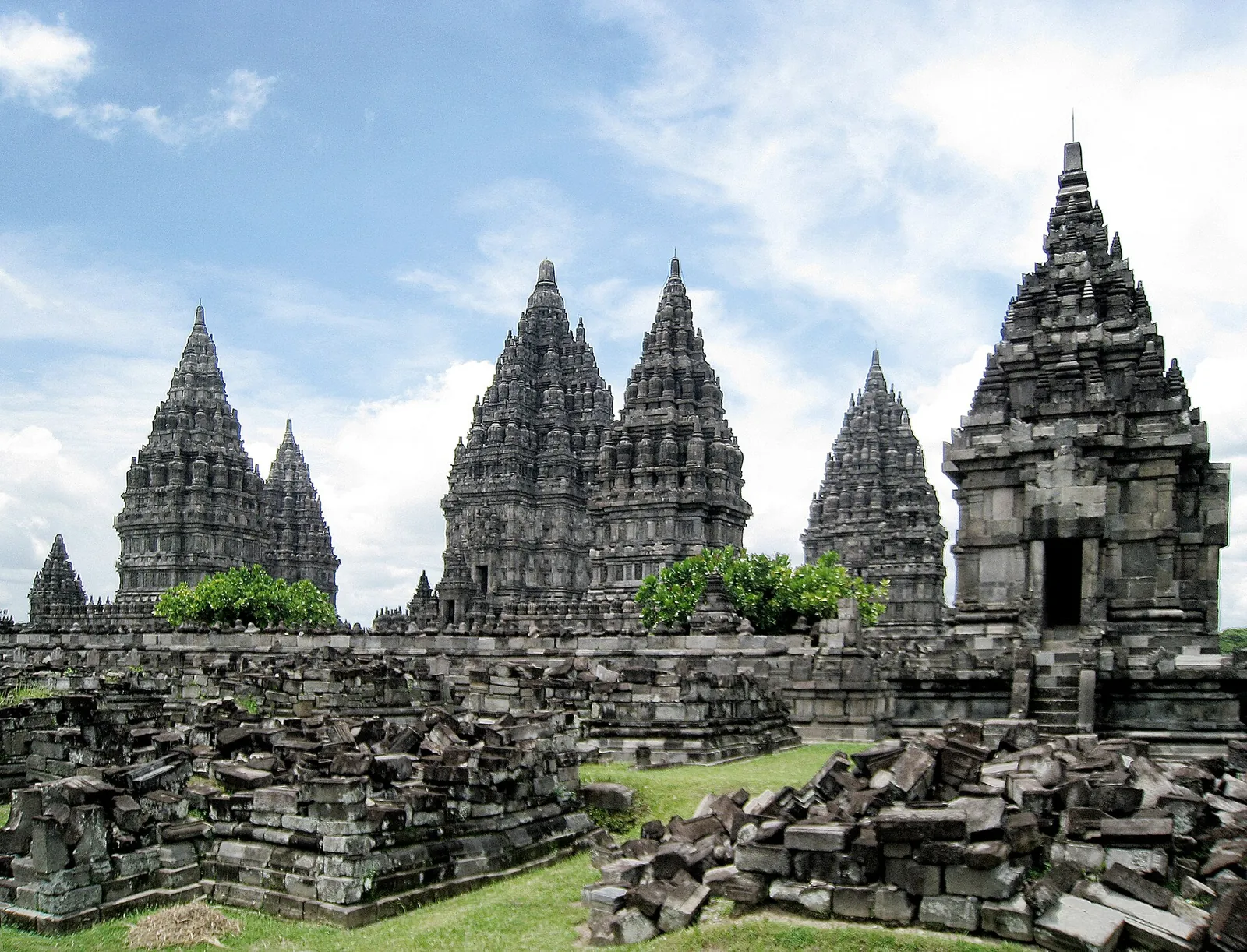
Give Prambanan all of day three. It is east of the city, on the road to Solo, and Borobudur is north-west, so a tour that does both in one day spends much of it in a vehicle. When we checked, the operator's official ticket site listed Prambanan opening at 06:30 every day, with one ticket covering the main Shiva, Vishnu and Brahma shrines, the Buddhist Sewu, Lumbung and Bubrah temples and the Prambanan Museum. Arrive early, walk north to Sewu before the midday heat, and end the day at Ratu Boko on its hill or at the Ramayana ballet, which has been staged near the temple since 1961. The official ticket page lists the ballet on several evenings a week and says the schedule can change, so book for one of the listed nights. Our Yogyakarta and Prambanan guides go into more detail.
Make time for the local food
What to eat and where to look
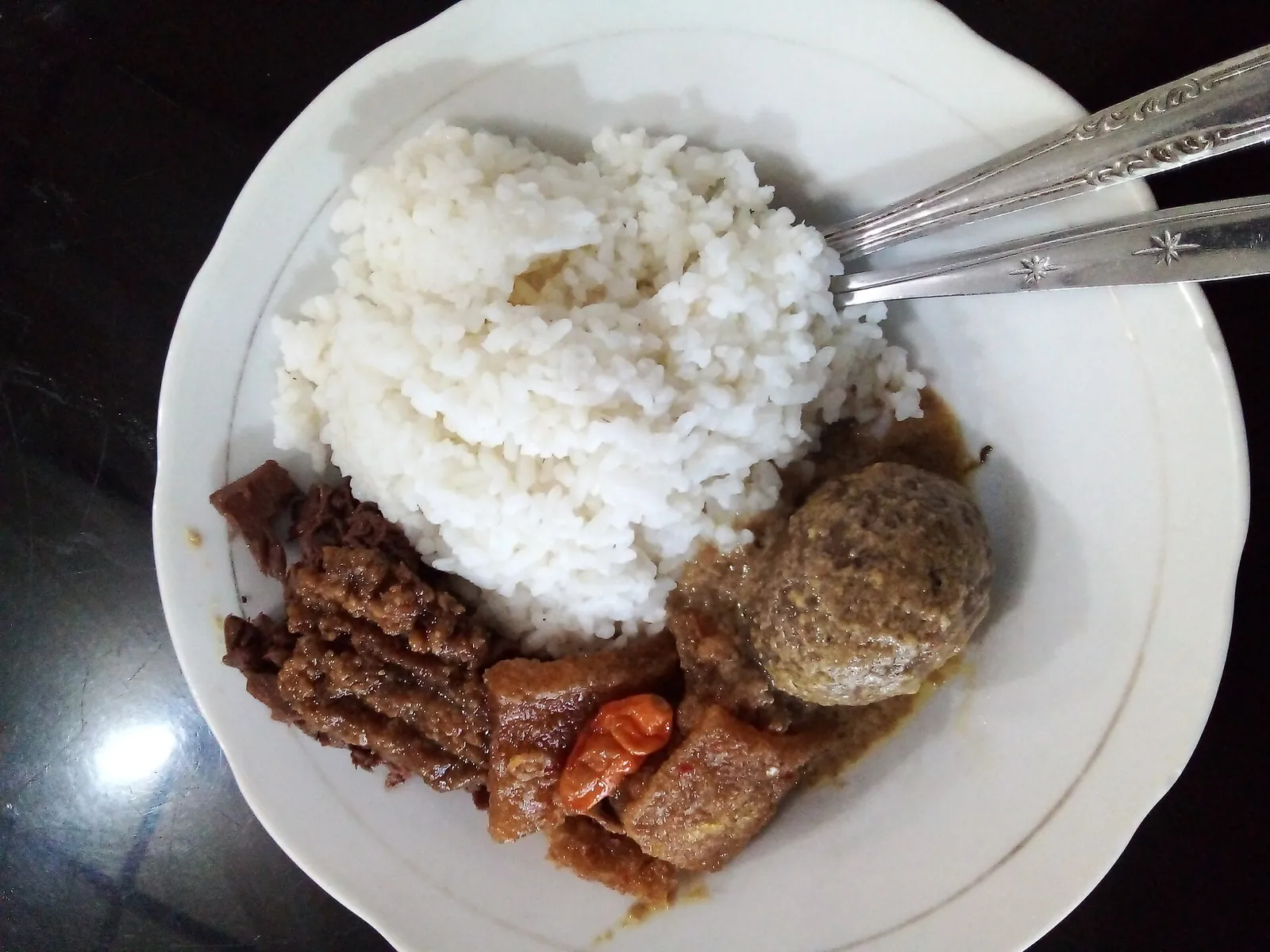
Gudeg (Yogyakarta jackfruit stew)
Young jackfruit slow-cooked for hours in thick coconut milk and spices until sweet and soft, usually served with rice and side dishes. The Ministry of Tourism calls it Yogyakarta's culinary symbol and dates it to the Mataram kingdom of the 16th century.
- Where to look
- Gudeg specialists and warung across Yogyakarta, many of them open from breakfast.
- Fit it into your day
- Breakfast or lunch on day two, between the Kraton and Taman Sari.
The jackfruit is sweet rather than spicy, but the side dishes and chilli sauce served with it can be much hotter.
Angkringan: nasi kucing and kopi joss
Angkringan are Yogyakarta's simple evening stalls, which the ministry lists for nasi kucing (small parcels of rice with a little topping), fried snacks and kopi joss, coffee with a piece of glowing charcoal dropped into the glass.
- Where to look
- Simple pavement stalls with benches around a food cart, set up in the evening in central Yogyakarta.
- Fit it into your day
- A cheap late snack on your first or third evening in Yogyakarta.
The portions are tiny, so order several parcels. Ask what is inside each, as some contain anchovies or chilli.
Babi guling (Balinese spit-roast pork)
Whole pig marinated with Balinese spices and roasted for crisp skin and tender meat, served with rice, lawar and sambal. The ministry names Babi Guling Ibu Oka on Jalan Suweta in central Ubud among the best-known places to try it.
- Where to look
- Babi guling warung in Ubud and across Bali; Jalan Suweta is next to the palace.
- Fit it into your day
- Lunch on day six, after the Monkey Forest and the palace.
It is pork, and lawar can contain raw blood in its red version; ask before ordering if either matters to you.
Grilled seafood on Jimbaran beach
At sunset, Jimbaran's beachfront restaurants set tables on the sand and grill the day's catch, which the ministry lists as snapper, clams, crab, lobster and squid, while the planes come in to land.
- Where to look
- The seafood restaurants along Jimbaran Bay, about 15 minutes from the airport.
- Fit it into your day
- A last-night dinner on day nine, close to the airport for the flight home.
Ask the price of the fish you choose before it goes on the grill.
Sate lilit
Bali's wrapped satay: a minced, spiced meat or fish mixture moulded around a bamboo stick or a lemongrass stalk and grilled. The ministry describes it as served in warung and at ceremonial feasts.
- Where to look
- Warung across Bali, often as part of a mixed nasi campur plate.
- Fit it into your day
- A quick lunch on the coast between beach and temple.
Fish versions are common, but some are made with pork or chicken; ask which you are getting.
Days 4–5: a night at Borobudur, then the flight to Bali
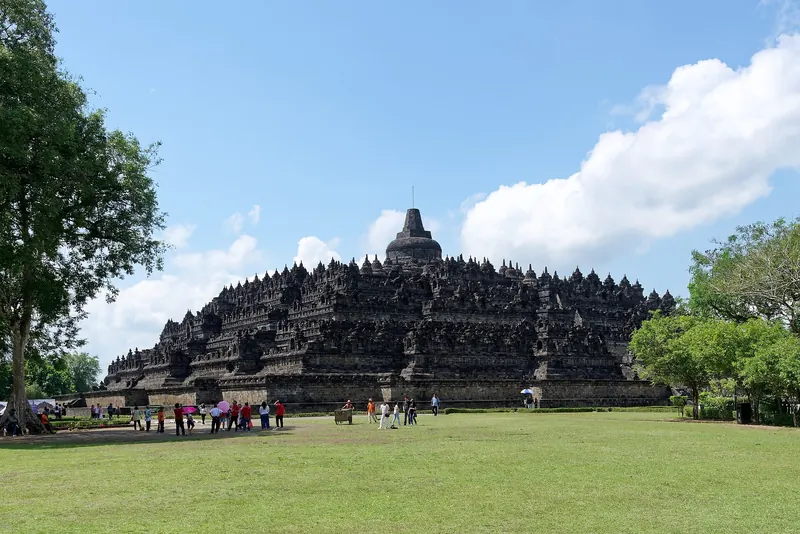
On day four, check out and drive to Borobudur in the early afternoon. Stay in Borobudur village near the park gates or in Wanurejo, the village closest to the monument. Use the late afternoon for Mendut and Pawon, the two smaller temples to the east that UNESCO listed with Borobudur in 1991. They are an easy ride or walk through the village.
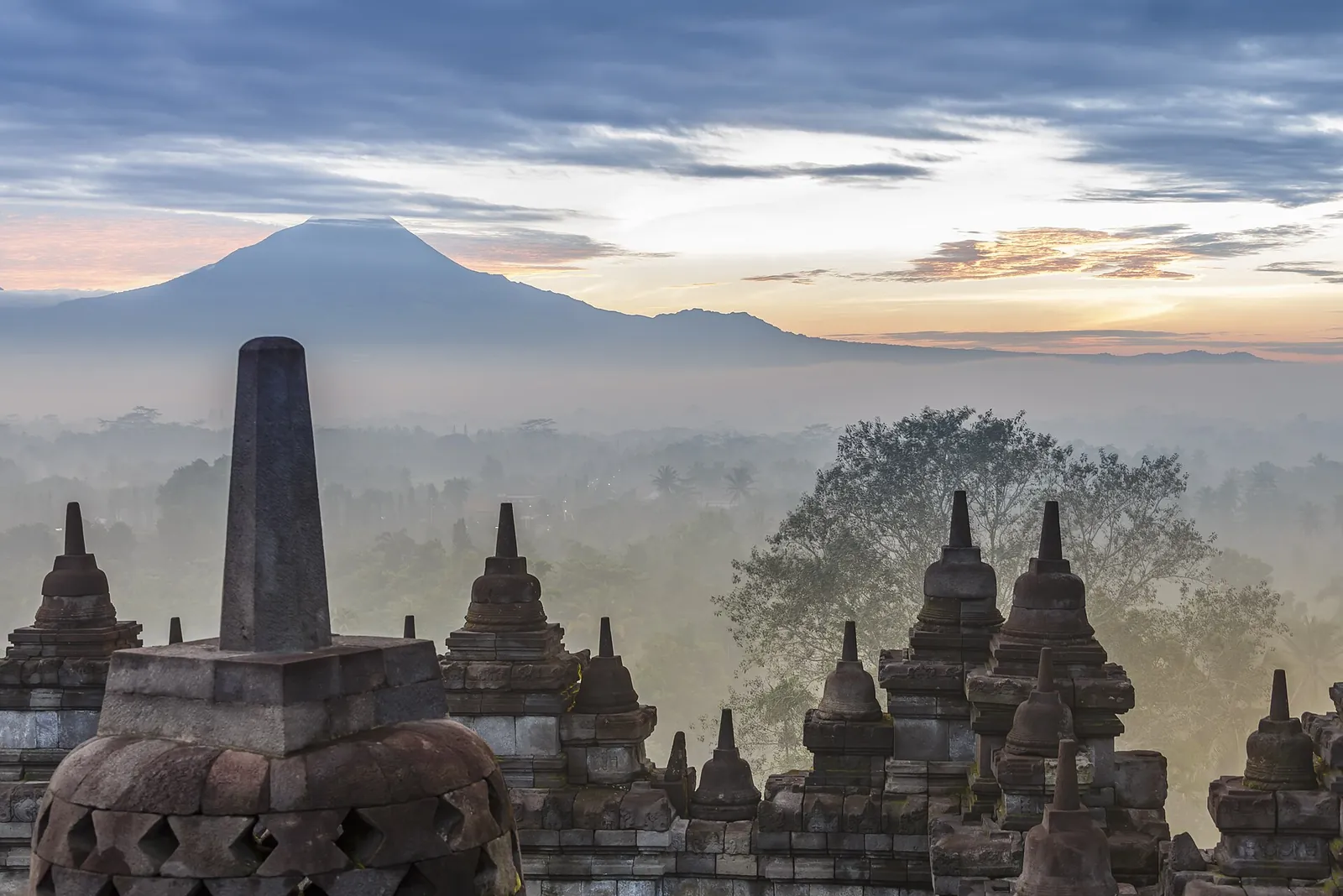
Borobudur's operator sells two basic tickets on its official site: a courtyard (temple ground) ticket for the park around the monument and a temple structure ticket that lets you climb it. When we checked on 2026-10-03, the operator listed climbing every day from 09:00 to 17:00 WIB, with visitor numbers managed for conservation. If climbing matters, buy the structure ticket online for day five before you leave home. The operator also sells a separate Borobudur Sunrise ticket for a small group on the monument before the park opens. It starts at 04:00 and was listed at Rp 1,000,000 per person, limited to 100 people a day. Wear clothes that cover your shoulders and knees.
Day five is a travel day, so keep it simple: the sunrise or a 09:00 climb, then leave Borobudur by late morning for YIA. With 1.5 to 2 hours on the road and time to check in, choose an afternoon or early-evening flight to Denpasar. At Ngurah Rai, the domestic and international terminals are separate buildings within walking distance of each other. From there it is a road transfer to Ubud and a late dinner. See our Borobudur guide for the tickets, the sunrise viewpoints and the villages.
Days 6–7: Ubud, rice fields and the temple road
Sleep in central Ubud if you want to walk to dinner and the evening dance performances, or on the edge, in Sayan, Penestanan or a village such as Mas, for quiet and rice-field views. The Ministry of Tourism suggests the same trade-off. From the edge you will need a taxi or a driver to get into town at night.
Spend day six in town on foot. The Sacred Monkey Forest Sanctuary is best at opening time. When we checked on 2026-10-03, its official site listed daily opening from 9:00 to 18:00 and admission of IDR 130,000 for adults and IDR 100,000 for children. Its rules forbid food and drink inside and touching or feeding the monkeys. From there, walk up to Ubud Palace, the market and a museum of Balinese painting. Choose one evening for a legong, barong or kecak performance; programmes are posted around the palace.
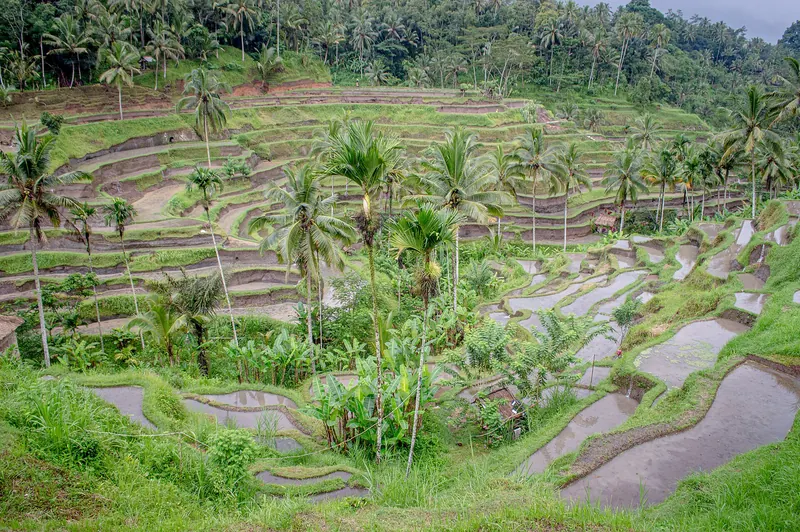
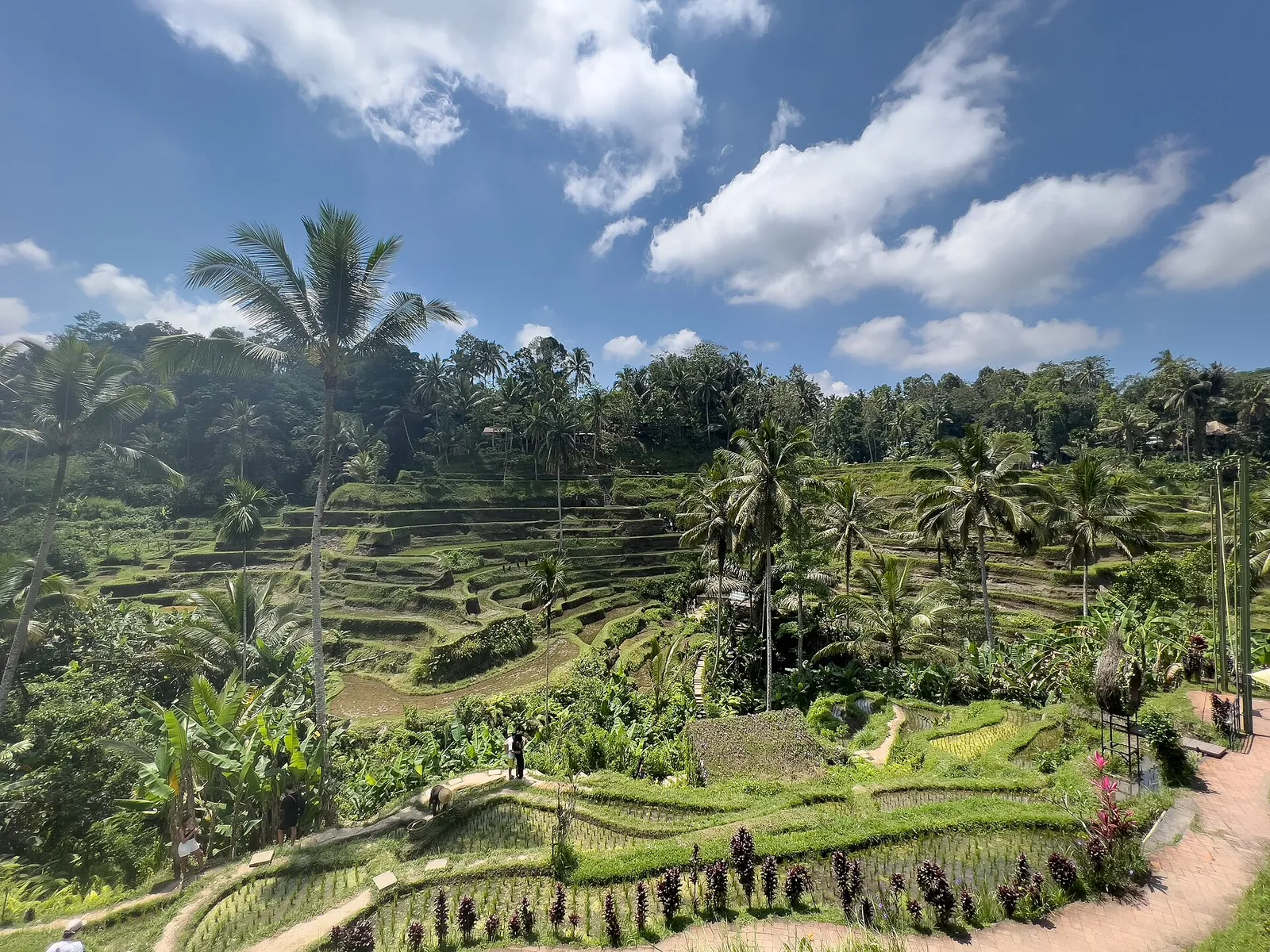
Make day seven an early one. Tegallalang's rice terraces are about 20 minutes' drive north of Ubud, according to the ministry, which suggests allowing 30 minutes to an hour and a half to climb down and explore. Go before the heat and the crowds. Then hire a car for the temple road north-east of town. Goa Gajah in Bedulu, the spring temple of Tirta Empul at Tampaksiring and the cliff shrines of Gunung Kawi lie close together and make one half-day. All three are places of worship, so wear the sarong or sash you are given. Our Ubud guide covers the dances, museums and day trips.
Days 8–10: the coast, then home
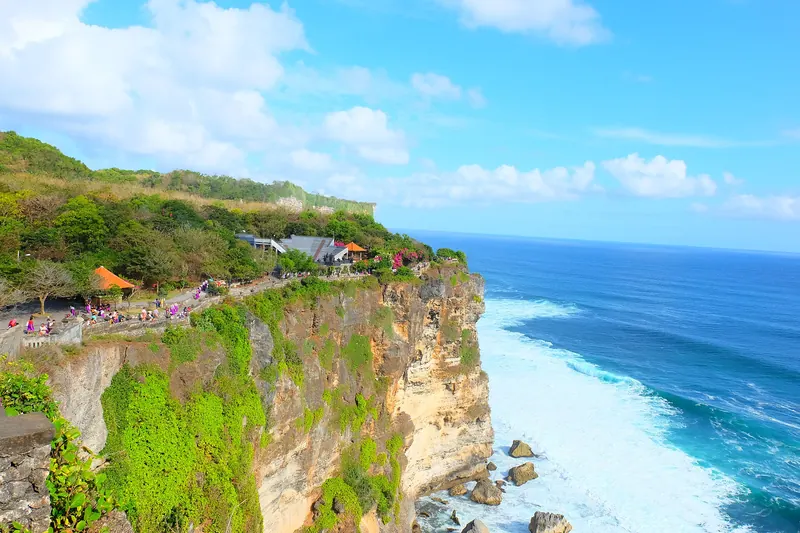
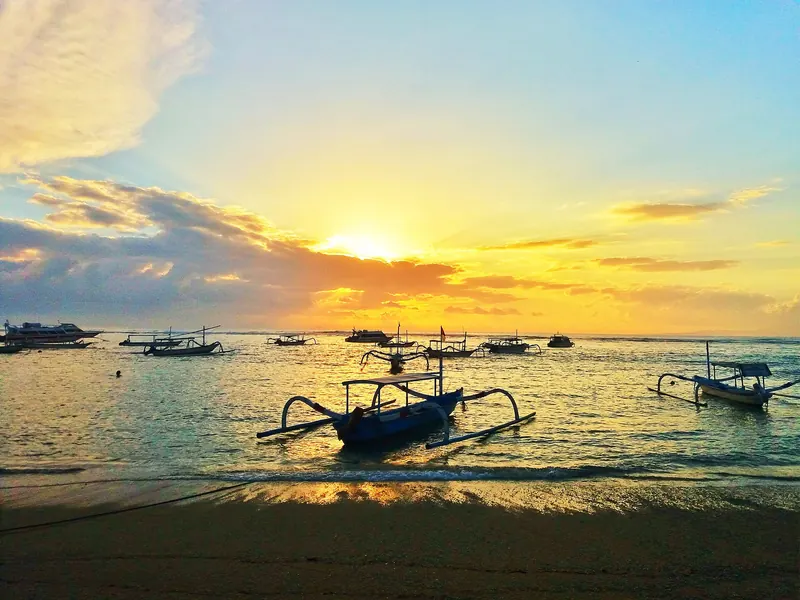
On day eight, move to the coast, choosing your end of it first. Jimbaran has a calm bay, beachfront seafood dinners at sunset, and is about 15 minutes from the airport, according to the ministry. Uluwatu and Pecatu, on the cliffs further south, put you near the surf breaks, the coves and Pura Luhur Uluwatu. The ministry gives about 1.5 to 2 hours by road from Ubud to the temple. Sanur, on the east coast, is the calmest choice: a low-rise resort with a reef-protected lagoon, a beachfront path of about 5 km and fast boats to Nusa Lembongan and Nusa Penida. The ministry puts it about 45 minutes from Ubud and 15 km from the airport.
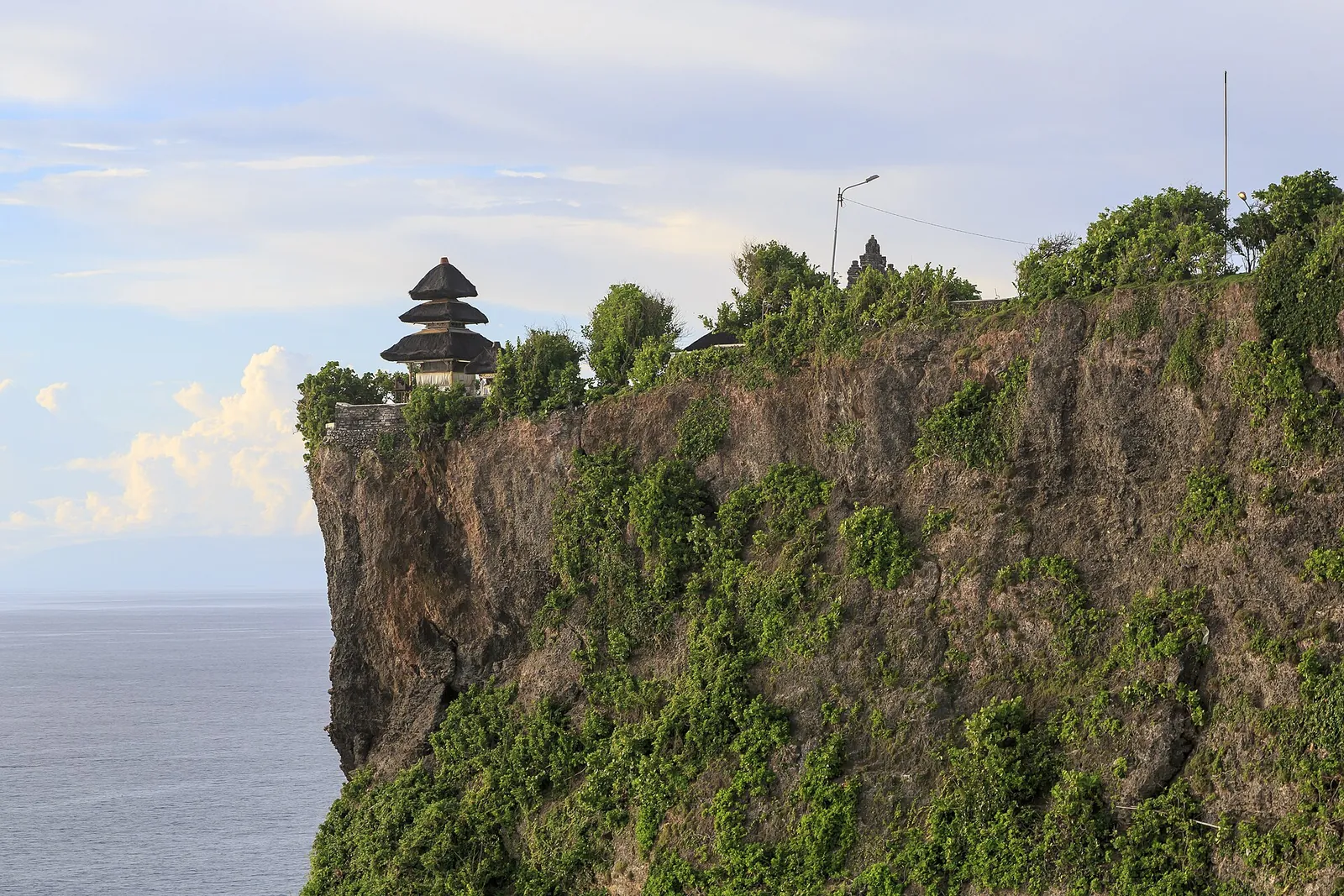
If you stay in the south, keep the late afternoon of day eight or nine for Pura Luhur Uluwatu. It stands on a 70-metre cliff and is an active temple. When we checked on 2026-10-03, the ministry's page listed entry for foreign adults at IDR 100,000, including the sarong and sash, and the kecak separately at IDR 200,000. It gave these as 2025 prices, so confirm them at the gate. The kecak is performed around 5 pm in an open-air amphitheatre with the sunset behind it, and the ministry warns that the traffic can be heavy before the show. The ministry also warns that the temple's monkeys steal glasses and hats, so keep them in a bag.
Keep day ten light. The ministry gives 45 minutes to an hour from Uluwatu to the airport and 30 to 45 minutes from Sanur, depending on traffic, so leave plenty of time. Foreign visitors must also pay Bali's tourist levy, listed at IDR 150,000 per person on the provincial Love Bali site when we checked. It can be paid online before arrival.
The ten days at a glance
This is an editorial suggestion, not a timetable. Check flight times, opening days, the ballet schedule and your Borobudur ticket before each move.
- Day 1 — Arrive in Yogyakarta: YIA to the city, Malioboro on foot in the evening. Night: Yogyakarta.
- Day 2 — The royal city (not a Monday): the Kraton at opening time, Taman Sari, a midday rest, Beringharjo market in the late afternoon. Night: Yogyakarta.
- Day 3 — Prambanan: the main compound at 06:30, Sewu before the heat, Ratu Boko or the Ramayana ballet in the evening. Night: Yogyakarta.
- Day 4 — To Borobudur: drive in the early afternoon, Mendut and Pawon before dusk. Night: Borobudur.
- Day 5 — Borobudur and the flight: the sunrise ticket or a 09:00 climb, the drive to YIA, an afternoon flight to Denpasar, then the road to Ubud. Night: Ubud.
- Day 6 — Ubud on foot: the Monkey Forest at 9:00, the palace and the market, a dance performance after dark. Night: Ubud.
- Day 7 — Rice and temples: Tegallalang early, then Goa Gajah, Tirta Empul and Gunung Kawi by car. Night: Ubud.
- Day 8 — To the coast: check in at Jimbaran, Uluwatu or Sanur, Uluwatu temple and the kecak at sunset if you are in the south. Night: coast.
- Day 9 — Beach day: the coves below the cliffs, or the Sanur path at sunrise and a day trip to Nusa Lembongan. Night: coast.
- Day 10 — Depart: to Ngurah Rai International Airport (DPS).
Before you book: entry, Nyepi and the weather
Entry rules depend on your passport, so check them on official sites before you book. When we checked on 2026-10-03, the UK government's travel advice said British visitors could get a 30-day visa on arrival, with a passport valid for at least six months and proof of an onward journey. It also said the free All Indonesia customs and health declaration must be completed within 72 hours before arrival. Indonesia's immigration service runs an electronic visa on arrival (e-VOA) on its official evisa site. Use only these official sites and avoid paid lookalikes.
Check the date of Nyepi before booking the Bali half. The Ministry of Tourism says this day of silence falls in March or April. On that day all transport stops, Ngurah Rai airport and Bali's other transport hubs close, and visitors stay inside their hotels. Do not plan to arrive in Bali, leave it or travel between stops that day.
The dry season, April to October, is the easiest time for both islands. The ministry recommends the dry season for clearer skies at Borobudur's sunrise viewpoints. In the wet season, from November to March, the route still works, but keep the outdoor plans flexible and have a museum or a long lunch in reserve.
Practical questions
Is 10 days enough for Indonesia?
It is enough for central Java and Bali, not for Indonesia as a whole. This route covers Yogyakarta, Prambanan, Borobudur, Ubud and the Bali coast with one domestic flight. Komodo, Lombok, Sumatra and the eastern islands each need time of their own.
Which airport should I fly into?
Fly into Yogyakarta International Airport (YIA) and home from Bali's Ngurah Rai (DPS). YIA has some international routes to Malaysia and Singapore. Otherwise, connect through Jakarta or Bali on the same ticket. Reversing the route, Bali first and Java second, works just as well if the flights suit you better.
Can I see Borobudur and Prambanan in one day?
Tours do it, but the two temples are on opposite sides of Yogyakarta, so the day is spent largely on the road. This route gives Prambanan its own day and sleeps at Borobudur, so you see it early. Buy the Borobudur temple structure ticket online if you want to climb the monument.
Should I stay in Ubud or on the beach?
Both, in that order. Ubud gets three nights for the rice terraces, the temples and the dance, and the coast gets the last two nights because it is close to the airport. Jimbaran is about 15 minutes from the airport and Sanur about 15 km away, according to the Ministry of Tourism.
What should I wear to the temples?
Cover your shoulders and knees. The Yogyakarta palace asks for sleeves and no shorts, and Borobudur's climbing packages require modest dress. Bali's temples such as Uluwatu and Tirta Empul provide a sarong and sash, and you must wear them.
Do I need to pay anything extra for Bali?
Yes. Foreign visitors pay Bali's tourist levy, listed at IDR 150,000 per person on the provincial government's Love Bali site when we checked on 2026-10-03. It is paid online. Use only the official site.
Sources and checks before you travel
Reference sources for the version dated 3 October 2026. Confirm opening times, access, transport and conditions for your travel dates.
- Indonesia Travel (Ministry of Tourism): Getting to Indonesia ↗ — opens in a new tab
- Wikipedia: Yogyakarta International Airport ↗ — opens in a new tab
- Indonesia Travel (Ministry of Tourism): Karaton Ngayogyakarta ↗ — opens in a new tab
- Keraton Yogyakarta tourism (official): Kagungan Dalem Kedhaton ↗ — opens in a new tab
- Indonesia Travel (Ministry of Tourism): Tamansari Water Castle ↗ — opens in a new tab
- Official ticket site: Prambanan Temple ↗ — opens in a new tab
- Official ticket site: Ramayana Ballet Prambanan ↗ — opens in a new tab
- Official ticket site (InJourney Destination Management) ↗ — opens in a new tab
- InJourney: Borobudur temple tours now open daily ↗ — opens in a new tab
- InJourney: Borobudur Sunrise ↗ — opens in a new tab
- Indonesia Travel (Ministry of Tourism): Borobudur Temple, a marvel of Buddhist architecture ↗ — opens in a new tab
- Indonesia Travel (Ministry of Tourism): Borobudur Temple Compounds ↗ — opens in a new tab
- Indonesia Travel (Ministry of Tourism): Ngurah Rai Airport ↗ — opens in a new tab
- Indonesia Travel (Ministry of Tourism): Find serenity in Ubud ↗ — opens in a new tab
- Monkey Forest Ubud (official): Visit ↗ — opens in a new tab
- Monkey Forest Ubud (official): Guidelines and FAQ ↗ — opens in a new tab
- Indonesia Travel (Ministry of Tourism): Tegallalang Rice Terrace ↗ — opens in a new tab
- Indonesia Travel (Ministry of Tourism): Pura Uluwatu, a cliffside paradise ↗ — opens in a new tab
- Indonesia Travel (Ministry of Tourism): Romantic Jimbaran Beach ↗ — opens in a new tab
- Indonesia Travel (Ministry of Tourism): Sanur ↗ — opens in a new tab
- Indonesia Travel (Ministry of Tourism): Sanur Beach ↗ — opens in a new tab
- Love Bali (Bali Provincial Government): tourist levy ↗ — opens in a new tab
- Indonesia Travel (Ministry of Tourism): Weather, climate and seasons ↗ — opens in a new tab
- Indonesia Travel (Ministry of Tourism): Enjoy the sunrise at Borobudur ↗ — opens in a new tab
- Indonesia Travel (Ministry of Tourism): Planning to spend Nyepi in Bali? ↗ — opens in a new tab
- GOV.UK: Indonesia entry requirements ↗ — opens in a new tab
- Indonesia Travel (Ministry of Tourism): All Indonesia app ↗ — opens in a new tab
- Directorate General of Immigration: e-Visa ↗ — opens in a new tab
- Indonesia Travel (Ministry of Tourism): Gudeg ↗ — opens in a new tab
- Indonesia Travel (Ministry of Tourism): Special Region of Yogyakarta ↗ — opens in a new tab
- Indonesia Travel (Ministry of Tourism): Babi guling ↗ — opens in a new tab
- Indonesia Travel (Ministry of Tourism): Sate lilit ↗ — opens in a new tab
- Indonesia Travel (Ministry of Tourism): Istana Ubud (Puri Saren Agung) ↗ — opens in a new tab
- Indonesia Travel (Ministry of Tourism): Goa Gajah ↗ — opens in a new tab
- Indonesia Travel (Ministry of Tourism): The holy springs of Tirta Empul ↗ — opens in a new tab
- Indonesia Travel (Ministry of Tourism): Gunung Kawi Temple ↗ — opens in a new tab
- Indonesia Travel (Ministry of Tourism): Snorkelling at Nusa Lembongan ↗ — opens in a new tab
- KAI (Kereta Api Indonesia): KAI Bandara ↗ — opens in a new tab
Does this experience fit your route?
Two things shape this route: the Borobudur ticket and the Yogyakarta–Bali flight. Book those first, then add guided days where you want them.
Check dates and details on Viator ↗ — opens in a new tabAffiliate link · Book with ViatorPhoto credits
Prambanan's main shrines east of Yogyakarta, the Java leg's full-day temple visit
Photograph: Gunawan Kartapranata — opens in a new tab · CC BY-SA 3.0 — opens in a new tab
Changes: Resized and converted to WebP; displayed with responsive crops. · Original photograph and licence details ↗ — opens in a new tab
Early morning on the upper terraces of Borobudur, the reason to sleep a night beside the temple
Photograph: CEphoto, Uwe Aranas — opens in a new tab · CC BY-SA 3.0 — opens in a new tab
Changes: Resized and converted to WebP; displayed with responsive crops. · Original photograph and licence details ↗ — opens in a new tab
The Tegallalang rice terraces, about 20 minutes' drive north of Ubud
Photograph: Stefan Fussan — opens in a new tab · CC BY-SA 4.0 — opens in a new tab
Changes: Resized and converted to WebP; displayed with responsive crops. · Original photograph and licence details ↗ — opens in a new tab
Pura Luhur Uluwatu on its cliff at the southern tip of Bali
Photograph: CEphoto, Uwe Aranas — opens in a new tab · CC BY-SA 3.0 — opens in a new tab
Changes: Resized and converted to WebP; displayed with responsive crops. · Original photograph and licence details ↗ — opens in a new tab
Nasi gudeg, Yogyakarta's slow-cooked jackfruit dish
Photograph: SATELITBM — opens in a new tab · CC BY-SA 4.0 — opens in a new tab
Changes: Resized and converted to WebP; displayed with responsive crops. · Original photograph and licence details ↗ — opens in a new tab