The Cultural Triangle · North Central Province
Anuradhapura travel guide: the ancient city, tickets and temple dress
Anuradhapura was Sri Lanka's first ancient capital, and the question it poses is one of scale and manners rather than of whether to go. The ruins are not one monument but a spread of stupas, monastery grounds, bathing ponds and a sacred fig tree set among the streets of a working town, and many of them are still places of worship. The real choice is between a rushed day from Sigiriya and one night here with a full morning in the ruins, which is what the ancient city deserves.
- Suggested time
- 1 night in Anuradhapura
- Where to stay
- Anuradhapura town, near the ancient city
- Season and timing
- Start early in any month. The German Foreign Office (page of 17 October 2026) puts the north-east monsoon rains from December to March and the south-west monsoon rains from June to October, and adds that long, heavy rain is possible anywhere in any month.
The short answer
Book one night in Anuradhapura and give the ancient city one long morning from 07:00, when the ticket counters open. A full ticket costs USD 30 for a foreign visitor and a half ticket for ages 6 to 12 costs USD 15 (Central Cultural Fund, payable in rupees at the day's rate, as listed when we checked on 17 October 2026). By train from Colombo Fort, an ordinary second-class fare is LKR 750 and a reserved second-class seat is LKR 1,700 or LKR 1,200 in the railway's 2022 table; the 05.45 Yal Devi is the one to reserve first.
How long to stay and where to base yourself
Anuradhapura is a city of ruins rather than a single sight. Founded in the 4th century BCE, it flourished for more than 1,300 years as a centre of political power and Buddhist culture, and it has been a UNESCO World Heritage site since 1982. It is also a living religious centre that draws thousands of pilgrims and visitors, and that is the thing to hold on to while planning: you walk among ruins, but you also walk among people at worship.
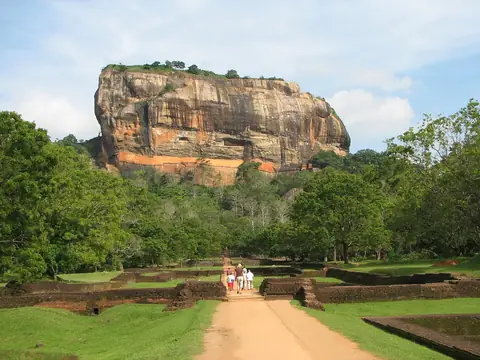
Book one night. That gives you an afternoon to arrive, a bed in town, and one long morning for the monuments. Add a second night only if you want Mihintale or a slow second morning. Sigiriya lies on the way here, which is the logic of the route: see the rock and the caves first, as in our Sigiriya and Dambulla guide, then come on to Anuradhapura. Book a room in Anuradhapura town, including the New Town by its station, and use Mihintale as a base only for a second night; the hotel box below searches those areas, and if you sleep at Sigiriya instead, where to stay in Sri Lanka covers rooms there.
The ten-day loop has no night in Anuradhapura, so this city is an addition: add a night rather than squeezing it into a Sigiriya morning.
The sacred core: the Sri Maha Bodhi, the Ruwanwelisaya and the Thuparamaya
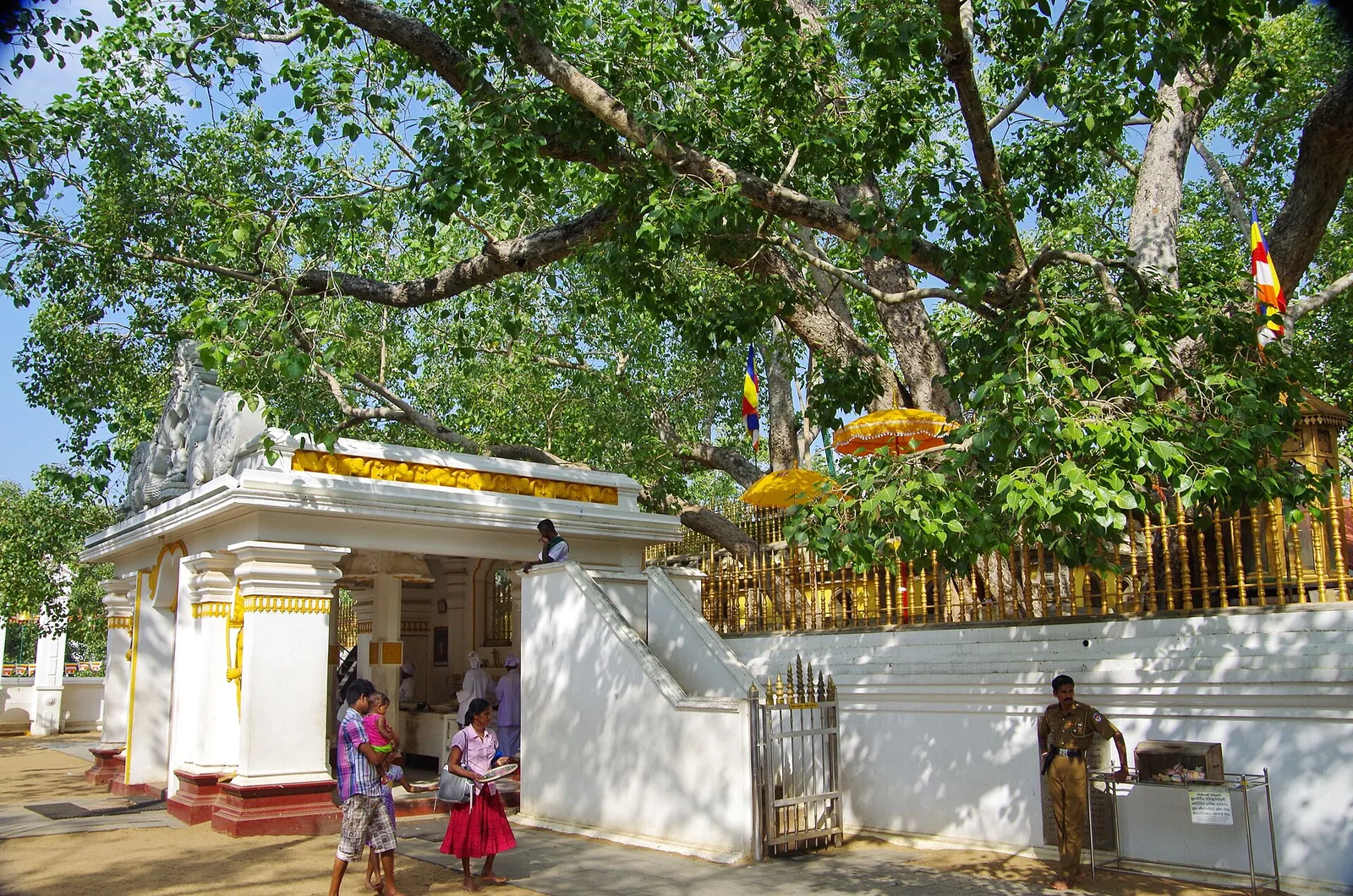
The Sri Maha Bodhi is the reason many pilgrims come: a sacred fig grown from a sapling of the original Bodhi tree under which the Buddha attained enlightenment, brought to Sri Lanka in the 3rd century BCE and believed to be the oldest documented tree in the world. King Devanampiyatissa planted it in the Mahameghawana after Theri Sangamitta brought it, and the terrace holds an image house and accompanying Bodhi trees inside a wall, a golden fence put up in 1969 and an iron fence beneath it. The Unduvap full-moon poya celebrates the arrival of the sapling in Anuradhapura, and the Poson full-moon poya in June commemorates the arrival of Buddhism in Sri Lanka and is celebrated as widely as Vesak. Both dates move each year. On full-moon poya days Sri Lanka Tourism says the sale of alcohol, meat and fish is prohibited and some shops close, so plan meals ahead.
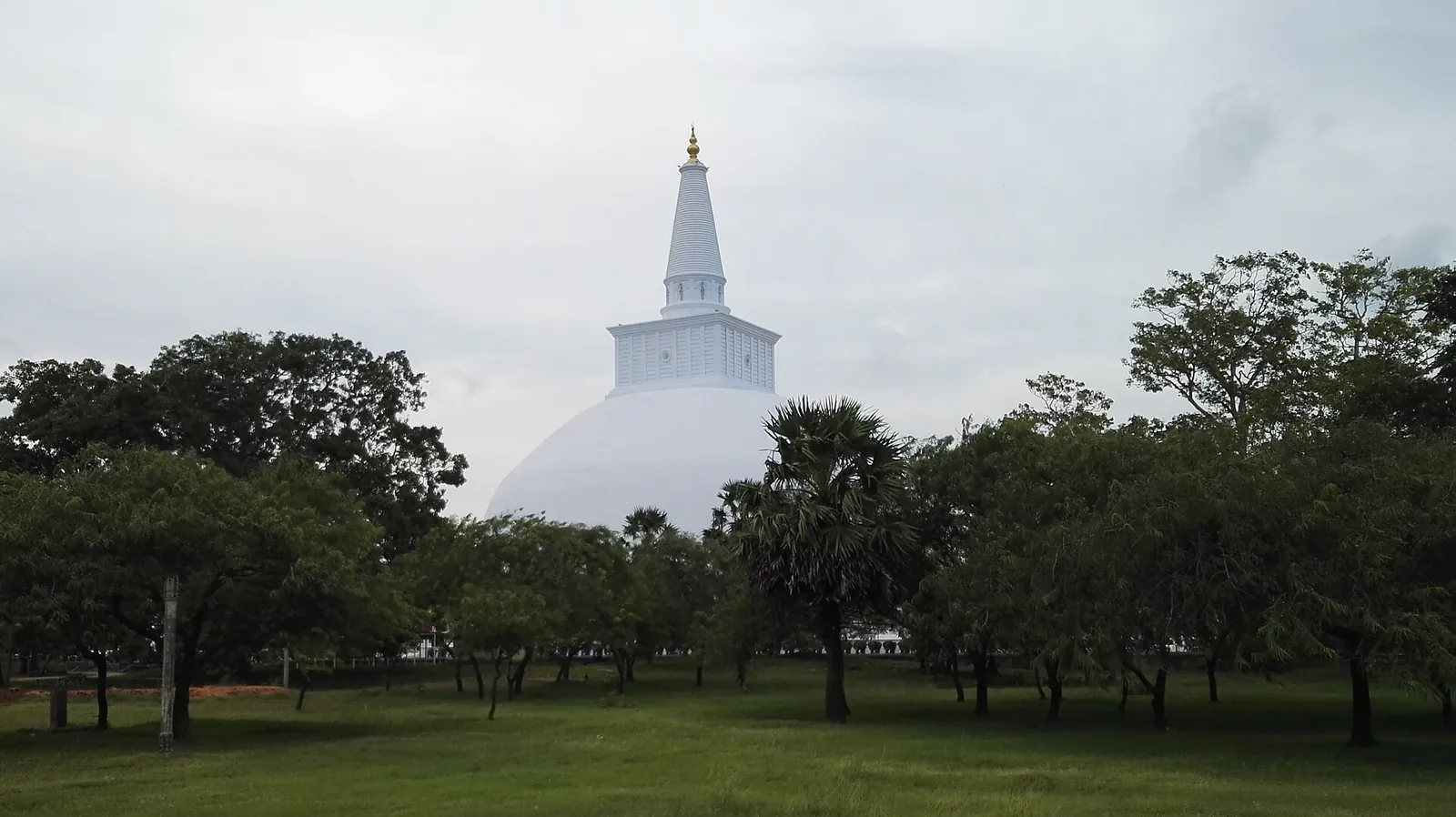
The Ruwanwelisaya is the great white stupa, one of the most significant religious places for Buddhists and the principal monument of the Mahavihara complex, built by King Dutugamunu in the 2nd century BCE. He completed it only up to the dome, and his brother and successor, King Saddhatissa, finished the rest; the ruined stupa was reconstructed from the mid-19th century and completed in 1944. With the Jetavanaramaya and the Abhayagiriya it is among the tallest ancient brick structures ever built. It stands between the Sri Maha Bodhi and the Thuparamaya, and between the Bodhi tree and the stupa lies the Lovamahapaya, the Brazen Palace: a field of 1,600 stone pillars is what remains of a mansion that tradition says rose nine storeys.
The Thuparamaya is the first stupa built in Sri Lanka after Buddhism became the state religion, raised by King Devanampiyatissa in the 3rd century BCE, and in the Mahavamsa the shrine of the Buddha's right collar bone. It was built in the form of a heap of paddy and took its bell shape in a reconstruction in the 19th century; three rows of stone pillars mark the vanished round shrine that once housed it. It lies to the north of the Ruwanwelisaya and close to the Basawakkulama Tank, so the two make one walk.
The Mirisavetiya belongs to the same Mahavihara complex. King Dutugamunu built it in the 2nd century BCE around his sceptre and relics of the Buddha, and legend makes it a penance for eating a chilli curry without first offering it to the monks. It stands about 120 feet high and was rebuilt in 1896 with support from the Siamese king Chulalongkorn, with the ruins of a refectory, a chapter house and hundreds of monks' cells around it.
The great monasteries: Jetavanaramaya, Abhayagiri and the Twin Ponds
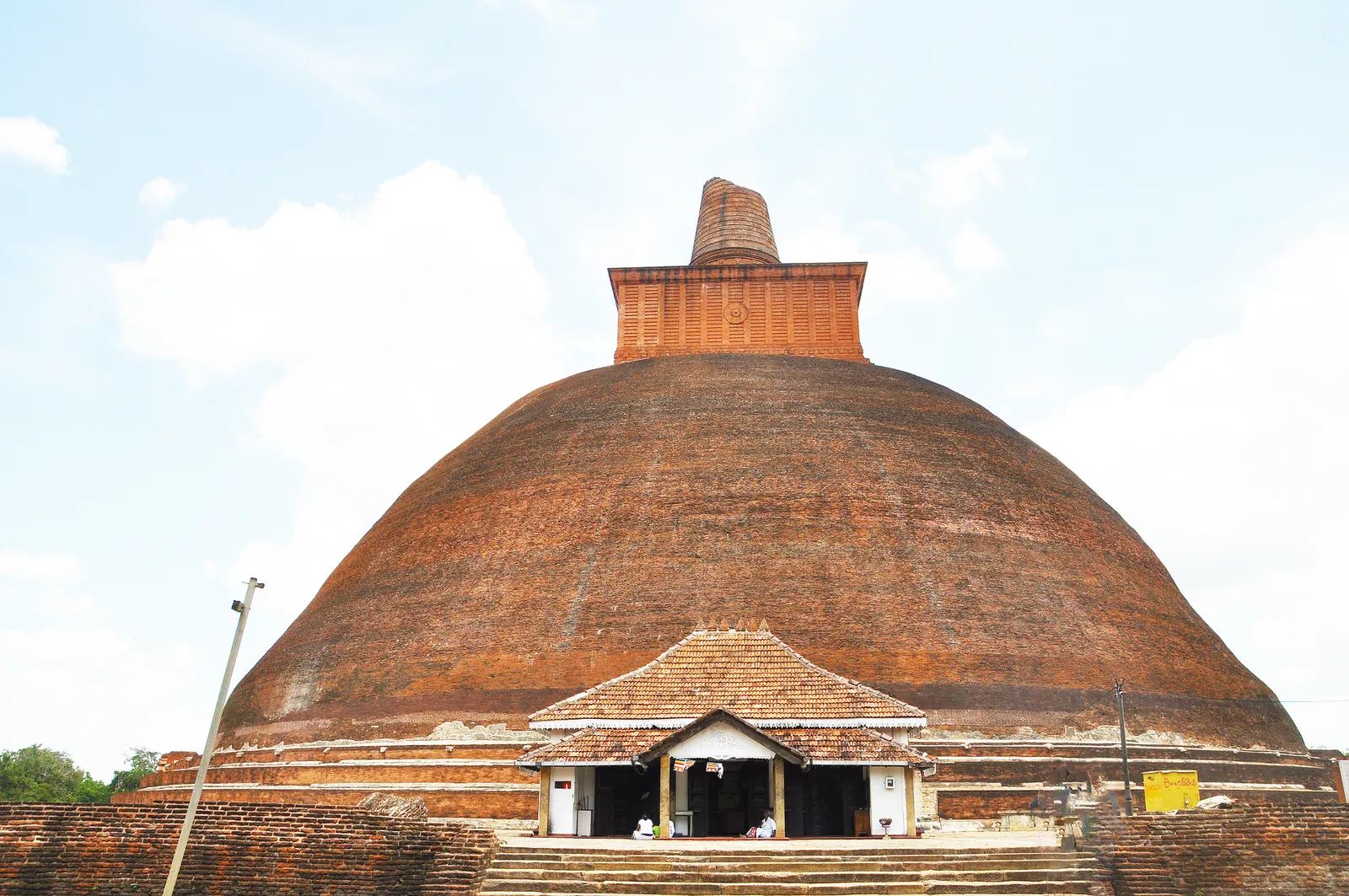
The Jetavanaramaya lies east of the Ruwanwelisaya and is a different building entirely: a great brick dome raised by King Mahasena in the 3rd century CE, which Sri Lanka Tourism calls the highest stupa in the world. The monastery complex around it holds a Bo-tree shrine with walls like the railing of the Sanchi stupa, an image house, a chapter house, a refectory and ponds, and the stupa was renovated after 1980.
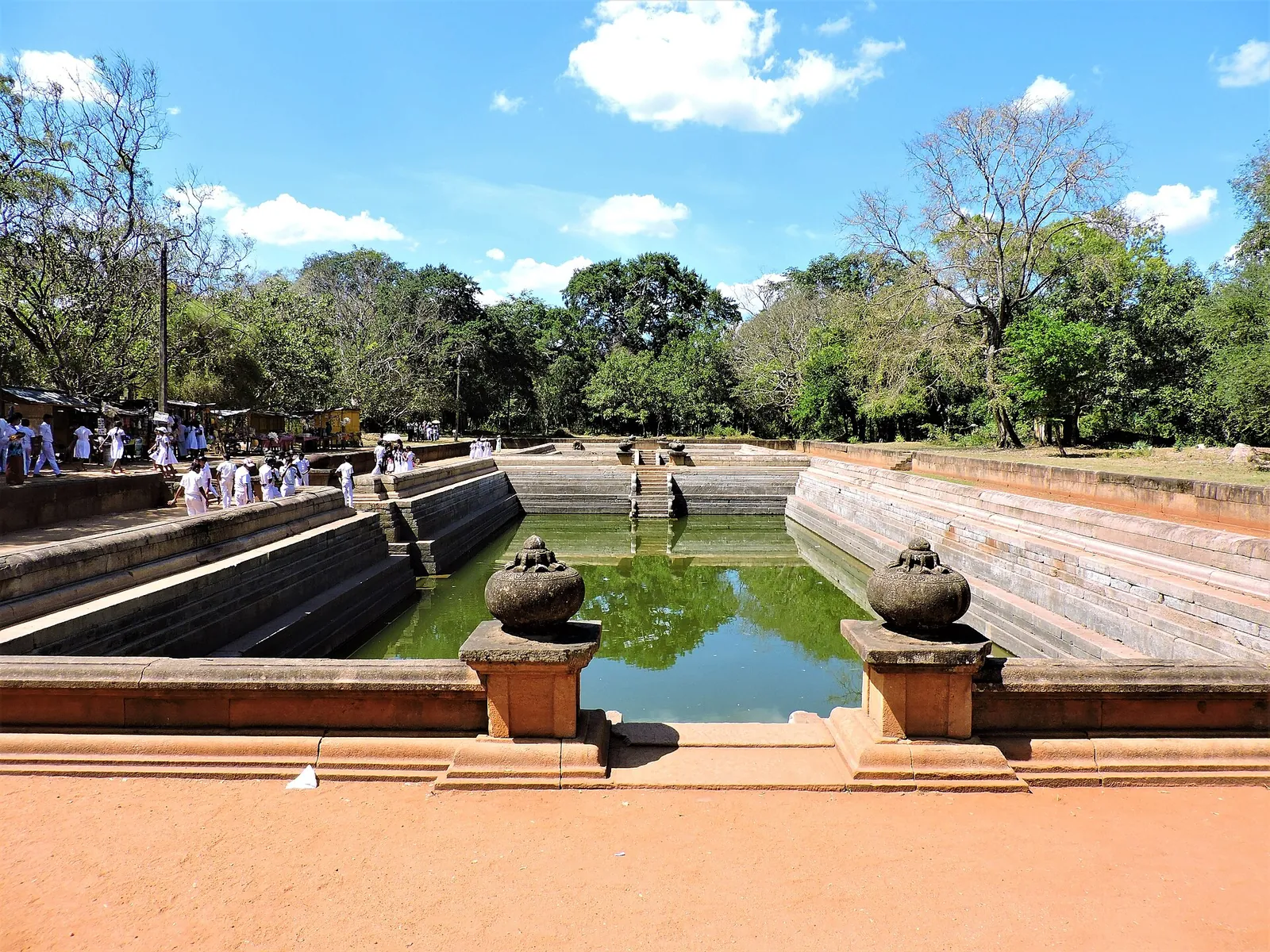
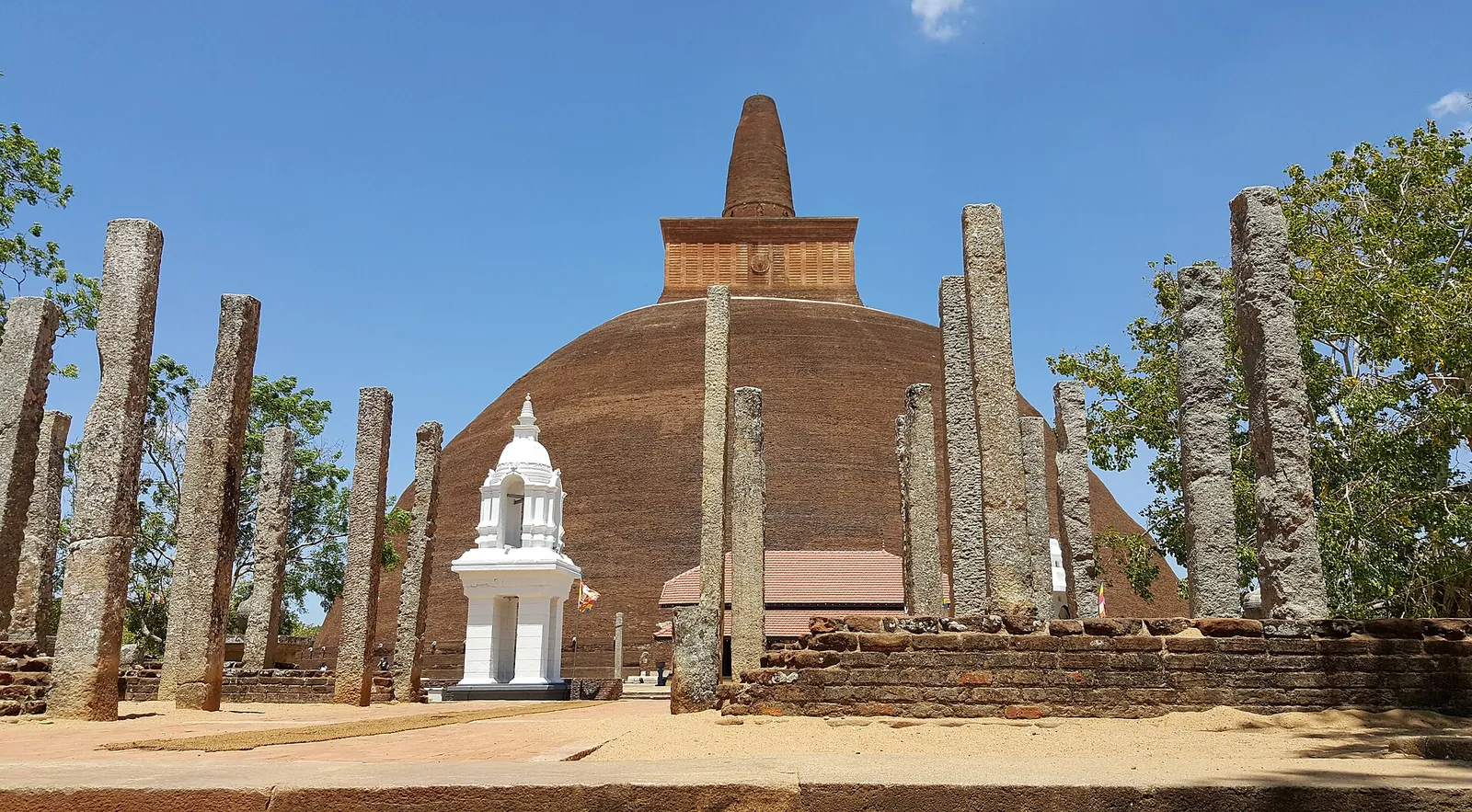
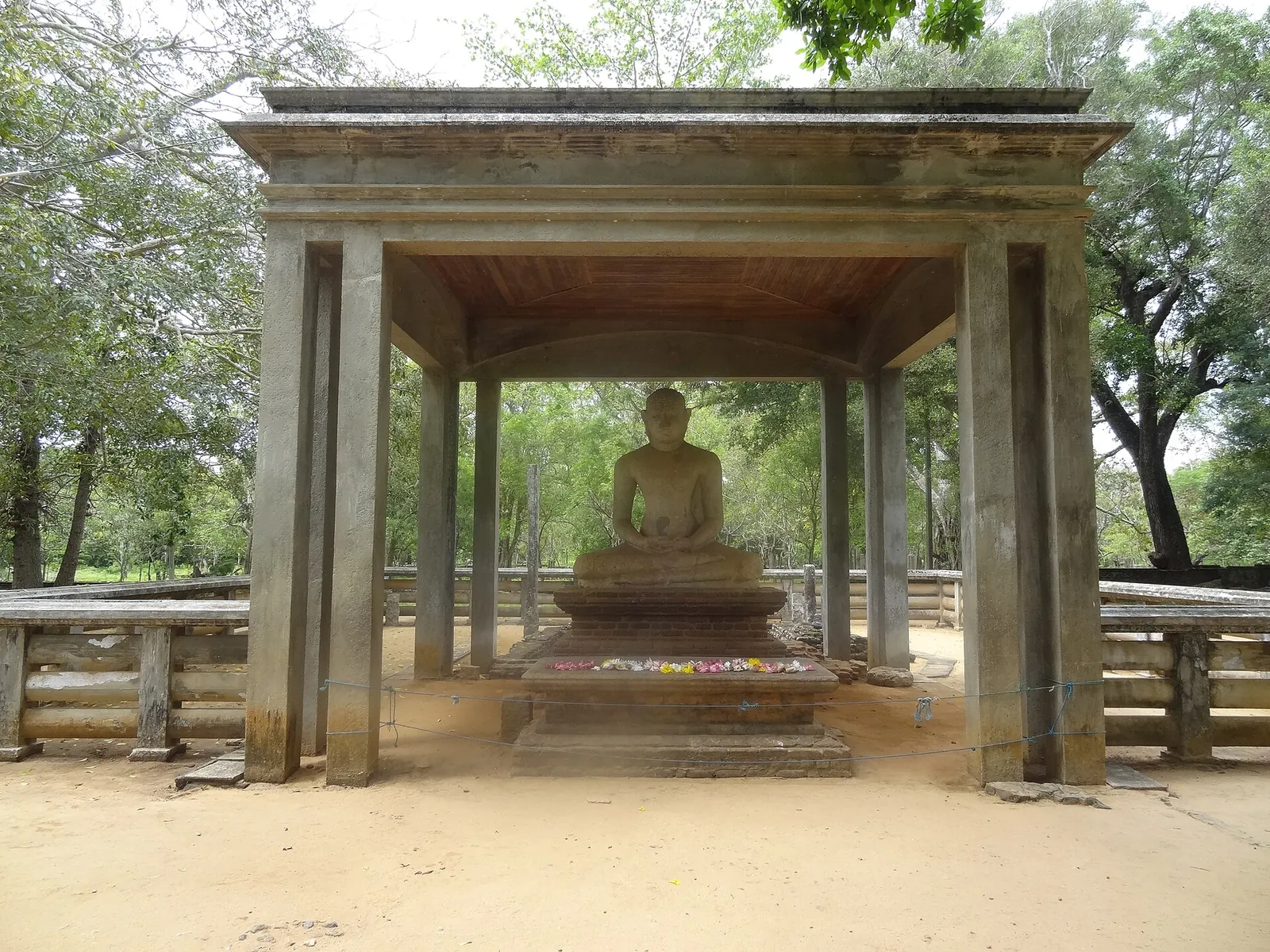
Abhayagiri was one of the three major monastic complexes of the city. King Valagambahu built its stupa in the 1st century BCE, and it stands about 75 m above ground level; the Twin Ponds, the Elephant Pond and the Samadhi Statue are among the monuments of the monastery around it. The Twin Ponds (Kuttam Pokuna) show the advanced hydraulic technology of the period, carved moonstones and guard stones lie among the finds, and the ancient reservoirs still work. The Samadhi Buddha, between the stupa and the Twin Ponds, is considered the finest Buddha image in Sri Lanka: it sits in the virasana posture and was once covered in coloured plaster, with eyes studded with gems.
Mihintale, about 11 km from Anuradhapura, is the nearest excursion from the city and the cradle of Buddhism in Sri Lanka: a monastic complex across three hills with 68 caves or rock shelters consecrated for monks, ponds such as the Kaludiya, Sinha and Naga pokunas, and an alms-hall refectory and monks' hospital, the largest of their kind in Sri Lanka. No official page publishes a Mihintale fee or hours, or says whether the Anuradhapura ticket covers it; ask at the site. Give it a second night, not the end of the first morning.
Isurumuniya, Sela Cetiya and the Lankaramaya
Isurumuniya lies south of the Sri Maha Bodhi on the bank of Tissa Wewa. Its ancient name was Meghagiri Vihara, where rituals for rain were once held, and Sri Lanka Tourism says the Tooth Relic was first deposited here in the 4th century CE, when Prince Danta and Princess Hemamala brought it to Sri Lanka. The temple is known today for its sculpture: a rock-cut cave that became a small image house, a pond with carved bathing elephants, the Man and Horse figure cut into a rock cavity, and the Isurumuni Lovers, the masterpiece of its stone carvings.
Two smaller stupas fit between the great ones. The Sela Cetiya stands west of the Jetavanaramaya: King Lajjitissa built it in the 1st century BCE, and it takes its name from being built in stone, with a moonstone and guard stones still to be seen. The Lankaramaya lies between the ancient citadel and the Abhayagiri stupa. It was built as a vatadage, a round stupa house, its stupa was reconstructed in the late 19th century and stone pillars around it mark the original shrine; scholars disagree on which ancient monastery it was.
Tickets, hours and the museum
When we checked on 17 October 2026, a full ticket to Anuradhapura cost USD 30 (LKR 10,080) and a half ticket USD 15 (LKR 5,040), at the Central Cultural Fund's rate of LKR 336 per USD on its table of 14 October 2026. For foreign visitors these are the Foreign Tourist Full and Foreign Tourist Half tickets, the half being for children aged 6 to 12. Prices are quoted in USD and payable in rupees at the current rate, SAARC citizens get a 50% discount, and the prices include 18% VAT.
Ticket counters at all heritage sites, Anuradhapura included, are open from 07:00 to 17:00 daily. The Fund's e-ticket terms say a ticket is valid for a single entry during the day it is used, so see the ticketed monuments in one visit instead of splitting them over two. You can order online, then collect the physical ticket at the site's counter by showing the order receipt number; an order is valid for 90 days and is not refunded. Carry rupees in case the counter takes no cards. No official page says where the Anuradhapura ticket counter is or which monuments the single ticket covers; ask at the first monument you reach or contact the Central Cultural Fund.
The Cultural Triangle round ticket covers Anuradhapura Ancient City, Sigiriya, Polonnaruwa, all archaeological museums and photography permissions. It is valid for two months from first use, allows one entry per site and must be used within three months of purchase. The Central Cultural Fund's tickets page lists no price for the Cultural Triangle round ticket; Sri Lanka Tourism's travel-tips page prints USD 50, which differs from the Fund's single-site table of 14 October 2026, so ask at the counter. In the same table the single tickets for the three sites total USD 95 (Sigiriya USD 35, Anuradhapura USD 30, Polonnaruwa USD 30). If Anuradhapura is the only paid site you will see, the single ticket above is the one to buy.
The Anuradhapura Archaeological Museum is temporarily closed for urgent maintenance work, according to a notice of 28 August 2026 on the Department of Archaeology's website, still listed when we checked on 17 October 2026; the reopening date will be announced there. The Abhayagiriya Museum in Anuradhapura, which holds Buddhist artefacts, sculptures and architectural remnants of the Abhayagiriya monastery complex, is a separate museum. The Fund's museums page lists most museums as open Tuesday to Sunday, 9:00 AM to 5:00 PM and gives no hours of its own for this one; ask at the counter.
Getting around the ancient city
The ancient city is a spread of monuments among streets, not one enclosure. By Sri Lanka Tourism's descriptions, the Lovamahapaya lies between the Sri Maha Bodhi and the Ruwanwelisaya, the Thuparamaya north of the Ruwanwelisaya, the Jetavanaramaya east of it, the Sela Cetiya west of the Jetavanaramaya, the Lankaramaya between the ancient citadel and the Abhayagiri stupa, and Isurumuniya south of the Sri Maha Bodhi. No official page publishes the distances between them.
A tuk-tuk can link them: Sri Lanka Tourism describes trishaws as ideal for short journeys within towns and cities and for short excursions, says most are not metered and that you should agree the fare beforehand, and recommends chauffeur-driven cars for hire. No official page publishes a fare for the ancient city, so agree the vehicle, the route and the price for the morning the evening before.
What to wear, what to photograph and what to leave at home
Dress for the religious sites, covering shoulders and knees. The stupas and the Sri Maha Bodhi are active places of worship. The German Foreign Office (checked 17 October 2026) says temples may be entered only with covered shoulders and with trousers or skirts that reach below the knee, and the UK Foreign Office (checked 16 October 2026) advises covering your legs and shoulders in a Buddhist temple and taking off shoes and hats. Cotton clothes work at any time of year, and comfortable shoes or sandals with cotton socks suit a day of taking shoes on and off.
One photography rule covers the city: photograph the monuments rather than people at prayer. Sri Lanka Tourism's travel-tips page (checked 16 October 2026) says being photographed in front of or beside statues and murals is forbidden and that flash can damage old murals, and the German Foreign Office (checked 17 October 2026) adds that you should not be photographed with your back to a Buddha statue. Photography permissions come with the ticket.
Drones need prior written approval from the Central Cultural Fund, and the Ministry of Defence says no drone may be operated within archaeological sites without prior approval (both checked 16 October 2026).
Getting there and a one-night plan
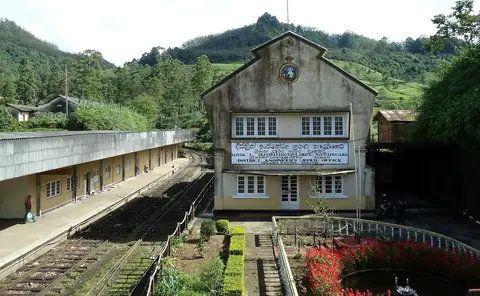
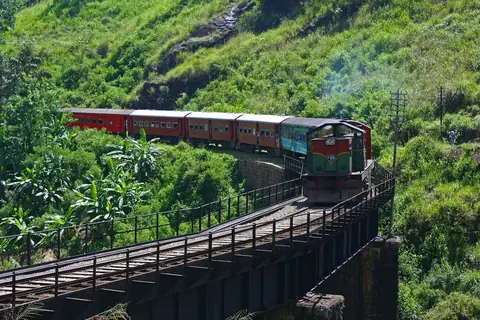
The train is the public link from the capital. Three northern-line trains with reserved seats leave Colombo Fort in the morning: the Saturday 05.30 Intercity with air-conditioned first-class reserved seats only, the daily 05.45 Yal Devi with reserved seats in air-conditioned first class and in second class, and the daily 05.55 Uttara Devi with reserved seats in all three classes. Sri Lanka Tourism's chart of journey times from Colombo gives Anuradhapura at 6 hours by rail and 5 hours 30 minutes by road, so check the booking site's train list for your date. On the way back, the railway's January 2024 leaflet shows the daily Yal Devi reaching Colombo Fort at 18.25, the daily Uttara Devi at 12.56 and the daily Night Mail at 07.00, and the booking site's train list gives the Anuradhapura departure for your date. No official page publishes the road distance or time from Sigiriya, Dambulla or Kandy; ask your driver. Ordinary fares from Colombo Fort, last updated in September 2022 and read on 17 October 2026, are LKR 1,450 first class, LKR 750 second class and LKR 360 third class to Anuradhapura (204.94 km by rail), and LKR 1,400, LKR 700 and LKR 360 to Anuradhapura New Town (202.06 km).
A reserved seat has its own price in the railway's seat-reservation table, in force since 1 August 2022. For Colombo Fort to Anuradhapura the table prints two sets: LKR 2,400, LKR 1,700 and LKR 1,200 per seat on intercity trains (first, second and third class), and LKR 2,000, LKR 1,200 and LKR 1,100 on the other trains. The second-class seat is LKR 1,700 or LKR 1,200, the whole price of the seat; the booking site shows the price for your train. Online bookings add a 5% convenience fee, and reservations open 30 days before the date of travel and close 2 hours before departure.
Inter-provincial bus fares were revised from 6 July 2026; the transport guide covers buses, drivers and the fuel quota.
A one-night plan fits the single-entry ticket:
- Day 1, afternoon: arrive, check in and rest through the heat.
- Day 2, early: from 07:00, walk the sacred core: the Sri Maha Bodhi, the Lovamahapaya, the Ruwanwelisaya, the Thuparamaya and the Mirisavetiya, before the heat builds.
- Day 2, late morning: continue to the Jetavanaramaya and the Sela Cetiya, then the Lankaramaya, the Abhayagiri stupa, the Samadhi Buddha and the Twin Ponds.
- Day 2, afternoon: finish at Isurumuniya by Tissa Wewa, then leave for Kandy, Sigiriya or Colombo; with a second night, go to Mihintale instead.
What the morning costs for two
Prices checked on 17 October 2026, for two adults: tickets from the Central Cultural Fund's table, and the train one way from Colombo Fort in second class at the higher of the two table figures.
The total is USD 60 and LKR 3,570, with the two currencies kept apart. It leaves out the room, meals, the tuk-tuk or driver for the morning, Mihintale and the journey onward.
- Two full Anuradhapura tickets: USD 60 (USD 30 each).
- Colombo Fort to Anuradhapura, second-class reserved seat: LKR 1,700 each, so LKR 3,400 for two.
- The 5% online booking fee on that: LKR 170.
Make time for the local food
What to eat and where to look
Fish curry with rice
Fresh sailfish cooked in a coconut-based curry with curry leaves, served with steamed rice and papadams, on the menu of the Tranquil Restaurant at the Rajarata Hotel.
- Where to look
- Tranquil Restaurant, Rajarata Hotel, 77 Rowing Club Road, Anuradhapura.
- Fit it into your day
- Dinner after the long day in the ruins.
Sailfish is a sea fish: the German Foreign Office advises against eating sea fish and seafood (ciguatera) (checked 17 October 2026).
Curd with kithul treacle (kiri pani)
Traditional Sri Lankan curd served with rich kithul treacle, listed among the desserts of the same restaurant.
- Where to look
- Tranquil Restaurant, Rajarata Hotel, 77 Rowing Club Road, Anuradhapura.
- Fit it into your day
- To finish dinner.
Kiribath (milk rice)
Rice cooked with coconut milk, served at auspicious moments, according to Sri Lanka Tourism, and usually eaten with lunumiris, a fiery onion and chilli sambol.
- Where to look
- No official page names a place for it in Anuradhapura; ask where you are staying.
- Fit it into your day
- Breakfast before the morning at the counter.
Lunumiris is made with onion and chilli, so ask for it on the side if you avoid heat.
Hoppers
Bowl-shaped pancakes of fermented rice flour and coconut milk, crisp at the edges and thicker at the bottom; Sri Lanka Tourism says plain hoppers come with lunumiris and a spicy curry, and egg hoppers are served as a main meal at breakfast and dinner.
- Where to look
- No official page names a place for it in Anuradhapura; ask where you are staying.
- Fit it into your day
- Breakfast, or dinner after the long day.
Pittu
Steamed cylinders of rice or karukan flour and fresh shredded coconut, which Sri Lanka Tourism says are served with sweetened coconut milk or sometimes with lunumiris, jaggery and bananas.
- Where to look
- No official page names a place for it in Anuradhapura; ask where you are staying.
- Fit it into your day
- Breakfast, a lighter start than the hoppers.
Practical questions
How much does the Anuradhapura ticket cost for a foreign visitor?
When we checked on 17 October 2026, the Central Cultural Fund's price table listed USD 30 for a full ticket and USD 15 for a half ticket, which its e-ticket terms describe as the foreign-tourist tickets, the half being for children aged 6 to 12. The amount is payable in rupees at the day's rate.
Is the Anuradhapura Archaeological Museum open?
No. A notice of 28 August 2026 on the Department of Archaeology's website, still listed when we checked on 17 October 2026, says the Anuradhapura Archaeological Museum is temporarily closed because of urgent maintenance work, and that the reopening date will be announced there. The Abhayagiriya Museum, which the Central Cultural Fund lists, is a separate museum.
Does the Cultural Triangle round ticket include Anuradhapura, and is it worth it?
Yes. One combined ticket covers Anuradhapura Ancient City, Sigiriya, Polonnaruwa and all archaeological museums, valid for two months from first use with one entry per site, and it must be used within three months of purchase. The Central Cultural Fund's tickets page lists no price for the Cultural Triangle round ticket; Sri Lanka Tourism's travel-tips page prints USD 50, which differs from the Fund's single-site table of 14 October 2026, so ask at the counter. The single tickets total USD 95 for the three sites (Sigiriya USD 35, Anuradhapura USD 30, Polonnaruwa USD 30).
How long does the journey from Colombo to Anuradhapura take?
Sri Lanka Tourism's chart of journey times puts Colombo to Anuradhapura at 6 hours by rail and 5 hours 30 minutes by road. Anuradhapura is 204.94 km from Colombo Fort by rail, with northern-line departures at 05.30 on Saturdays (the Intercity, first class only) and at 05.45 and 05.55 daily; check the booking site's train list for your date.
What does a train seat from Colombo to Anuradhapura cost?
A reserved second-class seat is LKR 1,700 or LKR 1,200 in the railway's seat-reservation table of 1 August 2022, plus the 5% online fee. In the morning, second-class reserved seats are on the 05.45 Yal Devi and the 05.55 Uttara Devi.
Sources and checks before you travel
Reference sources for the version dated 18 October 2026. Confirm opening times, access, transport and conditions for your travel dates.
- Central Cultural Fund: Anuradhapura ↗ — opens in a new tab
- Central Cultural Fund: Heritage Sites ↗ — opens in a new tab
- Central Cultural Fund: ticket prices ↗ — opens in a new tab
- Central Cultural Fund: Tickets ↗ — opens in a new tab
- Central Cultural Fund: e-ticket terms ↗ — opens in a new tab
- Central Cultural Fund: ticket issuance ↗ — opens in a new tab
- Central Cultural Fund: Museums ↗ — opens in a new tab
- Department of Archaeology: Anuradhapura Archaeological Museum Temporarily Closed ↗ — opens in a new tab
- Sri Lanka Tourism: Buddhist places ↗ — opens in a new tab
- Sri Lanka Tourism: Sigiriya ↗ — opens in a new tab
- Sri Lanka Tourism: Travel Tips ↗ — opens in a new tab
- Sri Lanka Tourism: Sri Lankan Public Holidays ↗ — opens in a new tab
- Sri Lanka Tourism: Culinary Tourism ↗ — opens in a new tab
- German Foreign Office (Auswärtiges Amt): Sri Lanka, Reise- und Sicherheitshinweise ↗ — opens in a new tab
- UK Foreign Office: Sri Lanka safety and security ↗ — opens in a new tab
- Ministry of Defence: drone clearance ↗ — opens in a new tab
- Sri Lanka Railways: List of Ticket Fare and Charges 2022 ↗ — opens in a new tab
- Sri Lanka Railways: ticket rates from Colombo Fort ↗ — opens in a new tab
- Sri Lanka Railways: trains with reserved seats ↗ — opens in a new tab
- Sri Lanka Railways: revision of charges for seat reservation, 1 August 2022 ↗ — opens in a new tab
- National Transport Commission: bus fares ↗ — opens in a new tab
- Sri Lanka Tourism: Getting Around ↗ — opens in a new tab
- Sri Lanka Railways: online seat booking FAQ ↗ — opens in a new tab
- Rajarata Hotel: Tranquil Restaurant menu ↗ — opens in a new tab
Photo credits
The Jetavanaramaya, the great brick stupa east of the Ruwanwelisaya
Photograph: Prof Ranga Sai — opens in a new tab · CC BY 4.0 — opens in a new tab
Changes: Resized and converted to WebP; displayed with responsive crops. · Original photograph and licence details ↗ — opens in a new tab
The Ruwanwelisaya stupa seen across the grounds of the ancient city
Photograph: Z thomas — opens in a new tab · CC BY-SA 3.0 — opens in a new tab
Changes: Resized and converted to WebP; displayed with responsive crops. · Original photograph and licence details ↗ — opens in a new tab
The terrace of the Sri Maha Bodhi, the sacred fig tree
Photograph: Balou46 — opens in a new tab · CC BY-SA 3.0 — opens in a new tab
Changes: Resized and converted to WebP; displayed with responsive crops. · Original photograph and licence details ↗ — opens in a new tab
Kuttam Pokuna, the Twin Ponds, in the Abhayagiri monastery area
Photograph: Icaptures84 — opens in a new tab · CC BY-SA 4.0 — opens in a new tab
Changes: Resized and converted to WebP; displayed with responsive crops. · Original photograph and licence details ↗ — opens in a new tab
The Abhayagiri stupa and the stone pillars around it
Photograph: Nicolas Chadeville — opens in a new tab · CC BY 4.0 — opens in a new tab
Changes: Resized and converted to WebP; displayed with responsive crops. · Original photograph and licence details ↗ — opens in a new tab
The Samadhi Buddha statue in its open pavilion
Photograph: Cherubino — opens in a new tab · CC BY-SA 3.0 — opens in a new tab
Changes: Resized and converted to WebP; displayed with responsive crops. · Original photograph and licence details ↗ — opens in a new tab