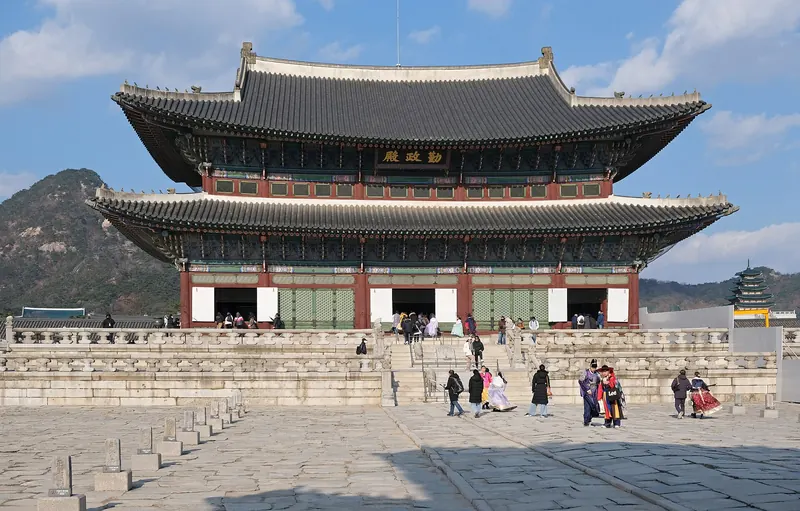
Gangwon · Gangwon State
Wonju travel guide: Museum SAN, Sogeumsan bridges and Chiaksan
Wonju, in Gangwon State, sits on the rail lines east of Seoul, and most visitors come for two places that sit close together in Jijeong-myeon, on the city's western side. Museum SAN is a mountain museum by the Japanese architect Tadao Ando, with light works by James Turrell; Sogeumsan Grand Valley is a set of pedestrian suspension bridges, a cliff walk and, since 2025, a cable car. Both close on Mondays. The city itself adds a market with an art arcade upstairs, a restored Joseon-era provincial office, and Chiaksan National Park with Guryongsa Temple.
- Suggested time
- 1 day; 1–2 nights with Chiaksan
- Where to stay
- Oak Valley in Jijeong-myeon for Museum SAN; downtown Wonju around Jungang Market or the bus terminal for food and onward buses
- Season and timing
- Spring and autumn suit the bridges and the museum gardens best. VisitKorea's 2026 foliage forecast expected peak colour across the country from mid-October to early November, and listed Sogeumsan's 'Naora' night light show for spring and autumn. Museum SAN and Sogeumsan Grand Valley both close on Mondays; national park trails can close suddenly in bad weather.
The short answer
Make it one full day from Seoul, any day except Monday. Take the KTX to Manjong Station, do the Sogeumsan bridges at opening time, then spend the afternoon at Museum SAN with a timed slot for the James Turrell Hall. Stay one night if you also want Chiaksan National Park and Guryongsa Temple, or an evening in the town centre: sleep at Oak Valley for the museum side, or downtown near Jungang Market for food, buses and Gangwon Gamyeong.
Plan around Monday and the west side of the city
The two reasons most people come to Wonju are not in the town centre. Museum SAN (260 Oak Valley 2-gil) and Sogeumsan Grand Valley (317 Jijeong-ro) are both in Jijeong-myeon, on the western side of the city, and VisitKorea lists them as nearby attractions for each other. Manjong Station, served by KTX trains from Seoul Station, is the railhead VisitKorea gives for Oak Valley; Museum SAN's own directions also give Wonju Station and the Wonju intercity and express bus terminal, each followed by a taxi or the Wonju City Tour Bus.
Both places close every Monday. Sogeumsan also closes on the next working day when a Monday is a public holiday, so check before you travel on a long weekend. Chiaksan National Park and Guryongsa Temple lie in a different part of the city, well away from Jijeong-myeon, which is why a day for the museum and the bridges and a second day for the mountain work better than trying to fit all three in.
Oak Valley in Jijeong-myeon is a large resort with condominiums, a ski area, trails and a night light walk, and Museum SAN sits within it; it is the base if the museum is the point of your trip. Downtown Wonju around Jungang Market keeps you close to restaurants, Gangwon Gamyeong and the bus terminal, and suits a night before an early bus to Chiaksan or onward travel. Rooms by the bus terminal are also the practical choice if you plan to use the Oak Valley shuttle bus, which Museum SAN says leaves from in front of the intercity terminal.
Museum SAN: Tadao Ando's walk through gardens and concrete
Museum SAN was opened in 2013 by the Hansol Cultural Foundation, founded by the late Lee In-hee, and its name stands for Space, Art and Nature; san also means 'mountain' in Korean. VisitKorea describes how Tadao Ando laid it out as a single line through the hillside: from the Welcome Center through the Flower Garden and Water Garden to the main building, then the Meditation Hall, the Stone Garden and the James Turrell Hall. The museum's site now adds GROUND, a hall built with the British sculptor Antony Gormley. The Basic Pass covers the gardens, the art museum and the Paper Gallery, formerly the Hansol Paper Museum, which opened in 1997 as Korea's first paper museum.
The museum's own map gives about 10 minutes on foot from the Welcome Center to the main building, about 15 to the Meditation Hall and about 20 to the James Turrell Hall, so allow time for walking as well as looking. When we checked on 2026-10-03, the official site listed opening from 10:00 to 18:00, ticket sales until 17:00 and closure every Monday. The Basic Pass (outdoor gardens, Paper Museum and art museum, about an hour) was listed at 23,000 won for adults; passes adding one special hall (James Turrell, Meditation Hall or GROUND) at 39,000 won, two halls at 49,000 won, and the Signature Pass with all three at 59,000 won.
The special halls work on timed entry. The museum listed James Turrell Hall entries every 30 minutes from 10:30, Meditation Hall entries every 40 minutes from 10:25 for up to 25 people, and GROUND entries every 30 minutes from 10:15, all bookable online or on the day; the James Turrell Hall and the Meditation Hall cannot be visited on their own, only as part of a pass that includes the Basic Pass. Preschool children may enter the Turrell Hall only at 15:00 and GROUND only at 16:15, and are not admitted to the Meditation Hall. Turrell's Skyspace and Horizon Room depend on the weather: on rainy days the museum substitutes other works. An English-language guided tour was listed for Fridays at 12:00; book the Turrell slot first and plan the gardens around it.
Make time for the local food
What to eat and where to look
Ppongnipbap (mulberry-leaf rice)
Rice cooked with mulberry leaves, which VisitKorea calls the folk dish that defines Wonju. It comes with a spread of nearly 20 side dishes, many made from local wild greens, and a soybean-paste stew, and is seasoned at the table with a sweet-and-spicy soy sauce.
- Where to look
- Restaurants specialising in Gangwon-style rice with wild greens (VisitKorea calls them 'salad rice' restaurants) in and around Wonju.
- Fit it into your day
- A slow lunch on the Chiaksan day, or dinner downtown after the market.
The soybean-paste stew and side dishes may contain fish sauce or anchovy stock; ask if you eat vegetarian.
Kimchi jjim (braised pork with kimchi)
Kimchi, sliced lengthwise and often aged for years, braised slowly with pork, tofu, spring onion and garlic until almost no liquid is left, then eaten by wrapping the pork in the kimchi. VisitKorea's soul-food feature includes a Wonju specialist among the best places to try it.
- Where to look
- Kimchi-jjim restaurants in Wonju; VisitKorea lists one on Dansajeong-gil.
- Fit it into your day
- A shared dinner for two or more after a day on the bridges.
Contains pork and is usually spicy; portions are sized for sharing.
Seonji haejangguk (ox-blood hangover soup)
A hangover soup (haejangguk) with slices of congealed ox blood, a traditional Korean dish. VisitKorea's Wonju listings include a restaurant whose signature dish it is.
- Where to look
- Haejangguk restaurants in Wonju; VisitKorea lists one on Geongang-ro.
- Fit it into your day
- An early breakfast before a Chiaksan hike, or a quick, warming lunch in winter.
Contains blood and beef; ask for it without seonji if you prefer.
Hoengseong hanu (Korean beef)
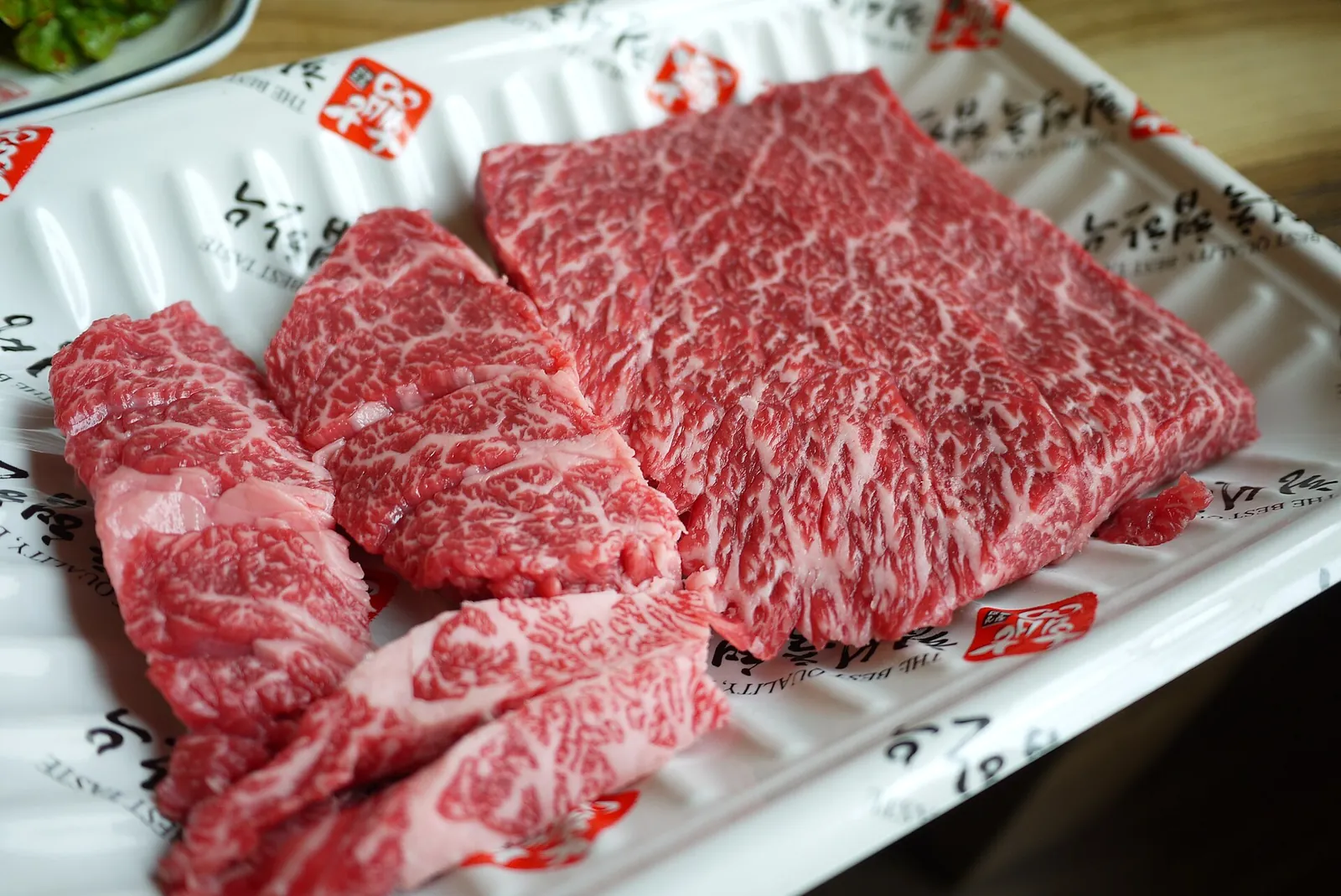
Neighbouring Hoengseong County is known nationally for its hanu beef. VisitKorea lists county-certified beef restaurants there serving rib-eye, beef tartare (yukhoe) and beef soups, and a hanu gukbap (beef and rice soup) simmered in a cast-iron pot.
- Where to look
- Hoengseong-eup and Ucheon-myeon in Hoengseong County; the Hoengseong Hanu Festival by the Seomgang River was listed for 7–11 October 2026.
- Fit it into your day
- A splurge dinner if you have a car or a second day; gukbap makes a simpler lunch.
Hanu is expensive; check whether prices are per 100 grams or per serving before ordering.
Sogeumsan Grand Valley: two bridges, a cliff walk and a cable car
Sogeumsan Grand Valley grew out of the Ganhyeon Tourist Area, where the Seomgang River and Samsancheon Stream meet below 40- to 50-metre cliffs, about 18 kilometres west of central Wonju according to VisitKorea. The original attraction is the Sogeumsan Suspension Bridge, 200 metres long, 1.5 metres wide and 100 metres above the ground, with a floor of steel grating. The Ulleong Bridge is 404 metres long and 2 metres wide, partly glass-bottomed; its name comes from a Korean word for feeling shaky. A 360-metre cliff walk links the two, and a mountain escalator (2024) and cable car (2025) now take much of the climb out of it.
When we checked on 2026-10-03, VisitKorea's Grand Valley page listed opening from 09:00 to 18:00 from April to October (last cable car 16:40) and 09:00 to 17:00 from November to March (last cable car 15:40), with the last tickets sold 90 minutes before closing. It listed the cable-car course, including the Sogeumsan Media Art Center, at 18,000 won for adults and 10,000 won for children, and the trekking course at 10,000 and 6,000 won; parking was free. Older VisitKorea pages for the individual bridges still show a lower single admission, so check the price on the day.
Come at opening time and choose your course at the ticket office: the cable car if you want the bridges without the stairs, the trekking course if you want the whole hillside on foot. Wear shoes with grip and keep a layer for the wind on the bridges. Down by the river, VisitKorea warns that the water's depth and flow change often, and that camping, cooking, campfires and fishing by the water are banned. In spring and autumn the valley also opens after dark for the Naora light show of media façades and music fountains on the cliffs; check the season's dates before planning around it.
Downtown Wonju: the market, the art arcade and the governor's office
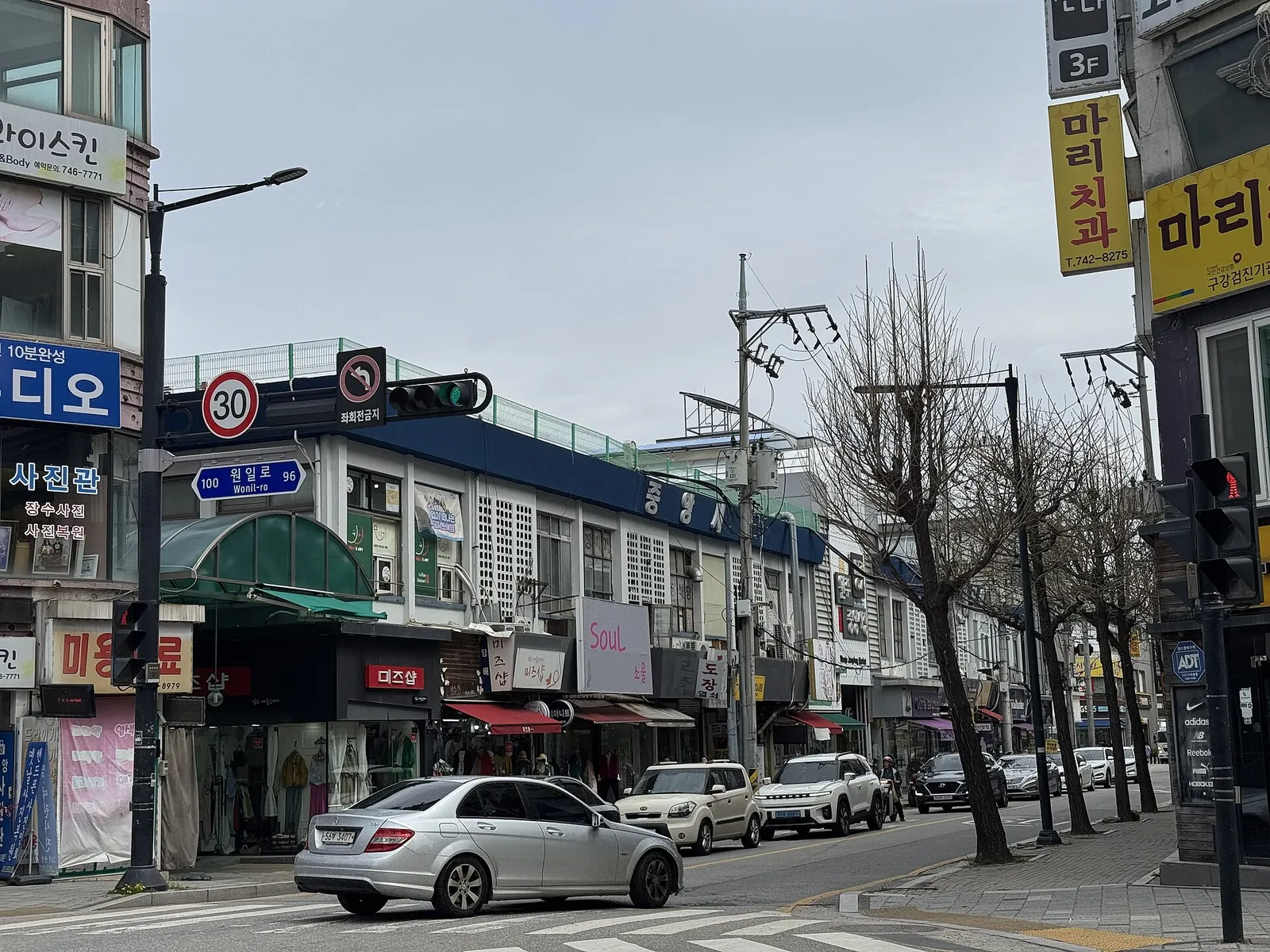
Wonju Jungang Market began in the 1950s as a five-day market and is now open every day, with a food street that grew up around its restaurants. After a fire in 1992 and years of decline, its second floor became the Maze Art Market in the mid-2010s: twisting corridors of small workshops, design shops and places to eat, run largely by young owners. On the second Saturday and Sunday of each month it adds a flea market, performances and children's activities, which makes that weekend the liveliest time to visit.
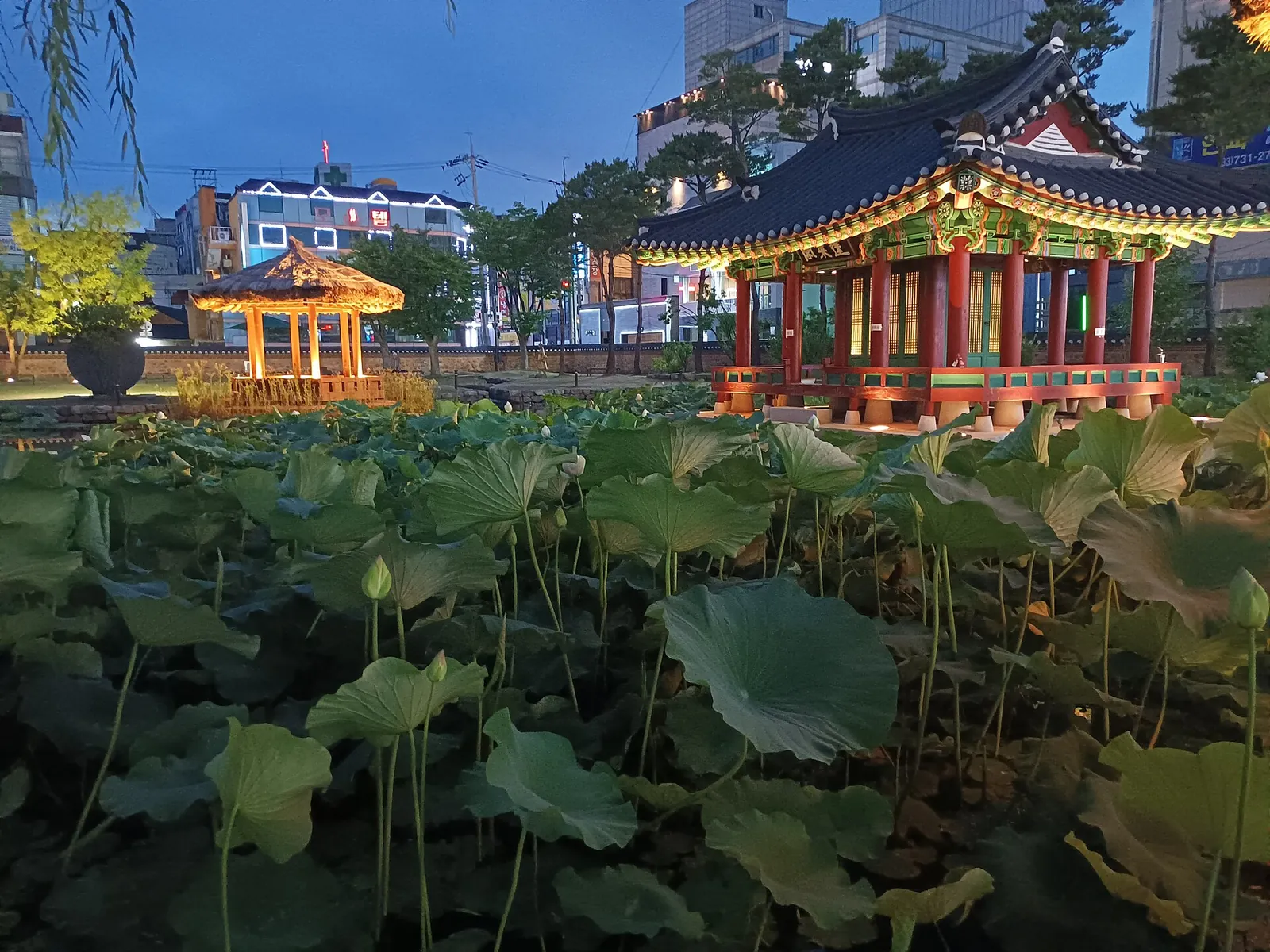
In Ilsan-dong, Gangwon Gamyeong was the office of the provincial governor of Gangwon for about 500 years during the Joseon period. Only a few buildings survive, including Seonhwadang Hall, and the restored site opened to the public in 2018. When we checked on 2026-10-03, VisitKorea listed it as free and open from 09:00 to 22:00, and it is best known for its evening views, which makes it an easy stop after dinner.
If the paper rooms at Museum SAN interest you, Wonju Hanji Theme Park covers the history of hanji, traditional Korean paper, in a two-storey building with an outdoor park, plus paid craft activities. VisitKorea listed opening from 09:00 to 18:00, closure on Mondays, New Year's Day, Seollal and Chuseok, and free general admission, with about 30 to 60 minutes for a visit.
Chiaksan National Park and Guryongsa Temple
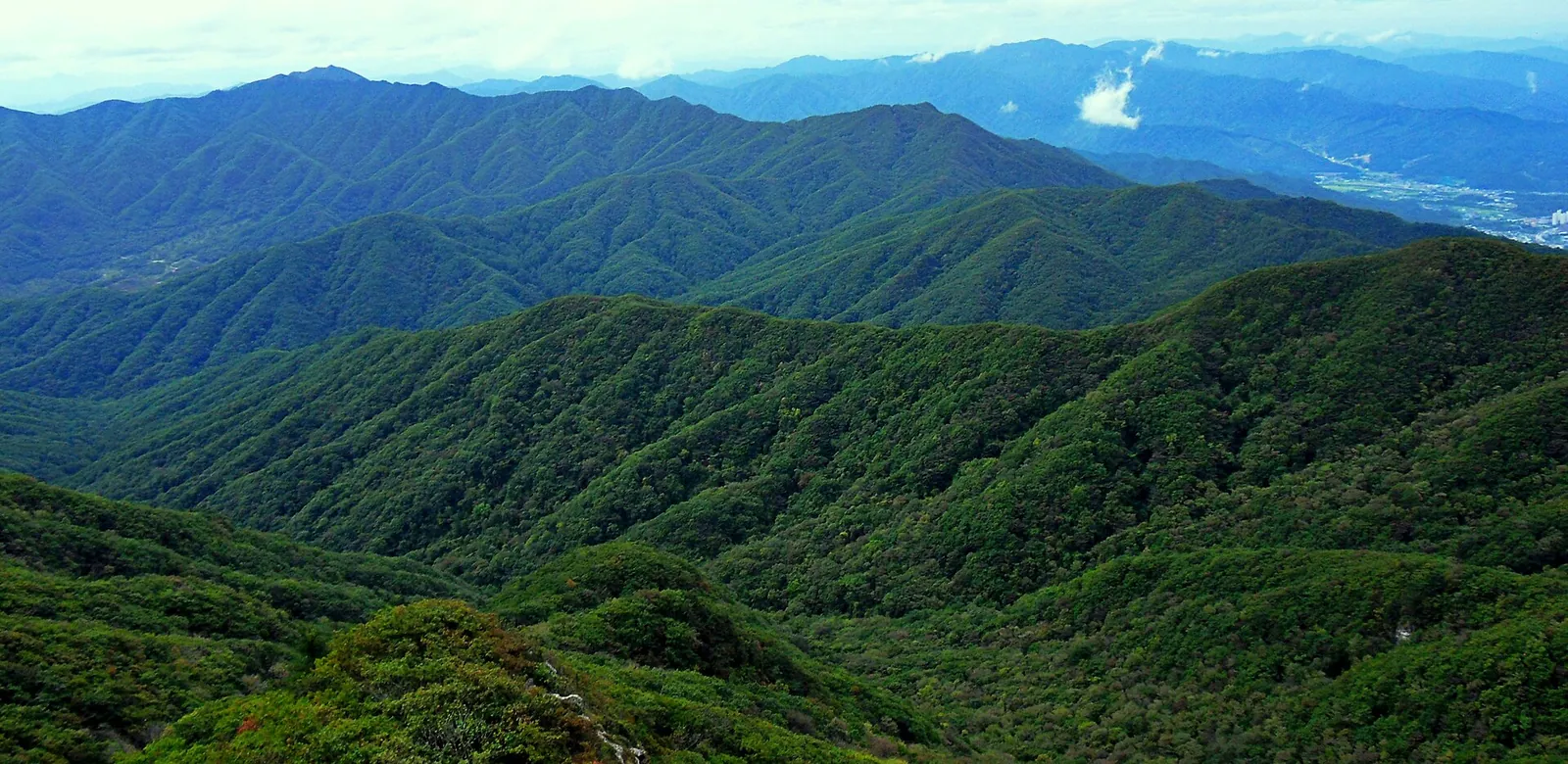
Chiaksan, designated a national park in 1984, has several peaks above 1,000 metres. Its highest point, Birobong, reaches 1,288 metres, and a 14-kilometre ridge trail links it with Namdaebong in the south. VisitKorea names Guryongsa Temple, Seryeompokpo Falls, Geumdaegyegok Valley and the rock formations as the main draws, with azaleas in spring and strong colour in autumn. Trails can close at short notice in bad weather, so check the park's status before setting out.
Guryongsa lies about 6 kilometres from Birobong, towards Hakgok-ri. Tradition credits the monk Uisang with founding it in 668, though VisitKorea notes that the architecture of its main hall, Daeungjeon, dates the present temple to after the reign of King Sukjong in the Joseon period. A legend says the site was a lake where nine dragons lived, which gives the temple its name. VisitKorea listed it as open from sunrise to sunset.
The temple and the valley path below it make an easy outing; the summit is a long hiking day that needs an early start, proper boots and water. If you want to stay on the mountain, the Chiaksan Recreational Forest in Panbu-myeon has cabins for three to ten people, booked through the national forest booking site.
A workable one- or two-day plan
This is an editorial suggestion, not a timetable. Check the day's opening hours and the last cable car before you set off, and avoid Mondays.
- Day 1 morning — Sogeumsan: arrive at Manjong Station, go straight to Sogeumsan Grand Valley for the 09:00 opening and cross both bridges before the midday crowds.
- Day 1 afternoon — Museum SAN: lunch, then the museum with a James Turrell Hall slot booked for the middle of the afternoon; leave most of the afternoon for the walk between the halls.
- Day 1 evening: return to Seoul by KTX from Manjong, or move downtown for dinner near Jungang Market and an evening walk at Gangwon Gamyeong.
- Day 2 (optional) — Chiaksan: the Guryongsa entrance in the morning, the temple and the valley path, and back to town for a late lunch before the train or bus.
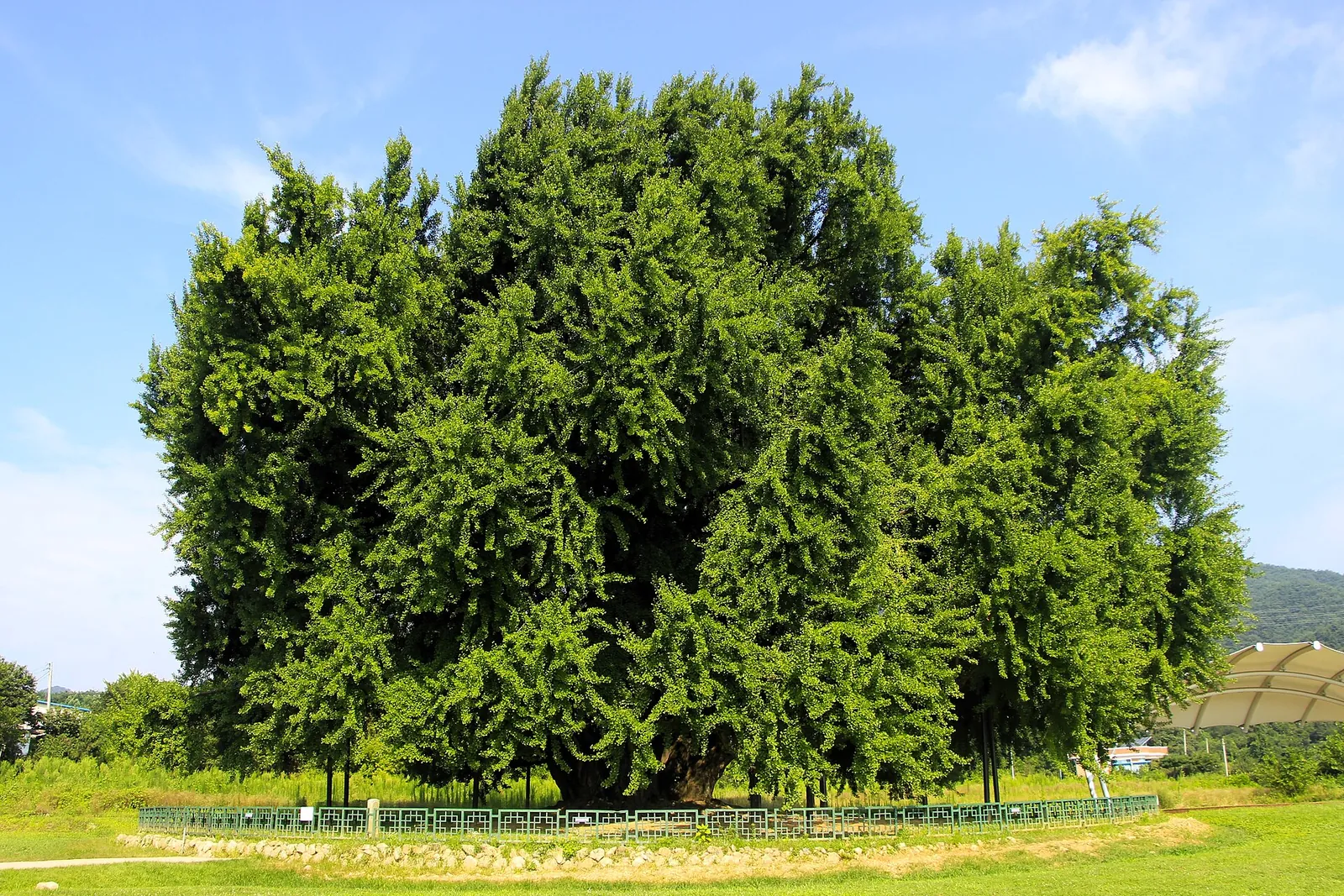
- Autumn detour: the Bangye-ri ginkgo in Munmak-eup, which VisitKorea estimates at more than 800 years old and around 33 metres tall, is free to visit and open at all hours.
Getting there and getting around
VisitKorea's Oak Valley feature (July 2024) listed 15 KTX departures a day from Seoul Station to Manjong Station, taking about 1 hour 10 minutes. The Gangneung Line from Cheongnyangni to Gangneung also runs through Wonju (VisitKorea names Seowonju among its stops), so the city fits neatly into a route east to the coast. Express and intercity buses run from Seoul Express Bus Terminal and Dong Seoul Terminal to Wonju; check current times on the operators' booking sites.
Inside Wonju, the main sights sit on the edges of the city rather than in the centre, so plan on taxis or the Wonju City Tour Bus between them. Museum SAN lists city tour bus stops in front of Manjong Station, about 100 metres from Wonju Station's exit, and in front of the intercity bus terminal. It also says its paid shuttle bus from Seoul is currently suspended. If you drive, both Museum SAN and Sogeumsan have free parking, but the museum warns that its 196 spaces fill early at weekends and on holidays.
Practical questions
Can I visit Museum SAN and Sogeumsan Grand Valley on the same day?
Yes. Both are in Jijeong-myeon on the western side of Wonju. Do the bridges at the 09:00 opening and the museum in the afternoon, remembering that the museum stops selling tickets at 17:00. Neither opens on Mondays.
Do I need to book Museum SAN in advance?
Not for the Basic Pass, but the James Turrell Hall, the Meditation Hall and GROUND run timed entries with limited places. The museum takes online and same-day reservations; booking online is the safer choice at weekends.
How do I get to Wonju from Seoul?
By KTX from Seoul Station to Manjong Station, which VisitKorea put at about 1 hour 10 minutes, or by express or intercity bus from Seoul Express Bus Terminal or Dong Seoul Terminal. From the station or terminal, take a taxi or the Wonju City Tour Bus to the sights.
Is Sogeumsan suitable if I am nervous about heights?
The bridges hang about 100 metres up and parts of the Ulleong Bridge have a glass floor, so it is not for everyone. The cable car and escalator remove most of the climb, and there is a protective deck at the entrance of the first bridge where you can judge it before committing.
Is Wonju worth a stay of its own, or only a day trip?
A day covers the museum and the bridges. Stay a night if you want Chiaksan National Park and Guryongsa, the Naora night show at Sogeumsan in spring or autumn, or a slower evening in the market and at Gangwon Gamyeong.
What is the best time of year to visit?
Spring and autumn, for the gardens, the river views and the night show. VisitKorea's 2026 forecast expected peak autumn colour nationwide from mid-October to early November. From November to March, Sogeumsan closes an hour earlier, at 17:00.
Sources and checks before you travel
Reference sources for the version dated 3 October 2026. Confirm opening times, access, transport and conditions for your travel dates.
- Museum SAN: visitor information and directions ↗ — opens in a new tab
- VisitKorea: Museum SAN (Meditation Hall) ↗ — opens in a new tab
- VisitKorea: Museum SAN and the Hansol Cultural Foundation ↗ — opens in a new tab
- VisitKorea: Sogeumsan Mountain Grand Valley ↗ — opens in a new tab
- VisitKorea: Wonju Sogeumsan Suspension Bridge ↗ — opens in a new tab
- VisitKorea: Wonju Sogeumsan Ulleong Bridge ↗ — opens in a new tab
- VisitKorea: Ganhyeon Tourist Area ↗ — opens in a new tab
- VisitKorea: Gangwon wellness destinations (updated October 2026) ↗ — opens in a new tab
- VisitKorea: Museum SAN Meditation Hall (wellness feature) ↗ — opens in a new tab
- VisitKorea: Oak Valley Resort ↗ — opens in a new tab
- VisitKorea: Wonju Jungang Market ↗ — opens in a new tab
- VisitKorea: Maze Art Wonju Jungang Market ↗ — opens in a new tab
- VisitKorea: Gangwongamyeong Provincial Office ↗ — opens in a new tab
- VisitKorea: Wonju Hanji Theme Park ↗ — opens in a new tab
- VisitKorea: Chiaksan National Park ↗ — opens in a new tab
- VisitKorea: Guryongsa Temple ↗ — opens in a new tab
- VisitKorea: Chiaksan Recreational Forest ↗ — opens in a new tab
- VisitKorea: Wonju Bangye-ri Ginkgo Tree ↗ — opens in a new tab
- VisitKorea: Rice with mulberry leaves (ppongnipbap) ↗ — opens in a new tab
- VisitKorea: Taste the soul foods of Korea ↗ — opens in a new tab
- VisitKorea: Jangsu Ttukbaegi (Wonju) ↗ — opens in a new tab
- VisitKorea: Hoengseong Hanu Maeul ↗ — opens in a new tab
- VisitKorea: Hoengseong Hanu Festival ↗ — opens in a new tab
- VisitKorea: 2026 fall foliage forecast ↗ — opens in a new tab
- VisitKorea: Train ↗ — opens in a new tab
- VisitKorea: Express bus and intercity bus ↗ — opens in a new tab
- VisitKorea: Airport transportation ↗ — opens in a new tab
- VisitKorea: Domestic flights ↗ — opens in a new tab
Does this experience fit your route?
If you would rather not plan the trains and taxis yourself, a day trip from Seoul is the simplest option. Before booking, check that the itinerary really stops at Museum SAN or Sogeumsan and does not run on a Monday.
Browse relevant experiences on Viator ↗ — opens in a new tabAffiliate link · Book with ViatorPhoto credits
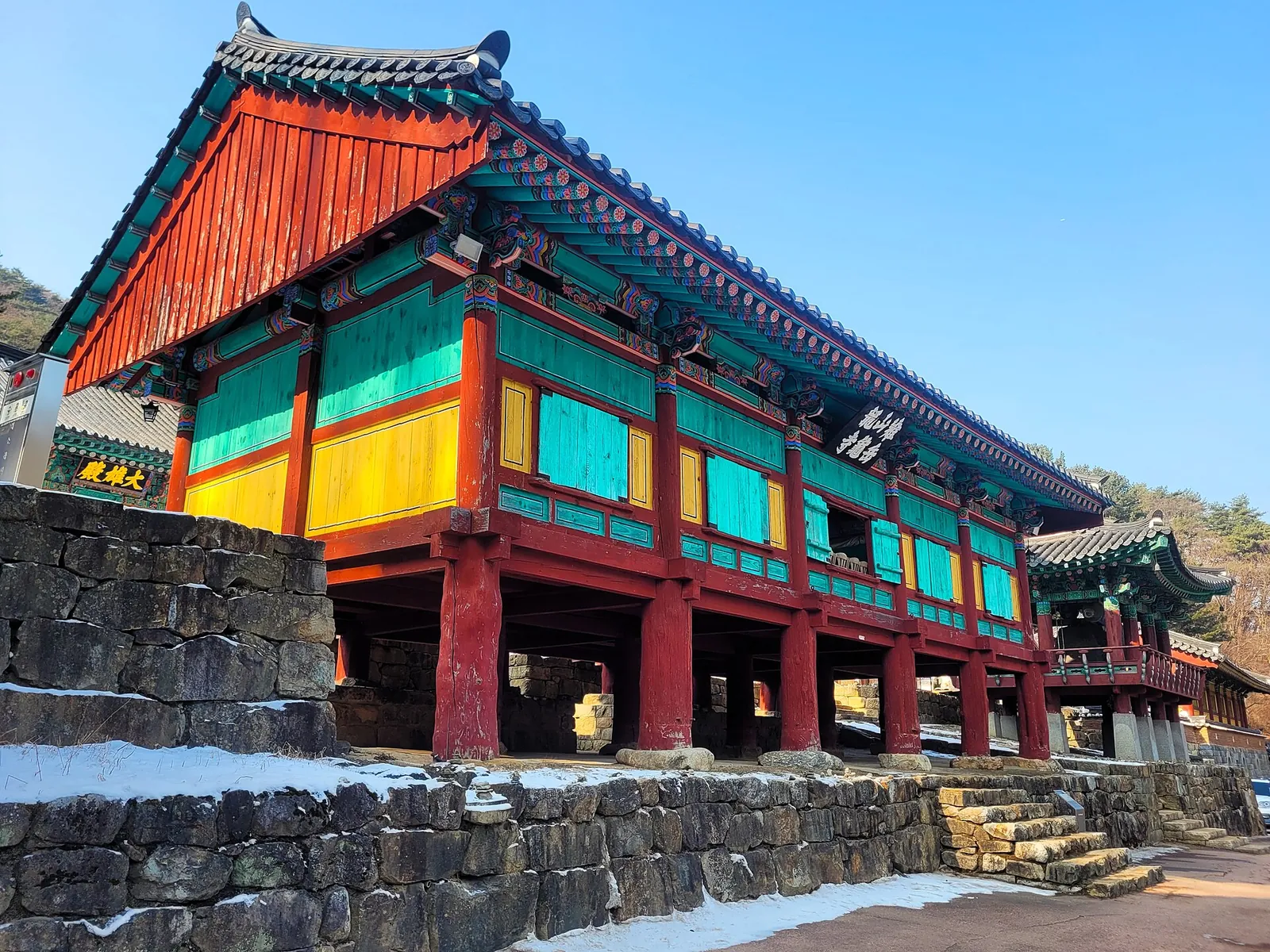
Bogwangru Pavilion at Guryongsa Temple, inside Chiaksan National Park on Wonju's eastern edge
Photograph: Trainholic — opens in a new tab · CC BY 4.0 — opens in a new tab
Changes: Resized and converted to WebP; displayed with responsive crops. · Original photograph and licence details ↗ — opens in a new tab
Chiaksan National Park seen from Birobong, its 1,288-metre highest peak
Photograph: Ashy Minivet — opens in a new tab · CC0 — opens in a new tab
Changes: Resized and converted to WebP; displayed with responsive crops. · Original photograph and licence details ↗ — opens in a new tab
Gangwon Gamyeong, the restored provincial governor's office in central Wonju, in the evening
Photograph: Pixelpito — opens in a new tab · CC BY-SA 4.0 — opens in a new tab
Changes: Resized and converted to WebP; displayed with responsive crops. · Original photograph and licence details ↗ — opens in a new tab
The Bangye-ri ginkgo in Munmak-eup, Wonju, estimated at more than 800 years old
Photograph: Trainholic — opens in a new tab · CC BY 4.0 — opens in a new tab
Changes: Resized and converted to WebP; displayed with responsive crops. · Original photograph and licence details ↗ — opens in a new tab
Hoengseong hanu beef, the prized Korean beef of the county next to Wonju
Photograph: 김영화 — opens in a new tab · CC BY 2.0 — opens in a new tab
Changes: Resized and converted to WebP; displayed with responsive crops. · Original photograph and licence details ↗ — opens in a new tab
The street side of Wonju Jungang Market, whose upper floor holds the Maze Art Market
Photograph: 슐라 — opens in a new tab · CC BY-SA 4.0 — opens in a new tab
Changes: Resized and converted to WebP; displayed with responsive crops. · Original photograph and licence details ↗ — opens in a new tab