Seoul and the Capital Area · Gyeonggi
Icheon travel guide: pottery villages, rice set meals and hot springs
Icheon, about an hour by road south-east of Seoul in Gyeonggi-do, is where Korea's working potters cluster. The city counts about 420 workshops making celadon, white porcelain, buncheong ware and clay pots, mostly small studios that still value the potter's wheel and wood-fired kilns. They are spread across two pottery districts in the north of the city rather than one museum quarter, and the other things Icheon is known for — rice once sent to the royal court, served in stone-pot set meals, and the spas on its southern side — are separate again. The decisions that matter are which pottery district to give your time to, whether to book a class, and how to get between places that are kilometres apart.
- Suggested time
- 1 day; 1 night with a hot spring stop
- Where to stay
- Downtown Icheon for buses and restaurants; a spa hotel if the hot spring is the point of the night
- Season and timing
- The Icheon Ceramics Festival fills the pottery villages from late April to early May (24 April to 5 May in 2026), and the rice festival has been held in October, after the harvest (16 to 20 October in 2024). Ye's Park also holds ceramics discount sales in spring and autumn. The rest of the year is quieter, which suits a class or an unhurried browse; check workshop opening days before you go.
The short answer
One day from Seoul is enough for a pottery village, a clay class or a museum, and an Icheon rice set meal. Take an express bus from Seoul Express Bus Terminal or Dong Seoul Terminal to Icheon, or the Gyeonggang Line, then local buses or taxis between the pottery districts. Stay one night only if you want to add a spa such as Termeden or Miranda, or come for the April–May ceramics festival or the October rice festival. Sleep downtown near the terminal for buses, or by the spa you have chosen.
Day trip or a night with the hot springs
Icheon works as a day trip because the core of a visit — an hour or two in the workshops, a class or the ceramic museum, and a rice lunch — fits between a morning bus out of Seoul and an evening bus back. What makes it awkward is distance, not time: Icheon is a spread-out city of farmland and small towns, and its pottery districts, museum park, rice restaurants and spas are not within walking distance of each other. Plan on taxis or local buses between them, and pick two or three stops rather than trying to see everything.
Stay a night if you want to add a soak. The city lists two spa resorts in the south of the municipality, Termeden and Miranda, as both a sight and a place to stay, and its own one-night course pairs Seolbong Park, the pottery village rice restaurants and the hot springs. Otherwise, a room downtown keeps you close to Icheon's bus terminal and the restaurants of the town centre, and you can leave the spa for the morning.
The two pottery districts: Sagimakgol and Ye's Park
Icheon's potters are concentrated in two areas a few kilometres apart in Saeum-dong and Sindun-myeon, in the north of the city. Sagimakgol Pottery Village is the older one: the city describes it as the area along national road 3, around 2995 Gyeongchung-daero, where potters worked to revive lost techniques for reproducing Goryeo celadon and Joseon white porcelain. It is a working district rather than a theme park — large and small pottery shops line the road, and you can spot kilns tucked into the lanes behind them. Look for the big Sagimakgol signboard on the main road.
Ye's Park (Icheon Ceramic Arts Village) is the newer, purpose-built village in Sindun-myeon. VisitKorea describes many separate workshops, each with its own style, where you can look round and buy freely, plus cafés, and some studios that run pottery-making sessions. When we checked on 3 October 2026, VisitKorea listed the village as open 24 hours with free entry, opening days varying by shop, and fees charged only for the experience programmes; its two English pages give different street addresses (109 Dojayesul-ro 5beon-gil and 123 Dojayesul-ro 62beon-gil), so navigate by the name. Ye's Park also holds regular ceramics discount events in spring and autumn.
If you only have time for one, choose Ye's Park for cafés, a class and many studios close together, and Sagimakgol for an older roadside potters' district. The city's own day course links them — Seolbong Park, then 3.7 km to Sagimakgol, 2.1 km to the rice restaurant street and 4.4 km on to Ye's Park — which is a reasonable order by taxi.
Prices, opening days and what each studio sells vary from workshop to workshop. Ask before photographing a potter at work, and handle pieces as if they were already yours: much of what is on the shelves is handmade.
Make time for the local food
What to eat and where to look
Icheon ssalbap jeongsik (rice set meal)
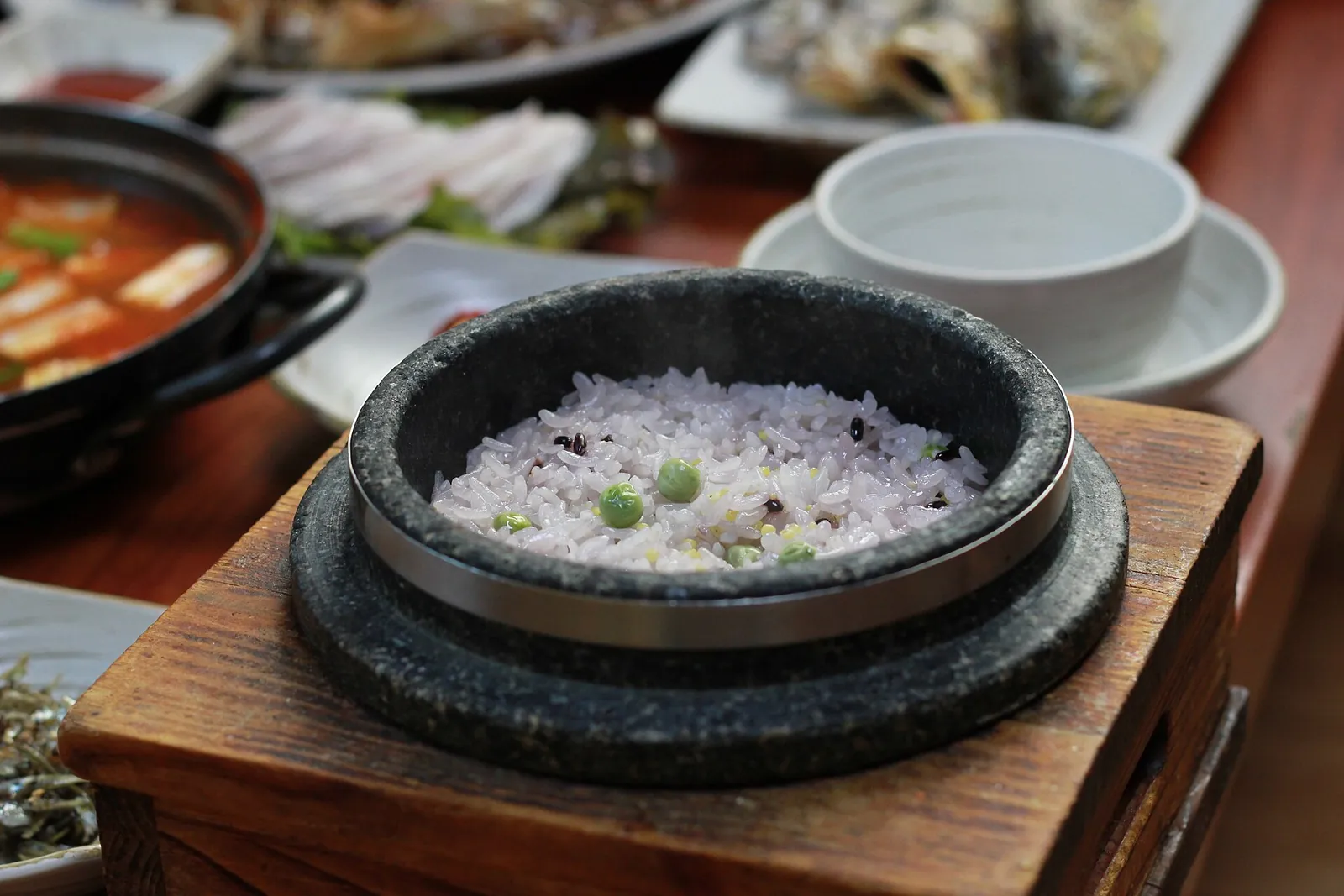
Icheon's signature meal. VisitKorea describes rice from local paddies cooked to order in a stone pot, served with a pork dish, grilled fish and a spread of vegetable side dishes; the point is the glossy, freshly cooked rice. The region markets its rice as 'King's Rice', and VisitKorea notes it was once served to Korea's kings.
- Where to look
- The restaurant strip the city calls the pottery village rice street, between Sagimakgol and Ye's Park, and the restaurants along Gyeongchung-daero, which VisitKorea says range from large hanok to small houses. In Majang-myeon, VisitKorea lists Masan Agu Icheon Ssalbap, a family-run set-meal restaurant.
- Fit it into your day
- Lunch between the two pottery districts. When we checked, VisitKorea listed Masan Agu Icheon Ssalbap as open 11:00 to 21:00 with a 15:00–16:00 break, last order at 20:00, and closed on Mondays.
Rice cooked to order in a stone pot takes a while, so do not arrive minutes before a bus. Side dishes vary by restaurant and usually include fish.
Gejang and braised fish at the set-meal houses
The bigger Icheon rice restaurants serve seafood mains alongside the set meal. VisitKorea's listing for Masan Agu Icheon Ssalbap, for example, names braised cutlassfish, braised silver pomfret, blue crab soup, spicy braised monkfish and soy sauce-marinated crab (ganjang gejang), and its set-meal side dishes include acorn jelly salad, braised tofu, grilled Atka mackerel and japchae.
- Where to look
- Rice set-meal restaurants around the pottery villages and in Majang-myeon; check each menu, as dishes vary from house to house.
- Fit it into your day
- Order one main to share with the rice set if you are two or more; VisitKorea notes a four-person special set at Masan Agu.
Ganjang gejang is raw crab marinated in soy sauce; skip it if you avoid raw shellfish. Braised fish is served whole, with bones.
Icheon rice cream buns
VisitKorea describes the Heungmanso bakery's cream buns as made without wheat flour or gluten, using only Icheon rice, with a cream filling studded with chewy rice grains and flavours such as corn, bean powder and black sesame.
- Where to look
- Heungmanso, 3 Hyanggyo-ro, Icheon-si, in the town centre.
- Fit it into your day
- A snack or a box to take back to Seoul. VisitKorea's guide gave about 3,000 won for the plain rice cream bun and about 4,000 won for the flavoured ones; check current prices in the shop.
Cream-filled, so not one to carry around all day in summer.
Making something: clay classes and Icheon Cerapia
The easiest structured pottery activity is at Icheon Cerapia, the ceramics complex run by the Korea Ceramic Foundation in Seolbong Park. Its main building, the Icheon World Ceramic Center, holds about 2,000 contemporary ceramic works from around the world and hosts the Korean International Ceramic Biennale. When we checked on 3 October 2026, the Korea Ceramic Foundation's English site listed opening hours of 10:00 to 18:00 with last admission at 17:00, closure on Mondays and 1 January (when a public holiday falls on a Monday, it opens that day and closes on Tuesday instead), and admission of 3,000 won for adults and 2,000 won for visitors aged 18 and under; during the biennale, the biennale's own fees apply.
Cerapia's Clay Play classroom runs short hands-on sessions — decorating a glazed wind chime or plate, painting traditional ceramics with cobalt blue — from Tuesday to Sunday. The foundation listed three daily class times (10:00, 13:00 and 15:00) and asked visitors to reserve at least three days ahead by phone on 031-645-0761; it is closed on Mondays, New Year's Day, Seollal and Chuseok. Confirm which programme runs on your date.
For wheel-throwing or hand-building, book directly with a studio in Ye's Park or Sagimakgol; the city's tourism FAQ points visitors to Ye's Park, Sagimakgol and Cerapia for pottery experiences and tells them to contact each one. VisitKorea notes that some one-day class workshops will dry, glaze, fire and airmail your finished piece, so you do not have to wait in Korea for it. Ask about that, the session length and whether the instructor speaks English when you book.
Seolbong Park and the rest of the town
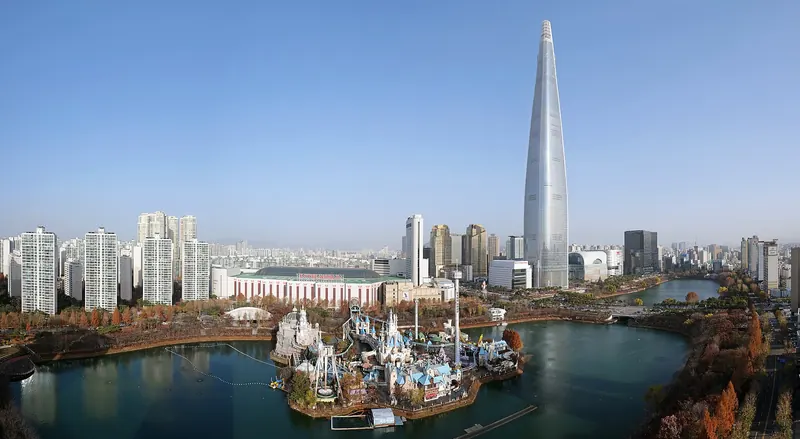
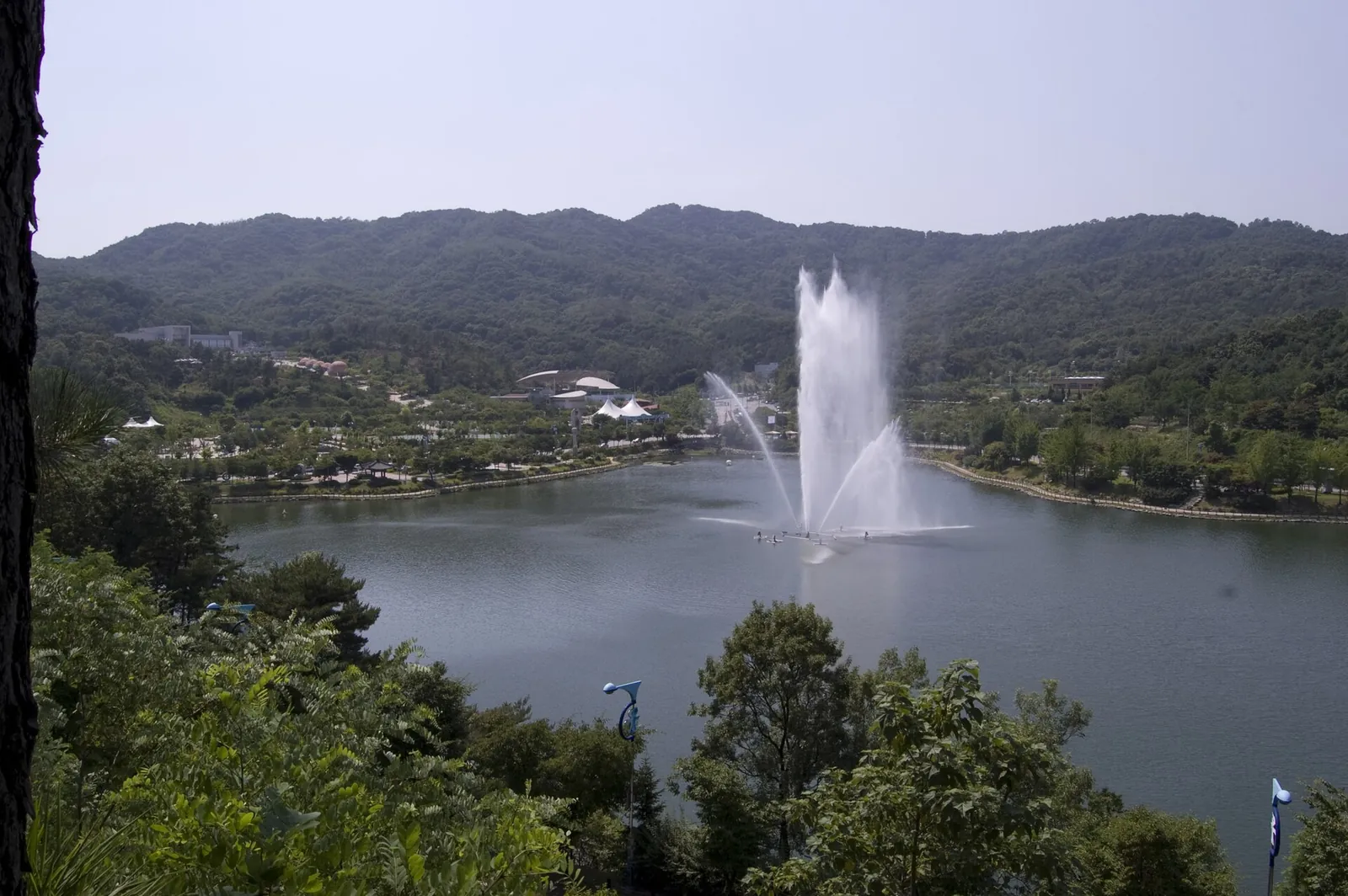
Seolbong Park, at the foot of Seolbongsan on the western edge of the centre, is the venue for Cerapia, the Gyeonggi International Ceramic Biennale and, according to VisitKorea, Icheon's ceramics and rice festivals. Outside festival time it is a local park built around Seolbongho, a reservoir about 1.05 km round with a high fountain and an international sculpture park along the shore, according to the city. The Woljeon Museum of Art, dedicated to the artist Woljeon Chang Woo-soung, is in the same park; when we checked, VisitKorea listed it as open 10:00 to 18:00, closed on Mondays, with an adult ticket of 2,000 won.
Seolbongsan itself (394 m) has an easy, well-kept walking trail, rock formations, springs and temples, and a fortress site that the city includes in its one-night course. It is a good way to spend a spare hour or two if you have a late bus.
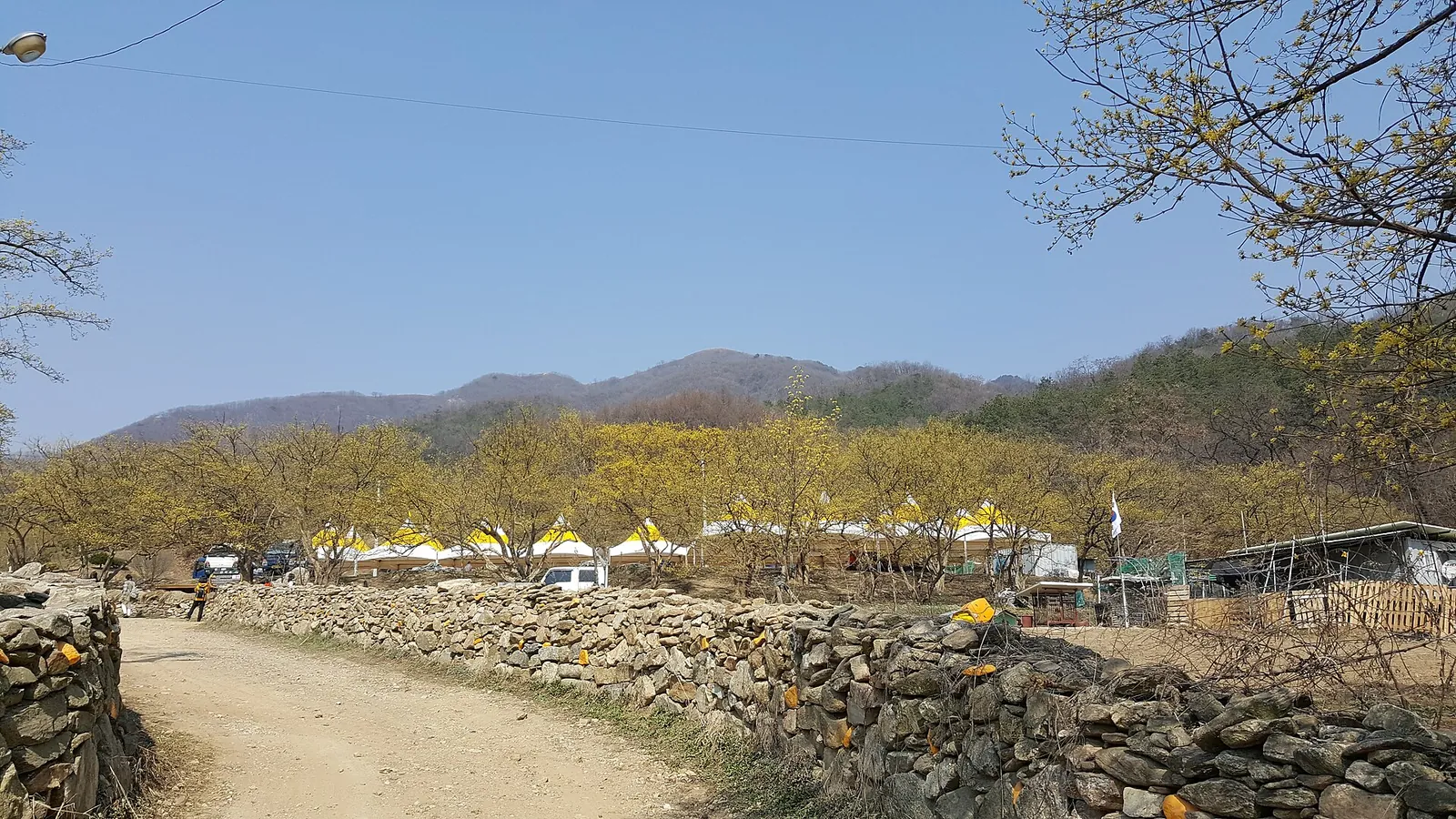
In spring, the Sansuyu (cornelian cherry) villages around Baeksa-myeon on the north side of the city turn yellow; the city describes a 100-minute loop trail from the Sansuyu parking lot up Wonjeoksan and back past the Yukgoejeong pavilion and Yeongwonsa temple.
Hot springs and spas
The city groups Icheon's spas with its southern tour area, well away from the pottery districts, so treat them as a separate stop. Termeden, at 984 Sasil-ro in Moga-myeon, is described by VisitKorea as Korea's first German-style spa resort: a complex of about 30,000 square metres next to a forest, built around a large bade pool with water jets for massage, a hot spring spa and a 120 cm-deep current pool. When we checked on 3 October 2026, VisitKorea listed it as open all year, with hours varying by day and facility and ticket prices varying by date and time; check termeden.com before you go.
The city's tourism pages also list Miranda Spa Plus among Icheon's accommodation and group it with Termeden as 'Icheon Hot Springs'. We could not reach either spa's own site, so check current opening hours, swimwear rules and prices with the operator.
Getting there and getting around
By bus, VisitKorea lists Icheon among the destinations served from Seoul Express Bus Terminal (Express Bus Terminal Station, subway lines 3, 7 and 9) and Dong Seoul Terminal (Gangbyeon Station, line 2). Express and intercity buses can leave from different terminals, so check kobus.co.kr or txbus.t-money.co.kr for the departure you want.
By rail, Icheon has three stations on the Gyeonggang Line — Icheon, Sindundoyechon (신둔도예촌, closest to the pottery district) and Bubal — and Bubal is also on the Jungbu Naeryuk KTX line, according to the city's transport pages. For Seolbong Park, the Korea Ceramic Foundation's biennale directions suggested Icheon Station and local bus 8; they date from 2021, so check routes in a map app on the day.
Between the pottery districts, the park and the rice restaurants, taxis save a lot of time. Icheon's local bus timetables are published by the city in Korean only.
A workable Icheon day
This is an editorial suggestion, not a timetable. Check workshop and museum closing days — Cerapia and some restaurants close on Mondays.
- Morning: bus or train from Seoul; start at Ye's Park while the studios are quiet, or at Cerapia if you have booked a class.
- Lunch: an Icheon rice set meal at one of the restaurants near the pottery villages, on the city's 'pottery village rice street'.
- Afternoon: browse Sagimakgol's roadside shops, then Seolbong Park for the lake and the ceramic museum.
- Evening: bus back to Seoul, or a taxi to a spa and a night in Icheon.
Practical questions
Is Icheon worth a day trip from Seoul?
Yes, if you are interested in Korean ceramics or want to make something yourself. One day covers a pottery village, a class or the Cerapia museum and a rice set meal. Plan taxis between stops, because the sights are spread out.
Which pottery village should I visit, Sagimakgol or Ye's Park?
Ye's Park has many studios, cafés and class options close together. Sagimakgol is the older district along the main road, with pottery shops and kilns. The city's own day course visits both, along with the rice restaurant street between them.
Can I take a pottery class in Icheon in English?
Some studios in Ye's Park and Sagimakgol run classes, and Cerapia runs short decorating sessions from Tuesday to Sunday that should be booked at least three days ahead. Ask each studio about language, session length and whether they can fire and post your piece.
When is the Icheon Ceramics Festival?
VisitKorea listed the 40th festival from 24 April to 5 May 2026, from 10:00 to 18:00, at Ye's Park and Sagimakgol, with exhibitions, wheel workshops and sales by more than 240 studios. Entry was free.
How do I get to Icheon from Seoul?
Express or intercity buses run from Seoul Express Bus Terminal and Dong Seoul Terminal, according to VisitKorea. The Gyeonggang Line also stops at Icheon, Sindundoyechon and Bubal stations.
Where are Icheon's hot springs?
Termeden, a German-style spa resort, is in Moga-myeon in the south of the city; the city also lists Miranda Spa Plus. Both are a taxi ride from the pottery districts, so most visitors pair them with an overnight stay.
Sources and checks before you travel
Reference sources for the version dated 3 October 2026. Confirm opening times, access, transport and conditions for your travel dates.
- Icheon City: Icheon Pottery History ↗ — opens in a new tab
- Icheon City tourism: Sagimakgol Pottery Village (Korean) ↗ — opens in a new tab
- Icheon City: recommended day trip and one-night courses ↗ — opens in a new tab
- Icheon City: northern and southern tour courses ↗ — opens in a new tab
- Icheon City: Sansuyu Trail ↗ — opens in a new tab
- Icheon City tourism: Seolbong Lake (Korean) ↗ — opens in a new tab
- Icheon City tourism FAQ (Korean) ↗ — opens in a new tab
- Icheon City: Gyeonggang Line and Jungbu Naeryuk Line (Korean) ↗ — opens in a new tab
- Korea Ceramic Foundation: Icheon Cerapia ↗ — opens in a new tab
- Korea Ceramic Foundation: Icheon Cerapia visitor information ↗ — opens in a new tab
- Korea Ceramic Foundation: Cerapia clay classes ↗ — opens in a new tab
- Korea Ceramic Foundation: directions ↗ — opens in a new tab
- VisitKorea: Icheon Ye's Park ↗ — opens in a new tab
- VisitKorea: Ceramic-making classes ↗ — opens in a new tab
- VisitKorea: Icheon Ceramics Festival ↗ — opens in a new tab
- VisitKorea: Seolbong Park ↗ — opens in a new tab
- VisitKorea: Woljeon Museum of Art Icheon ↗ — opens in a new tab
- VisitKorea: Seolbongsan Mountain ↗ — opens in a new tab
- VisitKorea: Termeden Spa & Resort ↗ — opens in a new tab
- VisitKorea: Icheon steamed rice set menu ↗ — opens in a new tab
- VisitKorea: Masan Agu Icheon Ssalbap ↗ — opens in a new tab
- VisitKorea: Icheon Rice Cultural Festival ↗ — opens in a new tab
- VisitKorea: Four coveted items of Gyeonggi-do ↗ — opens in a new tab
- VisitKorea: Express bus and intercity bus ↗ — opens in a new tab
Does this experience fit your route?
Icheon is easy enough on your own by bus and taxi. A guided day from Seoul makes sense if you want transport between the pottery districts handled for you — check how much time it leaves in the studios.
Browse relevant experiences on Viator ↗ — opens in a new tabAffiliate link · Book with ViatorPhoto credits
Seolbong Park's lake and fountain, at the foot of Seolbongsan on the edge of central Icheon
Photograph: Mikhail Kim — opens in a new tab · CC BY-SA 2.0 — opens in a new tab
Changes: Resized and converted to WebP; displayed with responsive crops. · Original photograph and licence details ↗ — opens in a new tab
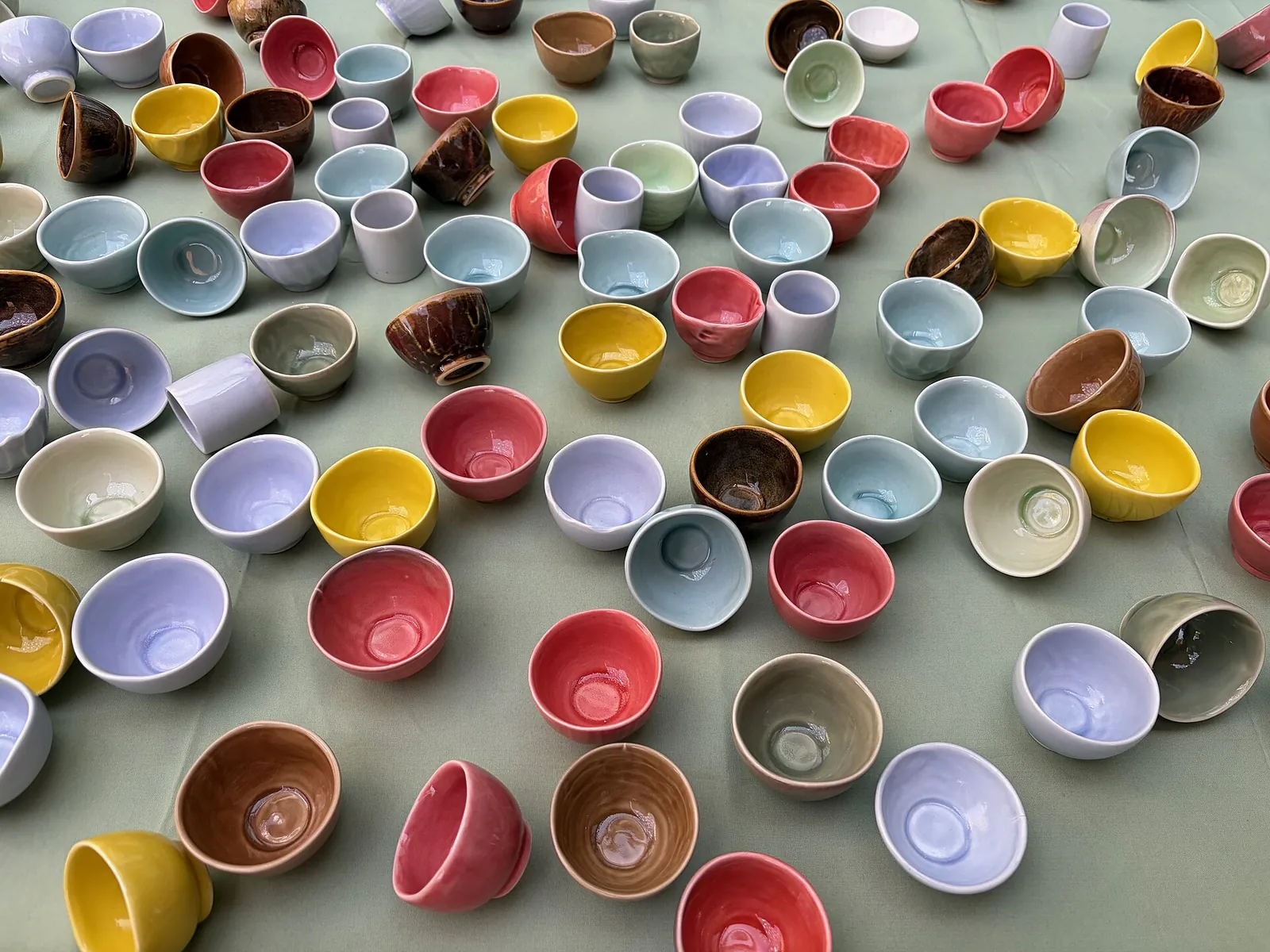
Glazed bowls on display at the Icheon Ceramics Festival in April 2026
Photograph: Real rism — opens in a new tab · CC BY-SA 4.0 — opens in a new tab
Changes: Resized and converted to WebP; displayed with responsive crops. · Original photograph and licence details ↗ — opens in a new tab
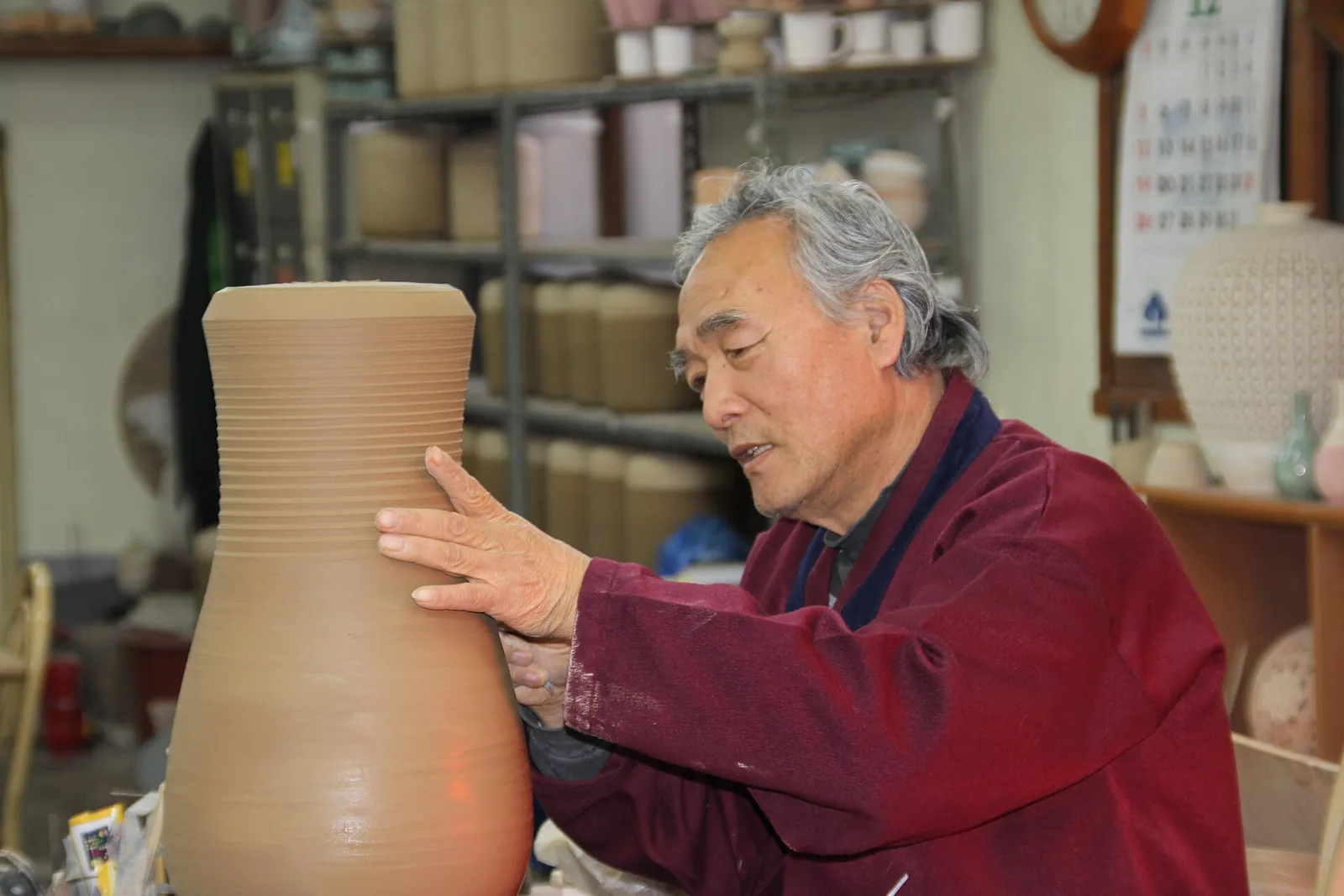
A master potter shaping a vase in an Icheon workshop
Photograph: Steve Bozak — opens in a new tab · CC BY 2.0 — opens in a new tab
Changes: Resized and converted to WebP; displayed with responsive crops. · Original photograph and licence details ↗ — opens in a new tab
Dolsotbap, rice cooked in a stone pot, the centre of the set meals Icheon's rice restaurants serve
Photograph: SOSEONHONG — opens in a new tab · CC0 — opens in a new tab
Changes: Resized and converted to WebP; displayed with responsive crops. · Original photograph and licence details ↗ — opens in a new tab
A lane in Icheon's Sansuyu village in late March, when the cornelian cherry trees flower
Photograph: Jocelyndurrey — opens in a new tab · CC BY-SA 4.0 — opens in a new tab
Changes: Resized and converted to WebP; displayed with responsive crops. · Original photograph and licence details ↗ — opens in a new tab