Plan your trip · South Korea
Vegetarian and vegan South Korea: hidden fish, temple food, where to eat
South Korea looks easy for vegetarians at first: every table fills with small vegetable side dishes, and bibimbap arrives covered in greens. The catch is what you cannot see. Kimchi is traditionally seasoned with fermented seafood, many soups and noodle dishes start from an anchovy and kelp stock, and some famous bibimbap is made with rice cooked in beef broth. At the same time, the country has one of Asia's deepest plant-based traditions in its Buddhist temple food, and Seoul now has a dense spread of vegan restaurants. A good trip uses both: dedicated vegan and temple-food kitchens for most meals, and careful questions everywhere else.
- Suggested time
- Any length; plan a templestay night and one temple-food meal per week
- Where to stay
- Jongno (Insa-dong and Anguk) or Itaewon in Seoul; temple towns and hanok villages outside the capital
- Season and timing
- Any time of year. Wild-vegetable dishes change with the seasons, and temple-food courses follow seasonal menus; restaurants close around Seollal and Chuseok.
The short answer
Plan most of your meals in places that are vegan or vegetarian by design, and treat ordinary Korean restaurants as the exception, not the rule. In Seoul, stay in Jongno (Insa-dong and Anguk) for the temple-food restaurant Balwoo Gongyang, the Korean Temple Food Center and vegan Korean cooking in Ikseon-dong and Seochon, or in Itaewon, where several vegan restaurants are clustered around Bogwang-ro. Outside Seoul, build days around temples and wild-vegetable (sanchae) restaurants, and book at least one night of templestay, where meals follow Buddhist temple-food rules. Assume kimchi, broths and soups contain seafood unless you are told otherwise, and carry the Korean phrases below.
Base yourself where the vegan kitchens are
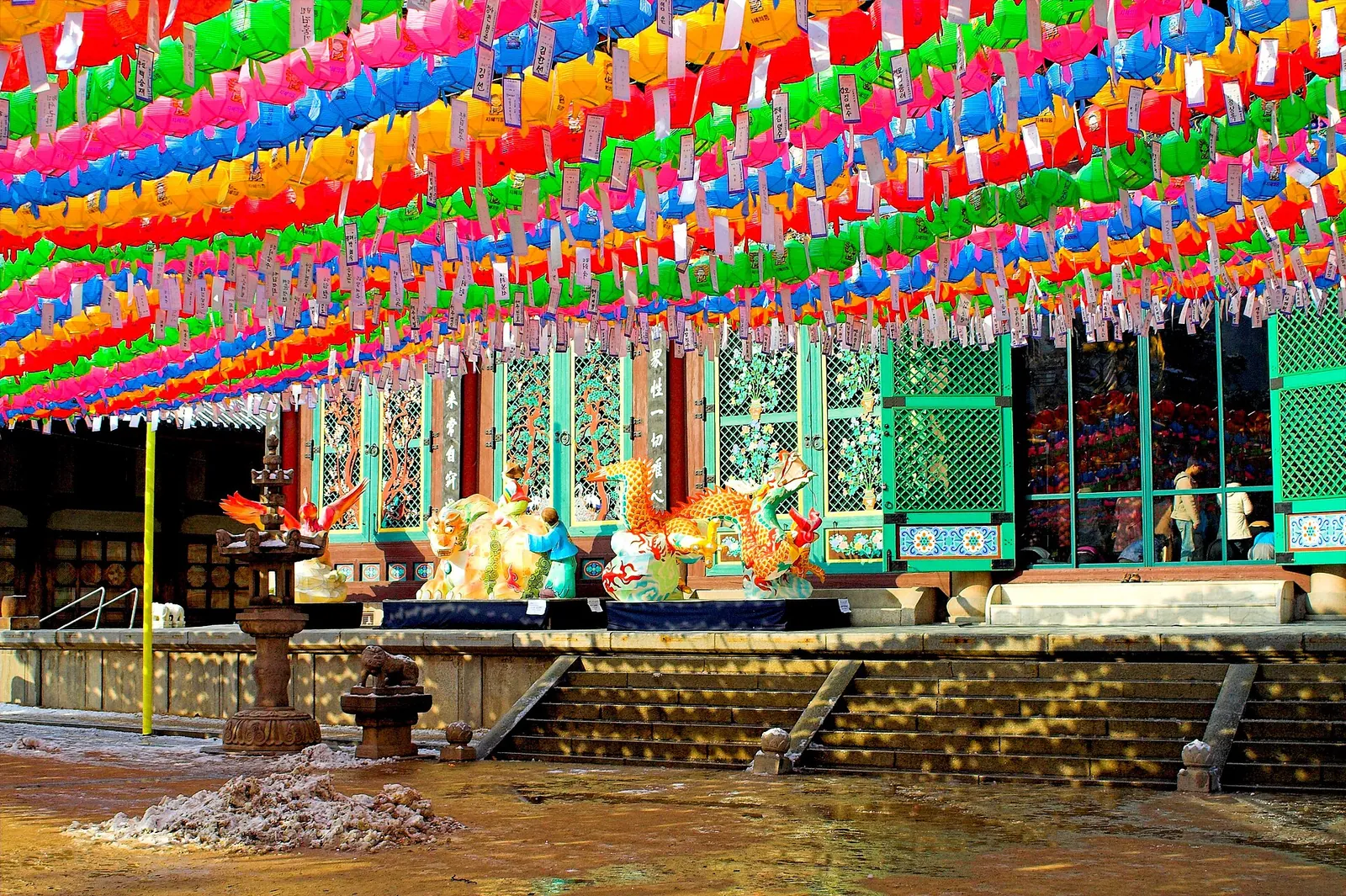
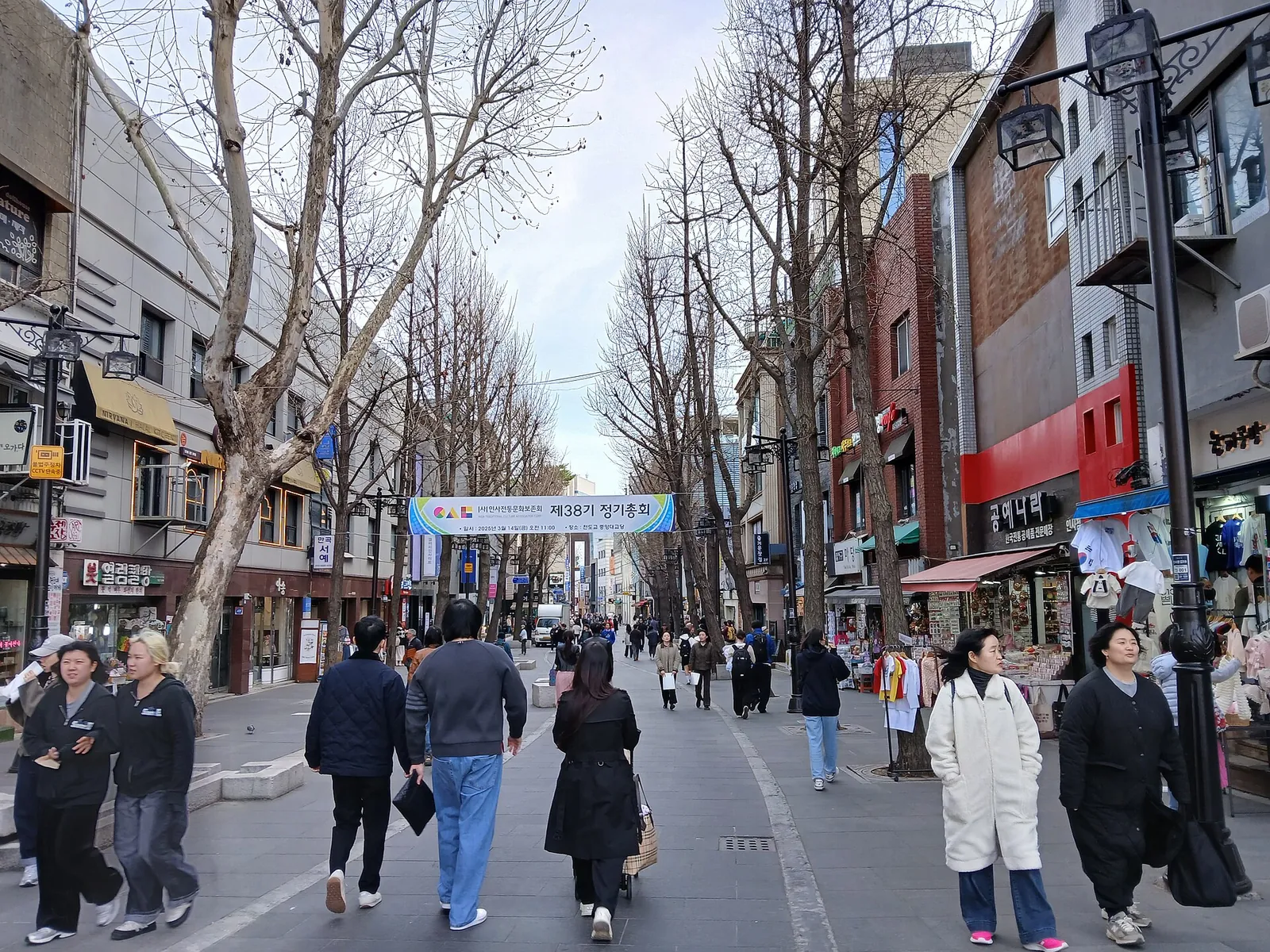
In Seoul, the choice of district decides how easy your meals will be. Jongno, the old centre, is the best base for temple food. Balwoo Gongyang, the restaurant run by the Jogye Order of Korean Buddhism, is on the fifth floor of the Templestay Information Center opposite Jogyesa Temple; its own site gives the way as three minutes from exit 6 of Anguk Station on Line 3. The Korean Temple Food Center, with its exhibitions and cooking classes, is in the Anguk Building at 39 Yulgok-ro. Towards Jongno 3-ga, Visit Seoul lists Vegan Insa, which serves Korean-rooted vegan dishes in a hanok near the Ikseon-dong Hanok Village, and on the western side, in Seochon near exit 2 of Gyeongbokgung Station, Maji, a traditional Korean vegetarian restaurant known for burdock japchae and pear naengmyeon.
Itaewon is the other easy base. Along and just off Bogwang-ro, Visit Seoul lists ALTa, a vegan restaurant cooking Korean-style Chinese dishes that was listed in the 2025 Michelin Guide Bib Gourmand; BREAGHETTI, with vegan burgers, pasta and pizza; Camouflage, which specialises in plant-based fried chicken; and API, a vegan dessert café about 180 metres from exit 4 of Itaewon Station. That is enough for several days without crossing the city.
Elsewhere, Visit Seoul's vegan listings are more scattered: Room Temperature (a vegan brunch café) and Mokro Garden (vegan and gluten-free desserts) near Seoul Forest Station in Seongsu, SUNNYBOWL in Mapo-gu near Ewha Womans University Station, Mahina Vegan Table near Apgujeong Station, and Green Field in Dongdaemun-gu, which serves plant-based versions of Korean dishes such as mushroom dumpling hot pot and perilla-seed noodle soup. Several of these close one or two days a week and many keep a mid-afternoon break, so check the day before you cross Seoul for one meal.
What hides in a vegetable dish
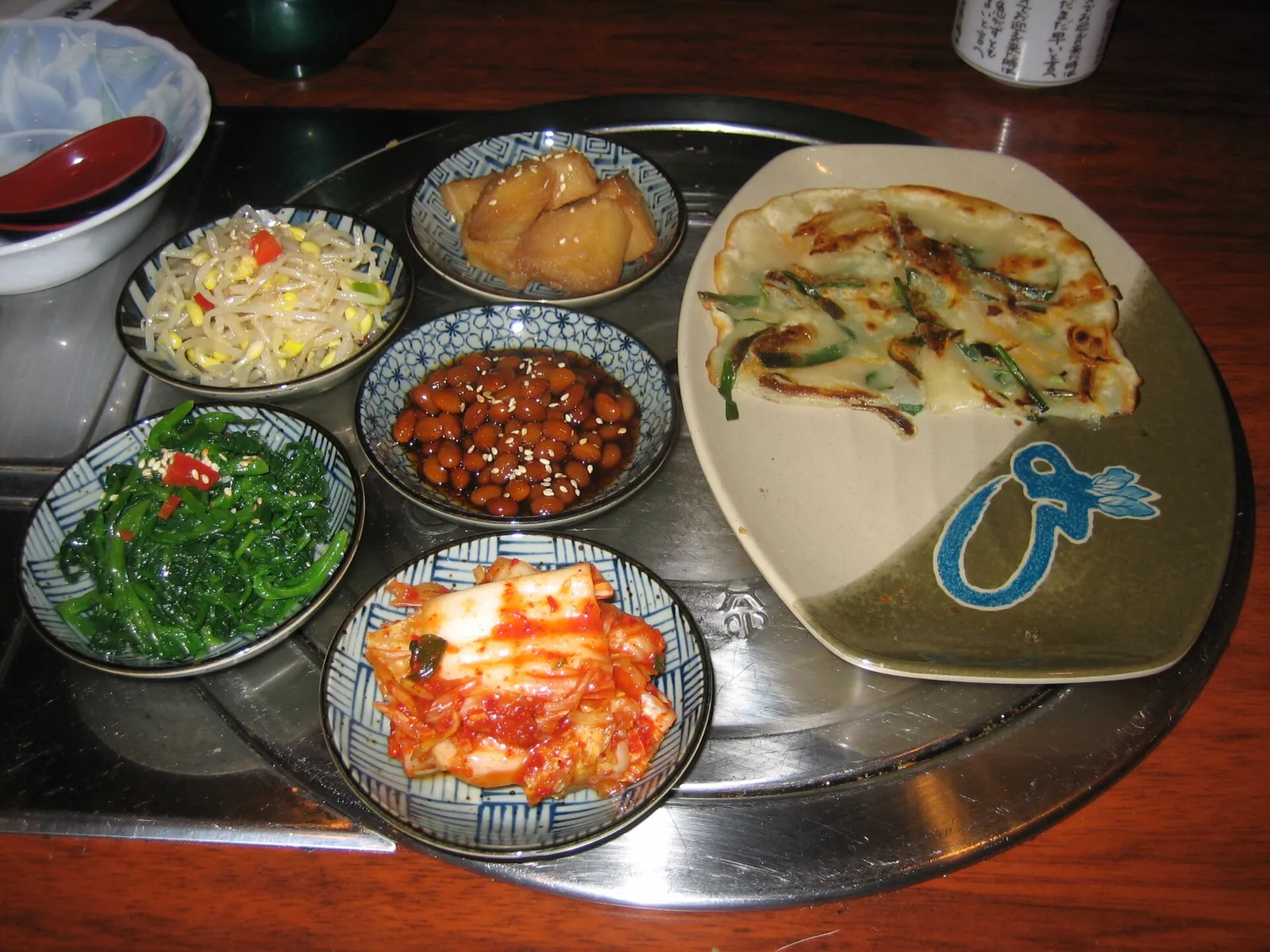
Kimchi is the first thing to understand. UNESCO's description of kimjang, the kimchi-making tradition on its Intangible Cultural Heritage list, defines kimchi as preserved vegetables seasoned with spices and fermented seafood, and notes that households buy shrimp, anchovies and other seafood for salting in spring. VisitKorea's own page on Yeosu's leaf-mustard kimchi lists salted anchovies and shrimp among the ingredients. Treat every complimentary dish of kimchi as non-vegetarian unless the kitchen tells you otherwise; temple-style kimchi, as served at Balwoo Gongyang, is the exception.
Broths are the second trap. VisitKorea describes the traditional broth of Jeongseon's buckwheat noodle soup as made with anchovies and kelp, Visit Seoul notes that a well-known kalguksu (knife-cut noodle) shop in Ikseon-dong uses anchovy broth, and VisitKorea describes the bean-sprout rice soup at a popular Jeonju restaurant as a rich broth made with anchovy and seafood. A soup with only vegetables floating in it can still be a fish stock.
Bibimbap is the third. VisitKorea lists beef among the standard toppings of Jeonju bibimbap, and Visit Jeonju, the city's tourism site, says the rice is cooked with beef bone broth. Jinju bibimbap adds seasoned raw beef, and VisitKorea notes that its rice is sometimes cooked in broth from beef bones or brisket. Asking for no meat removes the beef on top but not the broth in the rice. Wild-vegetable (sanchae) restaurants near temples are a better bet, but they are not vegetarian restaurants either: the menu VisitKorea lists for one such restaurant beside Beopjusa Temple also includes a bulgogi set and a seafood and green-onion pancake.
Make time for the local food
What to eat and where to look
Temple-food course (sachal eumsik)
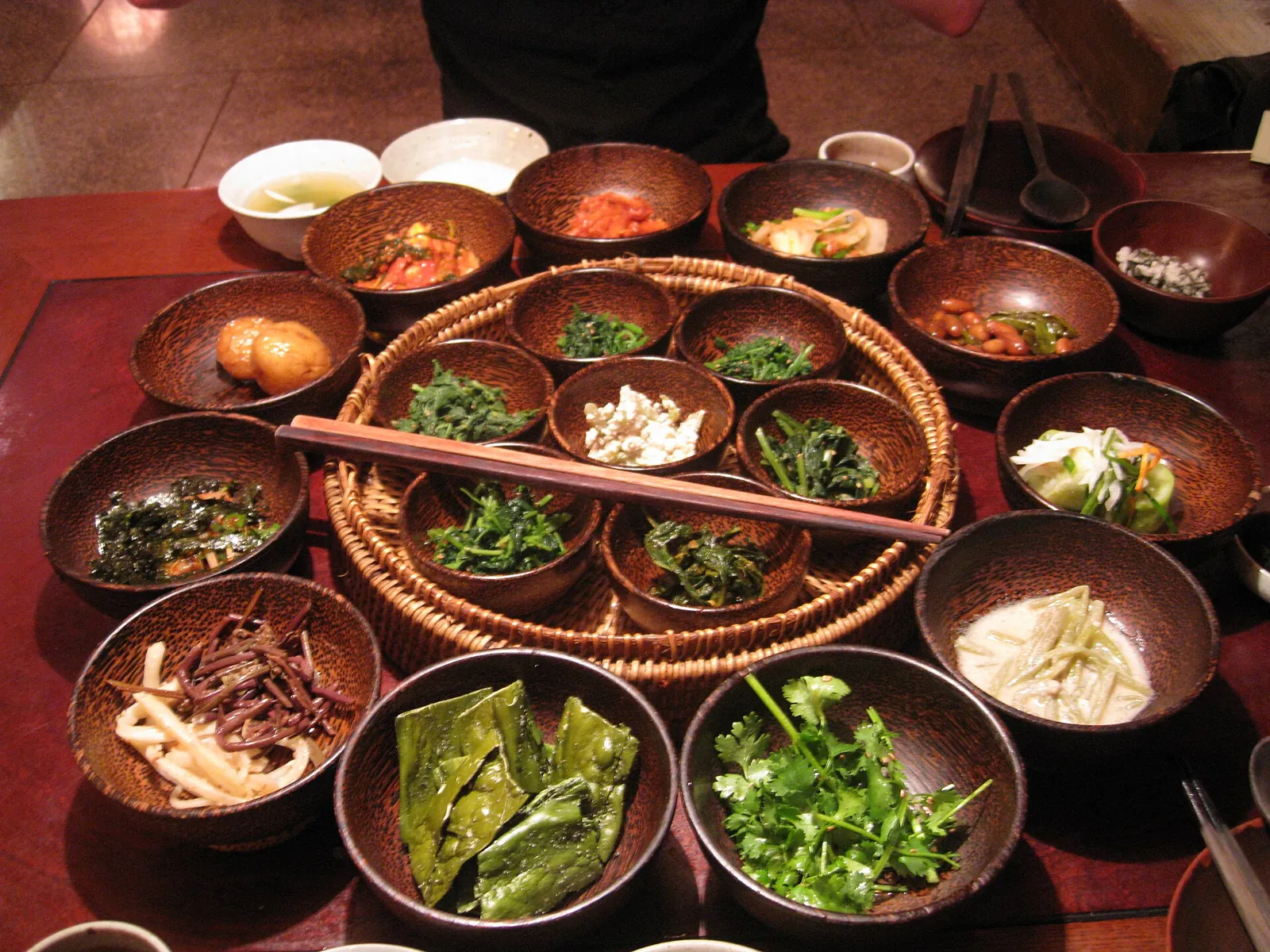
A sequence of small dishes from the monastic kitchen: porridge, cold vegetable dishes, a fried course, then rice, soup, namul, temple-style kimchi and pickles. It is made without meat or fish and without the five pungent vegetables, and is seasoned with mushrooms, kelp, perilla and fermented sauces.
- Where to look
- Balwoo Gongyang opposite Jogyesa in Seoul; Yeonhwa Baru in Gyeongju; temple meals during a templestay.
- Fit it into your day
- Make it the main meal of a day: a weekday lunch at Balwoo Gongyang before an afternoon in Insa-dong and Bukchon.
Dairy is not excluded by the temple-food rules, so vegans should ask about desserts. Reserve ahead; restaurants close on set weekdays and over the major holidays.
Sanchae bibimbap (wild-vegetable bibimbap)
Rice topped with seasoned mountain greens, bracken, mushrooms and roots, mixed with chilli paste. It is the usual dish of the restaurant streets below Korea's mountain temples.
- Where to look
- Sanchae restaurants at the entrances to Haeinsa, Beopjusa and other temple and national-park areas; temple-food restaurants such as Yeonhwa Baru.
- Fit it into your day
- Lunch after a morning at a mountain temple, before the bus back to town.
Ordinary restaurants may add a fried egg or beef, and the side dishes usually include standard kimchi with seafood. Ask before ordering.
Dotorimuk (acorn jelly)
A firm, slightly bitter jelly made from acorn starch, sliced and dressed with soy sauce, sesame and chilli, often with fresh or wild greens.
- Where to look
- Sanchae restaurants near temples, temple-food restaurants and traditional Korean restaurants; Busan Sikdang at Haeinsa and Yeonhwa Baru in Gyeongju list it.
- Fit it into your day
- A shared side dish or starter alongside bibimbap or a set meal.
Dressings vary from kitchen to kitchen; outside temple-food restaurants, ask whether the sauce contains fish sauce.
Deulkkae kalguksu (perilla-seed noodle soup)
Hand-cut wheat noodles in a thick, nutty soup of ground perilla seeds. It can be fully plant-based, and Seoul's vegetarian Korean restaurants serve it as a hearty meal.
- Where to look
- Vegetarian Korean restaurants such as Green Field in Dongdaemun-gu.
- Fit it into your day
- A filling lunch on a cold day.
In ordinary noodle shops the base stock is often anchovy and kelp. Order it only where the kitchen confirms a vegetable stock.
Vegan jjajangmyeon and Korean-Chinese dishes
Korean-style Chinese food — black-bean-sauce noodles, crisp sweet-and-sour dishes — is one of the country's comfort foods. Seoul's vegan kitchens recreate it with mushrooms and plant-based protein.
- Where to look
- ALTa in Itaewon, which Visit Seoul lists for black-bean-paste noodles with plant-based meat and fried enoki mushrooms.
- Fit it into your day
- A relaxed dinner in Itaewon, followed by dessert at one of the vegan cafés nearby.
Ordinary Korean-Chinese restaurants usually cook these dishes with meat or seafood; order them in vegan restaurants.
Temple food: the plant-based cuisine Korea already had
Korean temple food is the cooking handed down in Buddhist monasteries. VisitKorea's guide explains that, following the precept of non-violence, it leaves out animal ingredients except dairy, and it also avoids the five pungent vegetables, or oshinchae: green onions, garlic, chives, wild chives and Chinese squill. Dishes are seasoned with natural ingredients such as mushrooms, kelp and perilla seeds, and fermented sauces play a large part. For most vegetarians it is the safest food in the country; vegans should still ask about dairy in desserts.
Balwoo Gongyang in Seoul is the easiest place to start. VisitKorea describes four courses named Seon, Won, Maeum and Hee, and says the restaurant holds a Michelin star. When we checked on 2026-10-03, Balwoo Gongyang's English site listed opening from Monday to Saturday, with lunch in two sittings (11:30–13:20 and 13:30–14:50) and dinner from 18:00 to 21:00 (last order 19:40), closed on Sundays and over Seollal and Chuseok. Its autumn menu includes temple-style kimchi, root-vegetable japchae and deep-fried mushrooms glazed with chilli paste. Book ahead and confirm the times by phone, since VisitKorea's column gives slightly different hours.
To learn the cooking yourself, the Korean Temple Food Center in Anguk runs cooking classes as well as exhibitions; VisitKorea's column (last updated in May 2025) listed 09:00–18:00 with Monday closing, and when we checked, the Korean-language Korean Temple Food site of the Cultural Corps of Korean Buddhism was posting monthly temple-food cooking programmes for October and November 2026. Outside Seoul, VisitKorea recommends Yeonhwa Baru in Gyeongju, a long-standing temple-food restaurant near Daereungwon and Hwangnidan Street, whose special set includes deep-fried mushrooms in a sweet sauce, acorn jelly with wild greens and a bibimbap of six wild vegetables. The same column listed it as closed on Mondays.
Ordering anywhere else: phrases that work
Korean menus rarely mark vegetarian dishes, and 'no meat' is often understood as 'no visible meat'. Ask about the broth and the seasoning, not just the toppings, and be specific about what you avoid. Show the phrases on your phone if pronunciation is a problem. For anything more complicated, the 1330 Korea Travel Hotline (+82-2-1330), which VisitKorea lists with English among its languages, can help with interpretation.
- I am vegan / I am vegetarian: 저는 비건이에요 (jeoneun bigeon-ieyo) / 저는 채식주의자예요 (jeoneun chaesik-juuija-yeyo).
- Please leave out meat, fish and seafood: 고기, 생선, 해산물 빼 주세요 (gogi, saengseon, haesanmul ppae juseyo).
- What is the broth made from? 육수는 뭐로 만들어요? (yuksu-neun mwo-ro mandeureoyo?)
- Is there anchovy in it? 멸치 들어가요? (myeolchi deureogayo?)
- Is there salted seafood (jeotgal) or fish sauce in it? 젓갈이나 액젓 들어가요? (jeotgal-ina aekjeot deureogayo?)
- No egg, please: 계란 빼 주세요 (gyeran ppae juseyo).
Templestay: a night of temple meals
VisitKorea notes that templestay has drawn wide interest as a way to experience Korea's vegetarian temple food. Programmes come in three forms: experiential stays with ceremonies and activities, restful stays with few fixed activities, and one-day programmes of about three hours. Meals follow the temple's rules, and some programmes teach balwoo gongyang, the formal monastic meal eaten from traditional Buddhist bowls. VisitKorea's etiquette tips add that no outside food is allowed.
VisitKorea points to templestay.com for information and bookings at temples with programmes for international visitors. VisitKorea's list includes Jogyesa and Bongeunsa in Seoul, Beomeosa in Busan, Bulguksa and Golgulsa in Gyeongju, Haeinsa in Hapcheon and Geumsansa in Gimje, among others. For a temple-food focus, VisitKorea singles out two: Baegyangsa in Naejangsan National Park, where a programme pairs temple cuisine with the teachings of Venerable Jeong Kwan, the monk featured in the Netflix series 'Chef's Table', and which it advises booking well in advance; and Donghwasa in Daegu, which offers a programme of making and tasting temple food.
Beyond Seoul: Busan, Gyeongju, Jeonju and the mountain temples
Outside the capital, fewer restaurants are vegan by design, so the temples carry more of the weight. In Busan, Beomeosa on Geumjeongsan runs templestay programmes for foreign visitors, including a free-style programme, which makes an overnight there an easy way to secure a few clean meals. Gyeongju pairs well with it: Yeonhwa Baru for lunch, Bulguksa for the afternoon, and either Bulguksa or Golgulsa for a templestay.
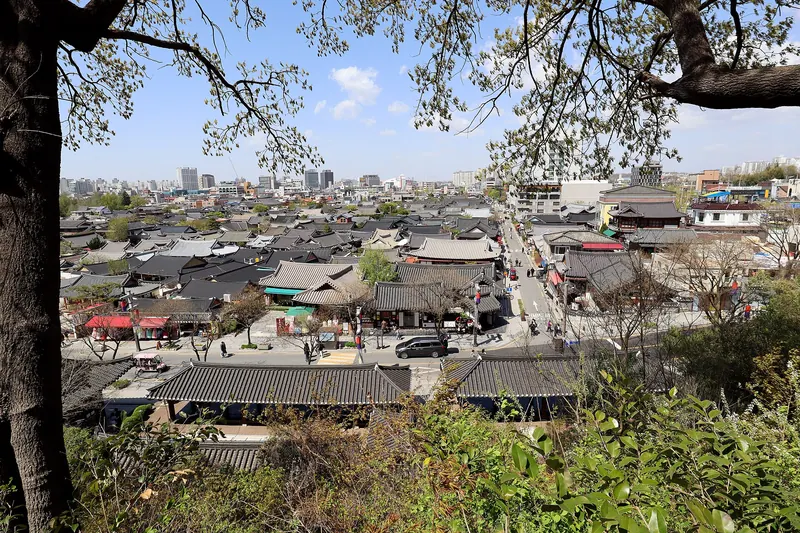
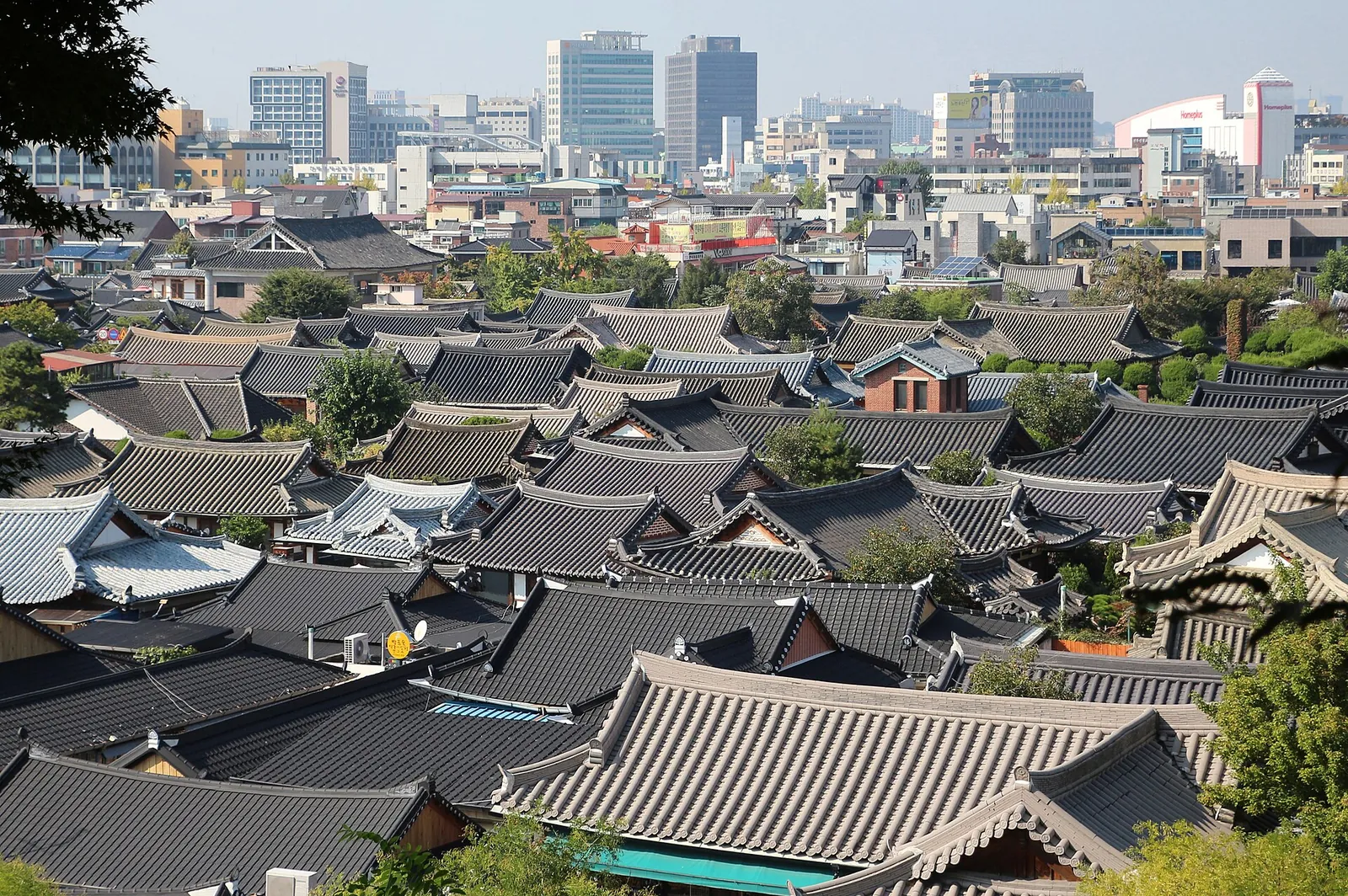
Jeonju is famous for bibimbap, but the classic bowl uses beef and beef-broth rice, so it needs a direct question rather than a request to remove the meat. The hanok village is still a pleasant base, and Geumsansa in Gimje, also in Jeonbuk, is on VisitKorea's list of templestay temples for international visitors.
In the national parks, the restaurant streets below the big temples specialise in sanchae jeongsik, wild-vegetable set meals. VisitKorea describes Busan Sikdang in front of Haeinsa serving wild vegetables, deodeok root and mushrooms gathered on Gayasan, with acorn jelly and green-onion pancakes among the side dishes. These meals are mostly vegetables, but the side dishes and stews follow ordinary Korean recipes, so ask about kimchi, stock and pancake batter before you start.
Practical questions
Is kimchi vegetarian?
Usually not. UNESCO describes kimchi as vegetables seasoned with spices and fermented seafood, and salted anchovies or shrimp are common. Temple-style kimchi, made without animal products or the five pungent vegetables, is the main exception.
Is bibimbap vegetarian?
Not reliably. Jeonju bibimbap is topped with beef and, according to the city's tourism site, the rice is cooked in beef bone broth; Jinju bibimbap adds raw beef. Wild-vegetable bibimbap at a temple-food restaurant is the safer choice.
Where is the easiest place in Seoul for vegans?
Jongno and Itaewon. Jongno has Balwoo Gongyang, the Korean Temple Food Center and vegan Korean restaurants in Ikseon-dong and Seochon; Itaewon has several vegan restaurants and cafés within walking distance on and around Bogwang-ro.
What is Korean temple food?
The cooking of Korea's Buddhist monasteries. It excludes animal ingredients except dairy and avoids the five pungent vegetables — green onions, garlic, chives, wild chives and Chinese squill — and is seasoned with mushrooms, kelp, perilla seeds and fermented sauces.
Can I eat temple food without staying at a temple?
Yes. Balwoo Gongyang in Seoul and Yeonhwa Baru in Gyeongju are temple-food restaurants open to anyone, and the Korean Temple Food Center in Seoul runs cooking classes. Book ahead and check closing days.
Are templestay meals vegetarian?
Yes. Templestays serve temple food, and VisitKorea presents them as a way to experience Korea's vegetarian temple diet. Mention dairy or allergies when you book through templestay.com.
Sources and checks before you travel
Reference sources for the version dated 3 October 2026. Confirm opening times, access, transport and conditions for your travel dates.
- VisitKorea: Korean Temple Food: A Sustainable Cuisine Inspired by Buddhist Teachings (column last updated May 2025) ↗ — opens in a new tab
- Balwoo Gongyang (Jogye Order temple-food restaurant): opening hours ↗ — opens in a new tab
- Balwoo Gongyang: location and autumn menu ↗ — opens in a new tab
- Korean Temple Food (Cultural Corps of Korean Buddhism) — Korean-language site ↗ — opens in a new tab
- VisitKorea: Templestay (page updated 28 October 2025) ↗ — opens in a new tab
- Templestay (Jogye Order): Beomeosa temple information ↗ — opens in a new tab
- UNESCO Intangible Cultural Heritage: Kimjang, making and sharing kimchi ↗ — opens in a new tab
- VisitKorea: Shopping Like a Local [Yeosu] Kimchi (page updated 31 December 2023) ↗ — opens in a new tab
- VisitKorea: Buckwheat noodles with potato balls (kotdeungchigi guksu) ↗ — opens in a new tab
- VisitKorea: Jeonju Waengi Kongnamul Gukbap ↗ — opens in a new tab
- Visit Seoul: Ikseon-dong Hanok Village ↗ — opens in a new tab
- VisitKorea: Jeonju Bibimbap ↗ — opens in a new tab
- Visit Jeonju (Jeonju City): Bibimbap ↗ — opens in a new tab
- VisitKorea: Jinju Bibimbap ↗ — opens in a new tab
- VisitKorea: Deongnim Sanchae Sikdang (Songnisan) ↗ — opens in a new tab
- VisitKorea: Busan Sikdang (Haeinsa) ↗ — opens in a new tab
- Visit Seoul: vegan and vegetarian restaurant listings (ALTa, BREAGHETTI Itaewon, Camouflage, API, Vegan Insa, Maji, Green Field, SUNNYBOWL, Mahina Vegan Table, Room Temperature, Mokro Garden) ↗ — opens in a new tab
- VisitKorea: Airport Transportation Guide ↗ — opens in a new tab
Does this experience fit your route?
Joining a food tour or a day trip? Ask the operator about vegan and vegetarian meals, broths and kimchi before you book.
Browse relevant experiences on Viator ↗ — opens in a new tabAffiliate link · Book with ViatorPhoto credits
Jogyesa Temple in Seoul, head temple of the Jogye Order, under its lanterns; the order's temple-food restaurant Balwoo Gongyang is across the street.
Photograph: https://www.flickr.com/photos/parrhesiastes/ — opens in a new tab · CC BY 2.0 — opens in a new tab
Changes: Resized and converted to WebP; displayed with responsive crops. · Original photograph and licence details ↗ — opens in a new tab
Temple-style side dishes at Sanchon, a Buddhist temple-cuisine restaurant in Insa-dong, Seoul.
Photograph: Julie — opens in a new tab · CC BY-SA 2.0 — opens in a new tab
Changes: Resized and converted to WebP; displayed with responsive crops. · Original photograph and licence details ↗ — opens in a new tab
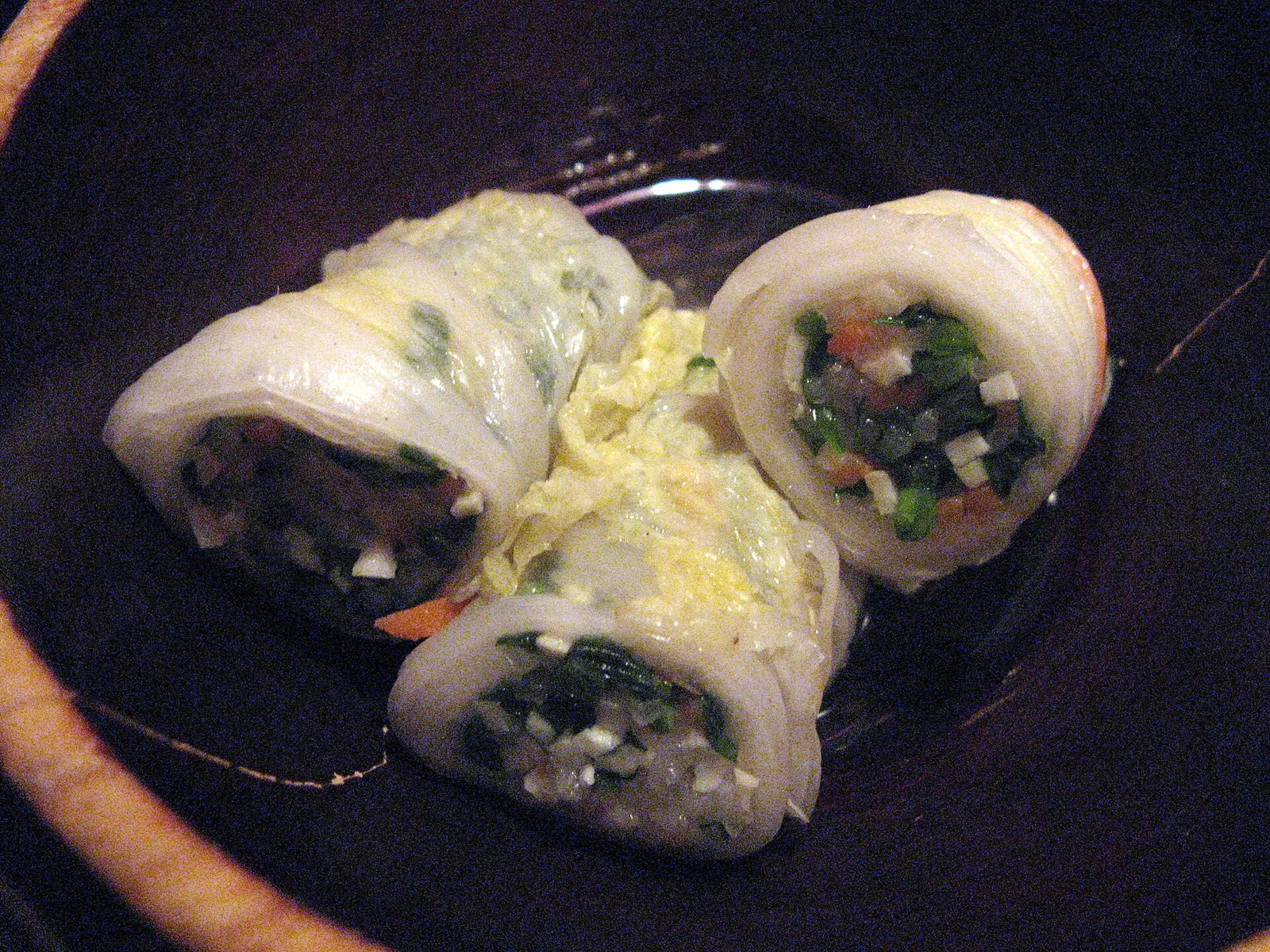
Baechuseon, steamed napa cabbage rolled around vegetables, served as a temple-food dish at Sanchon in Insa-dong.
Photograph: by Richy! at flickr — opens in a new tab · CC BY-SA 2.0 — opens in a new tab
Changes: Resized and converted to WebP; displayed with responsive crops. · Original photograph and licence details ↗ — opens in a new tab
Pajeon with banchan: the free side dishes, kimchi above all, are where hidden seafood is most likely.
Photograph: Norris Wong — opens in a new tab · CC BY 2.0 — opens in a new tab
Changes: Resized and converted to WebP; displayed with responsive crops. · Original photograph and licence details ↗ — opens in a new tab
Insa-dong-gil in Seoul in March 2025, at the heart of the Jongno base for temple food.
Photograph: Epicgenius — opens in a new tab · CC BY-SA 4.0 — opens in a new tab
Changes: Resized and converted to WebP; displayed with responsive crops. · Original photograph and licence details ↗ — opens in a new tab
Jeonju Hanok Village, a pleasant base in a city whose famous bibimbap needs careful ordering.
Photograph: Bernard Gagnon — opens in a new tab · CC0 — opens in a new tab
Changes: Resized and converted to WebP; displayed with responsive crops. · Original photograph and licence details ↗ — opens in a new tab