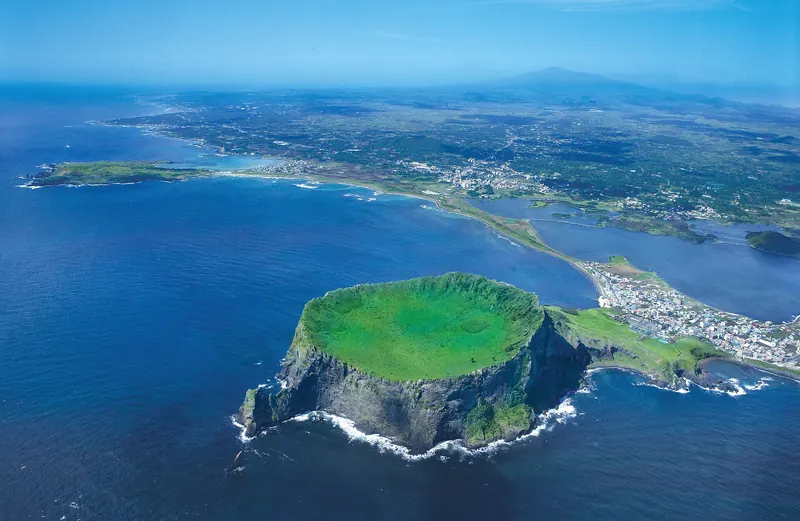
Daegu and North Gyeongsang · North Gyeongsang
Ulleungdo travel guide: ferries, Dokdo trips, coastal trails and stays
Ulleungdo is a volcanic island far out in the East Sea, a crossing of almost three hours on the fastest ship from Pohang. VisitKorea describes it as Korea's seventh-largest island, with 44 islets around it and so many cliffs that it draws rock climbers. There is almost no flat ground: the only level land is the Nari Basin, an old caldera in the north. The main ports are Dodong, where the ferries come in, and Jeodong, the island's biggest squid-fishing port. What decides a trip here is not the sights but the sea: every crossing, and every boat to Dokdo, sails only when the operator judges the weather safe.
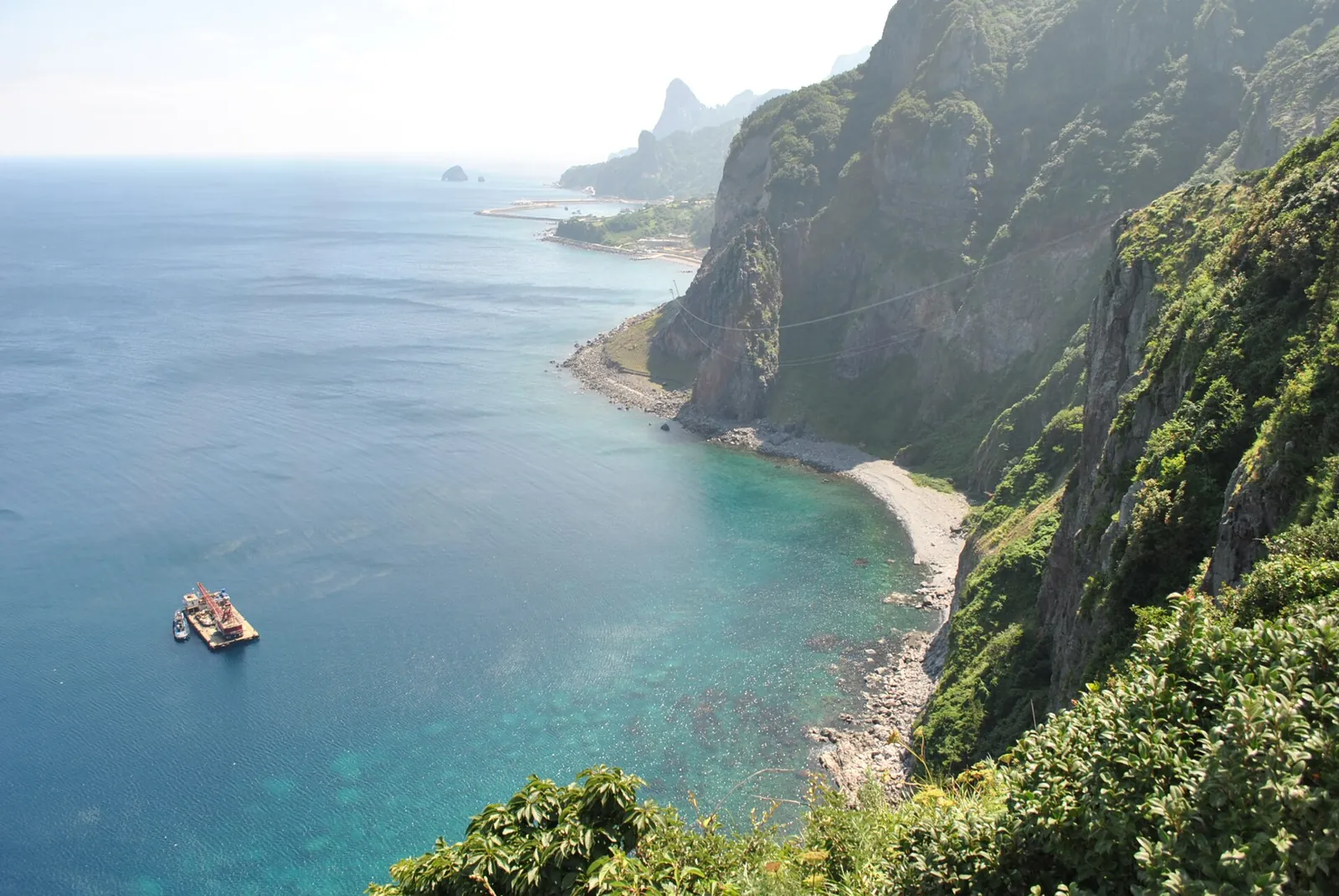
- Suggested time
- 3 nights, one of them a weather buffer
- Where to stay
- Dodong for the ferry terminal and restaurants; Jeodong for the Dokdo boats and the squid harbour
- Season and timing
- VisitKorea lists the island as open all year, but every ferry and Dokdo sailing depends on the sea. Whatever the month, plan a spare day and check the operator's sailing decision the day before and on the morning of travel.
The short answer
Give Ulleungdo three nights, including one spare day for the weather. Sail from Pohang Ferry Terminal: when we checked, the operator Daezer Ferry listed 2 hours 50 minutes one way on the El Dorado Express to Dodong. Stay in Dodong or Jeodong, the two harbour towns on the east side, where the ferry terminals, restaurants and the coastal trail between them are. Spend one day on the Dodong–Jeodong coastal trail, Haengnam Lighthouse and the Dokdo Observatory Cable Car; one on the north coast with Gwaneumdo, Seokpo and Nari Basin; and use the third for Taeha in the west or the boat trip to Dokdo from Jeodong. Do not book a flight home or a non-refundable connection for the evening you plan to sail back.
Dodong, Jeodong or the north coast: where to base yourself
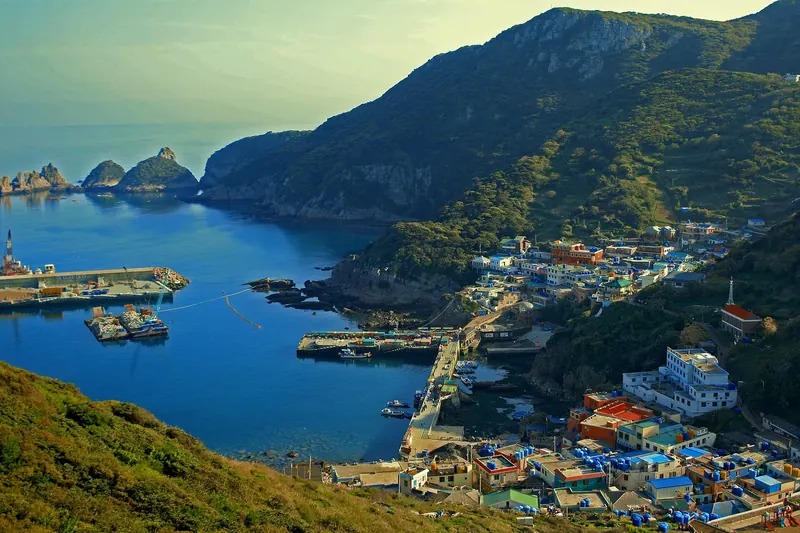
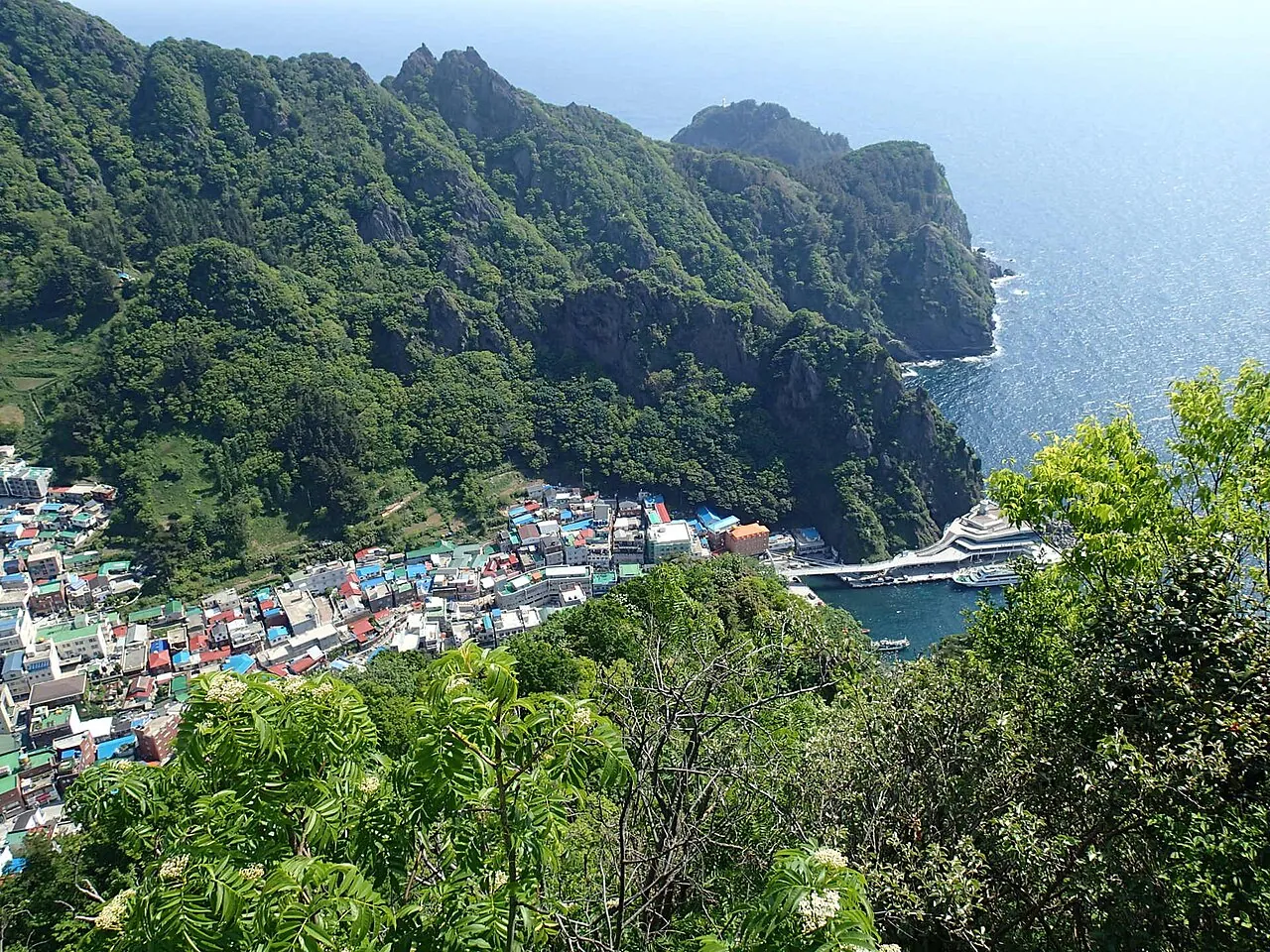
Most visitors stay on the east side of the island, in one of two harbour towns a short coastal walk apart. Dodong is the arrival port: VisitKorea places Dodonghang 188 kilometres north-east of Pohang and notes that, as the ship comes in, Manghyangbong Peak is on the left and Haengnam Lighthouse on the right. The ferry terminal is at 14 Dodong-gil, and the restaurants near it, the coastal trail and the Dokdo Observatory Cable Car are all within walking distance. It is the base for travellers without a car.
Jeodong, just to the north, is the biggest port on the island and, says VisitKorea, where most of Ulleungdo's squid fishing and processing takes place. The Sunrise boats to Dokdo leave from the Jeodong terminal at 171 Ulleungsunhwan-ro, according to Daezer Ferry, so a night here makes an early Dokdo departure easier. After dark, look out to sea: the lights of the squid boats, *jeodong eohwa*, are counted among the island's Eight Beauties.
The north coast, around Chusan and Cheonbu in Buk-myeon, is quieter and closer to Gwaneumdo, Seokpo and the Nari Basin. VisitKorea's best-known stay here is Healing Stay Kosmos, a 12-room spiral-shaped resort on a cliff beside Songgotsan Mountain that opened in 2017. Staying in the north makes sense if you want a resort and will arrange transport; for a first trip without a car, Dodong or Jeodong is simpler.
We could not verify the island's bus timetable from an official page (the Ulleung County tourism site blocks automated access), so ask your lodging how to reach the north and west coasts before you arrive.
Crossing from Pohang, and planning around cancellations
The fastest link is Daezer Ferry's El Dorado Express from Pohang Ferry Terminal, 44 Haean-ro, Buk-gu, Pohang. On its official site when we checked on 3 October 2026, Daezer described it as a 970-passenger wave-piercing catamaran built by Incat in Tasmania, put the route at 217 kilometres and the crossing at 2 hours 50 minutes one way, and listed a slower ship, the Sunrise, at 3 hours 40 minutes. Its daily sailing board for 4 October listed one El Dorado Express departure from Pohang to Dodong at 09:50 and one back from Dodong at 14:20; check the current board, because sailings vary by day and season. VisitKorea also notes that ships to Ulleungdo leave from Mukho Port near Donghae on the Gangwon coast.
The weather decides. Daezer explains that it analyses the weather from the evening before to the morning of departure and sails only if safe passage is assured; the decision is normally announced by its ARS phone line after 07:00 on the day. When a sailing is clearly impossible, or clearly certain, it decides the day before and announces it between 15:00 and 17:00. If sailings are stopped by bad weather or a wind-and-wave warning, bookings are cancelled automatically and you must rebook another day; card payments are refunded automatically. That is why the return leg needs slack: a cancelled afternoon boat means another night on the island.
When we checked, Daezer's own cancellation fees were 10% two to three days before departure, 20% the day before and 50% on the day. Every passenger must carry ID; for foreign visitors Daezer lists a valid passport, a Korean alien registration card or an international driving licence, and photocopies or phone photos are not accepted.
Getting to Pohang: VisitKorea lists Pohang among the KTX high-speed rail destinations from Seoul, and puts Pohang Station about 35 minutes from Dongdaegu by KTX or SRT. Daezer sells combined KTX-and-ferry tickets on its site and advertises a shuttle bus between Pohang Station and the ferry terminal; check its current notice for times. Drivers can leave a car at the terminal, which Daezer listed at 5,000 won per 24 hours for a small car.
Make time for the local food
What to eat and where to look
Ttagaebi bap (barnacle rice)
Rice cooked with stir-fried barnacles, which grow on the island's coastal rocks and are called ttagaebi locally. VisitKorea calls it a speciality you can only have on Ulleungdo, with a chewy texture like abalone; barnacle noodle soup is the other way to eat them.
- Where to look
- Hwangje Restaurant, 29 Dodong 1-gil, close to the Dodong ferry terminal, which VisitKorea lists for mussel and barnacle rice; when we checked, it listed 07:00 to 20:00, open all year.
- Fit it into your day
- The first meal after the ferry, or lunch before you sail back.
Shellfish.
Honghap bap (mussel rice)
Glutinous and plain rice cooked with mussels and topped with seaweed flakes. It is now served across Korea, but VisitKorea notes that Ulleungdo once had mussels in abundance and is where to taste the original.
- Where to look
- Restaurants around Dodong and Jeodong harbours; Hwangje Restaurant also serves squid bulgogi and stir-fried pork.
- Fit it into your day
- A filling lunch on a trail day.
Shellfish; mixed with a seasoned soy sauce at the table.
Bujikkaengi namul bap and myeongi pickles
Two of the island's wild greens. Bujikkaengi, which VisitKorea translates as Amur wallflower, grows even under winter snow and is cooked on top of rice; myeongi, the 'victory onion', is a specialty of Ulleungdo pickled in soy sauce and served as a side with meat.
- Where to look
- VisitKorea's guide to vegetable dishes lists Narichon Sikdang, 31-115 Nari 1-gil in Buk-myeon, for wild-vegetable set meals and bibimbap; when we checked it gave 08:00 to 17:00 and advised phoning before visiting.
- Fit it into your day
- A light lunch in Nari Basin on the north-coast day.
Side dishes and broths may still contain fish sauce or meat stock.
Squid and pumpkin taffy
Jeodong is the island's squid port, and VisitKorea notes Ulleungdo pumpkins are famous for their sweetness, thanks to the mild oceanic climate; pumpkin malt candy (hobak yeot) is the classic thing to take home.
- Where to look
- The harbours for squid; VisitKorea lists ULLA pumpkin malt candy at the ULLA Welcome House, 171 Ulleungsunhwan-ro (the Jeodong terminal address), at 4,500 won when we checked.
- Fit it into your day
- Buy taffy on the way to the Dokdo boat or before the ferry home.
The candy is sticky and sweet; ask prices for squid dishes before ordering.
Dokdo by boat from Jeodong
Dokdo is a pair of rocky islets, Dongdo (East Island) and Seodo (West Island), that VisitKorea places 87.4 kilometres from Ulleungdo. It is a protected Natural Monument and a home for rare seabirds; civilian visits were prohibited until March 2005 and are now allowed under certain conditions. Dongdo, the eastern islet, has a lighthouse and a wharf.
Daezer runs the trip on its Sunrise catamaran from Jeodong, listing 1 hour 40 minutes each way; its daily board for 4 October 2026 showed departures at 08:20 and 14:25. VisitKorea warns that cruises may not run in bad weather and that fees vary by cruise. Treat the Dokdo boat as the most weather-sensitive part of the trip: put it early in your stay so a cancellation can be moved to the next day, and do not plan it for the morning you leave the island.
If the boat does not go, you can still look towards Dokdo. VisitKorea says it can be seen from the top of the Dokdo Observatory Cable Car on very clear days, about 50 days a year, and from Haengnam Lighthouse on clear days. The free Dokdo Museum in Dodong's Yaksu Park, opened in 1997, covers the islets' history; when we checked, VisitKorea listed it as open 09:00 to 18:00 with last entry 30 minutes before closing.
Dodong to Jeodong on foot: coastal trail, lighthouse and cable car
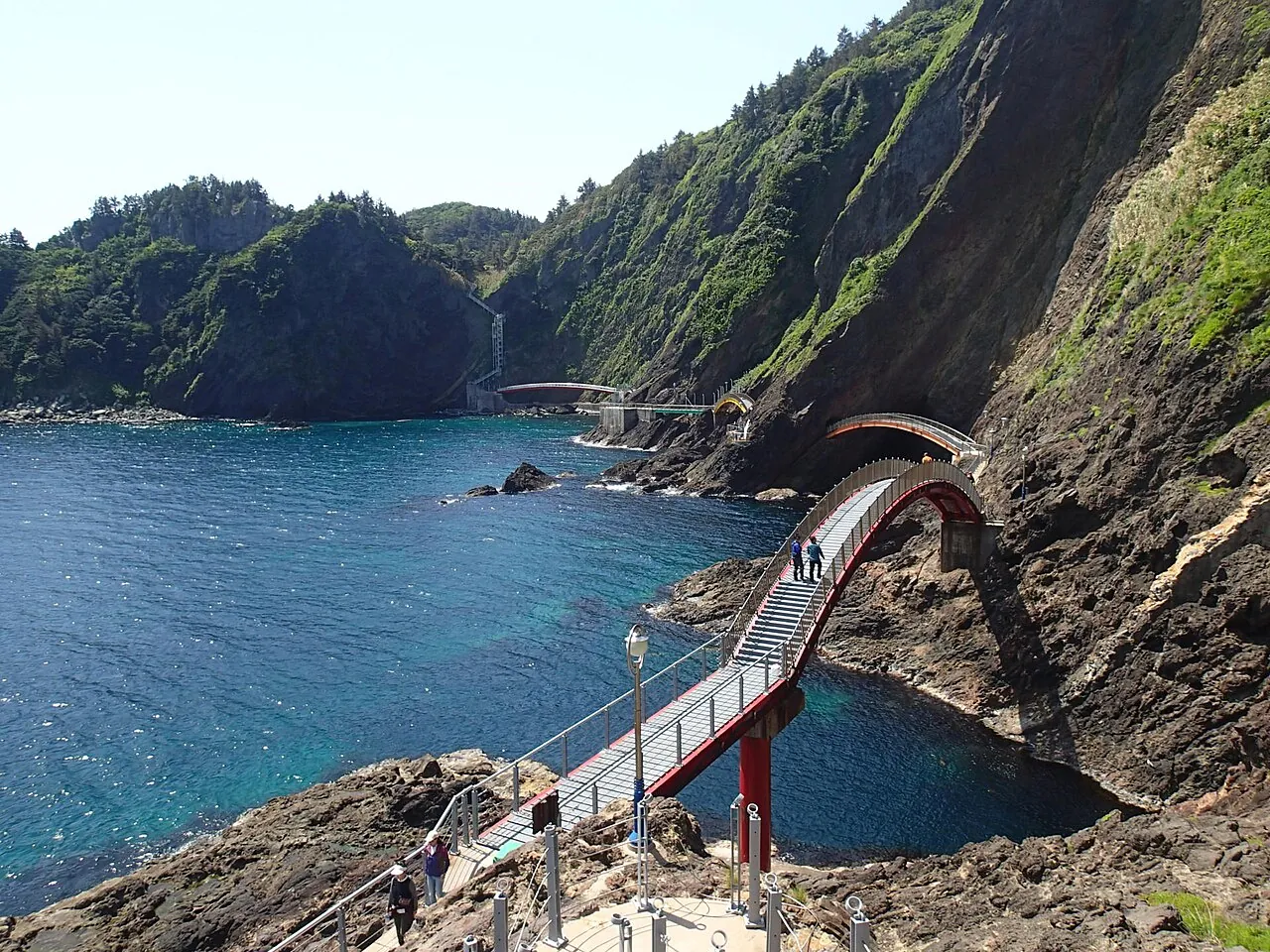
The best half day from Dodong needs no transport. The Dodong Coastal Trail leaves from the port and joins the Jeodong Coastal Trail; together they form the Haengnam Coastal Trail. VisitKorea lists the Dodong stretch as section 1 of the Ulleung Haedam-gil, 2.8 kilometres, with bridges over open water between caves and eroded gullies and a rainbow bridge with geopark-logo LED street lights. It is also a geopark walk: the rocks get younger as you go from the port towards the lighthouse, with basalt lava, ignimbrite and trachyte on display.
About 400 metres from Haengnam village stands Haengnam (Dodong) Lighthouse, on the island's easternmost point between Dodong and Jeodong. It was first lit in 1954; from it you look north over Jeodong Port, Chotdaebawi Rock and Seonginbong Peak, and VisitKorea notes the hillside turns yellow with flowers in autumn.
Back in Dodong, the Dokdo Observatory Cable Car rises from Yaksu Park to Manghyangbong Peak for a view over the whole harbour. When we checked on 3 October 2026, VisitKorea listed it as running 08:00 to 19:00 from April to October and 08:00 to 18:00 from November to March, with last tickets an hour before closing, and an adult fare of 7,500 won.
The north coast: Gwaneumdo, Jukdo, Seokpo and Elephant Rock
Gwaneumdo, the third-largest of the islets around Ulleungdo, was once joined to the main island and is now reached by a footbridge. VisitKorea lists three viewpoints and two trails on it, plus sea cliffs at the Gwaneumssanggul twin caves and columnar joints from cooled lava. When we checked, it was open 09:00 to 18:00 (ticket office closing at 17:00) at 4,000 won for adults. VisitKorea warns that strong winds can restrict access, so check before you set out.
Above Cheonbu, Seokpo Observatory looks over Jukdo and the Buk-myeon coastline from an eight-sided pavilion. VisitKorea notes that the Japanese used the site from 1905 to 1945 to watch Russian warships, and that a trekking path links it with the Naesujeon Sunrise Observatory.
Jukdo is a small inhabited island 4 kilometres from Jeodong; VisitKorea says most visitors see it on a boat trip from Dodong, and listed a 2,000-won adult entry. Off the north coast at Hyeonpo, Elephant Rock (Kokkiri Bawi) rises 50 metres from the sea about 500 metres offshore, a lava formation with a wave-cut arch that gives it a trunk.
Taeha, Nari Basin and the inland forest
On the west coast, Taeha has a cliff-top walk to the island's main lighthouse. VisitKorea describes the Taeha Coastal Trail beyond a footbridge next to Hwangtogul Cave, past honeycomb-weathered tafoni rock, and a route up to Ulleungdo (Taeha) Lighthouse and the Hyangmok Geo Skywalk: about 6 minutes on the Taeha Hyangmok monorail, then roughly 20 minutes on foot. The junipers growing in the cracks of the Daepunggam cliffs are a designated natural monument. The white lighthouse, first lit in 1958, stands 7.6 metres high.
Inland, the Nari Basin is the caldera north of Seonginbong Peak and, by VisitKorea's account, the only flat land on the island, with Nari village in it. The primeval forest at the foot of Seonginbong is Natural Monument No. 189 and holds plants found only on Ulleungdo. If you want a stop by the sea on the drive round, VisitKorea describes Tonggumi Pebble Beach as a kilometre of dark pebbles on the coastal road where there are always waves.
Practical questions
How do I get to Ulleungdo?
By ferry. The fastest is Daezer Ferry's El Dorado Express from Pohang Ferry Terminal to Dodong, which the operator lists at 2 hours 50 minutes one way. VisitKorea also notes ships from Mukho Port near Donghae. Reach Pohang by KTX from Seoul.
What happens if my ferry is cancelled?
Daezer cancels bookings automatically when sailings are stopped by bad weather or a wind-and-wave warning, refunds card payments, and asks you to rebook another date. Plan a spare night and avoid tight onward connections on your return day.
Can I visit Dokdo from Ulleungdo?
Yes, by boat from Jeodong when the weather allows: Daezer's Sunrise takes about 1 hour 40 minutes each way. Book it early in your stay, so a cancellation can move to the next day.
How many days do I need on Ulleungdo?
Three nights: two days for the island itself (the east coast on foot, then the north or west coast) and one day for Dokdo or as a weather buffer.
Do foreign visitors need a passport for the ferry?
Yes. Every passenger must show ID, and Daezer lists a valid passport, a Korean alien registration card or an international driving licence for foreigners. Copies and phone photos are not accepted.
Where should I stay on Ulleungdo?
Dodong, beside the ferry terminal and restaurants, is easiest without a car. Jeodong suits an early Dokdo boat. The north coast, around Chusan, has resorts such as Healing Stay Kosmos but needs transport.
Sources and checks before you travel
Reference sources for the version dated 3 October 2026. Confirm opening times, access, transport and conditions for your travel dates.
- VisitKorea: Ulleungdo Island ↗ — opens in a new tab
- Daezer Ferry (official operator, Korean) ↗ — opens in a new tab
- Daezer Ferry: FAQ (Korean) ↗ — opens in a new tab
- Daezer Ferry: ships and routes (Korean) ↗ — opens in a new tab
- Daezer Ferry: terminals (Korean) ↗ — opens in a new tab
- VisitKorea: Dokdo ↗ — opens in a new tab
- VisitKorea: Dodonghang Port ↗ — opens in a new tab
- VisitKorea: Jeodonghang Port ↗ — opens in a new tab
- VisitKorea: Dodong Coastal Trail ↗ — opens in a new tab
- VisitKorea: Haengnam Coastal Walking Path ↗ — opens in a new tab
- VisitKorea: Dodong Lighthouse (Haengnam Lighthouse) ↗ — opens in a new tab
- VisitKorea: Dokdo Observatory Cable Car ↗ — opens in a new tab
- VisitKorea: Dokdo Museum ↗ — opens in a new tab
- VisitKorea: Gwaneumdo Island ↗ — opens in a new tab
- VisitKorea: Seokpo Observatory ↗ — opens in a new tab
- VisitKorea: Ulleung Jukdo Island ↗ — opens in a new tab
- VisitKorea: Elephant Rock ↗ — opens in a new tab
- VisitKorea: Taeha Coastal Trail and Daepunggam Cliff ↗ — opens in a new tab
- VisitKorea: Ulleungdo Lighthouse (Taeha) ↗ — opens in a new tab
- VisitKorea: Nari Basin ↗ — opens in a new tab
- VisitKorea: Seonginbong Primeval Forest ↗ — opens in a new tab
- VisitKorea: Tonggumi Pebble Beach ↗ — opens in a new tab
- VisitKorea: Healing Stay Kosmos ↗ — opens in a new tab
- VisitKorea: Hwangje Restaurant ↗ — opens in a new tab
- VisitKorea: Barnacle Rice ↗ — opens in a new tab
- VisitKorea: Mussel Rice ↗ — opens in a new tab
- VisitKorea: Amur Wallflower Salad Rice ↗ — opens in a new tab
- VisitKorea: Pickled Victory Onion ↗ — opens in a new tab
- VisitKorea: Ulleungdo malt candy ↗ — opens in a new tab
- VisitKorea: Embracing Healthy Eating through Korean Vegetable Dishes ↗ — opens in a new tab
- VisitKorea: ferry terminals (Mukho Port) ↗ — opens in a new tab
- VisitKorea: Train ↗ — opens in a new tab
- VisitKorea: Fly to Daegu International Airport ↗ — opens in a new tab
Photo credits
Sea cliffs and clear water on Ulleungdo's coast near Taeha
Photograph: Korea.net / Korean Culture and Information Service — opens in a new tab · CC BY-SA 2.0 — opens in a new tab
Changes: Resized and converted to WebP; displayed with responsive crops. · Original photograph and licence details ↗ — opens in a new tab
A coastal walking path with an arched bridge over the sea on Ulleungdo
Photograph: Raki_Man — opens in a new tab · CC BY 3.0 — opens in a new tab
Changes: Resized and converted to WebP; displayed with responsive crops. · Original photograph and licence details ↗ — opens in a new tab
Dodong, Ulleungdo's ferry port town, packed into a narrow valley
Photograph: Raki_Man — opens in a new tab · CC BY 3.0 — opens in a new tab
Changes: Resized and converted to WebP; displayed with responsive crops. · Original photograph and licence details ↗ — opens in a new tab
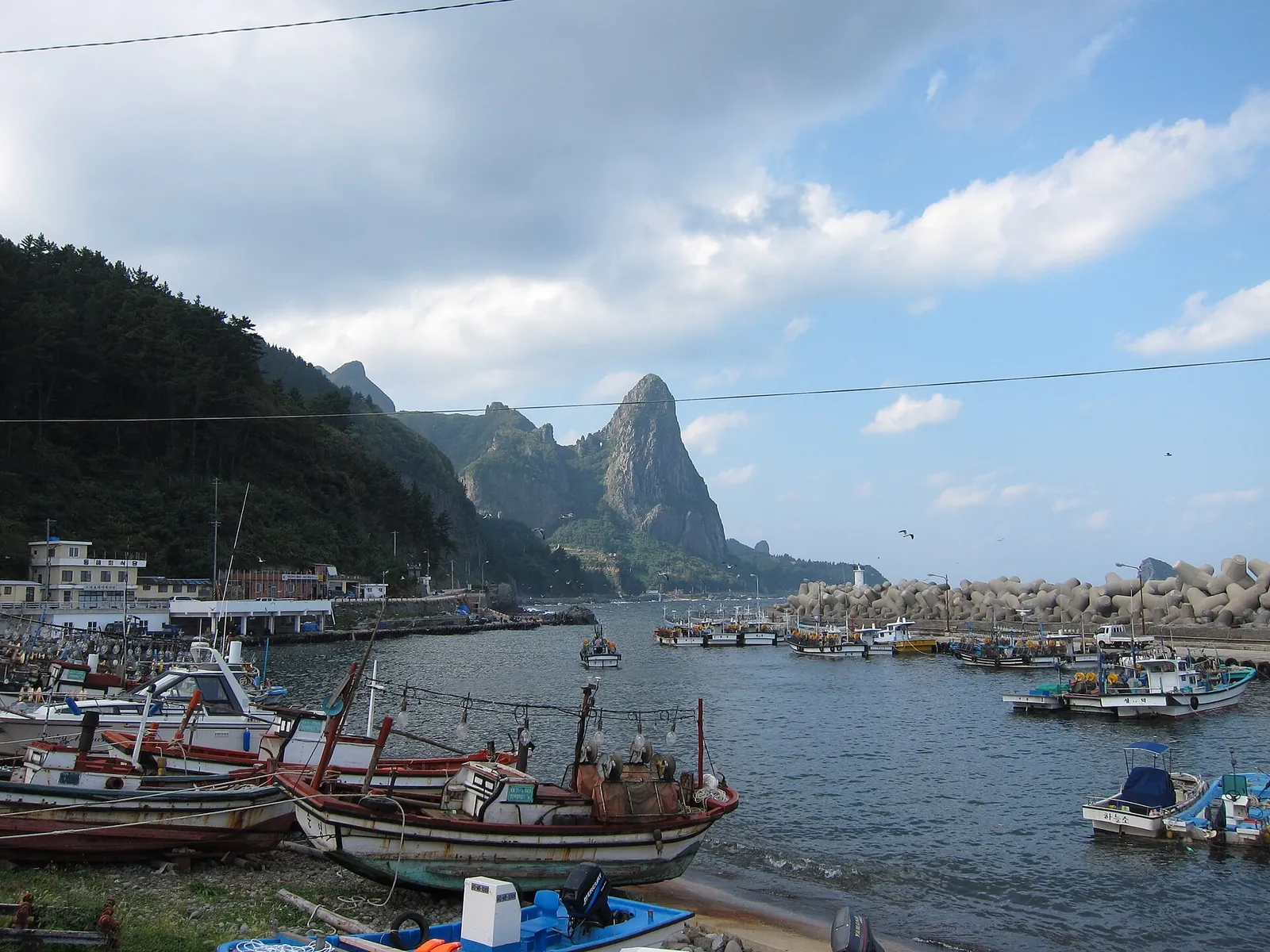
Fishing boats in an Ulleungdo harbour
Photograph: https://www.flickr.com/photos/eekim/ — opens in a new tab · CC BY 2.0 — opens in a new tab
Changes: Resized and converted to WebP; displayed with responsive crops. · Original photograph and licence details ↗ — opens in a new tab
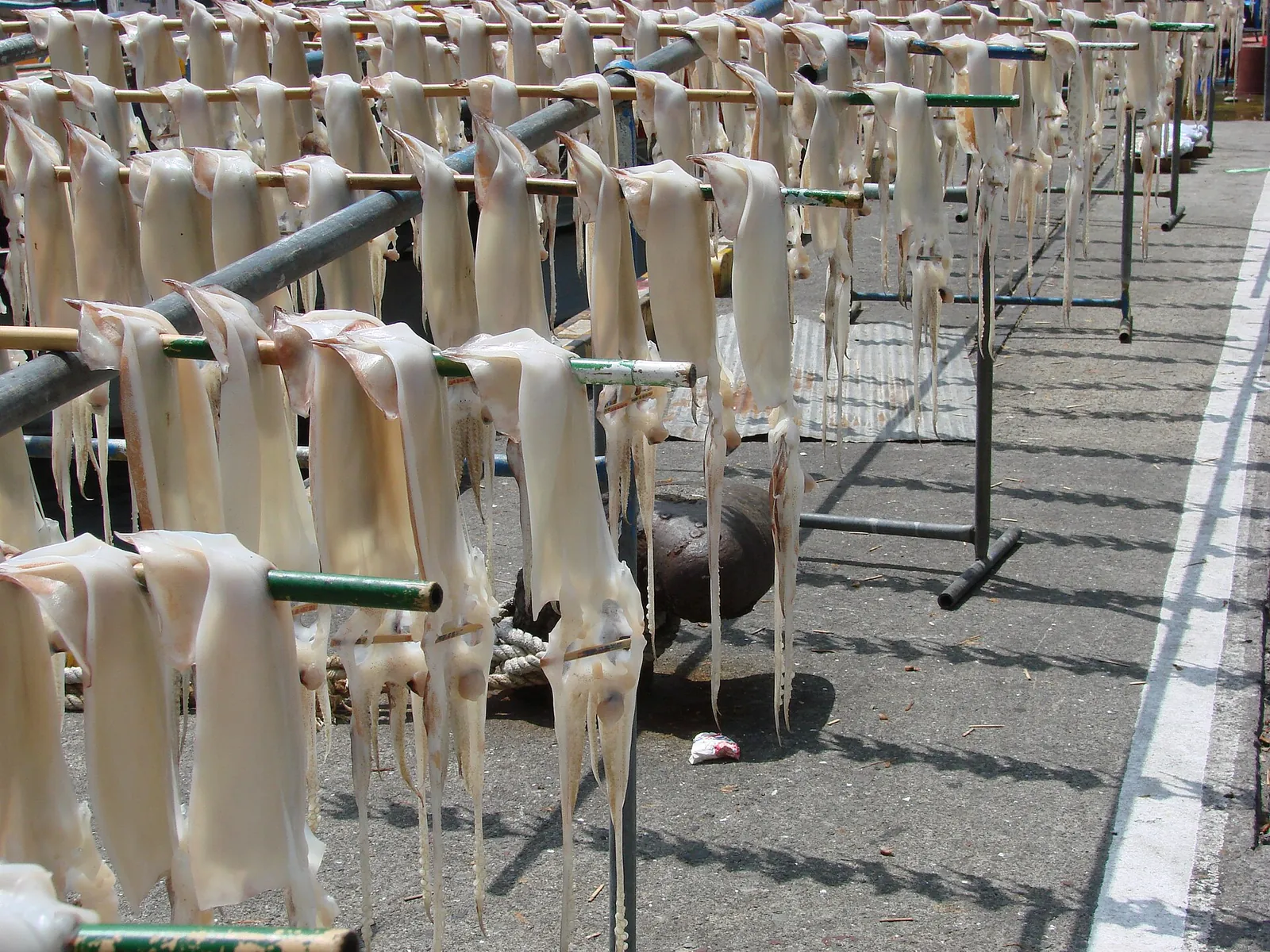
Squid drying on racks on Ulleungdo
Photograph: https://www.flickr.com/photos/watchsmart/ — opens in a new tab · CC BY 2.0 — opens in a new tab
Changes: Resized and converted to WebP; displayed with responsive crops. · Original photograph and licence details ↗ — opens in a new tab