Plan your trip · South Korea
South Korea islands and ferries: which to visit, booking, ID and weather
Korea has more than 3,000 islands, according to VisitKorea, and for most of them the ferry is the only way across. That makes island trips different from the rest of a Korean itinerary: the boat decides when you arrive and when you leave, it will not let you on without identification, and it does not sail when the sea is too rough. This guide picks out the islands that repay the crossing, explains how ferries are booked and what ID the operators accept, and shows how to build weather into the plan so that one cancelled sailing does not wreck a whole trip.
- Suggested time
- A day for Udo; one or two nights for Cheongsando, Hongdo or the Tongyeong islands; three nights for Ulleungdo, including a spare weather day
- Where to stay
- Port towns: Seongsan (Jeju) for Udo, Wando-eup for Cheongsando, Mokpo for Hongdo, Tongyeong for Hansando and Bijindo, Pohang or Dodong for Ulleungdo
- Season and timing
- Ferries run all year, but VisitKorea notes that several typhoons pass between June and October; spring and autumn are the most dependable months for island plans, and every crossing should have a fallback day.
The short answer
Pick one island trip per week of travel and give it a night on each side of the crossing. Udo works as a day trip from Seongsan on Jeju's east coast (about 15 minutes by ferry); Cheongsando and Tongyeong's islands work as a day or an overnight from Wando and Tongyeong; Hongdo, about two and a half hours from Mokpo, deserves a night; Ulleungdo, 2 hours 50 minutes from Pohang on the fastest boat, needs three nights including a spare weather day. Sleep in the port town the night before an early sailing, carry your physical passport, and never schedule a crossing back to the mainland on the day before an international flight.
Which islands are worth the crossing
The right island depends on how much time you can give it. A short hop such as Udo fits into a Jeju day; a long open-sea crossing such as Ulleungdo only makes sense if you stay several nights. These five are the ones we cover in full guides, ordered from the easiest to the most committed.
All crossing times below come from VisitKorea, the county websites or the operator, and are what those pages gave when we checked on 2026-10-03. Timetables, fares and the number of daily sailings change by season, so treat them as a guide to the effort involved and confirm the day's sailings before you travel.
- Udo (from Jeju): ferries leave Seongsan Port or Jongdal Port on Jeju's east coast and take about 15 minutes. VisitKorea describes a 17-kilometre circuit that takes 3 to 4 hours on foot, or 2 to 3 hours by electric bike, and recommends a morning ferry over and an afternoon ferry back. The easiest island in Korea for a first try.
- Cheongsando (from Wando): about 40 minutes by passenger ferry according to VisitKorea, or 50 minutes according to Wando County. A slow city of stone walls, terraced paddies and walking routes; a long day trip, better with a night on the island.
- Tongyeong's islands (Hansando, Bijindo, Yeonhwado): Tongyeong sits in Hallyeohaesang National Park, and VisitKorea singles out Hansando, Bijindo and the Maemuldo islands. Bijindo is 13 km from Tongyeong Port, with a 550-metre beach linking two halves of the island; Yeonhwado is about two hours by boat. Hansando, with its Admiral Yi Sun-sin sites, is the closest.
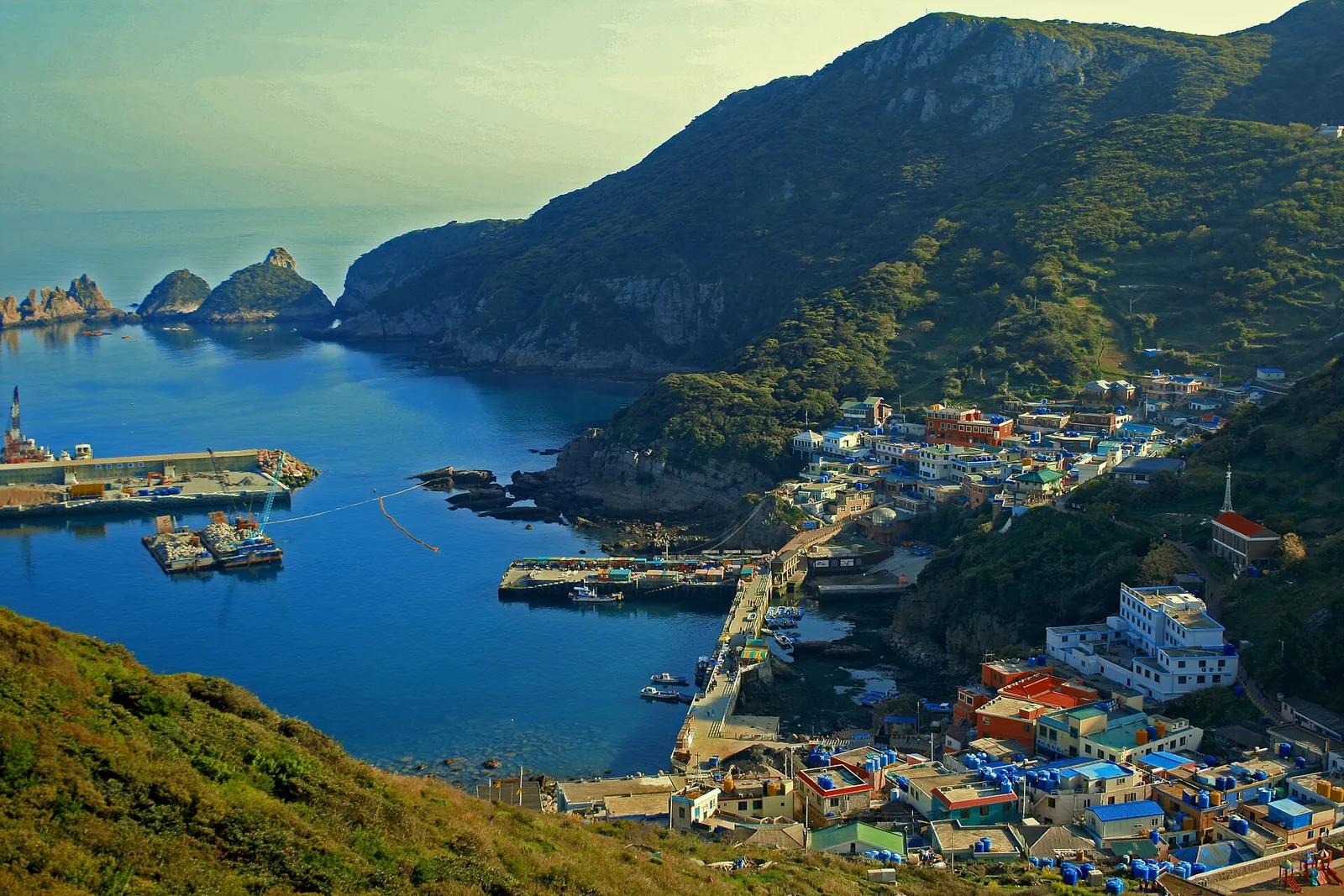
- Hongdo (from Mokpo): about 2 hours 30 minutes by ferry from Mokpo, a protected natural monument with red cliffs and a sightseeing boat around its 33 rocky islets. Mokpo's terminal also serves Heuksando and Gageodo. Plan at least one night.
- Ulleungdo (from Pohang): the operator Daezer Ferry gave 2 hours 50 minutes one way from Pohang on the El Dorado Express and 3 hours 40 minutes on the slower Sunrise; VisitKorea also mentions ships from Mukho Port near Donghae. A volcanic island of cliffs and coastal trails, with boats onward to Dokdo. Give it three nights.
How ferry booking works
There is no single national ferry operator. Each route is run by a shipping company, and the Korea Shipping Association runs a combined booking site (island.theksa.co.kr) that lists destinations from Baengnyeongdo near Incheon to Ulleungdo, Udo off Tongyeong and Gapado and Marado off Jeju, with timetable and fare searches, booking and a real-time operation page. VisitKorea points travellers to the association for port and ferry information. The booking pages we read on 2026-10-03 were in Korean; if you are stuck, the 1330 Korea Travel Hotline (+82-2-1330) answers in English and several other languages.
The big routes have their own sites. For Ulleungdo, Daezer Ferry sells tickets directly, offers combined KTX and ferry booking, and runs a shuttle between Pohang Station and the Pohang ferry terminal. For Jeju, VisitKorea lists ferries from Incheon, Mokpo, Goheung (Nokdong), Yeosu, Wando, Jindo and Samcheonpo, names the operator for each and marks many of their sites as Korean only. Its timetable was last updated in June 2025, so use it to see which ports have a Jeju route and check the operator for actual sailings.
Short local crossings are simpler. VisitKorea's Udo listing gives one combined price that covers the ferry, the island admission fee and a utility fee, with separate rates for cars, so there is no separate island ticket to arrange. For long crossings, weekends and Korean holidays, book as early as the operator allows.
Read the refund rules before you pay. When we checked on 2026-10-03, Daezer Ferry's FAQ listed cancellation fees of 10% two to three days before departure, 20% the day before and 50% on the day. Other operators set their own rules.
Make time for the local food
What to eat and where to look
Chungmu gimbap (Tongyeong)
VisitKorea traces this dish to Chungmu, the old name of Tongyeong: finger-sized rolls of plain rice in seaweed, with no filling and no sesame oil, served with spicy radish kimchi and squid salad on the side. It travels well, which is why it suits a ferry day.
- Where to look
- The gimbap shops along Tongyeong's harbour front near Gangguan, a short walk from the ferry terminal.
- Fit it into your day
- Buy a portion before a morning boat to Hansando or Bijindo and eat it on the island.
The radish kimchi and squid salad are spicy; the squid is seafood, so check if you avoid it.
Ttagaebi bap (barnacle rice, Ulleungdo)
Steamed rice cooked with stir-fried barnacles, which VisitKorea describes as a specialty you can only have on Ulleungdo; the barnacles grow on the island's coastal rocks and taste a little like abalone. Mix in the sauce and eat it while hot.
- Where to look
- Restaurants around the ferry terminal and harbour in Dodong and Jeodong.
- Fit it into your day
- A first lunch after landing, or the meal to wait out a cancelled sailing.
A shellfish dish; not suitable for shellfish allergies.
Udo peanut ice cream
Peanuts are Udo's specialty crop, and the island's cafés turn them into peanut ice cream and peanut cream lattes; VisitKorea lists Jimmy's Natural Ice Cream for its handmade Udo peanut ice cream.
- Where to look
- Cafés along Udo's coastal road; check the shop's posted hours, which VisitKorea gave as shorter in winter.
- Fit it into your day
- A break halfway round the island loop, before the afternoon ferry back to Seongsan.
Contains peanuts.
Abalone (jeonbok), Wando
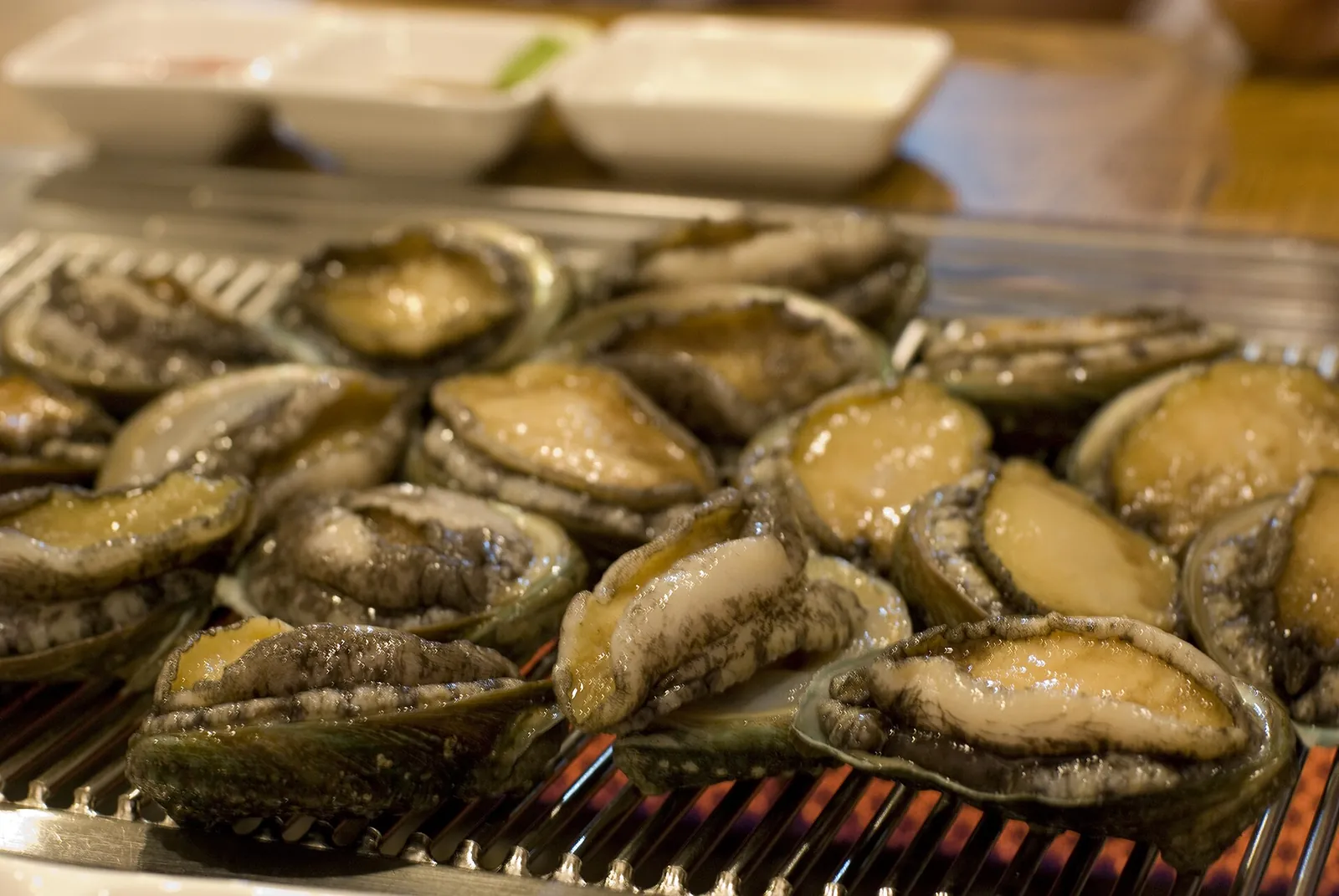
VisitKorea notes that abalone is mainly found on the southern coasts of Wando, Haenam and Gangjin; it was once a luxury and became common only with modern farming. Around Wando you will see it grilled, raw, in porridge and in jeonbok galbitang, a clear soup with abalone and beef ribs.
- Where to look
- Restaurants around Wando Port and the traditional market in Wando-eup.
- Fit it into your day
- Dinner the night before an early boat to Cheongsando, or lunch on the way back.
Shellfish; raw abalone is served with a gochujang-based sauce.
ID rules: carry your passport, not a photo of it
Korean passenger ferries check identity at ticketing and boarding. VisitKorea states that a passport or personal ID is required to board ships at every Jeju ferry terminal it lists, and its Udo listing says ID must be presented to board the ferry. For a foreign visitor that means your passport, in your hand rather than in the hotel safe.
Daezer Ferry publishes the full list of documents it accepts. For foreign nationals, when we checked on 2026-10-03, it listed an alien registration card, an overseas Korean residence card, a passport within its validity period, a Korean-issued disability card, a (international) driving licence, an international student card, a permanent-residence (green) card and a US Forces Korea ID. It explicitly rejects photocopies, photos of an ID, smartphone screenshots and expired documents. Children travelling with a parent or teacher can be identified through the accompanying adult.
Arrive early. At the Yeosu and Wando terminals, VisitKorea notes that passenger check-in closes 10 minutes before departure. Discounts for seniors, students or children also need proof at ticketing, Daezer's FAQ adds, so bring the card that proves the discount you booked.
Weather: build in a spare day
Every island page on VisitKorea carries some version of the same warning: Udo's ferries vary with the weather, and Hallyeohaesang National Park is subject to abrupt closure in adverse conditions. VisitKorea's climate guide adds that several typhoons pass between June and October and advises watching typhoon and heavy-rain advisories before and during a trip. A cancelled sailing is normal, not an emergency, as long as your plan has room for it.
Daezer Ferry explains how the decision is made on the Pohang–Ulleungdo route. The company analyses the weather from the previous evening to the morning and sails only when it judges the crossing safe; the decision can be heard on its ARS phone line after 07:00 on the day. When sailing looks very unlikely, or certain, it decides the day before and announces it between 15:00 and 17:00. When sailings are suspended for bad weather or a high-seas advisory, reservations are cancelled automatically and you rebook another date; card payments are refunded automatically, which Daezer says takes about 7 to 10 days.
Turn that into simple rules. Plan the island early in the trip, not at the end. Sleep in the port town the night before an early departure, so a delay costs you hours rather than a day. Keep one buffer day on the mainland side after any open-sea crossing, and book refundable onward trains and hotels for that day. Never plan a return crossing for the day before an international flight; that applies to Ulleungdo above all, but also to Hongdo and the overnight Jeju ferries.
Short crossings are more forgiving. If the Udo boat is not running, Seongsan Ilchulbong and the east coast of Jeju are right there; if Cheongsando is off, Wando's port and market still make a good seafood day. Choose island trips with a plan B at the port.
Fitting islands into a Korea route
Each island hangs off a mainland hub, so the island usually decides where the rest of the trip goes. Most of the ports are reached by KTX or express bus plus a short local transfer.
Pair the island with the town you would visit anyway, and give the port town at least one night of its own: Mokpo, Tongyeong and Wando are worth an evening for their markets and seafood rather than being places to rush through.
- Jeju and Udo: fly to Jeju International Airport (most often from Gimpo or Gimhae), stay in Seongsan for the early boat. VisitKorea puts Seongsan Ilchulbong about 80 minutes from the airport by taxi.
- Mokpo and Hongdo: the KTX and SRT run to Mokpo on the Honam Line; Mokpo's passenger terminal is about 15 minutes by city bus from Mokpo Station. Mokpo also has ferries to Jeju.
- Wando and Cheongsando: express buses run from Seoul's Central City terminal to Wando. Wando also has ferries to Jeju from its Yeonan terminal, about five minutes by taxi from the bus terminal, which makes a south-coast route that ends on Jeju possible.
- Tongyeong's islands: fly into Gimhae (Busan) and take the intercity bus from Busan Seobu terminal, about 80 minutes according to VisitKorea; from Seoul, intercity buses leave from Seoul Nambu Terminal.
- Ulleungdo: take the KTX to Pohang and the Daezer shuttle to the ferry terminal, or go via Mukho Port near Donghae. Allow three nights on the island and a buffer day afterwards.
Practical questions
Do I need my passport to take a ferry in South Korea?
Yes. VisitKorea says a passport or personal ID is required to board, and Daezer Ferry's list of accepted documents for foreigners includes a valid passport, an alien registration card or a driving licence. Photocopies, photos and screenshots of an ID are not accepted.
How do I book a Korean ferry online?
The Korea Shipping Association's site, island.theksa.co.kr, covers many coastal routes with timetables, fares, booking and real-time operation information; the pages we read were in Korean. Big routes such as Pohang to Ulleungdo have their own operator sites.
What happens if my ferry is cancelled because of the weather?
On the Pohang–Ulleungdo route, Daezer Ferry cancels reservations automatically when sailings are suspended, refunds card payments in about 7 to 10 days, and asks you to rebook another date. Check your operator's rules, and keep a spare day in your plan.
Which Korean island is easiest for a day trip?
Udo. The ferry from Seongsan or Jongdal Port on Jeju takes about 15 minutes, and VisitKorea recommends a morning boat over and an afternoon boat back. Cheongsando from Wando also works as a long day, but is better with a night.
How many days do I need for Ulleungdo?
Three nights, one of them a spare day for the weather. The fastest crossing from Pohang takes 2 hours 50 minutes according to the operator, and sailings depend on the sea.
When is the riskiest time for island ferries?
Summer and early autumn. VisitKorea notes that several typhoons pass between June and October and advises watching typhoon and heavy-rain advisories. Ferries can also be cancelled by strong winds at other times of year.
Sources and checks before you travel
Reference sources for the version dated 3 October 2026. Confirm opening times, access, transport and conditions for your travel dates.
- VisitKorea: Getting to Jeju Island (ferries) ↗ — opens in a new tab
- Korea Shipping Association: passenger ferry booking ↗ — opens in a new tab
- Daezer Ferry: FAQ ↗ — opens in a new tab
- Daezer Ferry: home page ↗ — opens in a new tab
- VisitKorea: Udo Island ↗ — opens in a new tab
- VisitKorea: Someorioreum (Udobong Peak), Udo ↗ — opens in a new tab
- VisitKorea: Fly to Jeju International Airport (Korea Beyond Seoul) ↗ — opens in a new tab
- VisitKorea: Cheongsando Island (Cittaslow) ↗ — opens in a new tab
- Wando County: Cheongsando ↗ — opens in a new tab
- VisitKorea: Hongdo Island ↗ — opens in a new tab
- VisitKorea: Hallyeohaesang National Park (Tongyeong District) ↗ — opens in a new tab
- VisitKorea: Bijindo Island ↗ — opens in a new tab
- VisitKorea: Yeonhwado Island ↗ — opens in a new tab
- VisitKorea: Ferry (international terminals) ↗ — opens in a new tab
- VisitKorea: Climate of Korea ↗ — opens in a new tab
- VisitKorea: Train ↗ — opens in a new tab
- VisitKorea: Express and intercity buses ↗ — opens in a new tab
- VisitKorea: Airport transportation ↗ — opens in a new tab
- VisitKorea: Fly to Gimhae International Airport (Korea Beyond Seoul) ↗ — opens in a new tab
- VisitKorea: Chungmu gimbap ↗ — opens in a new tab
- VisitKorea: Barnacle rice (ttagaebi bap) ↗ — opens in a new tab
- VisitKorea: Jimmy's Natural Ice Cream, Udo ↗ — opens in a new tab
- VisitKorea: Abalone and galbi soup ↗ — opens in a new tab
Photo credits
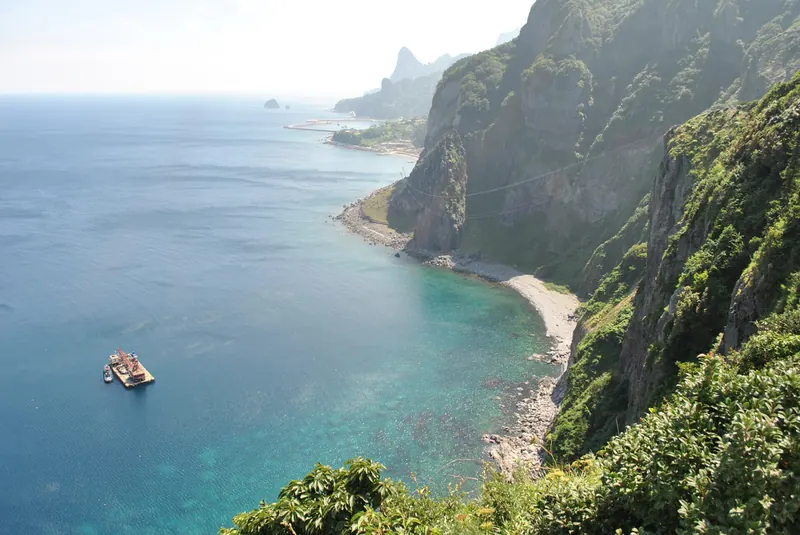
Hongdo, about two and a half hours by ferry from Mokpo, in Dadohaehaesang National Park
Photograph: justinjfj — opens in a new tab · CC BY 2.0 — opens in a new tab
Changes: Resized and converted to WebP; displayed with responsive crops. · Original photograph and licence details ↗ — opens in a new tab
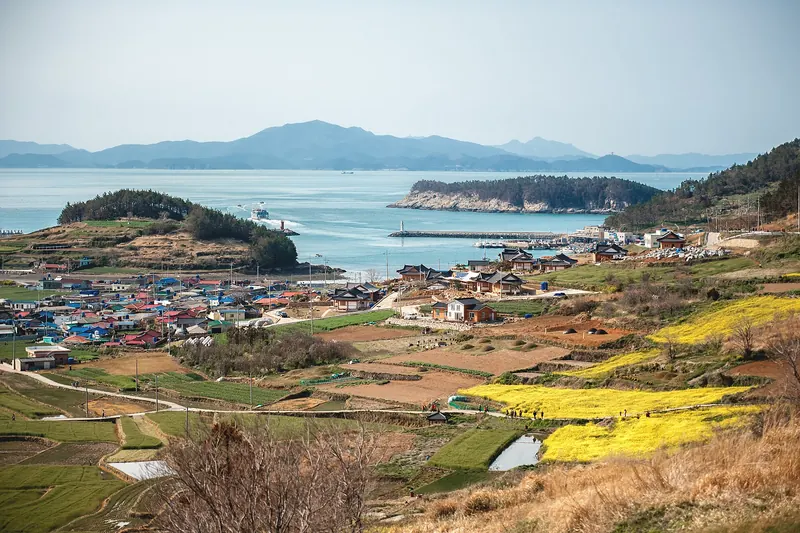
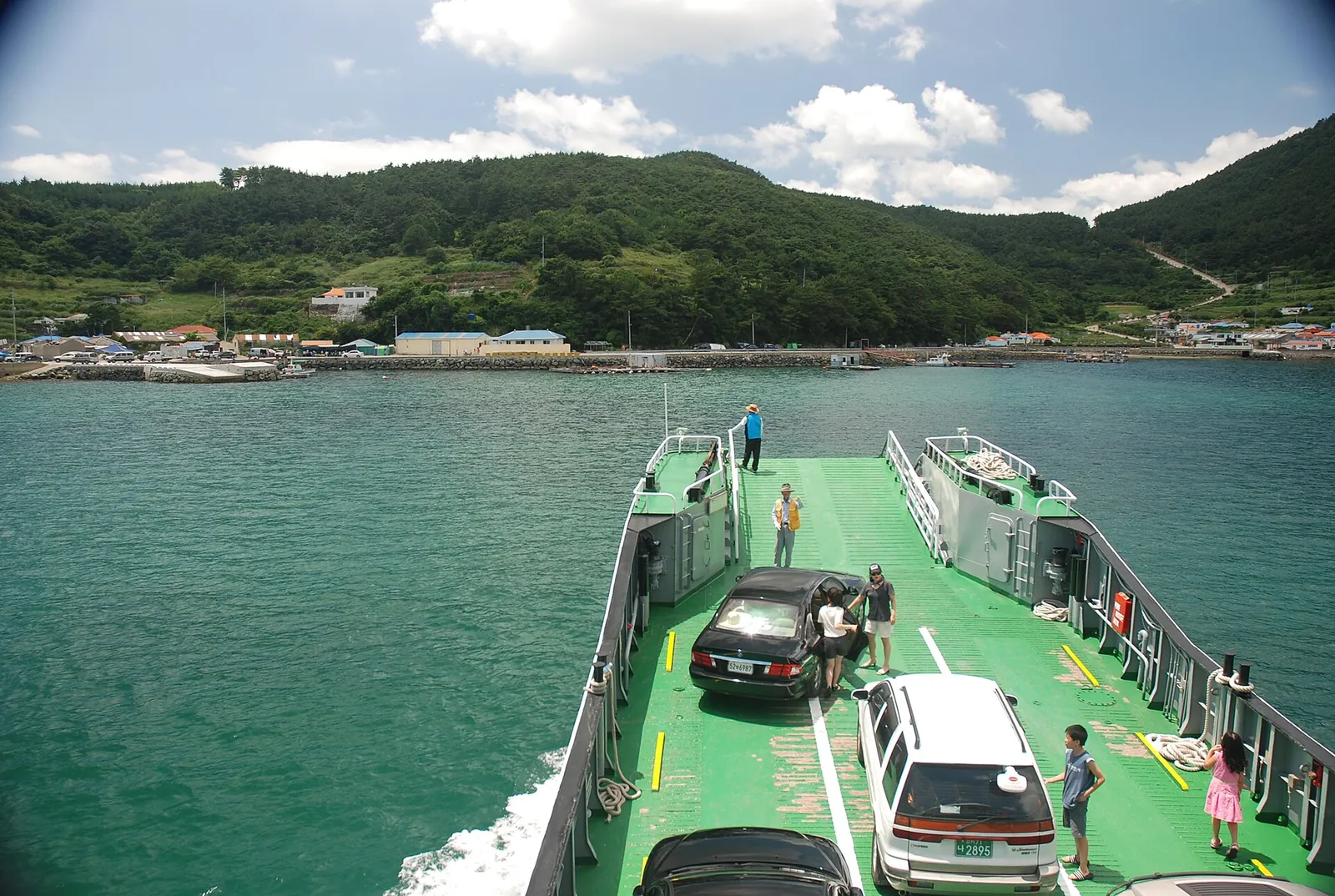
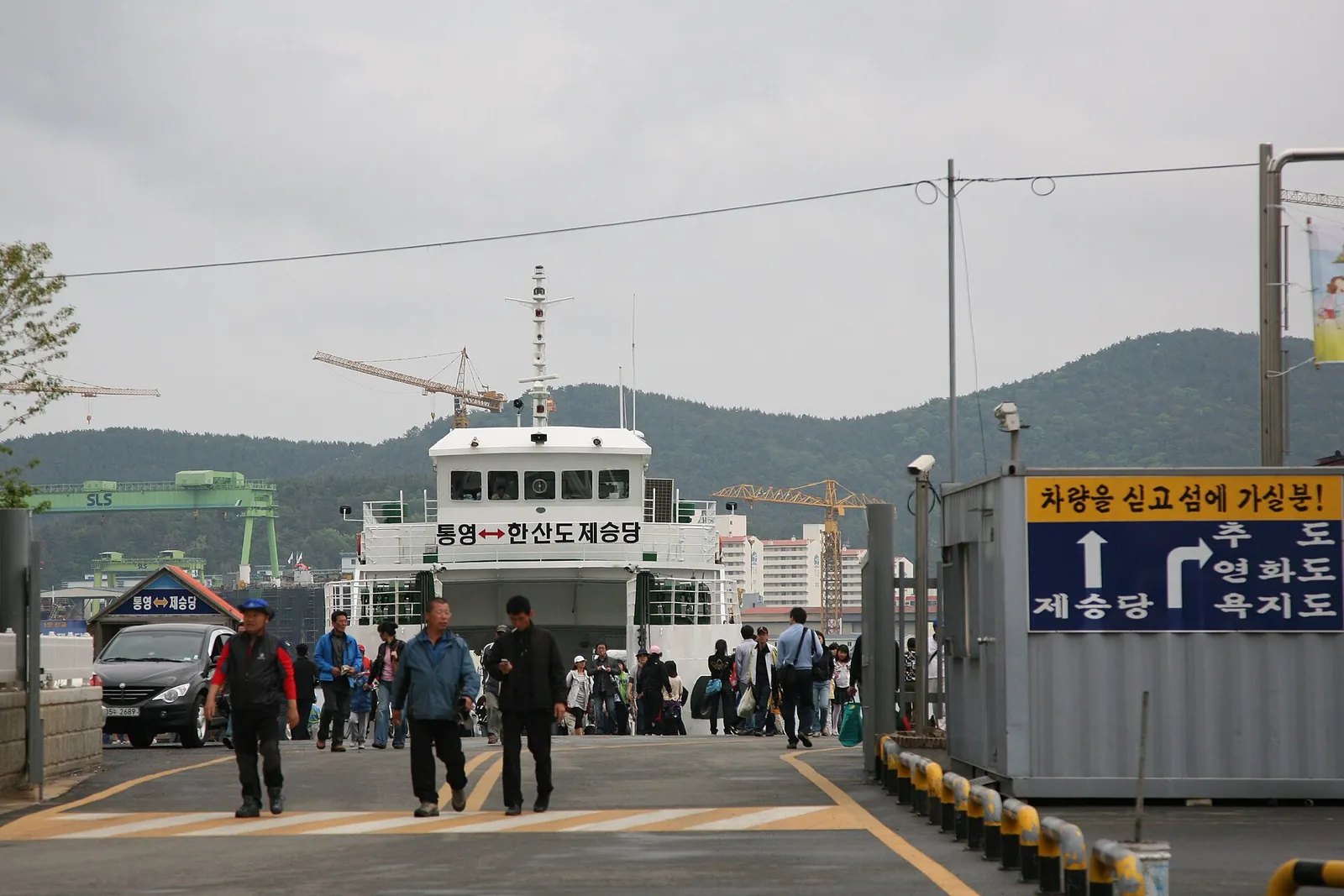
A small car ferry pulls in at Chubongdo, one of Tongyeong's islands
Photograph: Original uploader was Asfreeas at ko.wikipedia — opens in a new tab · CC BY-SA 3.0 — opens in a new tab
Changes: Resized and converted to WebP; displayed with responsive crops. · Original photograph and licence details ↗ — opens in a new tab
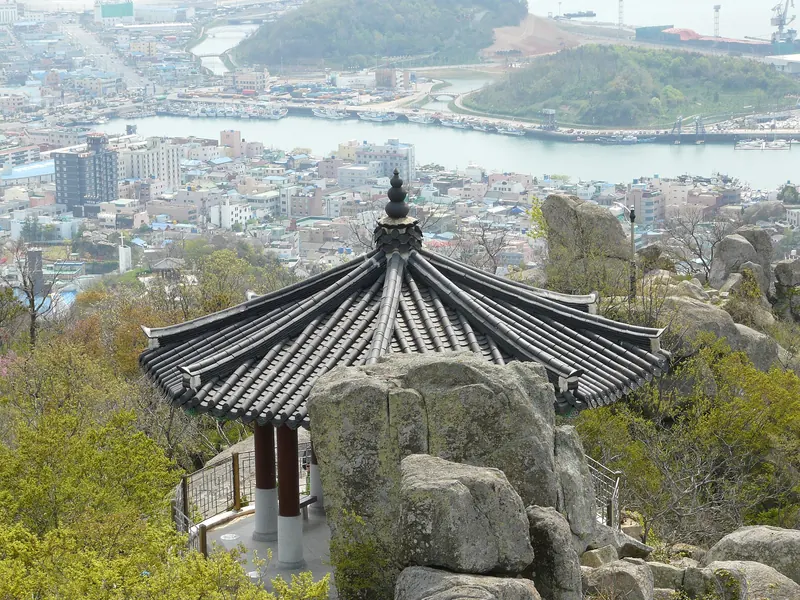
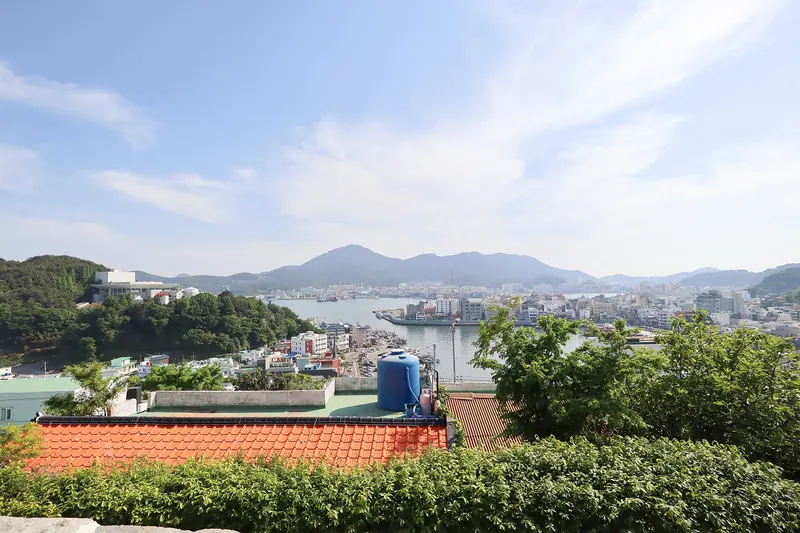
At the quay in Tongyeong, the gateway to Hansando and the Hallyeohaesang islands
Photograph: by Junho Jung at Flickr from South Korea — opens in a new tab · CC BY-SA 3.0 — opens in a new tab
Changes: Resized and converted to WebP; displayed with responsive crops. · Original photograph and licence details ↗ — opens in a new tab
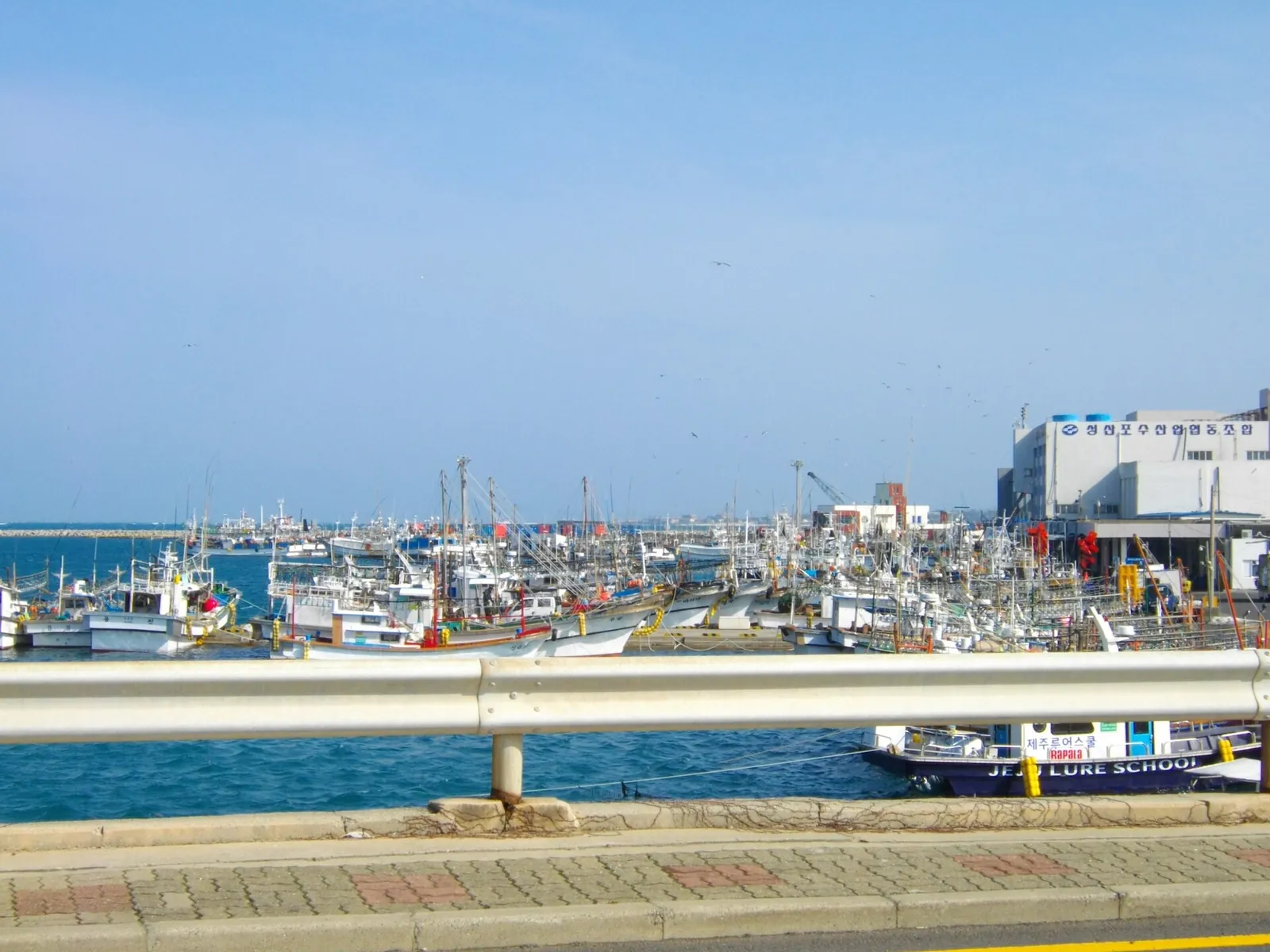
Seongsan Harbor on Jeju, where the ferries to Udo leave
Photograph: Abasaa — opens in a new tab · Public domain — opens in a new tab
Changes: Resized and converted to WebP; displayed with responsive crops. · Original photograph and licence details ↗ — opens in a new tab
Jeonbok gui, grilled abalone; Wando is one of the main abalone-producing areas
Photograph: by <==Manji==> at Flickr — opens in a new tab · CC BY-SA 2.0 — opens in a new tab
Changes: Resized and converted to WebP; displayed with responsive crops. · Original photograph and licence details ↗ — opens in a new tab