Plan your trip · South Korea
South Korea safety: emergency numbers, 1330, hospitals and weather risks
South Korea is one of the easier countries in Asia to travel safely: the Korea Tourism Organization points to low crime, round-the-clock convenience stores and English signs in stations, and the UK government calls crime against foreigners rare. The real risks for a visitor are more ordinary and more seasonal: a fall or a fever on a weekend when hospital international desks are closed, a summer of heavy rain and typhoons, a spring day when the air quality index turns red, or an emergency alert that arrives on your phone in Korean. This guide sets out the numbers and apps to have ready, where foreigners get medical help, and how to plan each season, using what the Korea Tourism Organization, AirKorea and the UK government said when we checked on 2026-10-03.
- Suggested time
- Ten minutes of setup before departure: save the numbers, install the apps, check your insurance
- Where to stay
- Central Seoul (Jongno or Sinchon) or Haeundae in Busan, close to hospitals with international health care centres
- Season and timing
- All year; take extra care in late June to July (monsoon), June to October or November (typhoons), late July to August (heat) and spring (fine and yellow dust)
The short answer
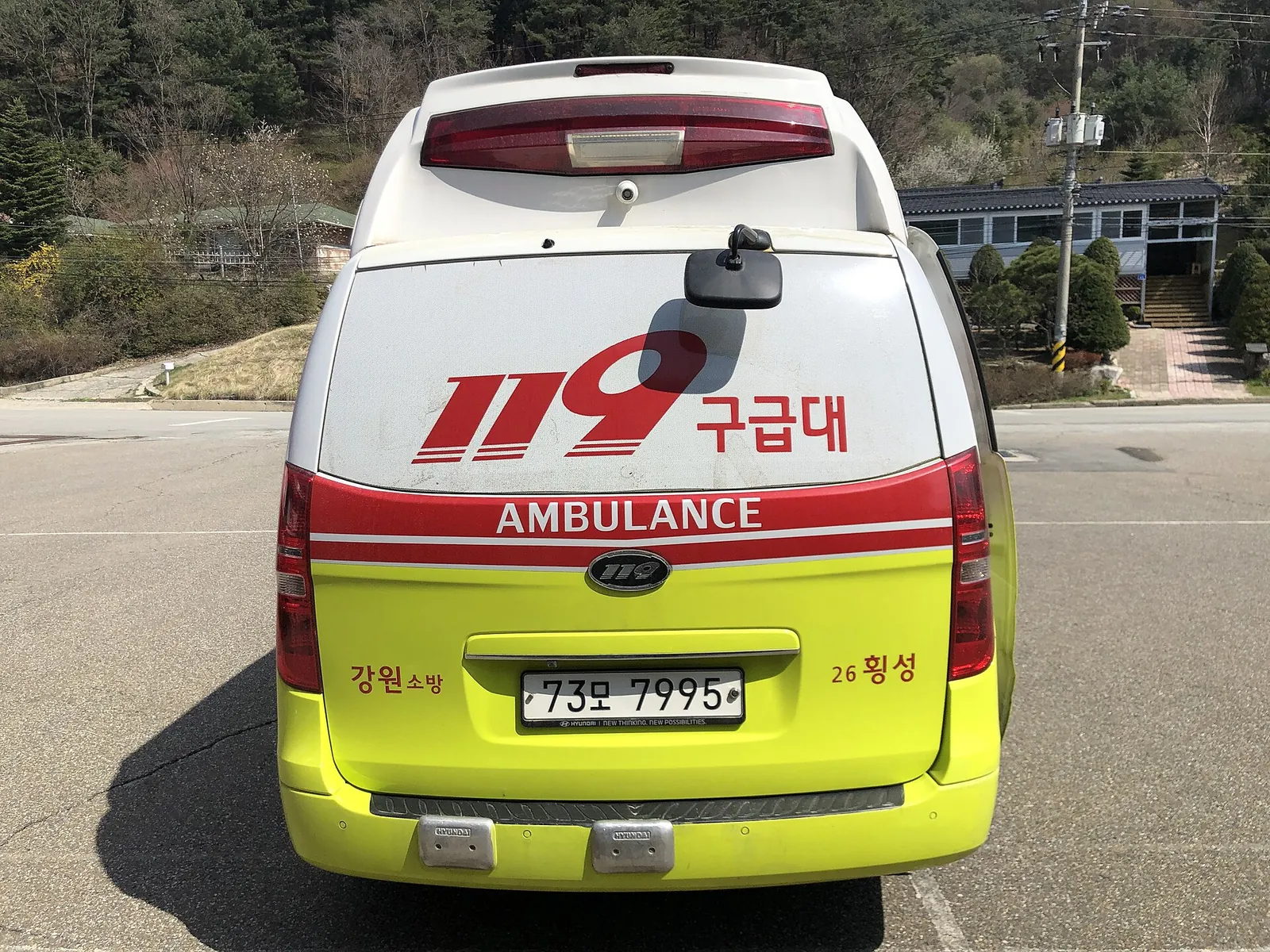
Before you fly, save four numbers: 112 for the police, 119 for an ambulance or fire, 1330 for the Korea Tourism Organization's multilingual travel helpline (+82-2-1330 from abroad), and 1339 for infectious-disease emergencies. Install the Emergency Ready app so disaster alerts reach you in English, and buy travel insurance that covers hospital treatment, because care is good but can be expensive. For non-urgent problems, the international health care centres of big hospitals such as Severance, Seoul National University Hospital and Samsung Medical Center help foreigners on weekday office hours; at night and at weekends, go to an emergency room or call 119. Plan around the seasons: from late June to late July expect monsoon downpours, from June into autumn watch for typhoons, in late July and August expect extreme heat, and in spring check AirKorea's air-quality index before a long day outdoors.
The numbers and apps to set up before you land
The Korea Tourism Organization's VisitKorea emergency page, last updated on 11 September 2026 when we checked, lists the core numbers. Call 112 for the police, 119 for the fire service and medical emergencies, and 1339 for infectious-disease emergencies. The KTO's emergency leaflet adds that you can ask for English, Japanese or Chinese when you call 112 after a car accident, and that the 119 app has an emergency report button that sends your location; if you do not consent to location sharing, it says you can still text, make a video call or contact your embassy.
For everything that is not an emergency, 1330 is the number to remember. The KTO's 1330 Korea Travel Helpline is a phone and real-time chat service for travel information, interpretation and tourist complaints. Dial 1330 inside Korea or +82-2-1330 from abroad; VisitKorea lists Korean, English, Japanese, Chinese, Russian, Vietnamese, Thai and Malay on the phone line. If you have no Korean SIM, the KTO offers a free online voice call over Wi-Fi through its app, and a chat through its 1330 web messenger, KakaoTalk, Facebook and Line. It is the easiest way to get a taxi driver, a pharmacist or a hotel receptionist and yourself understanding each other.
Two government apps are worth installing at home. The UK government's travel advice recommends the Emergency Ready App (iOS and Android), which explains the civil emergency and disaster alerts that would be pushed to your phone. It notes that these alerts reach phones automatically in Korean when you are in an affected area, and that English translations are available in the app and on the National Disaster and Safety Portal. Without the app, a loud alert in Korean can be confusing on a train or in a hotel at night.
- 112: police. 119: ambulance and fire. 1339: infectious-disease emergencies.
- 1330: KTO travel helpline, interpretation and complaints (+82-2-1330 from abroad).
- 182: LOST112, the National Police Agency's lost-and-found centre (+82-2-182); VisitKorea gives its website as lost112.go.kr.
- 131: the weather call centre, where the UK advice says you can get a forecast in English.
- Embassy: VisitKorea points to the Ministry of Foreign Affairs site, mofa.go.kr, for diplomatic missions in Korea. Save your own embassy's number with your passport details.
Pharmacies, clinics and hospitals
For a cold, a stomach upset or blisters, a neighbourhood pharmacy (yakguk, 약국) is the first stop. Pharmacies keep their own hours, so for late evenings, Sundays and public holidays the Korean Pharmaceutical Association runs a finder at pharm114.or.kr (in Korean) that shows pharmacies open now and late-night pharmacies. If the language is a problem, call 1330 and ask for interpretation on speaker. The UK advice recommends bringing your own medicines in your carry-on in small, personal quantities with an English-language prescription from your doctor, and checking the Ministry of Food and Drug Safety's rules before you travel.
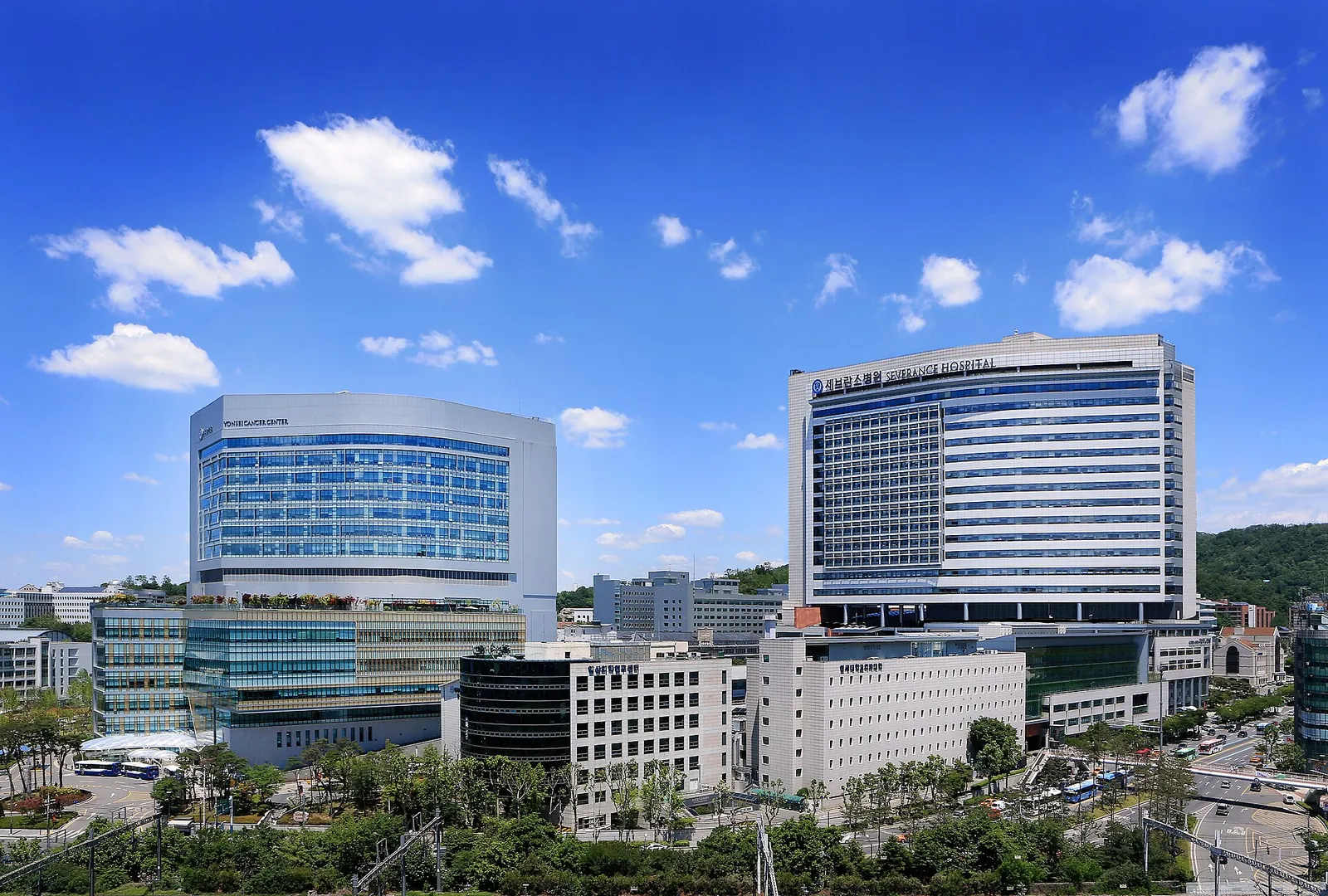
Many large hospitals run an International Health Care Center with interpreters who help with booking, treatment and follow-up. When we checked on 2026-10-03, VisitKorea listed, among others, Severance Hospital in Sinchon, Seoul National University Hospital in Jongno, Samsung Medical Center and Gangnam Severance in Gangnam, Seoul Asan Medical Center in Songpa, Seoul St. Mary's in Seocho, Korea University Anam and Kyung Hee University Medical Center in northeast Seoul, Inha University Hospital and Gil Medical Center in Incheon, St. Vincent's in Suwon, Kyungpook National University Hospital in Daegu, Inje University Paik Hospital in Haeundae, Busan, and Wonkwang University Hospital in Iksan. The key detail is the timing: every one of these international desks was listed as open on weekdays only, closed at weekends and on public holidays. Out of hours, go to the hospital's emergency room or call 119.
The UK government describes Korean medical and dental care as usually of a good standard but potentially expensive, and warns that staff may not speak English, so travel insurance with medical cover and evacuation is not optional. It also flags a Korean custom that surprises many visitors: for a hospital stay, especially a serious one, the hospital may ask you to bring a guardian (bohoja) to help with basic care. Paid caregivers (ganbyungin) exist but generally do not speak English, so if you travel alone, keep your insurer's assistance line handy.
If you are travelling for cosmetic surgery or dental work, the same UK page warns that no procedure is risk-free and that your insurance should cover complications and repatriation. Do not schedule an elective procedure for the last days before a flight home.
Make time for the local food
What to eat and where to look
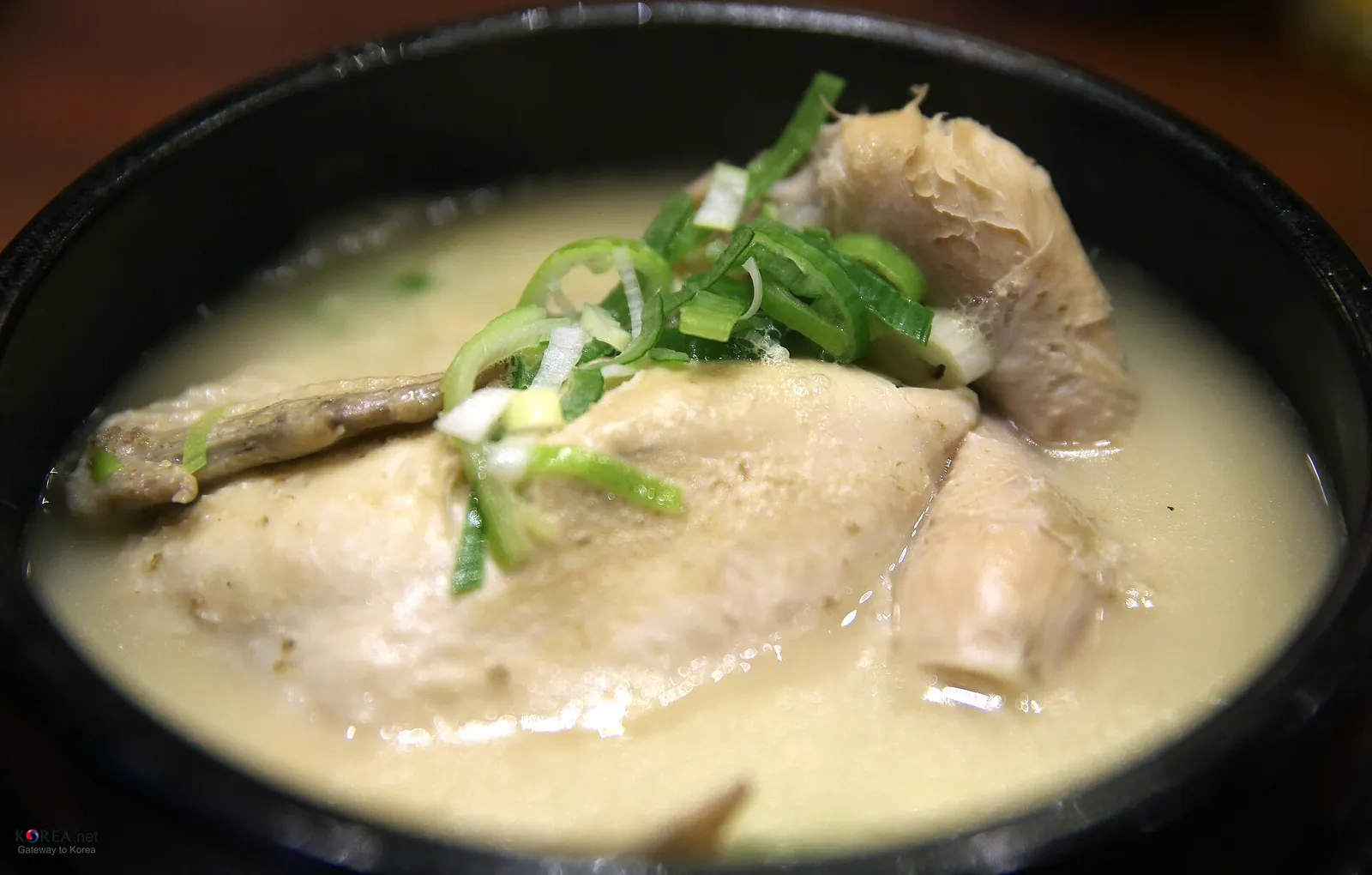
Samgyetang (chicken soup with ginseng)
A whole young chicken stuffed with glutinous rice, ginseng, jujubes and garlic, simmered in a milky broth and served bubbling in a stone pot. Koreans eat it on the hottest days of summer, on the idea that a hot, nourishing soup restores strength lost to the heat.
- Where to look
- Specialist samgyetang restaurants in Seoul and other cities that serve little else; queues form at lunchtime on the hottest days of July and August.
- Fit it into your day
- A long, air-conditioned lunch in the middle of a hot August day, when sightseeing is best left for the morning and evening.
The pot stays very hot; the chicken contains small bones. Some versions add abalone or other seafood.
Naengmyeon (cold buckwheat noodles)
Chewy buckwheat noodles in an icy beef broth (mul naengmyeon) or with a spicy sauce (bibim naengmyeon), topped with sliced pear, cucumber, egg and beef. It is the classic way to cool down in a Korean summer.
- Where to look
- Long-established naengmyeon restaurants in Seoul and Busan, and many Korean barbecue restaurants, which serve it as the final course.
- Fit it into your day
- Lunch on a heatwave day, or after barbecue in the evening.
The broth often contains beef stock and sometimes vinegar and mustard added at the table; the noodles may contain wheat as well as buckwheat.
Juk (rice porridge)
Soft rice porridge cooked with pumpkin, pine nuts, abalone, vegetables or chicken. It is what Koreans eat when they are unwell, tired or recovering from a stomach upset, and it is gentle after a long flight.
- Where to look
- Porridge chain restaurants in city centres and near hospitals and stations; many open early and offer takeaway.
- Fit it into your day
- Breakfast on a day you feel run down, or a light dinner after a day spent indoors because of rain or bad air.
Abalone and seafood versions contain shellfish; ask whether the stock contains meat if you are vegetarian.
Patbingsu (shaved ice with sweet red beans)
Finely shaved ice or frozen milk topped with sweetened red beans, rice-cake pieces and condensed milk, or with fruit in newer versions. It is shared from one big bowl.
- Where to look
- Dessert cafés and bakery cafés in every city, busiest on summer afternoons.
- Fit it into your day
- An afternoon break in the hottest hours, between a morning outing and an evening walk.
Usually contains dairy; fruit and cheese versions vary widely, so check the menu for allergens.
Crime, nightlife and the law
Street crime is low. The UK advice calls crime against foreigners rare but mentions occasional theft in crowded places and areas popular with foreigners, naming Itaewon, and cases of assault, including sexual assault, around bars and nightlife districts. In practice that means the ordinary big-city precautions: keep your passport and cards close in crowds, watch your drink, and travel home late with a licensed taxi or public transport rather than an offer from a stranger.
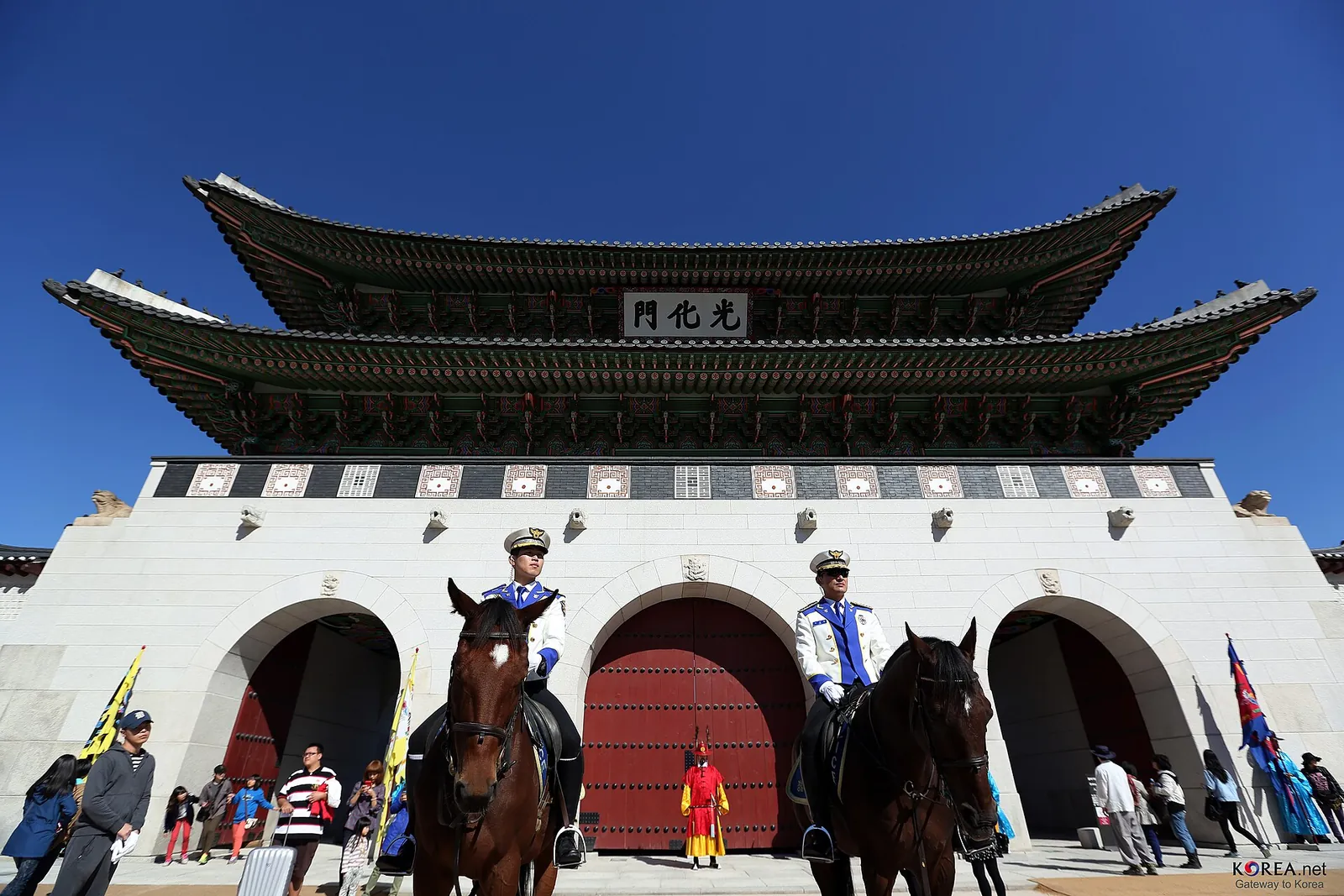
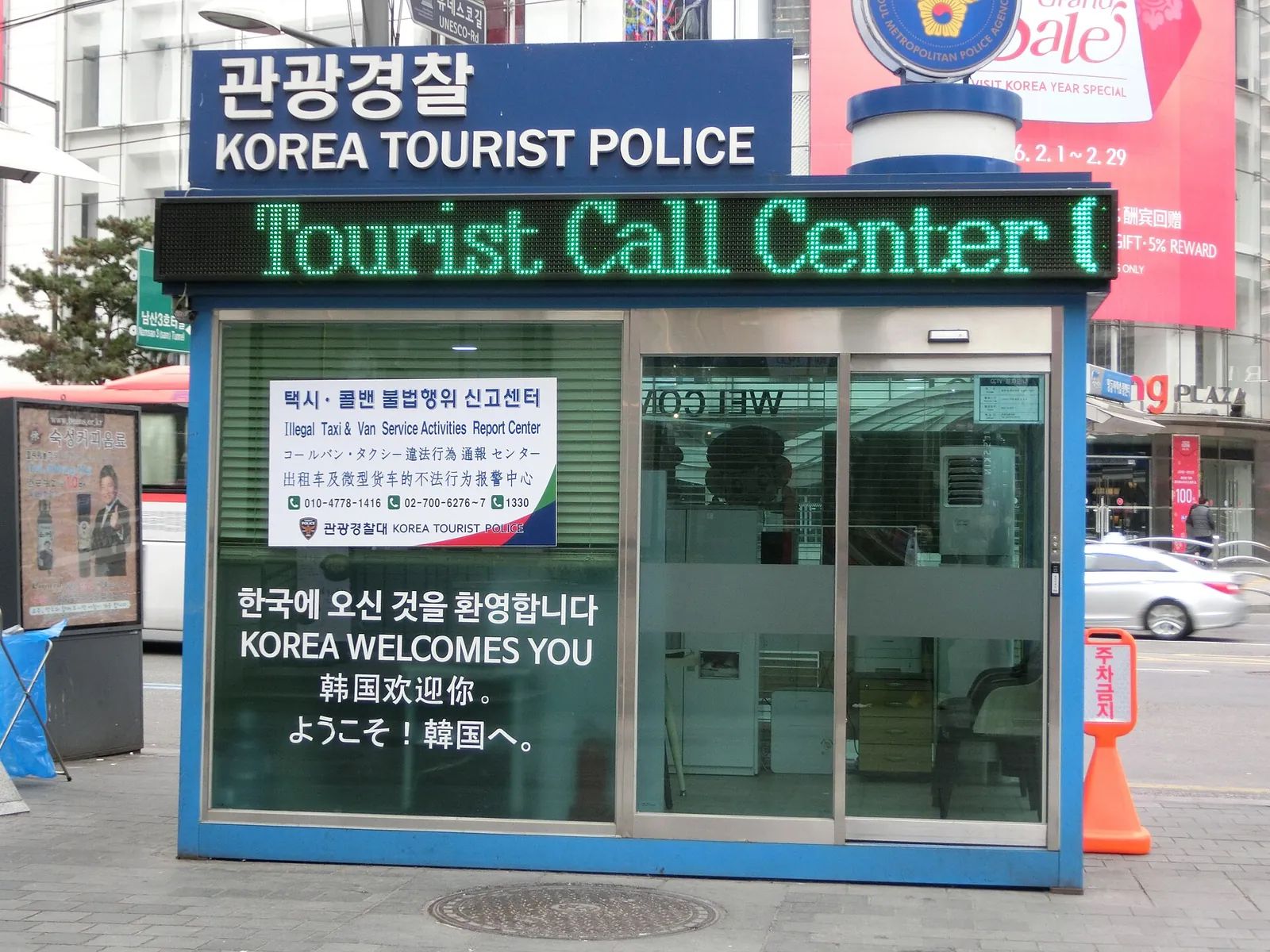
Taxi drivers often speak little English, the UK advice says, so have your destination written in Korean, ideally with a map. If a taxi, shop or guesthouse treats you unfairly, the KTO's tourist complaint centre takes reports by phone on 1330, online at touristcomplaint.or.kr and by email at tourcom@knto.or.kr. In Myeongdong and other busy tourist areas of Seoul you may also see Korea Tourist Police booths and officers in blue uniforms, part of the services the 1330 helpline lists.
A few laws catch visitors out. The UK advice says it is a legal requirement to carry identification, though you are rarely asked for it, so keep your passport or a copy with you. Drug laws are strict: possession or use of even small amounts of cannabis can mean a long prison sentence, and the advice notes that British nationals have been detained solely on the basis of drug tests. Demonstrations are common and mostly peaceful, but foreign nationals are not allowed to take part in political activities, so watch rather than join, and stay away from large gatherings at tense times.
Crowds deserve a thought of their own. The KTO's emergency leaflet advises noting the nearest exit in advance, not holding valuables in your hand, and watching for a crowd building up. If you feel people starting to push, it says to move diagonally with the flow towards the edge, to keep your arms in front of your chest if you cannot move, never to bend down for a dropped belonging, and, if you fall, to curl up and protect your head. Plan festival nights and countdowns in Hongdae, Itaewon or Haeundae with that in mind.
Summer: heat, monsoon rain and typhoons
Summer is the season that most often changes plans. VisitKorea's climate guide describes the rainy season as running roughly from the end of June to the end of July, warns that the end of July and August can be extremely hot and humid, and notes several typhoons between June and October; the UK advice gives the typhoon season as June to November. August is the hottest month: VisitKorea's table gives Seoul an average daily high of 30°C and Gwangju 30.9°C. Air-conditioned subways and cafés make cities manageable, but a long palace walk or a mountain trail at midday in August is a real strain.
Rain in Korea is not just inconvenient. The UK advice warns that torrential summer rain can flood areas near rivers and streams, including built-up areas, that flash floods are common downstream of large reservoirs and rivers even after short bursts of intense rain, and that landslides are possible in the hills. Stay off riverside paths and out of valleys and stream beds during heavy-rain warnings, and be ready for trails, island ferries and cable cars to stop when the weather turns. If an island such as Jeju, Ulleungdo or Udo is near the end of your trip, leave a spare day before your international flight in typhoon season.
For forecasts, the UK advice points to the Korea Meteorological Administration and to the 131 weather line for an English forecast. VisitKorea adds that weather patterns have shifted with climate change and recommends checking real-time weather reports during the trip and being ready for unexpected rain or extreme heat. In heat, plan outdoor sightseeing for early morning and evening, carry water, and treat dizziness, headache or nausea as a reason to stop and cool down, not to push on.
Fine dust and yellow dust: reading the air-quality index
Air pollution is the risk most visitors do not expect. The UK advice says pollution, including yellow dust, is common, especially in spring, and that on bad days most residents stay indoors or wear face masks outside. You will hear Koreans call it misemeonji, fine dust.
The official source is AirKorea, run by Korea Environment Corporation, which publishes real-time readings in English. Its Comprehensive Air-quality Index (CAI) runs from 0 to 500 in four bands: Good (0–50), Moderate (51–100), Unhealthy (101–250) and Very unhealthy (251–500). Its behavioural guidelines for fine particles (PM10 and PM2.5) say that at Unhealthy levels people should avoid long or strenuous outdoor activity, and sensitive groups should stay indoors; at Very unhealthy levels, children, older people and anyone with heart or lung conditions should remain indoors and keep activity low.
For a trip, that translates into a simple routine: check the index the evening before a hike, a cycling day or a long walk along the Han River, and on a red day swap in a museum, a market under cover or an indoor attraction. If you have asthma, AirKorea's guidance says to use your inhaler more often on bad days, so pack enough.
Alerts, drills, earthquakes and the DMZ
Two things can look alarming without being an emergency. The UK advice explains that South Korean authorities sometimes hold civil emergency exercises, marked by sirens; vehicles stop and people may be directed into metro stations or basements. Visitors do not have to take part but should follow officials' instructions. Tension on the peninsula can also rise after North Korean missile tests or during South Korean and US military exercises; the advice is to follow local authorities and the news. Near the DMZ, it advises caution and following the local authorities' instructions.
Strong earthquakes are unusual but do happen, and forest fires occur. The UK advice points to the Korea Meteorological Administration for earthquakes and to the Korea Forest Service for tracking fires; local fire alerts go to phones in the affected area, which is another reason to have the Emergency Ready app. Hikers should take a park closure seriously rather than look for another way in.
On the subway, the KTO's emergency leaflet shows what to do in a fire or breakdown: an emergency call intercom and fire extinguishers in the carriages, manual door handles beside the doors, and, if a platform fills with smoke, following the evacuation lights (or the textured walkway for the visually impaired), staying low and covering your nose and mouth. If you have to leave a train on the tracks, it says not to walk along them but to move to the space under the platform and call for help.
Mosquitoes, ticks and vaccinations
Korea needs few special health preparations, but two insect-borne risks are worth knowing. The UK's National Travel Health Network and Centre (TravelHealthPro) reports a very low risk of malaria in the north, in Gangwon and Gyeonggi provinces and Incheon near the DMZ, with increased risk reported in places including Ganghwa, Paju, Gimpo, Goyang's Ilsan and Deogyang districts, Cheorwon and Yeoncheon. No antimalarial tablets are recommended; the advice is awareness and bite avoidance. If you develop a fever after time in those areas, tell a doctor where you have been.
Japanese encephalitis occurs in Korea, with a risk season usually from May to November, mainly around rice fields and pig farms in rural areas. TravelHealthPro says the vaccine is not routinely recommended for short trips to Seoul or other major cities. The UK health page also lists insect and tick bites and tick-borne encephalitis among the risks, so use repellent, wear long trousers on grassy trails, and check for ticks after a day in the countryside. See a travel clinic at least eight weeks before departure if your trip includes long rural stays.
Practical questions
What is the emergency number in South Korea?
Call 112 for the police and 119 for an ambulance or the fire service. VisitKorea also lists 1339 for infectious-disease emergencies. For travel help and interpretation that is not an emergency, call 1330 (or +82-2-1330 from abroad).
Is South Korea safe for tourists?
Yes, by most measures. The Korea Tourism Organization points to low crime rates, and the UK government calls crime against foreigners rare, while warning about occasional theft in crowded areas such as Itaewon and assaults around nightlife districts. Weather, air quality and medical costs are the more likely problems for a visitor.
What is the 1330 Korea Travel Helpline?
A Korea Tourism Organization phone and chat service for travel information, interpretation and tourist complaints. Dial 1330 in Korea or +82-2-1330 from abroad; you can also call free over Wi-Fi through the KTO app, or chat through its web messenger, KakaoTalk, Facebook or Line.
Where can foreigners see a doctor in South Korea?
Large hospitals such as Severance, Seoul National University Hospital, Samsung Medical Center and Seoul Asan Medical Center run international health care centres with interpreters. When we checked, VisitKorea listed them as open on weekdays only, so at night, at weekends and on holidays go to an emergency room or call 119.
When is typhoon and monsoon season in South Korea?
VisitKorea puts the rainy season at roughly the end of June to the end of July and notes typhoons between June and October; the UK government gives the typhoon season as June to November. Check the Korea Meteorological Administration forecast before island trips and hikes.
How do I check fine dust levels in Korea?
Use AirKorea, the official air-quality service, which has an English site. Its index runs from Good (0–50) and Moderate (51–100) to Unhealthy (101–250) and Very unhealthy (251–500); on Unhealthy days it advises avoiding long or strenuous outdoor activity.
Sources and checks before you travel
Reference sources for the version dated 3 October 2026. Confirm opening times, access, transport and conditions for your travel dates.
- VisitKorea (Korea Tourism Organization): Emergency Situations ↗ — opens in a new tab
- VisitKorea (Korea Tourism Organization): Dealing With an Emergency While Traveling in Korea (PDF) ↗ — opens in a new tab
- VisitKorea (Korea Tourism Organization): 1330 Travel Helpline & Complaint Center ↗ — opens in a new tab
- VisitKorea (Korea Tourism Organization): Tourist-Friendly Korea ↗ — opens in a new tab
- VisitKorea (Korea Tourism Organization): Climate ↗ — opens in a new tab
- VisitKorea (Korea Tourism Organization): Airport Transportation Guide ↗ — opens in a new tab
- UK FCDO travel advice: South Korea, safety and security ↗ — opens in a new tab
- UK FCDO travel advice: South Korea, health ↗ — opens in a new tab
- TravelHealthPro (UK National Travel Health Network and Centre): South Korea ↗ — opens in a new tab
- AirKorea (Korea Environment Corporation): Introduction to the CAI ↗ — opens in a new tab
- AirKorea (Korea Environment Corporation): Behavioral Guidelines ↗ — opens in a new tab
- Korean Pharmaceutical Association: Holiday pharmacy finder (Korean) ↗ — opens in a new tab
Photo credits
Korea Tourist Police on horseback at Gwanghwamun, the main gate of Gyeongbokgung Palace in Seoul
Photograph: Korea.net / Korean Culture and Information Service (Jeon Han) — opens in a new tab · CC BY-SA 2.0 — opens in a new tab
Changes: Resized and converted to WebP; displayed with responsive crops. · Original photograph and licence details ↗ — opens in a new tab
A Korea Tourist Police and tourist information booth in Myeongdong, Seoul
Photograph: Abasaa — opens in a new tab · Public domain — opens in a new tab
Changes: Resized and converted to WebP; displayed with responsive crops. · Original photograph and licence details ↗ — opens in a new tab
A 119 ambulance of the Dunnae 119 Safety Center in Hoengseong, Gangwon Province
Photograph: Choi Kwang-mo — opens in a new tab · CC0 — opens in a new tab
Changes: Resized and converted to WebP; displayed with responsive crops. · Original photograph and licence details ↗ — opens in a new tab
Severance Hospital in Sinchon, Seoul, one of the hospitals with an international health care centre
Photograph: Bak1999 — opens in a new tab · CC BY-SA 4.0 — opens in a new tab
Changes: Resized and converted to WebP; displayed with responsive crops. · Original photograph and licence details ↗ — opens in a new tab
Samgyetang, chicken soup with ginseng, served in Seoul in summer
Photograph: Korea.net / Korean Culture and Information Service (Jeon Han) — opens in a new tab · CC BY-SA 2.0 — opens in a new tab
Changes: Resized and converted to WebP; displayed with responsive crops. · Original photograph and licence details ↗ — opens in a new tab