Jeolla · Jeonbuk State
Gunsan travel guide: colonial-era port, Leesungdang and Seonyudo
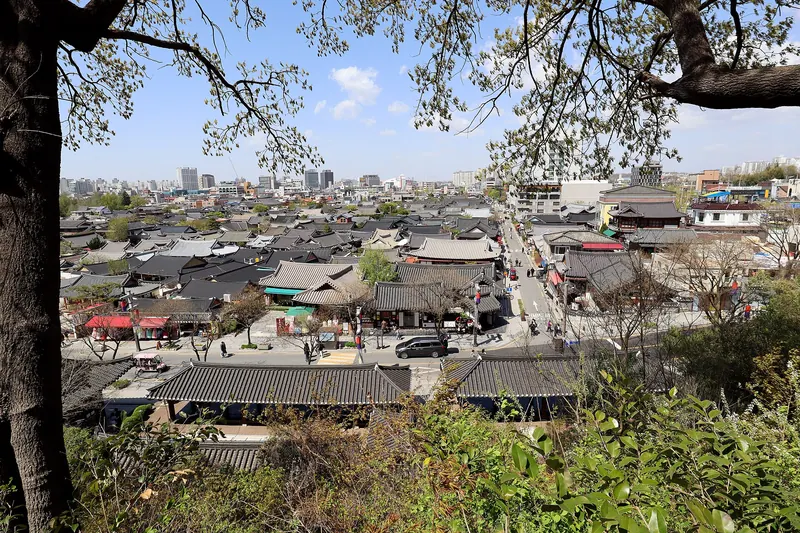
Gunsan is a port city on the Geum River estuary that was opened in 1899 and became the collection point for rice from the Jeonbuk region shipped to Japan during the colonial period. That history is unusually visible: a customs house, two bank buildings, Japanese-style houses and the country's only surviving Japanese-style temple still stand within walking distance of each other, and several of them now serve as museums. Add Leesungdang, which VisitKorea calls Korea's oldest bakery, a Chinese-Korean jjamppong tradition, and the Gogunsan islands now joined to the mainland by bridges, and you have a stop that feels quite different from Jeonju an hour away.
- Suggested time
- 1 night; 2 nights to add the Gogunsan islands at an easy pace
- Where to stay
- The old port district (Jangmi-dong and Sinheung-dong) for the museums; Seonyudo for the islands; the Eunpa Lake area for a standard hotel
- Season and timing
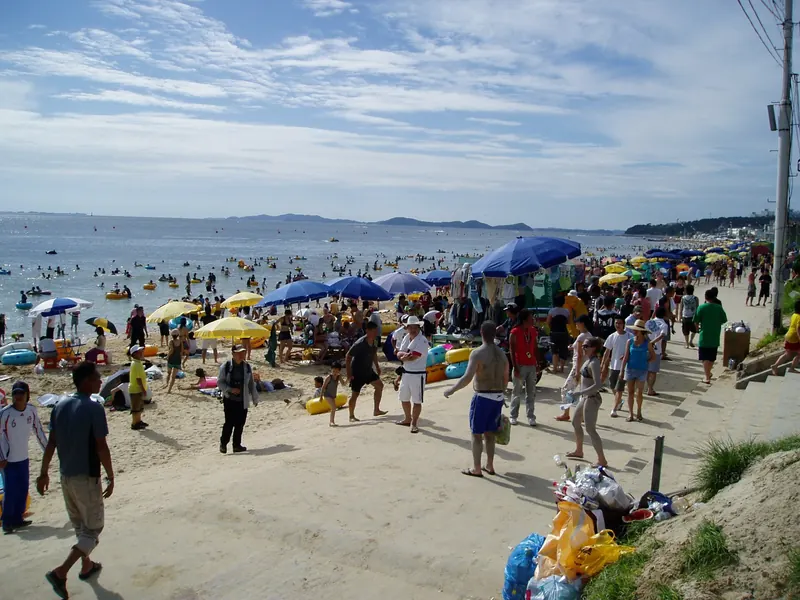
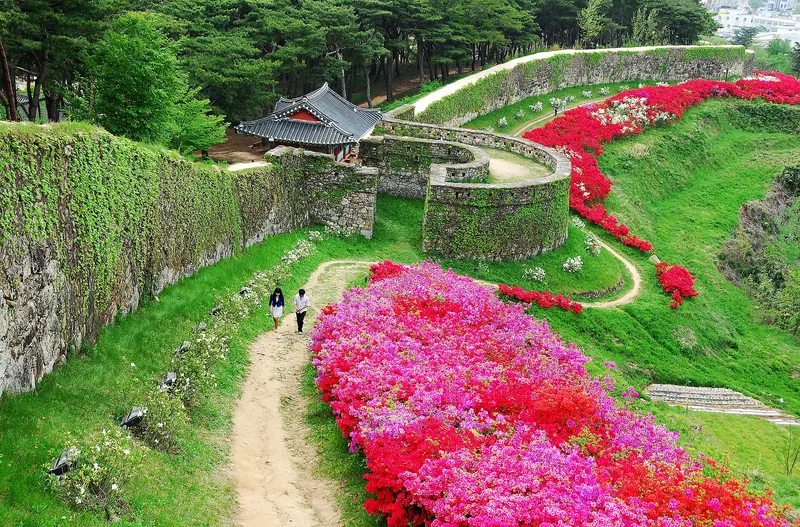
- Wolmyeong Park is covered in cherry blossoms in April, when the city holds a photo contest there. Seonyudo is one of the busiest beach spots on the west coast in summer, so book island rooms early for July and August. The museums keep shorter hours from November to February, and the island cruise runs only when the weather allows.
The short answer
Stay one night, two if you want the islands without rushing. Spend the first day on foot in the old port district (the museums close on Mondays), and the second on Seonyudo and the neighbouring Gogunsan islands by car, or by city bus and a rented bicycle. Sleep in the old town near the Modern History Museum for the walking day, or on Seonyudo itself if the islands are the main reason you came. Reach Gunsan by express bus from Seoul or from Jeonju, or by train on the Janghang Line.
Why Gunsan deserves a night of its own
Most of what makes Gunsan interesting sits in a compact old town by the inner harbour, which the city markets as its Time Travel Village. VisitKorea's own feature on the city says the historic sights are close enough to see on foot in a day, and recommends staying a second day for the Gogunsan islands, about 40 minutes away by car. That is the right shape for a visit: one walking day in the colonial-era streets and one day out on the islands, with an evening between them for jjamppong, a night walk and a bag of bread.
This is also a town where the context matters. Gunsan's port, banks and warehouses were built to move Korean rice and land into Japanese hands, and the museums say so plainly; the History Center of the Japanese Colonial Period describes its purpose as remembrance, human rights and reconciliation. Go in expecting a history lesson as well as photogenic streets.
For the walking day, sleep in the old port district itself, around Jangmi-dong and Sinheung-dong, so that you can be at the museums when they open and walk back after dinner. If the islands are the main point, Jin-ri village on Seonyudo is the islands' base, with inns, restaurants and bicycle rental shops close to the beach; it is noisy in the summer holidays. Travellers who want a conventional hotel will find one by Eunpa Lake, but will need a taxi or bus into the old town.
The old port: customs house, bank museums and the Modern History Museum
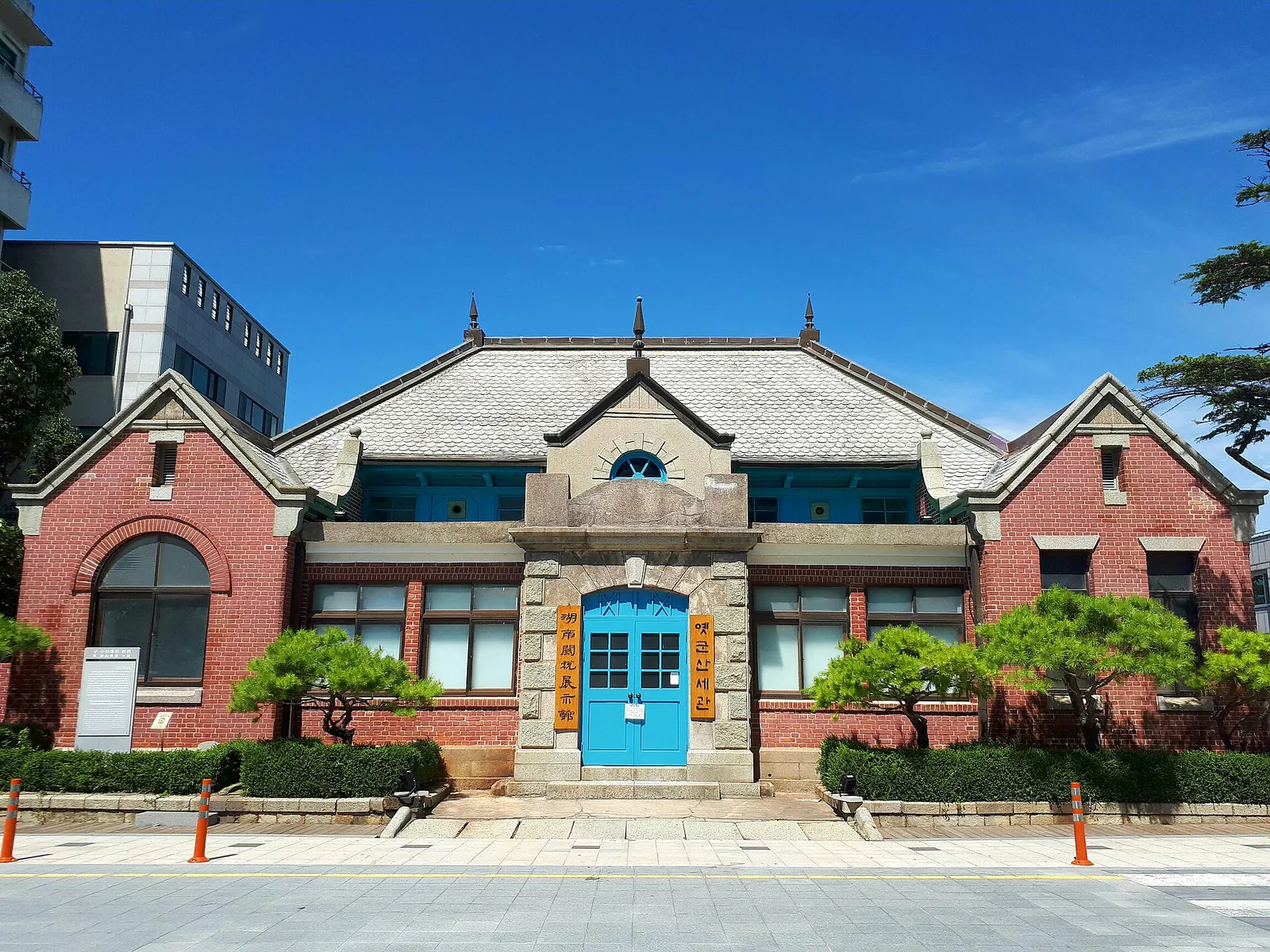
Start on Haemang-ro by the inner harbour, where VisitKorea's Modern History Street listing places the Modern History Museum, the old customs house, the Modern Art Museum and the Modern Architecture Exhibition Hall in a row. The Former Gunsan Customs main building was completed in 1908, before colonial rule began, to a design by an unnamed German architect and with bricks imported from Belgium; it served as the customs office for 85 years and now houses the Honam Customs Museum. When we checked on 2026-10-03, VisitKorea listed it as free, open 9:00 to 18:00 and closed on Mondays, and advised calling ahead as hours may change.
The Gunsan Modern History Museum next door tells the story of the city as a West Sea trading port and is the best place to start if you want the background before walking. The two bank buildings nearby are small and worth half an hour each. The Modern Art Museum occupies the 1907 Gunsan branch of Japan's 18th Bank, which financed land purchases and rice exports; its old vault holds the original safe and a recreation of the prison cell of the independence activist Ahn Jung-geun. The Modern Architecture Exhibition Hall is the red-brick former Joseon Bank branch of 1923, a building that appears in Chae Man-sik's novel Tangnyu (Murky Waters), which is set in colonial-era Gunsan.
When we checked on 2026-10-03, the museum's official site listed opening from 9:00 to 18:00 in summer and 9:00 to 17:00 in winter, closed on Mondays and on 1 January, with an adult ticket of 2,000 won for the museum alone. A combined adult ticket of 3,000 won covered the museum, the Modern Art Museum, the Modern Architecture Exhibition Hall and the Wibong warship at Jinpo Maritime Theme Park, the waterfront park of retired military craft that commemorates Choi Mu-seon's victory over Japanese raiders at the Battle of Jinpo in 1380. Tickets are valid only on the day of issue.
Gunsan City also runs free walks led by culture and tourism commentators, with no booking: you turn up at the museum entrance ten minutes before the start. When we checked, the city's page listed course A (the port buildings and Jinpo, up to two hours) at 10:30 and 14:00, and course B (the customs house, Chowon Photo Studio, the Japanese-style house, Mallaengyi Village and Dongguksa, up to two and a half hours) at 10:00 and 13:30, with no walks on Mondays. The page does not say which languages are offered, so ask at the museum.
Make time for the local food
What to eat and where to look
Danpatppang and yachaeppang at Leesungdang
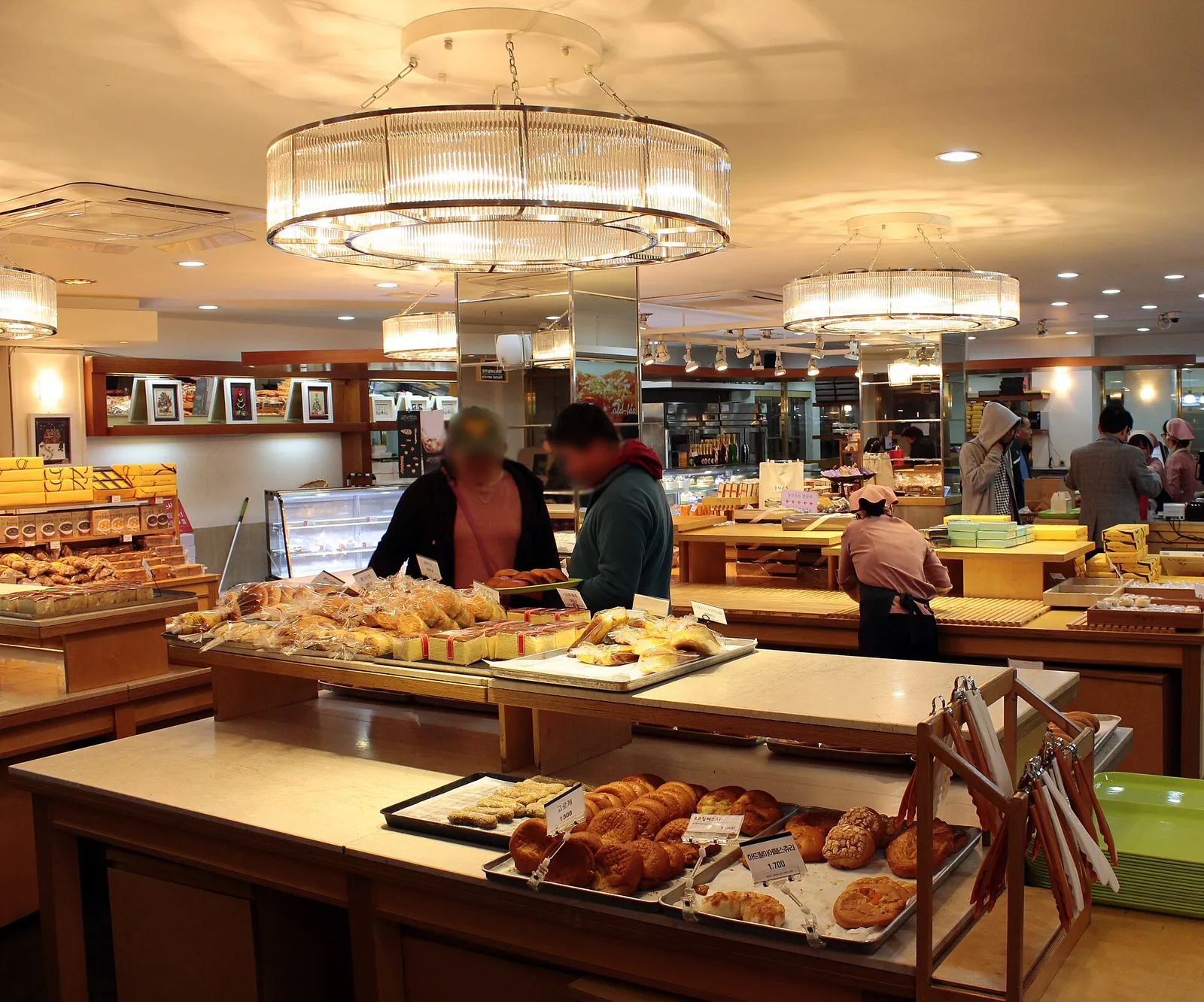
Leesungdang, which VisitKorea dates to 1945 and calls Korea's oldest bakery, is known for two buns: danpatppang, made with rice flour and filled generously with sweet red bean paste, and yachaeppang, a chewy bun stuffed with vegetables. VisitKorea's Gunsan feature also recommends the peanut butter bun.
- Where to look
- The bakery at 177 Jungang-ro, at the edge of the old city centre; its annex sells boxed gift sets.
- Fit it into your day
- Buy a few buns for breakfast or the island day rather than queueing for one; when we checked on 2026-10-03, VisitKorea listed opening from 8:00 daily, with closure two or three days a month announced online.
There are often queues at weekends, and popular buns can sell out; check the bakery's notice page for closing days.
Gunsan jjamppong
A spicy seafood noodle soup from the city's Chinese-Korean kitchens. VisitKorea's Gunsan feature traces the dish to Shandong-style noodles meeting Gunsan's plentiful seafood, after a 1961 law restricting land ownership by ethnic Chinese pushed many into the restaurant trade.
- Where to look
- Gunsan's jjamppong street, where Binhaewon, founded in 1952 and housed in a registered heritage building, is the oldest Chinese restaurant; Bokseongnu on Wolmyeong-ro is another well-known name.
- Fit it into your day
- A lunch between the port museums and Sinheung-dong. Bokseongnu was listed as open only until 16:00 and closed on Sundays, and Binhaewon closed on Mondays, when we checked.
Very spicy and full of shellfish and squid; jjajangmyeon (black bean noodles) is the milder order at the same places.
Hanu muuguk (beef and radish soup)
A clear soup of Korean beef and radish, the signature dish at Hanilok, which occupies a Japanese-style building from 1937 with antiques displayed upstairs.
- Where to look
- Hanilok at 63 Guyeong 3-gil.
- Fit it into your day
- An early breakfast before the museums open: VisitKorea listed Hanilok as opening at 6:00.
Mild and filling; the menu is built around beef, with dakguk (chicken soup) as an alternative.
Jungdong hotteok
Unlike the usual fried hotteok, the version at Jungdong Hotteok, in business since 1943, is baked, giving a crisp outside and a soft centre filled with syrup mixed with barley, black soybeans, black sesame and black rice.
- Where to look
- Jungdong Hotteok at 52 Seorae-ro.
- Fit it into your day
- An afternoon snack; VisitKorea listed shorter hours on Sundays (13:00 to 18:00).
The filling is very hot straight from the oven.
Sundae gukbap and market snacks
Pork and blood-sausage soup with rice, served by about a dozen restaurants on a century-old alley off Gunsan Public Market, where the snack stalls also sell a spicy japchae of glass noodles, fish cake and vegetables.
- Where to look
- Sundae Gukbap Street from the market's west gate, and the snack shops and Youth Mall inside Gunsan Public Market (Gongseol Market).
- Fit it into your day
- A cheap, warming lunch or dinner; when we checked, VisitKorea listed the market as closed on the first and third Sundays of the month.
Sundae contains pork blood and offal; ask for the soup with meat only (gogi) if you prefer.
Sinheung-dong: Japanese-style houses, a film set and Dongguksa
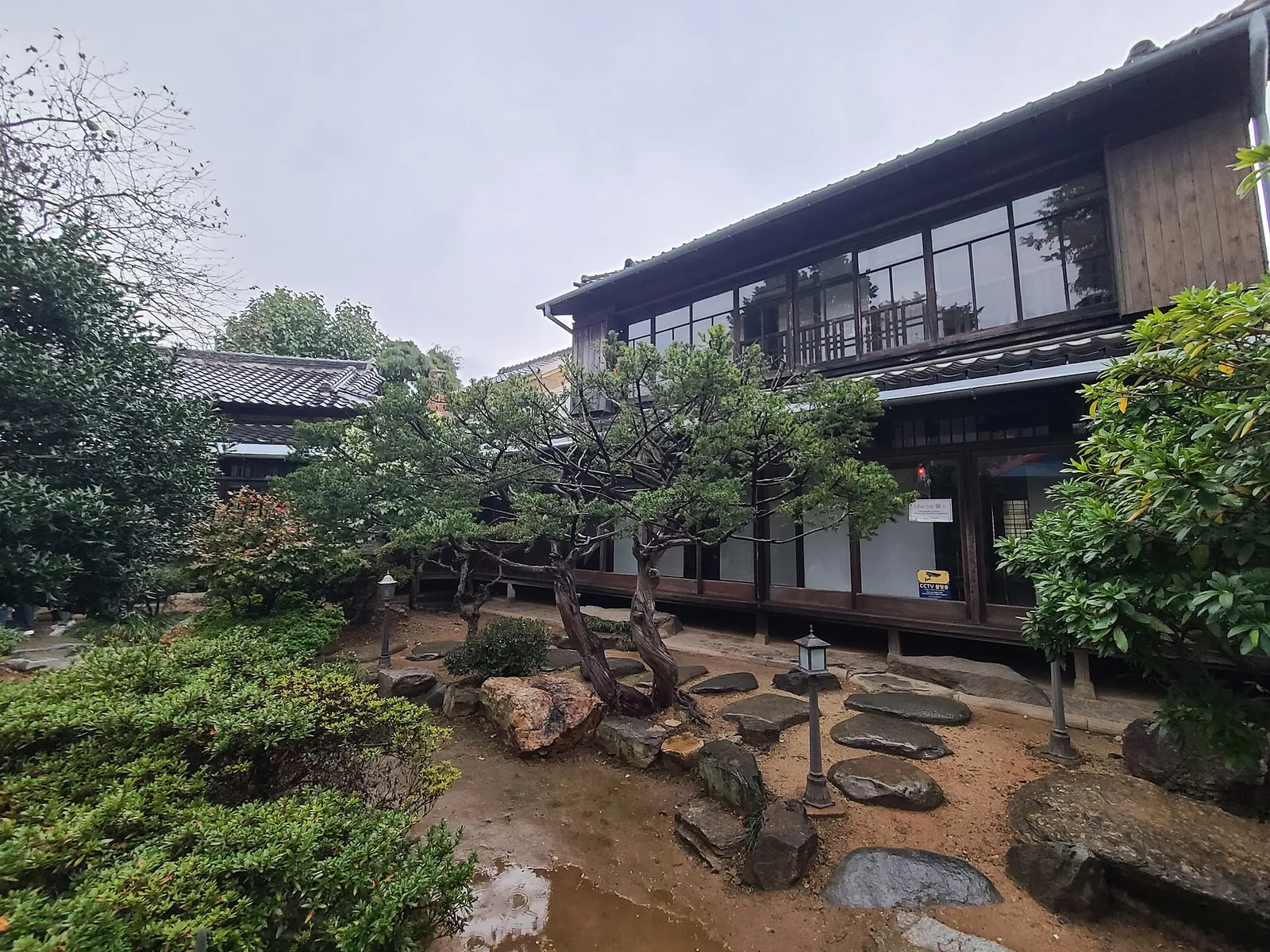
Walk inland from the harbour into Sinheung-dong, which VisitKorea describes as the residential quarter of the wealthy during the colonial period. Its centrepiece is the Japanese-style House in Sinheung-dong, also called the Hirotsu House after the man who built it: a two-storey timber house with its original roof, walls, interior and Japanese garden, registered as cultural heritage in 2005 and used as a set for films including Tazza: The High Rollers. When we checked on 2026-10-03, VisitKorea listed it as open 10:00 to 17:00, with last entry 20 minutes before closing, and closed on Mondays.
Close by, Chowon Photo Studio is the converted garage that became the photographer's shop in the 1998 film Christmas in August; VisitKorea listed it as free. Uphill behind the Japanese house is Mallaengyi Village, a hillside of houses built by refugees during the Korean War on planks laid over rock, which since 2014 has also housed artists' residences and small exhibition spaces. It is a lived-in neighbourhood, so keep voices and cameras discreet.
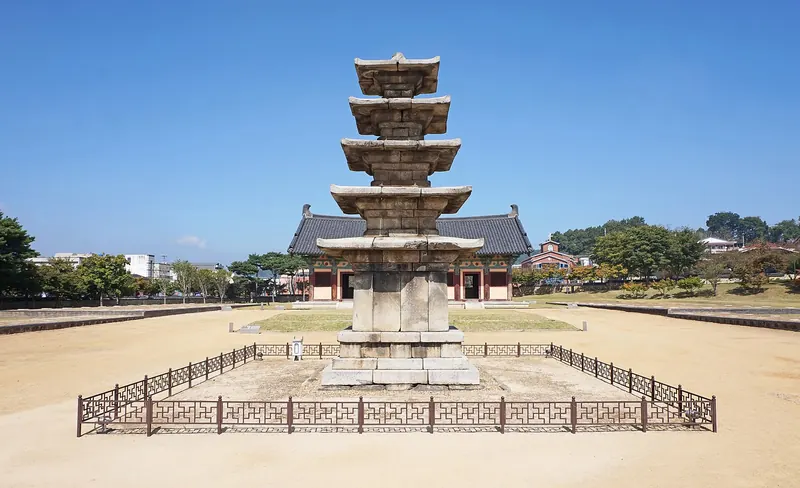
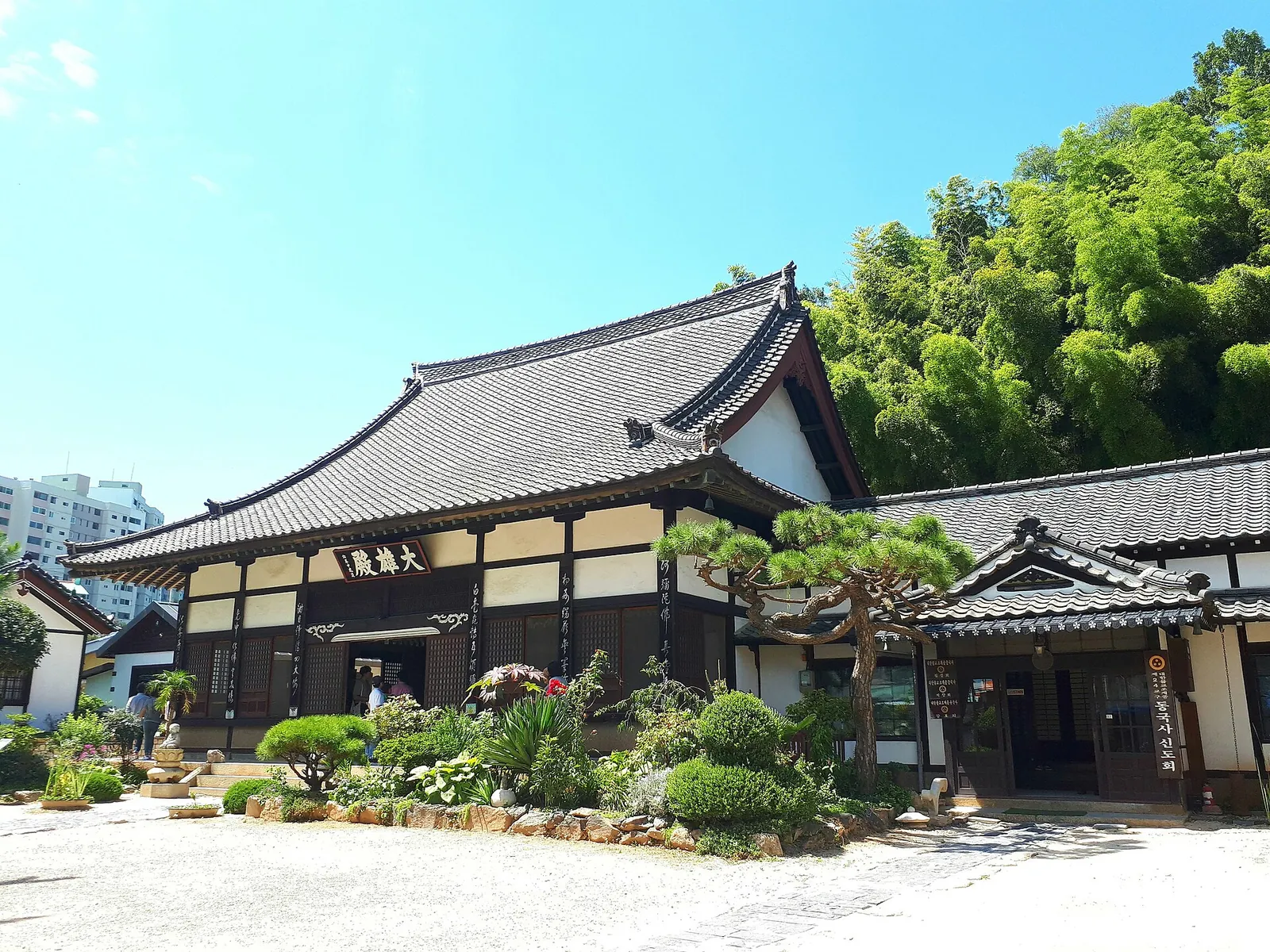
Dongguksa, a short walk away, was founded by a Japanese monk in 1909 and is, in VisitKorea's words, the only surviving Japanese-style temple in Korea. Its sparsely decorated Daeungjeon hall, joined to the monks' quarters by a corridor, is a striking contrast to the colourful Korean temples you will see elsewhere. The History Center of the Japanese Colonial Period in Gunsan is on the same lane; when we checked, VisitKorea listed an adult ticket of 1,000 won and closure on Mondays.
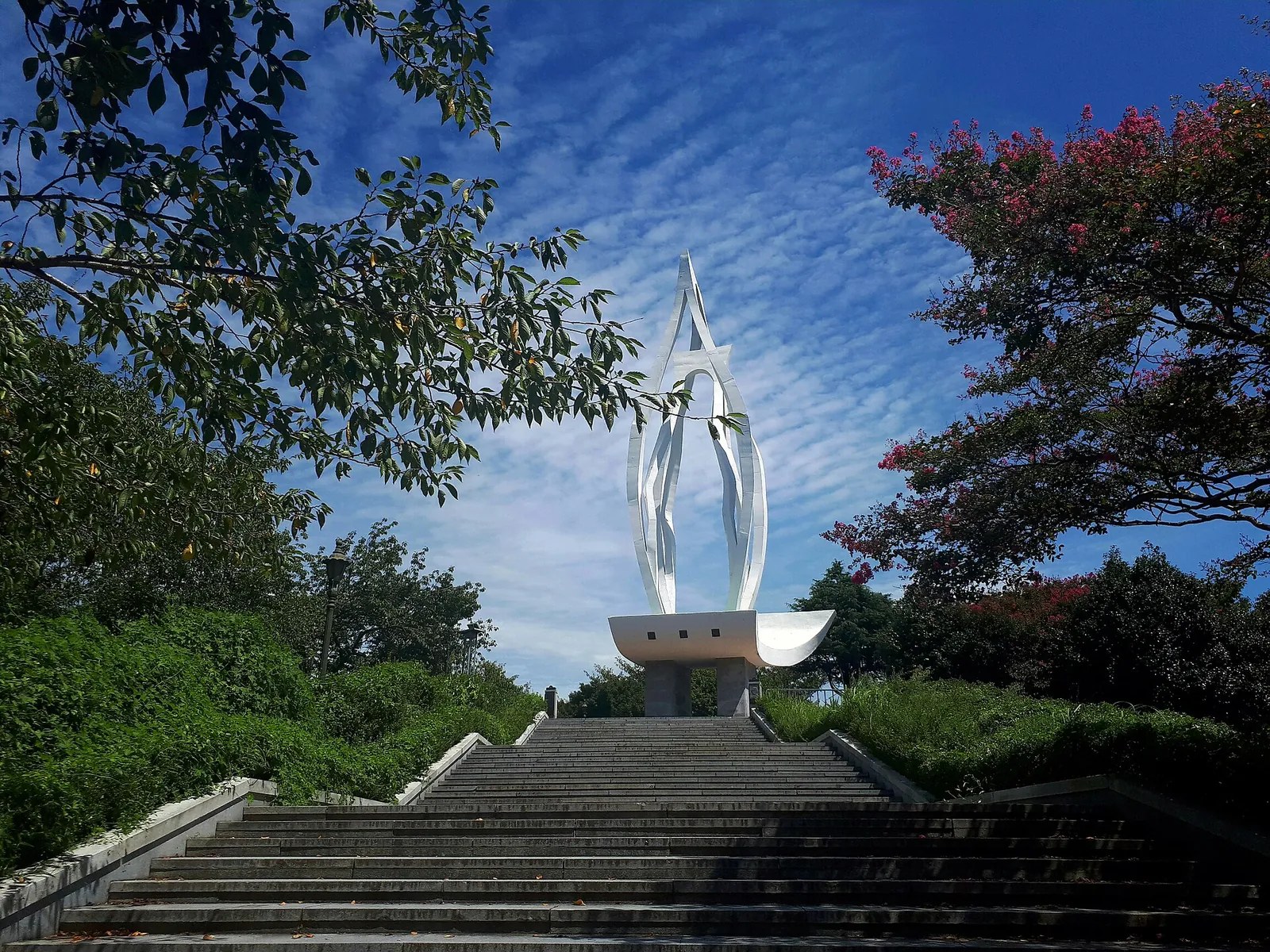
Finish the day above the town. Wolmyeong Park links five hills with about 12 kilometres of trails, and VisitKorea notes views from Susi Tower over the city, the Geum River mouth and the sea. If you are staying the night, the Sinheung-dong City Forest Park, created on a restored section of Wolmyeong Park, has a lit walkway and a lookout over the city lights and the harbour.
Seonyudo and the Gogunsan islands by bridge
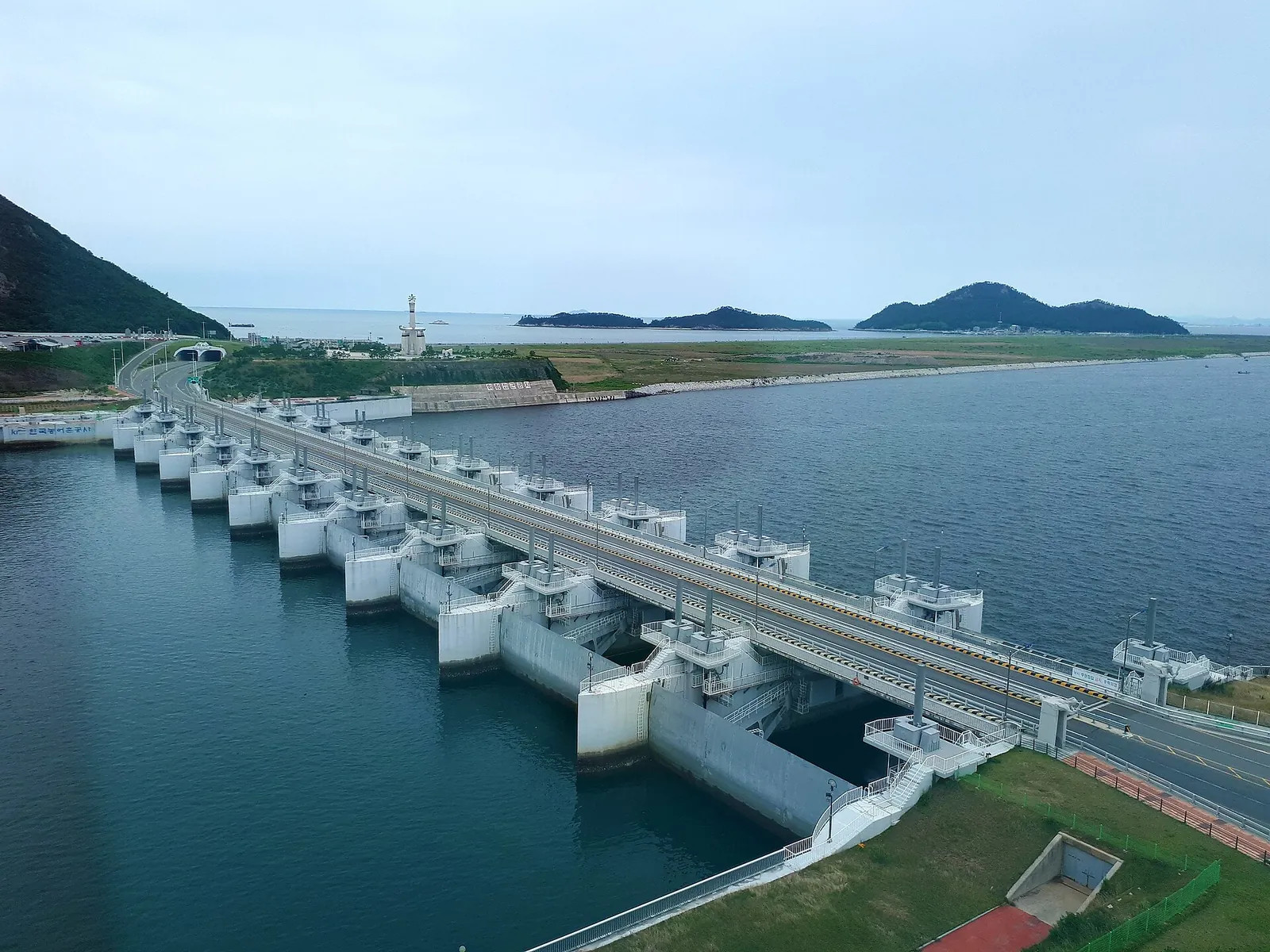
The Gogunsan archipelago, which the city counts as 16 inhabited and 47 uninhabited islands, used to mean a ferry ride. Today Sinsido, Munyeodo, Seonyudo and Jangjado can be reached by car via Sinsido on the Saemangeum seawall, and bridges link Munyeodo, Seonyudo, Jangjado and Daejangdo so closely that VisitKorea says you can walk between them as if they were one island. Seonyudo, at the centre, was a Joseon-dynasty naval base, and Admiral Yi Sun-sin rested his fleet here after the Battle of Myeongnyang in 1597.
Without a car, Gunsan City's transport page lists a city bus from the Gunsan National University main gate through Sinsido, Munyeodo and Seonyudo to Jangjado, leaving at ten past each hour when we checked on 2026-10-03, with the first at 6:10 and the last at 20:10; several city routes from Gunsan Station and the intercity bus terminal connect with it at the university gate. Check the current timetable and the last bus back before you set out. Drivers should know that the city warns parking on the islands is limited.
Once there, a bicycle is the best way around. The city's island page reckons on about an hour to cycle around Seonyudo and on via Jangjado to Daejangdo, another hour for Munyeodo, and three hours to see all four islands comfortably. Seonyudo Beach, known as Myeongsasimni, is a shallow sweep of sand below the twin rock peaks of Mangjubong; the city puts its real length at about 1.5 kilometres. The sunset from Mangjubong or the beach is the classic end to the day.
Two paid extras are worth knowing about. When we checked on 2026-10-03, VisitKorea listed the Gunsan Seonyudo Cruise, an approximately 1 hour 20 minute loop past the islands' rock formations, at 22,000 won for adults on site or 20,000 won online, with departures depending on the weather and passengers asked to arrive 30 minutes early with ID. The Seonyu Sky Sunline zipline drops 700 metres from a 45-metre tower near the beach entrance towards an islet by Mangjubong; VisitKorea listed an adult fare of 20,000 won. The Jangja Bridge skywalk is a 268-metre bridge from 1986 that the city has widened and given a new deck, with LED lighting at night.
Getting to Gunsan and around town
From Seoul the simplest option is the express bus. VisitKorea lists Gunsan among the routes from the Central City Express Bus Terminal (Express Bus Terminal Station, subway lines 3, 7 and 9) and from Dong Seoul Terminal. When we checked on 2026-10-03, the Modern History Museum's directions page gave a bus every 15 to 30 minutes from Seoul's Gangnam terminal taking about 2 hours 30 minutes, and buses from Jeonju intercity bus terminal every 20 minutes taking about an hour, which makes Gunsan easy to pair with Jeonju.
Gunsan is also on the Janghang Line, which runs down the west coast through Daecheon (for Boryeong) and Janghang to Iksan; the museum's page gave about 3 hours from Seoul by Saemaeul train. The West Sea Gold Train, a themed tourist train with ondol-floored carriages between Yongsan and Iksan, also stops at Gunsan. Check Korail for the current timetable.
In town, the museum's page lists city buses 1, 2, 8, 17 to 19, 88 and 89 stopping in front of the museum, and 3, 4, 7, 11 to 13, 15 and 16 at the Naehang intersection nearby. Once you are in the old port district, everything in the two sections above is walkable. Gyeongam-dong Railroad Village, a preserved 1944 freight line lined with retro snack stalls and uniform-rental shops, is not part of the old-town walk; take a taxi or check the city bus.
A workable two-day route
This is an editorial suggestion, not a timetable. Avoid Mondays for the first day, when most of the old-town museums are closed.
- Day 1 morning: the Modern History Museum at opening, then the customs house and the two bank museums on a combined ticket, or join the city's free guided walk.
- Day 1 lunch: jjamppong, then bread from Leesungdang.
- Day 1 afternoon: the Hirotsu House, Chowon Photo Studio, Mallaengyi Village and Dongguksa; Wolmyeong Park or the Sinheung-dong forest park at dusk.
- Day 2: a morning bus or drive to Seonyudo, a rented bicycle across the bridges to Jangjado, Daejangdo and Munyeodo, and the sunset from Myeongsasimni Beach before the last bus back, or a night on the island.
- Onward: an hour by bus to Jeonju, or north up the coast by train towards Boryeong.
Combining Gunsan with Jeonju and the west coast
Gunsan works best as the coastal half of a Jeonbuk trip: Jeonju has the hanok village and the food culture, Gunsan has the modern history and the sea. With the bus taking about an hour, you can arrive in Gunsan from Jeonju in the morning and still have a full walking day. Going north, the Janghang Line continues towards Boryeong's beaches, and Buyeo's Baekje sites are inland in South Chungcheong.
South of the islands, the Saemangeum seawall, completed in 2010 after about 20 years of construction, carries the road from the Gunsan side towards Buan. VisitKorea notes it is a popular place to watch the sunset over the West Sea, so a car trip to the islands can return along it.
Practical questions
How many days do I need in Gunsan?
One night covers the old port district at a comfortable pace. Add a second night, or at least a full second day, for Seonyudo and the bridged Gogunsan islands, which take most of a day by bus and bicycle.
Can I visit Gunsan as a day trip from Jeonju?
Yes. When we checked, the Modern History Museum's directions page listed buses from Jeonju intercity bus terminal every 20 minutes taking about an hour. A day trip is enough for the old town, but not for the islands as well.
How do I get to Seonyudo without a car?
Gunsan City lists an hourly city bus from the Gunsan National University main gate to Sinsido, Munyeodo, Seonyudo and Jangjado, with connections from Gunsan Station and the intercity bus terminal. On the islands, rent a bicycle in Seonyudo's Jin-ri village and check the time of the last bus back.
Are the Gunsan museums open on Mondays?
Mostly not. The Modern History Museum, the old customs house, the Modern Art Museum, the History Center of the Japanese Colonial Period and the Hirotsu House were all listed as closed on Mondays when we checked, and the city's free guided walks do not run that day.
What is Gunsan best known for?
Its colonial-era buildings around the old port, Leesungdang bakery, jjamppong, and the Gogunsan islands. The combination of a compact historic town and a day on the islands is what sets it apart from other stops in Jeonbuk.
Is Gunsan Airport useful for international travellers?
Not usually. VisitKorea lists only flights to and from Jeju at Gunsan Airport. Most visitors arrive via Incheon and Seoul and continue by express bus or train.
Sources and checks before you travel
Reference sources for the version dated 3 October 2026. Confirm opening times, access, transport and conditions for your travel dates.
- VisitKorea: Gunsan Modern History Street ↗ — opens in a new tab
- VisitKorea: Gunsan Public Market (Traditional Markets feature) ↗ — opens in a new tab
- VisitKorea: Former Main Building of the Gunsan Customs ↗ — opens in a new tab
- VisitKorea: Gunsan Modern Art Museum ↗ — opens in a new tab
- VisitKorea: Gunsan Modern Architecture Exhibition Hall ↗ — opens in a new tab
- VisitKorea: Gunsan Modern History Museum ↗ — opens in a new tab
- Gunsan Modern History Museum (official): visitor information ↗ — opens in a new tab
- Gunsan Modern History Museum (official): directions ↗ — opens in a new tab
- Gunsan City Culture and Tourism: guided walks ↗ — opens in a new tab
- VisitKorea: Jinpo Maritime Theme Park ↗ — opens in a new tab
- VisitKorea: Japanese-style House in Sinheung-dong (Hirotsu House) ↗ — opens in a new tab
- VisitKorea: Chowon Photo Studio ↗ — opens in a new tab
- VisitKorea: Gunsan Mallaengyi Village ↗ — opens in a new tab
- VisitKorea: Gunsan Dongguksa Temple ↗ — opens in a new tab
- VisitKorea: History Center of the Japanese Colonial Period in Gunsan ↗ — opens in a new tab
- VisitKorea: Wolmyeong Park ↗ — opens in a new tab
- VisitKorea: Munyeodo Island and Seonyudo Island ↗ — opens in a new tab
- VisitKorea: Seonyudo Island ↗ — opens in a new tab
- Gunsan City Culture and Tourism: Seonyudo ↗ — opens in a new tab
- Gunsan City Culture and Tourism: Gogunsan transport ↗ — opens in a new tab
- Gunsan City Culture and Tourism: Jangja Bridge skywalk ↗ — opens in a new tab
- VisitKorea: Gunsan Seonyudo Cruise ↗ — opens in a new tab
- VisitKorea: Seonyu Sky Sunline ↗ — opens in a new tab
- VisitKorea: Leesungdang ↗ — opens in a new tab
- VisitKorea: Binhaewon ↗ — opens in a new tab
- VisitKorea: Bokseongnu ↗ — opens in a new tab
- VisitKorea: Hanilok ↗ — opens in a new tab
- VisitKorea: Jungdong Hotteok ↗ — opens in a new tab
- VisitKorea: Gunsan Gongseol Market ↗ — opens in a new tab
- VisitKorea: Gyeongam-dong Railroad Village ↗ — opens in a new tab
- VisitKorea: Saemangeum Embankment ↗ — opens in a new tab
- VisitKorea: Ritz Plaza Hotel ↗ — opens in a new tab
- VisitKorea: Express and intercity buses ↗ — opens in a new tab
- VisitKorea: Unique transportation (tourist trains) ↗ — opens in a new tab
- VisitKorea: Domestic flights ↗ — opens in a new tab
Photo credits
The former Gunsan Customs main building of 1908, now the Honam Customs Museum, on Haemang-ro by the inner harbour.
Photograph: Kimhs5400 — opens in a new tab · CC BY-SA 4.0 — opens in a new tab
Changes: Resized and converted to WebP; displayed with responsive crops. · Original photograph and licence details ↗ — opens in a new tab
The Japanese-style House in Sinheung-dong (Hirotsu House) and its garden, Gunsan.
Photograph: Namoroka — opens in a new tab · CC0 — opens in a new tab
Changes: Resized and converted to WebP; displayed with responsive crops. · Original photograph and licence details ↗ — opens in a new tab
Daeungjeon hall of Dongguksa, the Japanese-style temple founded in Gunsan in 1909.
Photograph: Kimhs5400 — opens in a new tab · CC BY-SA 4.0 — opens in a new tab
Changes: Resized and converted to WebP; displayed with responsive crops. · Original photograph and licence details ↗ — opens in a new tab
Inside Leesungdang bakery in Gunsan, known for its red bean and vegetable buns.
Photograph: Minseong Kim — opens in a new tab · CC BY-SA 4.0 — opens in a new tab
Changes: Resized and converted to WebP; displayed with responsive crops. · Original photograph and licence details ↗ — opens in a new tab
Susi Tower at the top of Wolmyeong Park, Gunsan's hilltop viewpoint over the city and the Geum River mouth.
Photograph: Kimhs5400 — opens in a new tab · CC BY-SA 4.0 — opens in a new tab
Changes: Resized and converted to WebP; displayed with responsive crops. · Original photograph and licence details ↗ — opens in a new tab
The Sinsi sluice gate on the Saemangeum seawall at Sinsido, the road approach to the Gogunsan islands.
Photograph: Kimhs5400(블루시티) — opens in a new tab · CC BY-SA 4.0 — opens in a new tab
Changes: Resized and converted to WebP; displayed with responsive crops. · Original photograph and licence details ↗ — opens in a new tab