Plan your trip · South Korea
South Korea on a budget: rail passes, cheap rooms, food and free sights
South Korea is not a cheap country in the way parts of Southeast Asia are, but it is an efficient one to travel on a budget. Public transport is good enough that you rarely need a taxi, restaurants bring free side dishes and water with every meal, tipping is not expected, and some of the best museums charge nothing at all. The real costs sit in four places: the flight, the room, long-distance trains and paid tours. This guide looks at each in turn, using the figures the Korea Tourism Organization, the national museum and the palace authority published when we checked on 2026-10-03, and it gives no price that we could not find on an official page.
- Suggested time
- The tips work for any length; a typical first trip of 7–10 days covers Seoul plus Busan or Gyeongju
- Where to stay
- Hongdae or the Seoul Station area in Seoul; Haeundae or Gwangalli in Busan; guesthouses in Gyeongju
- Season and timing
- Flights cost most in July–August and December–January; rooms are generally cheaper on weekdays than at weekends.
The short answer
Fly outside July to August and December to January, which VisitKorea names as the peak seasons for airfares, and book rooms for weekdays, when most accommodation is cheaper. Sleep in guesthouses or motels: in Seoul, Hongdae is the easiest guesthouse area because Hongik University Station is on the airport railway; in Busan, look at Haeundae and Gwangalli. Buy a Tmoney card on day one for city transport and transfer discounts, or a Seoul-only Climate Card if you will ride a lot over a few days in the capital. For travel between cities, compare point-to-point fares with a Korail Pass, which only pays off if you take several long train journeys within its ten-day window; express and intercity buses are the other option. Eat in markets, bunsik snack shops and set-menu restaurants, and build sightseeing days around the free National Museum of Korea and palaces that cost 1,000 to 3,000 won. Save paid tours for the one or two experiences where a guide adds real value, such as a DMZ tour.
Flights and rooms: where most of the money goes
The two largest costs of a Korea trip are fixed before you land. VisitKorea's own budget advice is blunt about airfares: there are no rules for finding a cheap ticket, but fares can rise sharply in the peak seasons of July to August and December to January. If your dates are flexible, a spring or autumn trip avoids those peak fares and, as our best-time guide explains, is often the more comfortable season anyway. If you must travel in summer or the winter holidays, book early or watch for airline sales.
For rooms, the same page points to motels and guesthouses as the budget options and adds a useful rule: most accommodation is much cheaper on weekdays than at weekends. That is worth building into the route. Spend the weekend in a city with plenty of rooms, such as Seoul, and arrive at a popular weekend getaway like Gangneung or a beach town on a Sunday or Monday night rather than a Friday.
VisitKorea describes motels as the most cost-effective accommodation in Korea, often downtown and sometimes with 'hotel' in the name. Guesthouses are generally cheaper still and come with dormitories, one- and two-person rooms and female-only options. Check two things before booking: whether the bathroom is private or shared, and whether the guesthouse hosts parties, because some do and the official guide recommends choosing one that does not if you want quiet nights. Many guesthouses serve a simple self-service breakfast of bread and coffee, which saves one meal a day.
Location saves money as well as time. The guesthouse quarter of Hongdae and Yeonnam-dong in Seoul sits next to Hongik University Station, which is on the Airport Railroad (AREX), so you can ride from Incheon on the all-stop train with a transport card and walk to your bed. In Busan, VisitKorea lists Haeundae and Gwangalli as guesthouse areas near the beaches, and it names Gyeongju, Jeonju, Jeju and Gangneung among the other cities where guesthouses are easy to find. Popular pensions in the countryside are a different matter: the official guide warns that they can take months to book.
Getting around cities: transport cards beat tickets and taxis
In Seoul and Busan, VisitKorea recommends the subway over taxis or a rental car for both time and money, and a reloadable transport card gives you transfer discounts between buses and the subway.
Taxis are not expensive by international standards, but costs add up from the airport. The Seoul tourism site notes that a taxi from Incheon adds an expressway toll of 7,900 won on top of the meter. The cheaper alternatives are AREX, whose all-stop train accepts transport cards, and the airport limousine buses, which take neither cash nor transport cards, so buy the bus ticket at the office or machine first. Most public transport from Incheon into central Seoul stops at around 23:30; after that, the official guide points to night buses marked with an N, which also need a ticket bought in advance.
Buy a card on the first day. When we checked on 2026-10-03, VisitKorea's transportation-card page listed these options; confirm the price at the counter.
- Tmoney: sold at convenience stores nationwide (GS25, CU, 7-Eleven and others) and at information centres in Seoul subway stations on Lines 1 to 8. It works on public transport across the country and in shops showing the Tmoney logo. Refunds of more than 50,000 won are possible only at Tmoney Town near Seoul Station, so do not overload it at the end of a trip.
- Climate Card short-term pass (Seoul only): unlimited rides on Seoul subway lines (except the Sinbundang Line and GTX) and Seoul-licensed buses. The card costs 3,000 won; passes cost 5,000 won for one day, 8,000 for two, 10,000 for three, 15,000 for five and 20,000 for seven. From 1 October 2026 it is valid only within Seoul and can be bought and charged only with cash or a card issued in Korea. It activates when loaded, and leaving the system at a station outside Seoul costs extra.
- Mpass: a foreigners-only Tmoney card with up to 20 rides a day on Seoul subways, city buses and AREX all-stop trains: 15,000 won for one day, 23,000 for two, 30,500 for three, 47,500 for five and 64,500 for seven, bought with won cash at Tmoney Town near Seoul Station (Exit 10). VisitKorea says buying after 17:00 brings an automatic 3,000-won discount.
- WOWPASS: a foreigners-only prepaid card you can load at its kiosks with won or foreign notes and use both on transport and as a payment card. Useful if you arrive with foreign cash and want to avoid a separate exchange.
Make time for the local food
What to eat and where to look
Gimbap
Rice and fillings such as pickled radish, spinach, egg and carrot rolled in seaweed and sliced, Korea's everyday portable meal. Gwangjang Market is known for its 'mayak' (addictive) gimbap.
- Where to look
- Gimbap and bunsik shops on most shopping streets, convenience-store chillers, and the food stalls of Gwangjang Market in Jongno, Seoul.
- Fit it into your day
- Breakfast or a packed lunch for a train, bus or hiking day.
Fillings often include ham, fish cake or tuna; ask if you avoid meat or fish. Eat convenience-store gimbap the day you buy it.
Bindaetteok (mung bean pancake)
A thick, crisp pancake of ground mung beans with vegetables and often pork, fried on large griddles. It is one of the Seoul tourism site's listed favourites at Gwangjang Market.
- Where to look
- The pancake stalls in the food alleys of Gwangjang Market in Jongno, Seoul.
- Fit it into your day
- A shared late lunch or early dinner after the palaces of Jongno, with makgeolli if you drink.
Many versions contain pork; market stalls may take cash only, so bring small won notes.
Tteokbokki and other bunsik
Chewy rice cakes simmered in a sweet and spicy gochujang sauce, sold with fish cakes, fried snacks and boiled eggs at bunsik snack shops and street carts.
- Where to look
- Bunsik shops near universities and stations, street carts in shopping districts and the snack stalls of traditional markets.
- Fit it into your day
- An afternoon snack or a cheap supper; one plate shared with fried snacks is often enough for two.
Can be very spicy, and the sauce often contains fish-based stock. Carts may prefer cash.
Dwaejigukbap (pork and rice soup)
Busan's signature dish: a milky pork-bone broth with sliced pork, served with rice, chives and seasonings to add at the table. VisitKorea calls it the city's representative local dish.
- Where to look
- Specialist gukbap restaurants across Busan; many serve little else.
- Fit it into your day
- A filling lunch on arrival in Busan by KTX or bus, or a warming dinner in winter.
Pork-based; season with the salted shrimp and chilli paste on the table to taste.
Between cities: Korail Pass, ordinary tickets or the bus
Long-distance transport is the cost that a budget plan can change most. KTX high-speed trains are the fastest option, but VisitKorea's train guide also lists slower and simpler classes: ITX-Saemaeul and Mugunghwa conventional trains, which stop at the smaller stations that KTX skips. Tickets go on sale, as a rule, from one month before departure at 07:00, through the Korail website, the KORAIL+ app, station kiosks and ticket offices. Booking early matters on holiday weekends, when Koreans travel too.
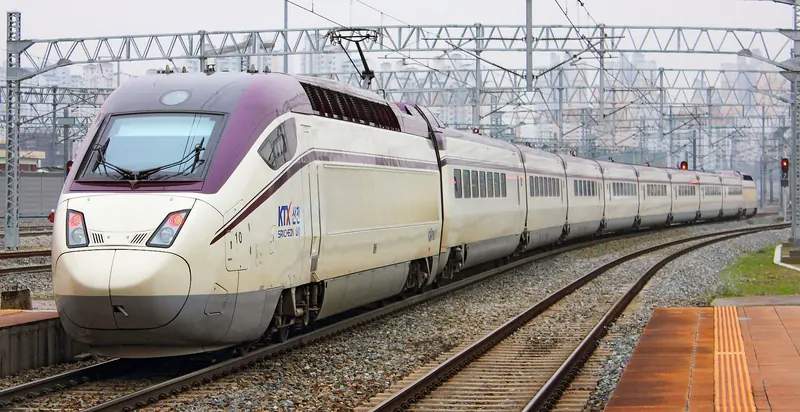
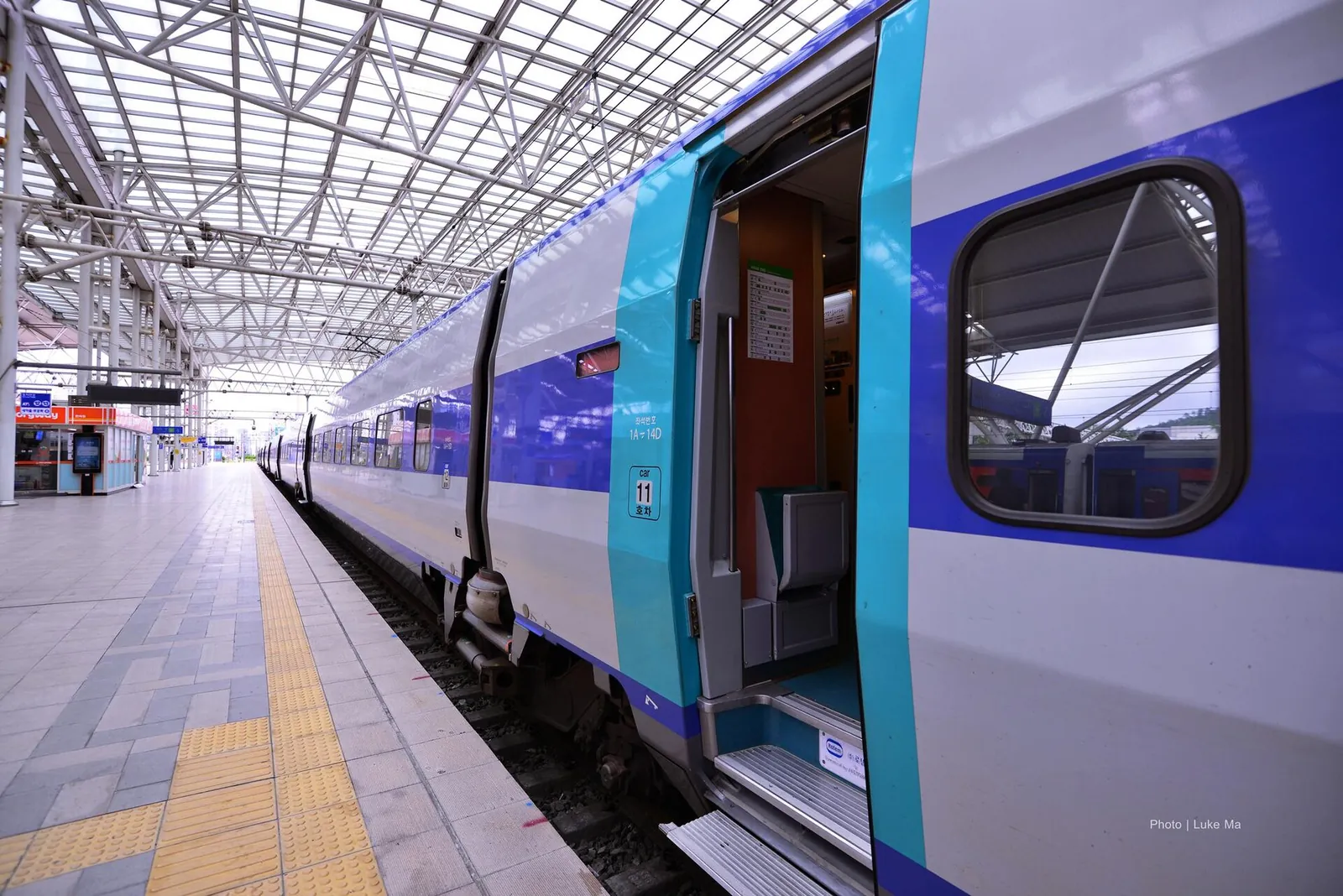
The Korail Pass is sold only to international visitors. When we checked, VisitKorea described it as a flexible pass for 2, 3, 4 or 5 days of travel used within ten days, giving unlimited travel in standard cabins, up to two seat reservations a day, unlimited standing tickets and first-class seats at half the first-class fare. It does not cover SRT trains (the high-speed service from Suseo in southern Seoul), subways or temporary tourist trains. We could not read the current pass prices on Korail's site, so check them there and compare with the ordinary fares for the journeys you will actually make. A pass is worth considering for a route with several long rides in a short time, for example Seoul, Busan and the Honam Line to Mokpo in one week; for a simple Seoul–Busan return, ordinary tickets are likely to be easier to justify.
Buses are the other budget option and reach places trains do not. VisitKorea's bus guide explains that express buses run non-stop on expressways while intercity buses make stops on the way; both have standard and more spacious premium or luxury seats at different fares, and both add late-night surcharges. Tickets can be bought with cash, cards or mobile pay at terminals, or online through kobus.co.kr for express buses and txbus.t-money.co.kr or bustago.or.kr for intercity routes. In Seoul, check the terminal before you set out: buses to Busan, Daegu and Gyeongju leave from Seoul Express Bus Terminal, while Gwangju, Jeonju and Yeosu are served from Central City next door, and Dong Seoul and Nambu terminals cover other routes.
Eating well for less
Food is where Korea is kindest to a small budget. VisitKorea notes that tipping is not required or expected, and that asking for more water or side dishes costs nothing; a typical meal arrives with rice, soup and several banchan, so one main dish often feeds you well. Many restaurants now have self-service water and side dishes or ordering kiosks, which makes eating alone easy.
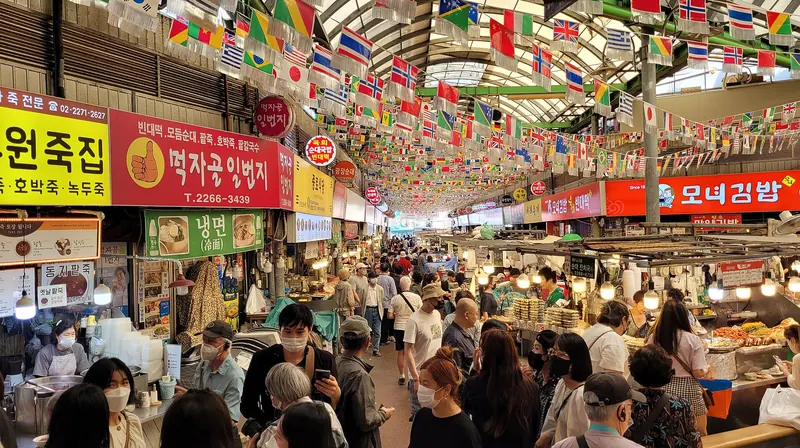
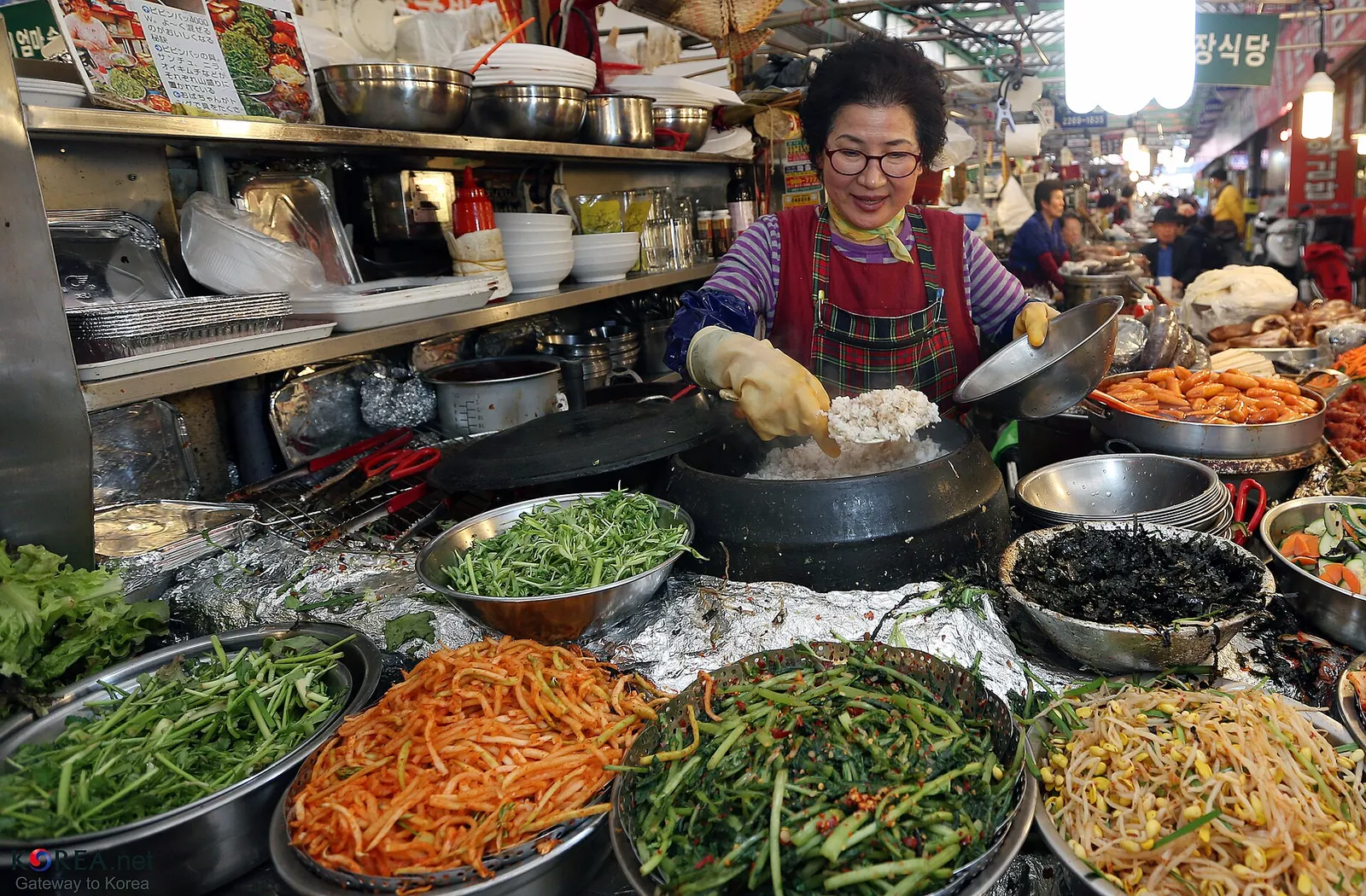
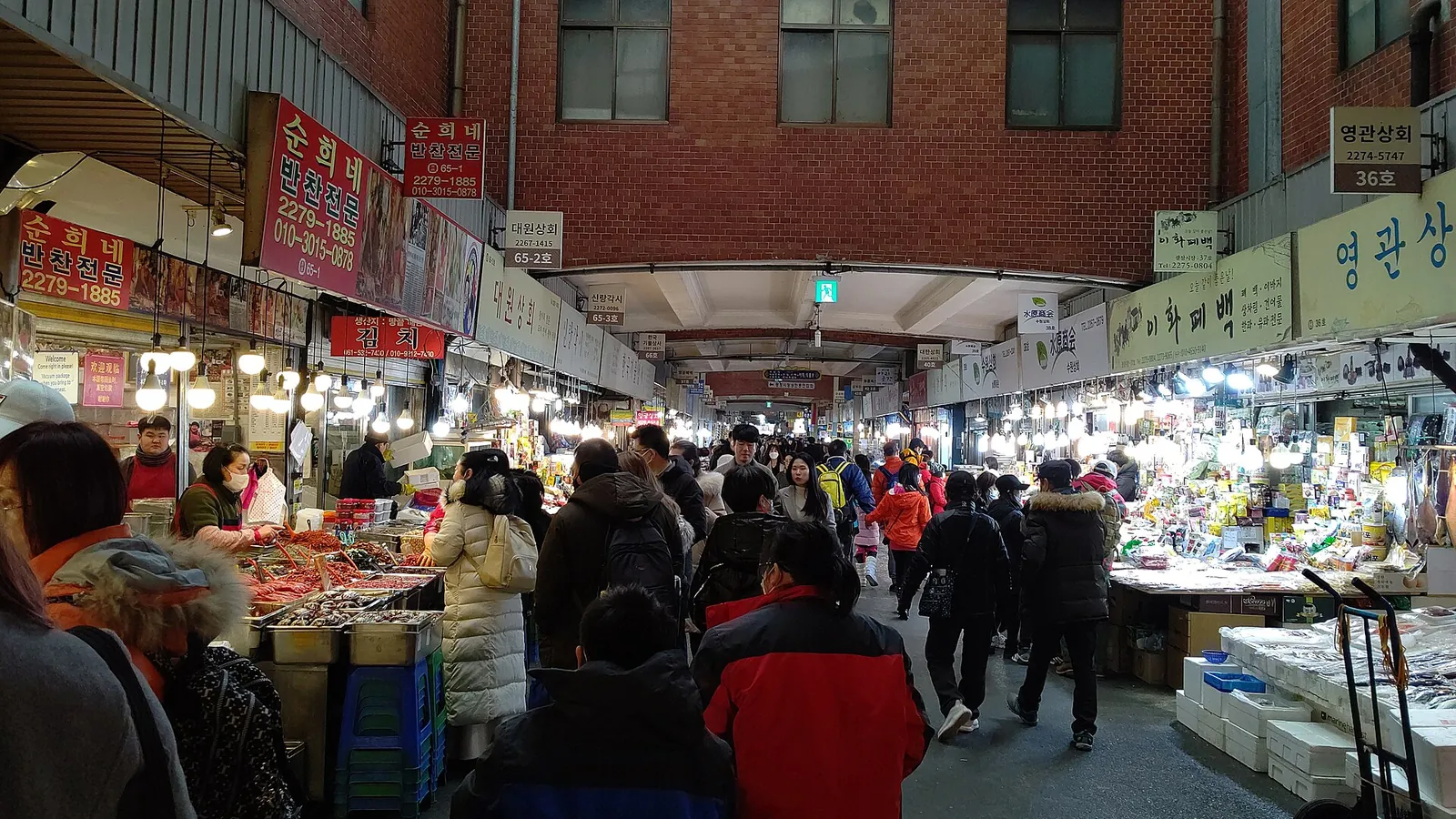
For cheap meals, the tourism board points to convenience stores, bunsik snack restaurants and traditional markets. In Seoul, Gwangjang Market is the obvious first stop: the Seoul tourism site describes most dishes at its food stalls as reasonably priced and lists mung bean pancakes, assorted savoury pancakes, mayak gimbap, sundae and yukhoe among its favourites. Bring small won notes, because VisitKorea warns that traditional markets and street shops may take cash only.
Regional specialities are rarely expensive. Busan's representative dish, according to VisitKorea, is dwaejigukbap, a pork and rice soup that grew out of the Korean habit of eating gukbap as a quick meal. Plan one 'big' meal a day, such as a Korean barbecue dinner shared by the table, and keep breakfast and lunch to soups, gimbap and market food. Long bus journeys have their own cheap options too: expressway rest stops sell snacks such as sotteok-sotteok skewers and hotteok.
Sightseeing: free museums and palaces for a few thousand won
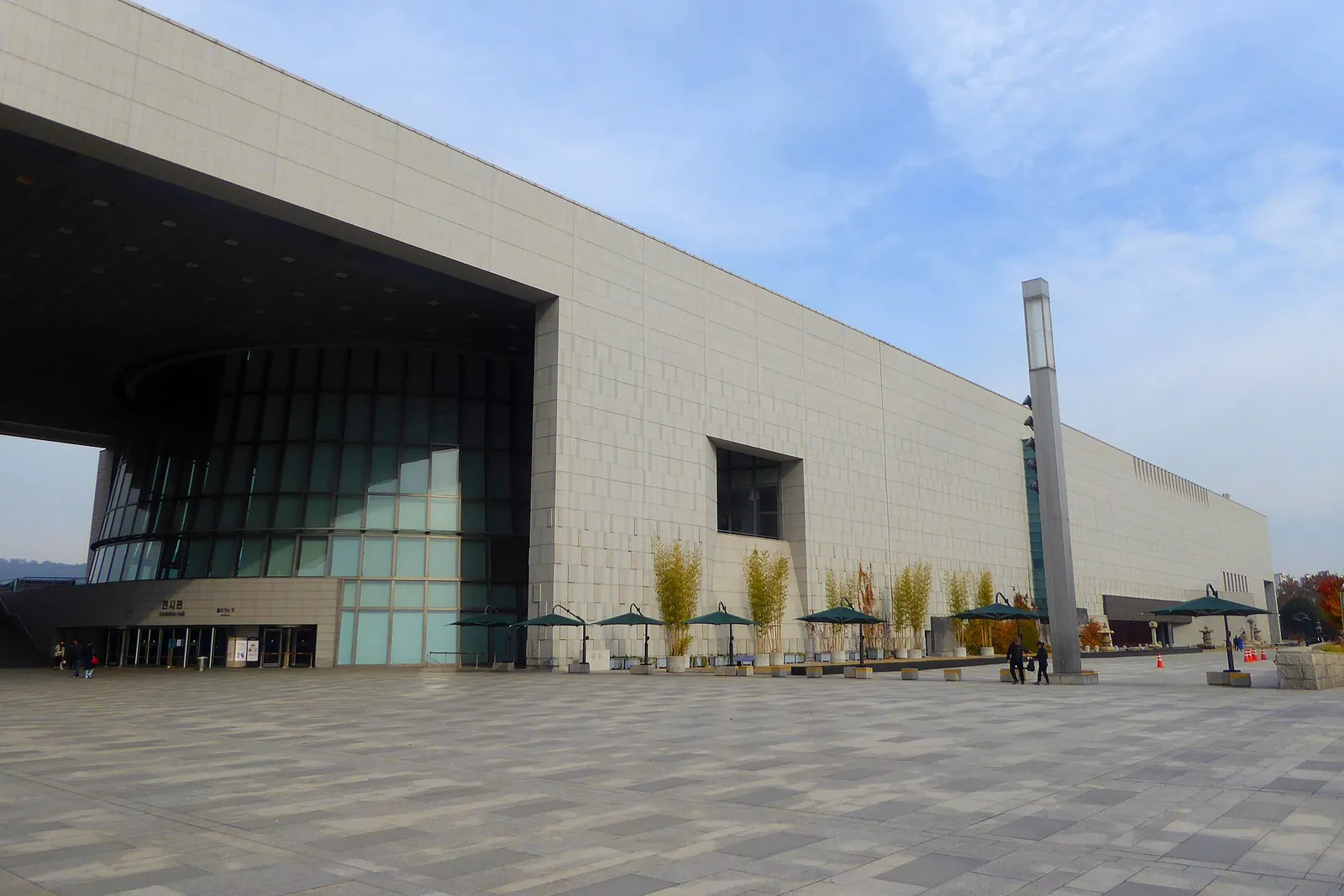
A great deal of Korea's best sightseeing is free or close to it. VisitKorea names the National Museum of Korea in Seoul and the Gyeongju National Museum as free museums with large collections. When we checked on 2026-10-03, the National Museum of Korea's site listed free admission to its permanent galleries (special exhibitions can charge), opening from 9:30 to 17:30 on Mondays, Tuesdays, Thursdays, Fridays and Sundays and until 21:00 on Wednesdays and Saturdays, with closures on 1 January, Seollal and Chuseok. A late Wednesday or Saturday visit is a good way to fill an evening without spending.
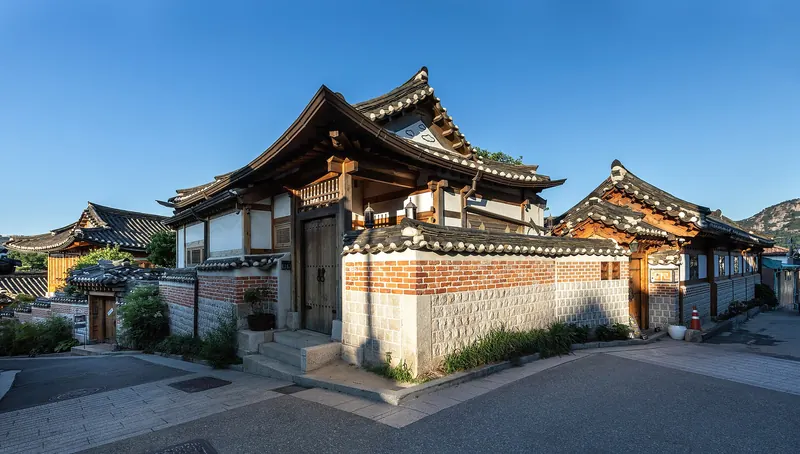
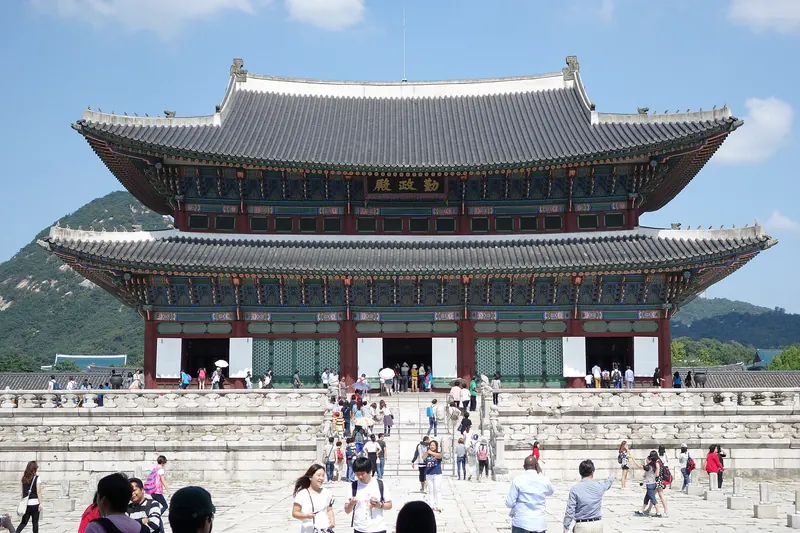
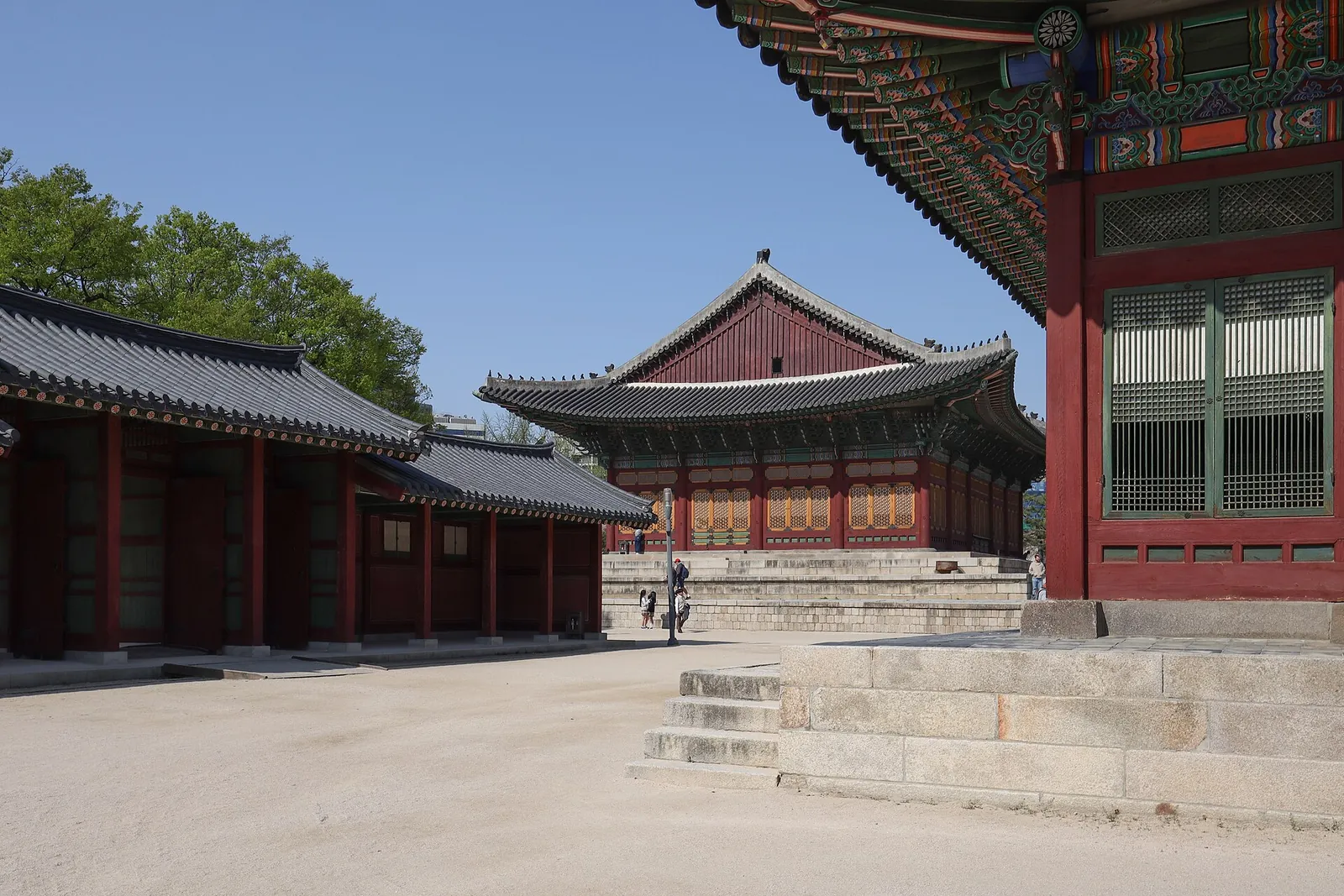
Seoul's royal palaces cost little. When we checked on 2026-10-03, the Royal Palaces and Tombs Center listed adult admission for foreign visitors (aged 19 to 64) at 3,000 won for Gyeongbokgung, 3,000 won for Changdeokgung with a further 5,000 won for its Huwon secret garden (which also requires the palace ticket), and 1,000 won each for Changgyeonggung and Deoksugung. The same site publishes guidelines for free admission in hanbok, so if you were going to rent one anyway, the entry fee is covered; check the dress rules there before you go.
Nature costs nothing. VisitKorea's budget page highlights the Han River parks in Seoul, the beaches and the mountain trails across the country, and HiKR Ground, the Korea Tourism Organization's promotion centre in Seoul, offers free experiences. A day on a national-park trail, a ride to a beach by subway in Busan and an evening walk along the river make good, cheap days between paid sights.
Paying, tax refunds and connectivity
Cards are accepted almost everywhere, so you do not need to carry much cash. Keep a modest amount of won for market stalls, street food and topping up transport cards, and remember that the Climate Card can only be bought and charged with cash or a Korean card. Our money guide covers exchange, ATMs and card networks in detail.
If you shop, claim the tax back. VisitKorea's tax-refund guide says purchases of 15,000 won or more at stores showing a Tax Refund or Tax Free sign qualify; some stores deduct the tax immediately, and otherwise you claim at the airport, a downtown booth, a kiosk or by mobile before leaving. Downtown booths have a limit of 6,000,000 won per receipt.
Data does not have to be a big cost either. VisitKorea notes free public Wi-Fi in subway stations, busy bus stops, cafés, restaurants and accommodation in the major cities, while warning that coverage is less reliable in some regions. A common compromise is a SIM or eSIM for maps on the move, switching to free Wi-Fi wherever it is available.
Practical questions
Is the Korail Pass worth it?
Only if you will take several long train journeys within its validity. VisitKorea describes it as a 2-, 3-, 4- or 5-day flexible pass used within ten days, covering standard cabins on Korail trains with up to two seat reservations a day, but not SRT trains, subways or temporary tourist trains. Check the current price on Korail's site and compare it with the ordinary fares for your actual route before buying.
When are flights to South Korea cheapest?
VisitKorea names July to August and December to January as peak seasons when fares can rise sharply, so spring and autumn are usually the better-value months. Booking early or watching airline sales helps if you must travel in the peak periods.
Do I need to tip in South Korea?
No. VisitKorea says tipping is not required or expected, and extra water or side dishes in restaurants cost nothing.
Should a tourist buy the Climate Card?
It suits a few busy days in Seoul. When we checked, the short-term pass cost 5,000 won for one day up to 20,000 won for seven, plus 3,000 won for the card, with unlimited Seoul subway and bus rides. From 1 October 2026 it works only within Seoul and can be paid for only with cash or a Korean card, so it is not useful for trips outside the city.
Which museums in South Korea are free?
VisitKorea names the National Museum of Korea in Seoul and the Gyeongju National Museum as free. When we checked on 2026-10-03, the National Museum of Korea listed free entry to its permanent galleries, with charges only for some special exhibitions, and late opening until 21:00 on Wednesdays and Saturdays.
What is the cheapest way from Incheon Airport to Seoul?
Public transport rather than a taxi, which adds a 7,900-won expressway toll to the meter. The AREX all-stop train accepts transport cards and serves Hongik University Station and Seoul Station; airport limousine buses need a ticket bought in advance at the office or machine.
Sources and checks before you travel
Reference sources for the version dated 3 October 2026. Confirm opening times, access, transport and conditions for your travel dates.
- VisitKorea (Korea Tourism Organization): Traveling in Korea on a budget ↗ — opens in a new tab
- VisitKorea: Accommodations in Korea ↗ — opens in a new tab
- VisitKorea: Guesthouses ↗ — opens in a new tab
- VisitKorea: Transportation cards ↗ — opens in a new tab
- VisitKorea: Train ↗ — opens in a new tab
- VisitKorea: Express and intercity buses ↗ — opens in a new tab
- VisitKorea: Airport transportation guide ↗ — opens in a new tab
- VisitSeoul: Getting from the airport to Seoul ↗ — opens in a new tab
- VisitKorea: About Korean food ↗ — opens in a new tab
- VisitSeoul: Gwangjang Market ↗ — opens in a new tab
- VisitKorea: Busan city guide ↗ — opens in a new tab
- National Museum of Korea: Viewing hours and admission ↗ — opens in a new tab
- Royal Palaces and Tombs Center: Admission fees ↗ — opens in a new tab
- VisitKorea: Duty free and tax refunds ↗ — opens in a new tab
Does this experience fit your route?
On a budget, pay for a guide only where it saves real effort: compare Seoul and Busan tours and day trips, and check what is included before you book.
Check dates and details on Viator ↗ — opens in a new tabAffiliate link · Book with ViatorPhoto credits
Deoksugung Palace in central Seoul, one of the royal palaces with a 1,000-won ticket for foreign adults
Photograph: Mobius6 — opens in a new tab · CC BY 4.0 — opens in a new tab
Changes: Resized and converted to WebP; displayed with responsive crops. · Original photograph and licence details ↗ — opens in a new tab
A KTX train at Seoul Station; compare ordinary fares with a Korail Pass before you buy
Photograph: Luke Ma — opens in a new tab · CC BY 2.0 — opens in a new tab
Changes: Resized and converted to WebP; displayed with responsive crops. · Original photograph and licence details ↗ — opens in a new tab
Bibimbap fillings at a food stall in Gwangjang Market, Seoul
Photograph: Republic of Korea from Seoul, Republic of Korea — opens in a new tab · CC BY-SA 2.0 — opens in a new tab
Changes: Resized and converted to WebP; displayed with responsive crops. · Original photograph and licence details ↗ — opens in a new tab
Gwangjang Market in Jongno, Seoul, where market stalls often prefer cash
Photograph: Stck w This photo was taken with Sharp Aquos R3 — opens in a new tab · CC BY-SA 4.0 — opens in a new tab
Changes: Resized and converted to WebP; displayed with responsive crops. · Original photograph and licence details ↗ — opens in a new tab
The National Museum of Korea in Seoul, free to enter for its permanent galleries
Photograph: Ethan Doyle White — opens in a new tab · CC BY-SA 4.0 — opens in a new tab
Changes: Resized and converted to WebP; displayed with responsive crops. · Original photograph and licence details ↗ — opens in a new tab