Kansai · Wakayama
Kumano Hongu travel guide: shrine culture, onsen and pilgrimage access
Hongu brings shrine heritage, pilgrimage landscapes and nearby hot springs together. Decide whether you are visiting the shrine or undertaking a real walk before arranging the day.
- Suggested time
- 1 to 2 nights
- Where to stay
- Hongu, Yunomine, Kawayu or Wataze
- Season and timing
- Spring and autumn suit walks; adapt the day to rain, heat and crowds.
The short answer
Make Kumano Hongu a focused part of the trip: select the main experience first, then arrange access, a meal and a realistic return. The route ideas below are editorial suggestions to adapt to your interests and mobility, rather than a fixed timetable.
Choose the experience that gives the day its shape
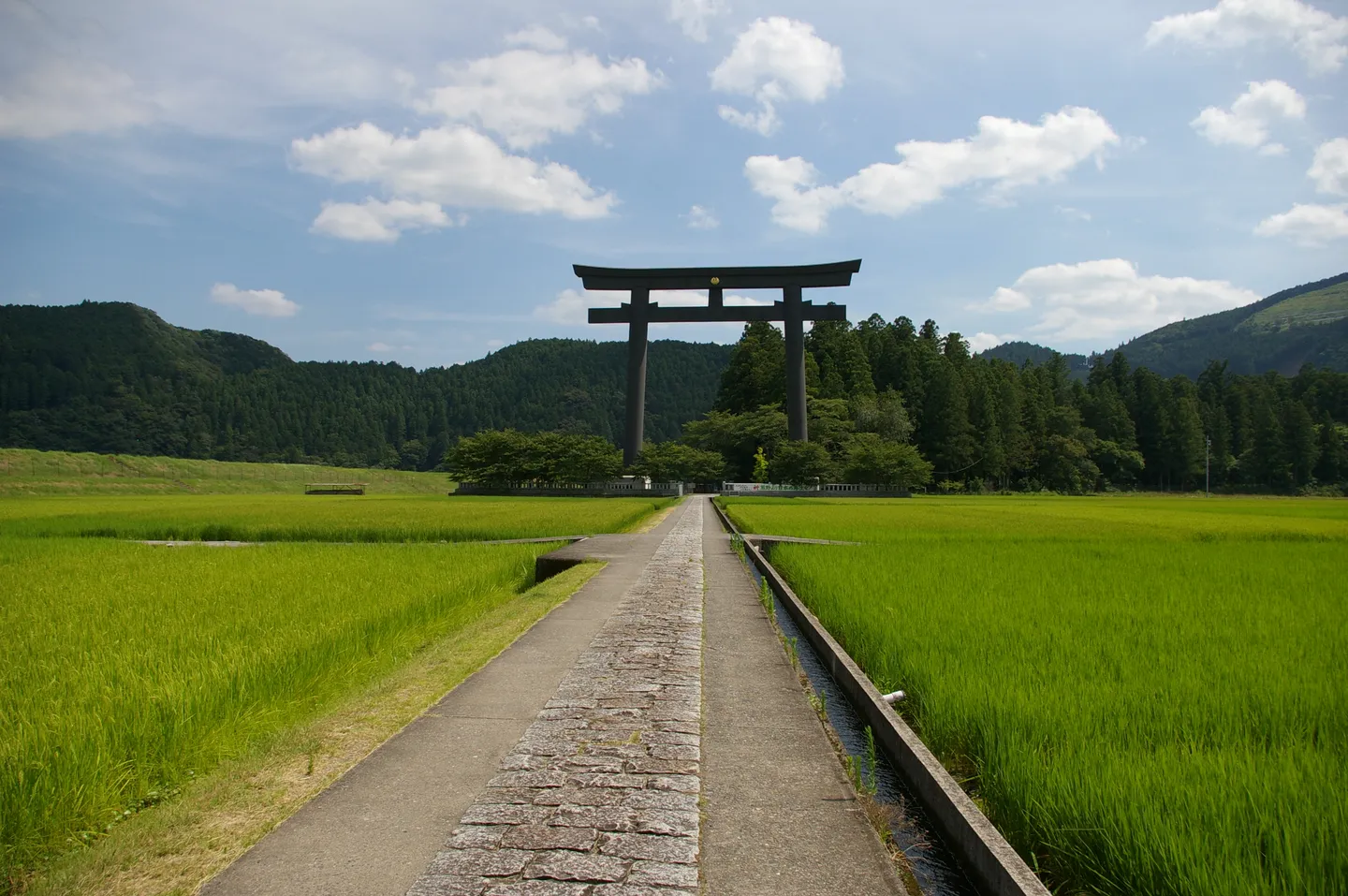
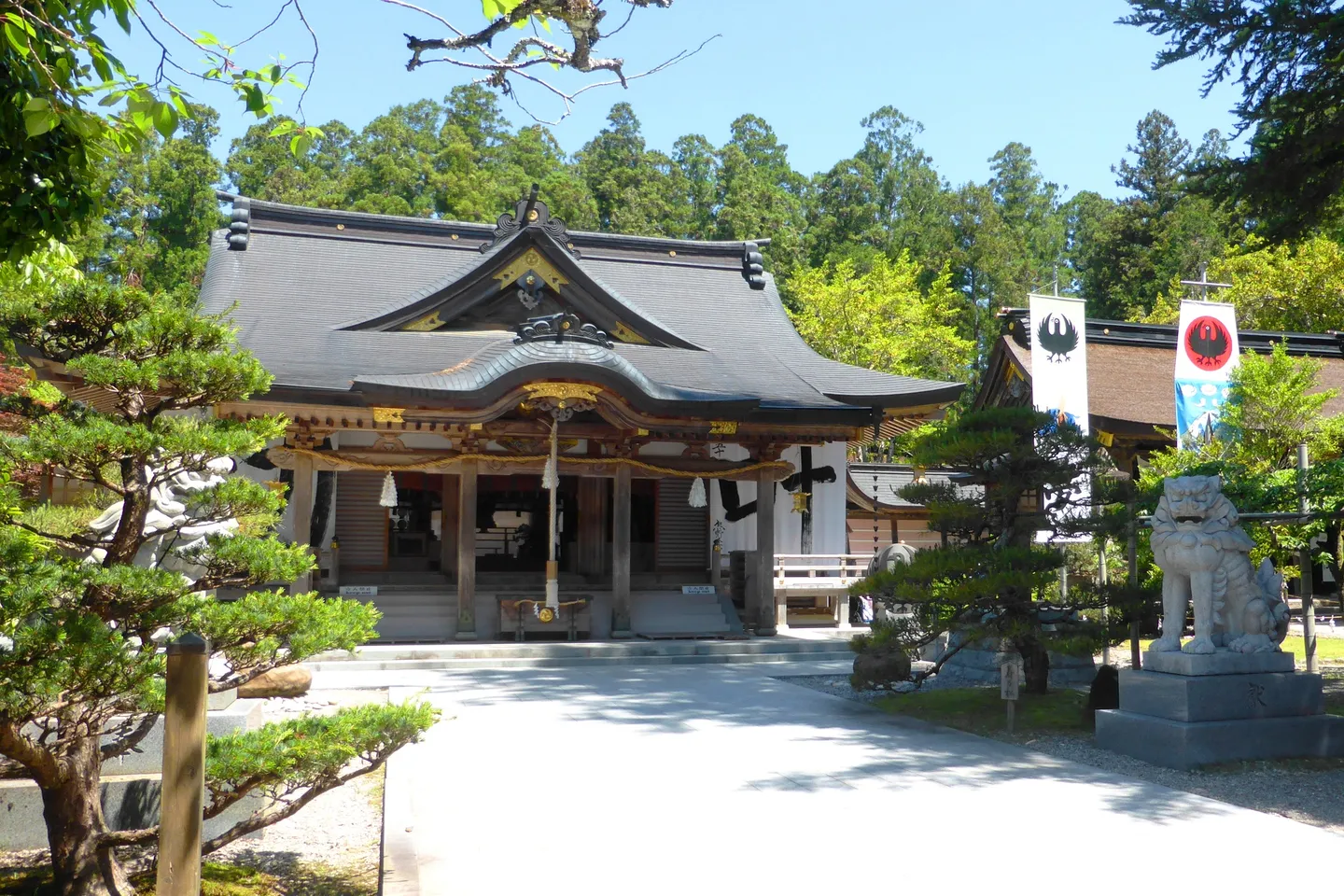
Kumano Hongu Taisha and Oyunohara are distinct places to visit. Oyunohara marks the shrine’s former riverside location and has a prominent torii gate. A shrine visit can be meaningful on its own; adding a Kumano Kodo section should reflect interest in the trail rather than pressure to claim a pilgrimage.
Give the main stop enough time to notice details, read interpretation and pause when something interests you. Keep one optional extension, and add it only if it leaves enough time for the experience you came for.
Build the route around arrival and return
Bus access and accommodation need to be planned together. Select the trail entry and exit before choosing a departure, and check current detours as well as the timetable. A transfer into Hongu does not automatically provide a workable return from a different trailhead later in the day.
Make time for the local food
What to eat and where to look
Meharizushi
Rice wrapped in pickled mustard leaves, found in local dining information.
Make room for a locally connected meal
Meharizushi, rice wrapped in pickled mustard leaves, appears in local dining information. Choose a meal near the shrine or your accommodation, and carry food when the walking route needs it. Do not assume that a pilgrimage path provides frequent cafes or reliable last-minute lunch options.
Match the visit to the current conditions
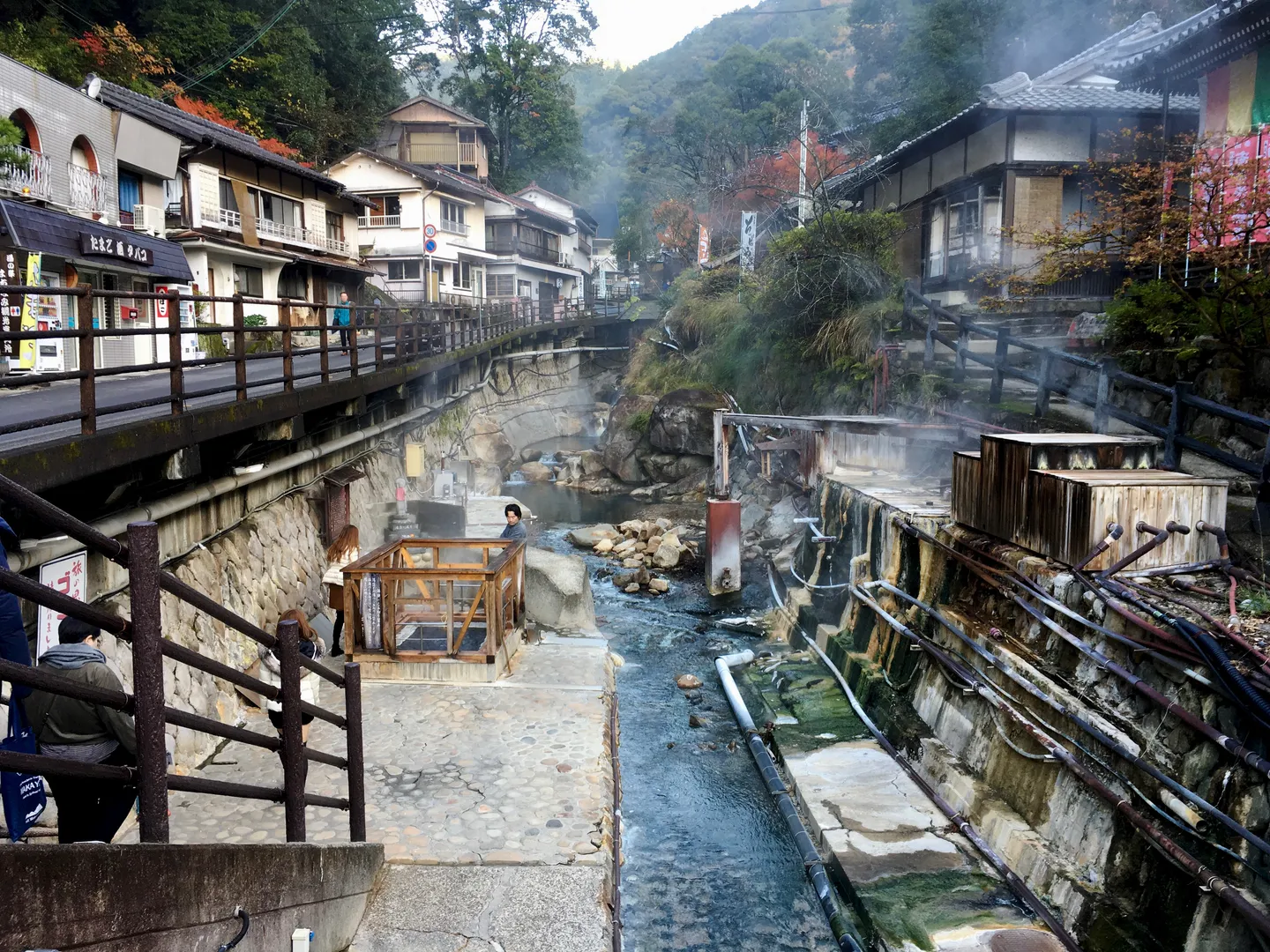
Wet steps, trail damage and changing transport can affect a walking day. Read the tourism bureau’s current preparation guidance and notices. Yunomine, Kawayu and Wataze are nearby onsen areas with separate access and accommodation decisions; a bath should fit the actual journey rather than be an automatic extra.
When a guided experience adds value
A pilgrimage guide can provide interpretation and help choose a suitable section. Compare walking distance, trail surface, pickup and return arrangements. A sightseeing vehicle tour may suit a shrine-focused visit better than a package requiring a long hike.
Practical questions
How much time should I give Kumano Hongu?
Use the suggested route as a starting point, then add the actual travel time and a meal. Staying nearby can make a slower visit possible; the right duration depends on the experiences you choose.
What should I confirm before booking?
Wet steps, trail damage and changing transport can affect a walking day. Check the relevant official notice for your visit date.
Is a guided experience worthwhile?
A pilgrimage guide can provide interpretation and help choose a suitable section. Confirm the listing’s route and inclusions before booking.
Sources and checks before you travel
Reference sources for the version dated 30 September 2026. Confirm opening times, access, transport and conditions for your travel dates.
Does this experience fit your route?
Explore related tours and experiences
Check dates and details on Viator ↗ — opens in a new tabAffiliate link · Book with ViatorPhoto credits
The large torii at Oyunohara, surrounded by green fields and hills.
Photograph: Nao Iizuka — opens in a new tab · CC BY 2.0 — opens in a new tab
Changes: Resized and converted to WebP; displayed with responsive crops. · Original photograph and licence details ↗ — opens in a new tab
A wooden shrine building at Kumano Hongu Taisha.
Photograph: Tetsuhiro Terada — opens in a new tab · CC BY 2.0 — opens in a new tab
Changes: Resized and converted to WebP; displayed with responsive crops. · Original photograph and licence details ↗ — opens in a new tab
A stream and traditional buildings in Yunomine Onsen.
Photograph: maja kuzmanovic — opens in a new tab · CC BY-SA 2.0 — opens in a new tab
Changes: Resized and converted to WebP; displayed with responsive crops. · Original photograph and licence details ↗ — opens in a new tab
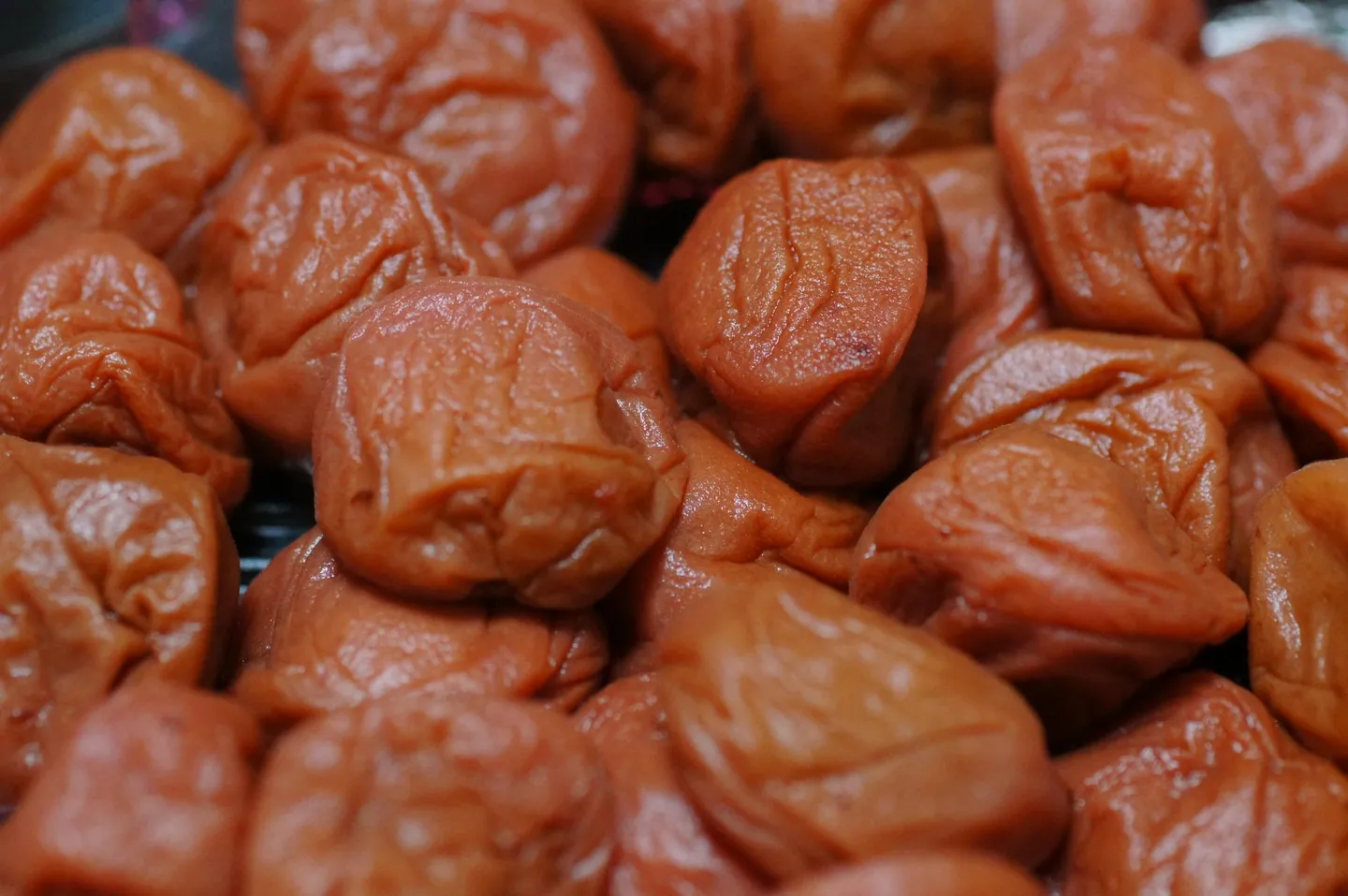
Red umeboshi preserved plums in close-up.
Photograph: ayu oshimi — opens in a new tab · CC BY-SA 2.0 — opens in a new tab
Changes: Resized and converted to WebP; displayed with responsive crops. · Original photograph and licence details ↗ — opens in a new tab