Sumatra · Lampung
Way Kambas National Park: Sumatran elephants, rhinos and how to go
Way Kambas National Park covers about 125,600 hectares of lowland forest, swamp, mangrove and coast on the eastern side of Lampung, the province at the southern tip of Sumatra across the Sunda Strait from Java. It is one of the last places where Sumatran elephants, Sumatran tigers and Sumatran rhinos still share a forest, and since 2015 it has been an ASEAN Heritage Park. For visitors it means two very different things. The Elephant Conservation Centre, a short drive inside the Plang Ijo gate, is where almost everyone goes: a working camp of domesticated elephants and their mahouts that you can see in a few hours. The Sumatran Rhino Sanctuary in the heart of the park holds, according to the International Rhino Foundation, the only reproductively viable captive Sumatran rhinos in the world, but it is a research facility, not an attraction. Knowing that difference before you go decides whether the long trip from Jakarta is worth it for you.
- Suggested time
- 1 night near the park, or a long day trip from Bandar Lampung
- Where to stay
- Bandar Lampung for comfort and flights; guesthouses around Way Jepara for an early start
- Season and timing
- The park is open all year. English Wikipedia describes Bandar Lampung's climate as tropical with heavy rain year-round, noticeably heavier from November to April, so the months from May to October are usually the easier time for dirt roads and walks. Expect heat and humidity in any season, and plan to be at the elephant centre early in the day.
The short answer
Plan one night near the park, or two nights in Bandar Lampung with one very long day trip. From Jakarta, fly to Radin Inten II Airport (TKG) outside Bandar Lampung, or cross the Sunda Strait by the Merak–Bakauheni ferry, then continue by road: the Ministry of Tourism puts the journey from Bandar Lampung at about two to three hours. Go to the Elephant Conservation Centre, about 9 kilometres inside the Plang Ijo gate, in the morning, while it is still cool, and treat the Sumatran Rhino Sanctuary as something to learn about rather than visit: it is not open to the public. A car with a driver from Bandar Lampung is the simplest way to do it; by public bus and motorbike taxi it is possible, but the last direct bus back leaves in mid-afternoon.
The Elephant Conservation Centre: what you will actually see
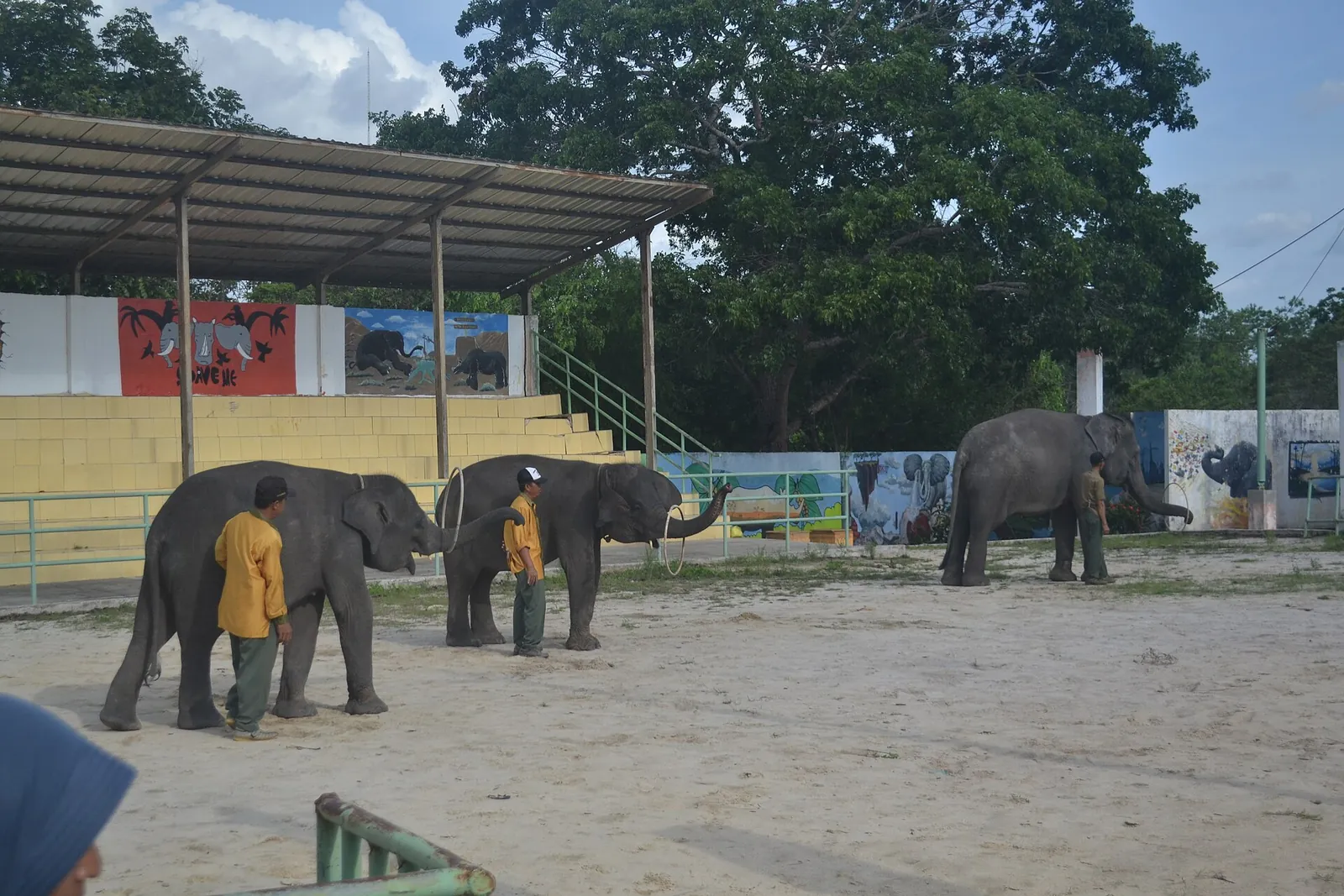
The part of Way Kambas that visitors know is the Elephant Conservation Centre (Pusat Latihan Gajah, often shortened to PLG; it is also called the Elephant Training Centre). The Ministry of Tourism dates it to 1985 and places it 9 kilometres from the park's Plang Ijo entrance. The Ministry describes it as a place to protect elephants for the benefit of both animals and people, drawing on the old Sumatran tradition of trained elephants that sultans once used in ceremonies and war.
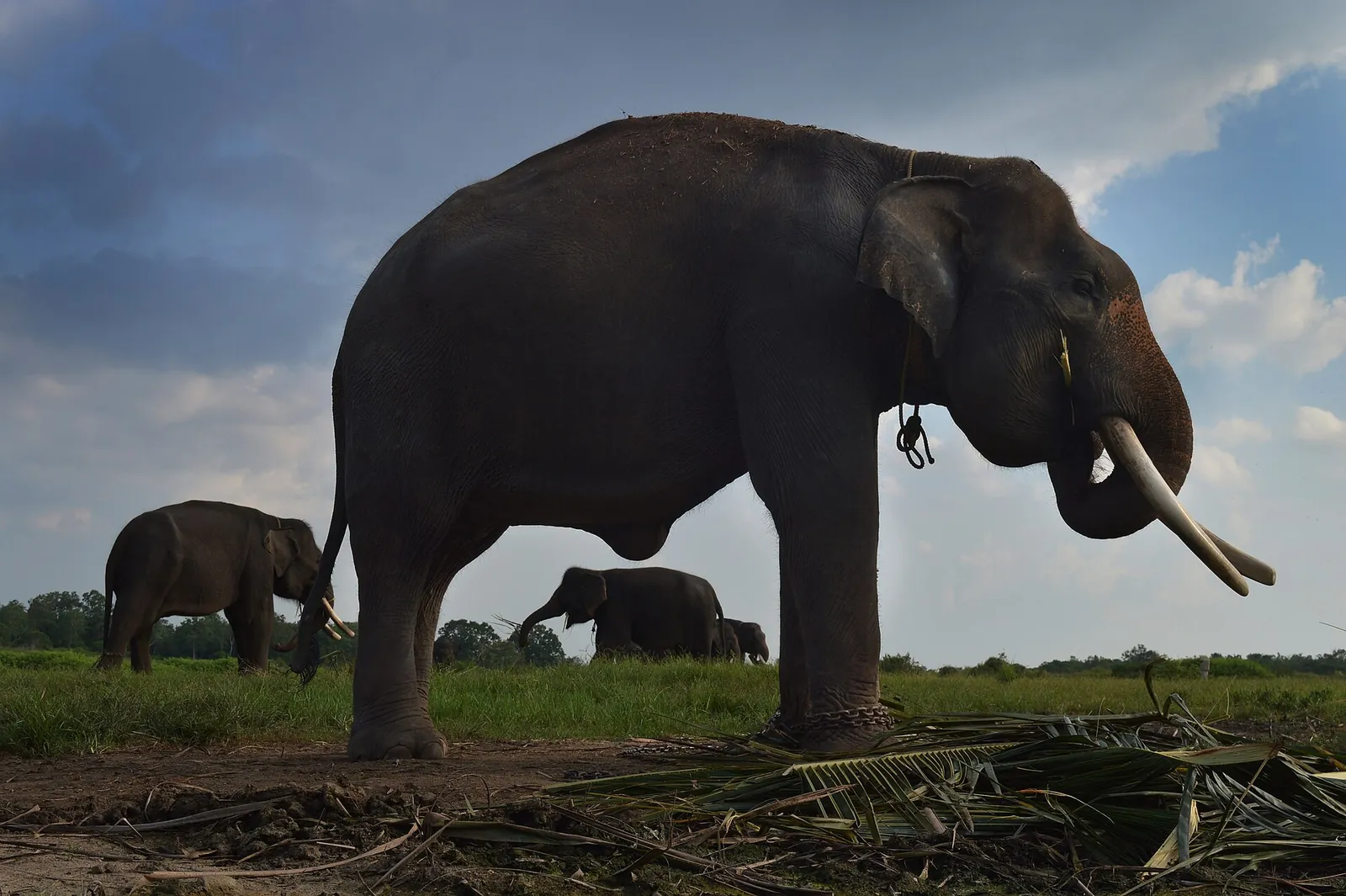
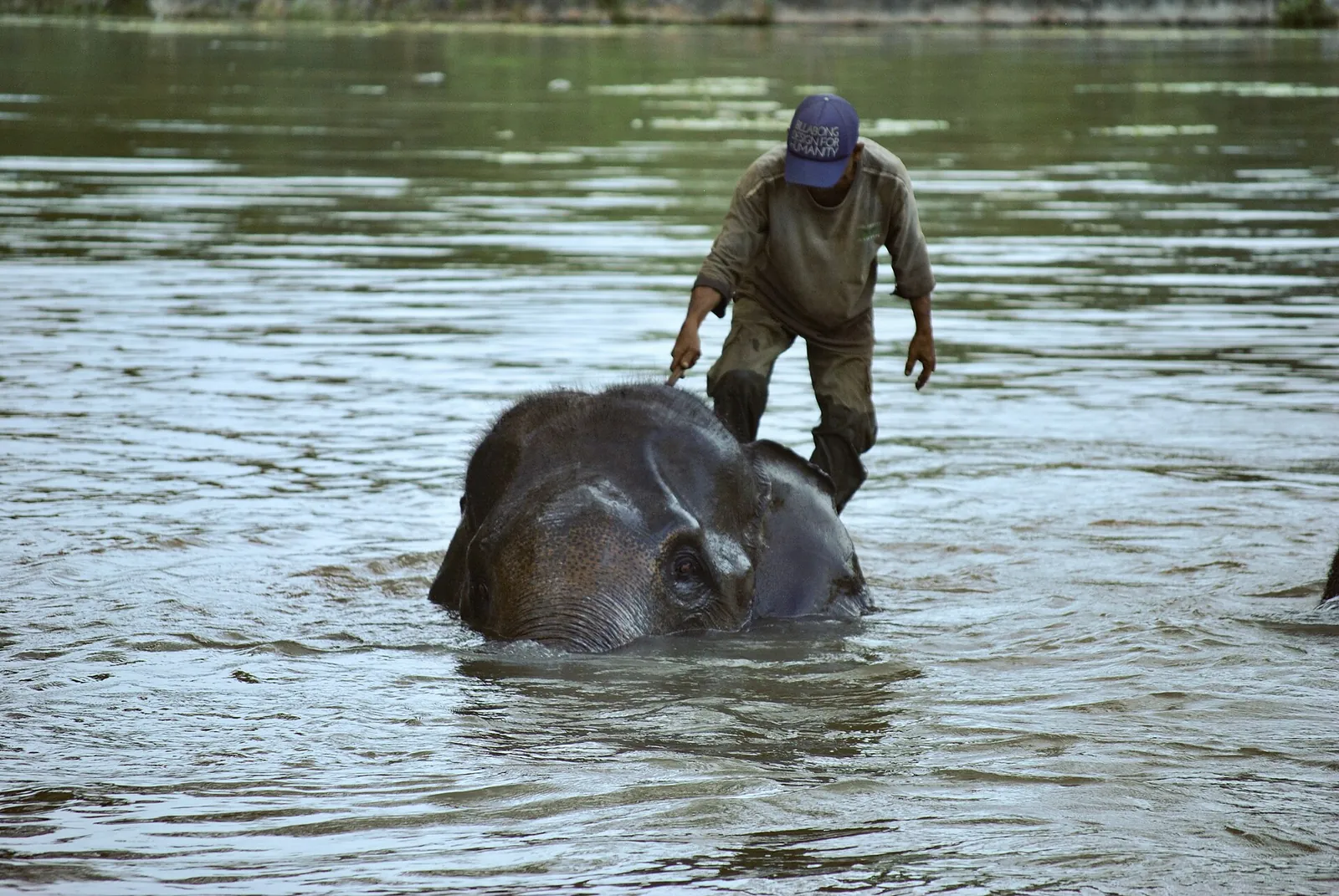
The elephants here are not wild. English Wikipedia describes them as domesticated animals used for heavy work, ecotourism, patrols and breeding; six calves were born at the centre in 2016 and 2017. Each elephant works with its mahout, and the most rewarding thing to watch is the ordinary routine: elephants walking out to the grassland, feeding and being bathed in the river or ponds.
The Ministry of Tourism's pages still advertise elephant rides and performances, including elephants playing football. Decide before you arrive whether you want any of that. Nobody needs to ride or watch a show to make the visit worthwhile, and a morning spent watching the elephants graze and bathe tells you far more about how the centre works. If you do take part in an activity, ask what it involves and watch how the animals are handled before you pay.
Wild elephants live in the forest beyond the camp. A Wildlife Conservation Society study cited by English Wikipedia estimated about 247 Sumatran elephants in the park in 2015. You are unlikely to meet them from the visitor area, and Wikipedia describes crop-raiding by wild herds as a significant source of conflict with the villages around the park.
- Go early: the morning is cooler, and you have time to watch the routine without rushing back for transport.
- Rides and shows are offered; you can skip them and still see the centre properly.
- Keep a respectful distance from working elephants and follow the mahouts' instructions.
The Sumatran Rhino Sanctuary: why you will probably not see a rhino
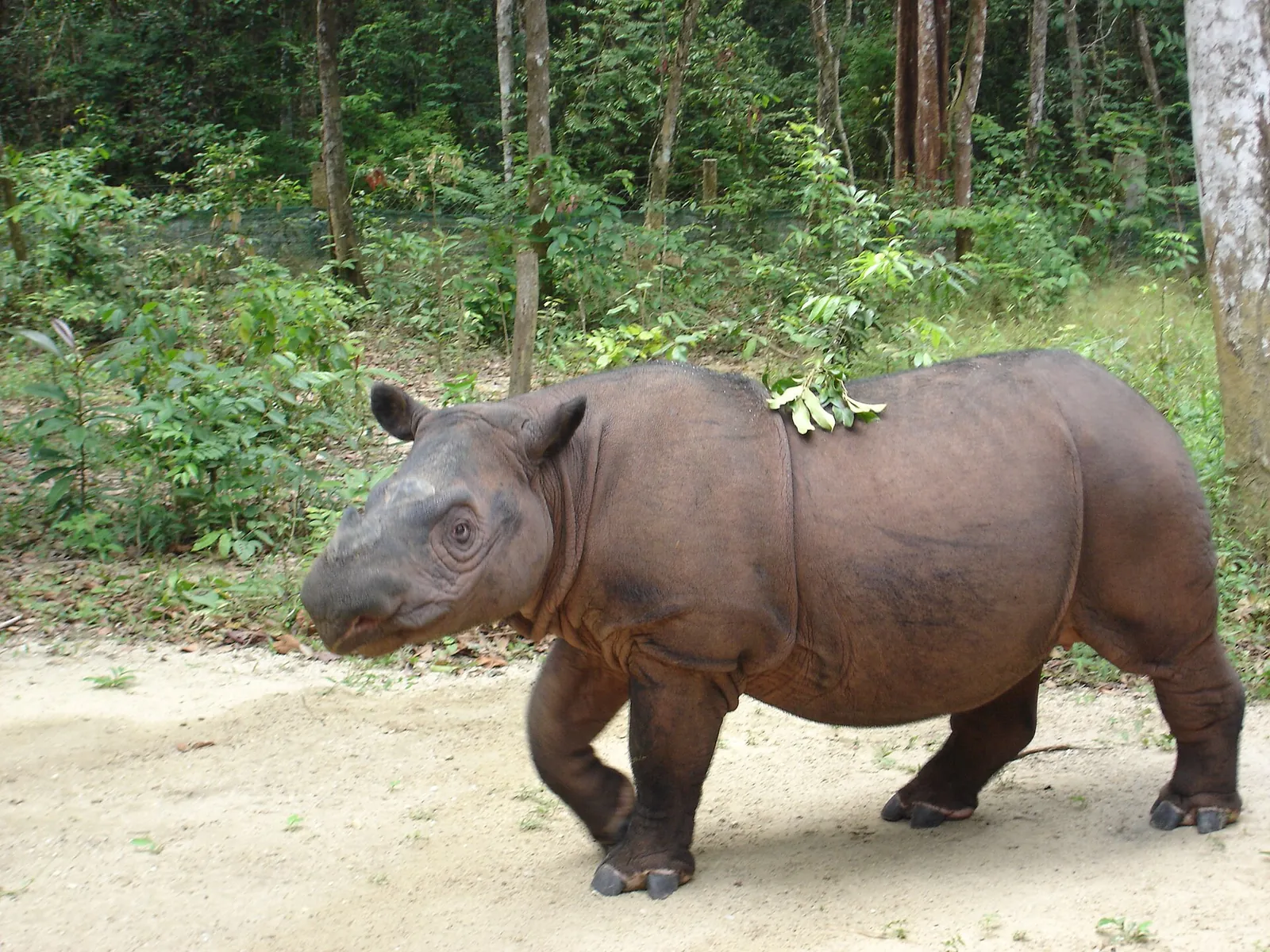
The other reason Way Kambas matters is the Sumatran Rhino Sanctuary (SRS). The International Rhino Foundation (IRF) built the 250-acre sanctuary in 1996 with the Indonesian NGO Yayasan Badak Indonesia (YABI), which runs it, together with the Ministry of Environment and Forestry, the national park and Taman Safari. It lies in the heart of the park, and its rhinos live in large, natural rainforest enclosures. When we checked on 2026-10-03, the IRF's sanctuary page listed ten resident rhinos and called it home to the only reproductively viable captive Sumatran rhinos in the world.
Its record is the reason conservationists speak about it with hope. On 23 June 2012 a female called Ratu gave birth to Andatu, the first Sumatran rhino ever born in captivity in Indonesia. Four more calves followed: Delilah in 2016, Sedah Mirah in March 2022 (born to Rosa after eight lost pregnancies), a female calf to Ratu on 30 September 2023, and Indra, born to Delilah on 25 November 2023. The IRF says that the wild population may be as low as 34 to 47 animals, in fragmented groups.
For travellers the essential point is simple: English Wikipedia states that the sanctuary is not open to the public, and nothing on the IRF's pages describes visitor access. Do not book a trip on the promise of seeing a rhino, and be wary of anyone who offers to arrange it. What you can do is understand why the elephant camp and the forest around it matter, and support the work through the organisations that run it.
Make time for the local food
What to eat and where to look
Seruit
Lampung's signature meal: grilled or fried freshwater fish eaten with sambal, often tempoyak (fermented durian) or sour fruit, and fresh raw vegetables. Indonesian Wikipedia notes that eating it together is called nyeruit, and that seruit was listed as Indonesian intangible cultural heritage in 2015.
- Where to look
- Restaurants serving Lampung food in Bandar Lampung, where a group meal is easiest to order.
- Fit it into your day
- A shared dinner in Bandar Lampung on the night before or after the park.
Freshwater fish has small bones; the sambal and tempoyak are strong and often very spicy.
Pindang Lampung
A sour, spicy fish soup made with freshwater fish such as baung, patin or carp, cooked with chilli, turmeric, galangal, lemongrass, basil and tamarind.
- Where to look
- Local rumah makan in Bandar Lampung and in the towns of East Lampung on the way to the park.
- Fit it into your day
- Lunch with rice on the drive back from Way Kambas.
Ask about the heat level, and watch for fish bones.
Gulai taboh
A coconut-milk curry (taboh means coconut milk) with fish and vegetables, from the Lampung coast; one variant uses smoked fish. It was listed as intangible cultural heritage in 2015.
- Where to look
- Restaurants specialising in Lampung cooking in Bandar Lampung.
- Fit it into your day
- A gentler choice than pindang for a dinner in the city.
Rich and filling; the fish and vegetables vary with the cook and the season.
Lampung robusta coffee
Lampung is one of Indonesia's main coffee regions, and Kopi Robusta Lampung has geographical-indication protection for West Lampung, Tanggamus and Way Kanan. It is usually served strong and sweet.
- Where to look
- Coffee stalls and cafés in Bandar Lampung, and roadside warung on the drive to the park.
- Fit it into your day
- An early coffee before a dawn start for the park.
Traditional kopi tubruk is unfiltered; let the grounds settle before drinking.
Keripik pisang (Lampung banana chips)
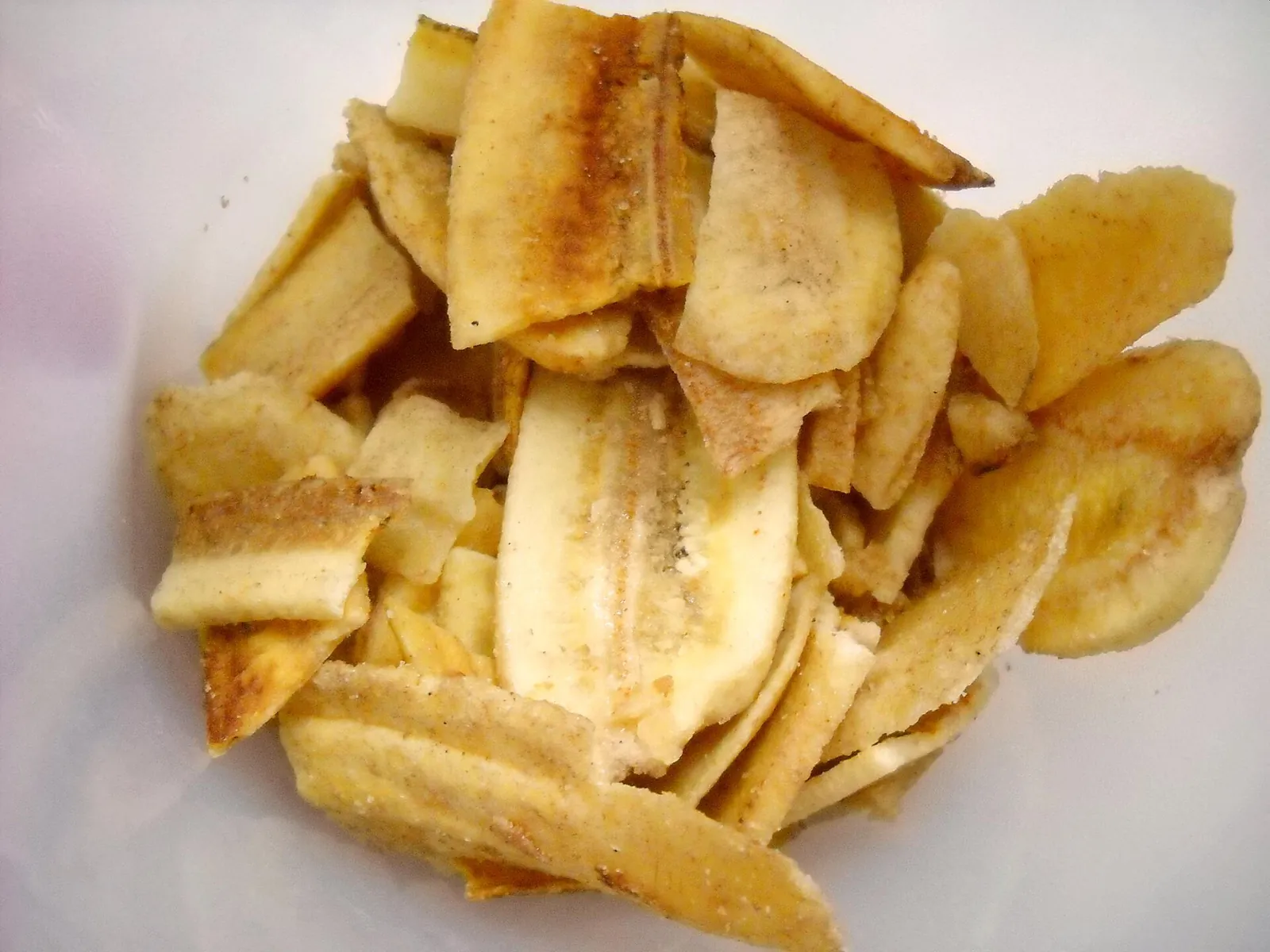
Thin, crisp banana chips are Lampung's best-known edible souvenir. Indonesian Wikipedia describes them as a home industry in Bandar Lampung, sold plain or in flavours such as chocolate, cheese and milk.
- Where to look
- The banana-chip shops on Jalan Pagar Alam (Gang PU) in Bandar Lampung, local supermarkets and the souvenir shops of Teluk Betung.
- Fit it into your day
- A snack for the long road to the park, or to take home.
Flavoured versions are very sweet; check the pack date for freshness.
Beyond the elephant camp: swamp forest, rivers and birds
Way Kambas is flat, low and wet. The ASEAN Centre for Biodiversity lists coastal, mangrove, lowland, riverine and dipterocarp forest, and records 50 mammal species, six primates and 406 bird species for the park. English Wikipedia explains that much of the forest is secondary growth after heavy logging in the 1960s and 1970s, so do not expect the towering rainforest of northern Sumatra.
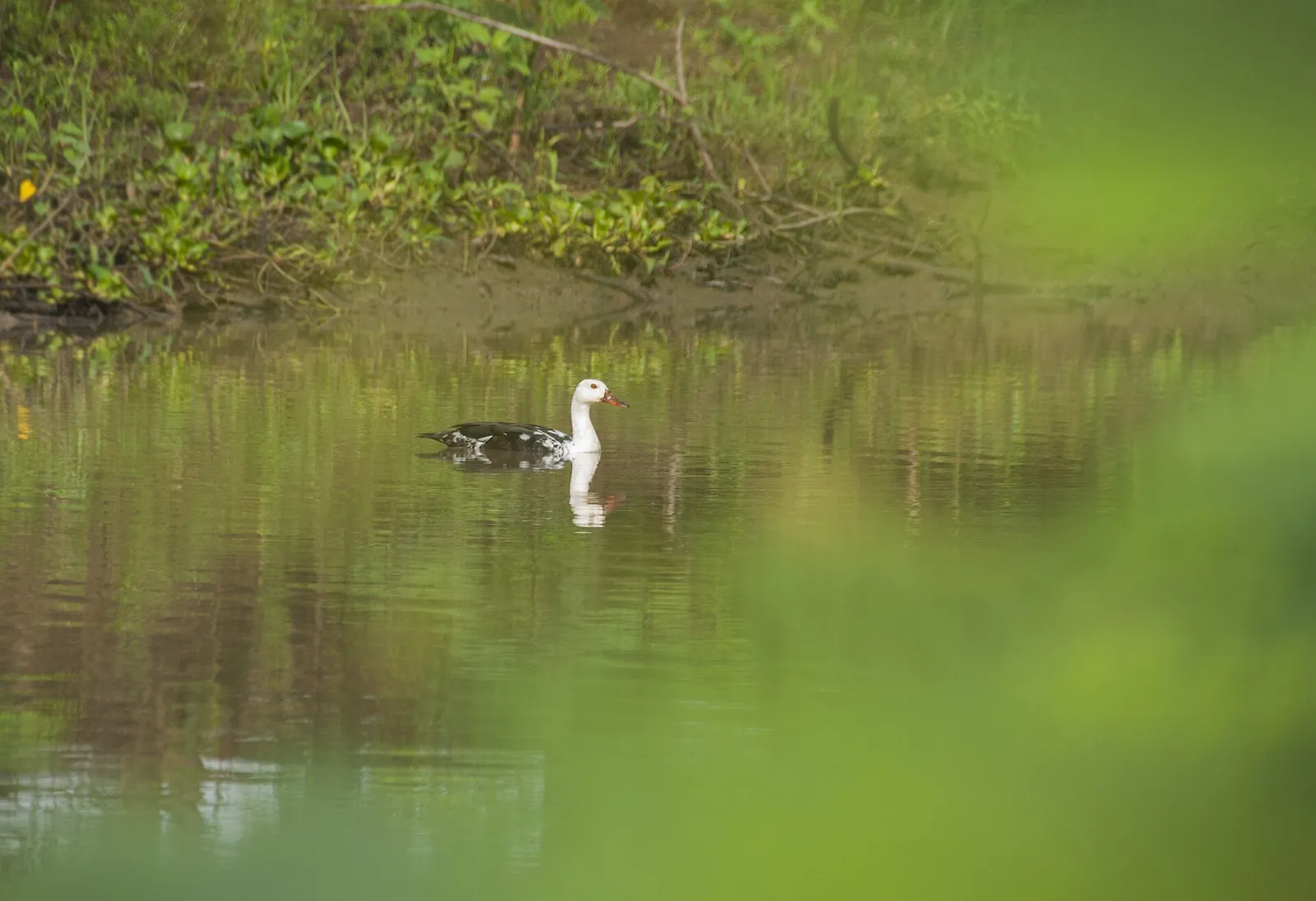
Birdwatchers come for the swamps. Wikipedia calls the park one of the last strongholds of the white-winged duck, a rare forest duck, and lists Storm's stork, lesser adjutant and great argus among its birds. The ASEAN Centre names Way Kanan and Kuala Kambas alongside the elephant and rhino centres as the park's places for education, ecotourism and research; Way Kanan is also the area the Ministry of Tourism mentions for visitors arriving by motorbike taxi. If you want to go beyond the elephant centre, ask at the park office what is open on the day and whether you need a ranger or guide.
Keep your expectations honest about the large mammals. Wikipedia reports that Sumatran tigers in the park fell from 36–40 in 2000 to fewer than 30, and the IRF notes that even direct sightings of wild Sumatran rhinos have become rare. Do not expect to see either.
Getting there from Jakarta and Bandar Lampung
Every route runs through Bandar Lampung, the provincial capital. By air, Radin Inten II International Airport (TKG) lies at Branti in Natar, South Lampung, about 23 kilometres north-west of the city centre, and English Wikipedia lists domestic flights to Jakarta and Batam and an international route to Kuala Lumpur. By sea and road, ferries cross the Sunda Strait between Merak in Java and Bakauheni in Lampung around the clock, and Wikipedia gives about two hours for the crossing. The national ferry company ASDP sells tickets through its Ferizy booking site. From Bakauheni the Trans-Sumatra toll road runs about 141 kilometres north past Bandar Lampung to Terbanggi Besar.
By public transport, the Ministry of Tourism describes the simplest route as a bus from Bandar Lampung's Rajabasa terminal towards Way Jepara. Get off at the stone elephant statue at Rajabasa Lama village and take an ojek (motorbike taxi) to the elephant centre or Way Kanan. When we checked on 2026-10-03, the Ministry's page said the last direct bus back from Rajabasa Lama leaves at 3 pm Western Indonesia Time and that ojek drivers will not go into the park after dusk; it puts the whole trip at about two to three hours, with an alternative route by bus to Metro and then on to Rajabasa Lama.
By car, the Ministry's page says the road from Bandar Lampung into East Lampung is mostly in good condition, gets bumpier around Sukadana and is poor for about 5 kilometres between Way Jepara market and the park entrance; elephant signs mark the way. A car with a driver from Bandar Lampung costs more than the bus but removes the deadline of the last bus, which matters if you want to stay into the afternoon.
- Fastest from Jakarta: a short flight to TKG, then a car to the park.
- Overland: Merak–Bakauheni ferry, then the toll road north; allow a full day.
- By bus: Rajabasa terminal → Rajabasa Lama → ojek; leave the park in time for the 3 pm bus.
Day trip or overnight: putting the visit together
A day trip from Bandar Lampung works if you leave early: two to three hours each way leaves a few hours at the elephant centre, enough for the morning routine and a walk. A night near the park is better if you want an unhurried morning at the elephant centre, or time to explore more of the park. Wikivoyage mentions homestays in the villages around the park, including some run by families of Balinese descent; facilities are simple, so arrange the night through your driver or a contact in Bandar Lampung before you set off.
Way Kambas pairs naturally with other Sumatra and Java wildlife trips. Ujung Kulon in western Java, which the International Rhino Foundation describes as the only place where Javan rhinos survive, is on the Java side of the same strait, so the two parks tell Indonesia's rhino story together. Bandar Lampung also has a railway line which, the Ministry of Tourism notes, links it with Palembang in South Sumatra. If your goal is to see great apes in the wild, Bukit Lawang in North Sumatra or Tanjung Puting in Kalimantan are the better choice; Way Kambas is about elephants and the story of rhino conservation.
The park also has its own event: the Ministry of Tourism lists Festival Way Kambas, an annual East Lampung festival with a fun run, food stalls, traditional arts and a small-business bazaar. The event page gives no fixed date, so check the official events calendar if you want to go during it, and expect more visitors then.
Practical questions
Can I see the Sumatran rhinos at Way Kambas?
Not as a tourist. The Sumatran Rhino Sanctuary is a breeding and research facility, and English Wikipedia states that it is not open to the public. Plan your visit around the Elephant Conservation Centre and the forest.
Can I visit Way Kambas as a day trip from Jakarta?
Only with a very long day: you need a flight or the Sunda Strait ferry to Lampung, then two to three hours by road from Bandar Lampung each way. Spending at least one night in Bandar Lampung or near the park is more realistic.
How do I get to Way Kambas by public transport?
The Ministry of Tourism suggests a bus from Rajabasa terminal in Bandar Lampung towards Way Jepara, getting off at the stone elephant at Rajabasa Lama, then an ojek into the park. When we checked, it said the last direct bus back leaves at 3 pm Western Indonesia Time.
Do I have to ride an elephant?
No. The Ministry of Tourism's pages describe rides and performances at the Elephant Conservation Centre, but you can simply watch the elephants graze and bathe with their mahouts, which is the most interesting part of the visit.
How far is the Elephant Conservation Centre from the park entrance?
About 9 kilometres from the Plang Ijo entrance, according to the Ministry of Tourism.
When is the best time to visit Way Kambas?
It is open all year. Rain is heavier from November to April, so May to October is usually easier. Go in the morning for the elephants' daily routine.
Sources and checks before you travel
Reference sources for the version dated 3 October 2026. Confirm opening times, access, transport and conditions for your travel dates.
- Indonesia Travel (Ministry of Tourism): Way Kambas National Park ↗ — opens in a new tab
- Indonesia Travel (Ministry of Tourism): Taman Nasional Way Kambas ↗ — opens in a new tab
- Indonesia Travel (Ministry of Tourism): Festival Way Kambas ↗ — opens in a new tab
- Indonesia Travel (Ministry of Tourism): Bandar Lampung ↗ — opens in a new tab
- ASEAN Centre for Biodiversity: Way Kambas National Park (ASEAN Heritage Park) ↗ — opens in a new tab
- International Rhino Foundation: Sumatran Rhino Sanctuary ↗ — opens in a new tab
- International Rhino Foundation: Sumatran rhino ↗ — opens in a new tab
- Wikipedia: Way Kambas National Park ↗ — opens in a new tab
- Wikipedia: Radin Inten II International Airport ↗ — opens in a new tab
- Wikipedia: Port of Bakauheni ↗ — opens in a new tab
- ASDP Indonesia Ferry: Ferizy ↗ — opens in a new tab
- Wikipedia: Bakauheni–Terbanggi Besar Toll Road ↗ — opens in a new tab
- Wikipedia: Bandar Lampung ↗ — opens in a new tab
- Wikivoyage: Way Kambas National Park ↗ — opens in a new tab
- Wikipedia (Indonesian): Seruit ↗ — opens in a new tab
- Wikipedia (Indonesian): Pindang Lampung ↗ — opens in a new tab
- Wikipedia (Indonesian): Gulai Taboh ↗ — opens in a new tab
- Wikipedia (Indonesian): Kopi Lampung ↗ — opens in a new tab
- International Rhino Foundation: Java (Ujung Kulon) ↗ — opens in a new tab
- Wikipedia (Indonesian): Bandar Lampung ↗ — opens in a new tab
Photo credits
Sumatran elephants on the grassland at Way Kambas National Park, East Lampung
Photograph: Hurriagusto07 — opens in a new tab · CC BY-SA 4.0 — opens in a new tab
Changes: Resized and converted to WebP; displayed with responsive crops. · Original photograph and licence details ↗ — opens in a new tab
A mahout and his elephant in the water at Way Kambas, where the centre's elephants are bathed daily
Photograph: Andreas Christian — opens in a new tab · CC BY-SA 4.0 — opens in a new tab
Changes: Resized and converted to WebP; displayed with responsive crops. · Original photograph and licence details ↗ — opens in a new tab
Ratu, a female Sumatran rhino, at the Sumatran Rhino Sanctuary inside Way Kambas National Park in 2013
Photograph: 26Isabella — opens in a new tab · CC BY-SA 3.0 — opens in a new tab
Changes: Resized and converted to WebP; displayed with responsive crops. · Original photograph and licence details ↗ — opens in a new tab
The arena at the Way Kambas Elephant Conservation Centre (Pusat Latihan Gajah)
Photograph: Mustiadewi — opens in a new tab · CC BY-SA 4.0 — opens in a new tab
Changes: Resized and converted to WebP; displayed with responsive crops. · Original photograph and licence details ↗ — opens in a new tab
A white-winged duck (mentok rimba), one of the rare birds of Way Kambas's swamp forest
Photograph: Win.ther story or Arif Rudiyanto — opens in a new tab · CC BY-SA 4.0 — opens in a new tab
Changes: Resized and converted to WebP; displayed with responsive crops. · Original photograph and licence details ↗ — opens in a new tab
Keripik pisang, the banana chips sold as souvenirs in Bandar Lampung
Photograph: Taman Renyah — opens in a new tab · CC BY-SA 3.0 — opens in a new tab
Changes: Resized and converted to WebP; displayed with responsive crops. · Original photograph and licence details ↗ — opens in a new tab