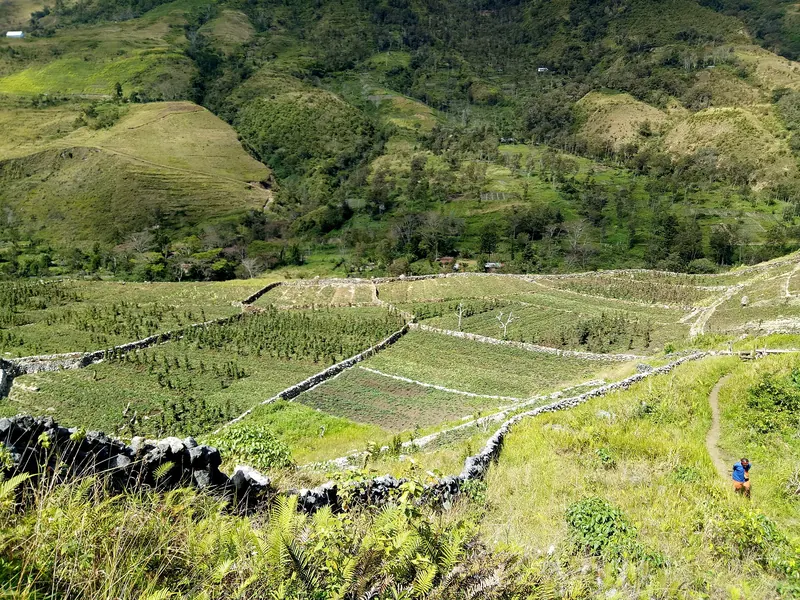
Plan your trip · Indonesia
Festivals in Indonesia: Nyepi, Waisak, Lebaran and when to time a trip
Indonesia's calendar runs on several clocks at once. Islamic holidays move earlier through the solar calendar each year, Nyepi follows the Balinese Saka calendar, Waisak the full moon, Galungan a 210-day Balinese cycle, and regional festivals such as the Baliem Valley Festival or Pasola are set by local custom and announced each year. A few of these events shut things down — Bali's airport on Nyepi, Java's roads and trains around Lebaran — while others are the reason to go. The useful question is not which festival is the biggest, but which ones you should build a trip around and which ones you should simply avoid getting caught by.
- Suggested time
- 2–3 nights for Nyepi in Bali or Waisak at Borobudur; 4–5 days for the Baliem Valley Festival including flights
- Where to stay
- Ubud or another walkable Bali village for Nyepi and Galungan; Borobudur village for Waisak; Yogyakarta for Sekaten; Wamena for the Baliem Valley Festival
- Season and timing
- March 2027 for Nyepi and Lebaran together; mid-May 2027 for Waisak; June to July for the Bali Arts Festival; August for the Baliem Valley and Dieng Culture festivals
The short answer
Check three dates before you book anything: Nyepi (Bali's airport and roads close for 24 hours; 8 March 2027), Idul Fitri or Lebaran (10–11 March 2027, with collective leave that can make a ten-day national break from 6 to 15 March) and, if Java is on the route, Waisak (20 May 2027). For a festival-led trip, the two most rewarding are the ogoh-ogoh parades in Bali on the eve of Nyepi — sleep in Ubud or a village where you can walk, arrive two days early and stay at least one night after — and Waisak at Borobudur, where you sleep in Borobudur village rather than Yogyakarta. Regional festivals such as Baliem (early August, Wamena) need their own flights and a buffer day; wait for the year's official listing before booking.
How the festival calendar works, and the 2027 dates
Indonesia sets its public holidays a year ahead in a joint decree of three ministers. The 2027 decree was signed on 15 September 2026; when we checked on 2026-10-03, Antara's report of it listed 18 national holidays and 8 collective leave days (cuti bersama). Collective leave applies to government staff; private employers decide for themselves, but many follow it, and that is what fills trains, flights and hotels.
The dates that matter most for travellers in 2027 are below. Nyepi and Idul Fitri fall in the same week, which is unusual and makes early March 2027 the most disruptive period of the year for travel in Bali and Java. Mid-May is the second crunch: Idul Adha, Waisak and two collective leave days create a run of six days off from Saturday 15 to Thursday 20 May for many workers.
- Chinese New Year (Imlek): Saturday 6 February 2027, with collective leave on Friday 5 February. Cap Go Meh follows 15 days later.
- Nyepi (Balinese Day of Silence): Monday 8 March 2027.
- Idul Fitri (Lebaran): Wednesday 10 and Thursday 11 March 2027, with collective leave on 9, 12 and 15 March. With the weekends and Nyepi, that is up to ten days off, from Saturday 6 to Monday 15 March.
- Good Friday and Easter: 26 and 28 March 2027, with collective leave on 25 March.
- Idul Adha: Monday 17 May 2027, with collective leave on 18 May.
- Waisak (Vesak): Thursday 20 May 2027, with collective leave on 19 May.
- Maulid (the Prophet's birthday) and Independence Day: Sunday 15 and Tuesday 17 August 2027.
- Christmas: Saturday 25 December 2027, with collective leave on 24 December.
Nyepi in Bali: the parade night, then a day indoors
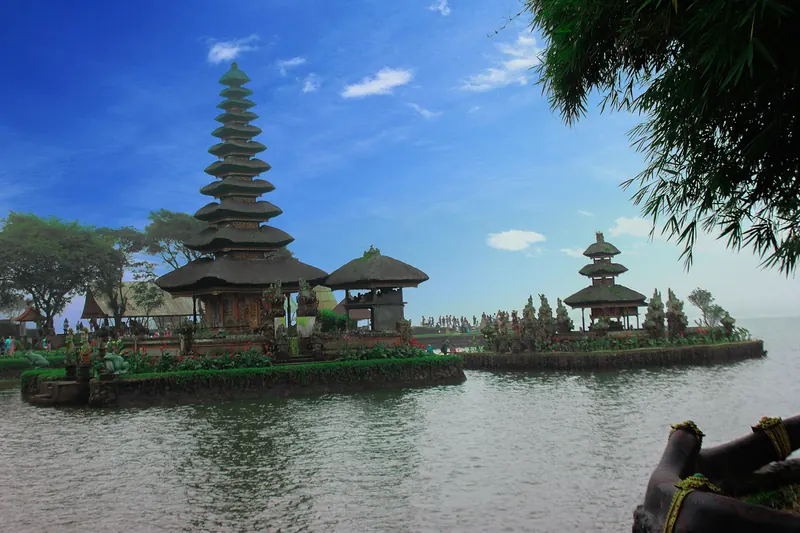
Nyepi is the Balinese Hindu New Year in the Saka calendar, and it is the one festival that changes every visitor's plans. The Ministry of Tourism explains that it falls on the first day of the tenth month, sasih kedasa, which lands in March or April. For 24 hours the island observes the four prohibitions of Catur Brata: no fire or bright light, no work, no travel and no entertainment. The rules apply to everyone, foreigners included. Ngurah Rai airport and all transport hubs close, no planes land or take off, shops and markets shut, and local watchmen (pecalang) stop anyone they find outside.
In practice: book flights for the day before and the day after, buy food, medicine and anything else you need beforehand, and plan to spend the day in your hotel. The ministry notes that hotels still allow television at low volume and dim lights inside your room, but not lights on the balcony. If you fall ill, call the hotel for an ambulance rather than trying to go out.
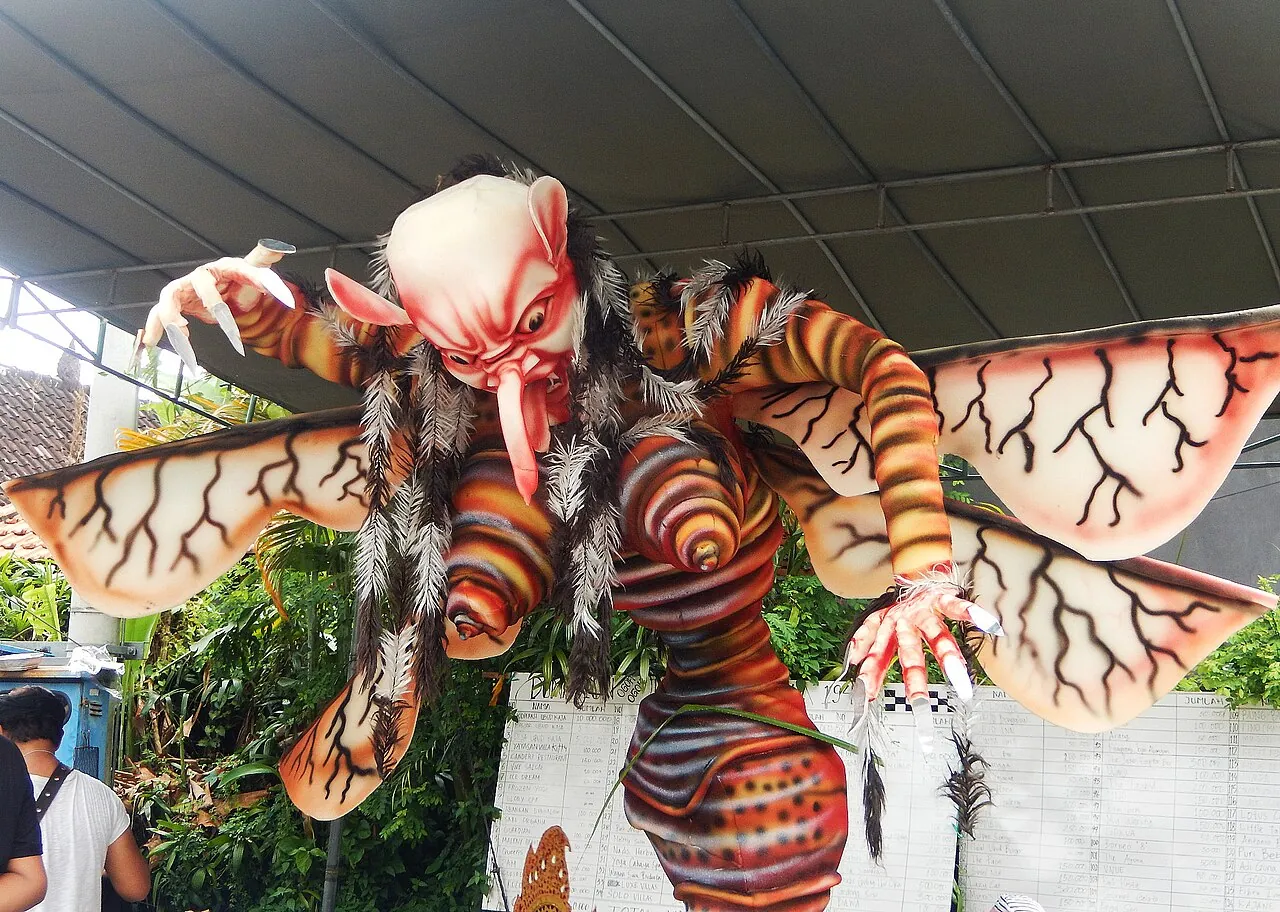
The days before Nyepi are the reason to be there. Villages take their temple's sacred objects to the sea, a lake or a spring for the Melasti purification. On the eve, Ngrupuk or Tawur Kesanga, each village performs a cleansing ritual at its crossroads and parades its ogoh-ogoh — papier-mâché demons representing evil spirits — before burning them. Bali's 2026 calendar of events also listed a Denpasar Ogoh-Ogoh Parade and the Kesanga Fest in March, and the Omed-Omedan. For 2027, the eve of Nyepi is Sunday 7 March; the following day is the first day of the Lebaran collective leave, so book your flight out well ahead.
Make time for the local food
What to eat and where to look
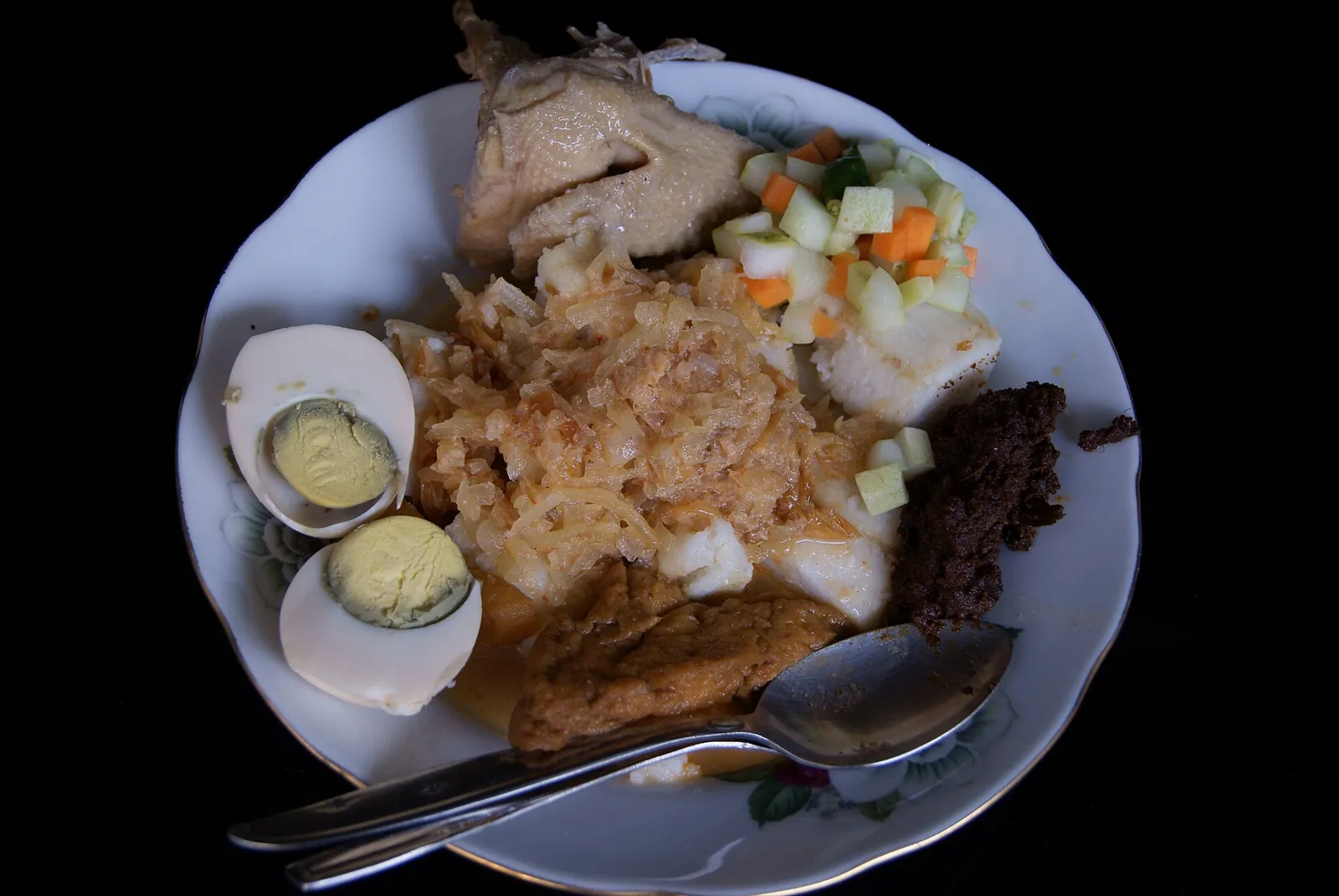
Ketupat with opor ayam
Rice cooked in a woven case of young coconut leaves (janur), cut into cubes and served with opor ayam, chicken simmered in coconut milk, plus sambal goreng, rendang or vegetables. The ministry calls ketupat the specialty of Idul Fitri.
- Where to look
- Family tables at Lebaran, and the rest of the year at warungs that sell ketupat sayur.
- Fit it into your day
- Breakfast or lunch on any day; at Lebaran, if you are invited into a home, this is what you will be offered.
Opor and its sides are rich with coconut milk and often contain shrimp paste or beef; ask if you avoid either.
Takjil for breaking the fast
Sweet snacks and drinks sold for iftar during Ramadan: kolak pisang (banana in palm-sugar coconut milk), cendol, cincau, black sticky rice and candil, plus regional variations from city to city.
- Where to look
- Pop-up stalls that open in the late afternoon around big markets and grand mosques, such as Istiqlal in Jakarta, during Ramadan only.
- Fit it into your day
- Go in the late afternoon, before the sunset call to prayer that ends the day's fast.
During the day, eat discreetly away from people who are fasting.
Lontong Cap Go Meh
The Chinese-Peranakan festive dish of Java for the 15th day of the Lunar New Year: lontong rice cake with opor ayam, sayur lodeh, sambal goreng ati, sweet pindang eggs, koya (shrimp and soy powder), pickles and prawn crackers.
- Where to look
- Peranakan families and restaurants in Semarang and other Central and East Javan cities around Cap Go Meh; some Peranakan restaurants in Jakarta serve it all year.
- Fit it into your day
- Traditionally a family meal on Cap Go Meh; in restaurants, a lunch on any day.
Contains chicken, liver, eggs and shrimp; not vegetarian.
Bakar batu (stone cooking)
Papua's communal earth-oven feast: food wrapped in banana leaves is layered with hot stones in a pit and left to cook for 8 to 10 hours. The ministry describes it in the highlands before Ramadan and at Idul Fitri, and lists it in the Baliem Valley Festival programme.
- Where to look
- At the Baliem Valley Festival in Wamena, or at village gatherings arranged through a local guide.
- Fit it into your day
- Treat it as the main event of a day: the cooking and the shared meal take most of it.
It is a community occasion; join only when you have been invited or it is part of the festival programme, and ask what is being cooked.
Galungan, Kuningan and Bali's festival season
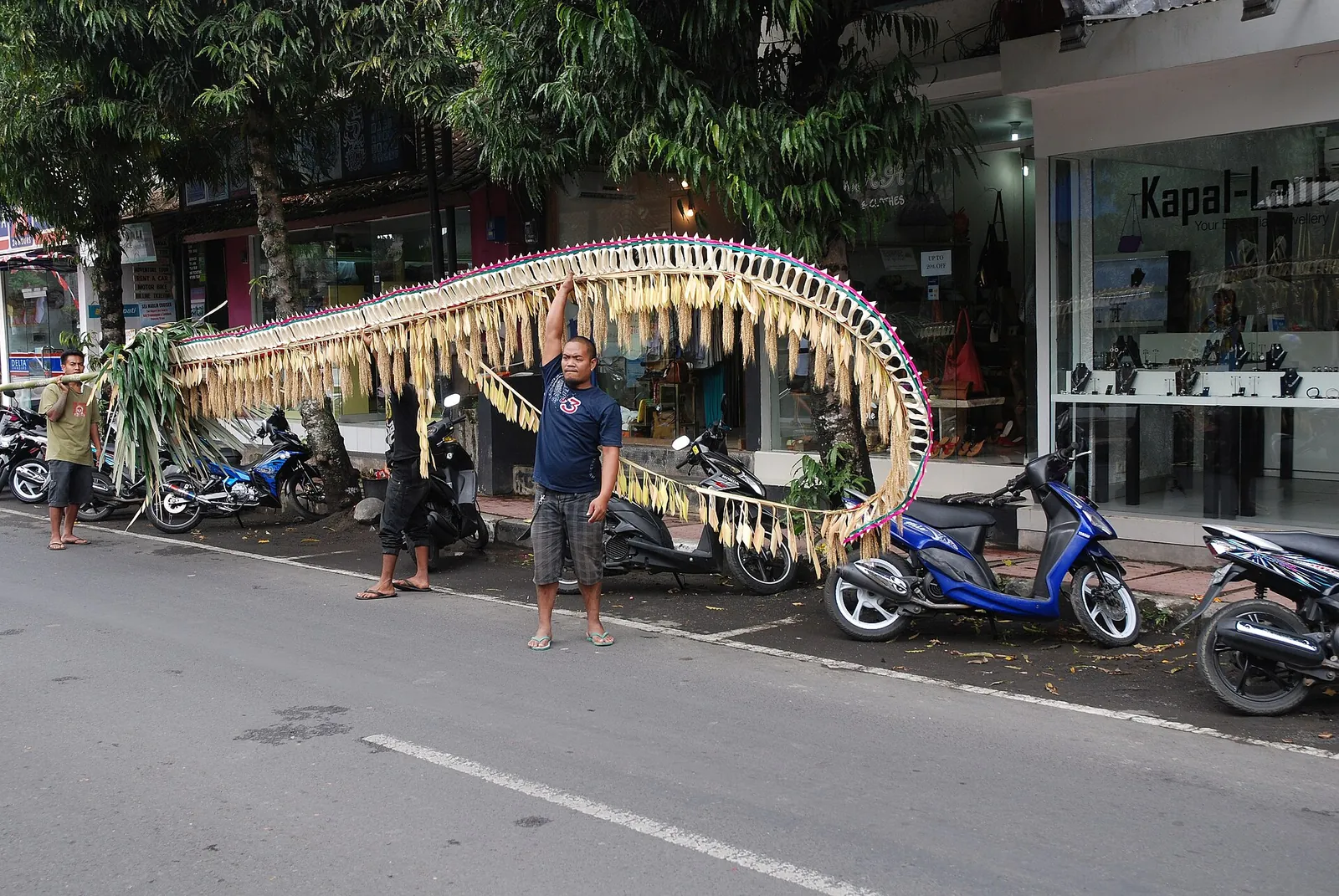
Galungan is the Balinese festival you are most likely to see without planning for it, because it comes round every 210 days on the Balinese pawukon calendar and can therefore fall twice in one year. It celebrates the victory of dharma over adharma; families believe ancestral spirits come home to visit, and Kuningan, the last day of the celebration, marks their return. The obvious sign is the penjor: tall curved bamboo poles hung with woven palm-leaf decorations and offerings, set up outside houses along whole roads. In the days before, families cook bananas and rice cakes for offerings and prepare feasts.
Galungan is not on the national holiday list and, unlike Nyepi, it does not close the airport or the roads, so there is little to plan around except the chance to see it. Temples are the centre of the celebration, so expect them to be busy with worshippers. We could not find the dates on an official site, so ask your hotel when you book.
If you want a festival rather than a holiday, the Bali Arts Festival (Pesta Kesenian Bali) is the biggest. When we checked on 2026-10-03, the Ministry of Tourism listed the 2026 edition in Denpasar from 13 June to 11 July, free to attend, with parades, classical and Bali Aga performances, exhibitions and competitions. The province's 2026 calendar names 56 events in all, from kite festivals in May and August to the Ubud Writers and Readers Festival in October and the Sanur Village Festival in November. Expect the 2027 programme to follow a similar shape, but check the dates when they are announced.
Waisak at Borobudur
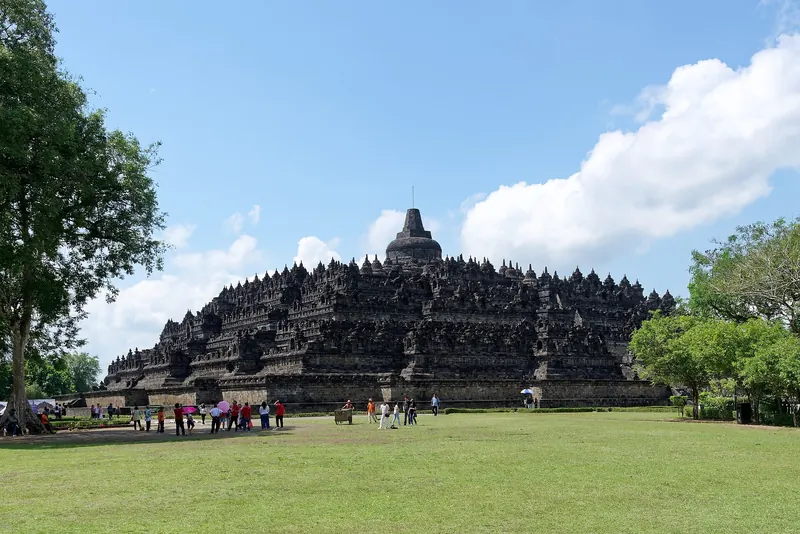
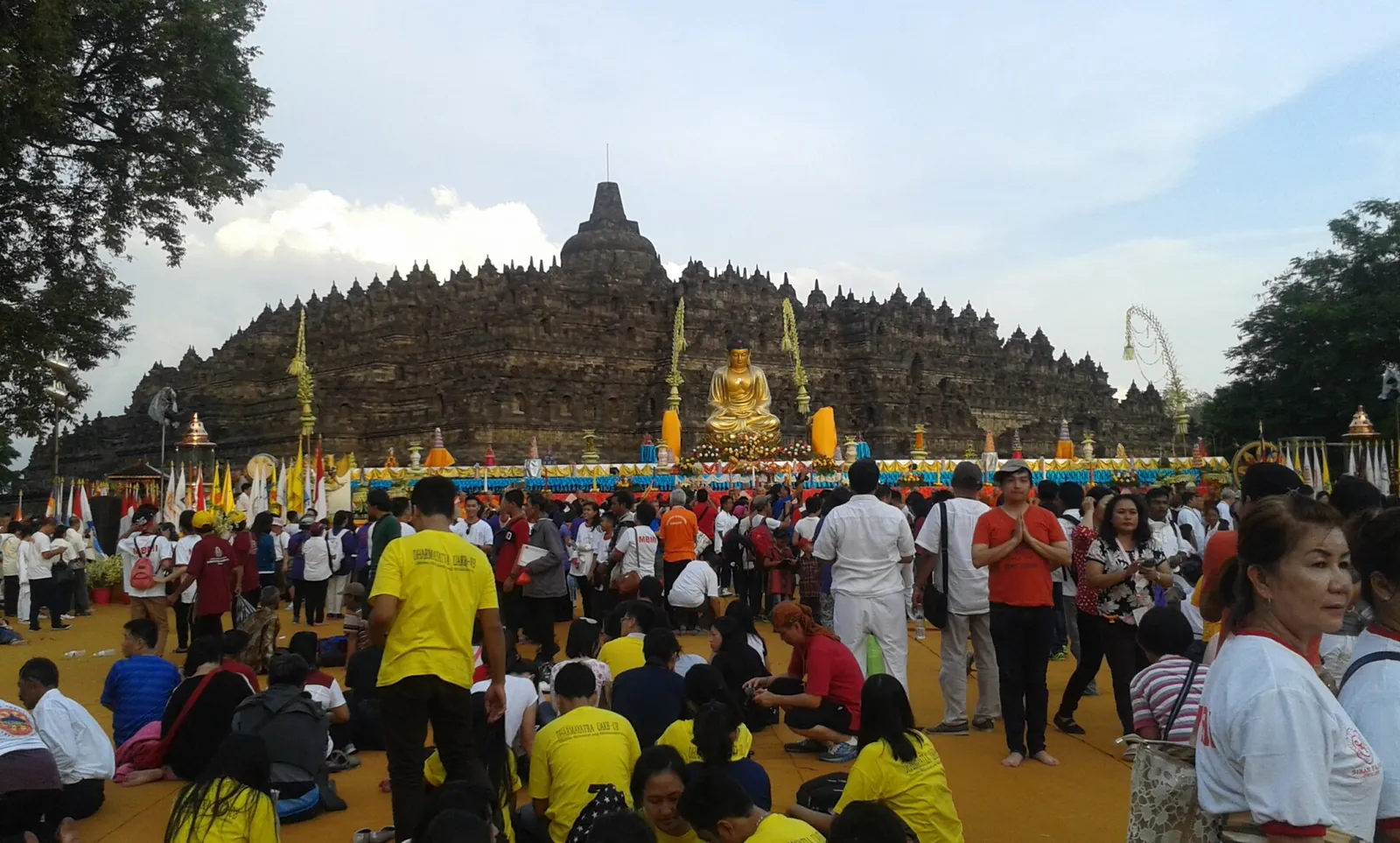
Indonesia's national Waisak celebration is centred on Borobudur in Magelang, Central Java. The Ministry of Tourism describes it as marking three events in the life of the Buddha — birth, enlightenment and passing — at the full moon in May or early June. The ceremonies follow a fixed sequence: holy water is drawn from the Umbul Jumprit spring in Temanggung and a flame taken from the natural eternal fire at Mrapen in Grobogan; both are kept at Mendut temple and then carried in procession to Borobudur. On the day, monks and pilgrims pray, walk three times round the monument in pradaksina, and meditate at the exact moment of the full moon, which is calculated astronomically and can fall in daylight.
For most visitors the draw is the lantern release (Lentera Puja) after dark. It is an organised, ticketed event, not something you can join by just turning up. In 2019 the ministry reported separate sessions for the public and for Buddhist participants, a lantern ticket of IDR 100,000 bought on site the day before, and a separate entry ticket to the Borobudur complex. Arrangements have changed since, so treat these as examples and wait for the organisers' announcement for 2027; Waisak falls on Thursday 20 May 2027 under the holiday decree.
Waisak is a religious ceremony first. Dress modestly, keep back from monks and the altar, and do not use flash or block processions for photographs. The ministry warns that hotels close to Borobudur are fully booked around Vesak, so book a room in Borobudur village or Wanurejo as soon as you know your dates. In 2027 Waisak also sits at the end of the Idul Adha break, so expect busier roads from Yogyakarta.
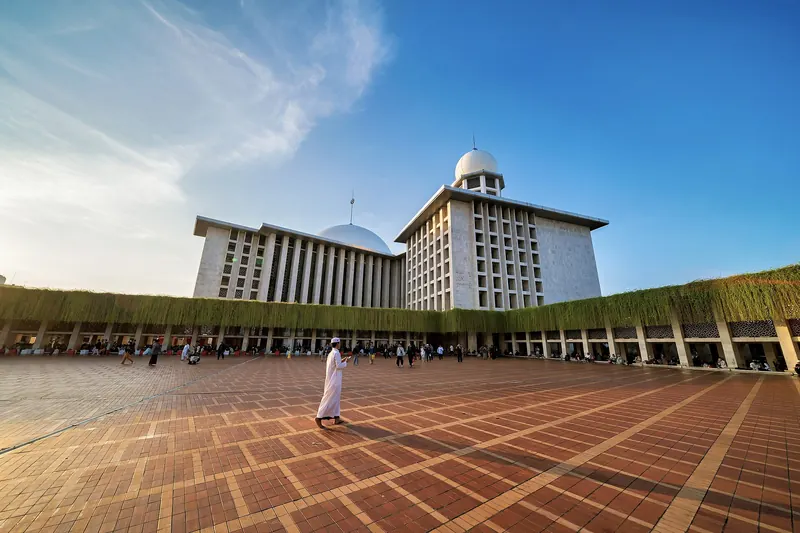
Ramadan and Lebaran: travelling through the fasting month
Ramadan does not stop travel, but it changes the rhythm of the day. The ministry notes that many restaurants and food stalls close in the daytime, or stay open with curtains drawn out of respect for those fasting, while fast-food and larger restaurants usually keep normal hours. In the late afternoon, takjil stalls selling sweet snacks for breaking the fast appear around markets and large mosques, and this is one of the best times of year to eat street food. Light sleepers should know that mosques often broadcast the pre-dawn sahur call over loudspeakers, so do not choose a room next to one.
Lebaran — Idul Fitri at the end of Ramadan — is the part to plan around. The ministry explains that the holiday is usually stretched by 7 to 10 days of collective leave because families travel back to their home towns, the annual mudik. Expect trains, flights, ferries and Java's toll roads to fill before the holiday and again on the way back. If your dates touch Lebaran, book long-distance transport early and plan to stay put in one place over the main days. See our Ramadan guide for the fasting month in more detail.
Regional festivals worth timing a trip around
These are set locally and their dates are confirmed late, often only a few months ahead. Use the Ministry of Tourism's event calendar to check the year's listing before you book flights, and expect the busiest hotels of the year in small towns during the festival.
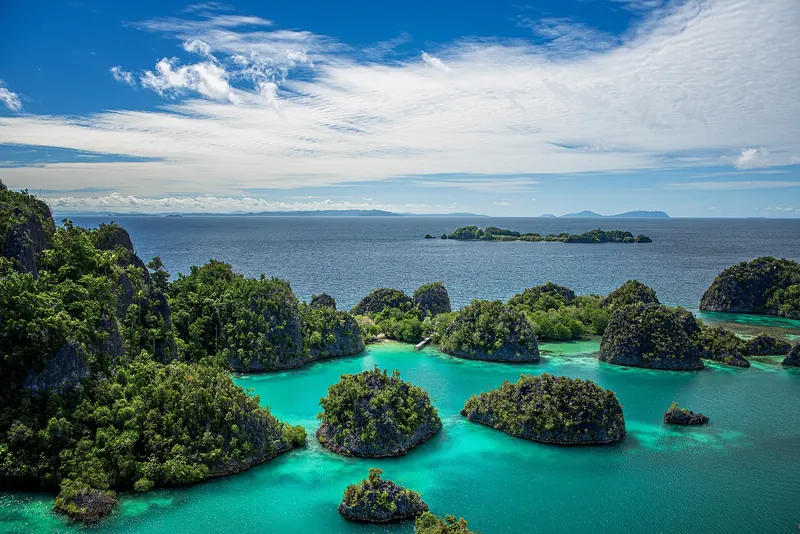
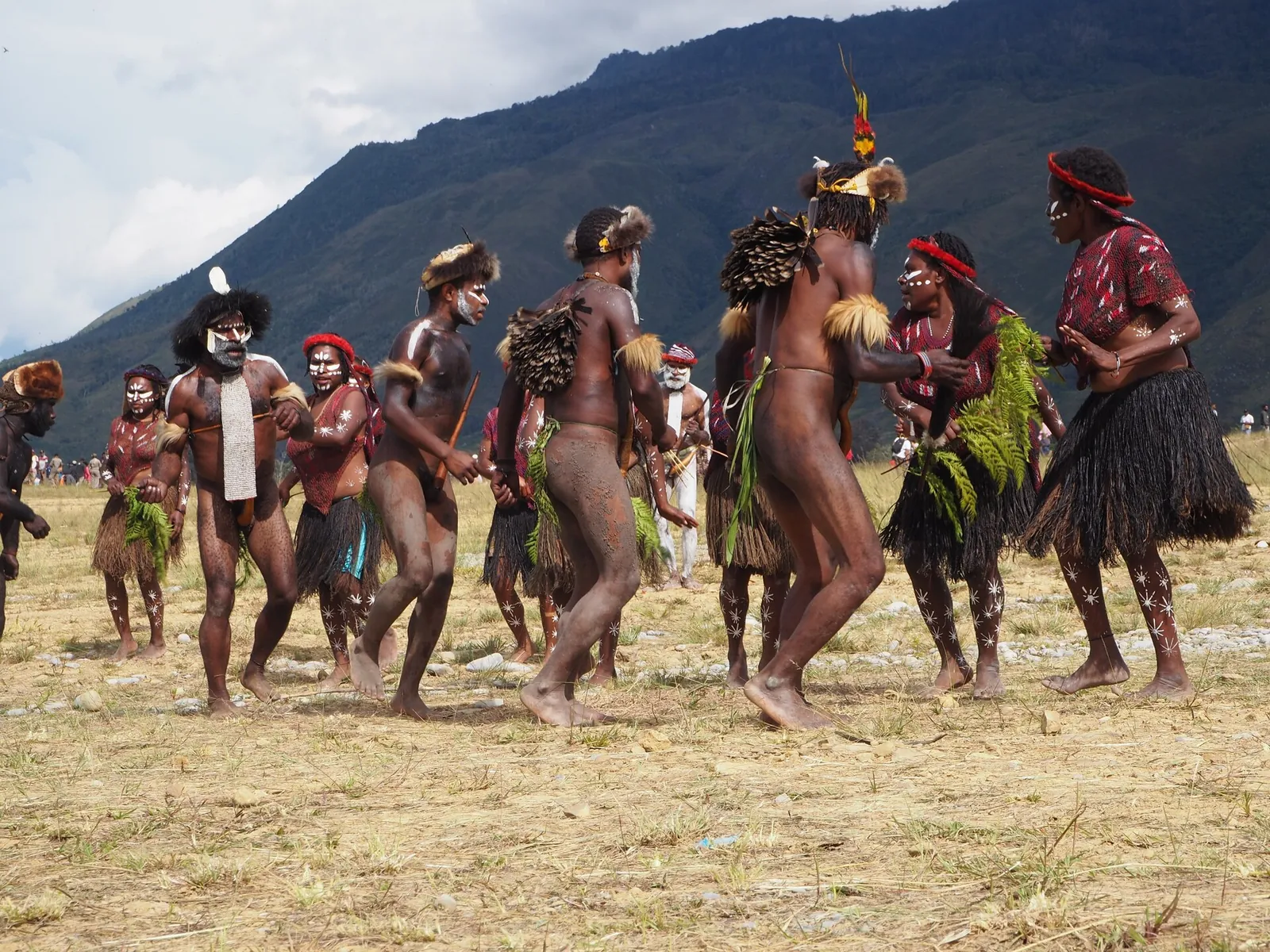
- Baliem Valley Festival, Wamena (Papua Highlands), August: mock battles, dances, pig races and bakar batu stone cooking by Dani, Lani and Yali groups. When we checked, the ministry listed the 34th festival on 7–8 August 2026, free to attend. Visitors fly in via Jayapura; see our Baliem Valley guide.
- Pasola, West Sumba, around February–March: two groups of horsemen charge each other with wooden spears during the sacred Nyale month. The ministry listed the 2024 West Sumba Pasola on 1 March at the Bara Bedang field in Wanukaka. The date is fixed each year, so check the listing.
- Bau Nyale, south Lombok, early in the year: the Sasak catch of nyale sea worms on the beaches around Seger and Mandalika, on the 20th day of the tenth Sasak month, from night until dawn, in memory of the legend of Princess Mandalika. In 2021 the catch took place on 3–4 March.
- Dieng Culture Festival, Central Java, August: a community-run festival on the Dieng Plateau whose centrepiece is the ruwatan ritual for children with dreadlocked hair. The 2026 edition ran from 28 to 30 August.
- Yadnya Kasada, Mount Bromo, East Java: the Tenggerese throw offerings of vegetables, fruit, livestock and flowers into Bromo's crater on the 14th day of the month of Kasada, after prayers at Luhur Poten temple in the Sea of Sand.
- Grebeg Sekaten, Yogyakarta: a week of palace gamelan, a night market on the north square and the Gunungan procession from the Kraton to the Great Mosque, to mark the Prophet's birthday (Maulid, 15 August 2027 under the decree).
- Cap Go Meh, 15 days after Chinese New Year: lion dances, lantern parades and food in Chinese-Indonesian communities; the ministry names Glodok in Jakarta, Bogor, Semarang, Singkawang, Manado and Kemaro Island in Palembang.
Practical questions
When is Nyepi in 2027, and can I fly to Bali that day?
Nyepi falls on Monday 8 March 2027 under the government's holiday decree. You cannot fly in or out: Ngurah Rai airport and all transport close for 24 hours and everyone must stay indoors. Arrive by 6 March to see the ogoh-ogoh parades on the evening of 7 March, and fly out on 9 March or later.
Is it a good idea to travel in Indonesia over Lebaran?
Only if you stay put. Around Idul Fitri (10–11 March 2027) families travel home across the country and long-distance transport fills before and after the holiday. Book early, or avoid long journeys during the collective leave from 9 to 15 March.
Can tourists join the Waisak lantern release at Borobudur?
In past years there has been a public session alongside the Buddhist one, with tickets sold separately from Borobudur entry. Arrangements and prices change each year, so wait for the organisers' announcement for 20 May 2027 and book a room near the temple early.
Does Galungan affect travel in Bali?
Not much. It is a family and temple festival rather than a shutdown: roads are lined with penjor and temples are busy, but the airport and roads stay open. It comes round every 210 days, so ask your hotel for the dates.
When is the Baliem Valley Festival?
In early August in Wamena. When we checked, the Ministry of Tourism listed the 2026 festival on 7–8 August. Wait for the 2027 listing before booking, and allow a buffer day for weather-dependent flights.
What closes during Ramadan?
Many small restaurants and food stalls close in the daytime or draw their curtains, while larger and fast-food restaurants usually stay open. The evening takjil markets are a highlight.
Sources and checks before you travel
Reference sources for the version dated 3 October 2026. Confirm opening times, access, transport and conditions for your travel dates.
- Antara: Daftar libur nasional 2027 dan cuti bersama, total 26 hari ↗ — opens in a new tab
- Ministry of Tourism (Indonesia Travel): Planning to spend Nyepi in Bali? Frequently asked questions ↗ — opens in a new tab
- Ministry of Tourism (Indonesia Travel): Business hours and holidays ↗ — opens in a new tab
- Love Bali (Bali Provincial Government): Bali Calendar of Events 2026 ↗ — opens in a new tab
- Ministry of Tourism (Indonesia Travel): Pesta Kesenian Bali (PKB) 2026 ↗ — opens in a new tab
- Wikipedia: Galungan ↗ — opens in a new tab
- Ministry of Tourism (Indonesia Travel): The inspiring Vesak Day rituals at Borobudur (2016) ↗ — opens in a new tab
- Ministry of Tourism (Indonesia Travel): Enlightening Vesak Day celebration at Borobudur (2019) ↗ — opens in a new tab
- Ministry of Tourism (Indonesia Travel): Lantern festival at Waisak in Borobudur (2022, Indonesian) ↗ — opens in a new tab
- Ministry of Tourism (Indonesia Travel): 8 hotels closest to Borobudur ↗ — opens in a new tab
- Ministry of Tourism (Indonesia Travel): 5 ideas on how to enjoy your holiday during Ramadan ↗ — opens in a new tab
- Ministry of Tourism (Indonesia Travel): What makes Indonesia's ketupat so legendary? ↗ — opens in a new tab
- Ministry of Tourism (Indonesia Travel): The scrumptious story of Lontong Cap Go Meh ↗ — opens in a new tab
- Ministry of Tourism (Indonesia Travel): Cap Go Meh celebrations in Indonesia and where to find them ↗ — opens in a new tab
- Ministry of Tourism (Indonesia Travel): Festival Budaya Lembah Baliem 2026 ↗ — opens in a new tab
- Ministry of Tourism (Indonesia Travel): Pasola Sumba Barat ↗ — opens in a new tab
- Ministry of Tourism (Indonesia Travel): The meaning behind the Bau Nyale festival ↗ — opens in a new tab
- Ministry of Tourism (Indonesia Travel): Dieng Culture Festival 2026 ↗ — opens in a new tab
- Ministry of Tourism (Indonesia Travel): The Yadnya Kasada ceremony at Mount Bromo ↗ — opens in a new tab
- Ministry of Tourism (Indonesia Travel): Grebeg Sekaten ↗ — opens in a new tab
- Ministry of Tourism (Indonesia Travel): Bakar batu tradition ↗ — opens in a new tab
Does this experience fit your route?
Timing a trip around a festival? Compare tours in Bali and around Borobudur, and check how each operator handles Nyepi and holiday dates before you book.
Browse relevant experiences on Viator ↗ — opens in a new tabAffiliate link · Book with ViatorPhoto credits
Ogoh-ogoh waiting on a street in Ubud, Bali, before the parade on the eve of Nyepi
Photograph: MagdaLena7 — opens in a new tab · CC BY-SA 4.0 — opens in a new tab
Changes: Resized and converted to WebP; displayed with responsive crops. · Original photograph and licence details ↗ — opens in a new tab
Pilgrims at Borobudur, Central Java, on Vesak Day 2015
Photograph: Aditya Suseno — opens in a new tab · CC0 — opens in a new tab
Changes: Resized and converted to WebP; displayed with responsive crops. · Original photograph and licence details ↗ — opens in a new tab
A penjor for Galungan on a street in Ubud, Bali
Photograph: Tigerente — opens in a new tab · CC BY-SA 4.0 — opens in a new tab
Changes: Resized and converted to WebP; displayed with responsive crops. · Original photograph and licence details ↗ — opens in a new tab
Traditional dancing at the Baliem Valley Festival near Wamena, Papua, in 2018
Photograph: Nurul Ichlasiah — opens in a new tab · CC BY-SA 4.0 — opens in a new tab
Changes: Resized and converted to WebP; displayed with responsive crops. · Original photograph and licence details ↗ — opens in a new tab
Ketupat Lebaran with opor ayam and side dishes, the classic Idul Fitri spread
Photograph: Midori — opens in a new tab · CC BY 3.0 — opens in a new tab
Changes: Resized and converted to WebP; displayed with responsive crops. · Original photograph and licence details ↗ — opens in a new tab