Plan your trip · Indonesia
Indonesia etiquette: temple dress, mosques, sarongs and photo manners
Indonesia is not one etiquette zone. The ministry of tourism describes a Muslim-majority country in which Bali is predominantly Hindu and the Toraja highlands, the Batak lands, Minahasa, much of East Nusa Tenggara and large parts of Papua are mainly Christian. A temple in Bali, a mosque in Banda Aceh, a sultan's palace in Yogyakarta and a funeral in Toraja each come with their own rules. The good news is that the basics travel well: cover up for sacred places, use your right hand, keep your voice down, and ask before you photograph people at prayer or in ceremony.
- Suggested time
- Applies to the whole trip; allow extra time on temple and ceremony days for changing, queues and waiting for prayers to finish
- Where to stay
- Ubud for Bali's temple culture, Yogyakarta for the kraton and Borobudur, Rantepao for Toraja, and central Banda Aceh if you go to Aceh
- Season and timing
- Etiquette matters all year, but the rules are strictest during Ramadan (in 2027, mainly February and early March), on Nyepi in Bali (8 March 2027) and on the big temple festival days.
The short answer
Build etiquette into the packing list rather than learning it at the gate. Carry one light layer that covers shoulders and knees every day; in Bali, add a sarong (kamen) and sash, or expect to borrow or rent them at temple entrances. Women visiting mosques should bring a headscarf, although big mosques such as Baiturrahman in Banda Aceh lend robes. Check the calendar before booking: Bali shuts down for Nyepi (8 March 2027), and in Ramadan, which ends with Idul Fitri on 10–11 March 2027, eat and drink discreetly in daytime. In Aceh, the stricter Sharia rules apply to visitors as well. For ceremonies in Toraja or Bali's villages, go with a local guide or your host, who can confirm you are welcome.
The rules that apply almost everywhere
The ministry of tourism describes Indonesians as religious on the whole, and as open and tolerant of each other's faiths and customs while keeping their own. For a visitor, that translates into a few habits that work from Sumatra to Papua. Dress modestly away from the beach: Wikivoyage's country guide notes that bikinis are accepted on most beaches in Bali and Lombok, but elsewhere women are advised to keep legs and necklines covered, and to swim as local women do. Shorts are unlikely to cause actual offence in a town, but they are wrong for temples, mosques and palaces.
Use your right hand to give, receive, eat and shake hands. The left hand is associated with the toilet, and Wikivoyage suggests a quick 'maaf, tangan kiri' (sorry, left hand) if you have no choice. A handshake is a light touch of the palms, often followed by bringing the hand to the chest; let a Muslim woman offer her hand first. Do not touch anyone's head, point with a finger (use your right thumb or an open hand), or show the soles of your feet. Take your shoes off before entering a home.
Address people politely: the ministry's phrase list gives Bapak (sir) and Ibu (madam), and a 'permisi' (excuse me) or 'terima kasih' (thank you) goes a long way. Saving face matters, so in a dispute stay calm, smile and ask for a solution rather than raising your voice. The ministry lists places of worship among the places where smoking is prohibited by law, and both the ministry and the UK government advise carrying your passport at all times as identification.
Bali's temples: sarong, sash and the inner courtyard
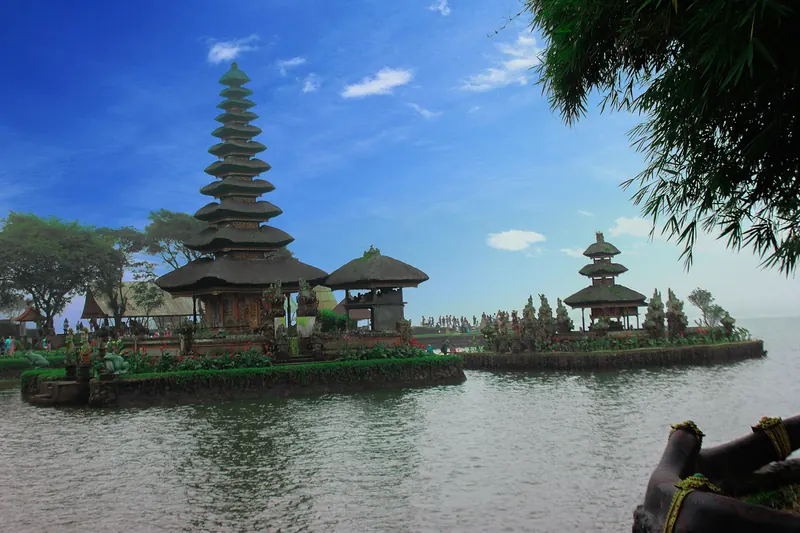
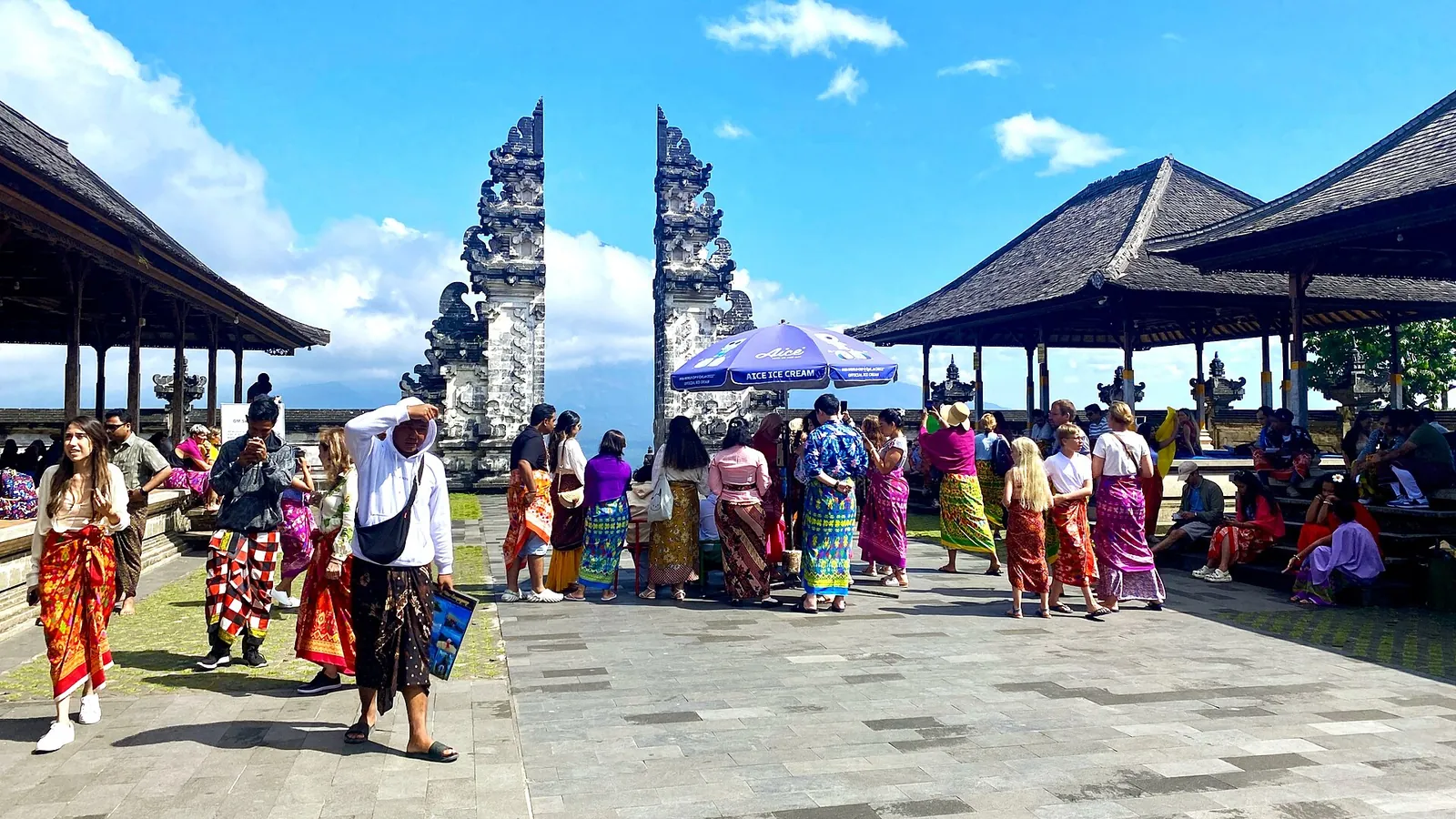
Every Balinese temple (pura) expects visitors to wear a sarong, called a kamen, with a sash tied at the waist, over clothes that cover the shoulders. The ministry's pages for Uluwatu, Lempuyang and Tirta Empul all say the sarong and sash are provided or lent at the entrance. When we checked on 3 October 2026, the ministry's Lempuyang page said they were included in the foreign visitor ticket or rented for about Rp10,000–20,000, and its Tirta Empul page gave about Rp10,000–15,000 for rental if you do not bring your own. If you plan to visit many temples, a sarong of your own is handy.
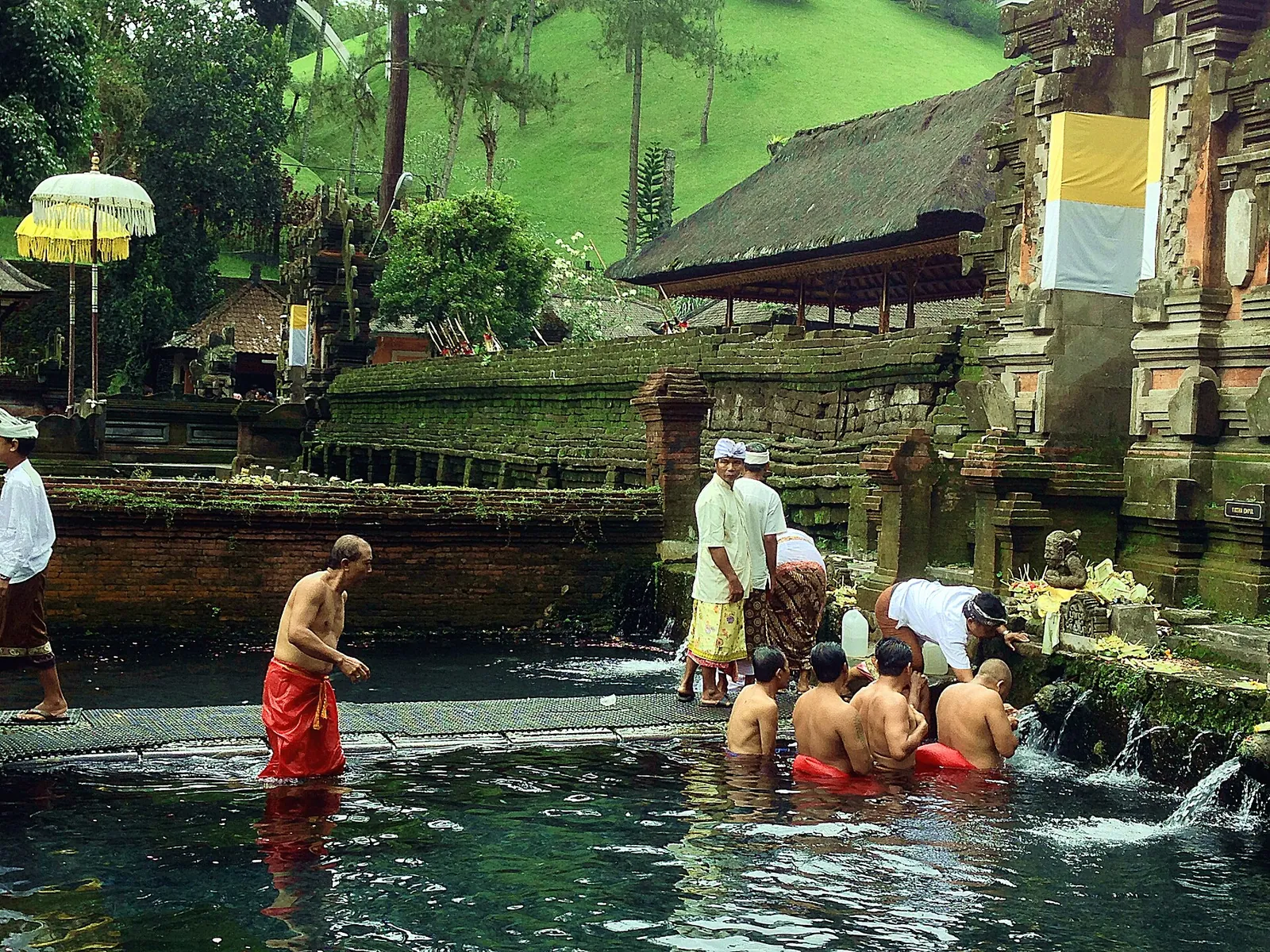
A Balinese temple is laid out in courtyards, from the outer jaba to the inner jeroan where the main shrines stand. Wikivoyage notes that visitors are almost always allowed into the outer court, while access to the inner court depends on the temple and on the ceremonies being held. Follow signs and the instructions of temple attendants. At Tirta Empul, the ministry says non-Hindus may enter the inner court if they dress properly, and visitors of any faith may join the melukat purification ritual if they come with respect; bring a change of clothes.
Several temples restrict entry for women who are menstruating. The ministry's Uluwatu page says they are prohibited from entering the central area of the temple, and its Lempuyang page says women who are menstruating, pregnant or in mourning may not perform rituals there. Wherever people are praying, lower your voice, do not walk in front of them, and keep out of the way of priests and processions.
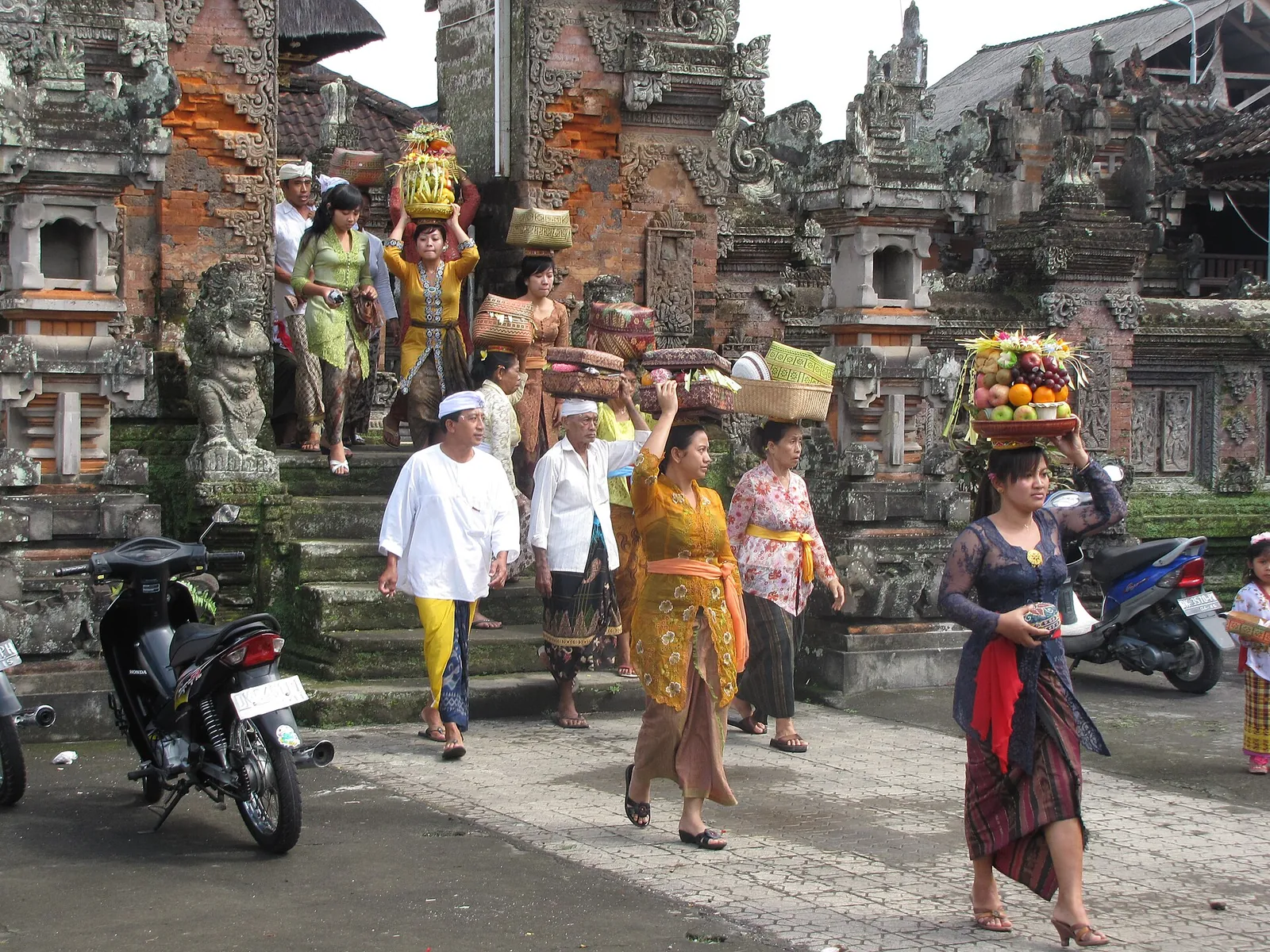
The small palm-leaf trays of flowers and incense you see on pavements, steps and shop counters are canang sari, daily offerings. Bali's Governor Circular No. 07 of 2025, summarised on the provincial government's Love Bali site, tells foreign visitors not to step on, damage or interfere with offerings or ceremonial items, to dress modestly at temples and ceremonies, and to avoid inappropriate photos and disrespectful behaviour in sacred areas. The same site lists the one-off foreign tourist levy of IDR 150,000 per person, payable online or at the airport and Benoa port.
Make time for the local food
What to eat and where to look
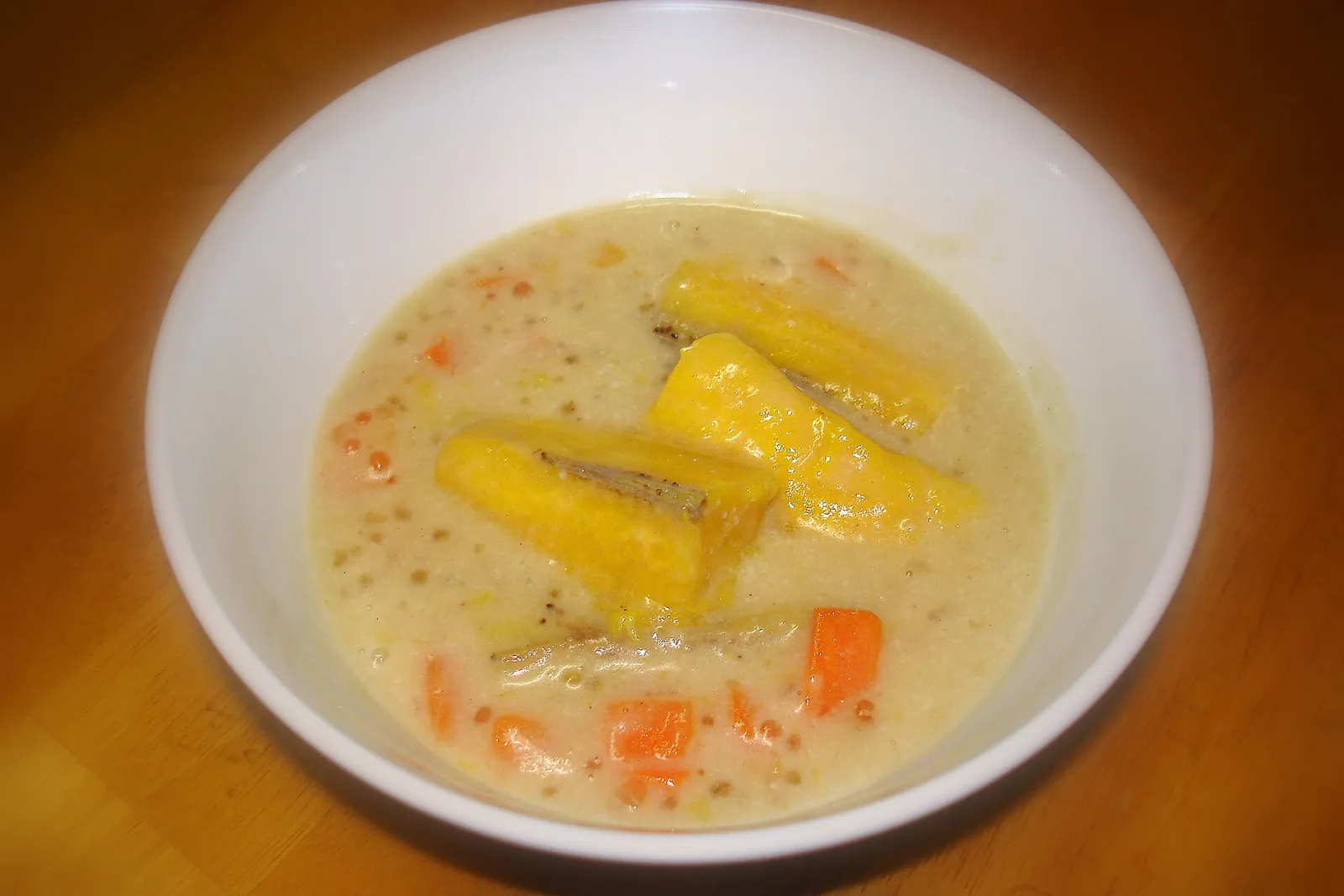
Kolak (banana in palm sugar and coconut milk)
A sweet stew of banana in palm sugar and coconut milk. The ministry calls it the dish most closely linked to Ramadan in Indonesia, and it is one of the takjil sweets eaten to break the fast at sunset.
- Where to look
- Takjil stalls that set up in the late afternoon near markets and big mosques during Ramadan.
- Fit it into your day
- Buy it in the late afternoon and keep it for sunset, when the fast is broken.
During fasting hours, carry it away rather than eating it on the street; it contains coconut milk.
Ketupat with opor ayam
Rice cooked in a woven case of young coconut leaves, the ministry's symbol of Idul Fitri, served with rich dishes such as opor ayam (chicken in coconut milk), rendang or sambal goreng.
- Where to look
- Family tables and warungs around Idul Fitri; outside the holiday, at warungs that serve soto, opor or curries with ketupat.
- Fit it into your day
- If you are invited to a home during Lebaran, accept a small plate: sharing food is part of the visit.
Many places close or run short-staffed in the Idul Fitri week; check opening hours.
Babi guling (Balinese roast pork)
Whole pig marinated in Balinese spices and roasted until the skin crackles, served with rice, lawar and sambal. The ministry calls it a signature Balinese dish.
- Where to look
- Babi guling warungs in Bali; the ministry recommends Ibu Oka on Jalan Suweta in central Ubud.
- Fit it into your day
- A filling lunch between morning temple visits around Ubud.
Pork is not halal: do not offer it to Muslim companions or drivers, and choose another restaurant when eating together.
Ayam taliwang (Lombok grilled chicken)
Free-range chicken half-grilled, dipped in a spicy paste of garlic, chilli and shrimp paste, then grilled again; served with plecing (water spinach with tomato sambal). Lombok promotes itself as a halal destination, and this is its signature dish.
- Where to look
- Any restaurant serving Lombok cuisine, according to the ministry.
- Fit it into your day
- A good shared dinner with Muslim travel companions or a Sasak guide.
Very spicy and contains shrimp paste; eat with the right hand if you eat without cutlery.
Mosques: what to wear and how to visit
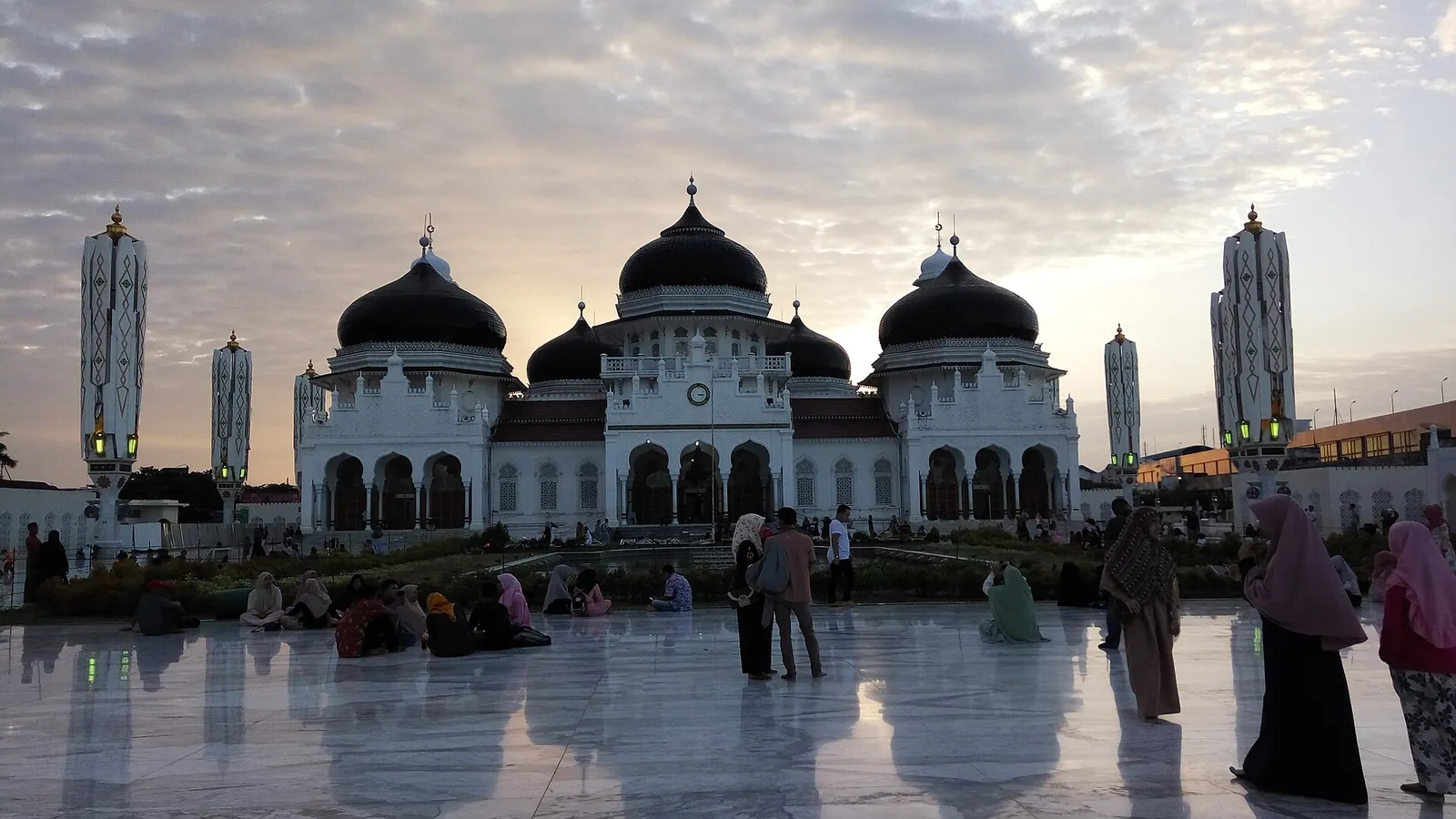
Indonesia's great mosques are open to respectful visitors, and the ministry encourages visiting them even during Ramadan. Dress more conservatively than you would for a Balinese temple: cover arms and legs, and for women bring a headscarf. At the Baiturrahman Grand Mosque in Banda Aceh, the ministry says women are expected to wear a headscarf and loose clothing that covers arms and legs, and that the mosque usually lends robes and headscarves to visitors who need them.
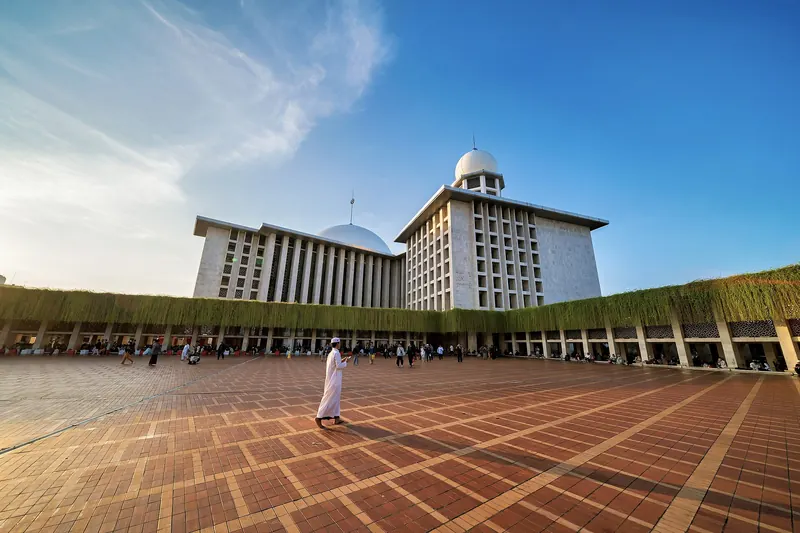
Shoes come off before you enter the building. At Jakarta's Istiqlal Mosque, the largest in Southeast Asia, the ministry's page says the mosque is open daily with no admission fee and that guides are available to show non-Muslim visitors around. Some areas of a mosque may be reserved for worship; follow your guide.
Plan your visit between the five daily prayers, when the halls are quieter. The ministry says photography is welcome at Baiturrahman, as long as you do not disturb worshippers or intrude on moments of prayer. Do not photograph people at prayer, and keep your phone on silent. If you stay near a large mosque in Ramadan, the ministry warns light sleepers that the pre-dawn reminder for sahur, the meal before fasting begins, comes over loudspeakers.
Ramadan, Nyepi and Aceh: when the rules tighten
During Ramadan, Muslims fast from dawn to dusk. The UK government's travel advice asks visitors not to eat, drink, smoke or chew gum in public in the daytime, including in a car, not to play loud music or dance, and to follow local dress codes more carefully than usual. The ministry notes that many restaurants and food stalls close or draw their curtains in the day, while fast-food chains and larger restaurants usually stay open. In the late afternoon, takjil stalls selling sweets to break the fast appear near markets and big mosques. Idul Fitri falls on 10–11 March 2027 under the government's holiday decree, so Ramadan 2027 runs mainly through February and early March. The ministry notes that the holiday is extended by about 7 to 10 days of collective leave as families travel to their home towns.
Nyepi, the Balinese Day of Silence, is the one day on which the rules bind everyone in Bali, not only Hindus. The ministry's Nyepi FAQ says that for 24 hours you may not go outside, light fires or use bright lights (low light inside a hotel room is allowed, balcony lights are not), or make loud noise; the airport and all transport stop. Local watchmen, the pecalang, patrol the streets. Stock up on food and medicine beforehand and stay inside your hotel. The 2027 holiday decree puts Nyepi on Monday 8 March 2027. On the evening before, villages parade and burn ogoh-ogoh effigies representing evil spirits.
Aceh, at the northern tip of Sumatra, is the only province that formally implements Sharia law. The ministry says this covers dress codes and public conduct, and the UK government's advice says the laws apply to non-Muslims too: drinking, making and selling alcohol, gambling, extra-marital sex and same-sex sexual activity are illegal there, with public caning among the punishments after a Sharia court process. Dress conservatively throughout the province, beaches included, and plan a dry trip.
Ceremonies, palaces and villages beyond Bali
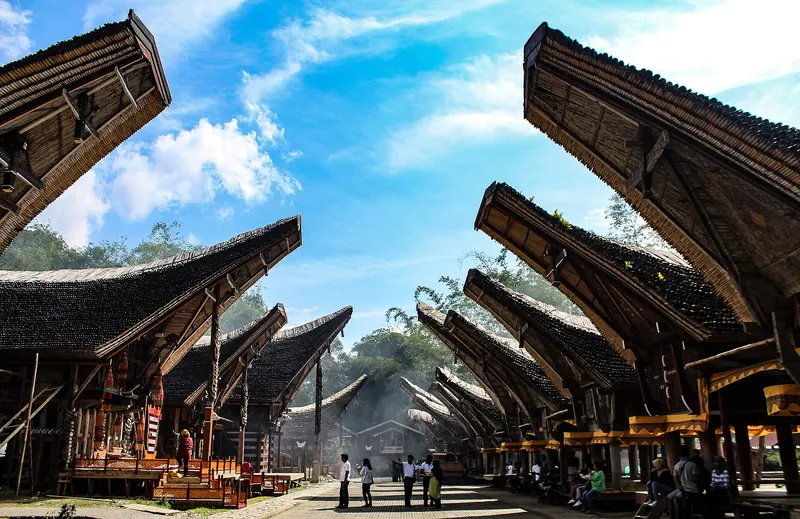
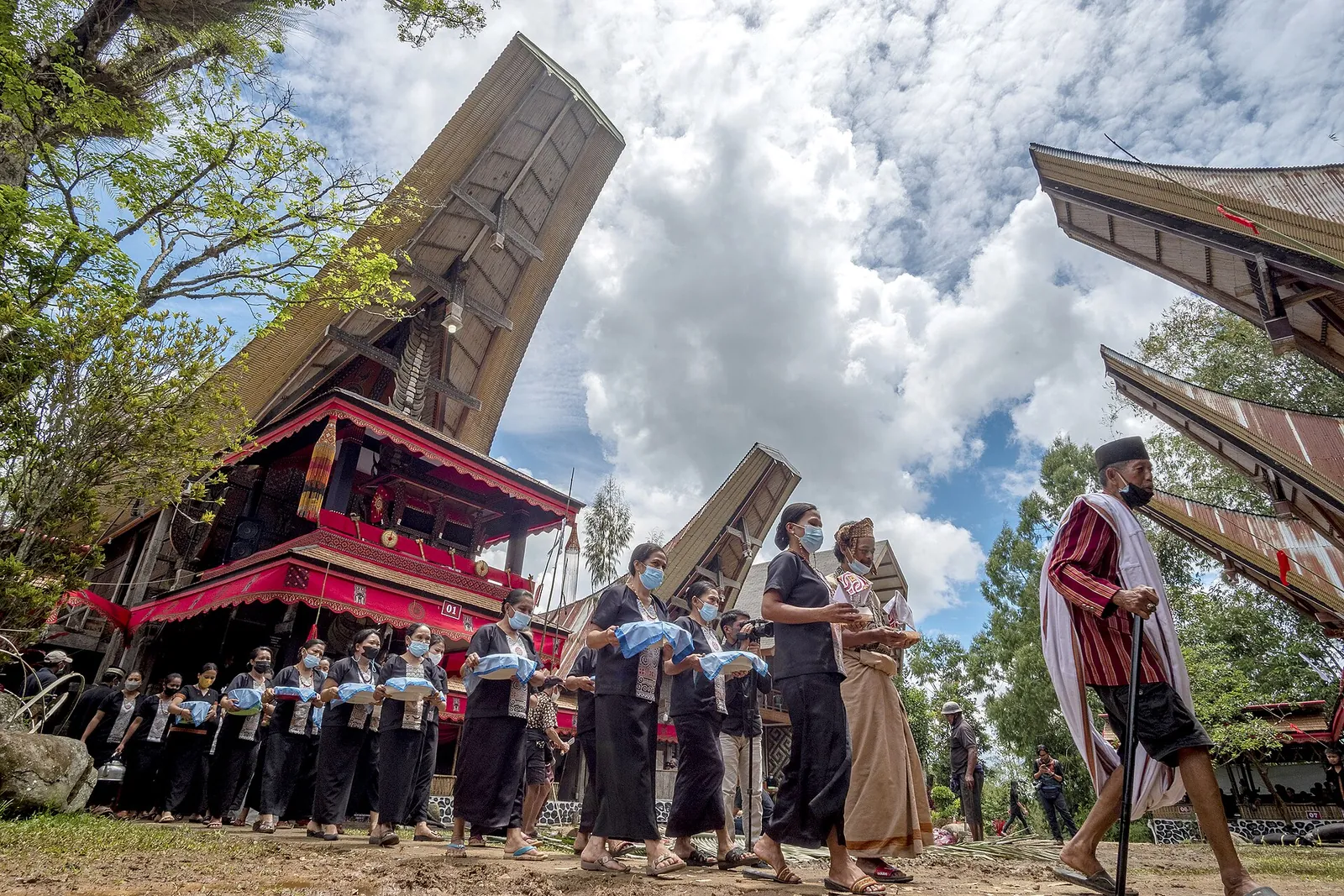
Toraja funerals (Rambu Solo') in South Sulawesi last days or weeks, gather the whole family and village, and include the sacrifice of buffalo and pigs, according to the ministry. They are private family events: go only with a local guide who can confirm you are welcome, dress in dark or subdued colours (the ministry notes that Torajan women wear darker versions of their traditional dress at funerals), and follow the family's lead. At burial caves such as Londa, the ministry asks visitors never to move or take bones, skulls or objects, and to ask permission if they bring betel nut or flowers.
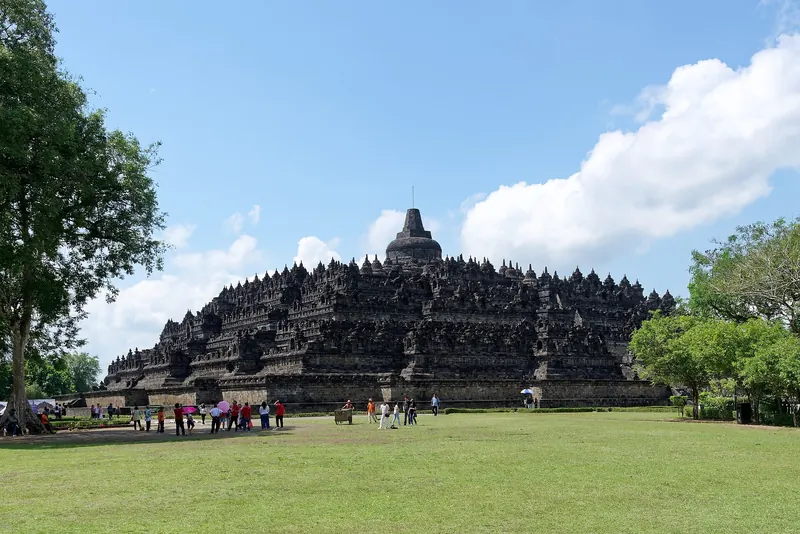
In Java, palaces and temples have their own dress rules. When we checked on 3 October 2026, the Yogyakarta Kraton's official tourism site asked visitors to wear modest clothes with sleeves, banned hats in the museum area, and said that awisan batik motifs, the patterns reserved for the royal family, may not be worn. At Borobudur, the operator's climbing packages require modest clothing and supply special upanat sandals, worn on the monument to protect the stone, with a guide.
Village visits follow the same logic. For the Sasak villages of Sade and Ende in Lombok, the ministry asks visitors to be polite and follow local rules, especially on dress and on how they interact with residents. At Trunyan, the Bali Aga village on Lake Batur, it asks for modest clothing, no loud talk or jokes in the cemetery, permission before photographs and no touching or removing objects from the burial site.
Photography: when to ask and when to put the camera away
Most sacred-place rules end in the same place: the camera. The ministry's Lempuyang page asks visitors not to photograph a ceremony unless authorised and always to respect people praying, even though its split gate draws long queues of people waiting for a photo. Trunyan asks for permission before photos in sacred spaces, and Bali's governor's circular warns against inappropriate photos in sacred areas.
With people, ask first. A smile and a gesture at the camera is usually enough; accept a no. At the Baliem Valley Festival in Papua, the ministry suggests asking participants politely if they will pose. Expect the reverse as well: Wikivoyage notes that many Indonesians will want a photo with you, which is curiosity rather than rudeness.
- Pack daily: a light layer for shoulders and knees; in Bali a sarong and sash; for mosques a headscarf (women) and long sleeves.
- At the entrance: remove shoes where others have, put on the sarong, read the posted rules and ask the attendant if unsure.
- Inside: right hand only, voice down, keep the soles of your feet out of sight, never walk in front of people praying, step around offerings.
- Photos: ask people first; no photos of ceremonies unless you are told they are allowed; no flash in faces.
- Calendar: no flights in or out of Bali on Nyepi; eat and drink discreetly in daytime during Ramadan; plan Aceh as a dry, conservative trip.
Practical questions
Do I need my own sarong to visit temples in Bali?
No. Major temples such as Uluwatu, Lempuyang and Tirta Empul lend or rent a sarong (kamen) and sash at the entrance, sometimes included in the ticket. Your own sarong is cheaper over a long stay and useful at smaller village temples.
Can women visit Bali's temples during their period?
Many temples ask them not to. The ministry's Uluwatu page says menstruating women may not enter the central area, and Lempuyang says women who are menstruating, pregnant or in mourning may not perform rituals there. Visiting the outer areas is usually acceptable; follow the signs at each temple.
Can non-Muslims visit mosques in Indonesia?
Yes, outside prayer times and in modest dress. Istiqlal in Jakarta has guides for non-Muslim visitors, and Baiturrahman in Banda Aceh lends robes and headscarves. Take off your shoes, keep quiet and do not photograph people at prayer.
Can I eat and drink in public during Ramadan?
Avoid it in daytime in Muslim areas. The UK government advises not eating, drinking, smoking or chewing gum in public during fasting hours. Restaurants that open may screen their windows, and chain restaurants usually keep normal hours.
What can tourists do on Nyepi in Bali?
Stay inside your hotel for 24 hours. Going out, bright lights and loud noise are not allowed, the airport closes and the pecalang watchmen patrol the streets. Book flights for the days before and after; in 2027 Nyepi falls on 8 March.
Does Sharia law apply to tourists in Aceh?
Yes. The UK government says Aceh's Sharia laws apply to non-Muslims as well, banning alcohol, gambling and extra-marital and same-sex sexual activity, with public caning among the penalties. Dress conservatively everywhere, including the beach.
Can I take photos at ceremonies?
Only if you are told it is allowed. The ministry asks visitors not to photograph ceremonies unless authorised and to ask before photographing people in sacred spaces. At a Toraja funeral, be discreet, use no flash and take your lead from your guide.
Sources and checks before you travel
Reference sources for the version dated 3 October 2026. Confirm opening times, access, transport and conditions for your travel dates.
- Ministry of Tourism (Indonesia Travel): People and culture ↗ — opens in a new tab
- Ministry of Tourism (Indonesia Travel): Local law ↗ — opens in a new tab
- Ministry of Tourism (Indonesia Travel): Language ↗ — opens in a new tab
- Ministry of Tourism (Indonesia Travel): Business hours and holiday ↗ — opens in a new tab
- Ministry of Tourism (Indonesia Travel): Pura Uluwatu ↗ — opens in a new tab
- Ministry of Tourism (Indonesia Travel): Pura Lempuyang ↗ — opens in a new tab
- Ministry of Tourism (Indonesia Travel): Pura Tirta Empul ↗ — opens in a new tab
- Love Bali (Bali Provincial Government): Travel guidelines in Bali ↗ — opens in a new tab
- Ministry of Tourism (Indonesia Travel): Bali vacation in mind? Latest regulations ↗ — opens in a new tab
- Ministry of Tourism (Indonesia Travel): Masjid Raya Baiturrahman ↗ — opens in a new tab
- Ministry of Tourism (Indonesia Travel): The Baiturrahman Grand Mosque, a symbol of faith and resilience ↗ — opens in a new tab
- Ministry of Tourism (Indonesia Travel): The Grand Istiqlal Mosque ↗ — opens in a new tab
- Ministry of Tourism (Indonesia Travel): 5 ideas on how to enjoy your holiday during Ramadan ↗ — opens in a new tab
- UK FCDO travel advice: Indonesia safety and security (laws and cultural differences) ↗ — opens in a new tab
- Ministry of Tourism (Indonesia Travel): Planning to spend Nyepi in Bali? FAQ ↗ — opens in a new tab
- Antara: Daftar libur nasional 2027 dan cuti bersama ↗ — opens in a new tab
- Ministry of Tourism (Indonesia Travel): The religions of Aceh province ↗ — opens in a new tab
- Ministry of Tourism (Indonesia Travel): Tana Toraja ↗ — opens in a new tab
- Ministry of Tourism (Indonesia Travel): Baju Pokko', the traditional clothing of Toraja ↗ — opens in a new tab
- Ministry of Tourism (Indonesia Travel): Tana Toraja, Londa ↗ — opens in a new tab
- Kraton Ngayogyakarta Hadiningrat tourism: Kagungan Dalem Kedhaton ↗ — opens in a new tab
- InJourney Destination: Borobudur premium experience (foreign adult) ↗ — opens in a new tab
- Ministry of Tourism (Indonesia Travel): 7 destinations around Mandalika ↗ — opens in a new tab
- Ministry of Tourism (Indonesia Travel): Trunyan village, Kintamani ↗ — opens in a new tab
- Ministry of Tourism (Indonesia Travel): Baliem Valley Festival ↗ — opens in a new tab
- Wikivoyage: Indonesia (Respect) ↗ — opens in a new tab
- Wikivoyage: Bali (temples) ↗ — opens in a new tab
- Ministry of Tourism (Indonesia Travel): 9 iconic Ramadan dishes ↗ — opens in a new tab
- Ministry of Tourism (Indonesia Travel): What makes Indonesia's ketupat so legendary? ↗ — opens in a new tab
- Ministry of Tourism (Indonesia Travel): Babi guling ↗ — opens in a new tab
- Ministry of Tourism (Indonesia Travel): Lombok's delicious halal cuisine ↗ — opens in a new tab
- Ministry of Tourism (Indonesia Travel): Denpasar, Bali Ngurah Rai Airport ↗ — opens in a new tab
Does this experience fit your route?
A local guide is the easiest way to get the etiquette right at a temple or a ceremony. Check what the tour includes, from sarong hire to entry tickets, before you book.
Browse relevant experiences on Viator ↗ — opens in a new tabAffiliate link · Book with ViatorPhoto credits
Visitors in borrowed sarongs and sashes at Pura Penataran Agung Lempuyang, East Bali, where the split gate draws long photo queues.
Photograph: Slleong — opens in a new tab · CC0 — opens in a new tab
Changes: Resized and converted to WebP; displayed with responsive crops. · Original photograph and licence details ↗ — opens in a new tab
Leaving a temple at Kuningan, the end of the Galungan festival in Bali: temple dress and offerings carried on the head.
Photograph: Spencer Weart — opens in a new tab · CC BY-SA 3.0 — opens in a new tab
Changes: Resized and converted to WebP; displayed with responsive crops. · Original photograph and licence details ↗ — opens in a new tab
The purification pools of Pura Tirta Empul, near Tampaksiring, where visitors of any faith may join the melukat ritual.
Photograph: Saranabhi — opens in a new tab · CC BY-SA 3.0 — opens in a new tab
Changes: Resized and converted to WebP; displayed with responsive crops. · Original photograph and licence details ↗ — opens in a new tab
Baiturrahman Grand Mosque, Banda Aceh: visitors are expected to cover arms and legs, and women to wear a headscarf.
Photograph: Si_Gam — opens in a new tab · CC BY-SA 3.0 — opens in a new tab
Changes: Resized and converted to WebP; displayed with responsive crops. · Original photograph and licence details ↗ — opens in a new tab
Matarima tamu, the welcoming of guests at a Rambu Solo' funeral in Toraja: dark clothing is the norm.
Photograph: Agustinuselwan — opens in a new tab · CC BY-SA 4.0 — opens in a new tab
Changes: Resized and converted to WebP; displayed with responsive crops. · Original photograph and licence details ↗ — opens in a new tab
Kolak pisang, the banana and coconut-milk sweet most closely linked to Ramadan.
Photograph: en:user:Nurhafizah - Nurhafizah Abdullah — opens in a new tab · CC BY-SA 3.0 — opens in a new tab
Changes: Resized and converted to WebP; displayed with responsive crops. · Original photograph and licence details ↗ — opens in a new tab