Plan your trip · Vietnam
Is Vietnam safe? Traffic, taxi scams, bag snatching and storms
Violent crime against visitors is rare in Vietnam, and Vietnam's own tourism board calls it one of the safest countries for travellers. The problems most people run into are smaller and more predictable: a phone pulled from a hand by a passing motorbike, a taxi meter that runs too fast, a cheap tour that is not what was sold, or a storm that closes the coast. Most of them come down to a handful of habits you can set before you land.
- Suggested time
- Applies to any trip length; set the habits on day one
- Where to stay
- Hanoi Old Quarter, Hoi An or Ho Chi Minh City's District 1; choose a room with a safe
- Season and timing
- Petty theft rises around Christmas and Tet; tropical cyclones normally May to November; central-coast floods in October and November.
The short answer
Treat Vietnam as a low-crime, high-traffic country. The things that actually hurt visitors are road accidents, motorbike bag snatching in the big cities, fake or rigged taxis, poorly run boats and adventure trips, and the May-to-November storm season. Book rides through Grab or XanhSM, or use established taxi firms such as Mai Linh, Vinasun and Taxi Group. Carry your phone and bag on the side away from the traffic, and do not hire a motorbike unless you are an experienced rider with the right licence and insurance. For cruises and treks, choose a reputable operator. Save the emergency numbers before you go: 113 for police, 114 for fire and 115 for an ambulance.
What the real risks are
The official tourism site calls Vietnam a relatively safe country but says petty theft is a real concern, especially in the big cities, and that most robberies are drive-by snatchings. The UK government says violent crime against foreigners is rare, while theft and pickpocketing happen regularly and tend to rise around Christmas and the Tet Lunar New Year. Canada's travel advice rates Vietnam "exercise a high degree of caution" for the same reason, the high rate of petty crime.
Above crime, the biggest physical risk is the road. Canada describes road safety as poor throughout the country, with frequent fatal accidents that often involve motorbikes and pedestrians. After that come boats and adventure trips run below the standards you may expect at home, and the weather: tropical cyclones on the eastern coast and seasonal floods. Knowing that order helps you decide what to worry about, and it is mostly not muggings.
Traffic: crossing streets and riding motorbikes
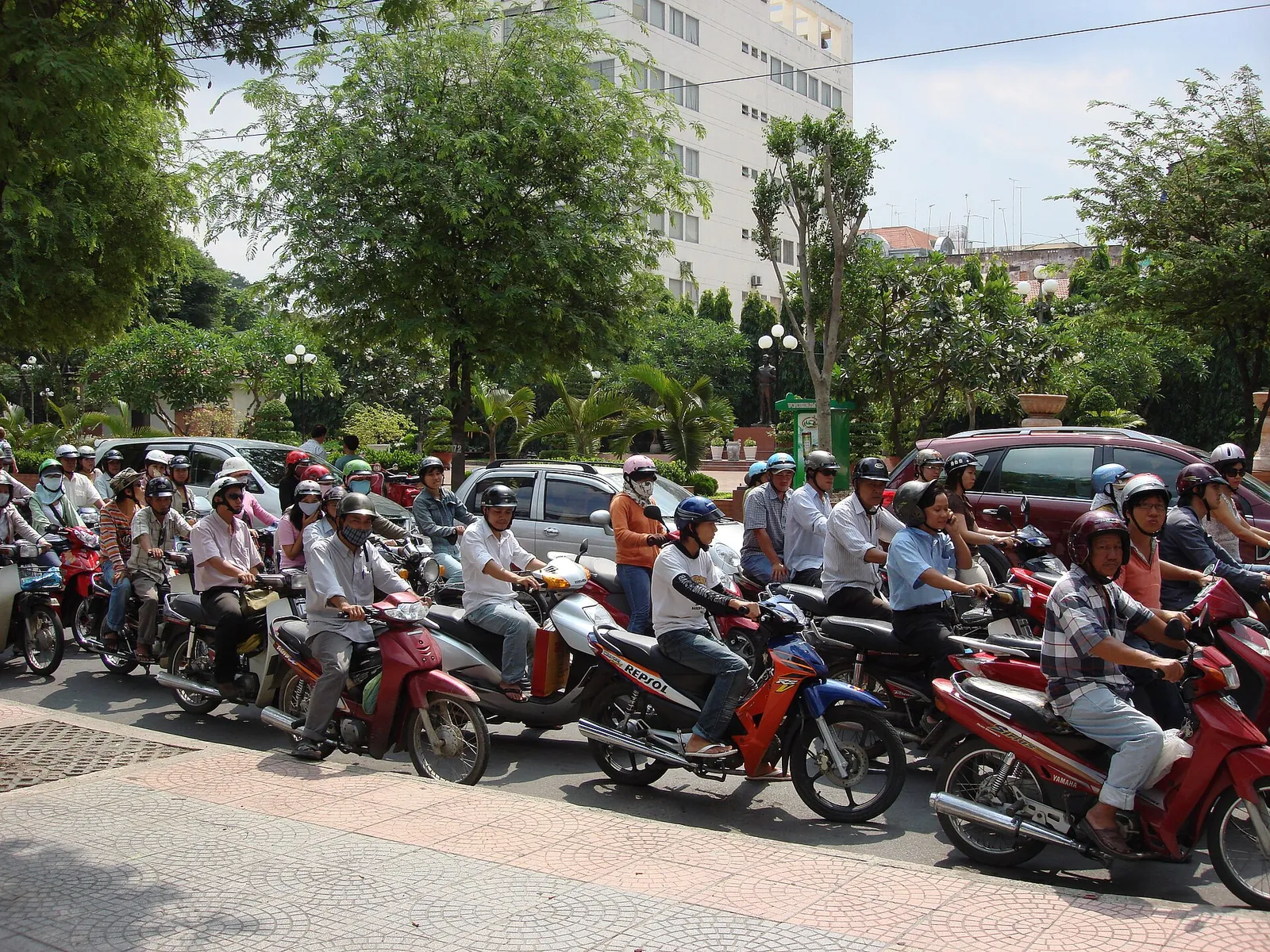
Expect motorbikes everywhere, including in places you would not expect them. Canada's advice warns that some motorbikes drive against the traffic and on pavements, and recommends using elevated walkways and pedestrian bridges where they exist. When you have to cross at street level, look both ways even on a one-way street and keep a steady, predictable pace. Riders steer around someone who moves steadily far more easily than around someone who stops or runs.
Hiring a motorbike is where most serious trouble starts. The UK government says riding in Vietnam is much riskier than at home and tells inexperienced riders not to hire one at all. If you do ride, you need an international driving permit of the 1968 convention type together with your home licence, third-party insurance is compulsory, and helmets are required by law for drivers and passengers. Any alcohol in your system counts as drink-driving. The UK advice also tells you to make sure your travel insurance covers riding before you hire.
An accident is also a legal problem. The UK advice says foreigners involved in road accidents can face criminal charges, may have to pay compensation even for minor injuries, and have been stopped from leaving the country until the investigation is complete. Do not leave your passport as a rental deposit: the UK government warns that rental shops and landlords can hold it against claimed damage. If you would rather not ride but want to see the mountains, hire a car with a driver or join a tour with an experienced rider.
Make time for the local food
What to eat and where to look
Phở (rice noodle soup)
Rice noodles in a hot beef or chicken broth with herbs and lime. Because the broth is served boiling and the bowl is assembled in front of you, it is one of the easiest dishes to eat with confidence on your first days.
- Where to look
- Specialist phở shops that serve little else and are full at breakfast; the tourism board suggests choosing places with a high turnover and freshly cooked food.
- Fit it into your day
- Breakfast on day one, before your stomach has adjusted.
Raw herbs and rare beef come with many bowls; ask for well-done (chín) beef and skip the raw greens if you are worried about your stomach.
Bánh cuốn (steamed rice rolls)
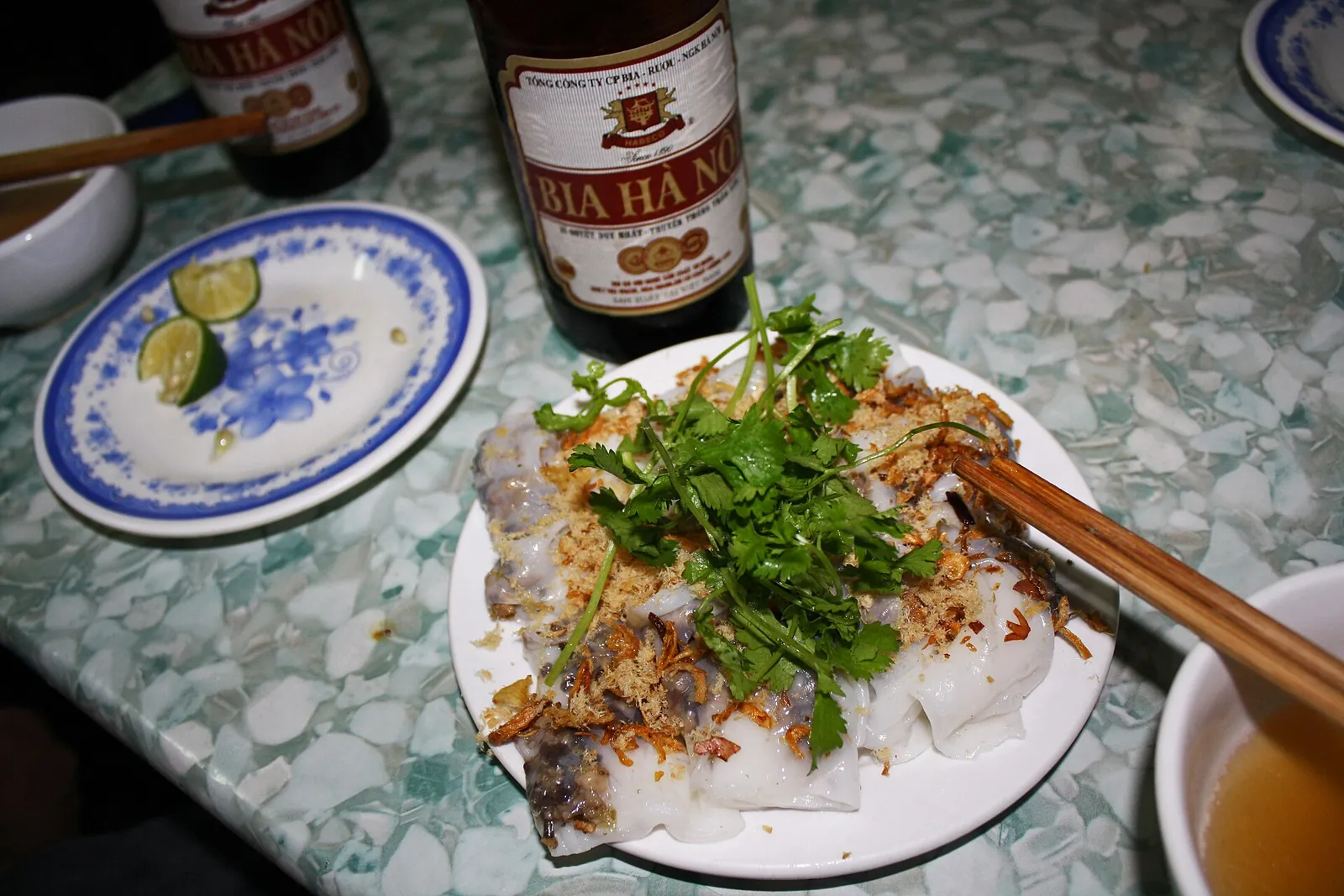
Thin sheets of rice batter steamed to order, rolled around minced pork and wood-ear mushroom, topped with fried shallots and dipped in a light fish-sauce broth. A northern breakfast that is cooked fresh for each plate.
- Where to look
- Small shops in Hanoi where the cook steams the sheets at the front over a cloth-covered pot.
- Fit it into your day
- Breakfast or a light lunch in Hanoi.
Contains pork and fish sauce; the dipping sauce is often served with fresh herbs.
Bánh mì
A crisp baguette filled with pâté, cold cuts or grilled meat, pickled vegetables, herbs and chilli: the standard quick meal on a travel day.
- Where to look
- Busy carts and shopfronts with a steady queue, where fillings turn over quickly.
- Fit it into your day
- A train or bus snack, or lunch between sights.
Pâté and cold meats sit out at room temperature at some stalls; choose a busy vendor or ask for grilled meat cooked to order.
Bia hơi and drinks
Light draught beer served at street-corner stalls, alongside iced coffee, juices and fruit shakes everywhere. Drinks are where visitors take most of their avoidable risks.
- Where to look
- Established bars and stalls with branded beer; bottled water from shops.
- Fit it into your day
- An evening drink with dinner, then a booked app ride home.
The UK government reports methanol poisoning from adulterated alcohol, so avoid unbranded spirits and rice wine. The tourism board advises bottled water and avoiding ice in rural areas.
Taxis, ride-hailing and airport arrivals
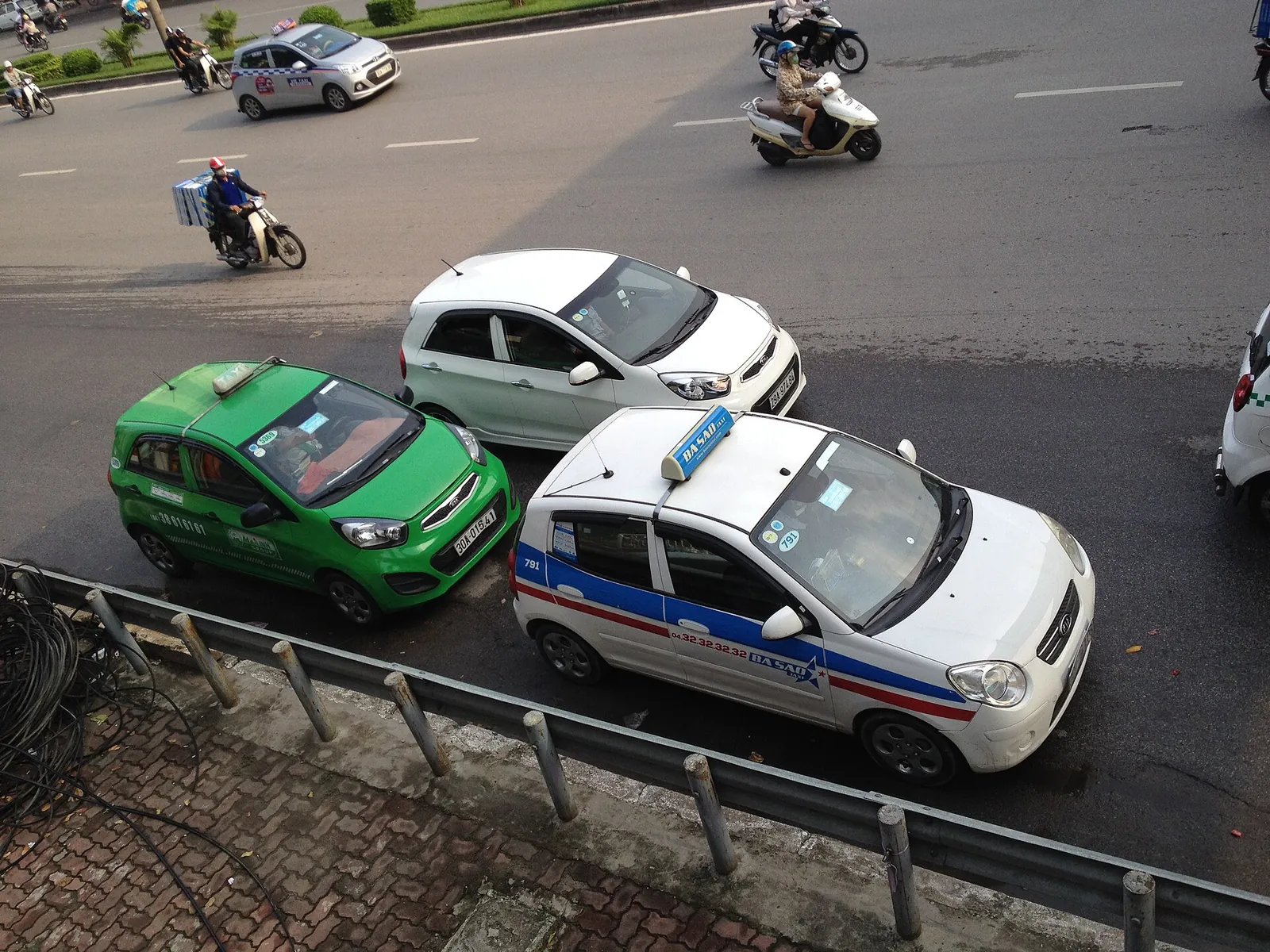
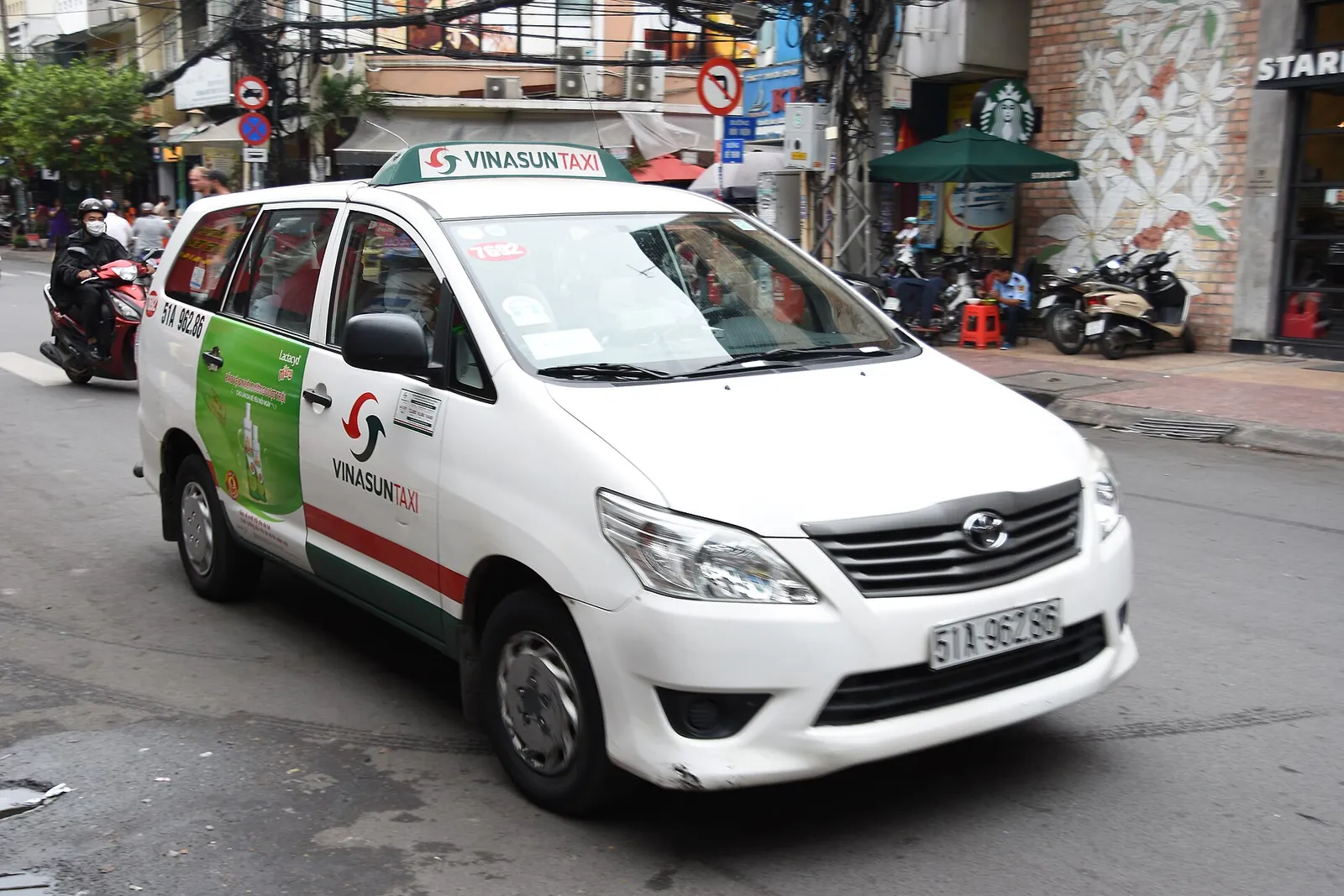
The official tourism site lists the taxi scams you are most likely to meet: rigged meters, overcharging, confusion over currency and fixed prices. Its FAQ recommends Taxi Group in Hanoi (red and blue horizontal stripes), Vinasun in Ho Chi Minh City (white cars) and Mai Linh in both cities (green cars), and its health and safety page says Mai Linh and Vinasun cars can be found at the international airports. The UK government adds the ride-hailing apps Grab and XanhSM, which supply licensed cars, and advises booking the whole journey in the app and checking that the car and driver match the booking. Be wary of people who say they are from these companies but want you to skip the app.
Arrival is the moment to be most careful. Canada's advice reports that criminals posing as taxi drivers at Hanoi's Noi Bai airport have robbed visitors by forcing them to withdraw cash at ATMs, and that some travellers were robbed by drivers holding a placard with their name. Arrange a pick-up with your hotel, or go to the official taxi rank, and confirm the driver's identity and number plate before you get in. The UK advice also warns against offers of free buses to hotels that you did not arrange in advance.
Canada considers motorbike taxis (xe ôm) unsafe and advises against them; if you do use one, book it through an app so the driver and price are recorded. It also advises against sharing a taxi with a stranger, and suggests knowing your hotel's address and neighbourhood so you notice if you are being taken somewhere else. Save the hotel's location in your map app before you go out at night.
Bag snatching and theft: everyday habits
Most thefts in the cities happen from a passing motorbike. The official tourism site advises not to hold cameras and phones out over busy streets, and to keep your camera close to your body and away from the traffic when taking photos on the pavement. It specifically warns women walking in Ho Chi Minh City to keep a tight grip on bags, and says bags slung over a shoulder or left in a bike basket are easy to snatch. The UK government suggests carrying bags in front of you or on the side away from the traffic, and handing over valuables rather than risking injury in a struggle.
Theft is not limited to the street. The UK and Canadian advice both mention thefts on buses and trains, especially on overnight sleeper trains, and Canada lists markets, airports, stations, beaches and outdoor café tables. Keep valuables locked in the room safe or in a locked bag, as the tourism board recommends, and carry a printed copy of your passport photo page and visa: the UK government says you must always carry photo ID and that the authorities accept a printed copy. The tourism board is frank that little can usually be done to recover stolen belongings, so a phone with a strong lock and backups matters more than the police report, which you still need for insurance.
Tour, money and card scams
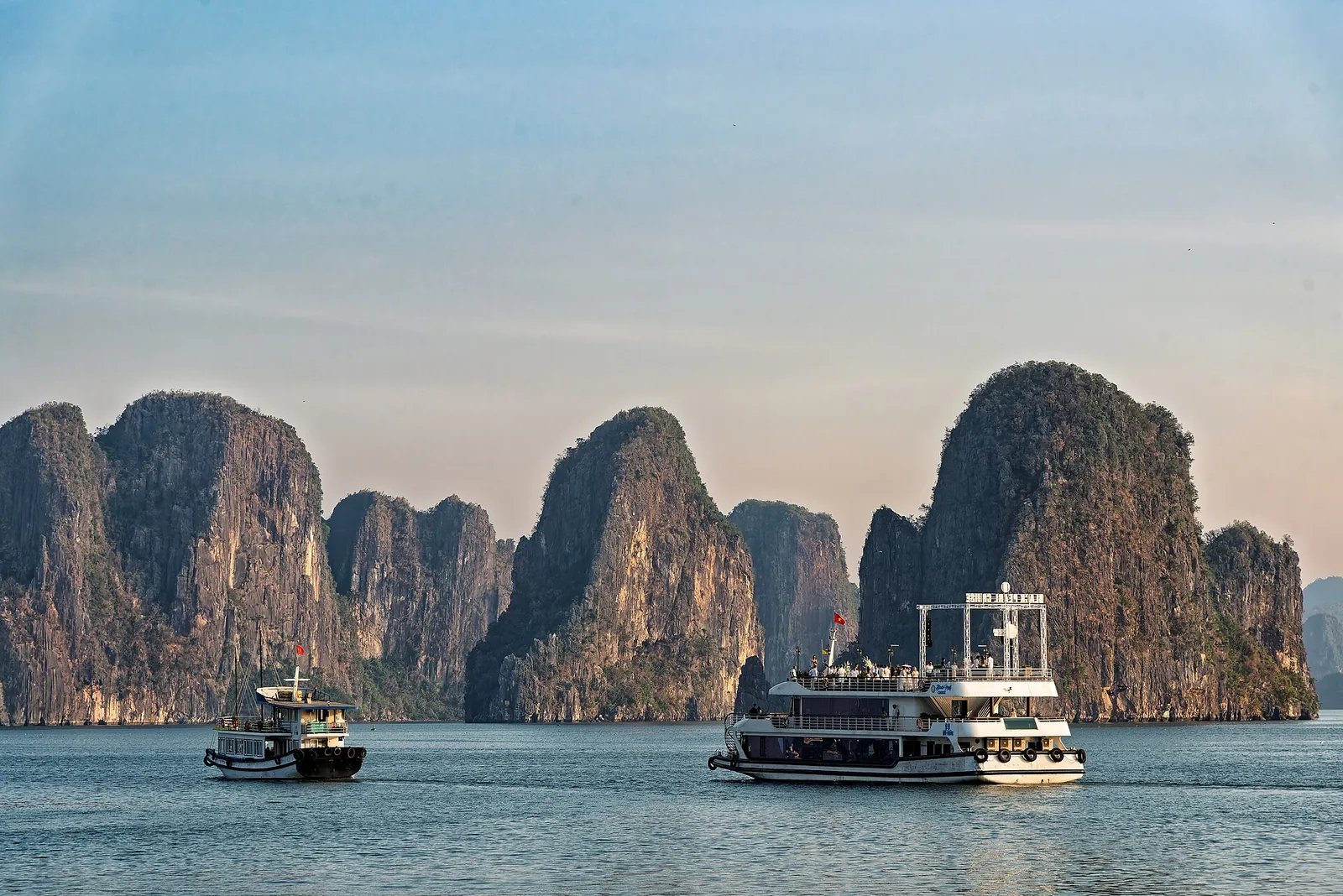
The official tourism site advises booking Ha Long Bay cruises with reputable companies and other tours with vetted travel agents rather than hole-in-the-wall offices. Both the UK and Canadian governments mention boat accidents caused by overloading and poor maintenance, including in Ha Long Bay, and the UK advice says some boats have sunk quickly and without warning. Ask about the boat's registration and safety record, insist on a safety briefing and a life jacket, and do not board a vessel that looks overloaded.
Money scams tend to be quiet. The UK advice says to change money only at official exchange counters with a clear sign, because changing it elsewhere is illegal and you risk losing the money. Canada reports frequent card and ATM fraud: use ATMs inside banks or businesses, cover the keypad, and avoid paying by card in very small shops. Count Vietnamese dong notes carefully when you pay or take change: the tourism board names currency confusion among the common taxi scams.
Canada also describes a gambling scam in Hanoi and in Ho Chi Minh City, particularly around Pham Ngu Lao: a friendly invitation to someone's home to meet a relative, followed by a "casual" card game that can cost thousands of dollars in an evening. Decline invitations from strangers to private homes, however warm, and treat any card game as the end of the visit.
Nightlife, drinks and the law
Drinks deserve more care than food. The UK government reports deaths and serious illness from alcoholic drinks containing methanol, including drinks bought in licensed bars, shops and hotels in tourist areas, and notes that methanol cannot be detected by taste or smell. Canada links cases to adulterated rice wine. Stick to well-known brands, avoid spirits and rice wine of unknown origin, do not buy alcohol or cigarettes from street vendors, and get medical help quickly if someone feels very unwell after drinking.
Both governments warn about spiked drinks, snacks and gum, and the UK advice links sexual assaults in tourist areas to unlicensed taxi drivers. Buy your own drinks and keep them in sight, and use a booked app ride to get home. Vapes are banned in Vietnam, and the UK advice says drug penalties are severe whatever the amount, with police raiding nightlife venues and testing people present, and drugs on sale often fake or laced, including nitrous oxide balloons.
A few rules catch visitors out. Do not photograph military bases; check with local authorities before going near border areas, which may need a permit; cover shoulders and knees at temples and the Ho Chi Minh Mausoleum; and do not buy products made from protected wildlife.
Weather, adventure trips and emergencies
The UK government says tropical cyclones normally affect the eastern coast from May to November, but can come at other times, and that seasonal floods hit central Vietnam in October and November and are also common around Hanoi's Red River and in the Mekong Delta. Follow the National Centre for Hydro-Meteorological Forecasting and local authorities' instructions, and keep a spare day before an international flight in the wet months. Our best-time guide covers the regional seasons in detail.
For trekking, caving and other adventure trips, the UK advice notes that rescue is hard in remote areas, that some places legally require a guide, and that rivers and landslides are most dangerous in the rainy season. Use an approved operator, tell someone your route, and check that your insurance covers the activity, ideally including evacuation, as Canada recommends. In former battlefields, especially Quang Tri and along the Laos border, landmines and unexploded ordnance remain, so stay on paved roads and marked paths.
When we checked on 2026-10-03, the UK government listed these emergency numbers, operated in Vietnamese only:
- Police: 113
- Fire: 114
- Ambulance: 115
- National search and rescue: 112
- Child protection hotline: 111
- Canada notes that ambulances can be slow in traffic and that a taxi to hospital may be quicker. The official tourism site lists international hospitals with English-speaking staff in Hanoi, Da Nang and Ho Chi Minh City. Always ask for a police report if you report a crime.
Practical questions
Is Vietnam safe for tourists?
Generally yes. The UK government says violent crime against foreigners is rare, while petty theft such as bag snatching is common, especially in big cities. Road accidents, unsafe boats and storms are the more serious risks.
What are the most common scams in Vietnam?
The official tourism site lists rigged taxi meters, overcharging, currency confusion and fixed prices, plus unvetted tour sellers. Canada also warns about fake airport drivers in Hanoi, card and ATM fraud, and a card-game scam in Hanoi and around Pham Ngu Lao in Ho Chi Minh City.
Should I use Grab in Vietnam?
The UK government recommends official ride-hailing apps such as Grab and XanhSM, which supply licensed cars. Book the full journey in the app and check that the car and driver match the booking.
Can I rent a motorbike in Vietnam as a tourist?
Only if you are an experienced rider with the right documents. The UK advice requires a 1968-convention international driving permit plus your home licence, third-party insurance and a helmet, and warns inexperienced riders not to hire a bike at all.
What is the emergency number in Vietnam?
When we checked on 2026-10-03, the UK government listed 113 for police, 114 for fire and 115 for an ambulance, with 112 for search and rescue. The lines are operated in Vietnamese only, so ask your hotel or a local to help if you can.
Is Vietnam safe for solo female travellers?
The tourism board says crime against women is uncommon, but it advises not walking alone late at night and taking a taxi back. The UK government reports harassment and assaults in tourist areas, often linked to unlicensed taxis, so watch your drink and book app rides.
Sources and checks before you travel
Reference sources for the version dated 3 October 2026. Confirm opening times, access, transport and conditions for your travel dates.
- Vietnam National Authority of Tourism: Health and safety ↗ — opens in a new tab
- Vietnam National Authority of Tourism: Frequently asked questions ↗ — opens in a new tab
- UK FCDO travel advice: Vietnam safety and security ↗ — opens in a new tab
- UK FCDO travel advice: Vietnam getting help ↗ — opens in a new tab
- Government of Canada: Travel advice and advisories for Vietnam ↗ — opens in a new tab
- Vietnam National Authority of Tourism: Transport within Vietnam ↗ — opens in a new tab
Does this experience fit your route?
Prefer to book cruises and day trips with the operator and price fixed in advance? Compare listings from Hanoi and Ho Chi Minh City, and check each one's safety equipment and weather policy.
Check dates and details on Viator ↗ — opens in a new tabAffiliate link · Book with ViatorPhoto credits
Motorbike traffic in Ho Chi Minh City: crossing streets and keeping bags away from the kerb matter most here.
Photograph: Jorge Láscar from Australia — opens in a new tab · CC BY 2.0 — opens in a new tab
Changes: Resized and converted to WebP; displayed with responsive crops. · Original photograph and licence details ↗ — opens in a new tab
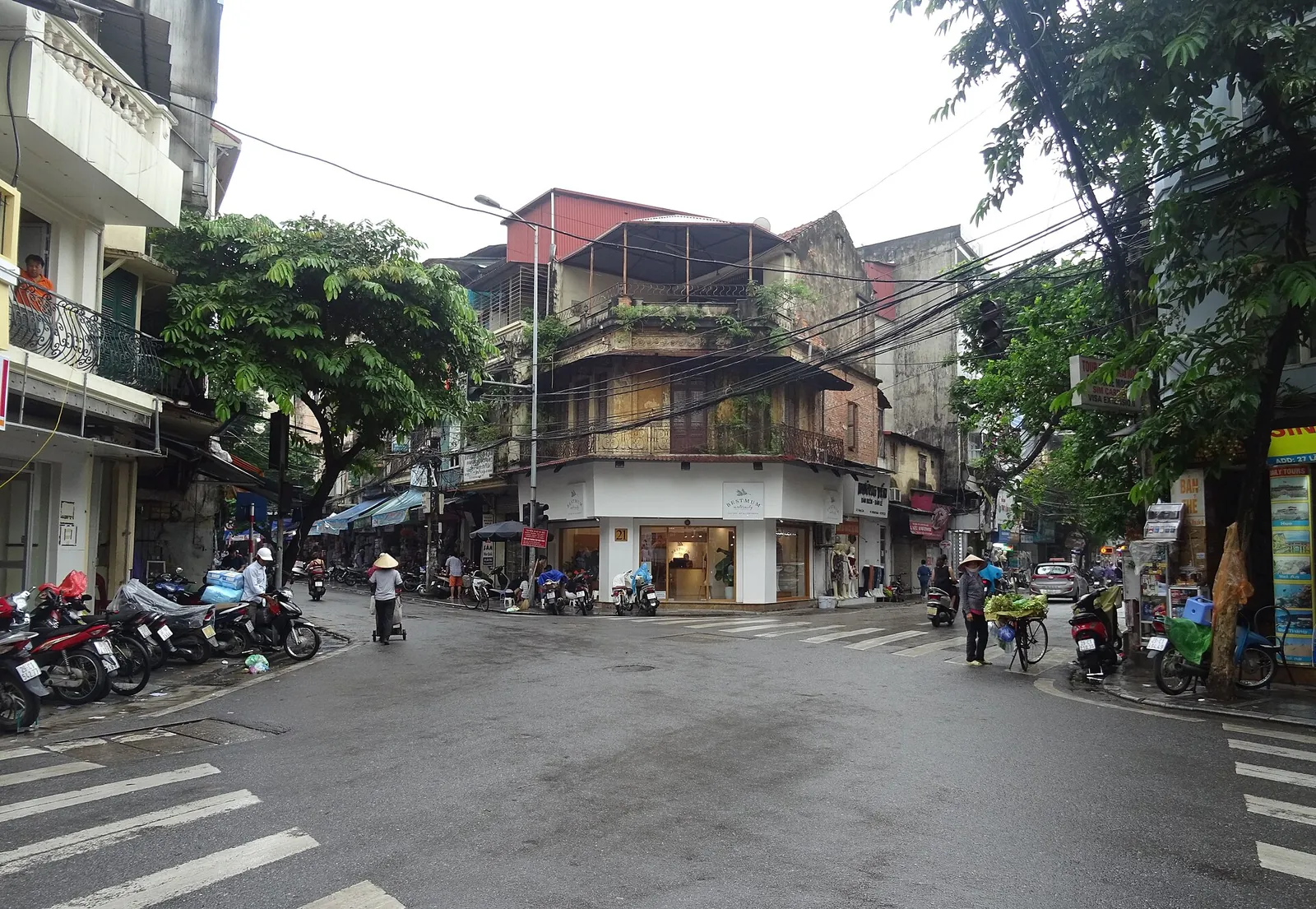
The junction of Lãn Ông, Hàng Cân and Chả Cá streets in Hanoi's Old Quarter.
Photograph: Christophe95 — opens in a new tab · CC BY-SA 4.0 — opens in a new tab
Changes: Resized and converted to WebP; displayed with responsive crops. · Original photograph and licence details ↗ — opens in a new tab
Taxis on Đại Cồ Việt street, Hanoi: use established firms or a ride-hailing app.
Photograph: Phan Minh Tuấn — opens in a new tab · CC BY-SA 4.0 — opens in a new tab
Changes: Resized and converted to WebP; displayed with responsive crops. · Original photograph and licence details ↗ — opens in a new tab
A Vinasun taxi in Ho Chi Minh City, one of the firms the tourism board recommends.
Photograph: shankar s. from Dubai, united arab emirates — opens in a new tab · CC BY 2.0 — opens in a new tab
Changes: Resized and converted to WebP; displayed with responsive crops. · Original photograph and licence details ↗ — opens in a new tab
Cruise boats in Ha Long Bay: choose a reputable operator and ask for a life jacket.
Photograph: Mustang Joe — opens in a new tab · CC0 — opens in a new tab
Changes: Resized and converted to WebP; displayed with responsive crops. · Original photograph and licence details ↗ — opens in a new tab
Bánh cuốn and a bottle of beer at a Hanoi breakfast shop.
Photograph: istolethetv — opens in a new tab · CC BY 2.0 — opens in a new tab
Changes: Resized and converted to WebP; displayed with responsive crops. · Original photograph and licence details ↗ — opens in a new tab