Plan your trip · Vietnam
Motorbike in Vietnam: licence, insurance, easy riders or a car
Vietnam runs on motorbikes, and riding one over a mountain pass is the trip many visitors picture before they arrive. Renting is easy: the national tourism board says there are rental shops in almost every city. Riding legally and coming home uninjured is harder. Your licence has to be valid in Vietnam, third-party insurance is compulsory, your travel insurance may not cover you, and an accident can keep you in the country until the police have finished. This guide covers those rules, the three ways to do a motorbike trip (riding yourself, sitting behind a local driver, or taking a car) and how to choose between them.
- Suggested time
- A day for a first ride such as the Hai Van Pass; four days for the Ha Giang loop, plus travel days to and from Hanoi
- Where to stay
- Hanoi Old Quarter, Ha Giang city and Hoi An
- Season and timing
- Ride in daylight and in dry weather. Rainy-season floods and landslides close mountain roads, and on the central coast storms are most likely late in the year.
The short answer
Ride yourself only if three things are true: you already ride a motorbike confidently at home, you hold a licence that is valid in Vietnam (for British travellers, the 1968 international driving permit together with a UK licence), and your travel insurance covers motorbike riding. If any of those is missing, book an easy rider, a local driver with you on the back, for the mountain loops such as Ha Giang, or hire a car with a driver. A car is also the better choice with children, in heavy rain and for long transfers. For a first ride, start with a day trip such as the Hai Van Pass between Hoi An and Hue rather than a multi-day loop. Sleep in towns where you can rent and return the bike: Hanoi's Old Quarter, Ha Giang city, Hoi An.
The legal side: licence, insurance and helmets
Renting a scooter in Vietnam is easy, and a shop handing you the keys does not make riding it legal. The UK government's travel advice tells British travellers they need both the 1968 version of the international driving permit (IDP) and their UK driving licence to drive a car or ride a motorbike in Vietnam. IDPs are issued under different international conventions, and the UK's own IDP guide lists Vietnam as a 1968 country. When we checked on 2026-10-03, GOV.UK said a UK IDP could be bought in person at certain shops with PayPoint for £5.50. Travellers from elsewhere should check which convention their own country's permit is issued under and whether their home licence covers motorcycles, not just cars.
Two more rules apply to every rider. Third-party insurance is compulsory: the UK advice says it is illegal to drive without it, so ask the rental shop whether the bike's papers include it and keep them with you. Helmets are compulsory for both the rider and the passenger. The national tourism board tells visitors to always wear one, and the UK advice adds that it should be a good one.
Alcohol is not a grey area. According to the UK advice, any alcohol found in your system can bring a fine and possible imprisonment. Police enforcement is real too. In April 2026, after a young British traveller died following a motorbike accident on the Ha Giang loop, Viet Nam News reported that traffic police there had stepped up patrols aimed at tour drivers and at foreign visitors renting vehicles. The checks covered valid licences, speed, lane discipline, drink-driving and standard helmets, and the roughly 50 rental and tour businesses in Ha Giang city had to sign commitments not to rent vehicles to unqualified drivers.
Finally, read your travel insurance before you rent. The UK advice and the national tourism board both tell visitors to buy insurance, and the UK advice says it should cover your planned activities. Check exactly what your policy says about motorbikes: whether riding (or riding pillion) is covered at all, and what it requires about licences and helmets. A hospital stay or a medical evacuation is the bill you least want to be refused.
Ride yourself, take an easy rider or hire a car
For Ha Giang, the national tourism board describes the three options plainly: experienced drivers can rent a motorcycle in town, others can book a tour on the back of a motorbike or go by private car. The same choice applies across the country. The landscape is the same in each case. What changes is who carries the risk and how much of the day you spend watching the road instead of the view.
- Riding yourself suits people who already ride at home and have the right licence and insurance. You get the freedom to stop anywhere, and you carry all the responsibility. The UK government is blunt: riding in Vietnam is much riskier than in the UK, motorbike accidents are common and have killed and injured British nationals, and you should not hire a motorbike if you are not an experienced rider.
- An easy rider is a local driver, usually booked through a tour company, with you as the pillion passenger. It is the usual way for non-riders to do the mountain loops on two wheels. Ask who the driver is, how long they have driven the route, whether they hold a licence for the bike, what helmet you will get and what happens on a day of heavy rain. In April 2026, Viet Nam News reported that a large Ha Giang operator sent nearly 100 of its pillion drivers to a road-safety training session run by the provincial traffic police. You can ask any company whether its drivers have had similar training.
- A car with a driver loses the open-air feel but removes the licence question altogether. Choose it for families with children, for travellers who do not want to spend several days on a pillion seat, in the rainy months and for long transfers between regions. Grab's Vietnam site lists car rental with a driver alongside its ride-hailing service, and local tour companies in Hanoi, Hue and Hoi An arrange private cars.
- In the cities, you rarely need a bike of your own. GrabBike, Grab's motorbike taxi service, operates in Vietnam, and the UK advice recommends ride-hailing apps such as Grab or Xanh SM over unlicensed taxis.
Make time for the local food
What to eat and where to look
Phở (rice noodle soup)
Flat rice noodles in a hot beef or chicken broth with herbs, lime and chilli. A bowl at a roadside shop before setting off is the classic start to a riding day; the tourism board's Ha Giang loop starts its second day with pho in Yen Minh.
- Where to look
- Small noodle shops in market towns and on the main road out of town, busiest early in the morning.
- Fit it into your day
- Breakfast before an early start, so you can ride the best of the day in daylight.
Beef is often served rare and cooks in the broth; ask for well-done (chín) if you prefer.
Bánh mì
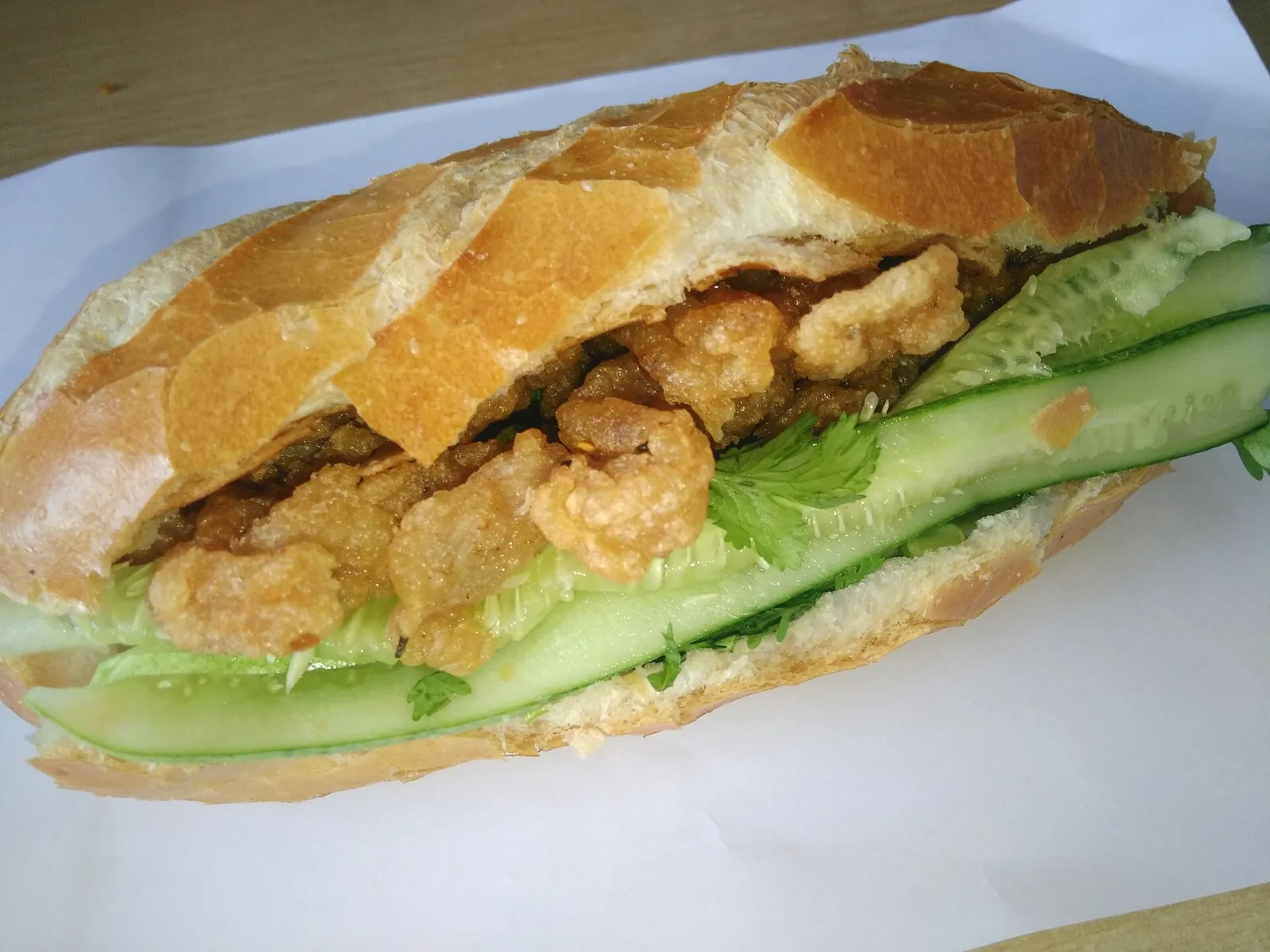
A crisp baguette filled with pâté, cold cuts, grilled meat or fried fish cake, pickles, cucumber and herbs. It travels well in a seat compartment, which makes it the easiest lunch on a long riding day.
- Where to look
- Street carts and small shops in towns, often near markets and bus stations; buy before you leave town when the next stretch is remote.
- Fit it into your day
- A packed lunch for mountain stretches where roadside food is scarce.
Usually contains pork and pâté; fillings with fish cake or egg are common alternatives.
Cơm bình dân (rice with set dishes)
Point-and-choose canteens with a counter of ready-cooked dishes such as braised pork, fried fish, tofu, greens and soup, served over rice. Quick, filling and easy to order without Vietnamese.
- Where to look
- Roadside canteens in towns along the main highways, especially at midday.
- Fit it into your day
- A sit-down lunch stop that does not eat into your daylight.
Dishes may have been sitting for a while; choose busy places with a quick turnover.
Cà phê sữa đá (iced coffee with condensed milk)
Strong drip coffee over ice with sweet condensed milk. The tourism board notes that a good Vietnamese coffee is not hard to find even on the Ha Giang loop.
- Where to look
- Cafés at viewpoints, passes and town centres along the route.
- Fit it into your day
- A rest stop every hour or two to stay alert in the heat.
It is very strong; drink water as well, and remember that the ice is made locally.
Renting a bike: deposits, checks and parking
When we checked on 2026-10-03, the national tourism board's transport page gave scooter and moped rentals at 150,000 to 300,000 dong a day, depending on the bike, and its FAQ gave an average of 6 to 12 US dollars a day. Treat these as a rough guide and agree the price, the deposit and the return time before you take the bike. Away from the main cities, bikes are often rented through your hotel: the tourism board says basic motorcycles can be arranged at hotels in Mu Cang Chai, while dirt bikes are rented from operators in Hanoi.
Deposits are where advice differs. The tourism board warns that shops may ask you to leave your passport, or a cash deposit, if you rent for more than a week. The UK government says do not hand over your passport, because a shop can hold it against claimed damage. Offer a cash deposit instead, ask for a written receipt that names the bike and its condition, and photograph every scratch with the shop owner watching before you ride away.
Check the bike yourself: brakes front and back, tyres, lights, horn and mirrors. The UK advice tells riders to check the motorbike thoroughly. Ask for the registration papers and the insurance certificate to be kept under the seat. Then follow the tourism board's everyday rules: never leave the bike unattended on the street, use paid parking where you get a ticket, and check the number on it. Keep bags in the seat compartment or hooked at the front of the bike, not on your shoulder, because bags carried that way are easily snatched.
On the road: traffic, daylight and weather
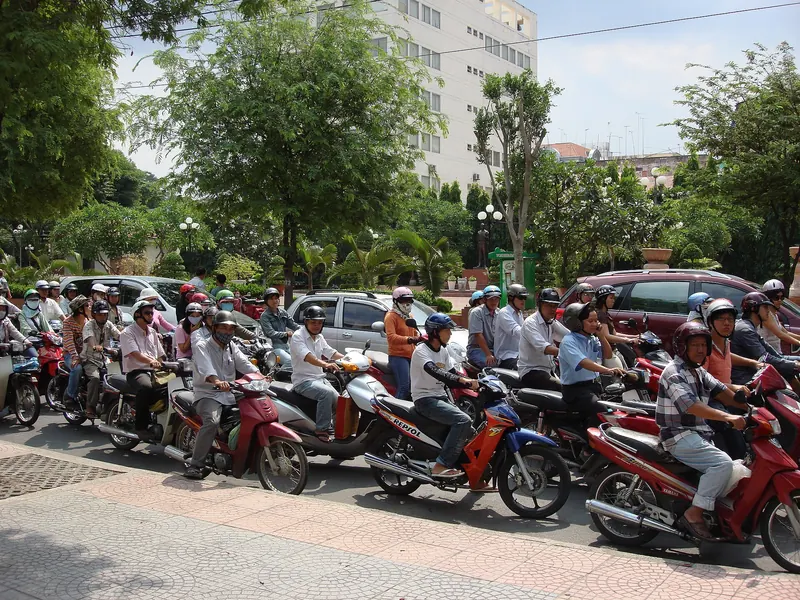
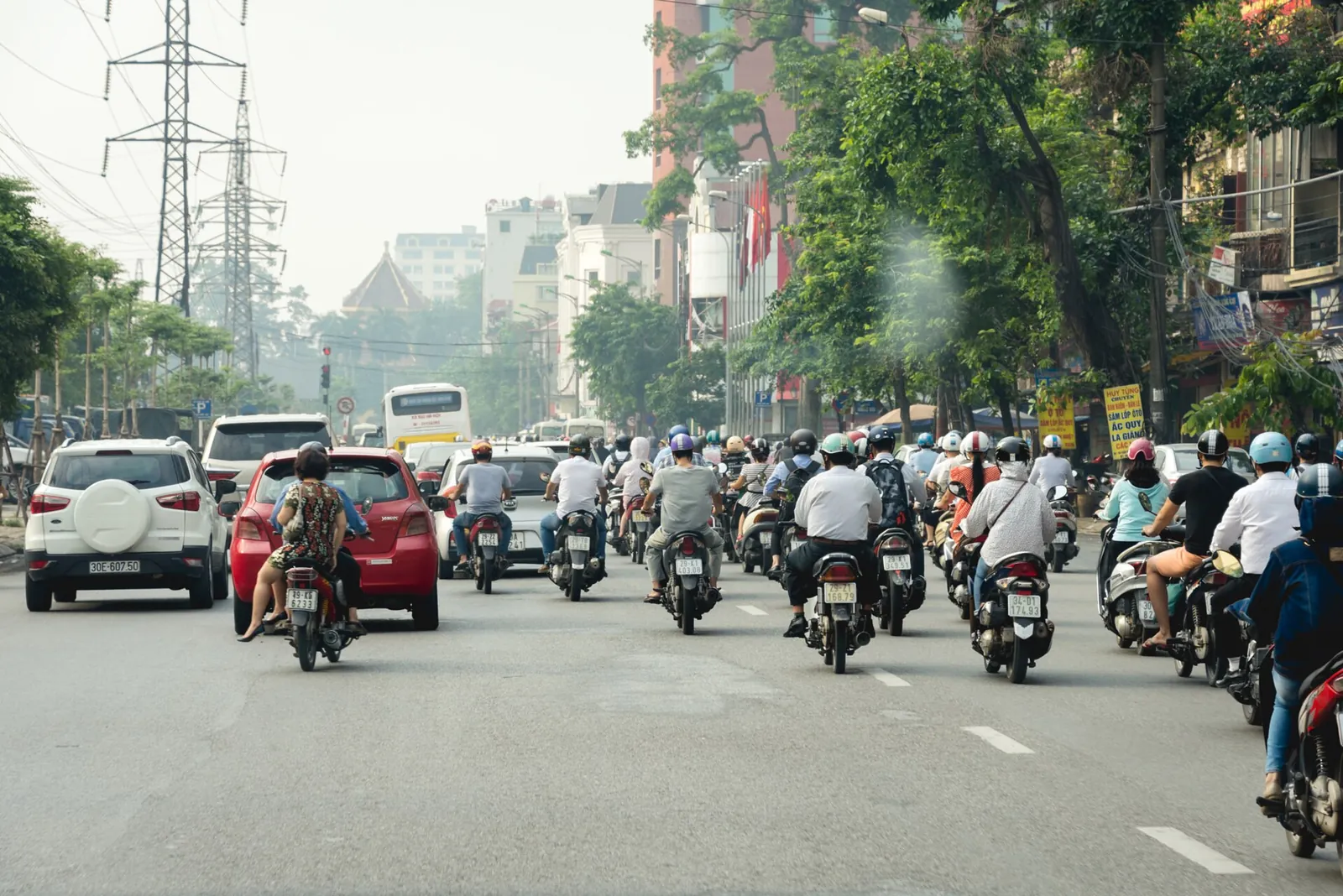
The tourism board's own description of Vietnamese traffic is that it is 'more ebb and flow than follow the rules', and it advises new riders to watch the local style before joining it. The UK advice is shorter: compliance with road laws is poor, so keep your speed down and stay alert. Ride predictably, keep well clear of trucks and buses, and slow down for blind bends on mountain roads, where the Ha Giang accident in April 2026 involved a truck.
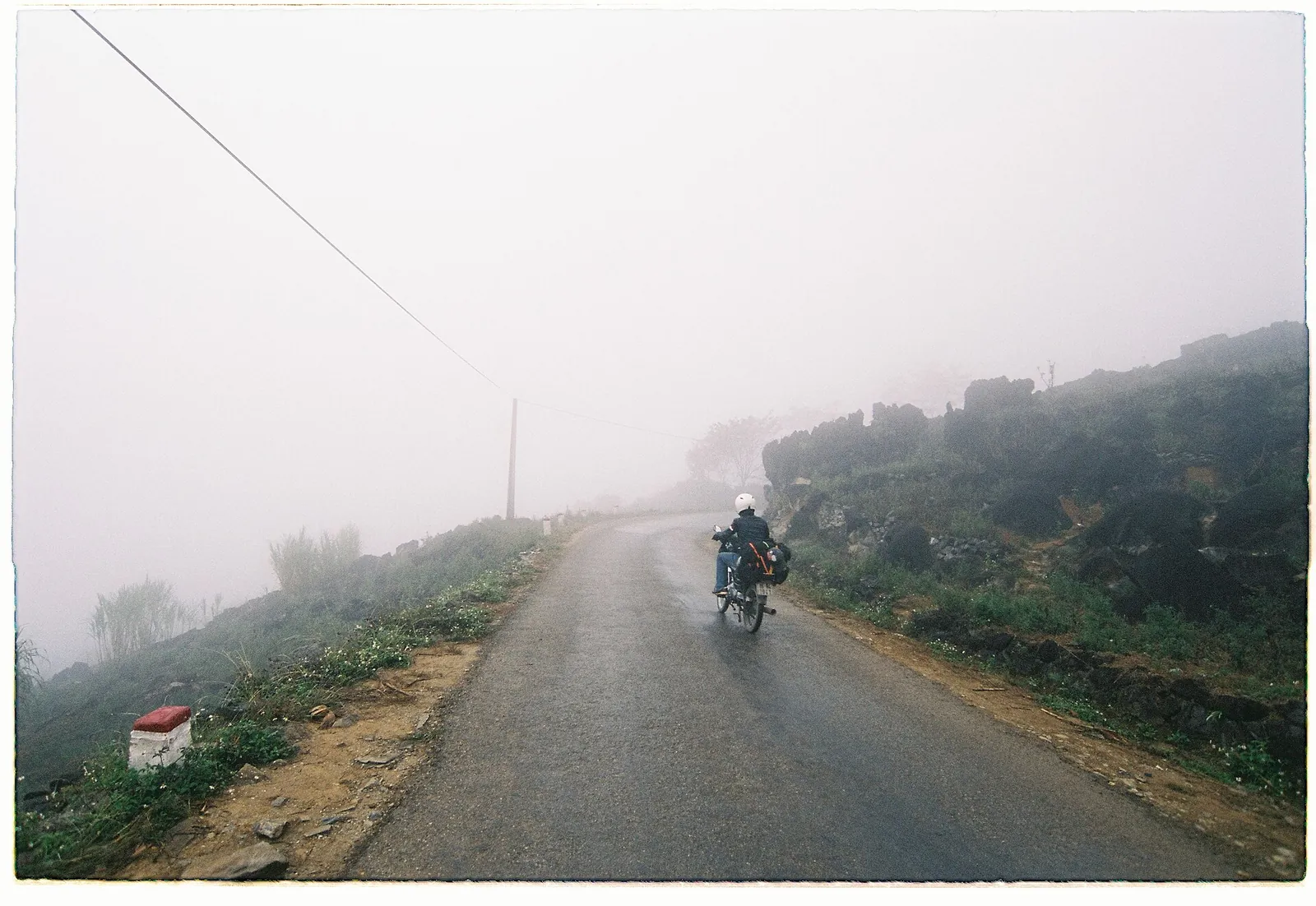
Ride in daylight. For the Ha Giang loop, the tourism board says obstacles and roadworks can appear at any time, and tells riders to approach curves with caution, drive during daylight hours and stop after dark. That is good advice on every mountain road, and it means planning short days: a stage that looks like three hours on a map can take most of a day with photo stops, fuel and roadworks.
Weather closes roads. The UK advice warns that seasonal flooding can disrupt overland travel and that mudslides and landslides block roads. Check the forecast every morning in the rainy season, and do not plan to ride back to Hanoi or another airport city on the day of an international flight. If heavy rain sets in, a car or bus for that stage is the sensible choice, not a failure.
If something goes wrong
Save the emergency numbers before you set off: according to the UK government, they are 113 for police, 114 for fire and 115 for an ambulance, and the lines are operated in Vietnamese only. Keep your insurer's emergency number and your policy number on your phone and on paper, and make sure a friend or family member knows them too.
An accident has legal consequences beyond the injury. The UK advice says that foreign nationals involved in traffic accidents have been stopped from leaving Vietnam until the police have completed their investigations, that this can take a long time, and that some have been asked to agree to out-of-court financial settlements. It advises getting professional legal advice in that situation. Riding without a valid licence or insurance makes all of this worse.
Good first rides and the classic routes
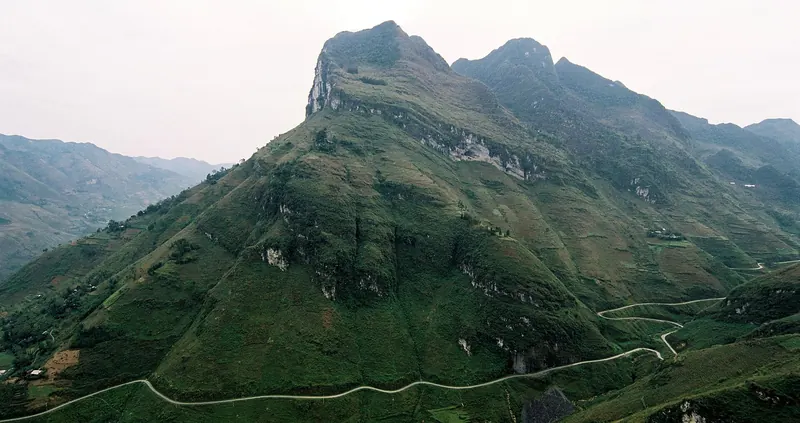
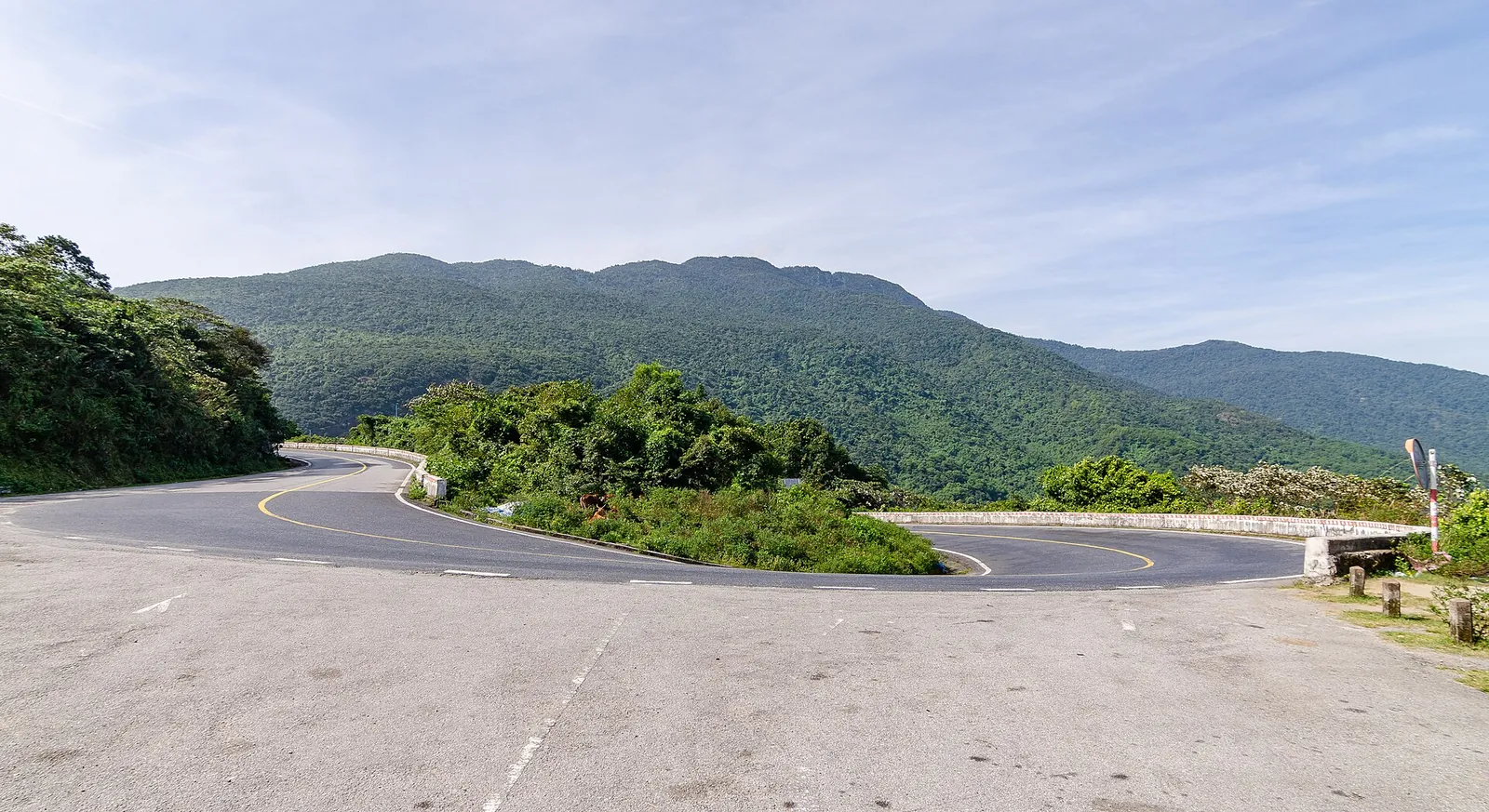
The Hai Van Pass between Hoi An, Da Nang and Hue is the best-known day ride. The tourism board describes a full-day route of about 150 kilometres from Hoi An to Hue, via the Marble Mountains, Da Nang and the pass, then around Lang Co lagoon and along Tam Giang Lagoon. The pass itself is only about 20 kilometres, with the remains of a Nguyen-dynasty lookout post at the top. An easy rider or a car with a driver covers the same road if you would rather not ride it yourself.
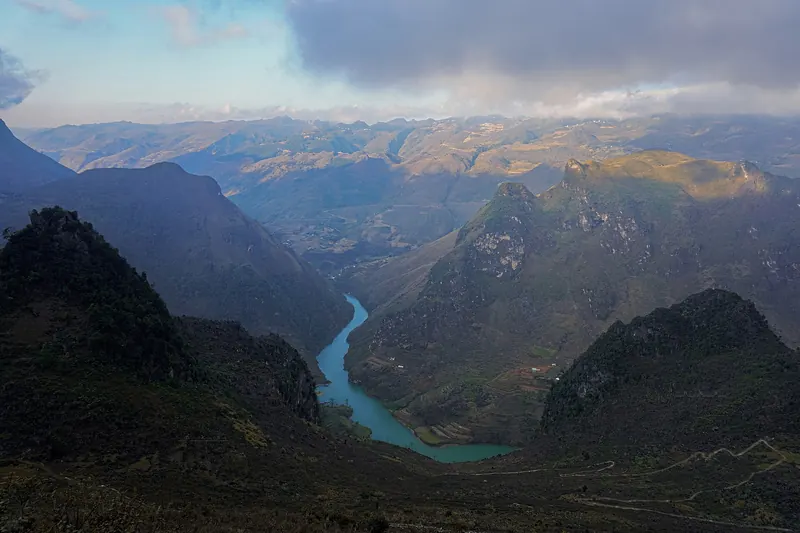
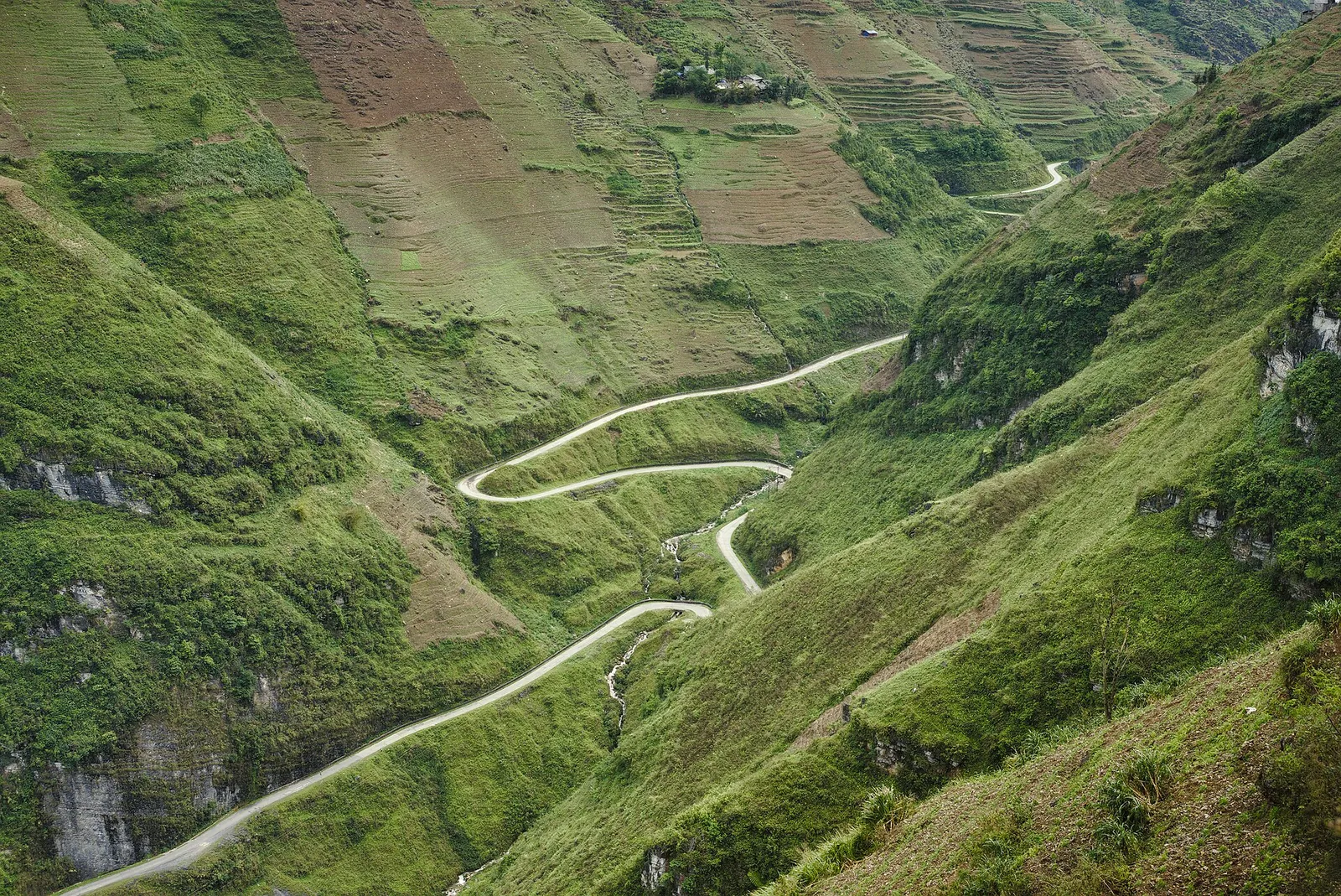
The Ha Giang loop in the far north is the four-day route most motorbike trips are measured against. It starts in Ha Giang city, about 300 kilometres and some six hours by bus from Hanoi, and climbs to the Dong Van Karst Plateau and the Ma Pi Leng Pass. It is also the route where police checks have been stepped up and where most travellers choose an easy rider. See our Ha Giang and four-day loop guides for the route, the overnight stops and the border-area questions.
Mu Cang Chai in the northwest has quiet main roads and the Khau Pha Pass between Mu Cang Chai town and Tu Le, and the tourism board recommends it for riding. It is six to eight hours by road from Hanoi, so it suits travellers with more time than a weekend.
Practical questions
Do I need a licence to ride a motorbike in Vietnam?
Yes. Rental shops may not ask, but the UK government's advice is that British travellers need both the 1968 international driving permit and their UK licence to ride a motorbike in Vietnam. Travellers of other nationalities should check which convention their permit is issued under and whether their home licence covers motorcycles.
Will my travel insurance cover a motorbike accident in Vietnam?
Only if your policy covers motorbike riding and you meet its conditions, for example about licences and helmets. Read the policy before you rent; the UK advice tells travellers to make sure their insurance covers their planned activity.
Should I leave my passport as a deposit?
The UK government advises against it, because a shop can hold your passport against claimed damage. The national tourism board notes that some shops ask for it on longer rentals; offer a cash deposit instead and get a written receipt.
What is an easy rider?
A local driver who rides the motorbike while you sit behind as a passenger, usually booked through a tour company. It is the usual choice on the Ha Giang loop for travellers who are not experienced riders. Ask about the driver's experience, the helmet provided and what happens in bad weather.
Is a car with a driver a better choice than a motorbike?
For families with children, in the rainy season and for long transfers, usually yes. You see the same roads with no licence or insurance questions for you to deal with, and you can still stop at viewpoints.
What are the emergency numbers in Vietnam?
According to the UK government, 113 for police, 114 for fire and 115 for an ambulance. The lines are operated in Vietnamese only, so ask your hotel or a local to call if you can.
Sources and checks before you travel
Reference sources for the version dated 3 October 2026. Confirm opening times, access, transport and conditions for your travel dates.
- UK FCDO travel advice: Vietnam safety and security ↗ — opens in a new tab
- GOV.UK: Getting an international driving permit ↗ — opens in a new tab
- UK FCDO travel advice: Vietnam getting help ↗ — opens in a new tab
- Vietnam National Authority of Tourism: Transport within Vietnam ↗ — opens in a new tab
- Vietnam National Authority of Tourism: Frequently asked questions ↗ — opens in a new tab
- Vietnam National Authority of Tourism: Health and safety ↗ — opens in a new tab
- Vietnam National Authority of Tourism: Ha Giang ↗ — opens in a new tab
- Vietnam National Authority of Tourism: The Ha Giang loop, a four-day road trip ↗ — opens in a new tab
- Viet Nam News: Ha Giang Loop to see stricter measures rolled out to ensure safety (April 2026) ↗ — opens in a new tab
- Vietnam National Authority of Tourism: Motorbiking Hoi An to Hue over Hai Van Pass ↗ — opens in a new tab
- Vietnam National Authority of Tourism: 4 things you'll love about Mu Cang Chai ↗ — opens in a new tab
- Grab Vietnam: GrabBike and transport services ↗ — opens in a new tab
Does this experience fit your route?
Not riding yourself? Compare easy-rider trips and private-car tours, and ask each operator about helmets, insurance and its plan for bad weather before you book.
Check dates and details on Viator ↗ — opens in a new tabAffiliate link · Book with ViatorPhoto credits
The road through the Ma Pi Leng Pass on the Ha Giang loop, the route most motorbike trips in Vietnam are measured against.
Photograph: Sketyl none — opens in a new tab · CC BY 2.0 — opens in a new tab
Changes: Resized and converted to WebP; displayed with responsive crops. · Original photograph and licence details ↗ — opens in a new tab
A hairpin on the Hai Van Pass between Da Nang and Lang Co, the classic first day ride on the central coast.
Photograph: Steffen Schmitz — opens in a new tab · CC BY-SA 4.0 — opens in a new tab
Changes: Resized and converted to WebP; displayed with responsive crops. · Original photograph and licence details ↗ — opens in a new tab
Motorbike traffic in Hanoi: watch how it flows before you join it.
Photograph: Benjamin Arnold — opens in a new tab · CC BY 3.0 — opens in a new tab
Changes: Resized and converted to WebP; displayed with responsive crops. · Original photograph and licence details ↗ — opens in a new tab
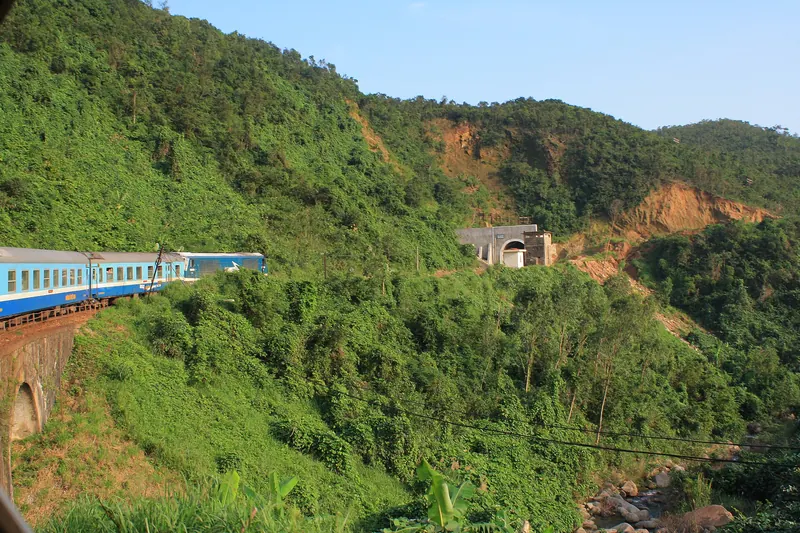
Fog on a mountain road in Ha Giang in December. In poor visibility, slow down or wait, and never ride after dark.
Photograph: Khánh Hmoong from Nha Trang, Vietnam — opens in a new tab · CC BY 2.0 — opens in a new tab
Changes: Resized and converted to WebP; displayed with responsive crops. · Original photograph and licence details ↗ — opens in a new tab
Bánh mì chả cá, a fish-cake baguette from Ho Chi Minh City: an easy lunch to carry on a long riding day.
Photograph: Phương Huy — opens in a new tab · CC BY-SA 4.0 — opens in a new tab
Changes: Resized and converted to WebP; displayed with responsive crops. · Original photograph and licence details ↗ — opens in a new tab