South Central Coast and Highlands · Khanh Hoa
Phan Rang and Vinh Hy Bay: Cham towers, pottery and the dry coast
Phan Rang is the place on Vietnam's south-central coast where Cham culture is still lived rather than only excavated. The kingdom the Cham called Panduranga had its heart here, and its brick towers are not just ruins: Po Klong Garai, on a cactus-dotted hill west of town, still hosts the Cham community's biggest festival, Kate, and Po Rome is still used for rituals. In the villages to the south, Cham women shape pots by hand without a wheel, a craft UNESCO lists as in need of urgent safeguarding. Around them lies the driest country in Vietnam, according to UNESCO: grape farms, sheep pasture and salt fields, and a coast road north to Vinh Hy Bay and the forested headlands of Nui Chua. Since the 2025 provincial merger, the old Ninh Thuan province, including Phan Rang, is part of Khanh Hoa.
- Suggested time
- 2–3 nights
- Where to stay
- Ninh Chu beach or Phan Rang town for the Cham sights; Vinh Hy Bay for the coast and Nui Chua
- Season and timing
- Phan Rang is hot and dry all year. Vietnam's national tourism site picks May to August for the beaches, and August to October as the busiest time culturally, with the Cham Kate festival usually in late September or early October. UNESCO describes the semi-arid zone around Phan Rang as the driest in Vietnam, so plan for strong sun and little shade.
The short answer
Give it two or three nights. Sleep at Ninh Chu beach or in Phan Rang itself if the Cham towers and villages are your priority, or at Vinh Hy Bay if you want the coast and Nui Chua, and hire a car with driver or a motorbike, because the sights are spread out in different directions from town. Spend one day on Cham heritage (Po Klong Garai in the early morning, then the pottery village of Bau Truc and the weaving village of My Nghiep) and one on the coast road north: a vineyard at Thai An, a glass-bottom boat on Vinh Hy Bay and the coral platforms at Hang Rai. Fly into Cam Ranh, which the national tourism site puts nearly 70 km away, or take the train to Thap Cham station. Time a visit for the Kate festival, usually in late September or October, if you can.
Where to base yourself: town, beach or bay
Phan Rang is less a sight than a hub. The Cham towers, the craft villages, the vineyards and the coast lie in different directions from it, so where you sleep decides how much driving you do each day. Think of the trip as two halves: the Cham heritage to the west and south of town, and the coast and national park to the north-east.
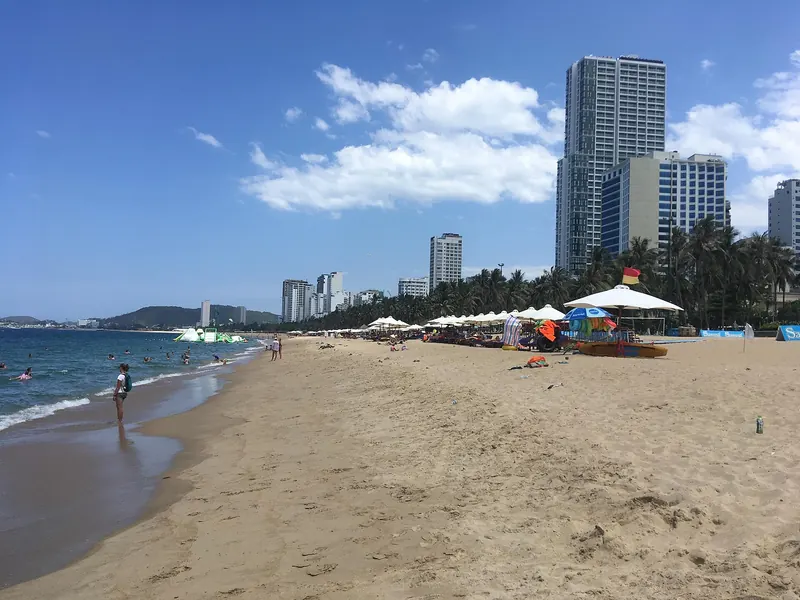
For the Cham half, stay at Ninh Chu beach, on Phan Rang's coast, or in Phan Rang itself. Ninh Chu is the focus of the area's beach tourism: when the Prime Minister approved the master plan for the Ninh Chu National Tourist Area on 4 March 2026, the Binh Son–Ninh Chu beach was named its central zone. From here Po Klong Garai, Bau Truc and My Nghiep are short drives; the national tourism site puts Bau Truc 15 minutes from the city by car.
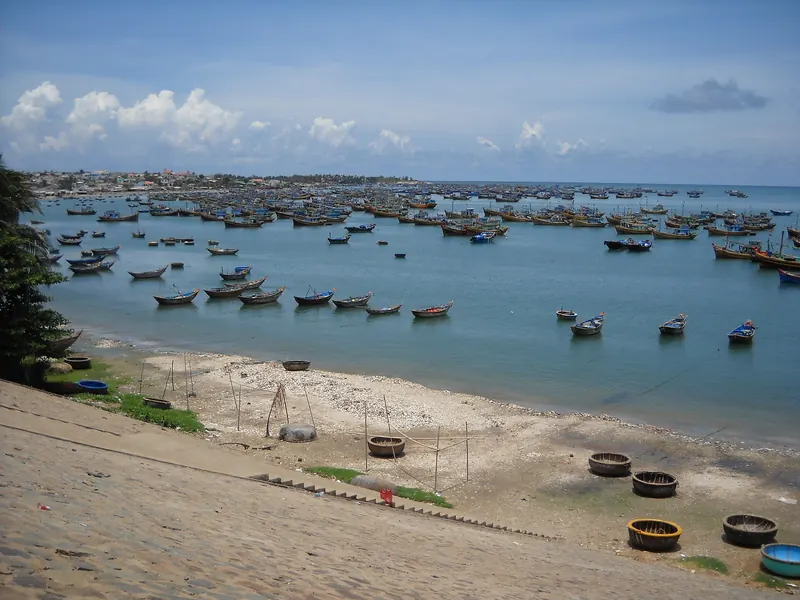
For the coast half, stay at Vinh Hy Bay, the fishing harbour tucked between hills on the coast road towards Cam Ranh. The local authorities count 31 places to stay in Vinh Hai commune, from homestays to high-end resorts such as Amanoi and Vinh Hy Resort, and they say more than 60 percent of the commune's visitors go to Vinh Hy. Staying there puts you at the boats and the Nui Chua trails early, before day trippers arrive from Nha Trang or Phan Rang. If you have three nights, split them: one or two near town, then one at the bay.
Po Klong Garai, and why Phan Rang's towers are still alive
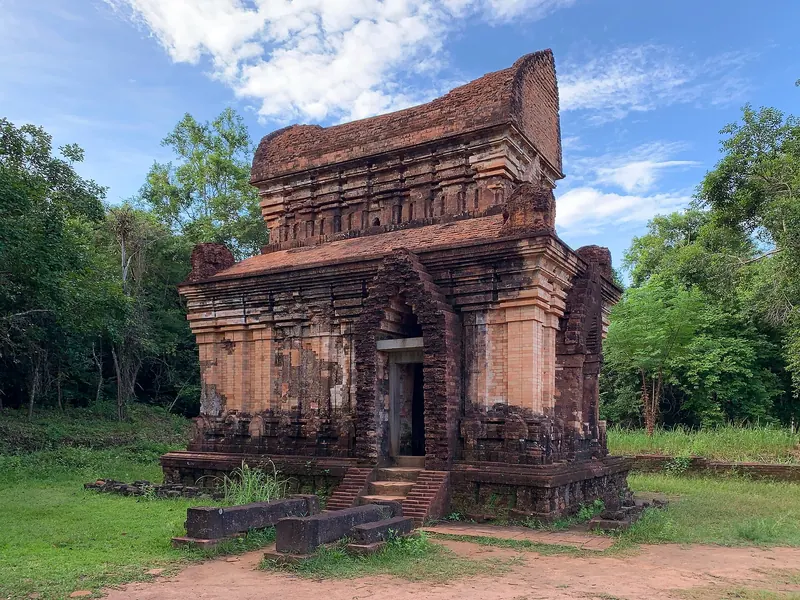
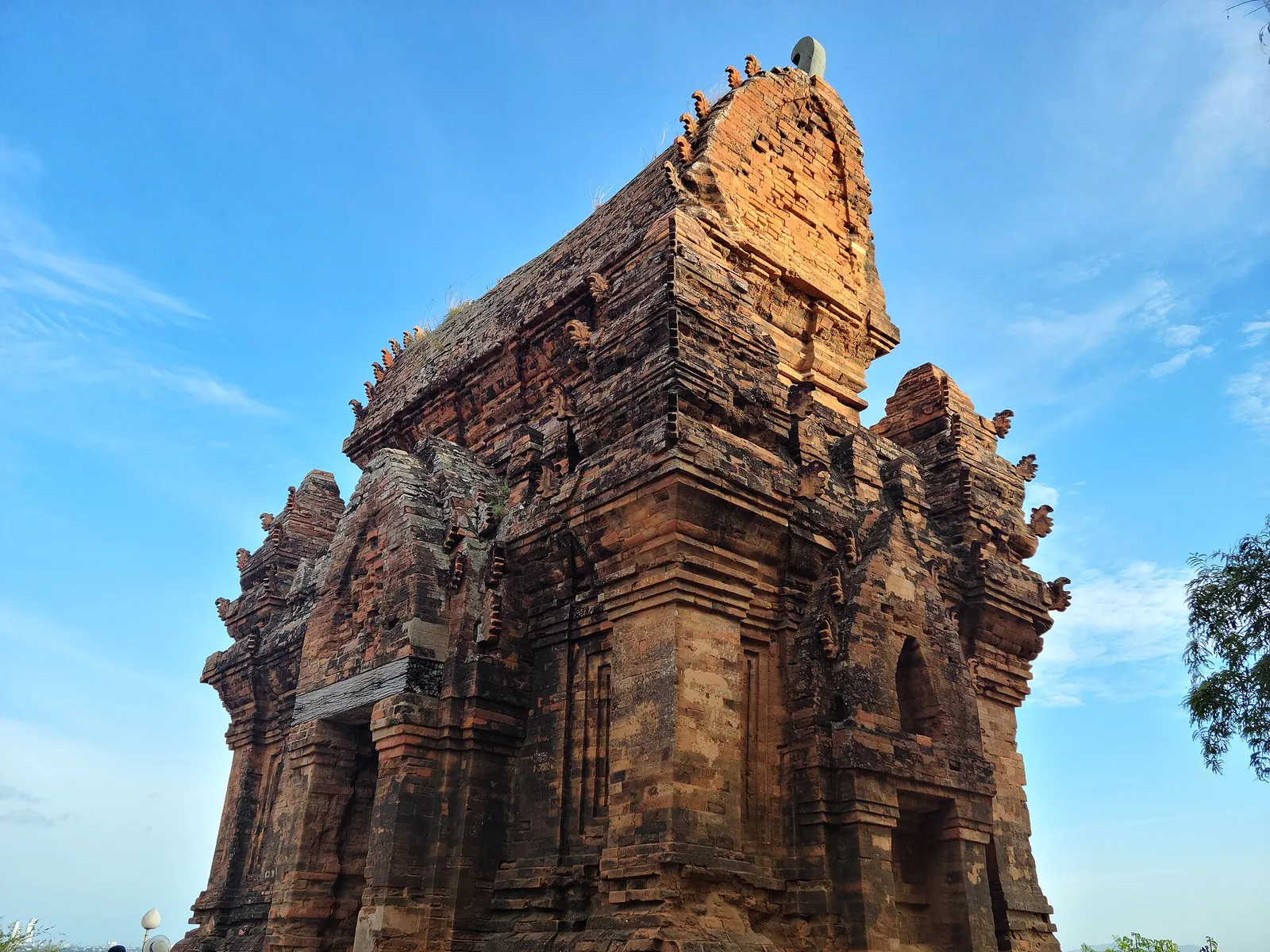
Po Klong Garai stands on Doi Trau hill in Do Vinh ward, about 7 km west of central Phan Rang. Vietnam's tourism authority describes three surviving towers inside an enclosing wall: the main tower, which houses a statue of King Po Klong Garai, the gate tower to the east, and the fire tower to the south with its boat-shaped roof. The province's account says the complex was built by King Jaya Simhavarman III to honour Po Klong Garai, a king remembered for defending the Cham and building canals and dams, and dates it to the late 13th or early 14th century. Look for the carving of Shiva and the sacred bull Nandin. It was made a special national monument in 2016.
Climb the hill early. The national tourism site describes rocky ground dotted with cacti and the arid landscape spread out below, and by late morning there is little shade on the slope. Po Klong Garai is the only one of the area's three main Cham monuments with organised visitor services and an entrance fee: a provincial report carried by the national tourism authority counted more than 230,000 paying visitors between January and late October 2025. We could not find the current ticket price or opening hours on an official page, so check them on arrival. The same report says climbing, sitting on or writing on the towers should be strictly dealt with, so keep to the paths.
Two more towers complete the picture, though neither is set up for tourists. Po Rome, in Phuoc Huu commune, is described as the last brick tower the Cham built, in the 17th century, for King Po Rome, who ruled from 1627 to 1651. Only the main tower, a stone stele and a small shrine survive; the tower, about 16.5 metres high with a single east-facing door, holds a carved stone statue of the king that is a national treasure, and the Cham community still performs rituals here. Hoa Lai, in Thuan Bac commune, is far older, from around the 8th to 9th century, and was a sanctuary to Shiva and Vishnu; of its three towers the middle one collapsed in the early 20th century, and few people visit. Go to Po Rome with respect for anyone worshipping, and expect no facilities at either.
The best reason to time a visit is Kate, the most important festival of the Cham who follow the Brahmanist tradition. According to Vietnam's tourism authority, it is held on the last day of the sixth month and the first day of the seventh month of the Cham calendar, which usually falls in September or October, at Po Klong Garai, Po Rome and the Po Inu Nagar temple. On the day before, Cham and Raglai people gather at the Po Nugar temple and Po Rome to join a procession for the goddess Po Inu Nagar, the Holy Mother of the Cham; elders bathe and change the clothes of her statue, young people sing and dance, and families visit each other over the following days. In 2024 it took place on 1 and 2 October. When we checked on 2026-10-03, the national tourism site's events calendar listed the Kate Festival under October 2026 without exact days, so confirm the date locally before you travel.
Make time for the local food
What to eat and where to look
Banh can
Small rice-flour cakes cooked in clay moulds and eaten with a dipping sauce. The national tourism site calls banh can a common food of the Cham people of the old Ninh Thuan.
- Where to look
- Street stalls and small shops in Phan Rang, especially in the evening.
- Fit it into your day
- A light dinner or late-afternoon snack after a day at the towers and villages.
Toppings often include egg or seafood and the sauce is usually fish-sauce based; ask if you avoid either.
Banh canh cha ca
Thick noodles in broth with fish cake, one of the Phan Rang dishes the national tourism site recommends trying.
- Where to look
- Breakfast and lunch noodle shops in town.
- Fit it into your day
- Breakfast before an early start to Po Klong Garai, or lunch back in town.
Contains fish; noodle shops often close once the morning's broth is sold.
Lamb and goat dishes
The dry hills make this the country's 'holy land' of sheep, the tourism authority says, and dishes of lamb and goat are among the specialities it lists for the area.
- Where to look
- Restaurants specialising in goat and lamb in and around Phan Rang.
- Fit it into your day
- A shared dinner with a group, after the sheep farm or the coast road.
Prices are often by portion or weight; ask before ordering.
Grapes, raisins and grape syrup
Fresh green, red and black grapes, and products such as raisins, grape syrup and wine, which the vineyards around Phan Rang sell direct.
- Where to look
- Vineyards such as Thai An on the coast road and Ba Moi near town.
- Fit it into your day
- A tasting stop on the drive to Vinh Hy; buy raisins or syrup to take home.
Wines and syrups are local farm products; check the label and the seal before packing a bottle.
Jellyfish noodle soup and white sardine salad
Two coastal dishes the national tourism site lists among Phan Rang's must-tries: rice noodles with jellyfish, and a salad of small white sardines.
- Where to look
- Seafood eateries in Phan Rang and around the harbours at Ninh Chu and Vinh Hy.
- Fit it into your day
- Lunch on the coast day.
Raw or lightly cured fish in salads; choose busy places where the catch is fresh.
The Cham craft villages: Bau Truc and My Nghiep
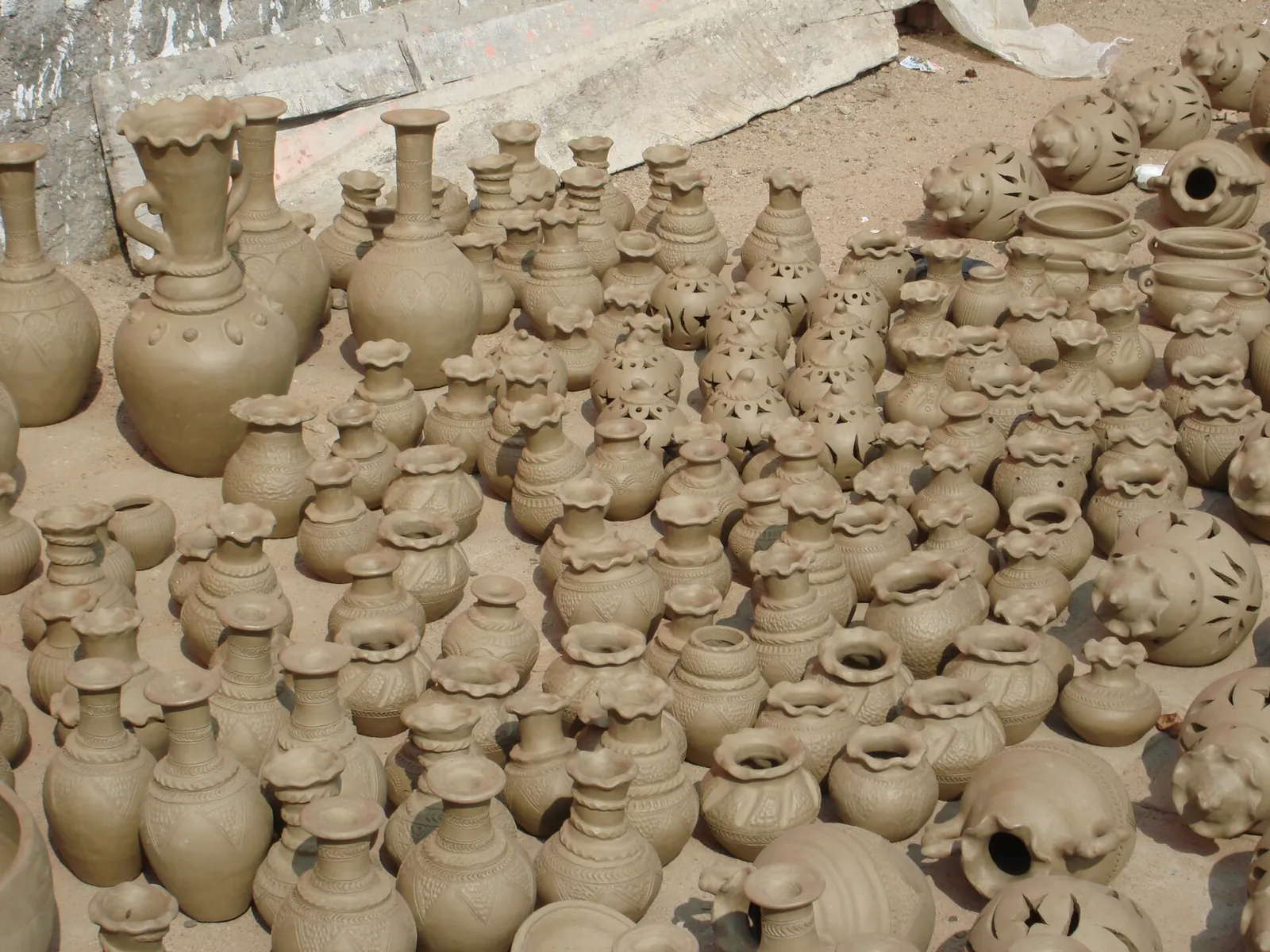
Bau Truc, about 10 km south of Phan Rang in what is now Ninh Phuoc commune, is the village behind UNESCO's 2022 listing of the art of pottery-making of the Cham people as intangible heritage in need of urgent safeguarding. The national tourism site says more than 500 families live here and 85 percent of them work in pottery, and that it is one of the oldest pottery villages in Southeast Asia. The craft is traced to Po Klong Chan, honoured as its founder.
What makes it worth watching is the method. There is no potter's wheel: the clay, dug from the banks of the Quao River, sits on a fixed stand, and the potter walks backwards around it, shaping with her hands, then marks patterns with bamboo rings and shells. The pots are fired in the open air among firewood, straw and rice husks rather than in a kiln — the tourism authority gives about six hours at 500–600°C, a coat of colour, then about two hours more. That is why no two pieces are quite alike.
Visitors can try shaping a piece themselves: artisans help you choose and knead the clay and form whatever you like, and the tourism authority's feature suggests even an hour at it is memorable. The Bau Truc Cham Pottery Cooperative told the provincial newspaper that it receives around 1,000 visitors a day at peak times, so come early or late in the day if you want to watch potters at work rather than tour groups. Water jars are the classic buy: the national tourism site says they keep water about one degree cooler than the air outside.
Close by is My Nghiep, the Cham brocade-weaving village, which the tourism authority describes as keeping the look of an old Cham craft village; visitors can watch the weavers and try weaving themselves. Combine the two villages with Po Klong Garai in one day and you have seen the three sides of Cham heritage the province promotes: the towers, the pots and the cloth.
The coast road north: vineyards, Vinh Hy Bay and Hang Rai
The national tourism site singles out the coast road from Phan Rang north through Vinh Hy towards Cam Ranh as one of the region's great drives, past beaches, white salt fields, sheep pastures and vineyards, with part of the Nui Chua Biosphere Reserve along the way. Do it slowly, with stops, rather than as a transfer.
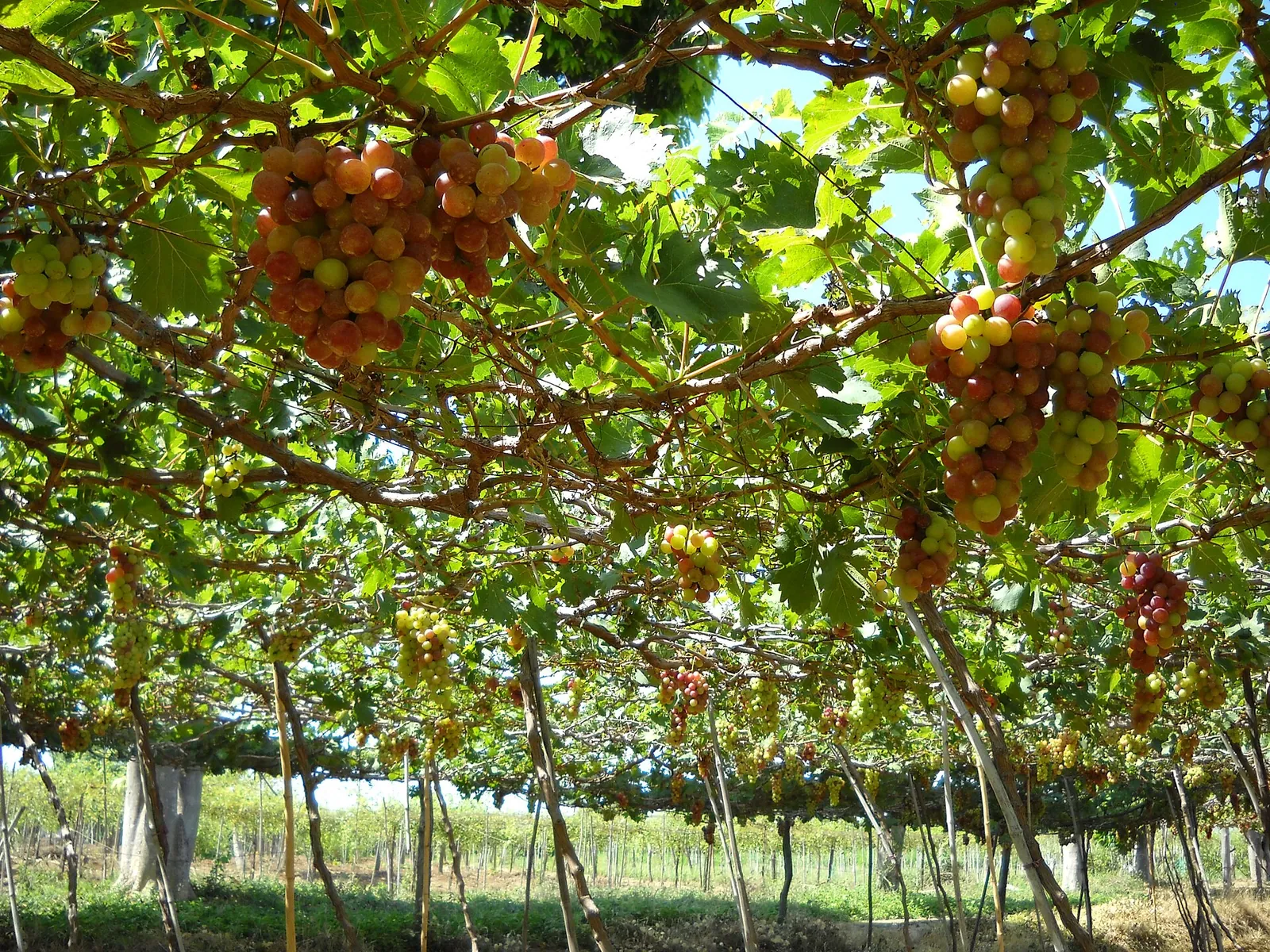
Grapes are the surprise. Vietnam's tourism authority calls the old Ninh Thuan the country's largest grape producer, with green, red and black grapes grown here. Thai An in Vinh Hai commune, one of the largest vineyard areas, is a cluster of family plots, each fenced and signposted, with tables where you can taste fruit and wine and buy raisins and grape syrups. Closer to town, the Ba Moi vineyard of Nguyen Van Ba in Hiep Hoa hamlet, about 7 km from Phan Rang, is open to visitors and lets them help sort grapes at harvest time.
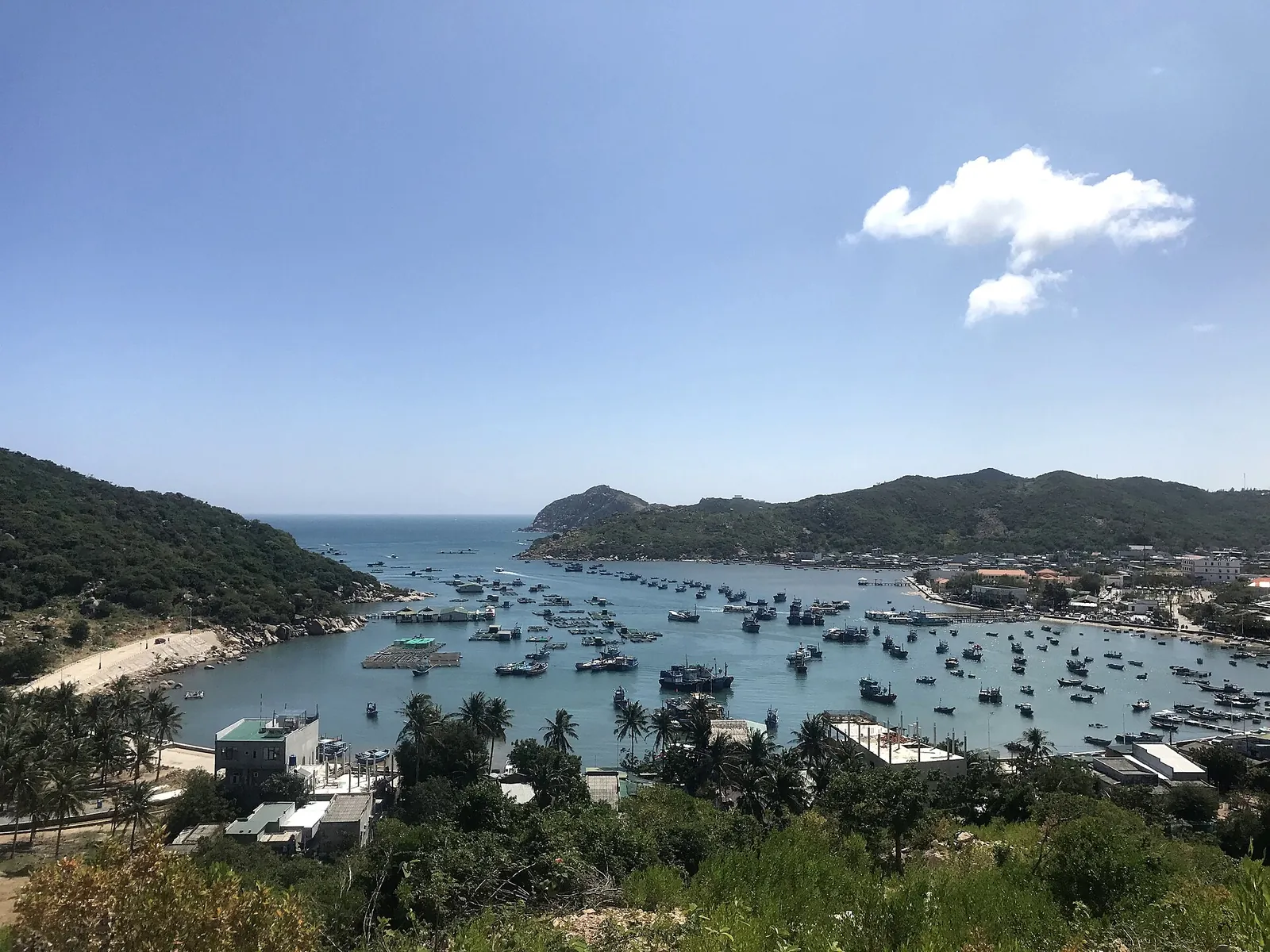
Vinh Hy Bay is the centrepiece: a sheltered bay of clear water and fishing boats, wrapped by hills and rock, next to Nui Chua National Park. The local authorities describe glass-bottom boats to look at the coral, snorkelling and diving, and trips out with fishermen; choose a boat with life jackets and a clear route, and do not touch or stand on the coral.
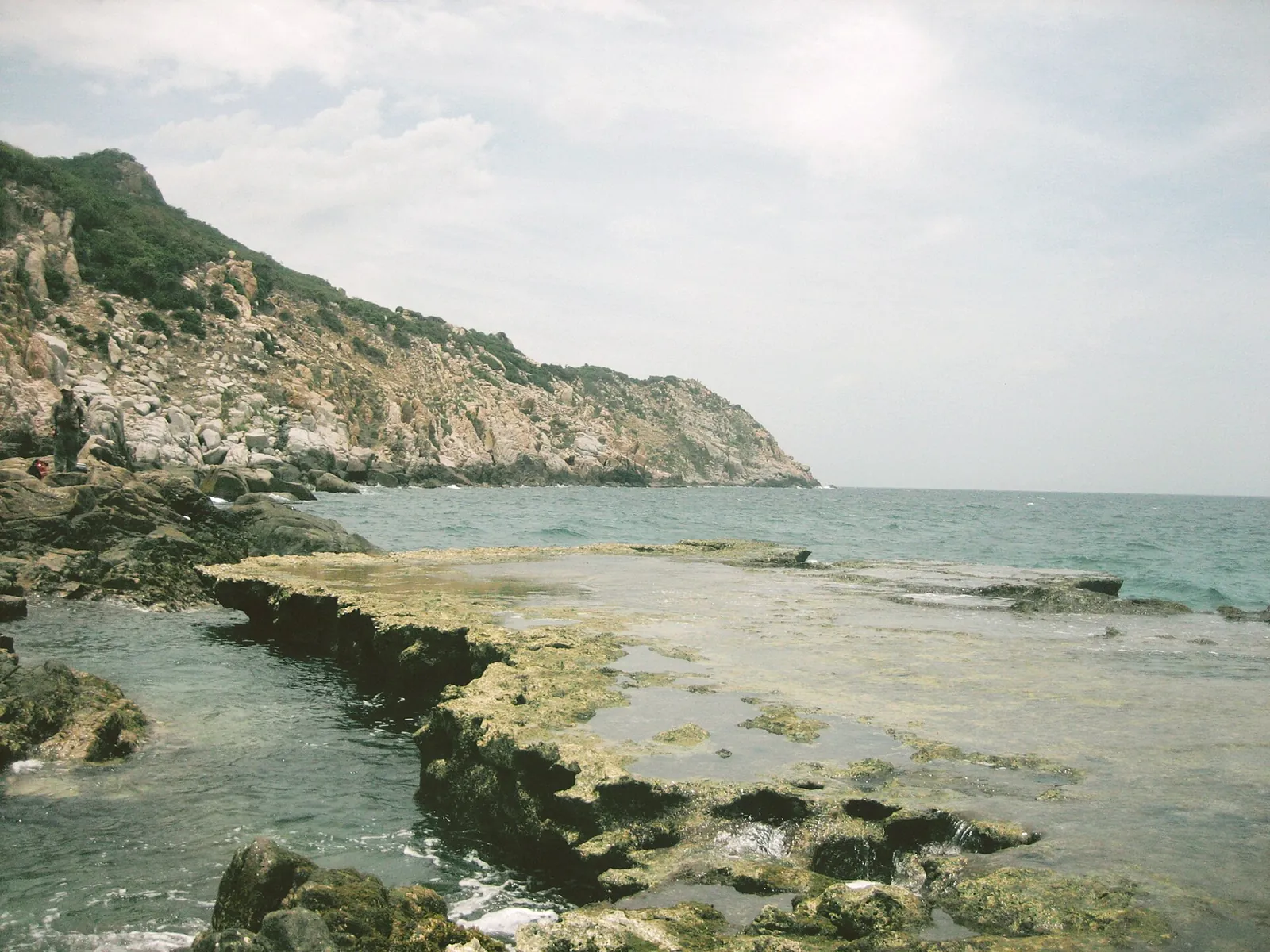
Further along the park's coast, Hang Rai is a huge ancient coral reef at the water's edge, covered in green moss, and a habitat for otters, as the national tourism site explains. It has no tourist services, so bring water and sun protection. My Hoa beach, also in Vinh Hai commune, hosted the province's first international kitesurfing tournament in January 2026.
Nui Chua National Park, the dunes and the sheep
Nui Chua is the reason the coast looks as it does. UNESCO's description of the biosphere reserve speaks of tropical dry forest and semi-desert landscapes meeting the sea, with coral reefs of more than 300 reef-forming species, seagrass beds and beaches where sea turtles nest every year. It is home to rare animals such as the black-shanked douc langur, and to Kinh, Cham, Raglai and other communities.
Walking is the way in. The national tourism site describes a popular three-day trek from Hang Da hamlet to the O Liem River, with camping in the forest and a chance to learn about the wet-rice farming of the Raglai, and tells hikers to register in advance with the park's management board. UNESCO adds a community ecotourism project in Cau Gay village, where Raglai families offer handicrafts, Ma la dance and guided walks. Operators at Vinh Hy also sell treks along the coast in the park's core zone; in this heat, go with a guide and carry plenty of water.
Two other classic stops are about light. The Nam Cuong sand dunes change colour with the sun and cloud, and the national tourism site recommends 5 to 7 in the morning, when the sand glows gold. At the An Hoa sheep farm, shepherds — many of them Cham — take the flocks out to the hills around 8 a.m., the best time to see them. Both reward an early start, which suits this climate anyway.
Getting there and getting around
The nearest airport is Cam Ranh International (CXR), which the national tourism site puts nearly 70 km from Phan Rang; Vinh Hy lies on the coast road between the two, so it makes a natural first or last night. Local tour companies run cars on the Cam Ranh–Vinh Hy–Ninh Chu route; otherwise book a taxi or a car with driver in advance.
By train, get off at Thap Cham station. By road, Phan Rang is on the national highway between Nha Trang to the north and the Mui Ne coast to the south, and the national tourism site puts it 340 km from Ho Chi Minh City.
For sightseeing you need your own wheels, because the heritage sights and the coast road are spread out. A car with driver for a day is the comfortable choice in the heat; agree the stops (towers, villages, vineyard, bay) and the waiting time before you set off.
Practical questions
How many days do I need in Phan Rang?
Two or three nights: one day for Po Klong Garai and the Cham villages of Bau Truc and My Nghiep, and one for the coast road to Vinh Hy Bay, a vineyard and Nui Chua. Add a day for a longer hike in the national park.
When is the Kate festival?
On the last day of the sixth month and the first day of the seventh month of the Cham calendar, usually in September or October, according to Vietnam's tourism authority; in 2024 it fell on 1 and 2 October. When we checked on 2026-10-03, the official events calendar listed it under October 2026 without exact days, so confirm locally.
How do I get to Phan Rang from the airport?
Fly to Cam Ranh (CXR), nearly 70 km away according to the national tourism site, and continue by taxi or a pre-booked car; Vinh Hy lies on the coast road in between. By train, the station is Thap Cham.
Is Phan Rang in Ninh Thuan or Khanh Hoa?
Both names appear. Phan Rang was the capital of Ninh Thuan province, which merged into Khanh Hoa in 2025; official sources now place its sights in the new Khanh Hoa, under new ward and commune names.
Can I visit the pottery village without a tour?
Yes. Bau Truc is about 10 km south of Phan Rang, 15 minutes by car according to the national tourism site, and artisans guide visitors who want to try shaping a pot. Come early or late in the day to avoid the busiest group times.
Is Vinh Hy Bay good for swimming and snorkelling?
Its water is clear, and glass-bottom boats, snorkelling and diving trips run from the bay to see the coral. Use operators with life jackets and keep off the coral, which is protected as part of Nui Chua.
Sources and checks before you travel
Reference sources for the version dated 3 October 2026. Confirm opening times, access, transport and conditions for your travel dates.
- Vietnam Tourism: Ninh Thuan beyond sun, wind and beach ↗ — opens in a new tab
- Vietnam Tourism: Bau Truc pottery village, quintessence of Cham culture ↗ — opens in a new tab
- Vietnam Tourism: Vietnam's Cham legacy ↗ — opens in a new tab
- Vietnam Tourism: visit the vineyards of Ninh Thuan ↗ — opens in a new tab
- Vietnam Tourism: Kate Festival (events calendar) ↗ — opens in a new tab
- Vietnam National Authority of Tourism: a cultural site of Kate Festival ↗ — opens in a new tab
- Vietnam National Authority of Tourism: Cham people in Ninh Thuan celebrate Kate Festival ↗ — opens in a new tab
- Vietnam National Authority of Tourism: Khanh Hoa, creating momentum for cultural tourism ↗ — opens in a new tab
- Vietnam National Authority of Tourism: Ninh Thuan, unique experience ↗ — opens in a new tab
- Vietnam National Authority of Tourism: Khanh Hoa uses its Cham towers for tourism (Vietnamese) ↗ — opens in a new tab
- Vietnam National Authority of Tourism: when heritage becomes a tourism product (Vietnamese) ↗ — opens in a new tab
- Vietnam National Authority of Tourism: Bau Truc ancient pottery (Vietnamese) ↗ — opens in a new tab
- Vietnam National Authority of Tourism: developing Khanh Hoa's cultural tourism brand (Vietnamese) ↗ — opens in a new tab
- Vietnam National Authority of Tourism: Vinh Hai's tourism potential (Vietnamese) ↗ — opens in a new tab
- Vietnam National Authority of Tourism: Vinh Hy, a paradise in the land of sun and wind (Vietnamese) ↗ — opens in a new tab
- Vietnam National Authority of Tourism: Ninh Chu National Tourist Area master plan approved (Vietnamese) ↗ — opens in a new tab
- Vietnam National Authority of Tourism: My Hoa kitesurfing tournament ↗ — opens in a new tab
- UNESCO Man and the Biosphere Programme: Nui Chua ↗ — opens in a new tab
Does this experience fit your route?
Compare the programme, departure point and practical requirements with your travel plans.
Check dates and details on Viator ↗ — opens in a new tabAffiliate link · Book with ViatorPhoto credits
Po Klong Garai's main tower, the Cham sanctuary on Doi Trau hill just west of Phan Rang
Photograph: Theodor — opens in a new tab · CC BY-SA 4.0 — opens in a new tab
Changes: Resized and converted to WebP; displayed with responsive crops. · Original photograph and licence details ↗ — opens in a new tab
Vinh Hy Bay, the fishing harbour on the coast road from Phan Rang towards Cam Ranh
Photograph: Windrain — opens in a new tab · CC BY-SA 4.0 — opens in a new tab
Changes: Resized and converted to WebP; displayed with responsive crops. · Original photograph and licence details ↗ — opens in a new tab
Unfired pots drying at Bau Truc, the Cham pottery village south of Phan Rang where clay is shaped without a wheel
Photograph: Liftold — opens in a new tab · CC BY-SA 3.0 — opens in a new tab
Changes: Resized and converted to WebP; displayed with responsive crops. · Original photograph and licence details ↗ — opens in a new tab
Red grapes ripening on an overhead trellis in a Phan Rang vineyard
Photograph: Đông Sơn — opens in a new tab · CC BY-SA 3.0 — opens in a new tab
Changes: Resized and converted to WebP; displayed with responsive crops. · Original photograph and licence details ↗ — opens in a new tab
Hang Rai on the Nui Chua coast, where an ancient coral reef meets the sea
Photograph: P.T.Đ — opens in a new tab · CC BY-SA 4.0 — opens in a new tab
Changes: Resized and converted to WebP; displayed with responsive crops. · Original photograph and licence details ↗ — opens in a new tab