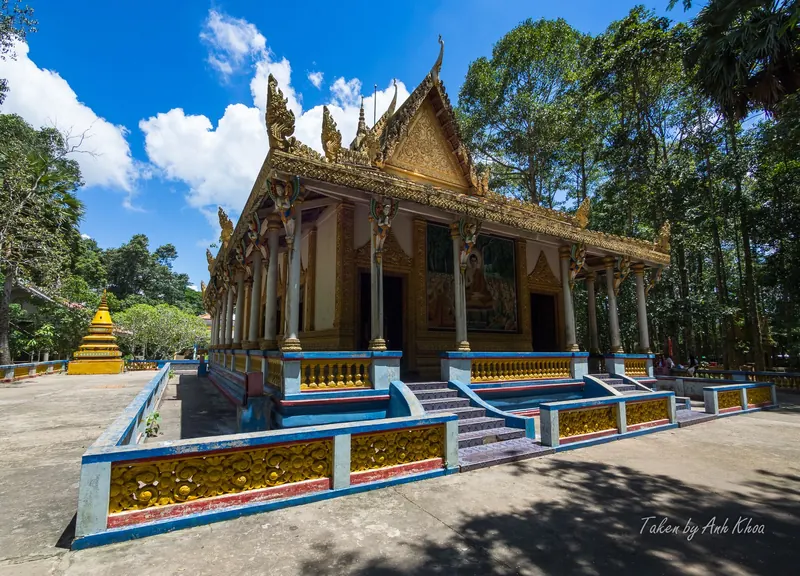
Plan your trip · Vietnam
Festivals in Vietnam: which to plan around, and what they do to travel
Most of Vietnam's festivals follow the lunar calendar, so their Western dates move by up to a month from one year to the next. Some are worth building a trip around: the Mid-Autumn lanterns in Hoi An, the Hue Festival programme at the old imperial capital, the Cham Kate at the brick towers of the south-central coast, the Khmer moon festival in the Mekong Delta. One, Tet, changes the whole country for a week or more, and mostly not in a traveller's favour. This guide sorts them by how much they are worth planning around and how much they affect transport and rooms.
- Suggested time
- Two or three nights in the host town for one festival; a whole trip only matters around Tet
- Where to stay
- Hoi An, Hue, Hanoi, Phan Rang or Can Tho, depending on the festival
- Season and timing
- Spring pilgrimages from Tet to the third lunar month (February to May); Mid-Autumn in September or October; Kate around October; Ok Om Bok around November
The short answer
Decide first whether you want a festival or want to avoid one. For a festival, pick one and give it two or three nights in the town that hosts it: Hoi An for the Mid-Autumn Festival (the 15th day of the eighth lunar month, in September or October) or any full-moon Old Town Night, Hue for its spring-to-summer festival programme, Phan Rang for the Cham Kate (usually October), and Soc Trang or Can Tho for Ok Om Bok (around November). Book the room as soon as the year's date is published, and keep the festival night away from your flight days. For Tet, the next one is on 6 February 2027: the government's holiday for public employees runs from 4 to 10 February, flights are busiest from late January to 20 February, and many businesses close, so either come for the atmosphere and stay put in one city, or travel outside that window.
How festival dates work, and the year ahead
Nearly every traditional festival in Vietnam is set by the lunar calendar. The national tourism site gives the rules rather than fixed dates: Tet on the first day of the first lunar month, usually in January or February; the Mid-Autumn Festival on the 15th day of the eighth month, between September and October; the Ghost Festival (Wandering Souls Day) on the 15th day of the seventh month, in late August or early September. Only the state holidays, such as Independence Day on 2 September and New Year's Eve, sit on the Western calendar.
Ethnic minorities keep their own calendars. The Cham date Kate to the first day of the seventh month of the Cham calendar, and the Khmer of the Mekong Delta hold Ok Om Bok at a full moon at the end of the rice harvest. That is why a festival can move by weeks from one year to the next, and why the exact days are often confirmed only a few weeks ahead.
For 2027, one date is already fixed. When we checked on 2026-10-03, VnExpress reported that the government had approved the 2027 holiday plan: public employees are off for seven days from 4 to 10 February 2027, the 28th day of the last lunar month to the fifth day of the new year, which puts the first day of Tet on 6 February. The National Day holiday runs from 2 to 5 September 2027. Vietnam has 12 paid public holidays a year, including Hung Kings' Day, 30 April and 1 May, two days for National Day and Vietnamese Culture Day, and the official advice to book trains and buses early for holidays applies to each of them.
Tet: the festival that reshapes the trip
The tourism board calls Tet Vietnam's largest and most important festival, and its emphasis on family is exactly what makes it complicated for visitors: many people travel home, and the official FAQ warns that many businesses close during the festivities, which it calls an inconvenience to travellers with little time. Plan on fewer places to eat and shop for several days, and confirm that anything you rely on, from a restaurant to a tour, is open on your dates.
Transport fills up before and after the holiday. For the 2027 Tet, VnExpress reported that the aviation authority had raised the number of flights allowed per hour at Tan Son Nhat (Ho Chi Minh City) and Noi Bai (Hanoi) for the peak travel month, 22 January to 20 February 2027, and that the Vietnam Airlines group had opened its first Tet sale with almost 3.7 million seats. The national tourism site advises booking trains well in advance for holidays and peak times, and booking open-tour bus seats at least two weeks ahead on a Vietnamese holiday.
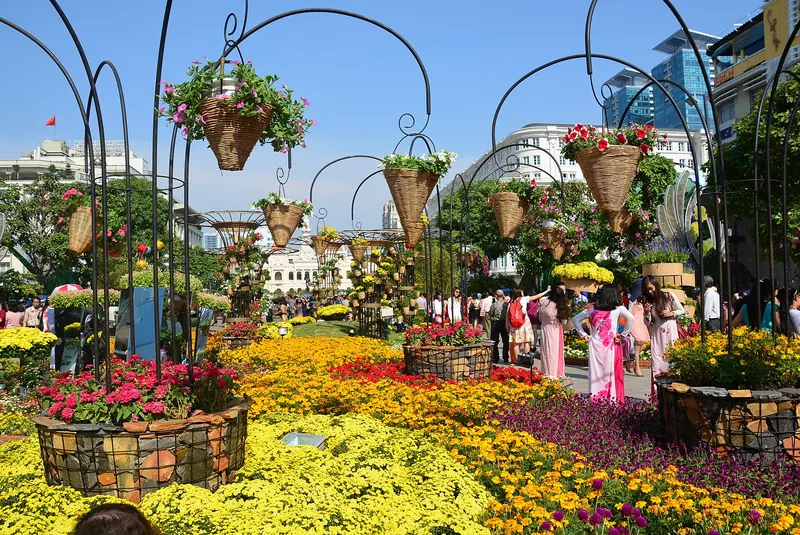
If you want to see Tet, base yourself in one city for the whole holiday rather than moving around. The tourism board suggests the outdoor flower displays and the midnight fireworks on Tet Eve. Several of the north's big spring festivals begin straight after Tet, so the second half of the holiday can be the most interesting part for a visitor.
- Avoid moving on the days just before Tet Eve and at the end of the holiday, when people return to the cities.
- Book rooms and long journeys for late January to mid-February 2027 now, and choose refundable rates.
- Carry some cash and expect fewer small eateries; a hotel with breakfast helps on the quietest days.
Make time for the local food
What to eat and where to look
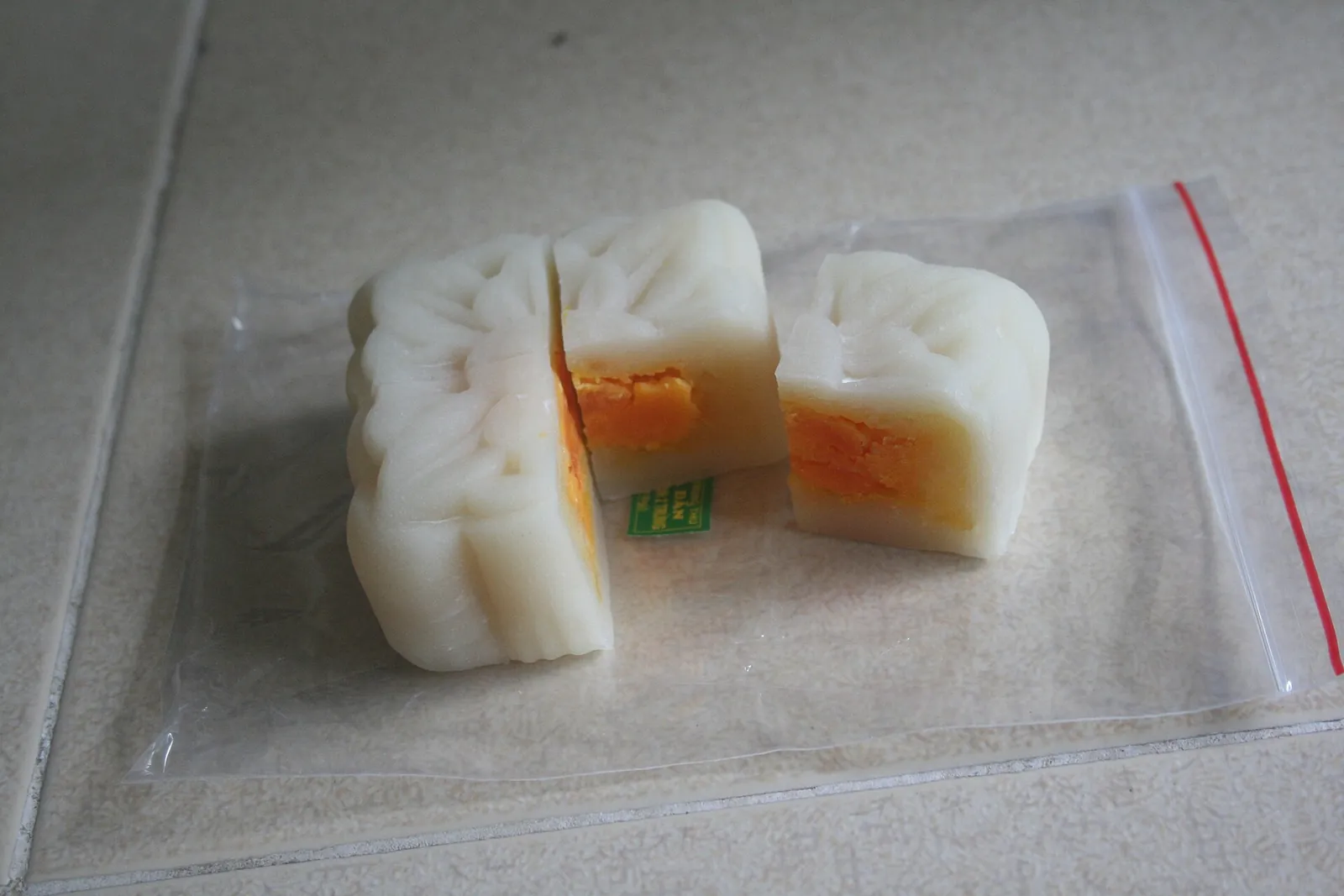
Bánh nướng and bánh dẻo (mooncakes)
The two classic Mid-Autumn cakes: bánh nướng, baked with a firm wheat crust, and bánh dẻo, soft, white and sticky. Fillings range from mung bean and lotus seed to mixed nuts with salted egg yolk, sweet or savoury.
- Where to look
- Pop-up stalls and old bakeries in every city in the weeks before the Mid-Autumn Festival, often with elaborate gift boxes.
- Fit it into your day
- Something to share with tea in the evening; a box makes a good gift for a host family.
Rich and very sweet; mixed fillings can contain pork fat, Chinese sausage and egg, so ask if you are vegetarian.
Bánh chưng and bánh tét
The Tet rice cakes: glutinous rice wrapped around mung bean and pork and boiled for hours in leaves, square (bánh chưng) in the north and cylindrical (bánh tét) in the south.
- Where to look
- Markets and food shops in the days before Tet, and on family tables throughout the holiday.
- Fit it into your day
- Eaten in slices over the Tet days, often with pickled vegetables; useful when many restaurants are closed.
Contains pork; vegetarian versions exist, but ask.
Cốm (young green rice)
Flattened young glutinous rice, green and fragrant. In the Mekong Delta it is the offering at the heart of Ok Om Bok, when monks feed it to the faithful; in Hanoi, fresh cốm is an autumn speciality.
- Where to look
- Khmer pagodas and markets around Soc Trang in the Ok Om Bok season; street sellers and specialist shops in Hanoi in autumn.
- Fit it into your day
- A snack, eaten plain or with banana and coconut.
Bought loose from sellers; choose fresh stock and eat it the same day.
Hue palace and street dishes
Hue's festival programmes now feature its royal-court cuisine, with refined small dishes, alongside everyday specialities such as spicy bún bò Huế noodle soup.
- Where to look
- Festival food spaces in and around the Imperial City during the programme, and neighbourhood eateries the rest of the time.
- Fit it into your day
- Bún bò Huế for breakfast; a festival food space for an evening.
Hue food is often spicy and many broths contain shrimp paste; ask for less chilli if needed.
Spring pilgrimages in the north
The weeks after Tet are the season of temple festivals around Hanoi. The Perfume Pagoda festival at Huong Son, about 70 km from Hanoi according to the national tourism site, is the longest: the 2026 opening ceremony was held on 22 February, the sixth day of the first lunar month, and the season ran until 11 May, VnExpress reported. The boat ride up the Yen stream and the climb to the Huong Tich cave are part of the pilgrimage, and the tourism board notes that you can visit at any time of year; the festival is a spectacle, but also the most crowded time to go.
The Lim Festival, on the 12th or 13th day of the first lunar month in Bac Ninh, an hour's drive east of Hanoi, is known for quan ho folk songs, sung by men and women in traditional dress who answer each other from dragon boats. The Hung Kings Temple Festival, from the 8th to the 11th day of the third lunar month (April or May) at Viet Tri in Phu Tho, honours the legendary first kings; the official guide describes lanterns released on the eve and processions of pilgrims climbing the hill on the day itself.
Further west, the White Thai of the Mai Chau valley hold the Xen Xo Phon rain-calling festival in the fourth lunar month, between April and May. These are local religious events first and tourist events second: dress modestly, keep to the edges of rituals, and expect village roads to be busy with pilgrims' cars and buses on the main days.
Hue: a city that has turned its festival into a season
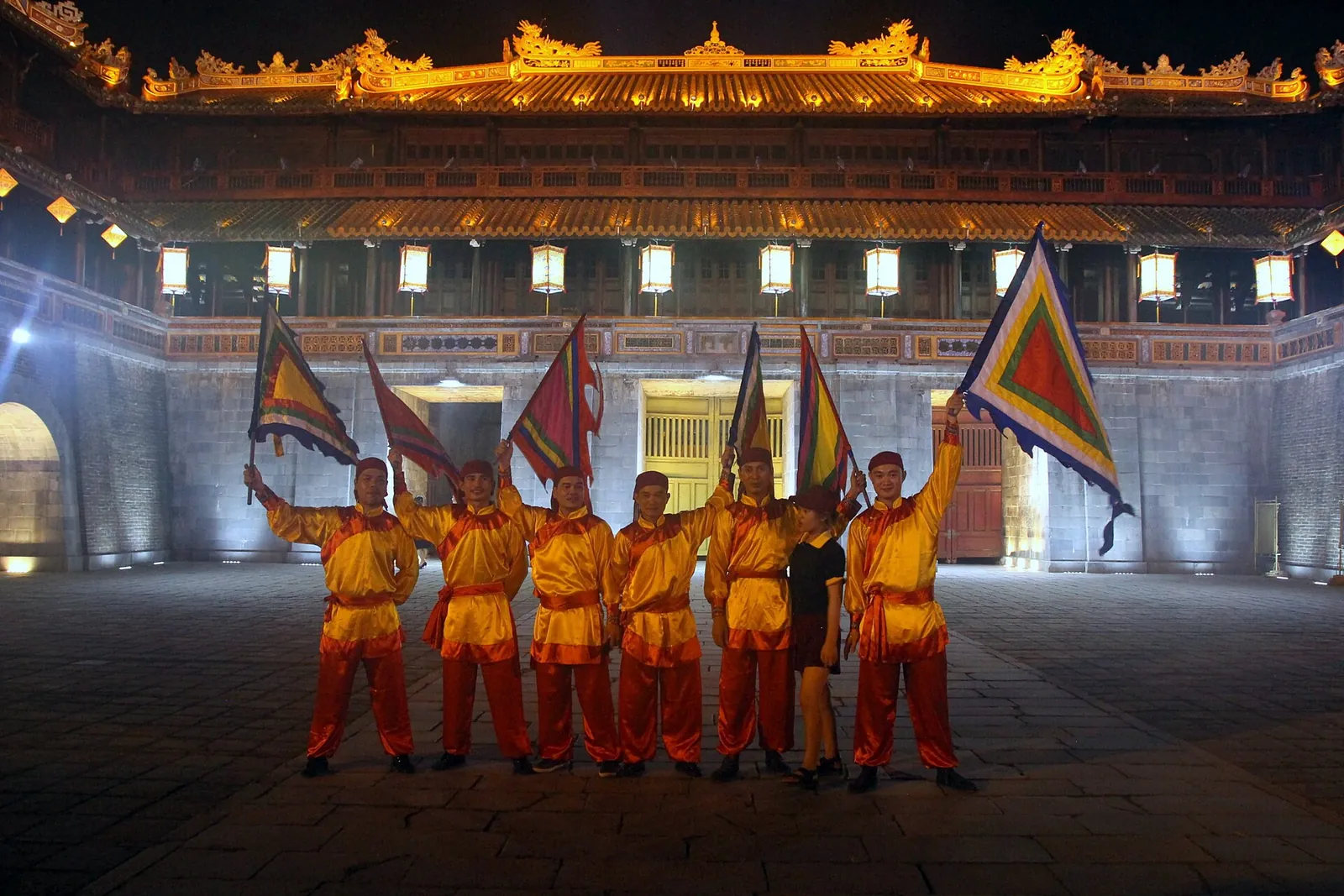
The national tourism site describes the Hue Festival and the Hue Craft Village Festival as alternating events held over a week from late April to early May, with performances in the Citadel and around the city and exhibitions of crafts from the surrounding villages. In recent years the city has spread the programme out: VnExpress reported that the Summer Festival within Festival Hue 2026 ran from April to June, opening with the Hue marathon on 17 to 19 April and including palace cuisine, night programmes at the Imperial City and a beach festival at Thuan An.
The festival calendar continues beyond summer. When we checked on 2026-10-03, the national tourism site's event calendar listed a Hue - Culinary Capital 2026 festival for September 2026. Because the line-up changes every year, treat Hue as a destination that usually has something on in spring and early summer, and check the city's programme for the year before you fix nights there.
Hue is also the place the tourism board recommends for the Ghost Festival, on the 15th day of the seventh lunar month, when families make offerings at graves and pagodas and burn paper money and clothes for the spirits. It is a quiet, family occasion rather than a show: watch from a respectful distance at the pagodas.
Mid-Autumn and Hoi An's full-moon nights
The Mid-Autumn Festival (Tet Trung Thu) is Vietnam's children's festival. The tourism board describes weeks of lion-dance practice in the streets, mooncake stalls on every other corner and, on the night of the full moon, children's lantern processions led by lion dancers and the masked Ong Dia, the Earth God. It is celebrated everywhere, so it suits a trip that is already in Vietnam in September or October.
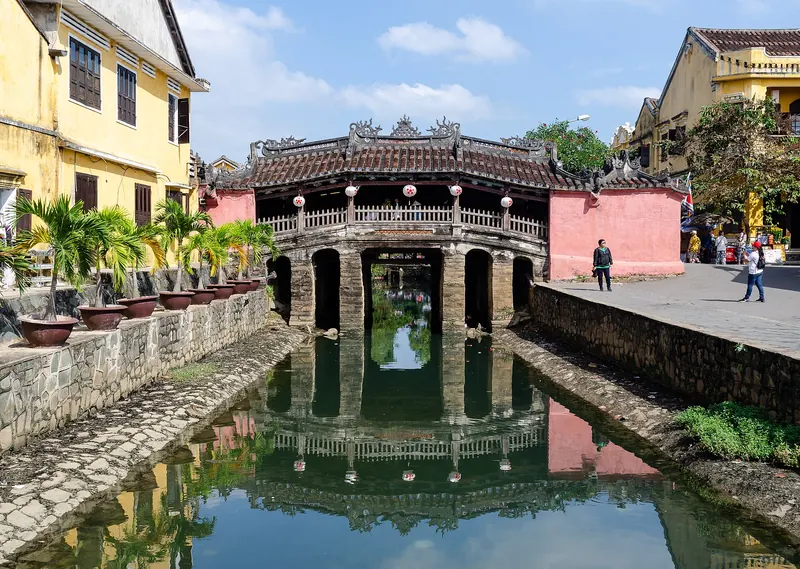
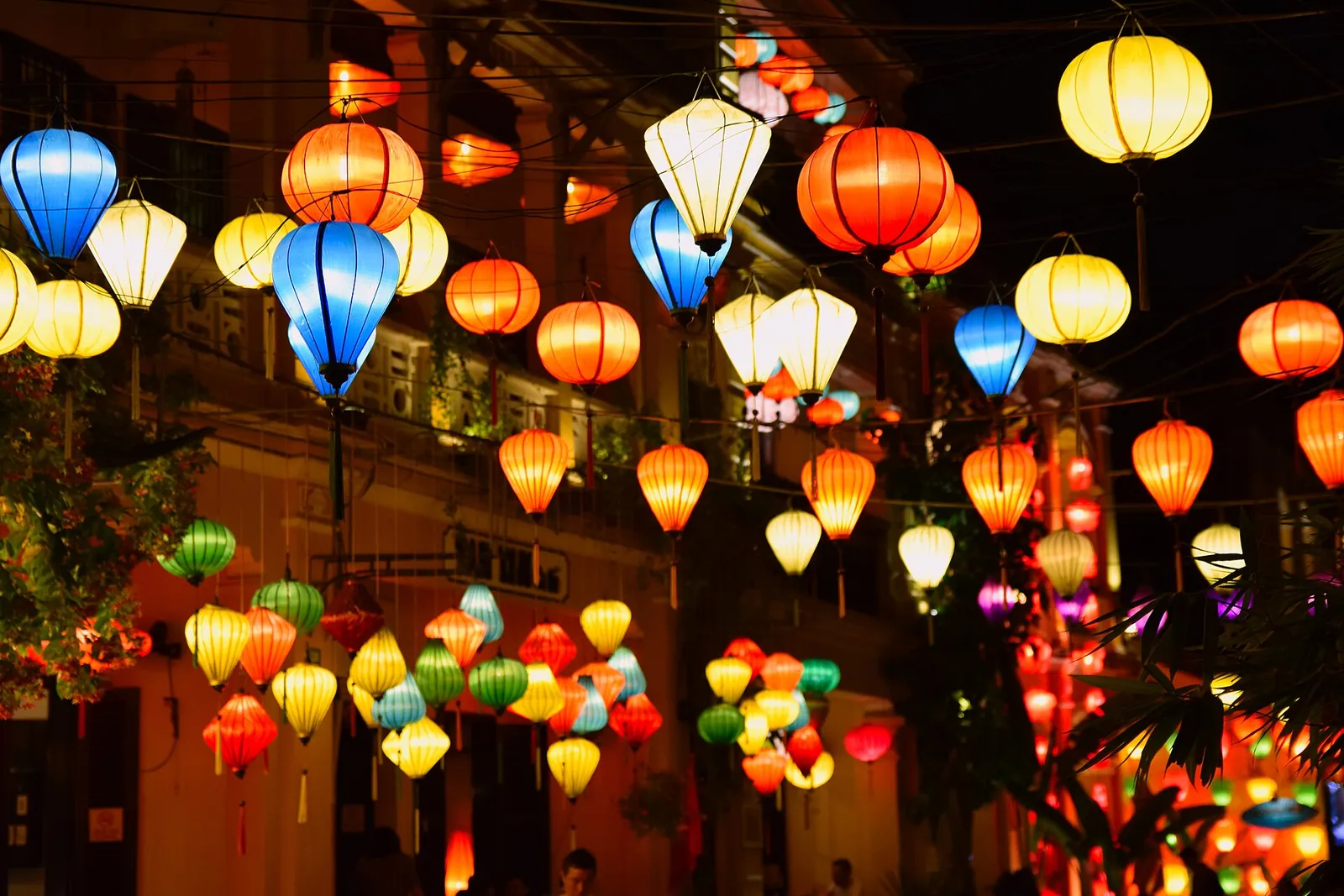
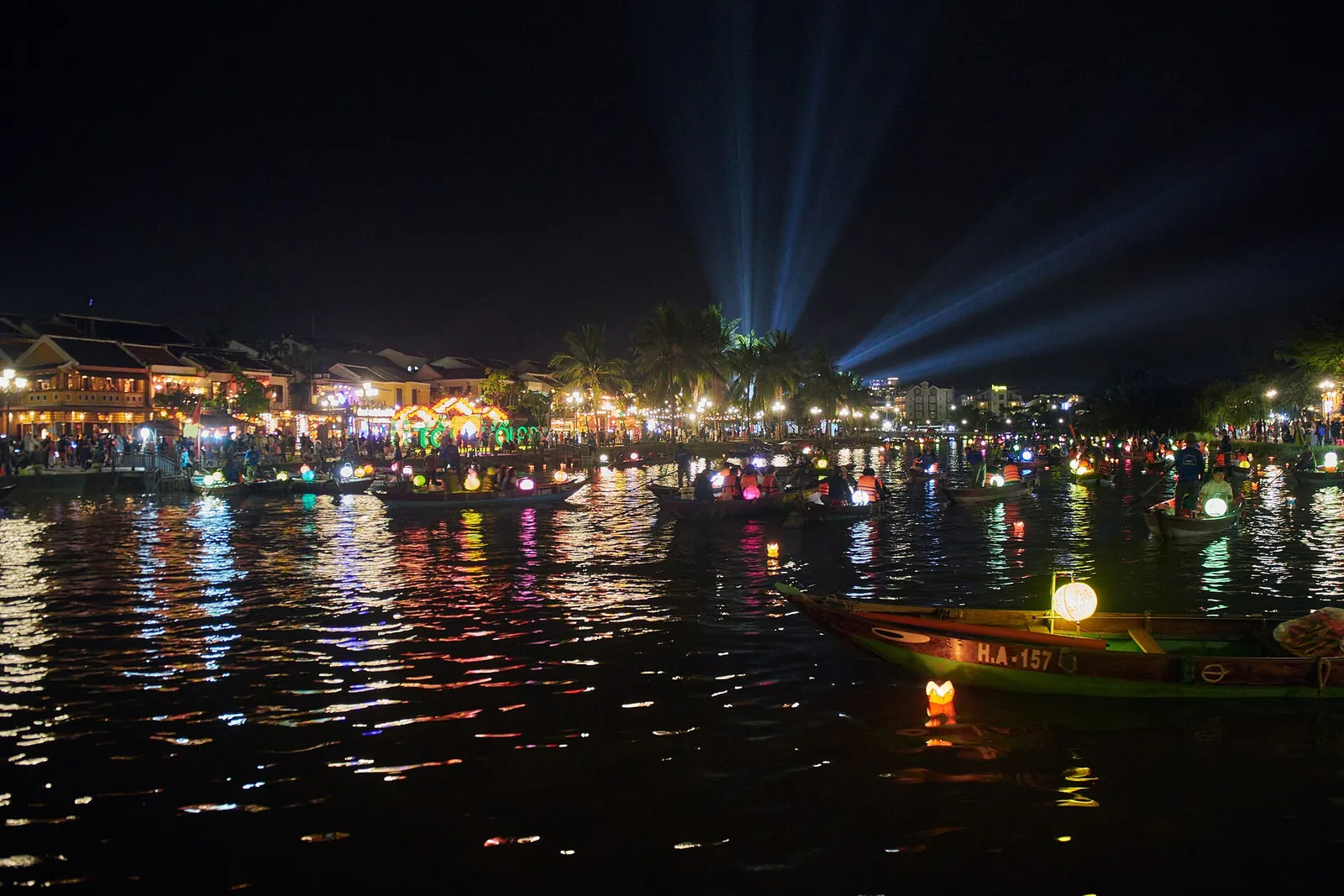
Hoi An is the official site's top pick: boats and lanterns float down the Thu Bon River, and dance and drum troupes perform in front of pagodas and shops in the Ancient Town. If your dates miss Mid-Autumn, Hoi An repeats a smaller version every month: the town's heritage authority holds an Old Town Night on the 14th night of each lunar month, when electric lights give way to candles and lanterns and local groups perform folk songs, traditional music and the bai choi card game. Both nights bring the town's biggest crowds, so sleep within walking distance of the Ancient Town.
In Hanoi, the tourism board points to Hang Ma and Luong Van Can streets in the Old Quarter, packed with lanterns and toys in the days before the festival. In Ho Chi Minh City, it sends you to Cho Lon and Luong Nhu Hoc Street for lanterns, masks and lion heads. Mid-Autumn also falls in the central coast's wet season, when the tourism board's climate guide warns of heavy rain and some floods in Hoi An, so keep a back-up plan for a wet night on the river.
Cham, Khmer and highland festivals
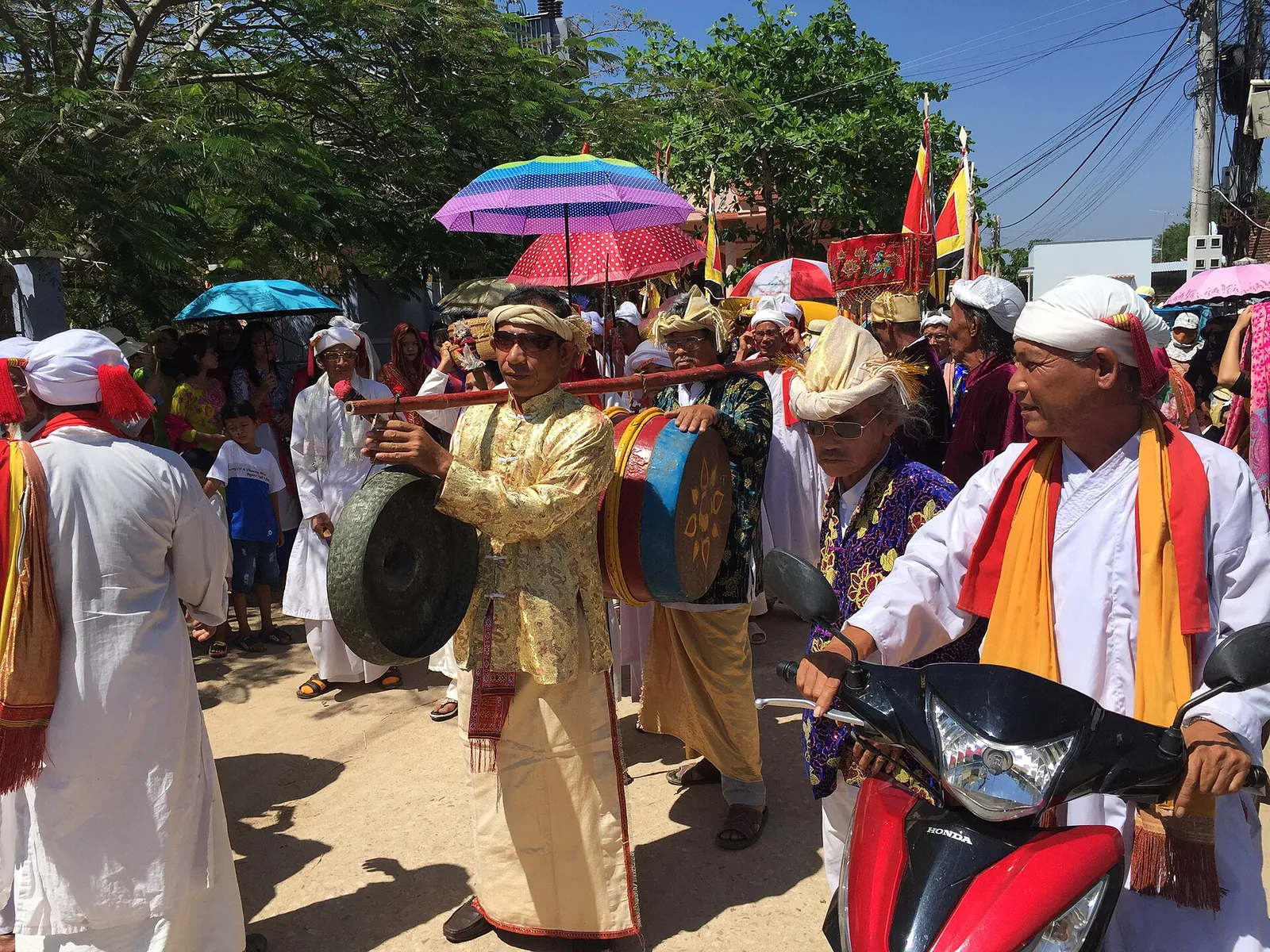
Kate is the highlight of the year for the Cham, according to the national tourism site: over three days they honour their ancestors and the heroes of their history with rites, offerings and sacred dancing at three temples in the former Ninh Thuan province around Phan Rang, which became part of Khanh Hoa in the 2025 provincial merger, followed by a celebration. The Cham of the former Binh Thuan province hold their own Kate at the Po Sah Inu towers near Phan Thiet, where VnExpress described the procession carrying the costume of the goddess up to the tower. When we checked on 2026-10-03, the official event calendar listed Kate under October 2026 without exact days, so confirm locally before you travel.
Ok Om Bok is the Khmer festival of thanks to the moon, which they see as the god of the harvest. The tourism board places it in Soc Trang, now part of Can Tho city, with feasting, singing, dancing and the ngo boat race that draws thousands of spectators. It gives the date as the night of the 14th day of the tenth lunar month and the season as early December, while VnExpress has reported the moon ceremony at a Khmer pagoda in Ho Chi Minh City in early November, because the festival follows the Khmer rather than the Vietnamese calendar. Watch for the year's announcement before booking a room in Soc Trang, where choice is limited, or stay in Can Tho.
In the Central Highlands, when we checked on 2026-10-03, the national tourism site listed the Central Highlands Gong Culture International Festival for October 2026 in Gia Lai, presenting the UNESCO-recognised Space of Gong Culture with performances and rituals. Large cultural festivals like this are announced in the official calendar, so check it before a highlands trip rather than assuming a date a year ahead.
Practical questions
When is Tet 2027?
The first day of Tet 2027 is 6 February. When we checked on 2026-10-03, VnExpress reported that the government had approved a seven-day holiday for public employees from 4 to 10 February 2027, and the aviation authority's peak travel period runs from 22 January to 20 February 2027.
Is it a good idea to travel in Vietnam during Tet?
It can be memorable if you stay in one city and enjoy the flower markets and fireworks. It is a poor time for a fast, multi-stop trip: the official FAQ warns that many businesses close, and flights, trains and buses fill up before and after the holiday.
Where is the best place to see the Mid-Autumn Festival?
The national tourism site recommends Hoi An, where boats and lanterns float on the Thu Bon River and lion-dance troupes perform in the Ancient Town. Hanoi's Hang Ma Street and Cho Lon in Ho Chi Minh City are good for lanterns and toys in the days before.
Does Hoi An have a lantern festival every month?
Yes, in a smaller form. The heritage authority holds an Old Town Night on the 14th night of each lunar month, when electric lights are dimmed in favour of lanterns and candles and local groups perform.
When is the Hue Festival?
The national tourism site describes a week of events from late April to early May. In 2026 the city ran a longer programme; its Summer Festival lasted from April to June. Check the year's programme before booking.
When is the Kate festival?
Kate falls on the first day of the seventh month of the Cham calendar, usually in late September or October. When we checked on 2026-10-03, the official calendar listed it under October 2026 without exact days.
Sources and checks before you travel
Reference sources for the version dated 3 October 2026. Confirm opening times, access, transport and conditions for your travel dates.
- Vietnam National Authority of Tourism: Top 10 festivals and holidays in Vietnam ↗ — opens in a new tab
- Vietnam National Authority of Tourism: Vietnam's magical Mid-autumn Festival ↗ — opens in a new tab
- Vietnam National Authority of Tourism: Kate Festival (event calendar) ↗ — opens in a new tab
- Vietnam National Authority of Tourism: Central Highlands Gong Culture International Festival ↗ — opens in a new tab
- Vietnam National Authority of Tourism: Hue - Culinary Capital 2026 festival ↗ — opens in a new tab
- Vietnam National Authority of Tourism: Perfume Pagoda Festival ↗ — opens in a new tab
- Vietnam National Authority of Tourism: Frequently asked questions ↗ — opens in a new tab
- Vietnam National Authority of Tourism: Transport within Vietnam ↗ — opens in a new tab
- Vietnam National Authority of Tourism: Getting to Vietnam ↗ — opens in a new tab
- Vietnam National Authority of Tourism: Hoi An and Hue destination pages ↗ — opens in a new tab
- Vietnam National Authority of Tourism: Vietnam's new provincial system ↗ — opens in a new tab
- Hoi An World Heritage (Hoi An heritage authority): Old Town Night ↗ — opens in a new tab
- VnExpress: Tet 2027 holiday from the 28th of the last lunar month ↗ — opens in a new tab
- VnExpress: Tan Son Nhat and Noi Bai raise flight frequency for Tet 2027 ↗ — opens in a new tab
- VnExpress: VnExpress Marathon Hue opens Festival Hue 2026 ↗ — opens in a new tab
- VnExpress: Perfume Pagoda festival 2026 handbook ↗ — opens in a new tab
- VnExpress: The Kate festival of the Cham ↗ — opens in a new tab
- VnExpress: Ok Om Bok moon ceremony at a Khmer pagoda in Ho Chi Minh City ↗ — opens in a new tab
- Vietnam National Authority of Tourism: Weather and climate in Vietnam ↗ — opens in a new tab
Does this experience fit your route?
Timing a trip around a festival? Compare Hoi An lantern workshops, evening food walks and Perfume Pagoda day trips, and check what changes on the festival days before you book.
Check dates and details on Viator ↗ — opens in a new tabAffiliate link · Book with ViatorPhoto credits
Silk lanterns over a street in Hoi An's Ancient Town, the town most visitors choose for the Mid-Autumn Festival and full-moon nights.
Photograph: Raita Futo from Tokyo, Japan — opens in a new tab · CC BY 2.0 — opens in a new tab
Changes: Resized and converted to WebP; displayed with responsive crops. · Original photograph and licence details ↗ — opens in a new tab
The Thu Bon River at night in Hoi An, where boats and floating lanterns gather on full-moon evenings.
Photograph: lumoplank — opens in a new tab · CC0 — opens in a new tab
Changes: Resized and converted to WebP; displayed with responsive crops. · Original photograph and licence details ↗ — opens in a new tab
A Kate festival procession of the Cham community in south-central Vietnam.
Photograph: DTH-BD-NVT — opens in a new tab · CC BY-SA 4.0 — opens in a new tab
Changes: Resized and converted to WebP; displayed with responsive crops. · Original photograph and licence details ↗ — opens in a new tab
An evening performance at Hue's Imperial City during the 2016 Hue Festival.
Photograph: Bex Walton from London, England — opens in a new tab · CC BY 2.0 — opens in a new tab
Changes: Resized and converted to WebP; displayed with responsive crops. · Original photograph and licence details ↗ — opens in a new tab
Bánh dẻo, the soft sticky-rice mooncake sold across Vietnam before the Mid-Autumn Festival.
Photograph: Viethavvh — opens in a new tab · CC BY-SA 4.0 — opens in a new tab
Changes: Resized and converted to WebP; displayed with responsive crops. · Original photograph and licence details ↗ — opens in a new tab