Northern Mountains · Dien Bien
Dien Bien Phu guide: the 1954 battlefield, museum and how to get there
Dien Bien Phu is a market town in the Muong Thanh valley, close to the Lao border, and almost everything a visitor comes for happened in fifty-six days in 1954. The battlefield is not fenced off in one park: the hills the French called Eliane and Dominique rise between streets and houses, the French command bunker sits on the valley floor across the river, and the Viet Minh command post is hidden in forest more than 30 kilometres away. Seeing it well means taking the sites in the order of the battle, with the museum first.
- Suggested time
- 1–2 days (2 nights)
- Where to stay
- Central Dien Bien Phu, around Vo Nguyen Giap Street near the museum and Hill A1
- Season and timing
- The tourism board describes the northern mountains as cold from late December to March and the north as hot and rainy from June to August, when landslides can block mountain roads. The battle anniversary on 7 May and the Ban flower festival in March are the busiest times.
The short answer
Give Dien Bien Phu one full day and two nights, flying in from Hanoi or arriving at the end of a mountain road loop. Sleep in the town centre near the museum and Hill A1, where the main sites are a short taxi ride or walk apart. Do the museum, Hill A1 and the de Castries bunker on the first day, and add half a day by car for General Giap's command post at Muong Phang.
Read the valley before you visit the hills
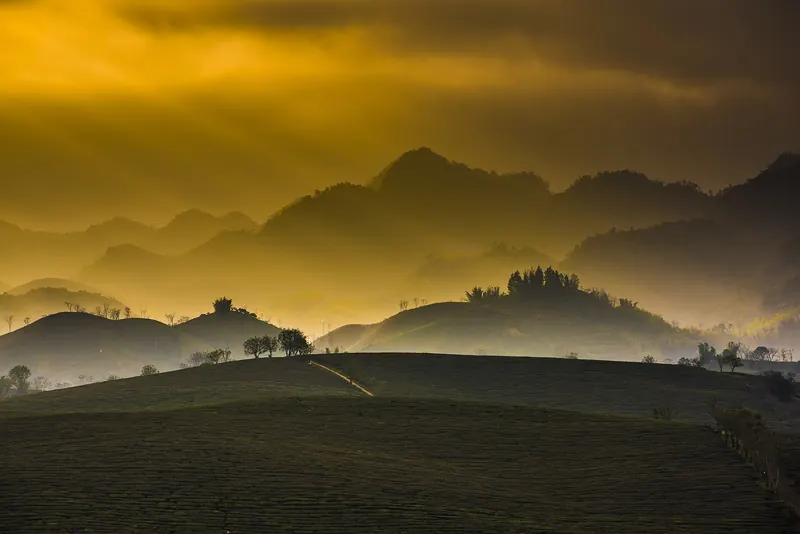
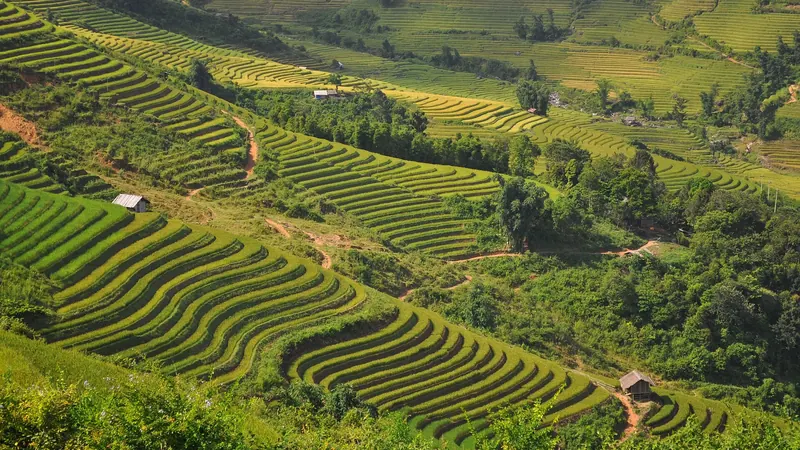
The French built their entrenched camp on the floor of the Muong Thanh valley, the largest rice-growing basin in the north-west: the Vietnam News Agency describes it as more than 140 square kilometres of paddy stretching over 20 kilometres. Around it were hilltop strongpoints with French names, such as Dominique and Eliane, which Vietnamese maps label with letters and numbers: Eliane 2 is Hill A1, and Dominique 2 is Hill D1. Knowing both names makes the museum labels, French accounts and road signs line up.
The fighting, as the Vietnam News Agency's anniversary history puts it, began on 13 March 1954 with the attack on the Him Lam strongpoint and ended on 7 May, when the flag was raised over General de Castries' command bunker. That 56-day arc is the best way to order your visit: the museum for the overview, Hill A1 for the decisive fighting on the eastern hills, the bunker for the end, and the D1 monument for the view over the whole valley.
Stay in the town centre. The Victory Museum is on Vo Nguyen Giap Street, Hill A1 and the A1 National Martyrs' Cemetery are close by, and the bunker is about 700 metres from Hill A1 on the valley floor. Most visitors can see all of these in one unhurried day with short taxi hops in the heat.
Hill A1, the de Castries bunker and the D1 monument
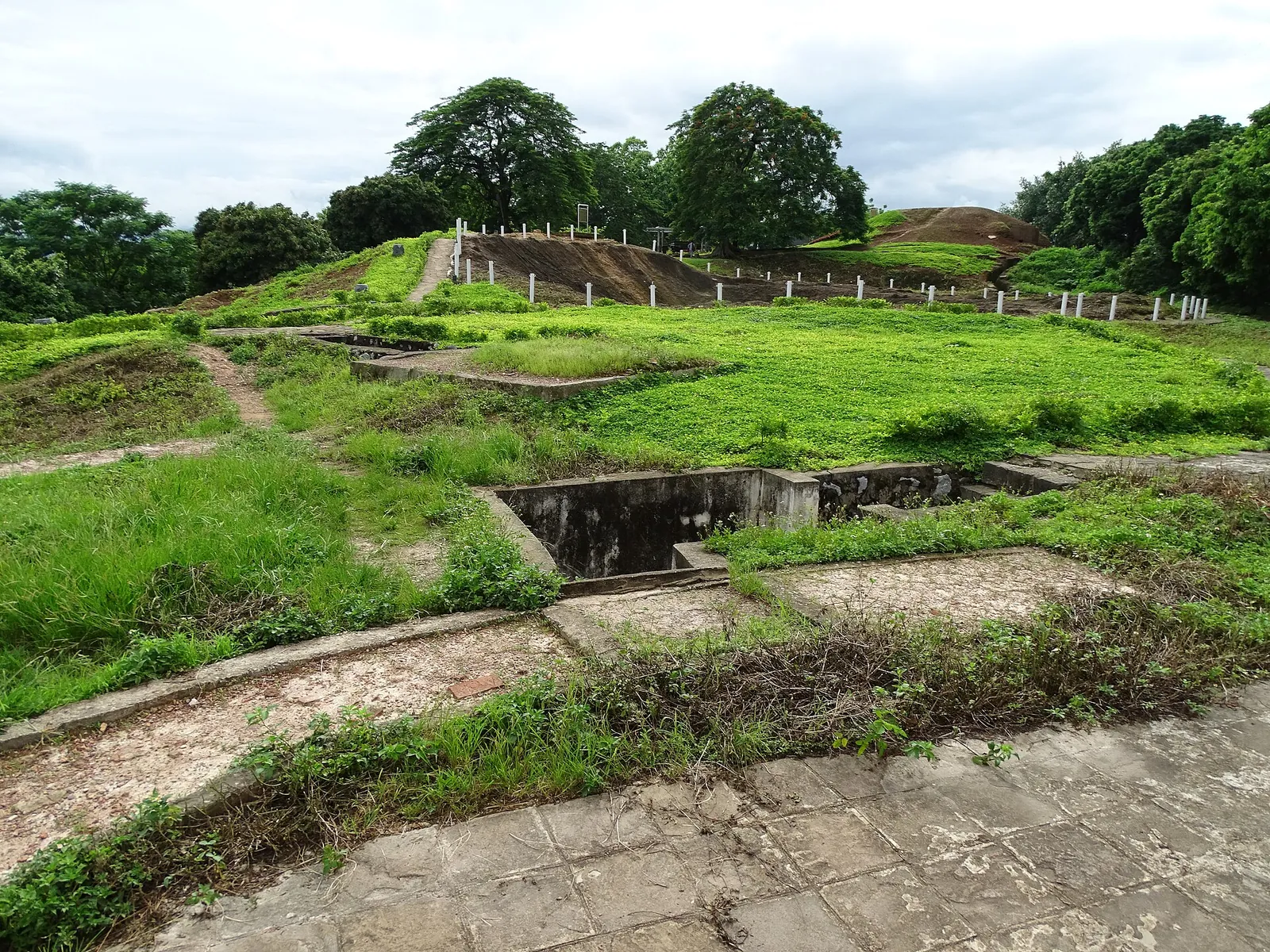
Hill A1 was, in the Vietnam News Agency's description, the highest and most important of the five eastern hills guarding the centre of the camp, and the Vietnam Law & Legal Forum calls it the scene of the fiercest combat of the battle. Today it is a grassy, landscaped hill with remnants of the trench network and a deep crater left by a Viet Minh explosive charge. Walk it slowly in the morning or late afternoon; the paths are uneven and there is little shade on top.
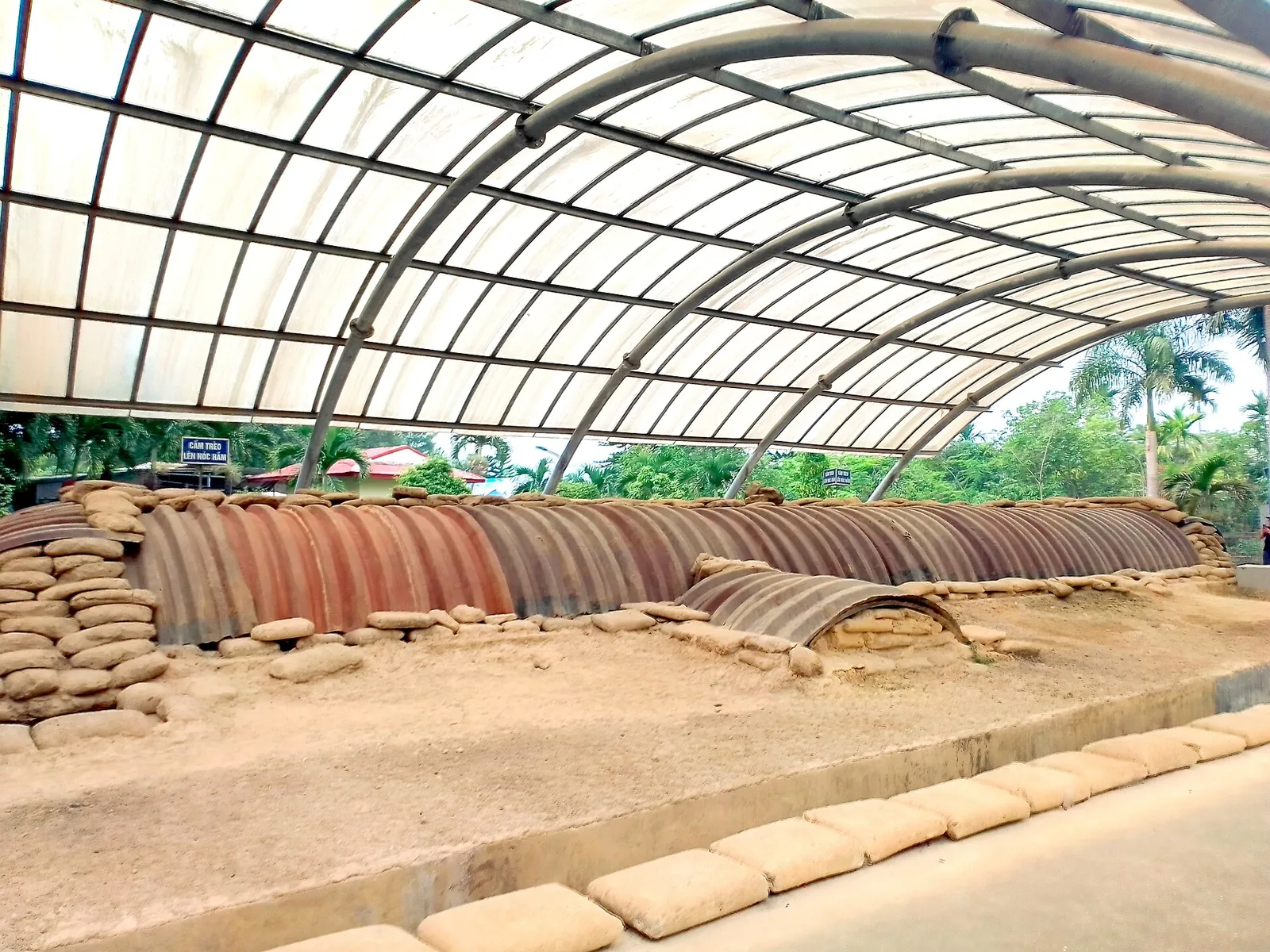
General de Castries' command bunker, on the flat ground about 700 metres from Hill A1, is preserved under a protective canopy, its sandbagged walls and corrugated roof intact. The Vietnam News Agency records that it was captured at 17:30 on 7 May 1954 by a company of Regiment 209 of Division 312. Captured French guns and tanks stand nearby; the site is small, so allow under an hour.
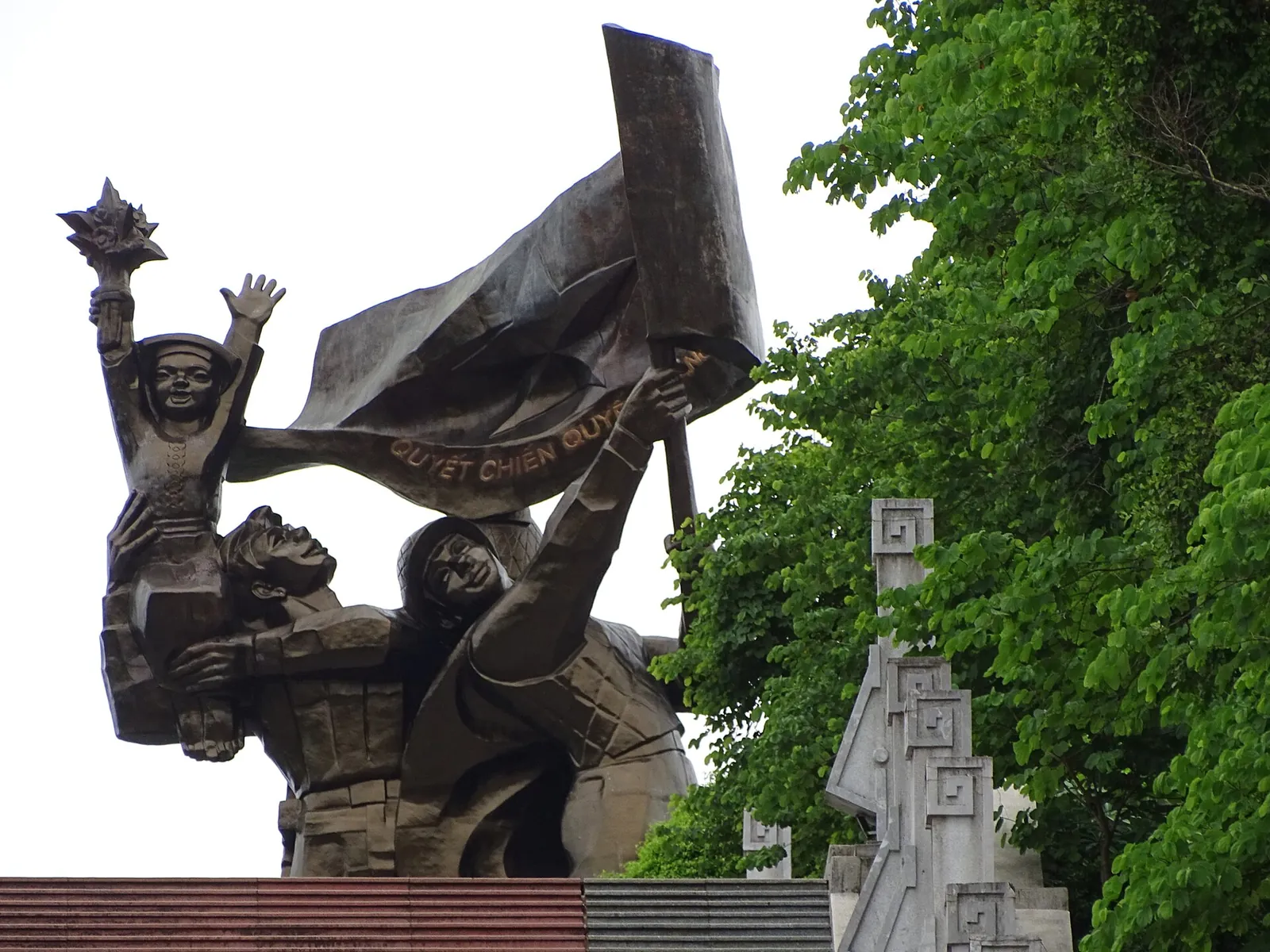
The Victory Monument stands on Hill D1 in the centre of town. Inaugurated for the 50th anniversary in 2004, it is described by the Vietnam News Agency as the tallest, largest and heaviest bronze statue in Vietnam, 12.6 metres high and made from 217 tonnes of bronze. Steps lead up to it from the street; go in the late afternoon for the view over the town and the Muong Thanh plain, and save your energy by doing it after the lower sites.
Make time for the local food
What to eat and where to look
Pa pinh top (folded grilled fish)
The signature dish of the Thai people of the north-west: a river fish such as carp is split along the back, stuffed with lemongrass, ginger, garlic, herbs and forest spices like mac khen, folded in half, clamped in bamboo and grilled over charcoal.
- Where to look
- Restaurants serving Thai ethnic food in the town centre; ask for pa pinh top by name.
- Fit it into your day
- Make it the centre of a shared dinner with sticky rice and a plate of greens.
River fish has many fine bones; the spice mix is strongly peppery.
Sticky rice or bamboo-tube rice with cham cheo
Muong Thanh is the north-west's largest rice basin, and local meals come with steamed sticky rice or rice cooked inside bamboo, to dip into cham cheo, a pounded relish of salt, dried chilli, garlic, ginger, mac khen and herbs.
- Where to look
- Served alongside grilled dishes in Thai-style restaurants; sticky rice is also sold in the morning markets.
- Fit it into your day
- Order it with any grilled meat or fish; it travels well as a snack for the drive to Muong Phang.
Cham cheo is fiery; taste a little first.
Grilled pork in banana leaf
Part of a traditional Thai feast in Dien Bien: chopped marinated pork with spring onion and coriander, wrapped in banana leaves and grilled slowly over charcoal.
- Where to look
- Thai ethnic restaurants and set feasts in the town; often available in a mixed grill.
- Fit it into your day
- A good dish to share at a group dinner after a day on the battlefield.
Usually seasoned with fish sauce and MSG; ask if you avoid them.
Nom hoa ban (Bauhinia flower salad)
A seasonal salad of boiled ban (Bauhinia) flowers mixed with forest greens and bitter bamboo shoots, seasoned with galangal, garlic, chilli and coriander rather than sour dressing.
- Where to look
- Thai restaurants in spring, when the ban flowers bloom around the March festival.
- Fit it into your day
- Order it as a side with grilled dishes if you visit in spring.
Seasonal; outside the flowering months it may not be on offer.
The Victory Museum: go first, and go early
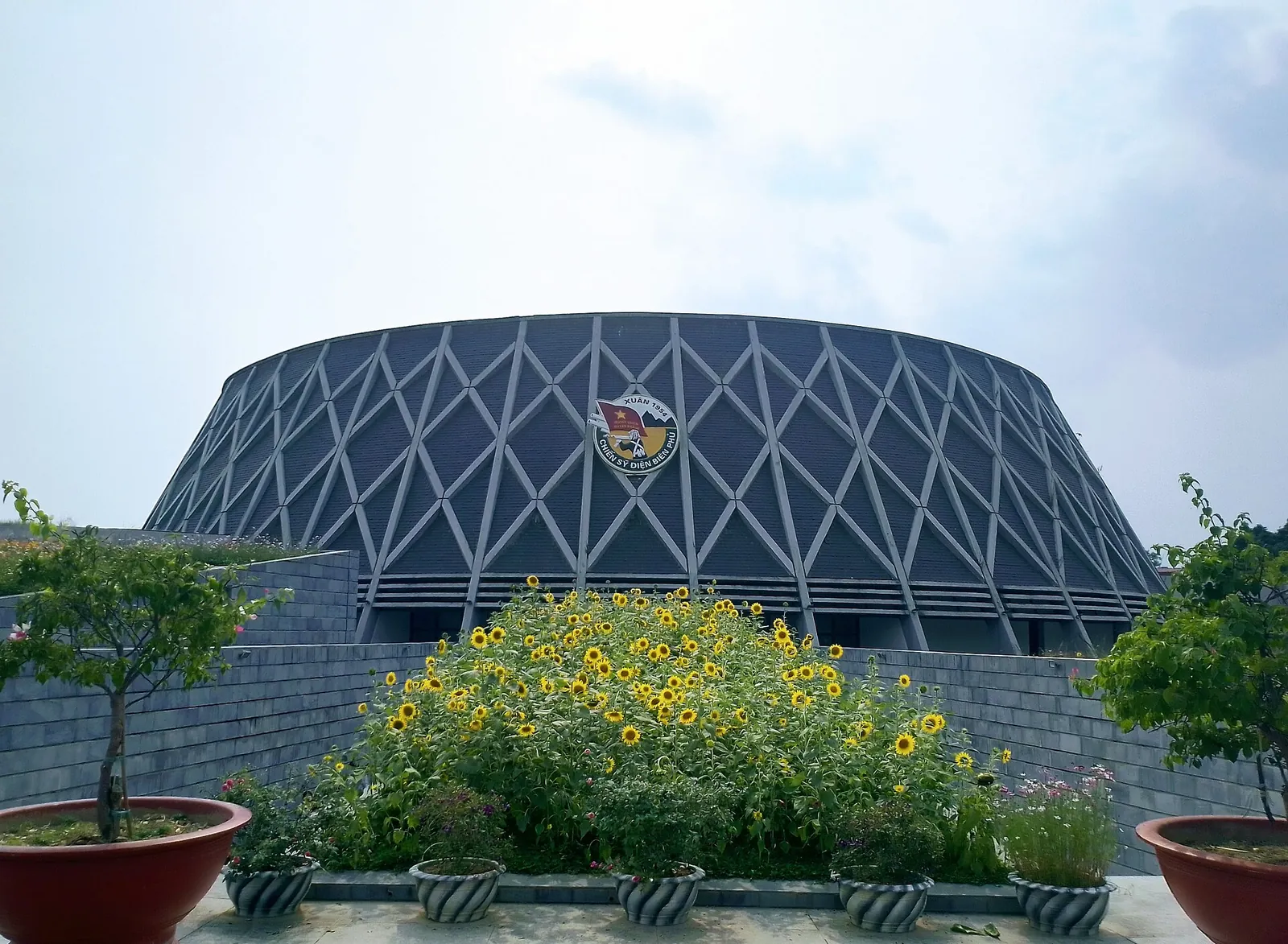
The Dien Bien Phu Historical Victory Museum on Vo Nguyen Giap Street is the easiest place to make sense of the battle. Its round roof is shaped like the woven hats of the soldiers who fought here, and according to the Vietnam News Agency its main floor shows some 1,000 documents, artefacts, photographs and maps. The highlight is a panoramic painting of the campaign with about 4,500 figures, described as the largest of its kind in Southeast Asia.
The museum closes at midday. When we checked on 2026-10-03, the most recent opening-hours notice we could find, issued by the museum and published by the Dien Bien Tourism Promotion Centre, listed 7:00 to 11:00 and 13:30 to 17:30 from 1 October 2024 until further notice. Arrive at opening time, spend the morning there, and keep the hills for after lunch. We could not reach an official page listing the current ticket price, so check it at the desk.
Near Hill A1, the A1 National Martyrs' Cemetery, built in 1958, holds the graves of soldiers who died in the campaign; its main building is designed after a Thai stilt house. It is an active place of remembrance, especially in the weeks before 7 May: dress modestly and keep voices low.
Muong Phang: General Giap's command post
The Viet Minh campaign headquarters is at Muong Phang, in forest at the foot of Pu Don mountain, more than 30 kilometres from the town centre. According to the Vietnam News Agency, it was General Vo Nguyen Giap's command post from 31 January to 15 May 1954, and its huts, tunnels and working spaces are preserved. A path climbs to a high point with a view over the valley and the old French positions.
Treat it as a half-day trip by taxi or hired car with a driver, ideally in the morning before cloud builds over the hills. It is the most atmospheric site in the area precisely because it is quiet: the contrast between the bare, cratered hills of the French camp and this hidden forest camp explains much of how the battle was won.
If you have more time, the Ban flower festival is held in Dien Bien Phu city in March. Vietnam's tourism board lists an incense ceremony at the war martyrs' temple and performances by the region's ethnic groups; the 2025 edition ran from 13 to 16 March. Check the current year's dates before planning around it.
Getting there: fly in, drive the loop, or cross from Laos
Dien Bien Phu has its own airport, on the edge of town. Its expansion, opened in December 2023 according to the Civil Aviation Authority of Vietnam, added a new 2.4-kilometre runway able to take A320 and A321 jets. Vietnam Airlines' site lists flights from Dien Bien to Hanoi and Ho Chi Minh City; in December 2025 the Civil Aviation Authority reported a new Ho Chi Minh City – Dien Bien – Hanoi service alongside daily Dien Bien – Hanoi flights. Schedules change, so check the airline before you plan.
Flying in and out from Hanoi is the efficient way to see the battlefield in two nights. By road, Dien Bien Phu is the far western end of the long loop through the north-west mountains: it pairs naturally with Moc Chau on the way from Hanoi and with Sapa to the north, but each leg is a full day in the mountains, not a transfer to squeeze in before sightseeing. The UK government's travel advice warns of landslides blocking roads in the rainy season and of the high risk of riding a motorbike in Vietnam.
Tay Trang international border gate, on the Lao border, connects with the Pang Hok checkpoint in Laos. A Vietnamese government notice of December 2025 lists Tay Trang among the border gates where foreigners can enter and leave Vietnam on an e-visa. E-visas are tied to the entry and exit points you choose, so name Tay Trang on your application if you plan to use it.
A workable two-night plan
This is an editorial suggestion, not a timetable. Check the museum's current hours and your flight times before you fix the order.
- Arrival day: fly in from Hanoi or arrive by road; if there is light left, climb to the Victory Monument on Hill D1 for the view over the valley.
- Full day — morning: the Victory Museum at opening time, then the A1 National Martyrs' Cemetery near Hill A1.
- Full day — afternoon: Hill A1 after the midday break, then the de Castries bunker on the valley floor; dinner in the centre.
- Departure morning (or a third day): a half-day by car to General Giap's command post at Muong Phang before an afternoon flight or the drive onward.
Practical questions
How many days do I need in Dien Bien Phu?
One full day covers the museum, Hill A1, the de Castries bunker and the Victory Monument. Add a half-day for General Giap's command post at Muong Phang, more than 30 kilometres away. Two nights is the comfortable minimum if you fly from Hanoi.
How do I get to Dien Bien Phu from Hanoi?
The quickest way is to fly: Vietnam Airlines lists flights between Dien Bien and Hanoi. By road it is a long mountain journey, best broken with a night or two in places such as Moc Chau as part of a north-western loop.
What are the opening hours of the Dien Bien Phu Victory Museum?
When we checked on 2026-10-03, the latest notice we found listed 7:00–11:00 and 13:30–17:30, in effect from 1 October 2024 until further notice. The museum closes at midday, so go first thing in the morning.
Can I cross into Laos from Dien Bien Phu?
Yes, through Tay Trang international border gate, opposite Pang Hok in Laos. A December 2025 Vietnamese government notice lists Tay Trang as a port for e-visa entry and exit; choose it on your application, because e-visas are tied to the ports you select. Check the Lao side's visa rules separately.
What are Hill A1 and Hill D1?
They are two of the hill strongpoints of the French camp: A1 was Eliane 2, the scene of the fiercest fighting, and D1 was Dominique 2. A1 keeps its trenches and mine crater; D1 now carries the bronze Victory Monument.
When is the best time to visit Dien Bien Phu?
Spring and autumn avoid the cold of the northern mountain winter and the summer rains, when landslides can close roads. Around 7 May the town is busy with anniversary visitors, and the Ban flower festival is held in March.
Sources and checks before you travel
Reference sources for the version dated 3 October 2026. Confirm opening times, access, transport and conditions for your travel dates.
- Vietnam Law & Legal Forum (Vietnam News Agency): Dien Bien Phu battlefield relics complex ↗ — opens in a new tab
- Dien Bien Tourism Promotion Centre via Du Lich Tay Bac: museum opening hours notice ↗ — opens in a new tab
- VietnamPlus (Vietnam News Agency): Dien Bien Phu Campaign – globe-shaking victory ↗ — opens in a new tab
- VietnamPlus: Hill A1 historic site pivotal to Dien Bien Phu Victory ↗ — opens in a new tab
- VietnamPlus: De Castries bunker, a symbol of historic victory ↗ — opens in a new tab
- VietnamPlus: Must-see historical sites in Dien Bien ↗ — opens in a new tab
- VietnamPlus: A visit to the command headquarters of the Dien Bien Phu Campaign ↗ — opens in a new tab
- VietnamPlus: Admiring the largest rice field in the Northwest ↗ — opens in a new tab
- Civil Aviation Authority of Vietnam: inauguration of the expanded Dien Bien airport ↗ — opens in a new tab
- Civil Aviation Authority of Vietnam: Vietnam Airlines opens Ho Chi Minh City – Dien Bien ↗ — opens in a new tab
- Vietnam Airlines: flights from Dien Bien ↗ — opens in a new tab
- Viet Nam Government News: more ports for e-visa entry and exit ↗ — opens in a new tab
- UK FCDO travel advice: Vietnam ↗ — opens in a new tab
- Vietnam National Authority of Tourism: Ban Flower Festival 2025 ↗ — opens in a new tab
- Vietnam National Authority of Tourism: Weather and climate in Vietnam ↗ — opens in a new tab
- Viet Nam News: 'Pa pinh top' dish hooks mountain visitors ↗ — opens in a new tab
- Viet Nam News via The Nation: Thai ethnic cuisine in Dien Bien ↗ — opens in a new tab
Does this experience fit your route?
Most travellers combine Dien Bien Phu with Hanoi. Check exactly which sites a tour includes, and whether Muong Phang is part of it, before you book.
Browse relevant experiences on Viator ↗ — opens in a new tabAffiliate link · Book with ViatorPhoto credits
The Dien Bien Phu Victory Museum, whose roof recalls the woven hats worn by Vietnamese soldiers in 1954
Photograph: Ioe2015 — opens in a new tab · CC BY-SA 4.0 — opens in a new tab
Changes: Resized and converted to WebP; displayed with responsive crops. · Original photograph and licence details ↗ — opens in a new tab
Restored French trench lines on Hill A1 (Eliane 2), the most fiercely fought-over hill of the battle
Photograph: Adam Jones from Kelowna, BC, Canada — opens in a new tab · CC BY-SA 2.0 — opens in a new tab
Changes: Resized and converted to WebP; displayed with responsive crops. · Original photograph and licence details ↗ — opens in a new tab
The French command bunker of General de Castries, preserved under a canopy in Dien Bien Phu
Photograph: Ioe2015 — opens in a new tab · CC BY 4.0 — opens in a new tab
Changes: Resized and converted to WebP; displayed with responsive crops. · Original photograph and licence details ↗ — opens in a new tab
The bronze Victory Monument on Hill D1, inaugurated for the battle's 50th anniversary in 2004
Photograph: Adam Jones from Kelowna, BC, Canada — opens in a new tab · CC BY-SA 2.0 — opens in a new tab
Changes: Resized and converted to WebP; displayed with responsive crops. · Original photograph and licence details ↗ — opens in a new tab
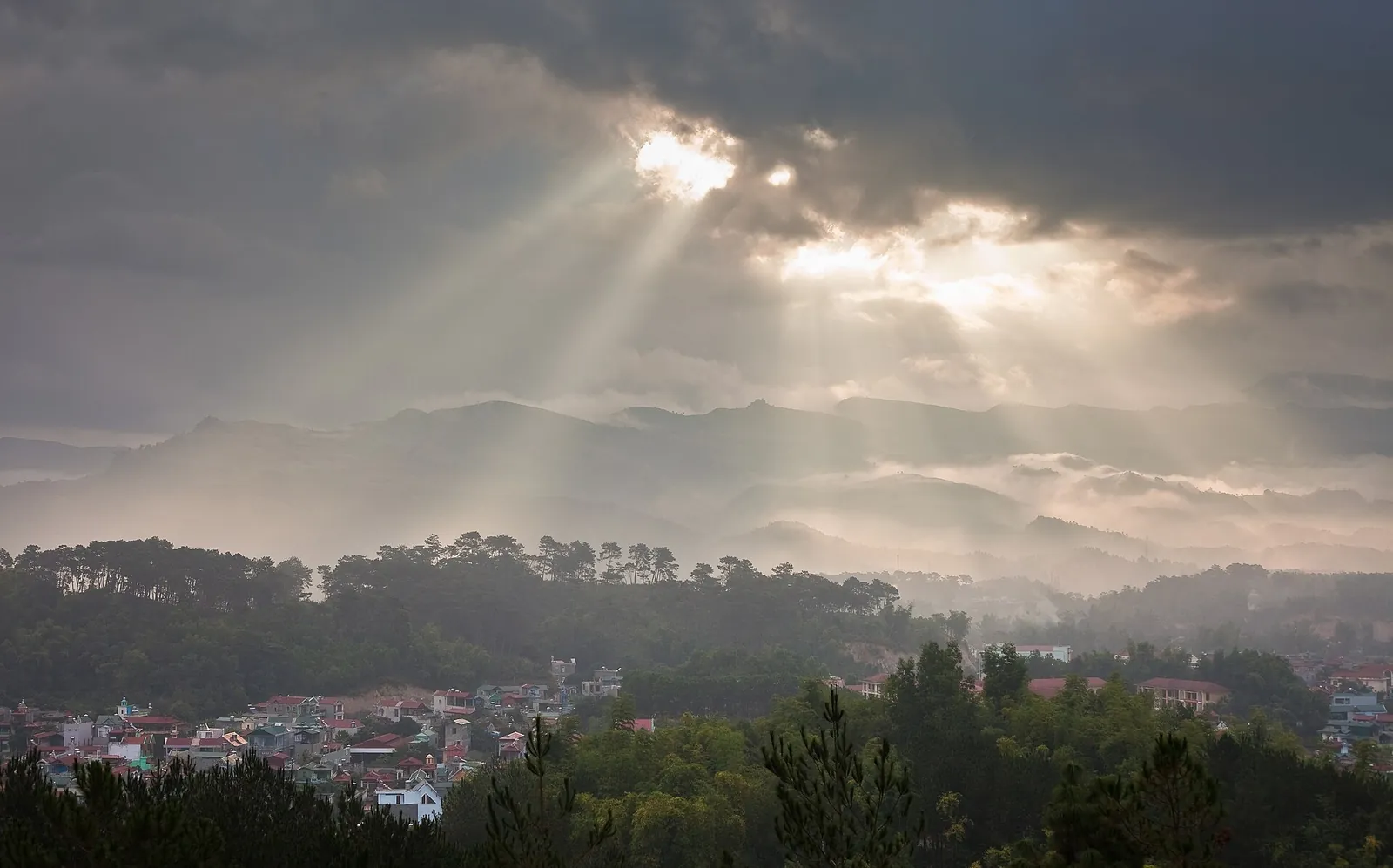
The Muong Thanh valley seen from Dien Bien Phu, the basin where the 1954 battle was fought
Photograph: [Tycho] talk , http://shansov.net — opens in a new tab · CC BY-SA 3.0 — opens in a new tab
Changes: Resized and converted to WebP; displayed with responsive crops. · Original photograph and licence details ↗ — opens in a new tab