Plan your trip · Vietnam
Vietnam trip budget: what rooms, food, transport and tours really cost
Vietnam has a reputation as a cheap country, and day to day it can be: a bowl of noodles at a pavement stall, a city bus from the airport or a bicycle for the day costs very little. What decides the size of a Vietnam budget is something else. The country is long, so the number of bases and the way you link them matter more than the price of lunch, and a handful of big-ticket experiences, from Ha Long Bay cruises to cave expeditions and mountain cable cars, can cost more than a week of rooms and meals. This guide works from the prices that operators and heritage sites publish themselves, and is honest about the costs that nobody publishes.
- Suggested time
- About two weeks for north, centre and south with three bases; one week for a single region
- Where to stay
- Hanoi Old Quarter, Hoi An or Hue, and central Ho Chi Minh City
- Season and timing
- Any season; budgets rise around Tet (January or February) and public holidays, when flights cost more and transport sells out
The short answer
Build the budget in two layers. First the fixed costs: international flights, the visa if you need one (check the fee on the official portal), one domestic flight for each long north–south leg, and any big-ticket trip such as an overnight Ha Long cruise, a Phong Nha cave tour or the Fansipan cable car. Then the daily costs: a room, three meals and short rides. For about two weeks, three bases (Hanoi, Hoi An or Hue, and Ho Chi Minh City) keep transfers down; every extra base adds a transfer day and its cost. Sleep where you can walk to food and sights, eat where locals eat, use airport buses rather than taxis, and decide early which one or two expensive experiences are worth it to you.
Start with the shape of the trip, not the room price
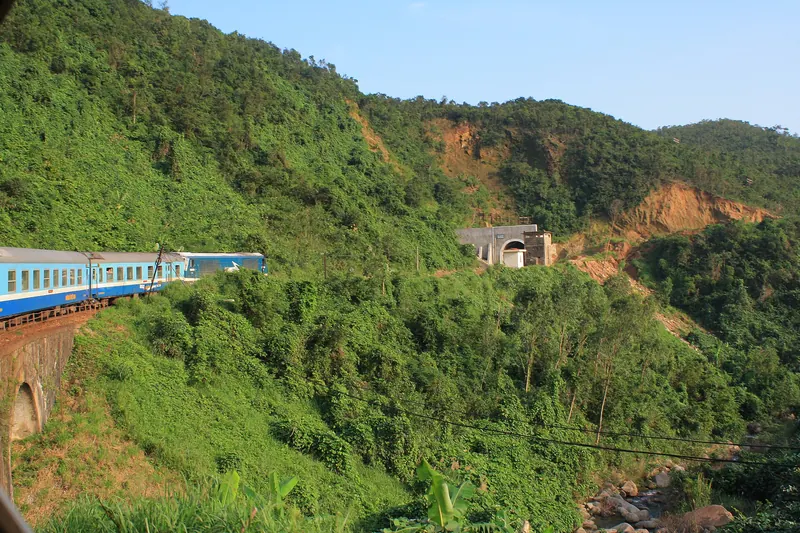
The biggest saving in Vietnam is a route with fewer moves. The national tourism board's transport guide points out that the train from Hanoi to Ho Chi Minh City can take up to 30 hours, and 16 hours from the central coast to either end is common, while a one- or two-hour flight covers the same ground. It describes domestic fares as surprisingly reasonable. Every extra base adds an airport or bus-station transfer at each end, a half day lost and often a pricier last-minute ticket, so three well-chosen bases for two weeks usually cost less than six quick stops.
Choose rooms by what they save you, not only by what they cost. A cheaper room in an outer district that needs a taxi to every sight and dinner can end up dearer than a slightly more expensive one in Hanoi's Old Quarter, Hoi An or central Ho Chi Minh City, where you walk to street food and the main sights. Some nights pay for themselves twice: a sleeper berth on the train or a bed on an overnight cruise also replaces a hotel night, so count it that way when you compare.
Holidays are the one time when everything costs more at once. The tourism board's airport guide warns that flight prices go up around public holidays, its transport guide says train tickets for holidays and peak times should be booked well in advance, and its FAQ notes that many businesses close during Tet, the Lunar New Year. If your dates touch Tet, book transport and rooms early or plan a slower stay in one place.
Eating well on a small budget
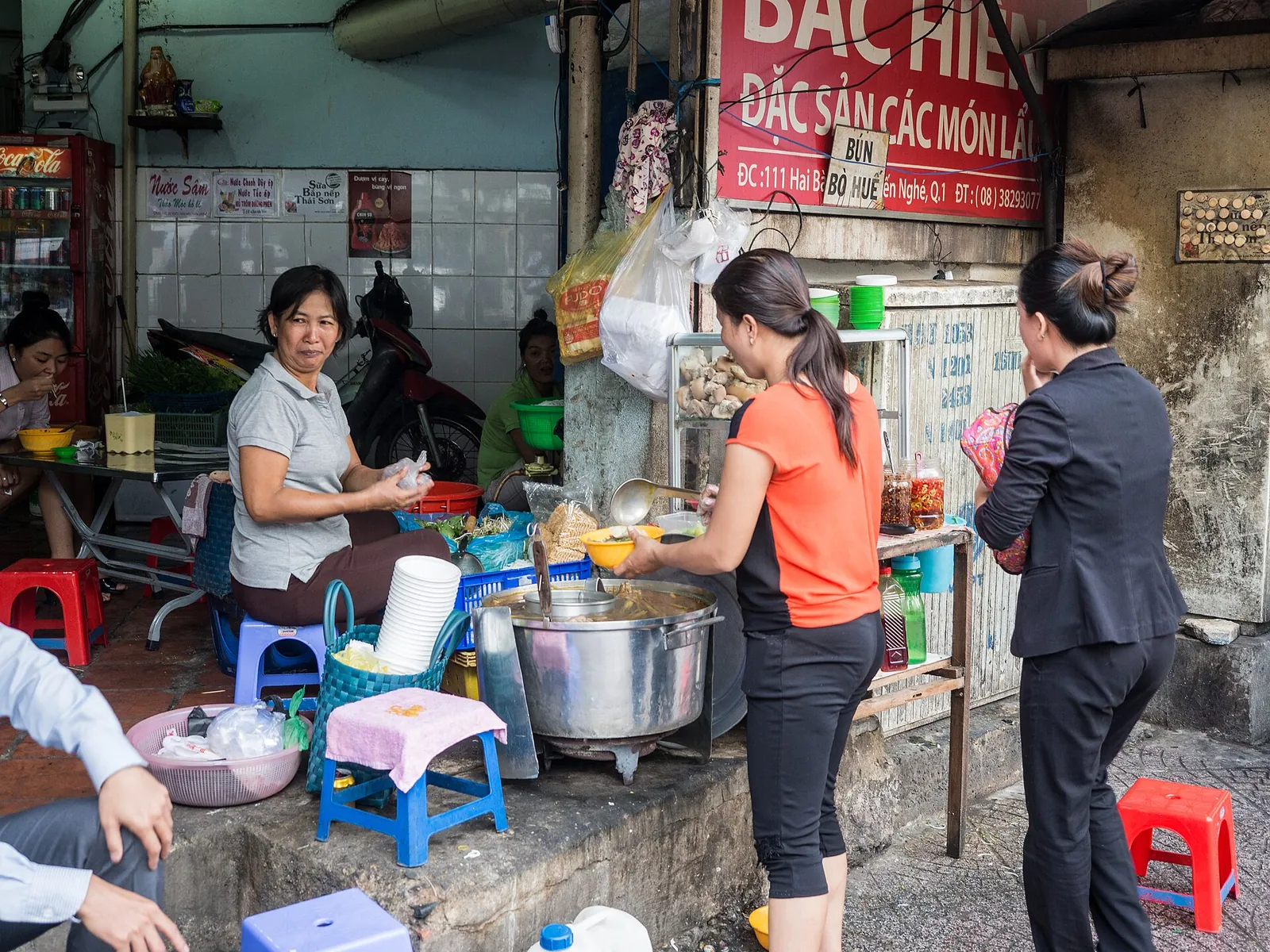
Food is where Vietnam is easiest on a budget, as long as you eat the way Vietnamese people do. The best-value meals come from places that cook one thing: a noodle-soup shop open from breakfast, a pavement grill selling bún chả at lunch, a rice shop with a counter of ready dishes. Low plastic stools and a short menu are a better sign than an English picture board. Where no prices are shown, ask before you order, especially for seafood sold by weight.
Eat your main meal out and keep the hotel for sleeping. Hotel breakfasts and resort restaurants are where daily food costs climb fastest, while a bowl of phở or a filled bánh mì from a bakery counter is a full meal. Tipping is not expected in ordinary restaurants: the tourism board's etiquette guide says tips are more common for tour guides and in spas, and that there is no obligation to tip.
The tourism board also describes Vietnam as one of the most vegetarian-friendly countries in the world, though vegan food is harder to find because fish sauce goes into so much of the cooking. Its advice is that desserts are often vegan by default.
Make time for the local food
What to eat and where to look
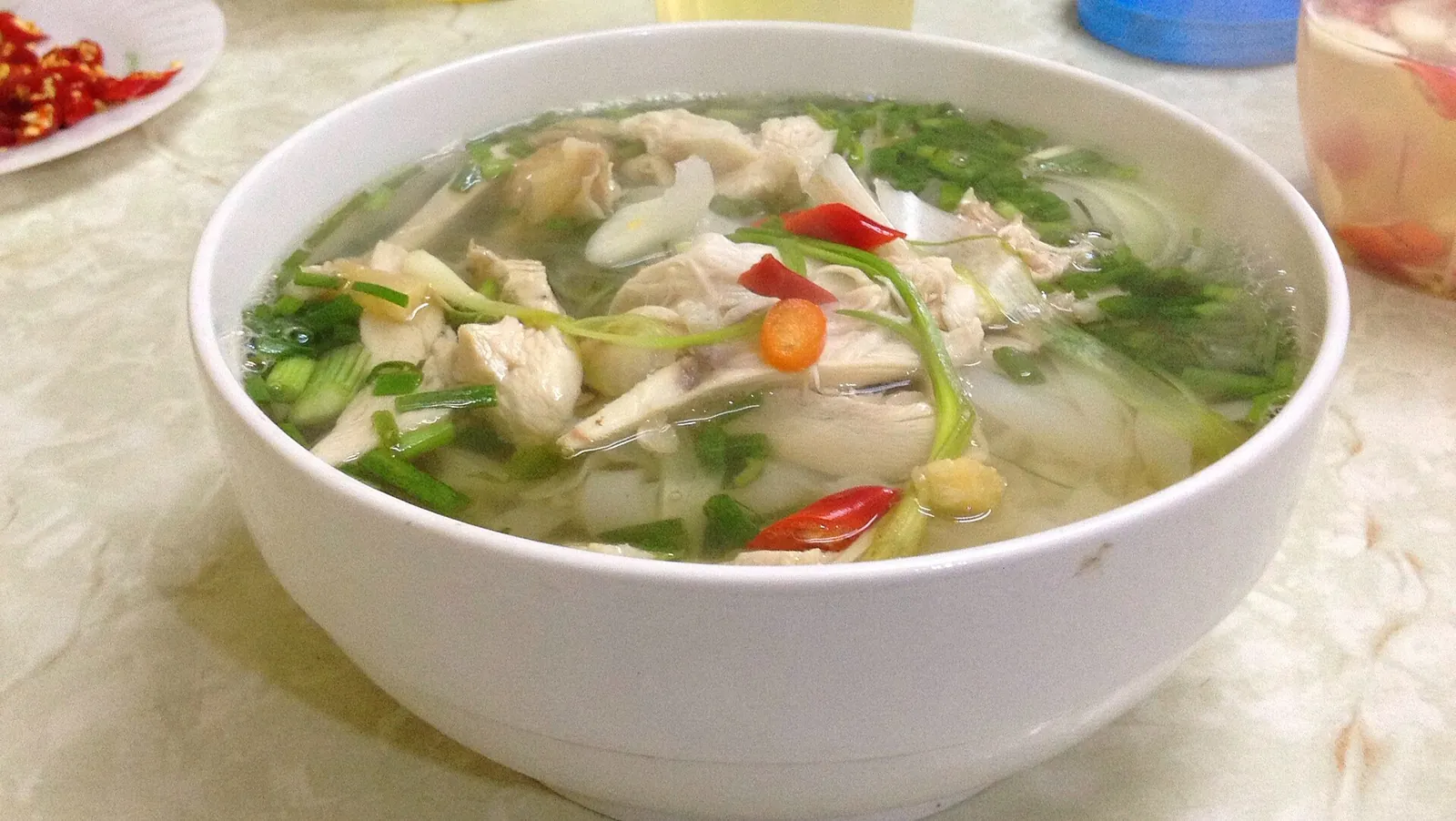
Phở (rice noodle soup)
Flat rice noodles in a clear beef or chicken broth with herbs, lime and chilli. A bowl from a specialist shop is a full, cheap breakfast and the best argument against paying for a hotel buffet.
- Where to look
- Small shops that serve one or two kinds of phở, busiest early in the morning, in Hanoi's Old Quarter and every other city.
- Fit it into your day
- Breakfast before a day of sightseeing; go early, as some shops close once the broth runs out.
Beef may be served rare and cooks in the hot broth; ask for well-done (chín) if you prefer.
Bánh mì
A crisp baguette filled with pâté, cold cuts or grilled meat, pickled vegetables, herbs and chilli. It is a complete meal that travels well, which makes it ideal for bus and train days.
- Where to look
- Bakery counters and street carts in Hoi An, Ho Chi Minh City and Hanoi; pick a stall with a steady queue and fresh bread.
- Fit it into your day
- Lunch on the move, or a takeaway before an early bus or a long train leg.
Contains pork and pâté in most versions; ask for egg (trứng) or a vegetarian filling if you avoid meat.
Cơm tấm (broken rice)
Broken rice with a grilled pork chop, a slice of egg-and-pork meatloaf, pickles and fish sauce. A southern working lunch that fills you for the afternoon.
- Where to look
- Rice shops and pavement grills across Ho Chi Minh City, especially at lunchtime.
- Fit it into your day
- Lunch in Ho Chi Minh City between museum visits.
Contains pork and fish sauce; prices rise with every extra topping, so order the basic plate first.
Bún chả
Grilled pork patties and slices in a sweet-sour dipping broth with rice vermicelli and a basket of herbs, Hanoi's classic lunch.
- Where to look
- Small shops with a charcoal grill at the door in Hanoi's Old Quarter and surrounding streets.
- Fit it into your day
- Lunch in Hanoi; it is traditionally a midday dish.
Contains pork and fish sauce; the spring rolls often added to the order cost extra and may contain shellfish.
Sightseeing tickets: small fees that add up
Most famous sights in Vietnam charge modest entry fees, but they are paid one by one, so a heritage-heavy trip adds up. When we checked on 2026-10-03, the Temple of Literature in Hanoi listed a standard ticket of 70,000 VND; the Imperial Citadel of Thang Long listed 100,000 VND for Vietnamese and international visitors; and Independence Palace in Ho Chi Minh City listed 80,000 VND for adults.
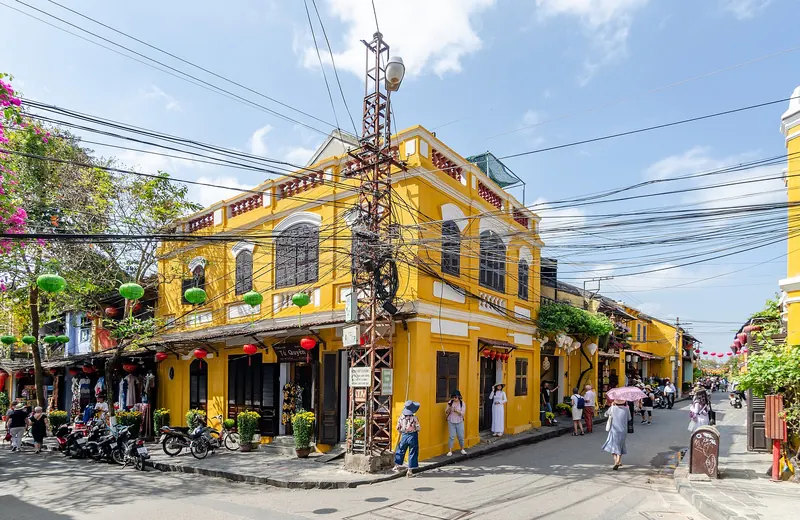
Hue and Hoi An are where tickets matter most. The price table on the Hue tourism portal (marked as updated in December 2023) gave 200,000 VND for the Imperial City and 150,000 VND each for the tombs of Minh Mang, Tu Duc and Khai Dinh, with combined tickets from 420,000 VND for the Imperial City plus two tombs and from 530,000 VND for the Imperial City plus three. If you will see several, the combined ticket is the better buy. In Hoi An, the heritage management's ticket guide describes an 80,000 VND ticket (the Old Town, the Japanese Covered Bridge or the Quan Cong Temple, and two other sites) and a 120,000 VND ticket (adding the museums and a third site); keep the stub for re-entry to the Old Town.
Some fees are charged per boat or per guide, which makes solo travel dearer. At Phong Nha Cave, the national park's page listed, when we checked on 2026-10-03, a 150,000 VND entry ticket per person plus 700,000 VND per boat for the return river trip, with up to 12 passengers per boat. Sharing a boat with other travellers changes the cost far more than the ticket does.
Getting around: cheap by bus, expensive in a rush
Airport transfers show the gap well. When we checked on 2026-10-03, Noi Bai Airport's own transport page listed Hanoi city bus routes from the airport at 12,000 to 55,000 VND a trip, including route 86 to Hanoi Railway Station at 50,000 VND (departing from 7:00 to 22:15), and the Hai Van airport bus at 90,000 VND. The tourism board's airport guide put a metered taxi into Hanoi at about 300,000 to 400,000 VND, plus a toll of around 15,000 VND, and a taxi from Tan Son Nhat into central Ho Chi Minh City at 120,000 to 180,000 VND plus a 10,000 VND toll. Treat those taxi figures as a rough guide rather than a tariff.
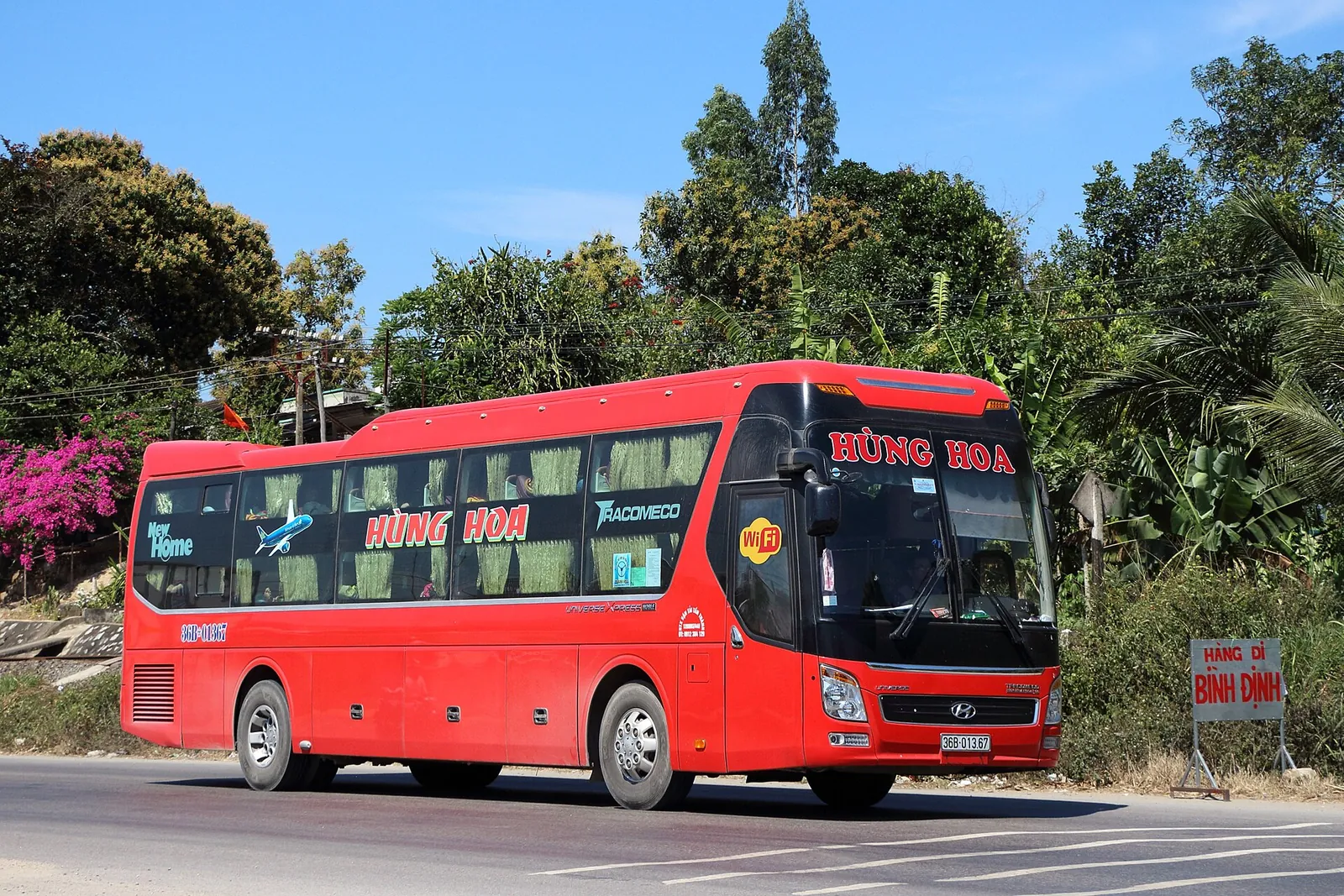
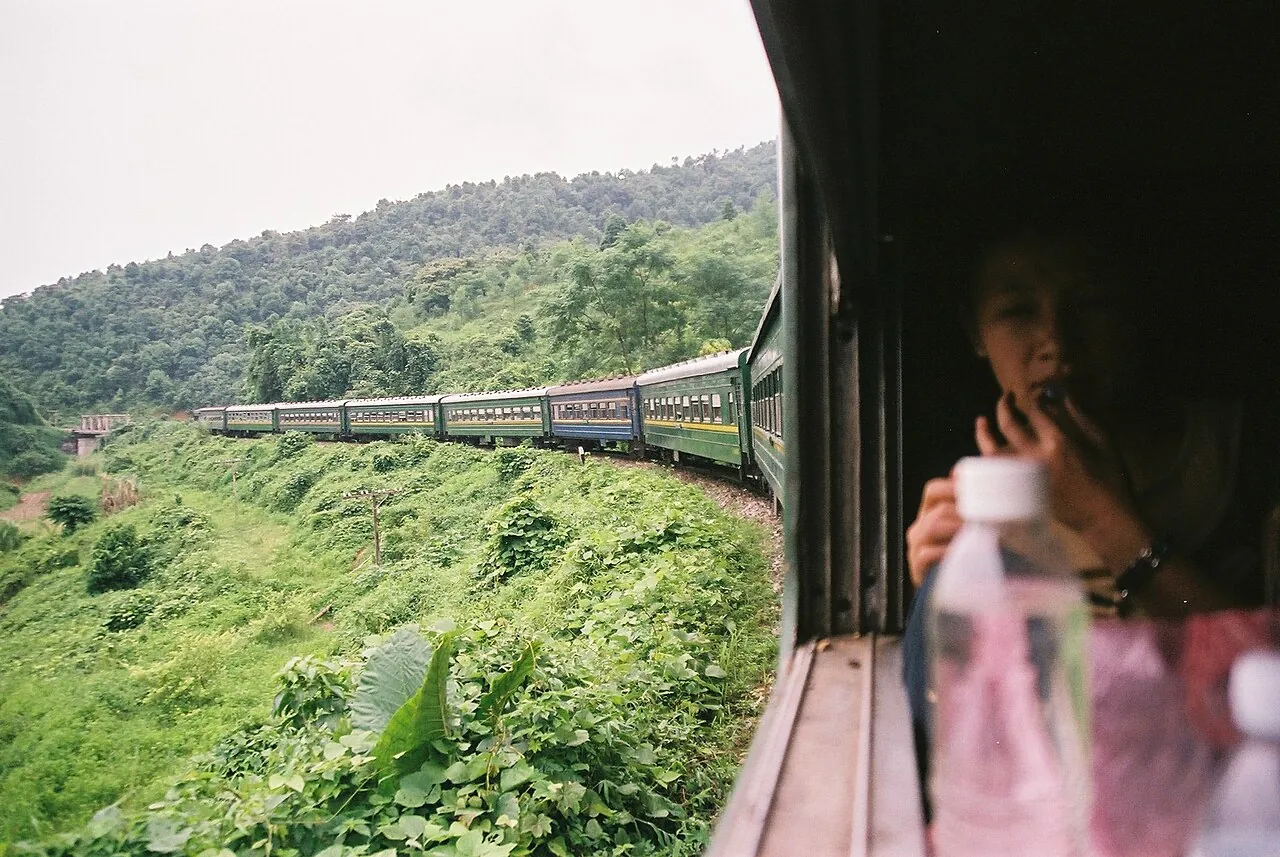
Between towns, the cheapest option is the open-tour sleeper bus. The tourism board calls these buses popular with budget travellers and recommends booking a day or two ahead, or at least two weeks ahead on Vietnamese holidays. Trains cost more time but can replace a night's room on overnight legs; children above five pay the full ticket price, according to the same guide.
In town, the tourism board's transport page lists scooter rental at 150,000 to 300,000 VND a day and bicycles at about 20,000 to 30,000 VND a day, and says Hoi An and Hue are easy to cover by bicycle. Ride-hailing apps such as Grab and Be need a Vietnamese SIM card, the board notes, and when you take a taxi, choose a known company: it names Mai Linh and Vinasun as trusted taxi firms and warns about rigged meters and overcharging.
The big-ticket items: cruises, caves, cable cars and flights
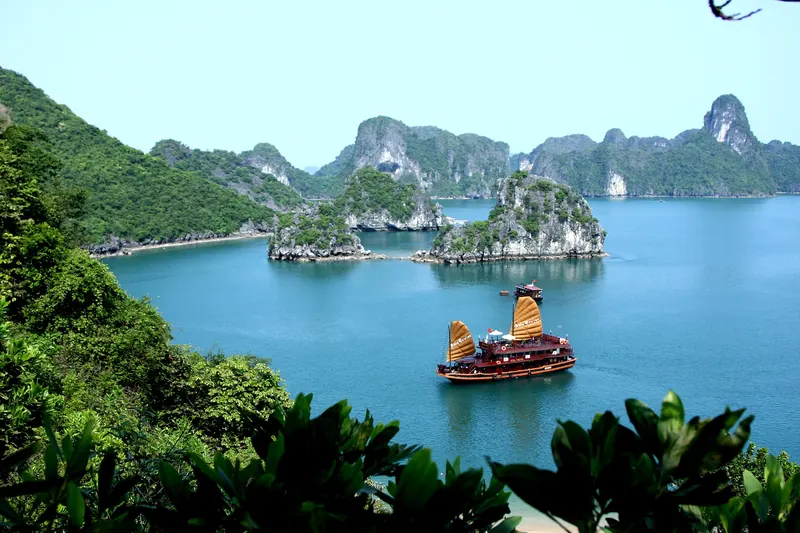
Ha Long Bay is the classic budget-breaker, because an overnight cruise bundles transport, a bed, meals and the bay's own visitor fee. When we checked on 2026-10-03, the Ha Long Bay management board listed day fees of 150,000 to 250,000 VND per person depending on the route (600,000 VND on the VHL7 route), and overnight fees of 500,000 to 750,000 VND depending on the route and number of nights. Check whether your cruise price includes the fee. A day cruise from Hanoi is the cheaper way to see the bay; an overnight cruise makes sense when you count it as a night's room as well.
Phong Nha's caves range from the river trip into Phong Nha Cave to multi-day expeditions. The national park lists Son Doong, the world's largest known cave, as a six-day, five-night expedition run exclusively by Oxalis Adventure, from January to August, for groups of up to ten, at 79,500,000 VND per person when we checked on 2026-10-03. That one trip can cost more than the rest of a two-week holiday, so decide on it first and build the budget around it.
Fansipan above Sa Pa is the mountain equivalent. The Sun World Fansipan Legend guide, dated June 2026, gave a reference price of 850,000 VND for an adult return cable-car ticket and 1,370,000 VND for a combination with the Muong Hoa mountain train and the summit funicular, and says prices change during the year. Pick one splurge per region rather than every attraction that sells a combo.
Flights are cheap until they are not. Budget carriers keep fares low, but the tourism board's FAQ notes that they have a reputation for delays, and fares rise around holidays. Leave a buffer before an international departure: a missed connection costs more than the difference between two fares.
Cash, deposits and the mistakes that cost the most
Keep cash for street food, market stalls and small purchases. The tourism board's airport guide says ATMs stand just outside the airport entrances and that most local machines dispense 2,000,000 to 5,000,000 VND per transaction, so plan your withdrawals rather than making many small ones. Our money guide covers notes, cards and QR payments in detail.
The costly mistakes are predictable. For taxis, use a known company or a ride-hailing app rather than a driver who approaches you. At Ha Long Bay, the management board advises against hiring boats from touts outside the passenger ports, and tells visitors to buy bay tickets and services inside the port terminal to avoid confusion over prices and boat types. Motorbike rental shops may ask for your passport or a deposit for rentals of more than a week, the tourism board notes, so read the terms before you hand anything over. And keep travel insurance in the budget alongside flights: it is one of the fixed costs, not an extra.
Three ways to spend: a template to fill in
We do not print daily totals, because no official source publishes room or meal prices and they change by city, season and exchange rate. Use these three patterns to price your own trip with live room rates and the fixed fees above.
- Lean: guesthouse or hostel rooms within walking distance of the old quarters, street food for most meals, airport buses and open-tour sleeper buses, bicycles in Hoi An and Hue, and one big-ticket trip at most (a Ha Long day cruise rather than an overnight).
- Mid-range: a central three- or four-star hotel, a mix of street food and sit-down restaurants, domestic flights for the long legs and taxis or ride-hailing in cities, combined heritage tickets in Hue, and one overnight cruise or guided tour per region.
- Comfortable: boutique hotels or beach resorts, private cars between towns (for example Hue to Hoi An), guided tours with entry fees included, and the big experiences that appeal most, such as an overnight Ha Long cruise, a Phong Nha cave tour or the Fansipan combo.
- Whatever the level: add the fixed costs first (flights, visa, insurance, big-ticket tours), then multiply your daily figure by the nights in each base, and keep a reserve for Tet or holiday pricing and for weather changes that force a rebooking.
Practical questions
Is Vietnam a cheap country to travel in?
Day to day, often yes: street food, city buses and bicycle hire cost little, and most sightseeing tickets are modest. The budget grows with the number of bases, domestic flights, private cars and a few expensive experiences such as overnight Ha Long cruises, cave expeditions or the Fansipan cable car.
What is the cheapest way from Noi Bai Airport to central Hanoi?
The public bus. When we checked on 2026-10-03, the airport listed route 86 to Hanoi Railway Station at 50,000 VND, other city routes at 12,000 to 55,000 VND, and the Hai Van airport bus at 90,000 VND. A taxi costs several times more.
Do I need to tip in Vietnam?
No. The national tourism board says tipping is more common for tour guides and in spas than in restaurants, and that there is no obligation to tip.
Is the Ha Long Bay fee included in cruise prices?
Check with your operator. The Ha Long Bay management board charges a visitor fee per person that depends on the route and on whether you stay overnight; when we checked on 2026-10-03 it ranged from 150,000 to 250,000 VND for most day routes and from 500,000 to 750,000 VND for overnight stays.
Is it cheaper to take the train or fly between Hanoi and Ho Chi Minh City?
Compare the full cost, not just the fare. The train takes up to 30 hours according to the tourism board, while a flight takes one to two hours; a sleeper berth replaces a night's room, but a flight saves a full day. Book early around holidays, when both trains and flights fill up and fares rise.
How much cash should I take out at a time?
The tourism board says most local ATMs dispense 2,000,000 to 5,000,000 VND per transaction. If your bank charges per withdrawal, plan fewer, larger ones; our money guide covers cards and QR payments.
Sources and checks before you travel
Reference sources for the version dated 3 October 2026. Confirm opening times, access, transport and conditions for your travel dates.
- Vietnam National Authority of Tourism: Transport within Vietnam ↗ — opens in a new tab
- Vietnam National Authority of Tourism: A traveller's guide to Vietnam's airports ↗ — opens in a new tab
- Vietnam National Authority of Tourism: Frequently asked questions ↗ — opens in a new tab
- Vietnam National Authority of Tourism: Vietnamese etiquette for travellers ↗ — opens in a new tab
- Vietnam National Authority of Tourism: Health and safety ↗ — opens in a new tab
- Noi Bai International Airport: Public transportation ↗ — opens in a new tab
- Temple of Literature (Van Mieu – Quoc Tu Giam) ↗ — opens in a new tab
- Imperial Citadel of Thang Long: ticket prices ↗ — opens in a new tab
- Independence Palace ↗ — opens in a new tab
- Visit Hue: ticket prices for Hue monuments ↗ — opens in a new tab
- Hoi An World Heritage: Hoi An ticket information ↗ — opens in a new tab
- Ha Long Bay Management Board: visitor fees ↗ — opens in a new tab
- Ha Long Bay Management Board: advice for visitors ↗ — opens in a new tab
- Phong Nha-Ke Bang National Park: Phong Nha Cave ↗ — opens in a new tab
- Phong Nha-Ke Bang National Park: Son Doong expedition ↗ — opens in a new tab
- Sun World Fansipan Legend: visitor guide 2026 ↗ — opens in a new tab
Does this experience fit your route?
Saving on rooms and food leaves room for one or two experiences that matter. Compare Ha Long day cruises, Hanoi food walks and Hoi An bike tours, and check what each price includes before you book.
Check dates and details on Viator ↗ — opens in a new tabAffiliate link · Book with ViatorPhoto credits
A pavement kitchen in Hanoi: low stools, one big pot and a short menu, the cheapest way to eat well in Vietnam.
Photograph: Esin Üstün from Istanbul, Turkey — opens in a new tab · CC BY 2.0 — opens in a new tab
Changes: Resized and converted to WebP; displayed with responsive crops. · Original photograph and licence details ↗ — opens in a new tab
Phở gà, chicken noodle soup, in Hanoi: breakfast at a specialist noodle shop costs far less than a hotel buffet.
Photograph: David McKelvey from Brisbane, Australia — opens in a new tab · CC BY 2.0 — opens in a new tab
Changes: Resized and converted to WebP; displayed with responsive crops. · Original photograph and licence details ↗ — opens in a new tab
A long-distance sleeper bus, the cheapest way between towns; book a day or two ahead, longer before holidays.
Photograph: Ilya Plekhanov — opens in a new tab · CC BY-SA 4.0 — opens in a new tab
Changes: Resized and converted to WebP; displayed with responsive crops. · Original photograph and licence details ↗ — opens in a new tab
The Reunification Express seen from a carriage window: slower than a flight, but a sleeper berth also replaces a night's room.
Photograph: Santi LLobet — opens in a new tab · CC BY 2.0 — opens in a new tab
Changes: Resized and converted to WebP; displayed with responsive crops. · Original photograph and licence details ↗ — opens in a new tab
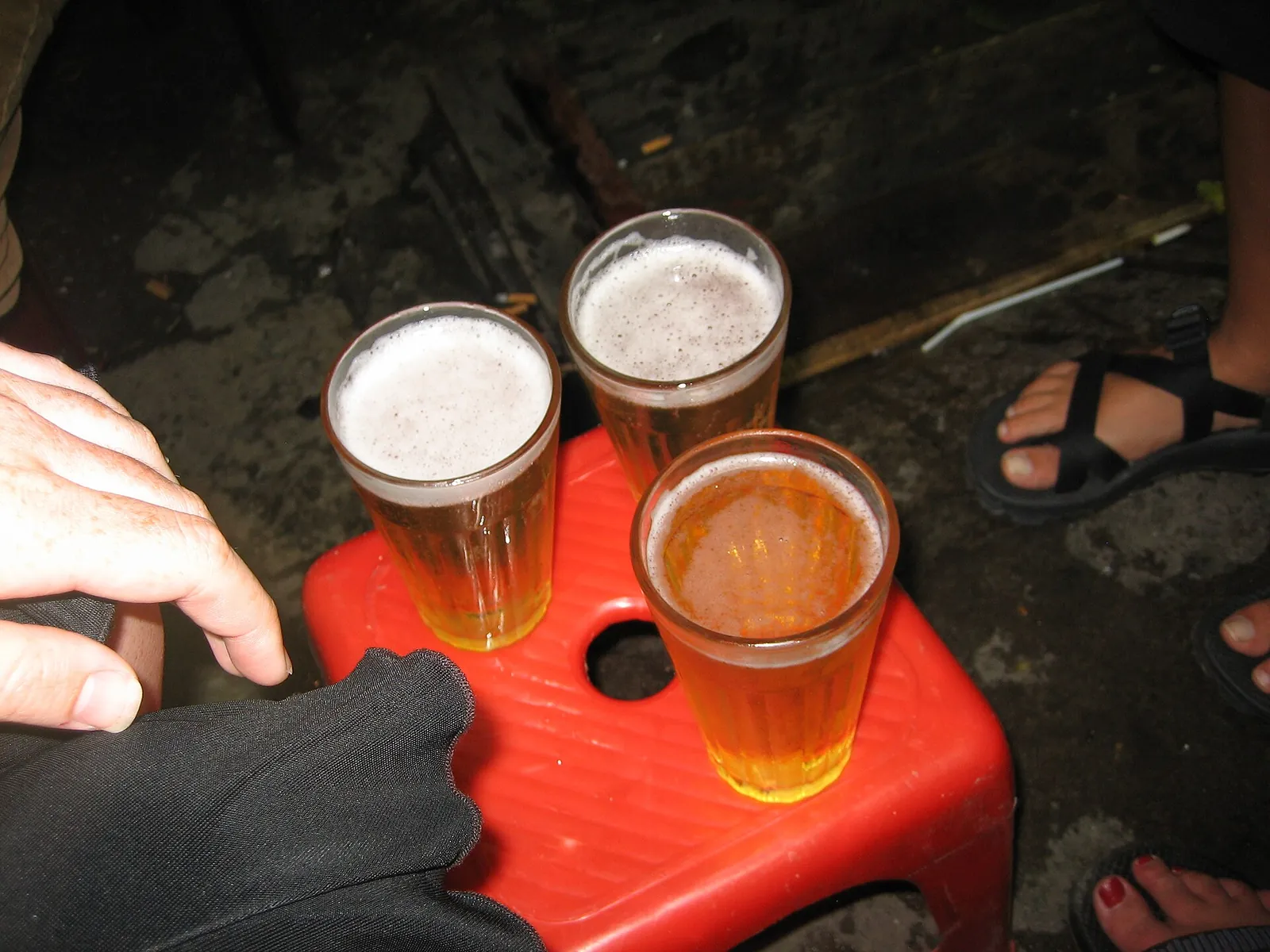
Bia hơi, Hanoi's fresh draught beer, served on a plastic stool at a pavement bar.
Photograph: thalling55 — opens in a new tab · CC BY 2.0 — opens in a new tab
Changes: Resized and converted to WebP; displayed with responsive crops. · Original photograph and licence details ↗ — opens in a new tab