Plan your trip · Thailand
Where to stay in Thailand: choose the base before the hotel
The best hotel in Thailand is the one that makes your actual days easy. A riverside room can be lovely and awkward for a rail-heavy Bangkok itinerary; an inexpensive island bungalow can need a paid ride every time you want dinner. Start with the neighbourhood and the arrival journey, then judge the room. This guide compares city, riverside and coastal settings without pretending that one district suits every traveller.
- Suggested time
- Choose each base before booking the room; allow a slower first evening after arrival
- Where to stay
- Bangkok for the arrival city, Chiang Mai for northern outings, and one coastal base
- Season and timing
- Compare your travel dates and cancellation terms; weather can change the value of a beach location.
The short answer
For a first trip, choose a Bangkok base close to the rail station or sights you will use, a Chiang Mai city base for walkable meals and straightforward outing pickups, and one coastal base with a realistic transfer plan. Compare the final room total, exact entrance, noise, stairs, air conditioning and cancellation conditions. A remote resort earns its place when you want to spend time there, not when you expect to leave it constantly.
Bangkok: build the stay around the journey
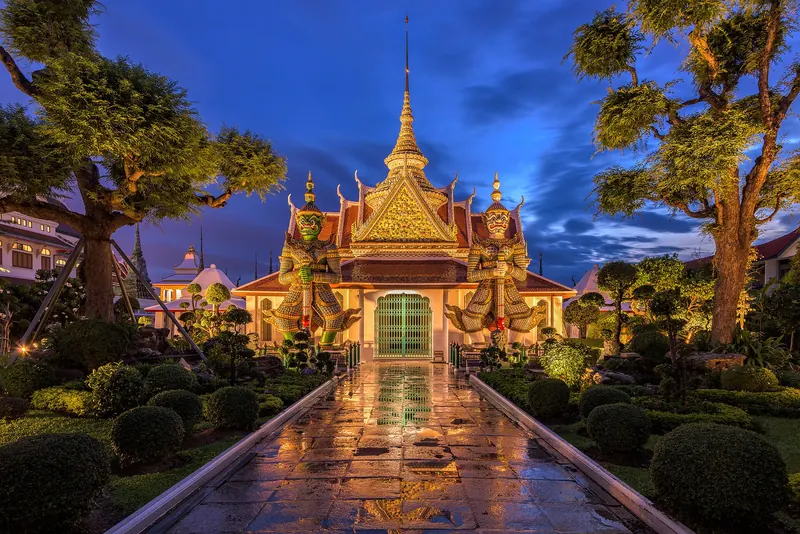
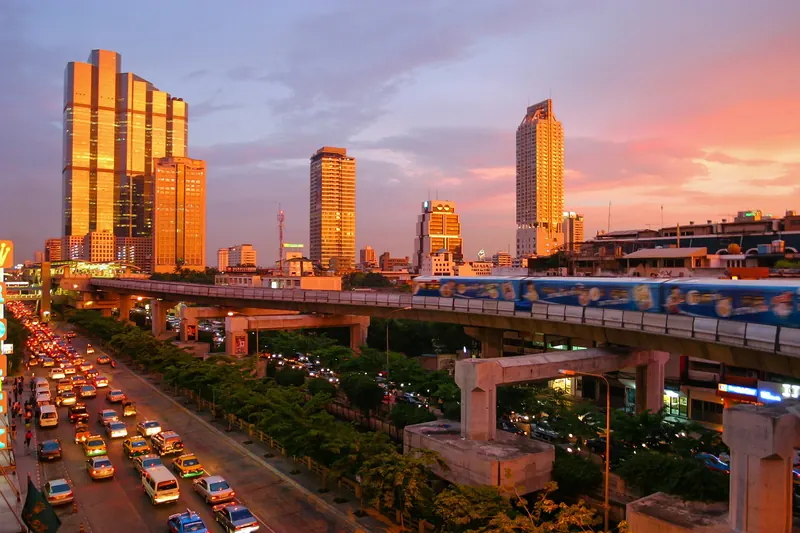
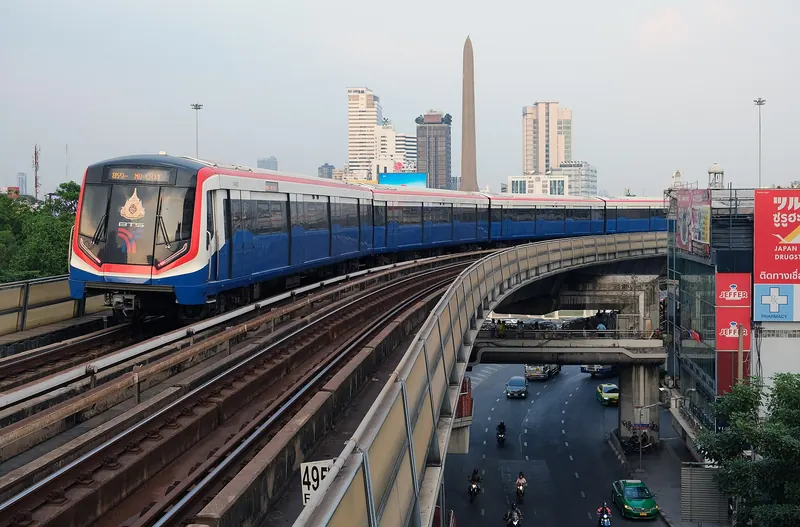
For Chinatown evenings, the streets around Wat Mangkon put food and the MRT Blue Line in the same plan. TAT’s old-city guide describes Wat Mangkon, Sam Yot, Sanam Chai and Itsaraphap as practical stations for Chinatown and heritage sights. Sanam Chai is next to Museum Siam, with Wat Pho and the Grand Palace reached on foot. Use that as a route model, then check the walk from the particular hotel: a district name alone does not establish a convenient entrance.
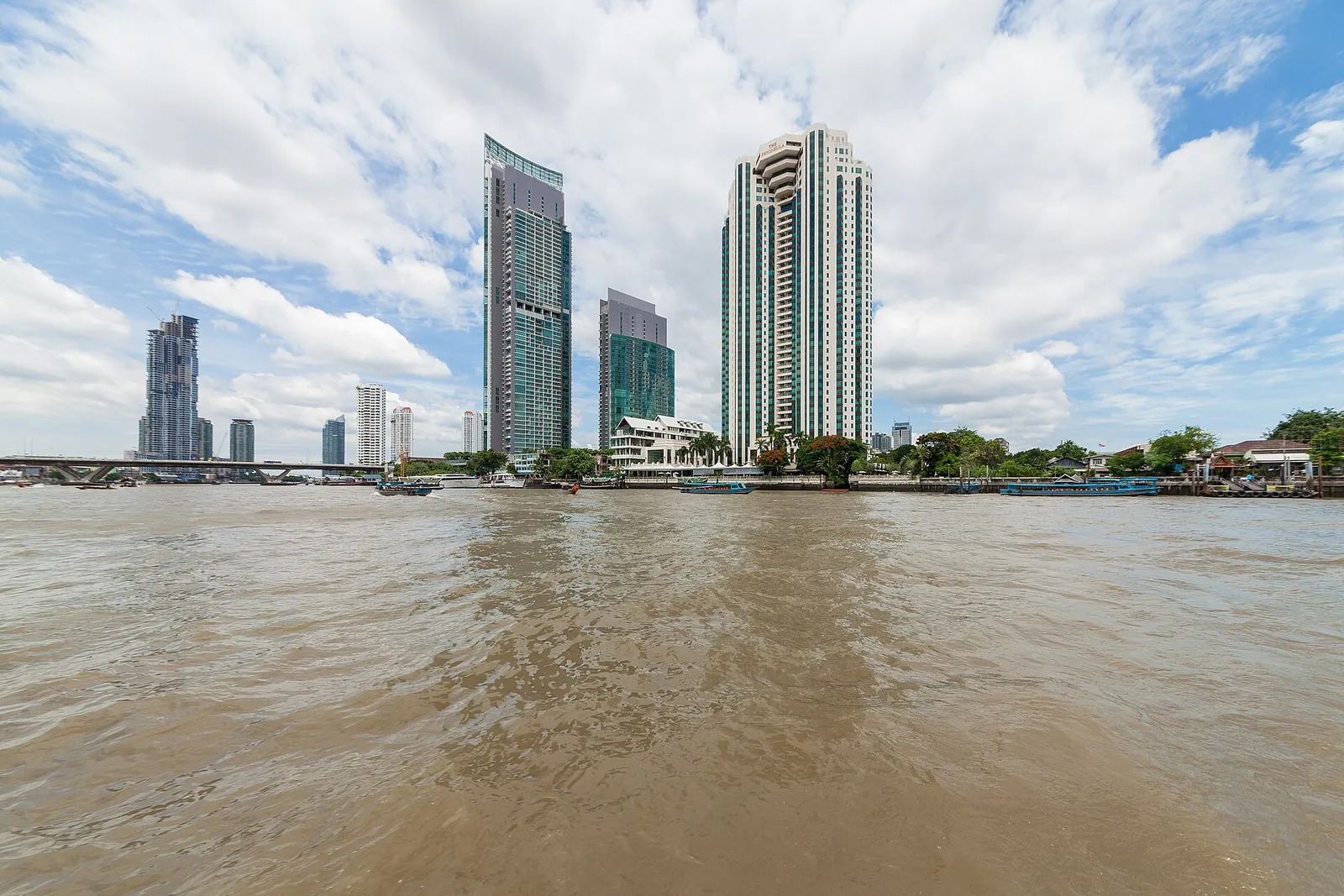
A riverside stay makes sense if river scenery and time at the property are priorities. Before booking, ask how you reach your first two sightseeing stops and how you return after dinner. A room described as riverside may involve a boat, a road transfer or a substantial walk to the place you actually want. For a rail-based stay, inspect the whole route to the station, including crossings, steps and luggage.
Chiang Mai: city convenience or a quieter river setting
TAT’s 2024 low-carbon hotel guide contrasts a city property at Tha Phae with stays beside the Mae Ping River. Those are useful settings to compare, not a promise that a named hotel remains certified or has rooms on your dates. Old City and Tha Phae accommodation suits travellers who want to walk out for meals and explore the city between excursions. A riverside resort can suit a slower stay with more time spent at the hotel.
For mountain or village outings, ask the operator whether your exact address is inside the pickup area. Do not assume every property carrying “Chiang Mai” in its name is near the Old City. Check the pickup time, additional transfer charge and return arrangement before committing to a remote stay.
Make time for the local food
What to eat and where to look
Noodles in Yaowarat
A bowl of noodles makes a straightforward meal between Chinatown walks; choose a stall by the dish being cooked rather than a vague all-purpose menu.
- Where to look
- Yaowarat and the streets around Wat Mangkon in Bangkok.
- Fit it into your day
- Ask the price for the bowl, toppings and drink before ordering; keep cash for a small stall.
Broths and sauces may contain meat, seafood or fish sauce; confirm ingredients if you have an allergy.
Chiang Mai market supper
A market meal lets a group choose several dishes, but several small purchases can add up faster than one clearly priced plate.
- Where to look
- Chiang Mai markets and eating streets near your accommodation.
- Fit it into your day
- Agree a meal allowance, buy one main dish first and add extras only after checking prices.
Choose freshly cooked food and identify pork, seafood and nut ingredients before ordering.
Coastal seafood
Fish and shellfish can be priced by weight or preparation rather than as a single meal. The useful comparison is the total cooked bill.
- Where to look
- Coastal restaurants and community markets around Hua Hin or your island base.
- Fit it into your day
- Ask the weight, cooking charge and total before the fish goes to the kitchen; share an agreed selection.
Shellfish is unsuitable for some allergies; confirm sauces and cooking arrangements.
The coast: town, beach strip or island retreat
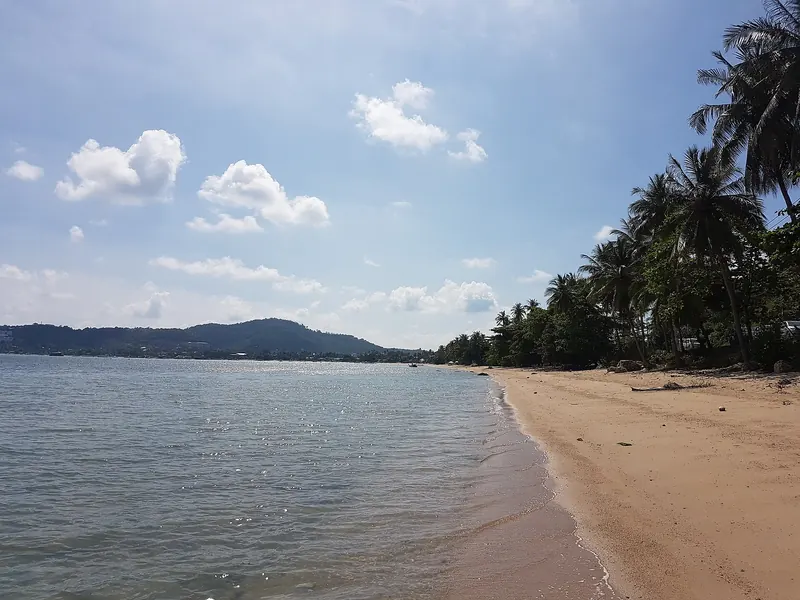
Hua Hin offers a different planning problem from a small island. TAT’s 2024 guide describes a broad choice of beach accommodation there, while its Koh Yao Noi section includes both homestays and secluded resort settings. Choose a town or accessible beach base if you want to compare restaurants and go out frequently. Choose a retreat when the quiet setting is itself the reason for the trip.
For an island, confirm the actual pier, last practical onward connection and the hotel’s collection arrangement. Keep arrival night away from a fragile flight-to-boat connection unless the hotel or transport provider confirms it. Ask whether dinner, drinking water and transport are available on site and what they cost; a low room rate is only one part of the stay.
Compare the room you will receive
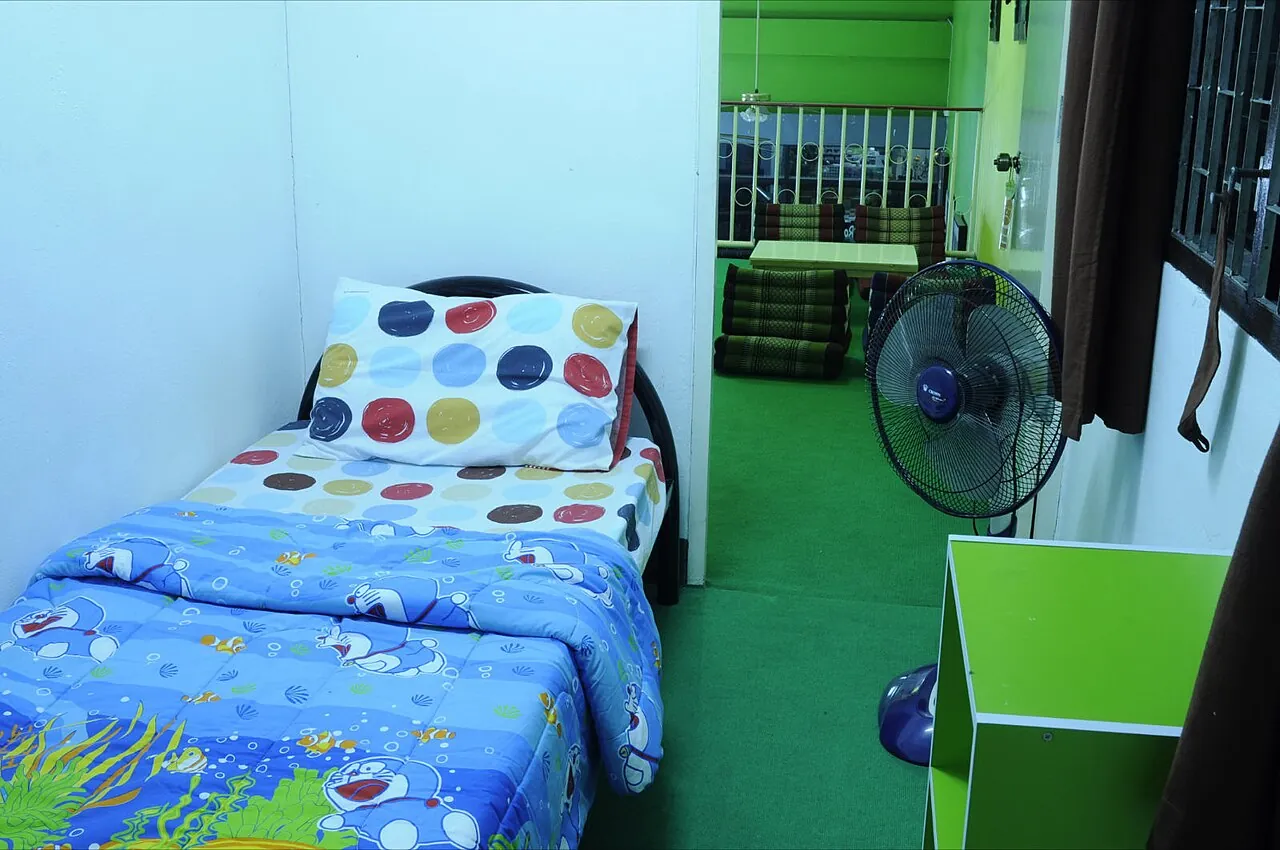
Read the conditions for the exact room category. A balcony photograph, sea view or pool access can belong to a different room. Ask about air conditioning, window orientation, street or music noise, lift access, shower arrangement and whether an extra bed changes the usable floor space. Travellers with mobility needs should ask for measurements and a step-free route from the entrance rather than relying on the word “accessible”.
TAT’s 2026 Trusted Thailand programme describes safety, transparent payments, multilingual communication and transport as its pillars. If a property advertises participation, verify it in the current listing and still ask the practical questions that matter to you. A badge does not establish that a particular room is quiet, step-free or convenient for your itinerary.
- Compare the final total for all occupants, including taxes, breakfast, deposits and any compulsory supplement.
- Check check-in time, late-arrival instructions, cancellation deadline and the currency in which payment is collected.
- Save the address, map pin and booking confirmation offline; keep a way to contact reception.
- Ask who handles a missed flight or boat connection and whether the first night can be changed.
Keep food and outings near the base
A useful base has an easy first dinner and a manageable return after an evening out. Chinatown can combine a Wat Mangkon rail journey with an evening of noodles and other street food. In Chiang Mai, check the walk to the market or restaurant you actually intend to use rather than selecting a property only for its breakfast buffet.
A guided Chinatown food outing can be useful for a first evening if its meeting point fits the base. Check the included tastings, drinks, dietary arrangements and return transport. The linked product is an existing catalog match; it is not evidence of rooms, departures or live availability on your dates.
Practical questions
Which area should I choose for a first Bangkok stay?
Choose around the journeys you will make. Wat Mangkon suits Chinatown food and MRT-linked old-city exploration; a riverside stay suits travellers who value the setting and have checked the onward route. Verify the exact hotel entrance and walk.
Is a city or riverside base better in Chiang Mai?
The city is useful for walking to meals and exploring between outings. A riverside stay can suit a slower hotel-focused trip. Check pickup coverage and the return transfer before choosing a quieter location.
Is the cheapest hotel usually the best value?
Only if the final room total and the transport it creates are still lower. Add airport or pier transfers, everyday rides, breakfast and cancellation risk before comparing.
Can I rely on a sustainability or safety badge?
Check the current property listing and the scheme behind it. TAT’s 2024 CF-Hotels examples are dated; a badge does not replace questions about your actual room, access or payment conditions.
Should I book the coast before transport?
Confirm the arrival route and last practical connection first, then book the room with conditions that fit it. A flight-to-boat connection needs more care than an evening arrival in a city.
Sources and checks before you travel
Reference sources for the version dated 7 October 2026. Confirm opening times, access, transport and conditions for your travel dates.
- Tourism Authority of Thailand: Exploring Bangkok’s old city and Yaowarat with the MRT Blue Line ↗ — opens in a new tab
- Tourism Authority of Thailand: Five low-carbon travel routes with eco-friendly CF-Hotels accommodation ↗ — opens in a new tab
- Tourism Authority of Thailand: Trusted Thailand and travel safety ↗ — opens in a new tab
Does this experience fit your route?
Choose the base and practical arrangements first, then check the complete price and conditions before paying.
Check dates and details on Viator ↗ — opens in a new tabAffiliate link · Book with ViatorPhoto credits
A riverside setting in Bangkok; check the actual route from the chosen hotel.
Photograph: Supanut Arunoprayote — opens in a new tab · CC BY 4.0 — opens in a new tab
Changes: Resized and converted to WebP; displayed with responsive crops. · Original photograph and licence details ↗ — opens in a new tab
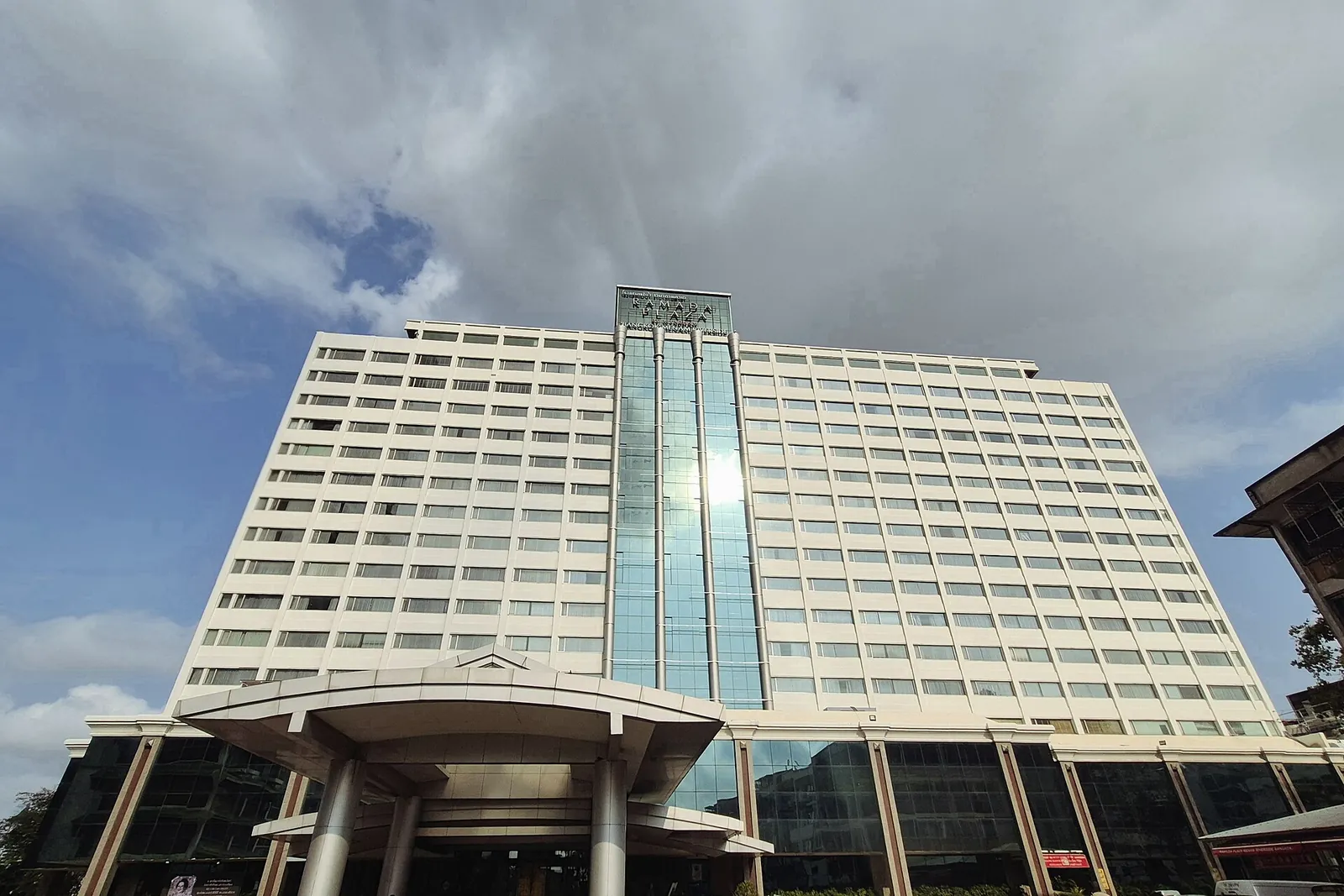
The entrance of Ramada Plaza Bangkok Menam Riverside, photographed in 2026; an example of a hotel setting, not a room recommendation.
Photograph: Medelam — opens in a new tab · CC BY-SA 4.0 — opens in a new tab
Changes: Resized and converted to WebP; displayed with responsive crops. · Original photograph and licence details ↗ — opens in a new tab
A historical photograph of a small Chiang Mai guesthouse room; check the current room category before booking.
Photograph: User: (WT-shared) Harlock at wts wikivoyage — opens in a new tab · CC BY-SA 3.0 — opens in a new tab
Changes: Resized and converted to WebP; displayed with responsive crops. · Original photograph and licence details ↗ — opens in a new tab
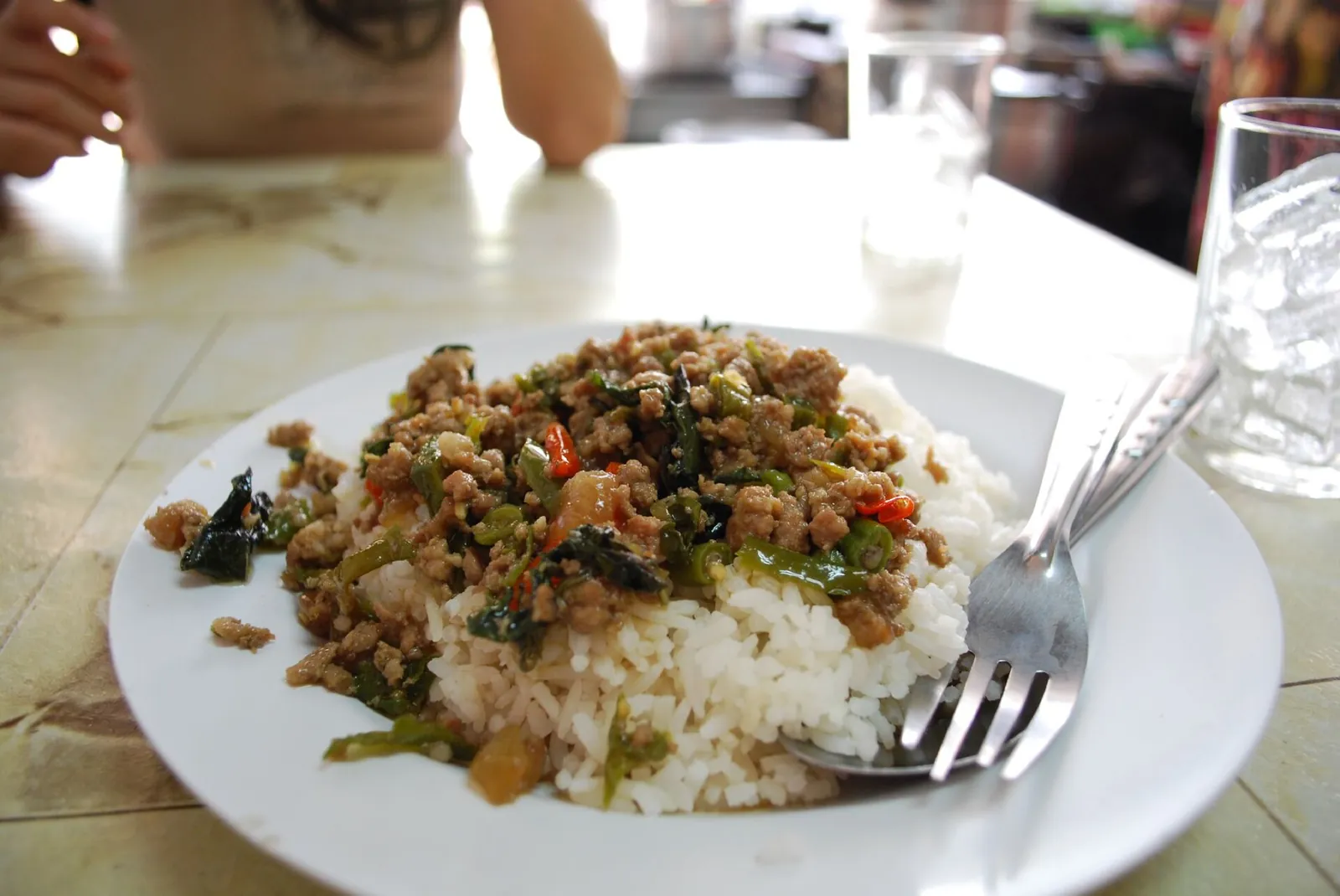
A cooked rice plate photographed near Bhuping Palace; the old filename’s price is not a current menu quote.
Photograph: Alpha from Melbourne, Australia — opens in a new tab · CC BY-SA 2.0 — opens in a new tab
Changes: Resized and converted to WebP; displayed with responsive crops. · Original photograph and licence details ↗ — opens in a new tab