Plan your trip · Thailand
Thailand budget: build a trip total from real bookings
Thailand does not have one useful daily price. A city stay built around rail journeys and local meals has a different cost structure from an island holiday with boat transfers, resort dinners and diving. Build a trip total for your route before dividing by days. That keeps the awkward costs—arrival transfers, baggage, a room for a late departure or a missed boat—visible instead of hiding them behind an attractive daily average.
- Suggested time
- Build the total before booking; revisit it after changing a base or transport leg
- Where to stay
- Use Bangkok, Chiang Mai and one coastal base as a comparison route, not a compulsory itinerary
- Season and timing
- Price your actual dates; weather and holiday demand can change transport choices and cancellation risk.
The short answer
Price the route in four parts: accommodation, travel between bases, daily spending and booked activities. Use final checkout totals and current operator quotes, not headline rates. Keep a separate reserve for changed connections and medical or payment problems. A shorter route with fewer hotel changes can be better value than a cheap room reached through several paid transfers.
Make a budget that you can update
Start with a simple list: item, number needed, quoted currency, total, whether already paid, cancellation deadline and source of the quote. Separate a whole-trip cost from a per-person or per-night cost. A private transfer for a group is not a price per traveller, and a room price is not automatically the same for three occupants.
Do the conversion using the rate and fees of the payment method you will actually use. Keep the original Thai-baht amount beside it. This guide gives no exchange rate or invented daily allowance: a meaningful total must reflect your dates, room category, route and chosen activities.
- Fixed bookings: every night’s final room total and each intercity transport leg.
- Daily spending: meals, drinks, local journeys, laundry and small purchases.
- Activities: entrance tickets or operator total, plus any excluded equipment, park charge or pickup.
- Reserve: a changed transfer, an extra night or another practical disruption; keep it accessible.
Rooms: include the transport they create
Compare the same room conditions: occupancy, taxes, breakfast, cancellation and payment currency. A remote resort may add a paid ride for meals or an included meal plan you would not otherwise choose. A city room with a usable walk to food and transport can cost more per night and less across the trip.
TAT’s Bangkok MRT guide gives a concrete route example: Wat Mangkon serves Chinatown, and Sanam Chai is beside Museum Siam with heritage sights reached on foot. A base that fits those journeys can reduce the number of separate road rides. Check the exact walk and your own mobility needs rather than assuming every hotel near a station is convenient.
Make time for the local food
What to eat and where to look
Noodles in Yaowarat
A bowl of noodles makes a straightforward meal between Chinatown walks; choose a stall by the dish being cooked rather than a vague all-purpose menu.
- Where to look
- Yaowarat and the streets around Wat Mangkon in Bangkok.
- Fit it into your day
- Ask the price for the bowl, toppings and drink before ordering; keep cash for a small stall.
Broths and sauces may contain meat, seafood or fish sauce; confirm ingredients if you have an allergy.
Chiang Mai market supper
A market meal lets a group choose several dishes, but several small purchases can add up faster than one clearly priced plate.
- Where to look
- Chiang Mai markets and eating streets near your accommodation.
- Fit it into your day
- Agree a meal allowance, buy one main dish first and add extras only after checking prices.
Choose freshly cooked food and identify pork, seafood and nut ingredients before ordering.
Coastal seafood
Fish and shellfish can be priced by weight or preparation rather than as a single meal. The useful comparison is the total cooked bill.
- Where to look
- Coastal restaurants and community markets around Hua Hin or your island base.
- Fit it into your day
- Ask the weight, cooking charge and total before the fish goes to the kitchen; share an agreed selection.
Shellfish is unsuitable for some allergies; confirm sauces and cooking arrangements.
Moves between bases: count every link
For each move, list the journey from the room to the departure point, the main ticket, checked baggage or equipment, and the journey from arrival to the next room. Island moves may need a flight or road journey, a pier transfer and a boat; compare the complete chain with spending more nights in one base.
Ask whether a combined transfer includes all links, what happens if a connection is late and whether the timetable suits your flight. A ticket that can be changed may be better value than the lowest non-refundable fare when the route depends on weather. Avoid packing so many moves into the holiday that a missed connection requires several replacement bookings.
Meals and daily spending: make your own sample day
Write a sample day for each setting: breakfast, lunch, dinner, drinks and local transport. Look at the current menu or ask the actual stall, then keep a meal allowance that matches the way you like to eat. A market meal is not automatically cheaper once several snacks, desserts and drinks are added.
TAT’s 2024 low-carbon routes describe Chiang Mai city food, Chanthaburi’s riverside community and coastal seafood around Hua Hin. Use local meals as part of the trip rather than assuming every day requires a hotel restaurant or tour. With seafood sold by weight, agree the cooked total before ordering. Ask whether a restaurant bill already includes a service charge before adding anything voluntarily.
Activities: compare the whole experience
Compare a guided activity with doing the same outing independently, including the travel time and costs. For a food tour, count the included tastings, drinks and transport rather than treating it as both a full tour cost and another full dinner in the budget. For an outdoor outing, ask about equipment, insurance, weather cancellation and any entry charge collected separately.
The Chinatown food product linked here is a real match from the existing catalog, not a live-price quote. Check its current inclusions, meeting point and cancellation conditions before budgeting. TAT’s Trusted Thailand programme makes payment transparency one of its pillars; asking for a clear final price remains useful whether or not a provider participates.
Keep entry funds separate from the holiday estimate
TAT’s July 2026 entry reminder says visitors can be asked to show funds according to their entry category. That is an immigration requirement, not a recommended daily budget and not the same as a customs cash-declaration threshold. Check the requirement for your nationality and entry route before departure; do not assume money withdrawn after immigration will solve a pre-entry check.
Keep your emergency reserve accessible through more than one method. Your plan should still work if a card is blocked, a wallet app cannot connect or a transfer is delayed. Recheck the total after every route change, and mark the costs already paid so you do not count them twice.
Practical questions
How much should I budget per day in Thailand?
Build the full trip total first. Divide only after adding rooms, intercity moves, meals, local transport, activities and a reserve. This guide does not invent one daily figure for routes with very different costs.
What is easy to miss in a Thailand budget?
Transfers to stations or piers, baggage, room supplements, drinks, activity exclusions, payment fees and the cost of changing a connection. Ask for final totals and cancellation conditions.
Will fewer bases save money?
Often they remove transport links and reduce the risk of replacement bookings. Compare the complete cost of moving with another night in the same base; do not assume a cheap main ticket is the whole journey.
Should I budget a food tour as dinner?
Only after checking the included tastings and portion expectations. Add excluded drinks or later food if needed, but do not automatically count a full dinner twice.
Is immigration proof of funds the holiday budget?
No. Proof of funds depends on your entry category and is separate from your spending estimate. Check the current rule for your nationality and prepare acceptable evidence before reaching immigration.
Sources and checks before you travel
Reference sources for the version dated 7 October 2026. Confirm opening times, access, transport and conditions for your travel dates.
- Tourism Authority of Thailand: Exploring Bangkok’s old city and Yaowarat with the MRT Blue Line ↗ — opens in a new tab
- Tourism Authority of Thailand: Five low-carbon travel routes with eco-friendly CF-Hotels accommodation ↗ — opens in a new tab
- Tourism Authority of Thailand: Trusted Thailand and travel safety ↗ — opens in a new tab
- Tourism Authority of Thailand: Thailand entry reminder on proof of funds ↗ — opens in a new tab
Does this experience fit your route?
Choose the base and practical arrangements first, then check the complete price and conditions before paying.
Check dates and details on Viator ↗ — opens in a new tabAffiliate link · Book with ViatorPhoto credits
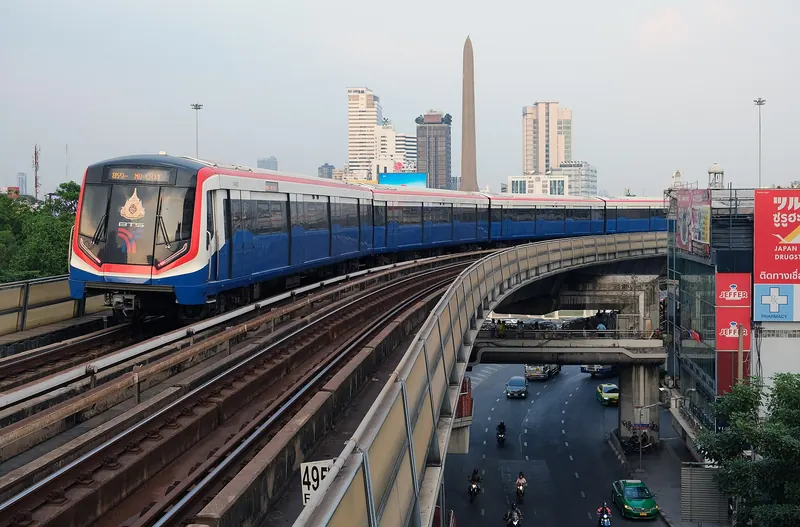
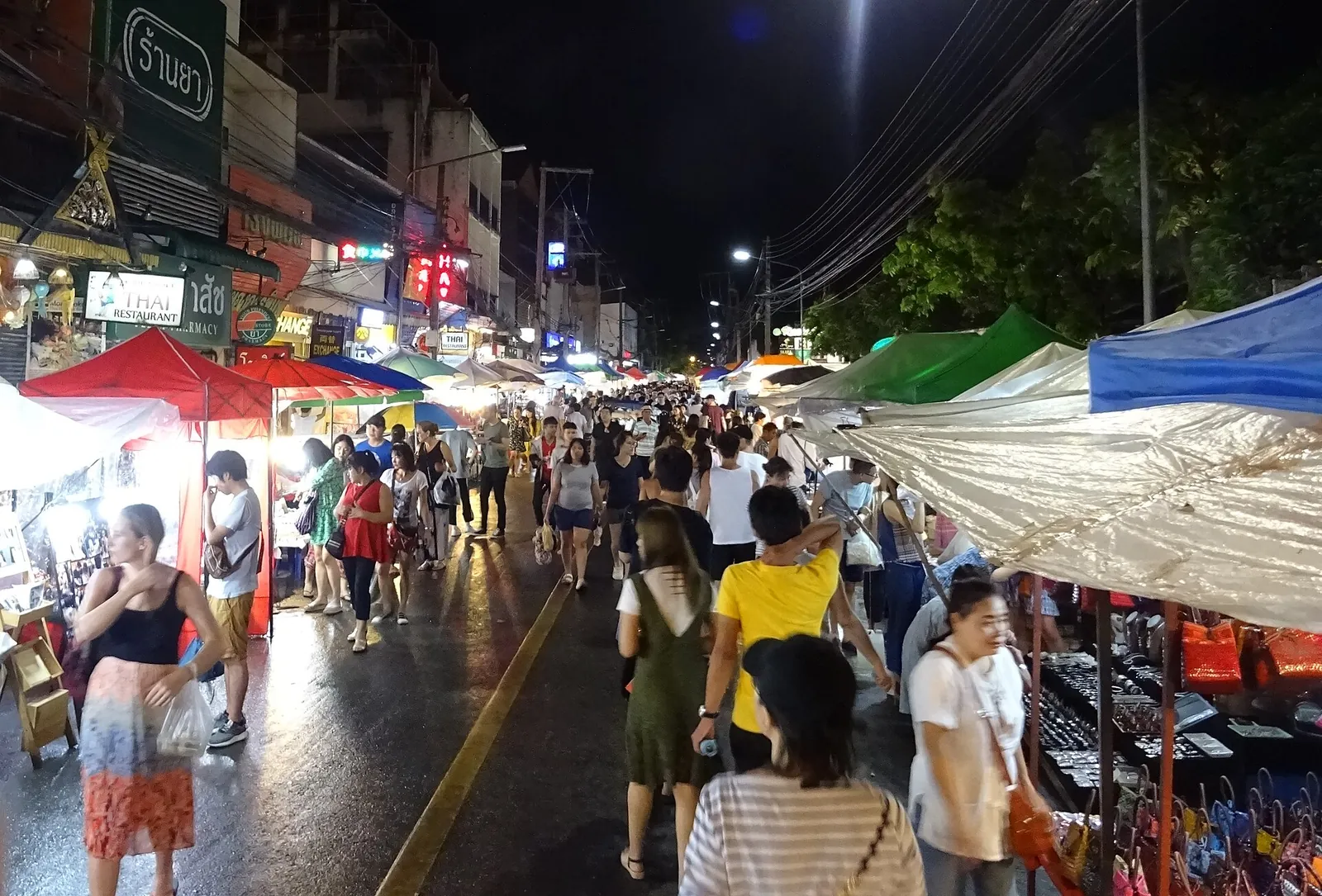
A city base near usable rail links can change the total cost of local journeys.
Photograph: User:Diliff — opens in a new tab · CC BY-SA 3.0 — opens in a new tab
Changes: Resized and converted to WebP; displayed with responsive crops. · Original photograph and licence details ↗ — opens in a new tab
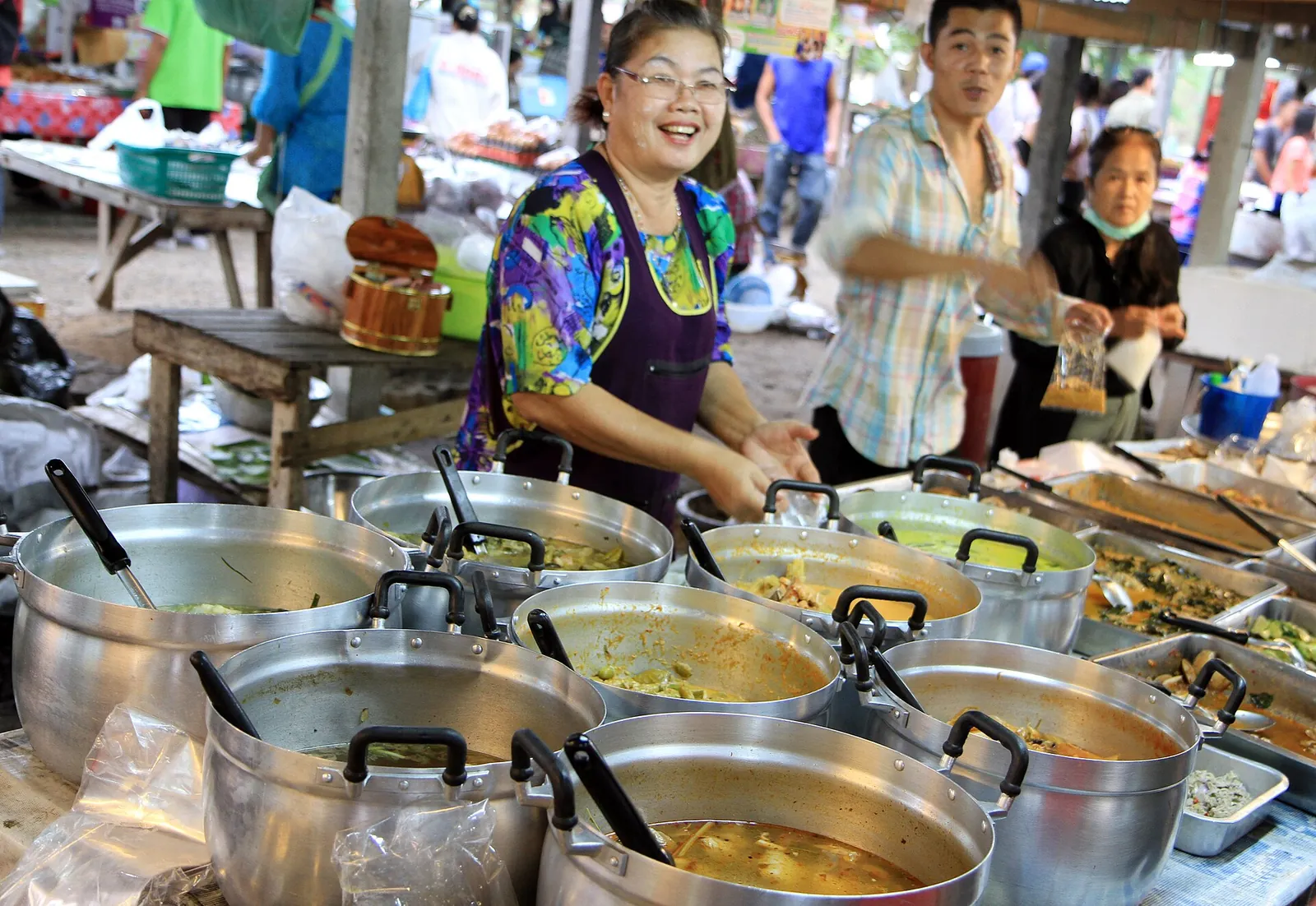
Compare the actual menu and meal total rather than assuming every market meal has the same price.
Photograph: Göran Ingman from Stockholm, Sweden — opens in a new tab · CC BY 2.0 — opens in a new tab
Changes: Resized and converted to WebP; displayed with responsive crops. · Original photograph and licence details ↗ — opens in a new tab
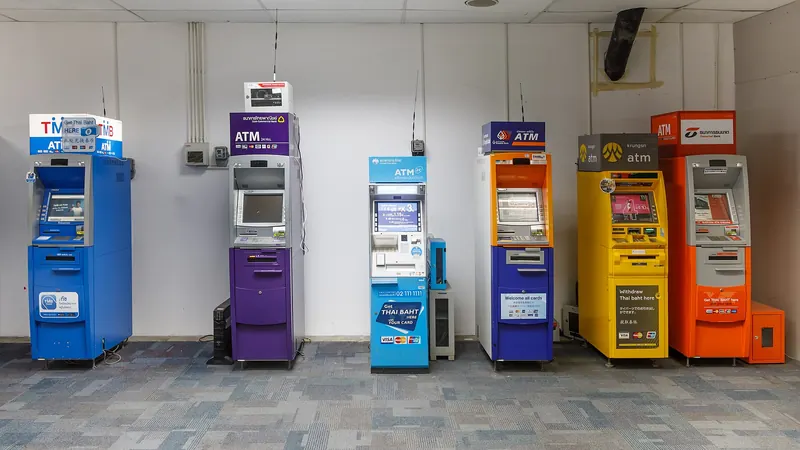
Allow for meals, drinks and purchases in the daily budget.
Photograph: Christophe95 — opens in a new tab · CC BY-SA 4.0 — opens in a new tab
Changes: Resized and converted to WebP; displayed with responsive crops. · Original photograph and licence details ↗ — opens in a new tab
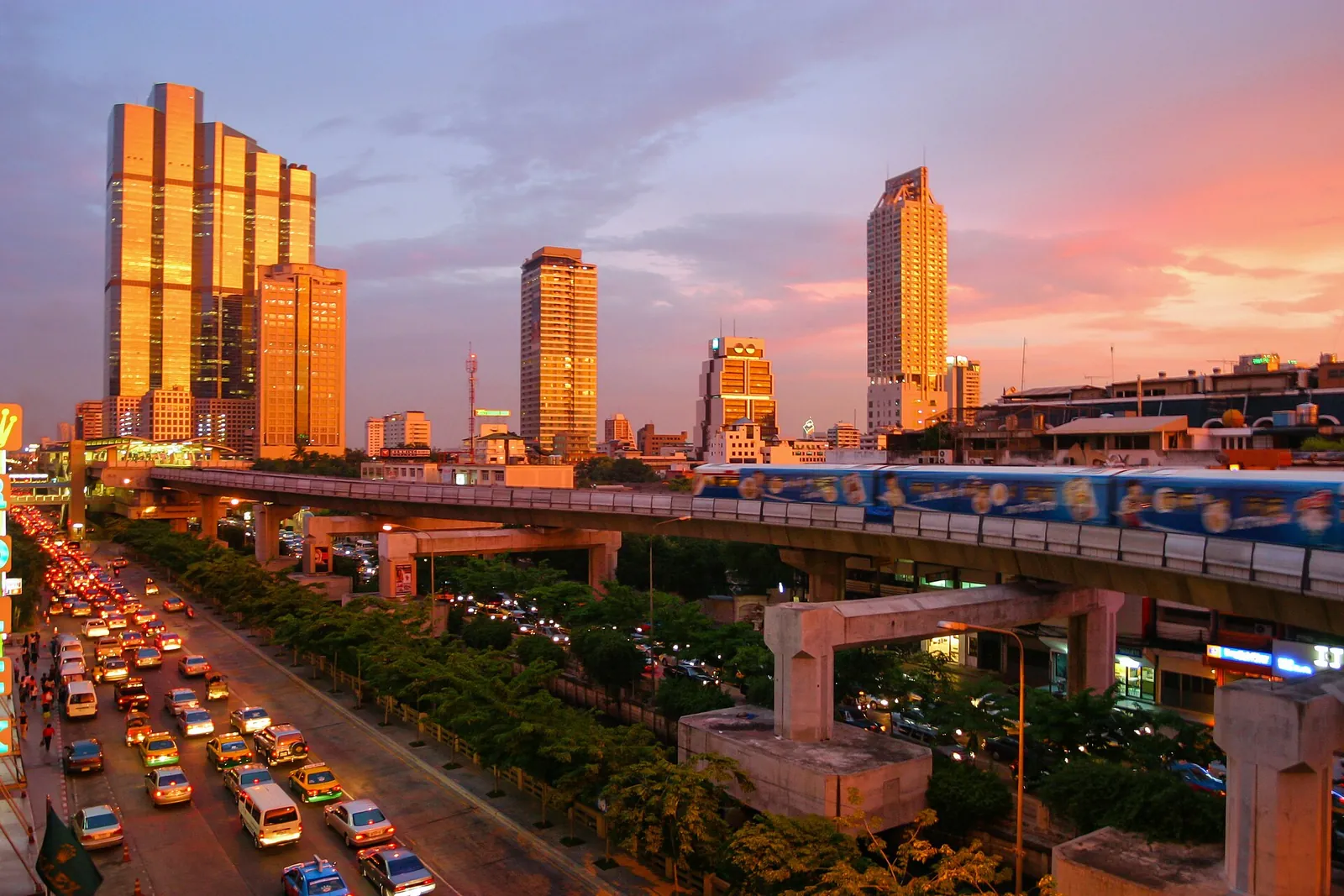
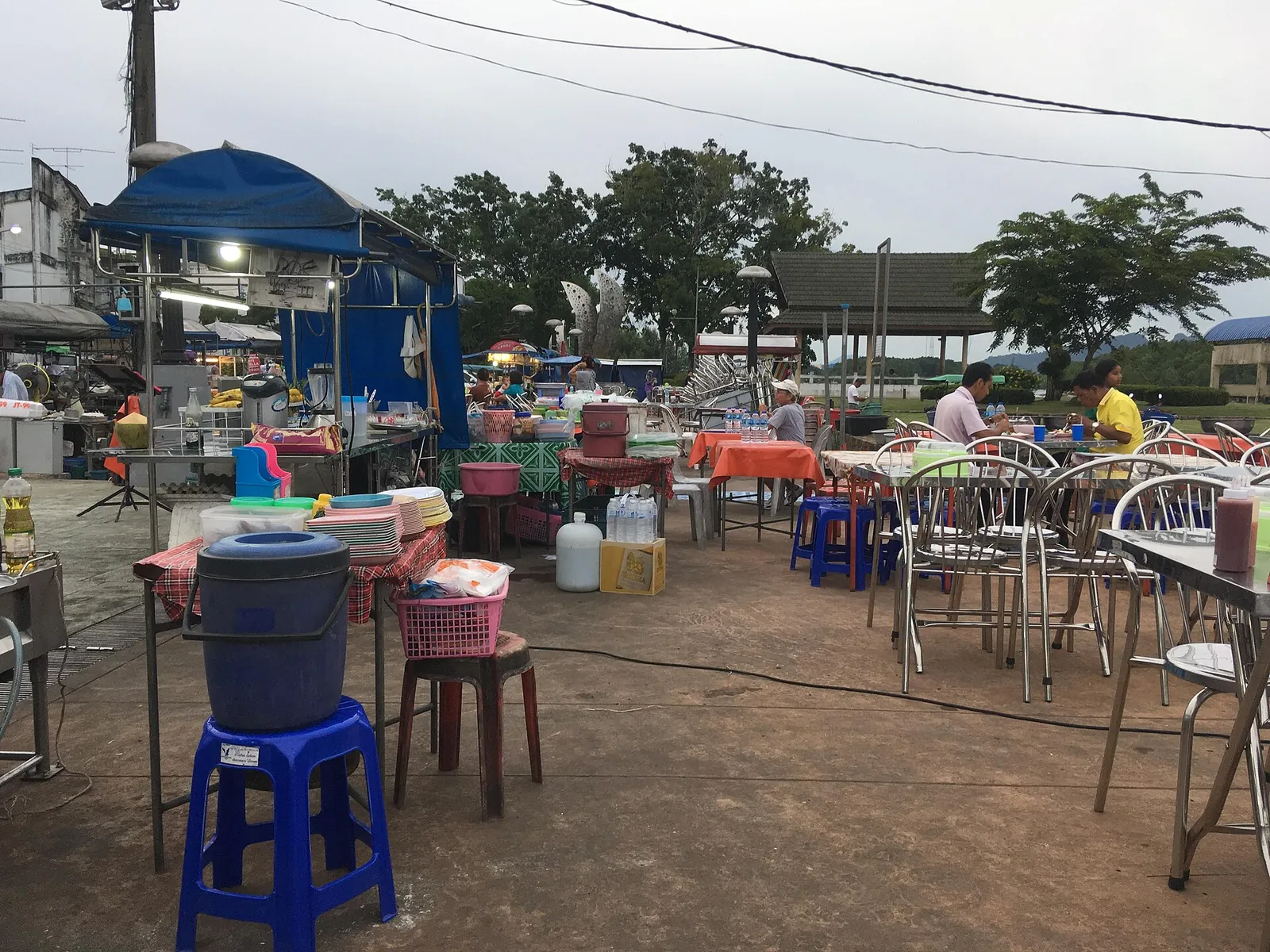
A market setting for an independent meal; ask the price before ordering.
Photograph: Christophe95 — opens in a new tab · CC BY-SA 4.0 — opens in a new tab
Changes: Resized and converted to WebP; displayed with responsive crops. · Original photograph and licence details ↗ — opens in a new tab