Northeast Thailand (Isan) · Udon Thani
Udon Thani travel guide: the Red Lotus Sea and Ban Chiang
Udon Thani is a busy northern Isan city with a good airport, and the base for three very different sights: the Red Lotus Sea, where millions of pink water lilies bloom on a lake in the cool season; Ban Chiang, one of the most important prehistoric sites in Southeast Asia; and Phu Phrabat, a landscape of strange rock formations with ancient paintings.
- Suggested time
- 2 days
- Where to stay
- Udon Thani city
- Season and timing
- December to February for the Red Lotus Sea, according to the directory; TAT gives November to February.
The short answer
Spend two days. Take an early boat on the Red Lotus Sea (December to February, between about 6:00 and 11:00), visit Ban Chiang National Museum (Wednesday to Sunday), and give a half day to Phu Phrabat's rock formations. Udon Thani Airport has flights from Bangkok; Nong Khai and the Mekong lie to the north.
The Red Lotus Sea
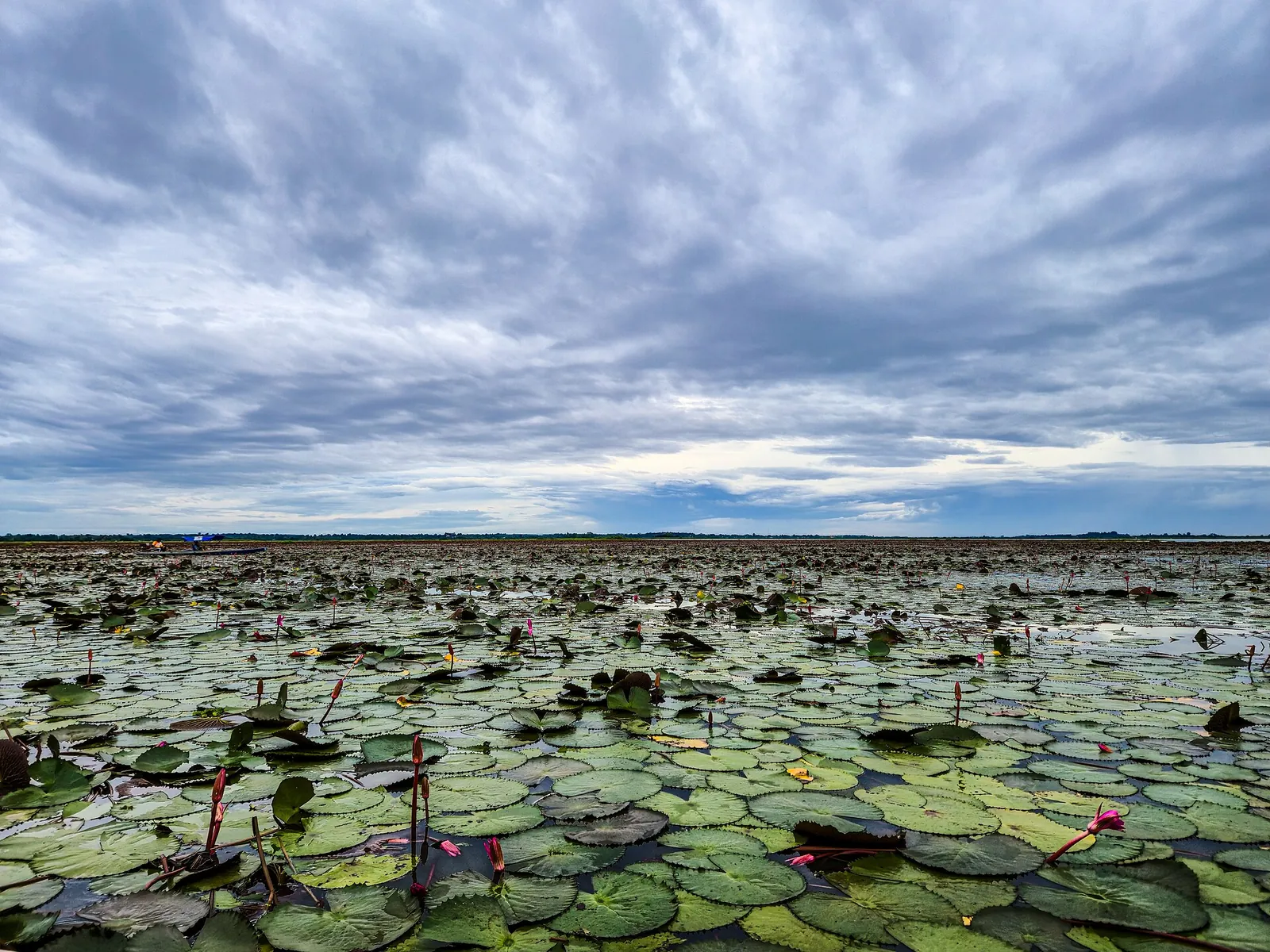
From roughly November to February, the shallow lake of Nong Han at Kumphawapi, about 40 kilometres from the city, turns pink with millions of water lilies — the Red Lotus Sea, or Talay Bua Daeng, as TAT describes it. The best time is the morning, from about 6:00 to 11:00, before the flowers close in the sun.
Little can be seen from the shore, so hire a boat: TAT describes trips of about 45 to 90 minutes, with larger boats for around eight people and smaller ones that can go further into the blooms. Check that the season is on before you go — it varies year to year.
Ban Chiang
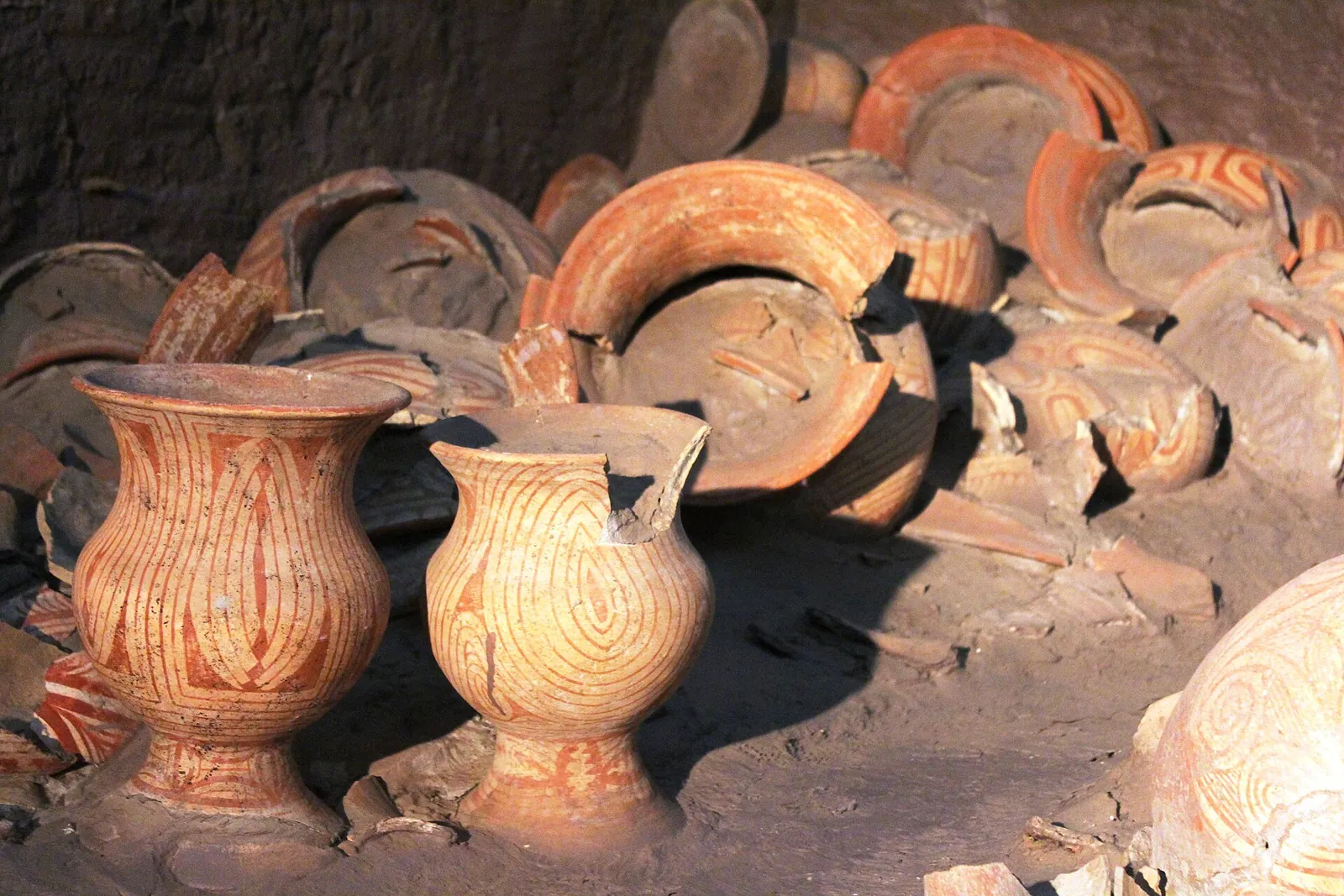
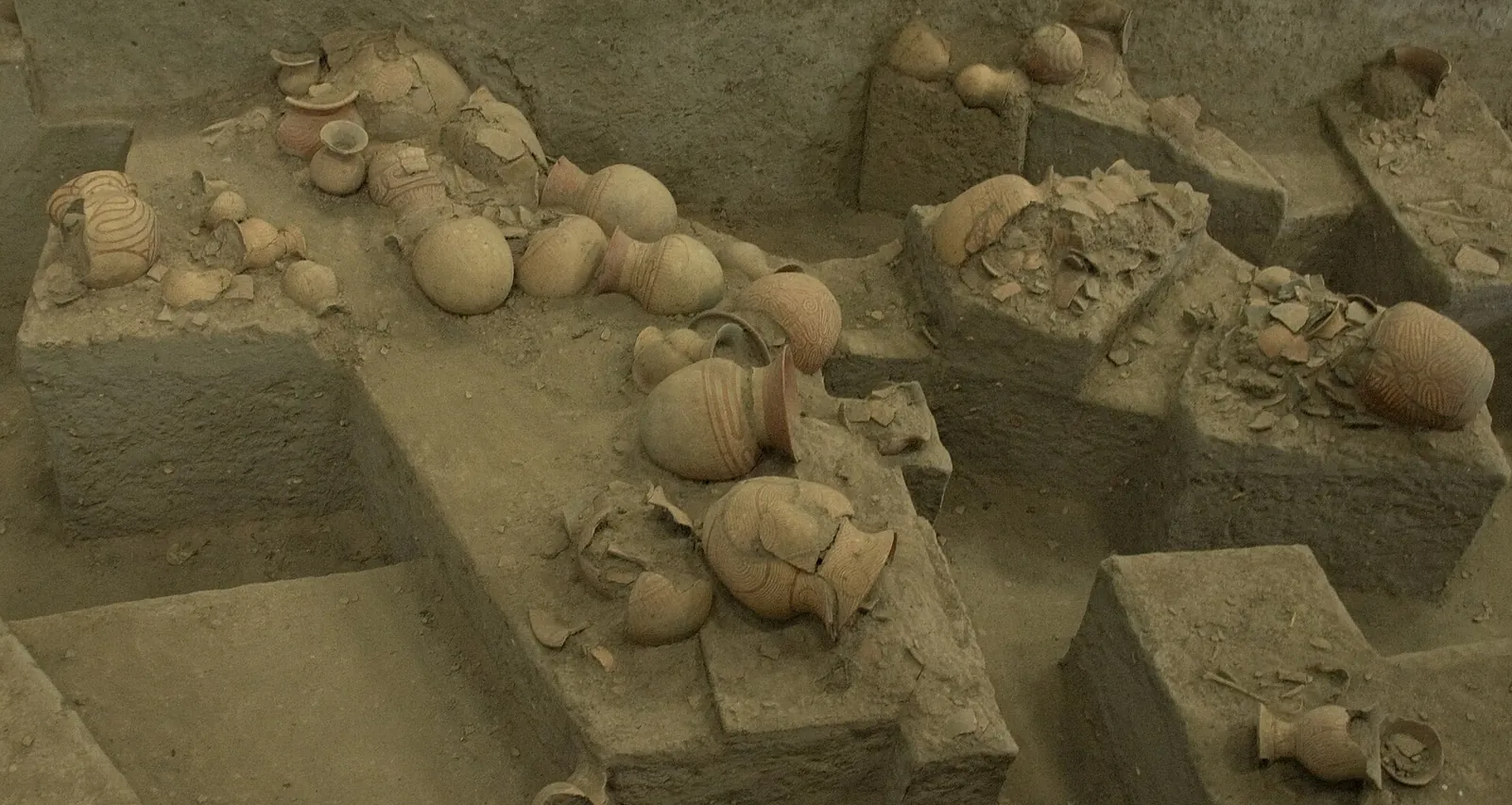
The Ban Chiang National Museum stands on the archaeological site of Ban Chiang, which the Ministry of Tourism and Sports' directory describes as one of the most important prehistoric sites in north-east Thailand and Southeast Asia. Its displays of pottery, tools and utensils give a glimpse of human life more than 5,000 years ago.
The directory lists the museum as open Wednesday to Sunday. Ban Chiang is inscribed on UNESCO's World Heritage List; allow half a day including the drive.
Make time for the local food
What to eat and where to look
Isan staples
Som tam, larb, grilled chicken and sticky rice, as across the north-east.
- Where to look
- Restaurants and night markets in Udon Thani.
- Fit it into your day
- Dinner after a day out.
Spicy; may contain pla ra.
Modern Isan tasting menus
TAT highlights Samuay & Sons in Udon Thani, whose chef reinterprets Isan food with local, foraged ingredients.
- Where to look
- Michelin-recommended restaurants in the city.
- Fit it into your day
- A special dinner; book ahead.
Check opening days.
Night market snacks
Grilled skewers, sticky rice and sweets from the city's evening markets.
- Where to look
- Night markets in the city centre.
- Fit it into your day
- A casual dinner.
Stalls vary by day.
Phu Phrabat
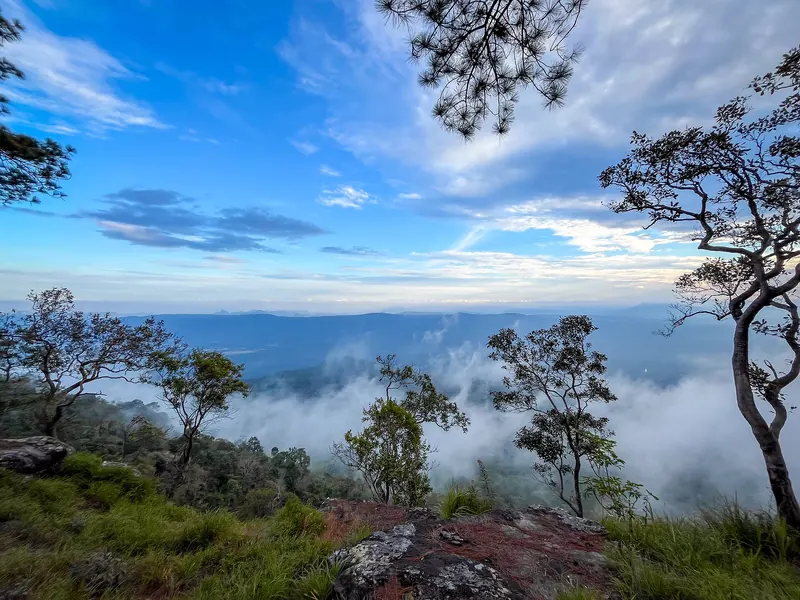
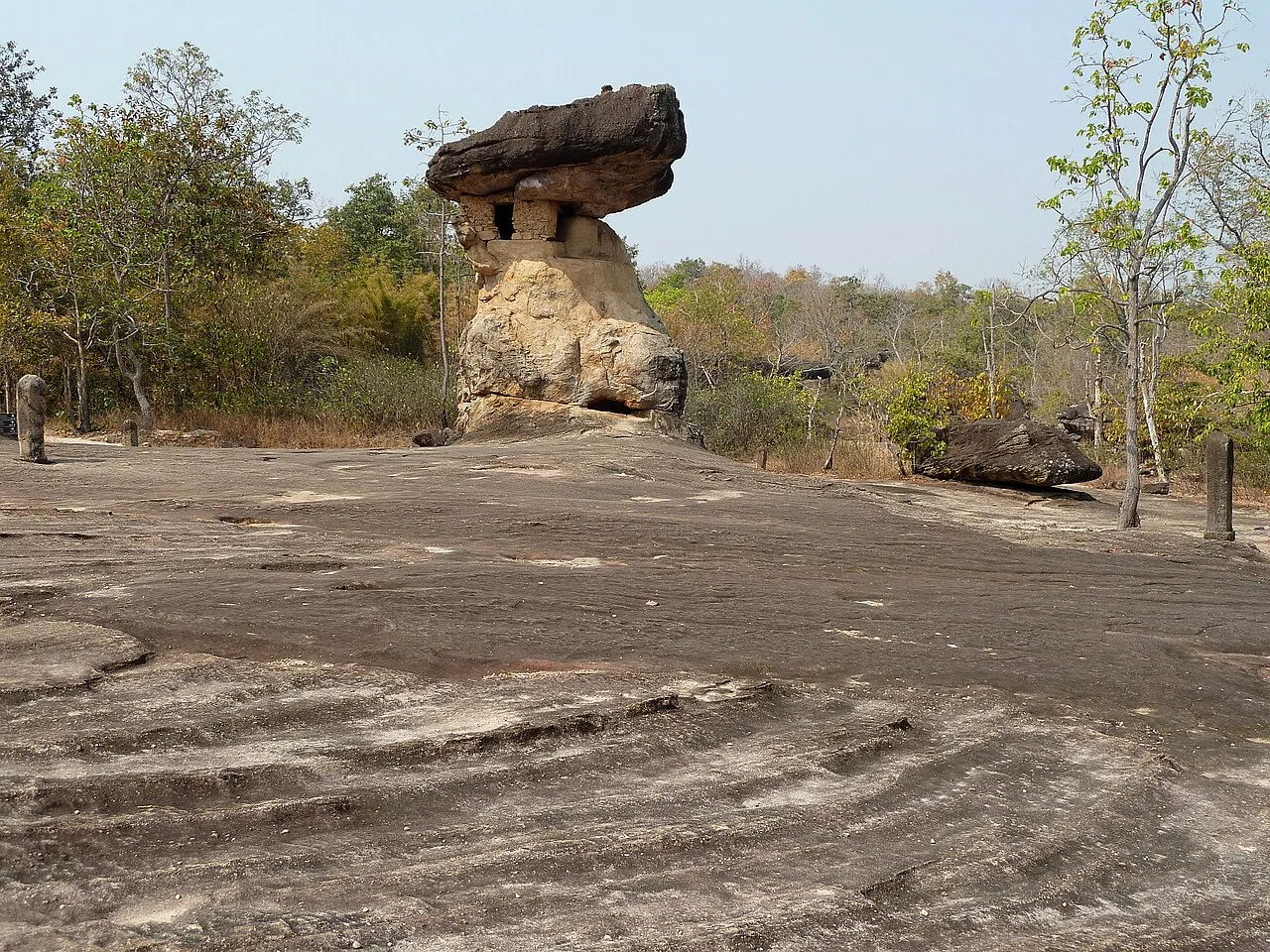
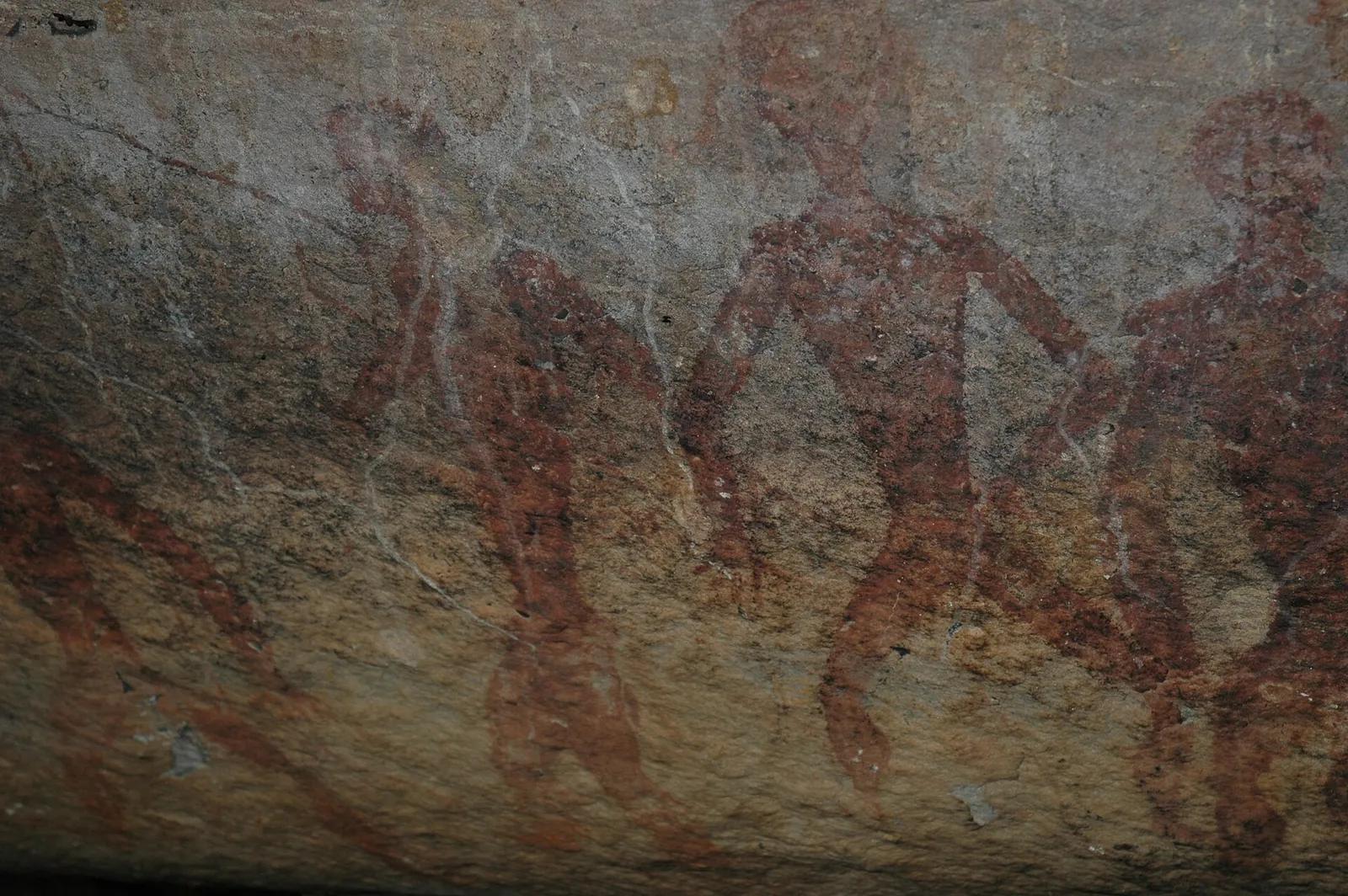
In Ban Phue district, Phu Phrabat is known for its unusual rock formations, around which religious shrines were built, and for prehistoric rock paintings, as the directory describes; the Fine Arts Department established the historical park in 1991.
Wear good shoes and bring water; the trails among the rocks are exposed in the heat.
Getting there and around
Udon Thani Airport has flights from Bangkok, and the city is on the north-eastern railway. The sights are spread out, so hire a car or driver, or join a local tour for the Red Lotus Sea.
Nong Khai and the Thai–Lao Friendship Bridge are a short trip to the north.
Practical questions
When is the Red Lotus Sea in bloom?
Roughly November to February; the directory gives December to February. Go between about 6:00 and 11:00.
Can I see the Red Lotus Sea from the shore?
Not well. Hire a boat; trips usually last 45 to 90 minutes, according to TAT.
When is Ban Chiang National Museum open?
Wednesday to Sunday, according to the directory.
How do I get to Udon Thani?
Fly from Bangkok to Udon Thani Airport, or take the train or bus.
Sources and checks before you travel
Reference sources for the version dated 1 October 2026. Confirm opening times, access, transport and conditions for your travel dates.
- TAT Newsroom: Udon Thani's Red Lotus Sea is blooming ↗ — opens in a new tab
- Thailand Tourism Directory: Red Lotus Lake ↗ — opens in a new tab
- Thailand Tourism Directory: Ban Chiang National Museum ↗ — opens in a new tab
- Thailand Tourism Directory: Phu Phrabat ↗ — opens in a new tab
- TAT Newsroom: Isan cuisine goes gourmet ↗ — opens in a new tab
- UNESCO World Heritage Centre: Ban Chiang Archaeological Site ↗ — opens in a new tab
Photo credits
The Red Lotus Lake at Kumphawapi, outside peak bloom.
Photograph: ToeHA — opens in a new tab · CC BY-SA 4.0 — opens in a new tab
Changes: Resized and converted to WebP; displayed with responsive crops. · Original photograph and licence details ↗ — opens in a new tab
Ban Chiang pottery in the museum's excavation display.
Photograph: Kiwiodysee — opens in a new tab · CC BY-SA 3.0 — opens in a new tab
Changes: Resized and converted to WebP; displayed with responsive crops. · Original photograph and licence details ↗ — opens in a new tab
The excavations at Ban Chiang.
Photograph: Steve from Bangkok, Thailand — opens in a new tab · CC BY-SA 2.0 — opens in a new tab
Changes: Resized and converted to WebP; displayed with responsive crops. · Original photograph and licence details ↗ — opens in a new tab
Rock formations at Phu Phrabat.
Photograph: Joachim Lutz — opens in a new tab · CC BY-SA 4.0 — opens in a new tab
Changes: Resized and converted to WebP; displayed with responsive crops. · Original photograph and licence details ↗ — opens in a new tab
Rock paintings at Tham Khon, Phu Phrabat.
Photograph: Guido Johannes Joerg ( Endimione ) — opens in a new tab · CC BY-SA 3.0 — opens in a new tab
Changes: Resized and converted to WebP; displayed with responsive crops. · Original photograph and licence details ↗ — opens in a new tab
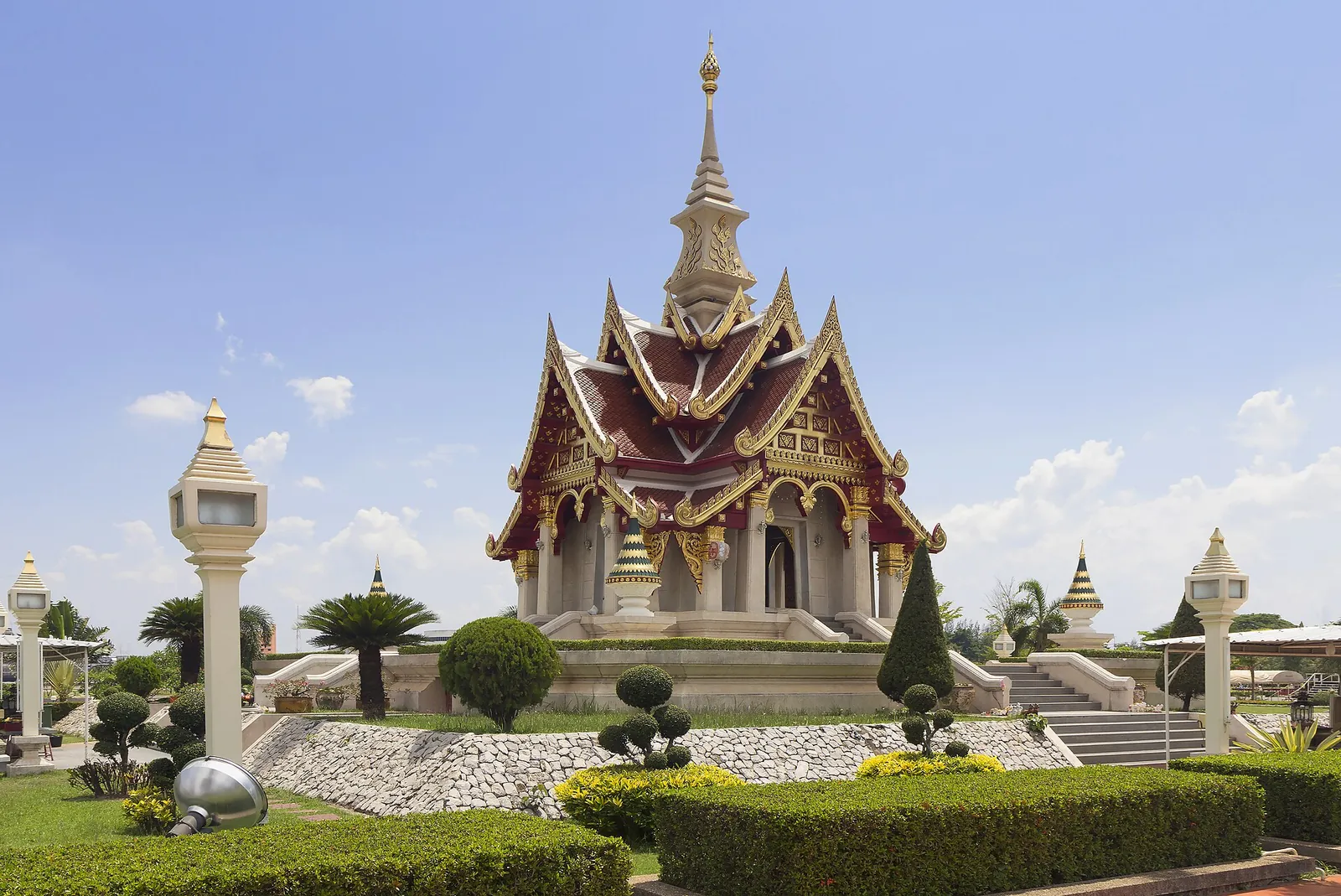
The City Pillar Shrine in Udon Thani.
Photograph: Stefan Fussan — opens in a new tab · CC BY-SA 3.0 — opens in a new tab
Changes: Resized and converted to WebP; displayed with responsive crops. · Original photograph and licence details ↗ — opens in a new tab