Gangwon · Gangwon State
Pyeongchang travel guide: Olympic ski resorts or Bongpyeong buckwheat
Pyeongchang is a mountain county in Gangwon State, not a single town, and about 65% of it lies above 700 metres, according to VisitKorea. That altitude is why it hosted the 2018 Winter Games and why it has Korea's oldest ski resort, and also why summer here is cool and green when Seoul is sticky. The county splits into two trips that rarely overlap: the Daegwallyeong highlands in the east, with the Olympic resorts, the Balwangsan cable car and the sheep ranches; and Bongpyeong in the west, the village of the writer Lee Hyo-seok, whose short story made its white buckwheat fields famous. Decide on the season first, and the base follows from it.
- Suggested time
- 2–3 nights; 1 night as a stop between Seoul and Gangneung
- Where to stay
- Daegwallyeong-myeon resorts (Yongpyong, Alpensia) in winter; Bongpyeong and Phoenix Pyeongchang in buckwheat season
- Season and timing
- December to February is ski season, and VisitKorea advises booking rooms and shuttle buses ahead for those months. The buckwheat flowers and the Hyoseok Cultural Festival come around September (4 to 13 September in 2026). July and August are cool for Korea — Daegwallyeong has the lowest yearly average temperature on VisitKorea's climate page — and bring the Music in PyeongChang festival. The sheep at Daegwallyeong Yangtte Ranch graze outside except in winter.
The short answer
Come for two or three nights, not a day. From December to February, base yourself at a resort in Daegwallyeong-myeon — Mona Yongpyong or Alpensia — and ski; arrive on the KTX Gangneung Line from Seoul and use the resort shuttles from Jinbu (Odaesan) Station. In early to mid-September, base yourself in Bongpyeong (Phoenix Pyeongchang is in the same township) for the buckwheat fields and the Hyoseok Cultural Festival, and add a day in Daegwallyeong for the cable car and a ranch. Outside those two windows, Pyeongchang works best as a cool green stop on a Gangwon road trip with Odaesan and Gangneung. A car, a taxi or the county's sightseeing taxi makes the sights much easier to link than public buses.
Winter or September: choosing your Pyeongchang trip
The two famous images of Pyeongchang — Olympic ski slopes and white buckwheat fields — belong to different seasons and different corners of the county. The ski resorts sit in Daegwallyeong-myeon and, in Phoenix's case, in Bongpyeong-myeon, on a plateau around 700 metres up; VisitKorea gives Yongpyong an average of 250 cm of snow a season and says winter in Daegwallyeong lasts longer than elsewhere. The buckwheat belongs to Bongpyeong, the setting of Lee Hyo-seok's story *When the Buckwheat Flowers Bloom*, where VisitKorea says the Hyoseok Cultural Festival has been held around September since 1999.
If you ski, come between December and February and plan everything around one resort. If you don't, September gives you the flowers plus mild weather for the Daegwallyeong highlands. Summer works for a cool break and the Music in PyeongChang festival at Alpensia (23 July to 2 August in 2026, per VisitKorea's listing), and the ranches are green. Late autumn and early spring are the weakest times: the slopes are closed and the fields are bare.
Pyeongchang is easy to reach from Seoul by KTX, but it is not a good day trip. The sights are spread over a large county, and the best parts — first lifts, the first cable car up Balwangsan on a clear morning, an evening in a buckwheat village — need you to be there overnight.
Skiing at the Olympic resorts
Mona Yongpyong, at 715 Olympic-ro, opened in 1975 as Korea's first ski resort. VisitKorea's ski guide calls it the country's largest, with 28 slopes and 14 lifts, and notes that its Rainbow Slope held the alpine skiing at the 2018 Games. It suits skiers who want variety and the shortest walk from room to rental to lift.
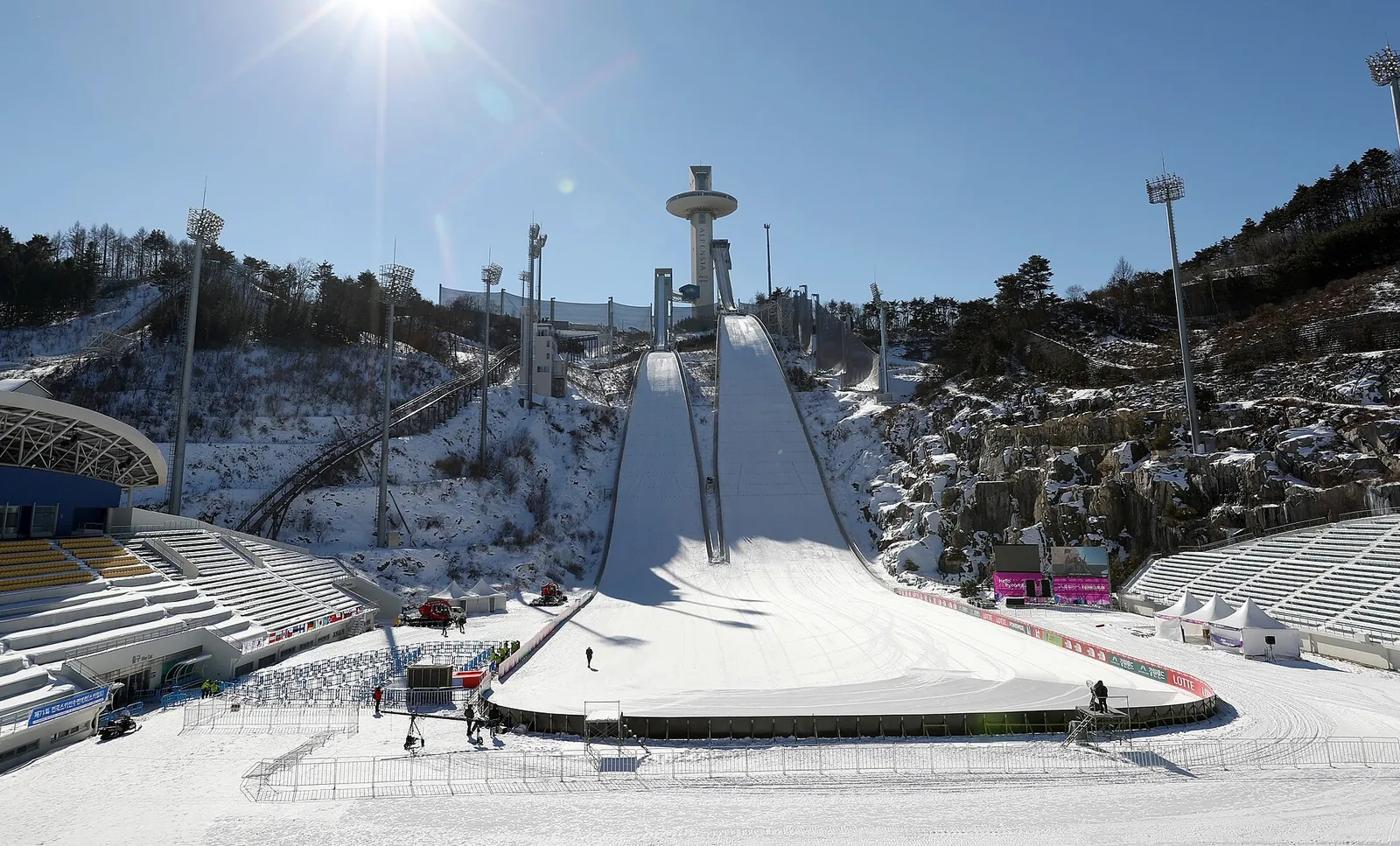
Alpensia, at 325 Solbong-ro, is smaller: VisitKorea lists six slopes with runs of up to 1.4 km, and an area for advanced snowboarders. Its draw is the resort around it — the former Olympic ski jump, where a monorail runs up the jumping hill, the Ocean 700 indoor water park and several hotels. Choose it for a mixed group in which not everyone skis.
Phoenix Snow Park, at 174 Taegi-ro in Bongpyeong-myeon, served as an Olympic snow-sports venue in 2018. VisitKorea describes 21 slopes, a 2.4 km gentle Panorama run that beginners can ski from the top, an Extreme Park with a half-pipe for freestyle, and a sledding area and the Blue Canyon water park for families.
VisitKorea points out that opening dates and which slopes are open depend on the weather and snow-making, so check the resort's own site before you book lessons or passes.
- Mona Yongpyong: the most slopes and the Balwangsan cable car on site; free shuttles from Jinbu (Odaesan) Station.
- Alpensia: Olympic ski jump, water park and hotels in one complex; fewer slopes.
- Phoenix Snow Park: beginner-friendly Panorama run and a freestyle park; also the closest resort to Bongpyeong.
Make time for the local food
What to eat and where to look
Buckwheat dishes in Bongpyeong (memil makguksu, buchim, jeonbyeong)
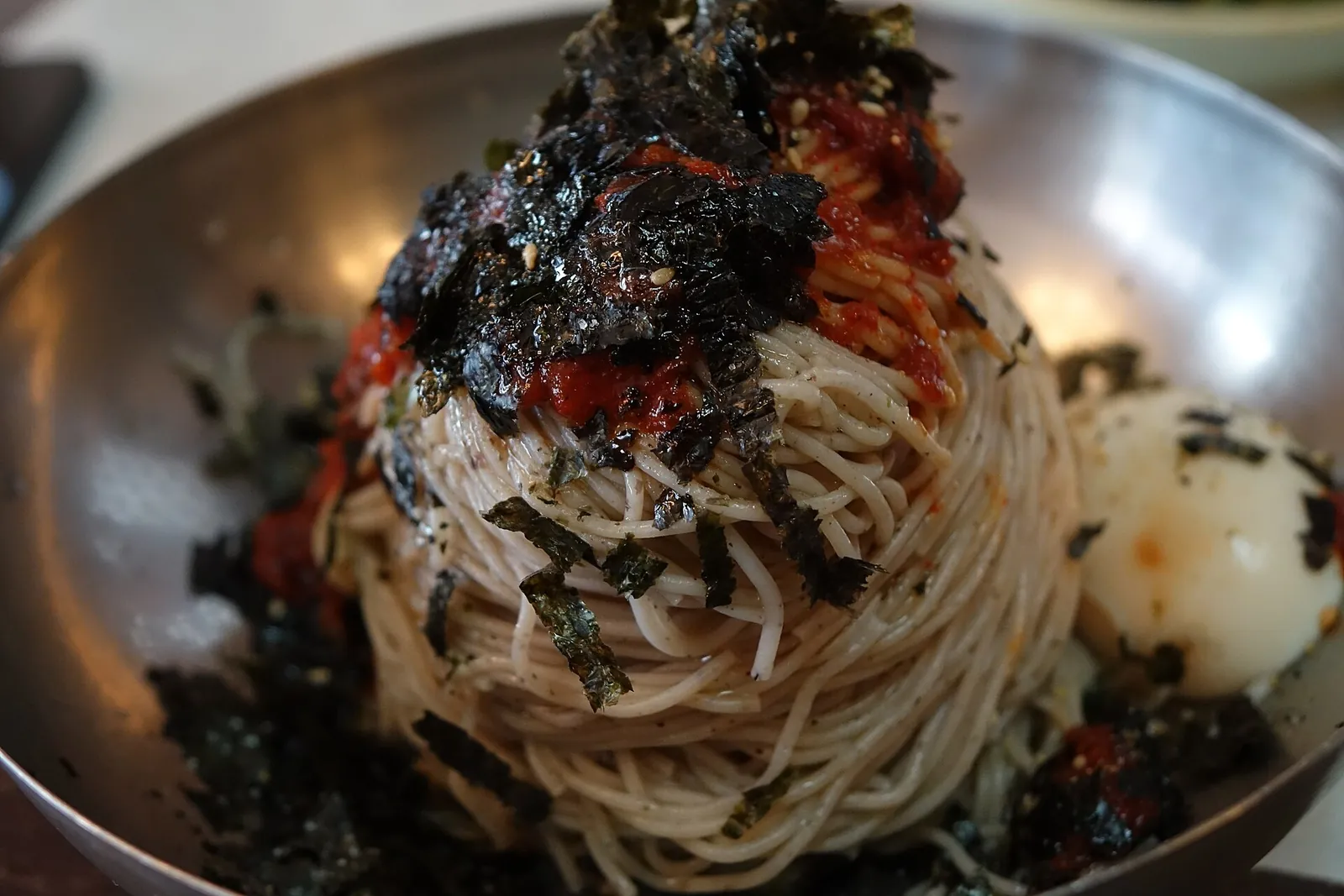
Bongpyeong's food is buckwheat. VisitKorea lists memil makguksu (buckwheat noodles, cold or spicy), memil buchim (buckwheat pancake), memil jeonbyeong (buckwheat crepe), buckwheat steamed buns and buckwheat sundae at Bongpyeong Market.
- Where to look
- The Buckwheat Food Street in Hyoseok Culture Village and the restaurants around it, and Bongpyeong Market on days ending in 2 and 7.
- Fit it into your day
- Lunch on the day you visit the village and memorial hall; share a pancake and a crepe and order one bowl of noodles each.
Buckwheat is a common allergen. If you avoid wheat, ask whether the noodles are 100% buckwheat.
Hanu beef in Daegwallyeong
Korean beef grilled at the table. VisitKorea describes Pyeongchang Hanu Village Daegwallyeong Restaurant near the Hoenggye interchange as a meat-market restaurant: you choose and buy your cuts at the counter and take them to the table to grill.
- Where to look
- Pyeongchang Hanu Village Daegwallyeong Restaurant, 5195-25 Gyeonggang-ro, Daegwallyeong-myeon, which VisitKorea says is five to ten minutes' drive from Alpensia and Yongpyong.
- Fit it into your day
- A dinner after skiing, ideally with a group so you can share several cuts.
Check the price and weight of each cut before you buy. You will need a taxi or car from the resorts.
Sliced raw trout (songeohoe)
VisitKorea says raw trout is often eaten in Pyeongchang because of its trout farms. It is served in slices with vinegared chilli paste or soy sauce and wasabi, or mixed with vegetables and perilla powder as a salad. The Pyeongchang Trout Festival on the frozen Odaecheon in Jinbu is built around it (9 January to 9 February in 2026, per VisitKorea).
- Where to look
- Trout restaurants in the county, and in January the festival grounds on the Odaecheon in Jinbu.
- Fit it into your day
- Lunch on a winter day in Jinbu, or after ice fishing at the festival.
It is raw freshwater fish. If you prefer it cooked, ask for a spicy stew or grilled trout.
Dried pollack (hwangtae) soup and dishes
Hwangtae is pollack dried over winter by repeated freezing and thawing, which leaves it soft and savoury. VisitKorea names Daegwallyeong among its main producing areas. Hwangtaegukbap is a clear soup of the fish with bean sprouts, rice and egg.
- Where to look
- Menus around Daegwallyeong, where the fish is dried.
- Fit it into your day
- A warming breakfast or lunch on a cold ski day.
It is fish — and often served with fish-based side dishes — so it is not vegetarian.
Bongpyeong and the buckwheat fields
Lee Hyo-seok Culture Village in Bongpyeong is where the writer (pen name Gasan) was born and raised, and it was named Korea's first national cultural village in 1990. VisitKorea lists the author's birthplace, a water mill, Gasan Park, the memorial hall, a buckwheat museum and restaurants serving buckwheat food. When the fields bloom, VisitKorea says, they look as if they have been dusted with salt.
The Hyoseok Cultural Festival is the time to see that. VisitKorea's listing for 2026 gave 4 to 13 September, 10:00 to 17:00, in the Hyoseok Culture Village area, with free entry, a madanggeuk performance of the story, a writing contest and a food market. The 2026 edition has finished; check www.hyoseok.com for next year's dates. If you would rather have the village quiet, VisitKorea suggests avoiding September — the buckwheat dishes are served all year.
When we checked on 2026-10-03, VisitKorea listed the Lee Hyo-seok Memorial Hall as open 09:00–18:30 from May to September and 09:00–17:30 from October to April, closed on Mondays, with adult admission at 2,000 won. Bongpyeong Market is a five-day market held on dates ending in 2 and 7, and buckwheat is its main product. Time a visit for a market day if you can. Herbnara Farm, in the Heungjeong valley nearby, has ten themed herb gardens. VisitKorea notes it is closed on Tuesdays from November to April.
Daegwallyeong highlands: cable car, ranches and Olympic sites
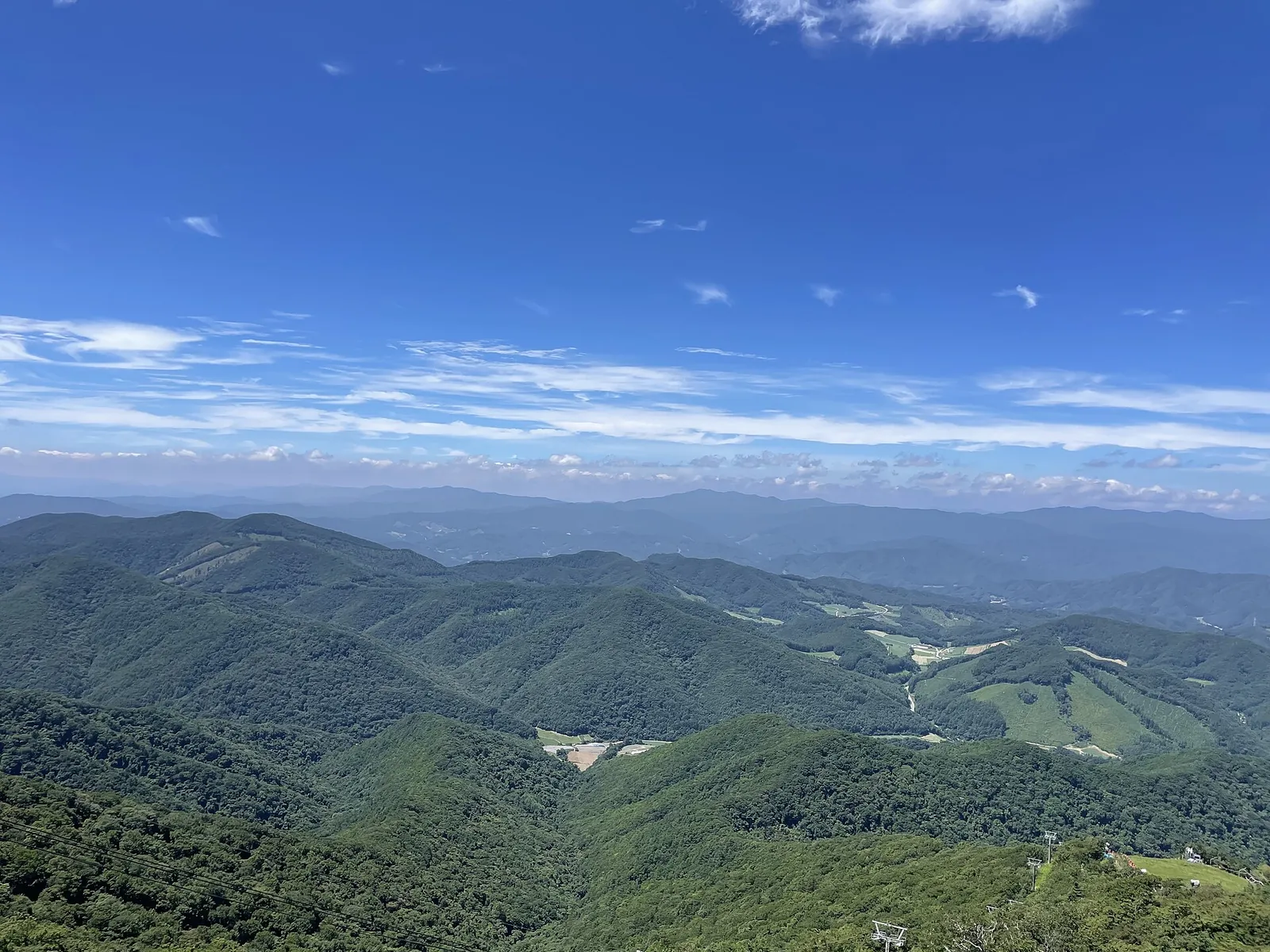
The Balwangsan Cable Car runs 7.4 km from Dragon Plaza at Yongpyong to the 1,458 m summit of Balwangsan in about 18 minutes. VisitKorea calls it the longest cable car ride in Korea. At the top is the Balwangsan Ki Skywalk, a viewing deck at 1,458 m above sea level. When we checked on 2026-10-03, VisitKorea listed hours of 09:00–17:00 and an adult round trip at 27,000 won. It warns that the cable car can stop in bad weather, so go early on a clear day.
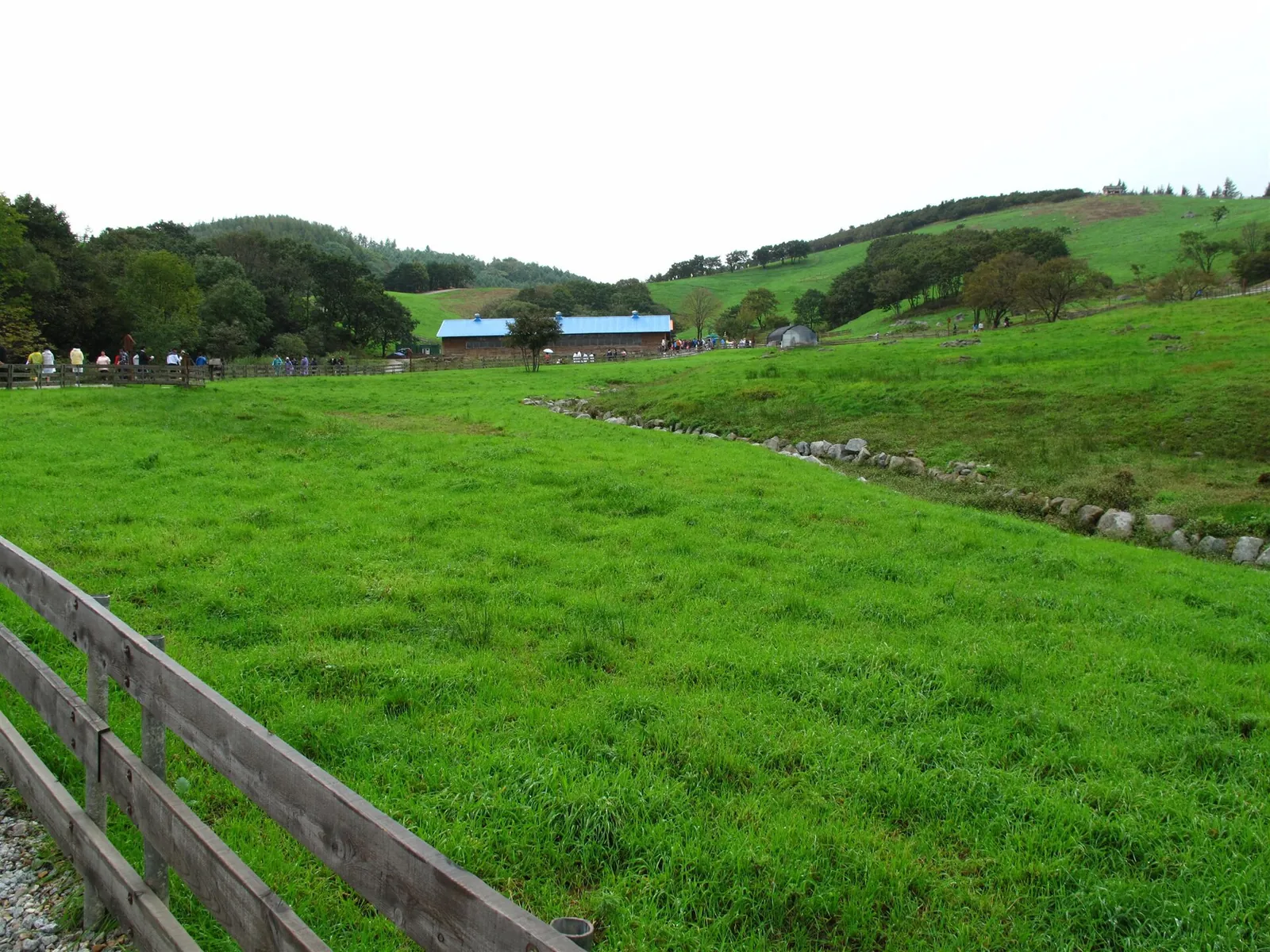
Of the ranches, Daegwallyeong Yangtte Ranch is the classic sheep farm, at 920 m, with a walking loop around the grazing fields that VisitKorea puts at about 40 minutes; the sheep are out except in winter. Samyang Roundhill, a ranch with sheep, cows and ostriches that opened to the public in 2007, adds a sheepdog show. Daegwallyeong Sky Ranch runs tractor rides round the ranch. Pick one: they are similar experiences, and each takes half a day with the drive. Fees and seasonal hours are on VisitKorea's listings and change, so check before you go.
Without a car, the county's Pyeongchang Sightseeing Taxi starts at KTX Jinbu (Odaesan) Station. VisitKorea says the packages cover sights such as Herbnara Farm, Hyoseok Moonlight Hill, the sheep farm, Odaesan and the Balwangsan cable car, and include the round-trip KTX fare, entrance fees and the taxi. Woljeongsa temple and its fir forest trail, on Odaesan in the north of the county, are covered in our Odaesan guide.
Getting there and getting around
The KTX Gangneung Line runs from Seoul Station and Cheongnyangni towards Gangneung, and VisitKorea lists Pyeongchang among its major stops. For the ski resorts, VisitKorea's ski guide lists free shuttle buses from Jinbu (Odaesan) Station to Mona Yongpyong and to Alpensia. The departures it gives are only a couple a day and change each season, so confirm them on the resort's site and book in peak season.
Intercity buses to Pyeongchang leave from Dong Seoul Terminal and Seoul Nambu Terminal, according to VisitKorea's bus guide. Inside the county, distances between Bongpyeong, the Daegwallyeong resorts and Jinbu are long enough that a rental car or taxi saves a lot of waiting.
Pyeongchang links naturally with Gangneung on the coast, which is further along the same rail line, and with Odaesan, Jeongseon and Yeongwol for a longer Gangwon loop.
Practical questions
When do the buckwheat flowers bloom in Bongpyeong?
In early autumn. The Hyoseok Cultural Festival is held around September for the bloom; VisitKorea listed 4 to 13 September for 2026. Next year's dates are announced on www.hyoseok.com.
Which Pyeongchang ski resort should I choose?
Mona Yongpyong for the most slopes and the cable car, Alpensia for a compact resort with the Olympic ski jump and a water park, and Phoenix Snow Park for beginners, freestyle and easy access to Bongpyeong.
Can I visit Pyeongchang as a day trip from Seoul?
You can reach it by KTX, but the sights are spread across a large county. Stay at least one night, two or three if you ski.
How do I get to the ski resorts without a car?
Take the KTX Gangneung Line to Jinbu (Odaesan) Station. VisitKorea lists free shuttle buses from there to Mona Yongpyong and Alpensia. Check the current times on the resort sites.
Is there anything to do in Pyeongchang in summer?
Yes. It is cool at altitude, the ranches are green, the Balwangsan cable car runs, Alpensia's lower slope becomes a wildflower garden, and Music in PyeongChang takes place in late July and early August.
How long is the Balwangsan Cable Car?
VisitKorea gives 7.4 km and about 18 minutes to the 1,458 m summit. It can close in bad weather.
Sources and checks before you travel
Reference sources for the version dated 3 October 2026. Confirm opening times, access, transport and conditions for your travel dates.
- VisitKorea: Hyoseok Cultural Festival ↗ — opens in a new tab
- VisitKorea: Lee Hyo-seok Culture Village ↗ — opens in a new tab
- VisitKorea: Lee Hyo-seok Memorial Hall ↗ — opens in a new tab
- VisitKorea: Hyoseok Culture Village Buckwheat Food Street ↗ — opens in a new tab
- VisitKorea: Bongpyeong 5-day Market ↗ — opens in a new tab
- VisitKorea: Herbnara Farm ↗ — opens in a new tab
- VisitKorea: Yongpyong Ski Resort ↗ — opens in a new tab
- VisitKorea: Mona YongPyong Mt. Balwangsan ↗ — opens in a new tab
- VisitKorea: 12 Ski Resorts to Spend an Exciting Winter in Korea ↗ — opens in a new tab
- VisitKorea: Alpensia Ski Resort ↗ — opens in a new tab
- VisitKorea: Phoenix Park ↗ — opens in a new tab
- VisitKorea: Phoenix Snow Park ↗ — opens in a new tab
- VisitKorea: Yong Pyong Resort (Medical & Wellness Korea) ↗ — opens in a new tab
- VisitKorea: Balwangsan Cable Car ↗ — opens in a new tab
- VisitKorea: Daegwallyeong Yangtte Ranch ↗ — opens in a new tab
- VisitKorea: Samyang Roundhill ↗ — opens in a new tab
- VisitKorea: Daegwallyeong Sky Ranch ↗ — opens in a new tab
- VisitKorea: Pyeongchang Sightseeing Taxi Platform ↗ — opens in a new tab
- VisitKorea: Music in PyeongChang ↗ — opens in a new tab
- VisitKorea: Pyeongchang Trout Festival ↗ — opens in a new tab
- VisitKorea: Lee Hyo-seok Literature Baengnigil Trail Course ↗ — opens in a new tab
- VisitKorea: Train ↗ — opens in a new tab
- VisitKorea: Express Bus & Intercity Bus ↗ — opens in a new tab
- VisitKorea: Domestic Flights ↗ — opens in a new tab
- VisitKorea: Airport transportation guide ↗ — opens in a new tab
- VisitKorea: Pyeongchang Hanu Village Daegwallyeong Restaurant ↗ — opens in a new tab
- VisitKorea: Sliced Raw Trout (Songeohoe) ↗ — opens in a new tab
- VisitKorea: Dried Pollack and Rice Soup (Hwangtaegukbap) ↗ — opens in a new tab
- VisitKorea: Climate ↗ — opens in a new tab
Does this experience fit your route?
Pyeongchang is straightforward on your own by KTX and resort shuttle. A packaged tour makes sense mainly for a first ski day with rental and lessons arranged — check that it really goes to Pyeongchang.
Browse relevant experiences on Viator ↗ — opens in a new tabAffiliate link · Book with ViatorPhoto credits
The Olympic ski jumping stadium at Alpensia, Daegwallyeong-myeon, in winter
Photograph: Republic of Korea from Seoul, Republic of Korea — opens in a new tab · CC BY-SA 2.0 — opens in a new tab
Changes: Resized and converted to WebP; displayed with responsive crops. · Original photograph and licence details ↗ — opens in a new tab
Summer pasture at a sheep farm in the Daegwallyeong highlands
Photograph: Ken Eckert — opens in a new tab · CC BY-SA 4.0 — opens in a new tab
Changes: Resized and converted to WebP; displayed with responsive crops. · Original photograph and licence details ↗ — opens in a new tab
The view from Balwangsan, the 1,458 m summit above Yongpyong
Photograph: Sadopaul — opens in a new tab · CC BY-SA 4.0 — opens in a new tab
Changes: Resized and converted to WebP; displayed with responsive crops. · Original photograph and licence details ↗ — opens in a new tab
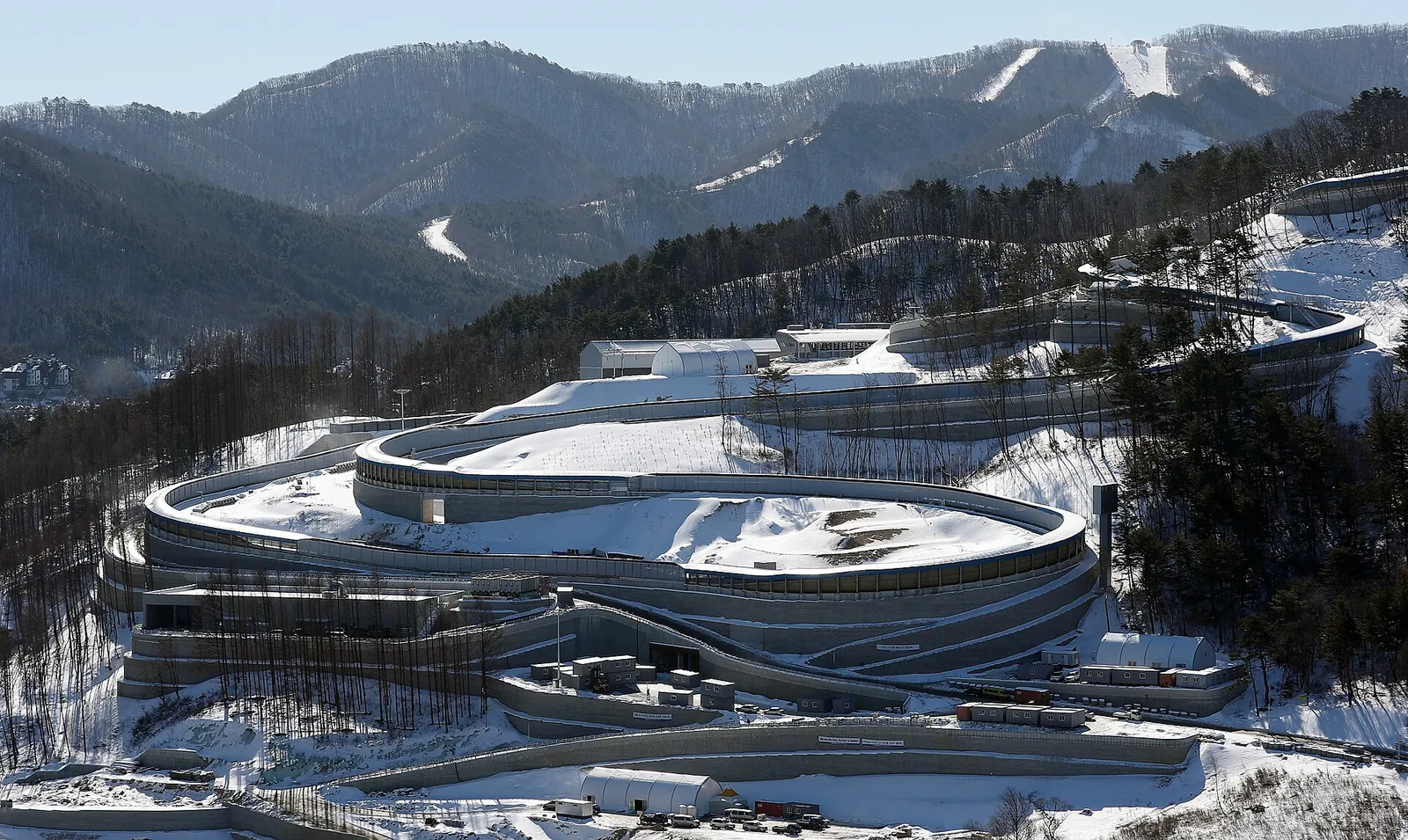
The Olympic sliding centre at Alpensia, built for bobsleigh, luge and skeleton
Photograph: Republic of Korea from Seoul, Republic of Korea — opens in a new tab · CC BY-SA 2.0 — opens in a new tab
Changes: Resized and converted to WebP; displayed with responsive crops. · Original photograph and licence details ↗ — opens in a new tab
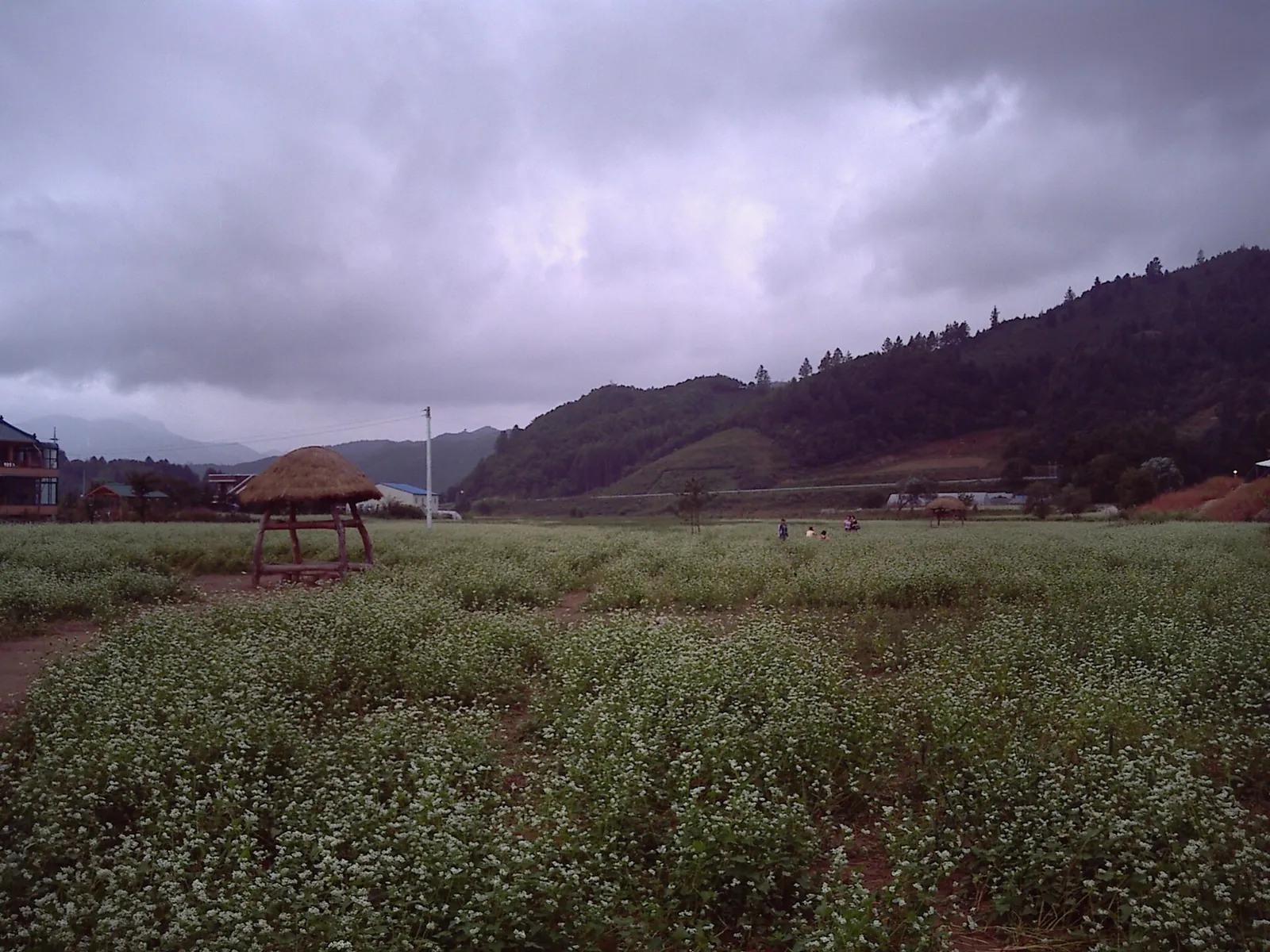
Buckwheat in flower in Bongpyeong, the setting of Lee Hyo-seok's story
Photograph: Cho's — opens in a new tab · CC BY-SA 3.0 — opens in a new tab
Changes: Resized and converted to WebP; displayed with responsive crops. · Original photograph and licence details ↗ — opens in a new tab
Makguksu, the buckwheat noodles served across Gangwon and in Bongpyeong's restaurants
Photograph: 최광모 — opens in a new tab · CC0 — opens in a new tab
Changes: Resized and converted to WebP; displayed with responsive crops. · Original photograph and licence details ↗ — opens in a new tab
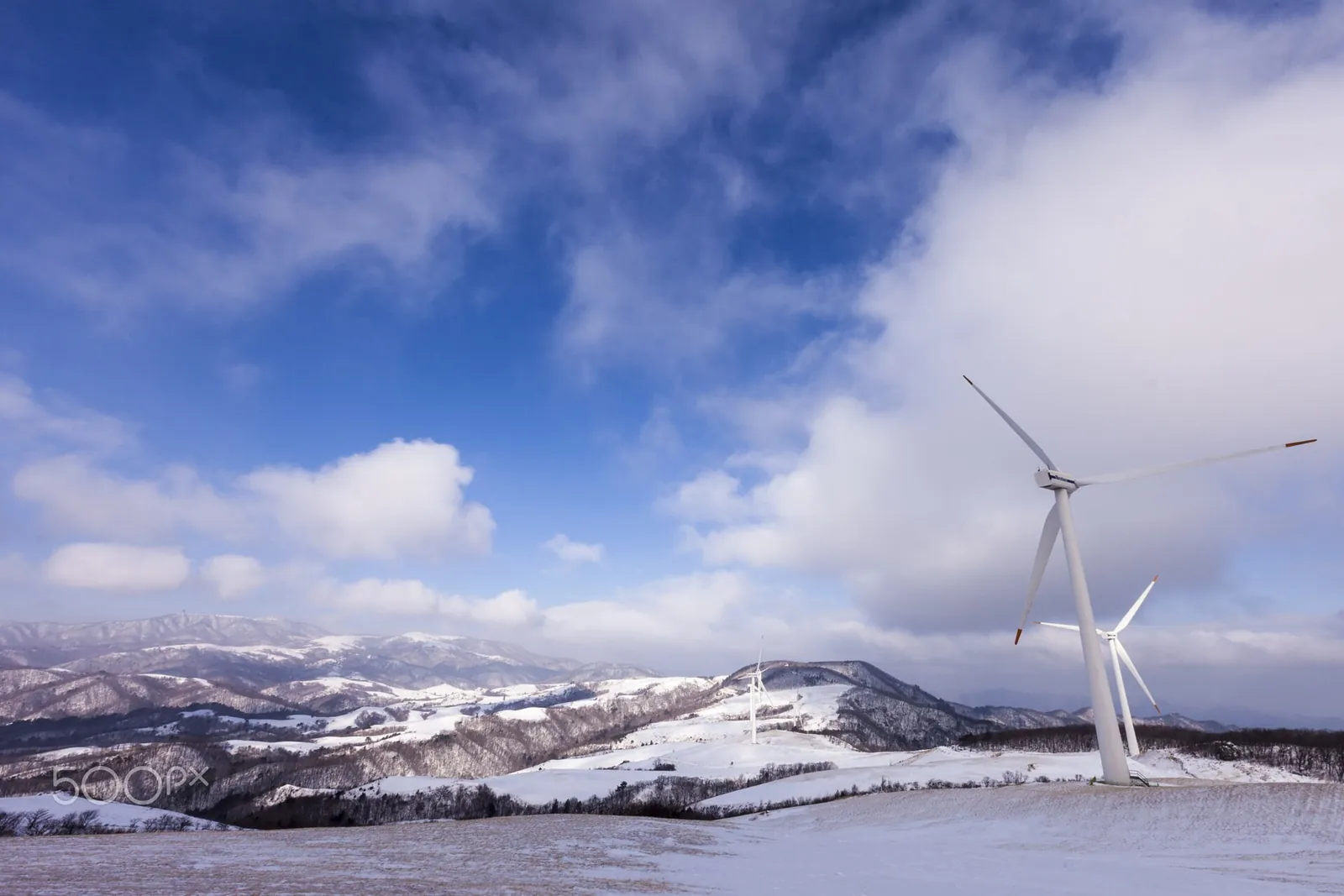
Winter on the high pastures of Samyang Ranch, Daegwallyeong
Photograph: Yong Lee — opens in a new tab · CC BY 3.0 — opens in a new tab
Changes: Resized and converted to WebP; displayed with responsive crops. · Original photograph and licence details ↗ — opens in a new tab