Sulawesi · Central Sulawesi
Togean Islands guide: reefs, Bajau villages and the boats from Ampana
The Togean (or Togian) Islands sit almost on the equator in the middle of the Gulf of Tomini, off Central Sulawesi. Wikipedia counts 56 islands and many islets, with about 42,500 people living in 59 villages, and the islands and their waters are protected as Kepulauan Togean National Park. There are no resort towns here: you sleep in simple wooden bungalows on small islands such as Kadidiri, eat what the kitchen cooks, and spend the days snorkelling, diving and visiting the stilt-house villages of the Bajau, the sea people. Getting there takes at least a day overland or by ferry from the Sulawesi mainland, and the boats are infrequent, so the Togeans suit travellers with time rather than a tight schedule.
- Suggested time
- 4–5 nights on the islands, plus a travel day each way
- Where to stay
- Kadidiri (near Wakai) or Bomba; a night in Ampana before and after the crossing
- Season and timing
- The islands are hot and humid all year, close to the equator. Wikivoyage describes the middle of the year as the driest period, while the climate data cited by Wikipedia for Ampana shows rain in most months, so expect showers whenever you go. Boats do not run every day in any season, so build in a spare day.
The short answer
Give the Togeans at least four to five nights on the islands, plus a travel day each way. Pick one or two bases rather than hopping daily: Kadidiri, a short boat ride from the ferry port of Wakai, for easy snorkelling and dive centres, or Bomba for the Bomba atoll reefs and the shortest hop from Ampana. Bungalows typically charge per person with three meals included, and many send a boat to meet the ferry, so book ahead and ask about the pick-up. Reach the islands from Ampana on the mainland, the usual port, which is about seven hours by road from Palu (fly into Palu's Mutiara SIS Al-Jufrie Airport), or by the slow overnight ferry from Gorontalo. Bring all the cash you will need, as there are no ATMs on the islands.
How the Togeans work: islands, villages and the national park
The archipelago belongs to Tojo Una-Una Regency, whose capital, Ampana, faces the islands from the mainland coast. The largest islands, according to Wikipedia, are Batudaka, Togean, Talatako, Una-Una, Walea Bahi, Walea Kodi and Malenge; the main market and ferry village is Wakai, the administrative centre of Una-Una district. Wikivoyage describes Wakai as the biggest settlement with shops and a market, while other villages have only small shops for drinks and snacks.
Kepulauan Togean National Park was established on 19 October 2004 by a Ministry of Forestry decree, covering about 362,605 hectares, most of it sea, as the Indonesian Wikipedia article on the park records. In 2019 UNESCO added the Togean Tojo Una-Una Biosphere Reserve to its network; its page describes the islands as lying at the centre of the coral triangle and on the Wallace and Weber lines, which is why the land and sea life is so unusual. A park survey counted about 596 fish species, UNESCO notes.
The Ministry of Tourism describes the Togeans as a place of community-based ecotourism: rainforest-covered volcanic islands, small white-sand beaches and Bajau fishing villages. In practice that means no roads to speak of between islands, few vehicles, and boats for everything. Your lodging becomes your restaurant, tour desk and transport office.
- Kadidiri: the best-known island, with a cluster of beach bungalows and dive centres a short boat ride from Wakai.
- Bomba: the closest island village to Ampana, near the Bomba atoll reef.
- Katupat, Malenge, Walea Kodi and Una-Una: quieter, more scattered lodgings further east and north.
Choosing your island: Kadidiri, Bomba or the far side
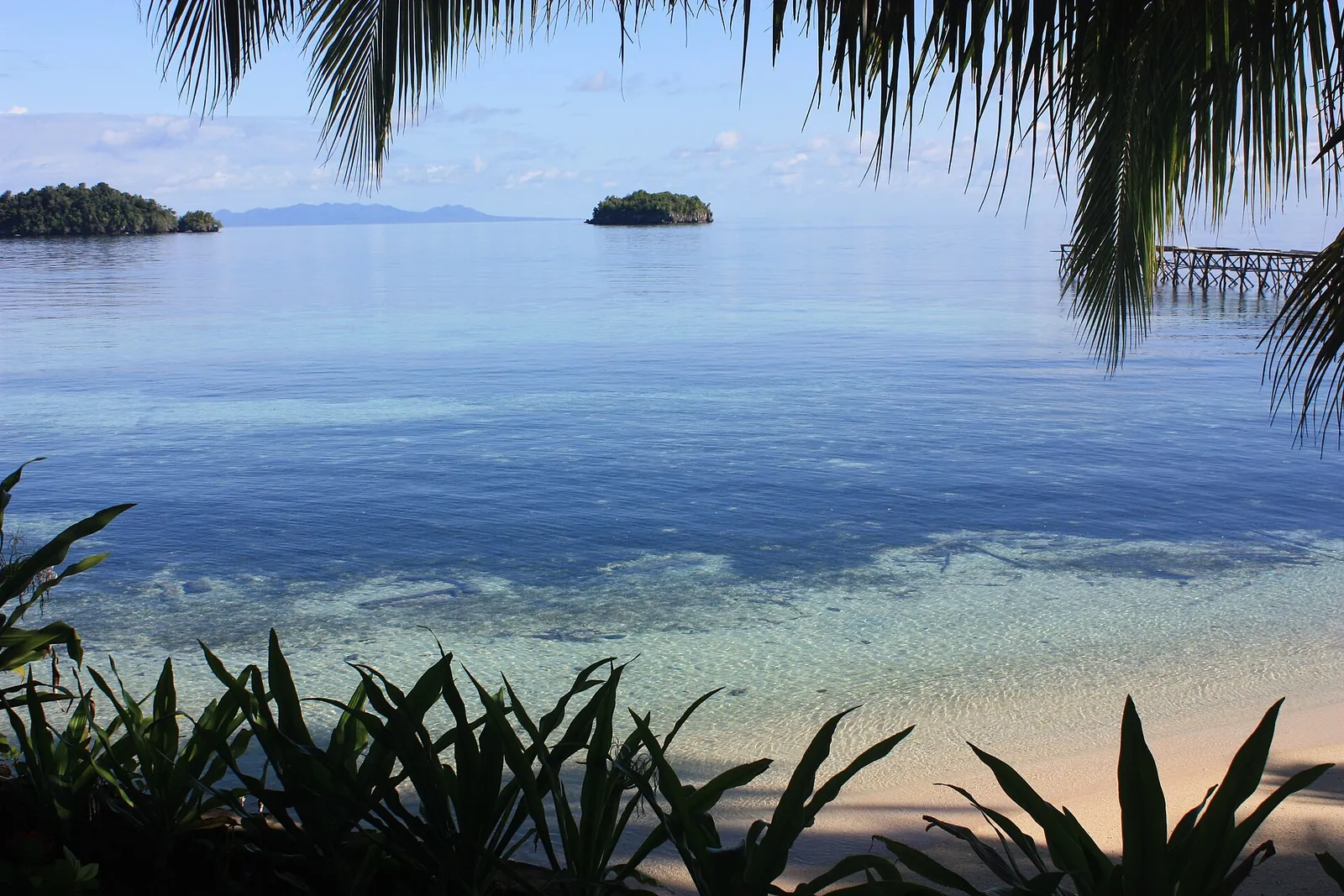
Kadidiri is the easy choice for a first visit. The Ministry of Tourism calls it one of the key tourist destinations of the park, with white-sand beaches and very clear water, and Wikivoyage describes a few bungalow operations side by side on one small beach, two of them with dive centres, plus a long jetty with good snorkelling straight off it. Lodgings there usually meet the ferry at Wakai.
Bomba is the closest island village to the mainland; Wikivoyage puts it about 40 minutes from Ampana by fast boat. It is the base for the Bomba atoll and the nearby wall dives, and several small places there also arrange forest walks.
Further east, Wikivoyage lists lodgings on Katupat-area islets such as Bolilanga and Pangempa, on Malenge and on Walea Kodi, and a dive resort on Una-Una, the volcanic island of the Colo volcano. These are more isolated and depend on your host's boat, so they suit a second base once you have a feel for the islands. Almost everywhere, Wikivoyage notes, rates are per person and include three meals; fresh water, power and hot water can be limited, so ask before you book.
Make time for the local food
What to eat and where to look
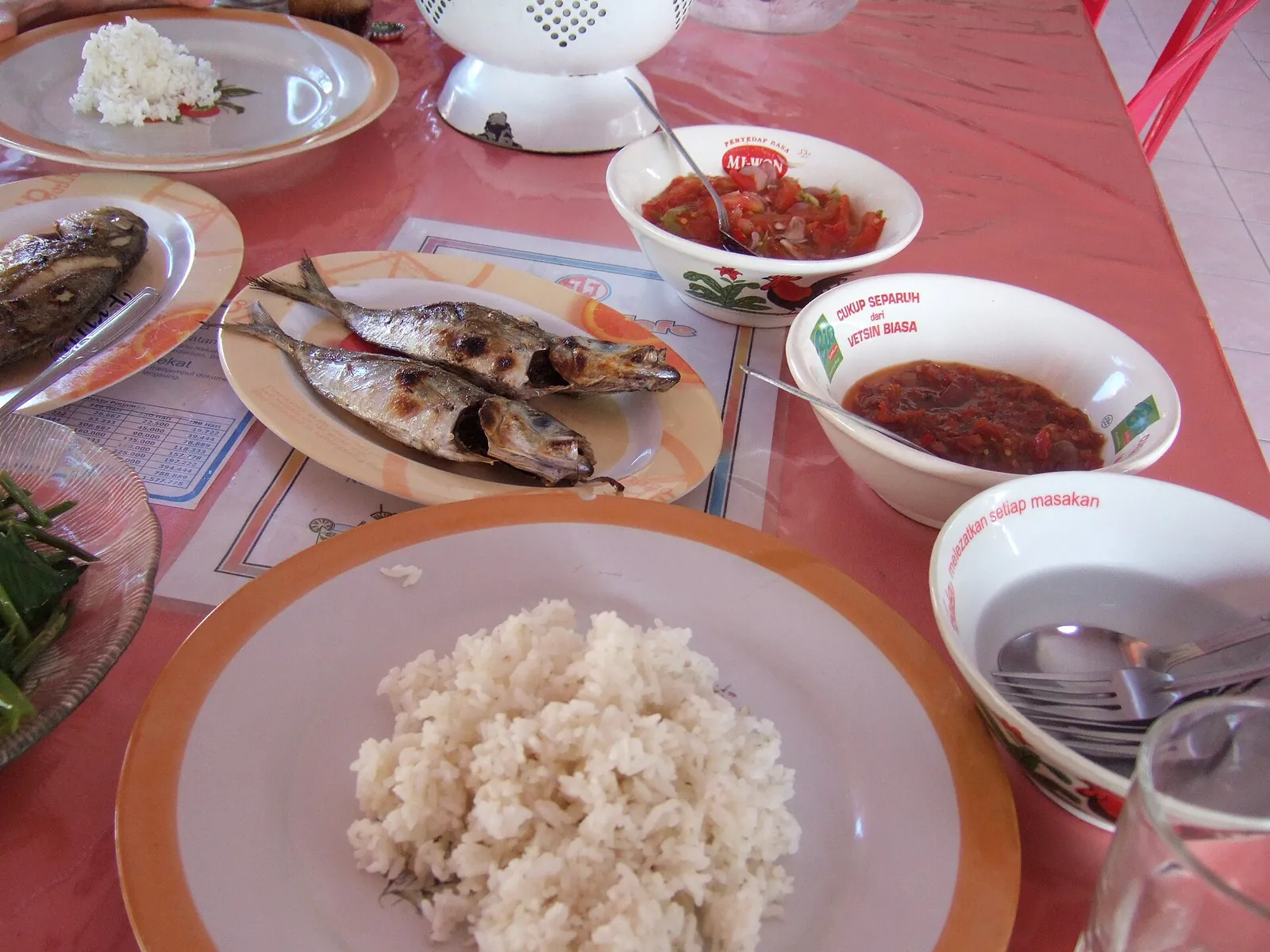
Grilled fresh fish with sambal
Fish caught the same day, grilled and served with rice, vegetables and chilli sambal, is the backbone of island meals; Wikivoyage describes resort kitchens built around fish.
- Where to look
- Your bungalow's set meals on Kadidiri, Bomba or Malenge, and warungs near the harbour in Ampana.
- Fit it into your day
- Dinner on most nights, as meals are usually included in the room rate.
Tell your host about allergies or a no-fish diet when you book, as kitchens shop in Wakai and cannot improvise.
Set meals of Indonesian dishes
Buffet-style or set meals of rice with fish, chicken and vegetables; some lodgings, Wikivoyage notes, add Western dishes such as pasta or bread.
- Where to look
- Lodging dining rooms; three meals a day are normally included.
- Fit it into your day
- Breakfast before the morning boat or dive, lunch between trips.
Meals are served at set times; let the kitchen know if a trip will make you late.
Market food in Wakai and Ampana
Wakai is the biggest island village, with shops and a market, according to Wikivoyage; Ampana on the mainland has a market and banks near its centre.
- Where to look
- Wakai market; the centre of Ampana, a short walk from the harbour.
- Fit it into your day
- Stock up on fruit and snacks before a long boat day.
Choose busy stalls and food cooked to order.
Drinking water, coffee and tea
Wikivoyage reports that lodgings provide boiled water, tea and coffee; bottled water and beer are sold at the lodgings.
- Where to look
- Your lodging; refill from their boiled-water container.
- Fit it into your day
- Bring a refillable bottle for boat trips.
Do not drink untreated tap or well water.
Reefs: snorkelling and diving
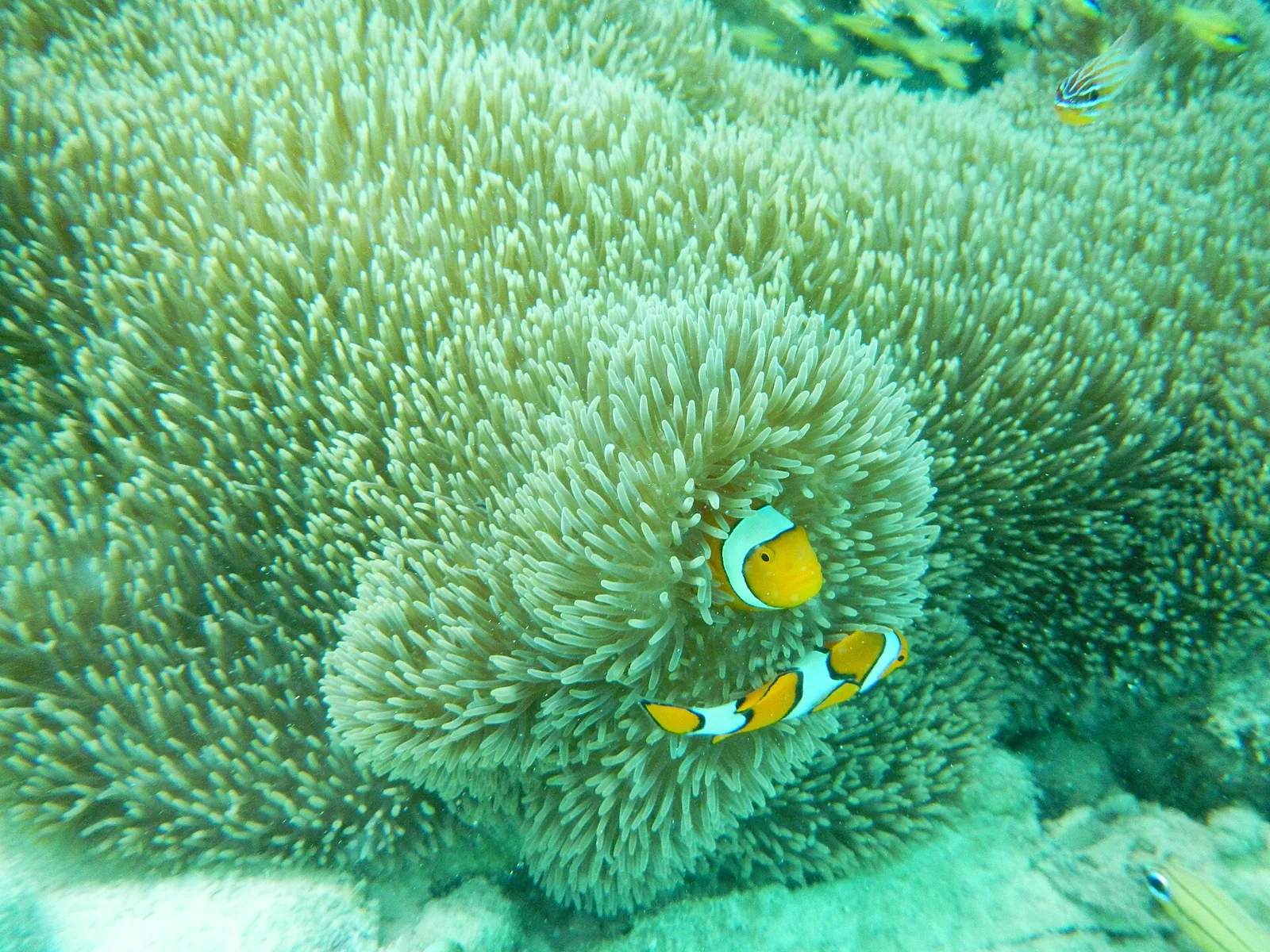
The water is the reason to come. The Ministry of Tourism notes that the Togeans have all four reef types — fringing, barrier, patch and atoll — and an endemic coral, *Acropora togeannensis*. Wikivoyage singles out the Bomba atoll and the walls near Bomba, the fringing reef around Taupan, the schools of barracuda and jacks off Una-Una, and dive sites around Kadidiri such as The Gap and The Crack, as well as a B-24 bomber wreck dived from Kadidiri.
You do not need to dive to see a lot. Wikivoyage reports that dive boats often take snorkellers along when the site is shallow, that some lodgings lend canoes or kayaks for paddling to nearby reefs, and that Kadidiri has a no-take zone where fishing is not allowed. Check the condition of rental equipment, as Wikivoyage advises, and confirm what a dive centre charges for the more distant sites.
Coral is sharp: Wikivoyage warns that reef cuts can become serious, so wear reef shoes where you walk in and do not stand on or touch the coral. Medical help is far away; for divers, check your insurance and leave a day between your last dive and any flight.
Bajau villages, the jellyfish lake and island forests
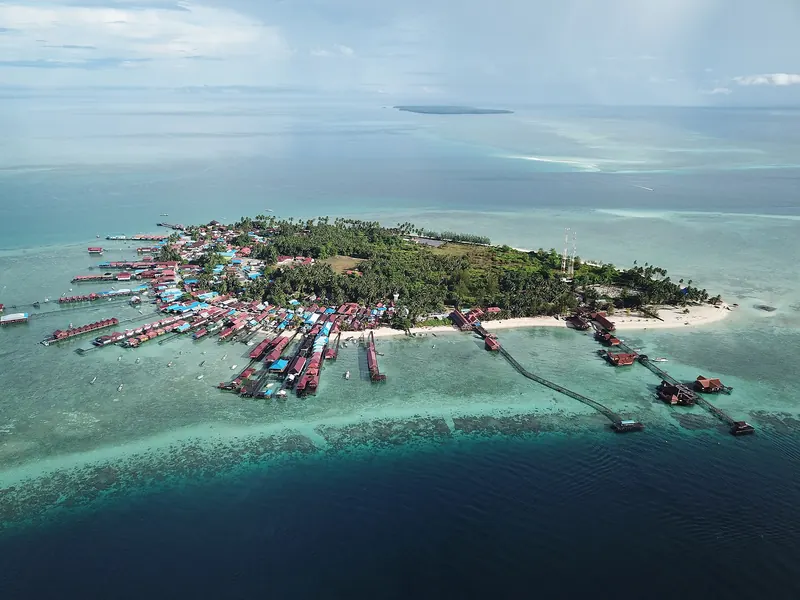
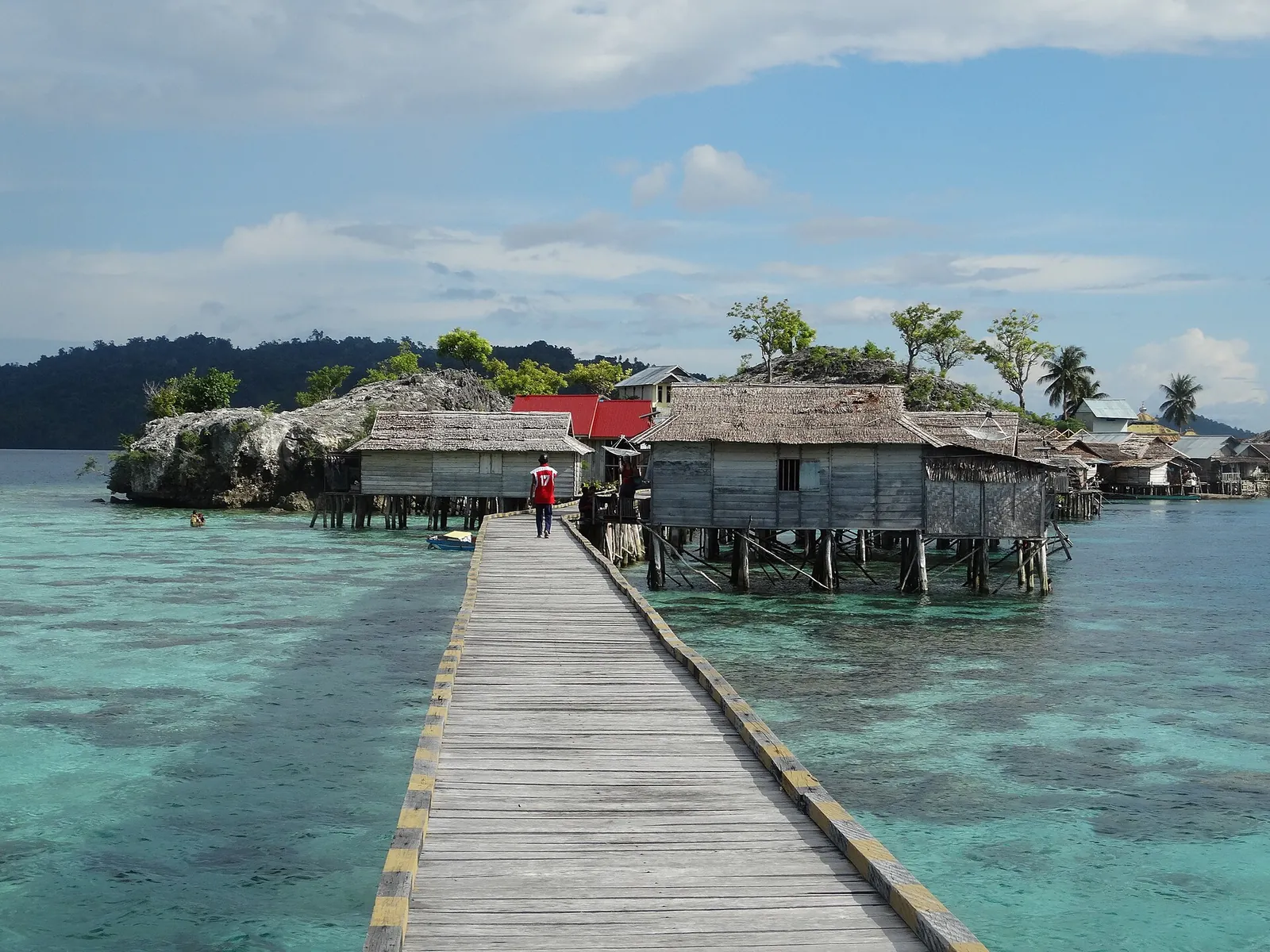
The Togeans are home to Bajau (Bajo) communities, sea people who traditionally live by fishing, and Wikivoyage notes that lodgings run trips to their villages. The best-known is Kabalutan off Malenge, which the Indonesian Wikipedia article on the park lists among the things to do: a village of wooden houses built on stilts over the reef and linked by boardwalks. Go with your host or a local guide, ask before photographing people, and buy something from the village shop rather than handing out sweets.
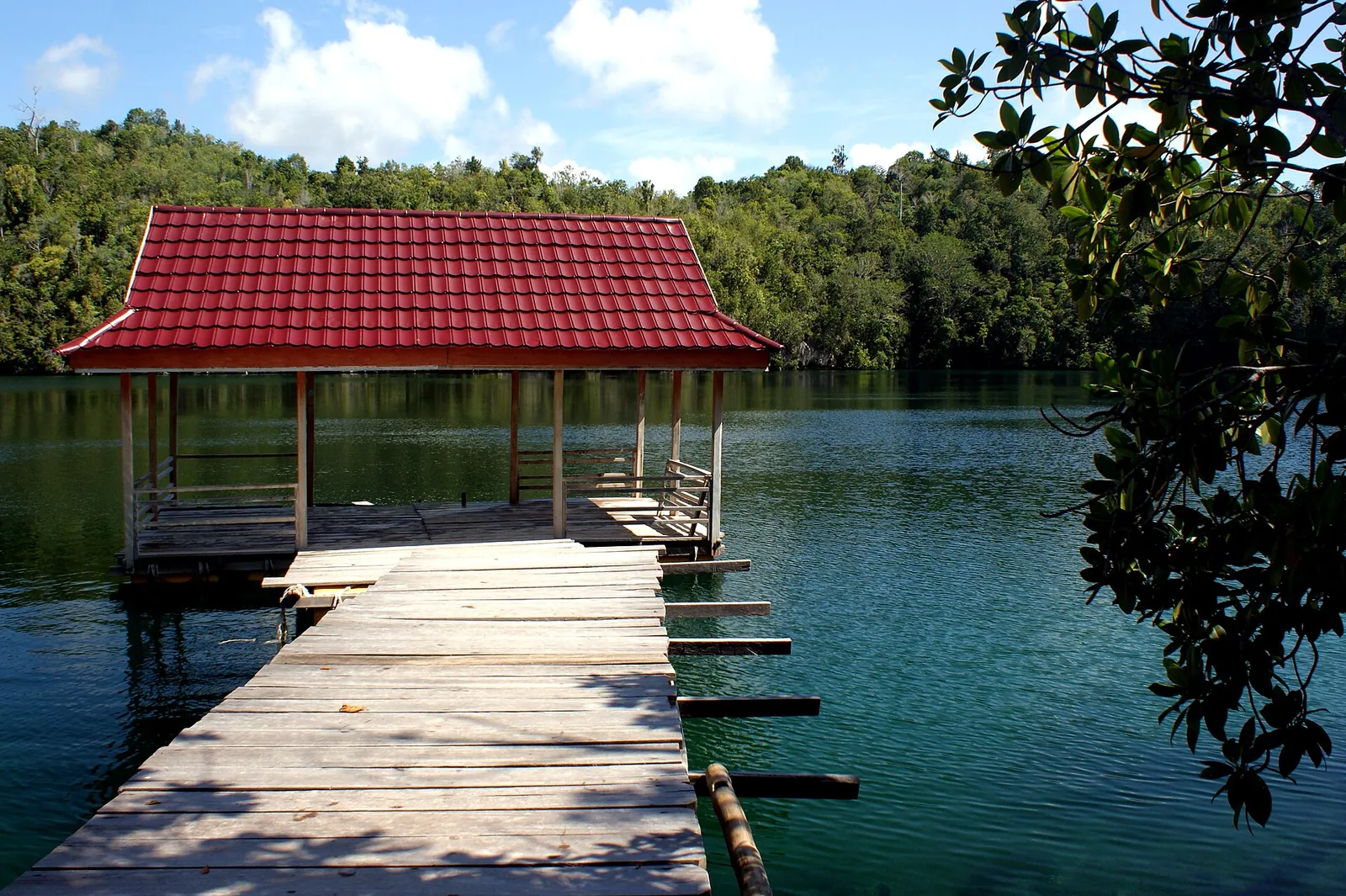
Several lodgings also run trips to a marine lake with stingless jellyfish, which Wikivoyage mentions and Wikipedia describes as home to non-venomous jellyfish. Swim gently and without sunscreen if you can, and do not lift the jellyfish out of the water.
On land, Wikipedia lists the Togian babirusa, the Togian hawk-owl (discovered in 1999) and the Togian white-eye (described in 2008) among the islands' endemic animals, and the Ministry of Tourism mentions Sulawesi hornbills and giant coconut crabs, which come out at night, on Kadidiri. The Indonesian Wikipedia article recommends the forest on Malenge for walks. On Una-Una, the Colo volcano erupted in 1983 and pyroclastic flows devastated most of the island, according to Wikipedia; its reefs have drawn divers since the 1990s.
Getting there: Ampana, Gorontalo and the boat days
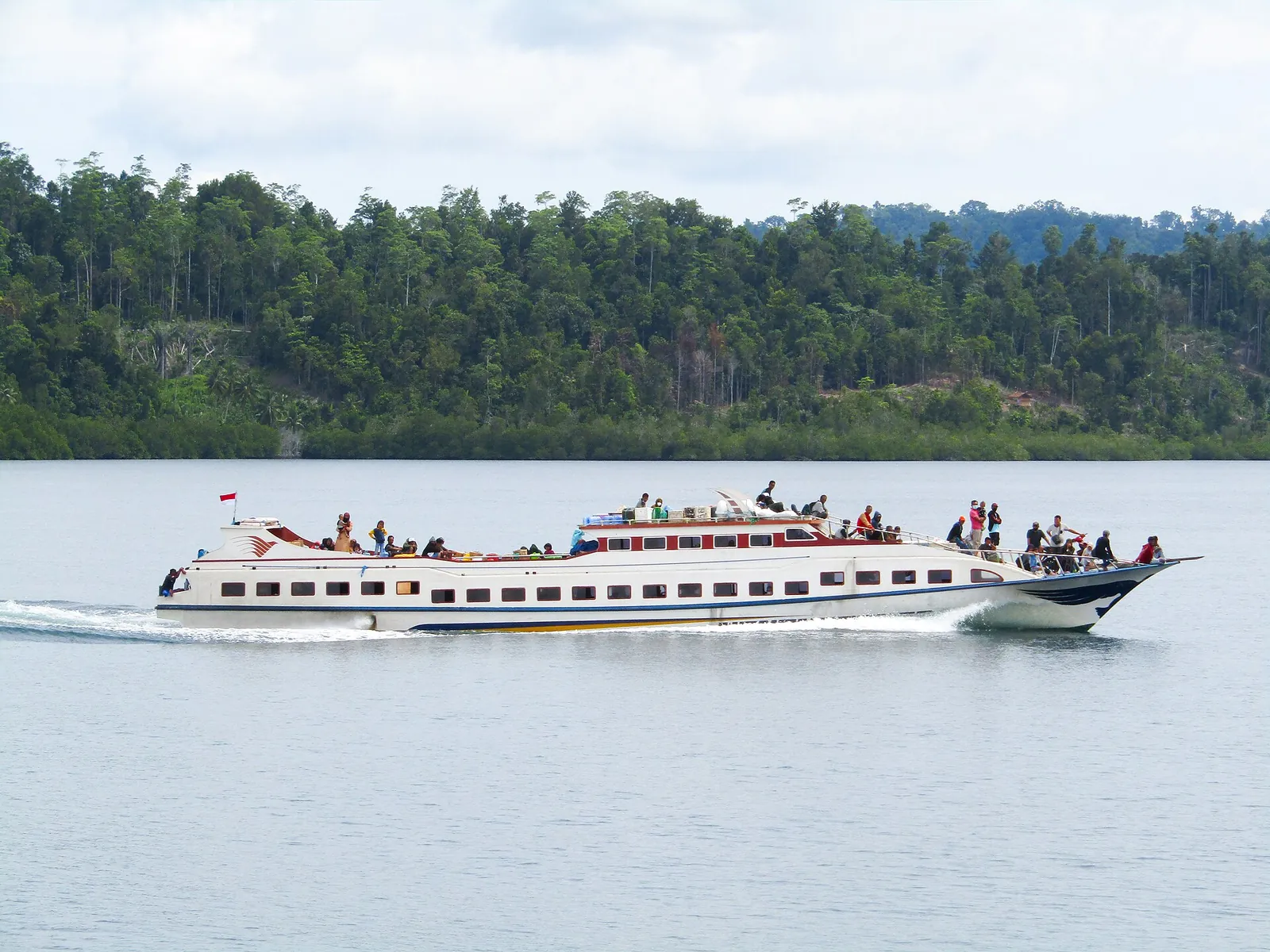
Ampana is the usual port, the Ministry of Tourism says. It describes the road from Palu, the provincial capital, as about seven hours (375 kilometres) by bus or chartered car via Poso, and the overland route from Rantepao in Tana Toraja via Tentena and Poso as about 14 hours by car. From Ampana, the ministry describes a daily boat of about four hours to Wakai and Malenge, and Wikivoyage also describes a faster public speedboat that stops at Bomba on the way to Wakai. Departure days and times change, and the sources we read disagree with one another, so ask your lodging for the current boat and its pick-up arrangements before you travel.
From the north, a slow public ferry links Gorontalo with Wakai. One Ministry of Tourism page says it runs twice a week, another once a week, and Wikivoyage puts the overnight crossing at about 13 hours. It is a useful route if you are coming from Manado and North Sulawesi. Chartered speedboats are possible too, including from Marisa in Gorontalo province and Bunta in Central Sulawesi, the ministry notes, but Wikivoyage makes clear they cost many times the public fare.
By air, Ampana's Tanjung Api Airport (OJU), about 5 kilometres from town, saves the long drive from Palu but has a very thin schedule. Wikipedia reports that, as of 2026, Susi Air flies small aircraft between Palu and Ampana twice a week and is the only scheduled airline there; Wings Air and Citilink services have come and gone. Check before you rely on it, and plan to spend a night in Ampana if your connection does not line up with the boat.
Money, power and packing
There are no ATMs on the islands, Wikivoyage warns; use the ATMs in Ampana and bring enough cash for lodging, boat trips, diving and the park ticket, plus a reserve in case a boat is cancelled. The park ticket is paid in cash: when we checked on 2026-10-03, Wikivoyage listed the national park entrance ticket at Rp 150,000 per person for foreign visitors and Rp 5,000 for Indonesian residents. We could not confirm this on an official park page, so treat it as a guide.
Expect basic comforts. Wikivoyage describes cold-water bathrooms, running water limited to set hours at some places and generator power, and recommends a strong DEET repellent, as mosquitoes bite day and night. Bring a torch, a dry bag for the boats and any medicines you need; shops on the islands sell little beyond snacks and drinks.
Practical questions
How many days do I need in the Togean Islands?
At least four to five nights on the islands, plus a travel day each way. Boats are infrequent, so add a spare day.
How do I get to the Togean Islands?
Most travellers go through Ampana on the Central Sulawesi coast, about seven hours by road from Palu according to the Ministry of Tourism, then take a public or fast boat to Wakai, Bomba or Malenge. A slow overnight ferry also runs from Gorontalo to Wakai once or twice a week.
Which island should I stay on?
Kadidiri for a first visit, with several bungalow operations and dive centres near Wakai; Bomba for the Bomba atoll reefs and the shortest hop from Ampana; Malenge, Walea Kodi or Una-Una for more isolation.
Are there ATMs on the Togean Islands?
No. Wikivoyage advises getting cash in Ampana and bringing enough for the whole stay, including a reserve in case a boat is cancelled.
Can I fly to Ampana?
Tanjung Api Airport (OJU) near Ampana has only small pioneer flights; Wikipedia reports that Susi Air flies from Palu twice a week as of 2026. Check the current schedule before relying on it.
Do I have to be a diver?
No. Snorkelling off the beaches and jetties is good, dive boats often take snorkellers to shallow sites, and village and jellyfish-lake trips need no gear.
Sources and checks before you travel
Reference sources for the version dated 3 October 2026. Confirm opening times, access, transport and conditions for your travel dates.
- Indonesia Travel (Ministry of Tourism): Togean Island ↗ — opens in a new tab
- Indonesia Travel (Ministry of Tourism): Kadidiri Island ↗ — opens in a new tab
- Indonesia Travel (Ministry of Tourism): Diving Togean ↗ — opens in a new tab
- UNESCO: Togean Tojo Una-Una Biosphere Reserve ↗ — opens in a new tab
- Wikipedia (Indonesian): Taman Nasional Kepulauan Togean ↗ — opens in a new tab
- Wikipedia: Togian Islands ↗ — opens in a new tab
- Wikipedia: Tanjung Api Airport ↗ — opens in a new tab
- Wikipedia: Mutiara SIS Al-Jufrie Airport ↗ — opens in a new tab
- Wikivoyage: Ampana ↗ — opens in a new tab
- Wikipedia: Una-Una ↗ — opens in a new tab
- Wikivoyage: Togian Islands ↗ — opens in a new tab
Photo credits
The Bajau village of Kabalutan, built on stilts over the reef off Malenge in the Togean Islands
Photograph: Benoît Vicart — opens in a new tab · CC0 — opens in a new tab
Changes: Resized and converted to WebP; displayed with responsive crops. · Original photograph and licence details ↗ — opens in a new tab
Morning view from Kadidiri, the best-known island in Togean Islands National Park
Photograph: Arian Zwegers — opens in a new tab · CC BY 2.0 — opens in a new tab
Changes: Resized and converted to WebP; displayed with responsive crops. · Original photograph and licence details ↗ — opens in a new tab
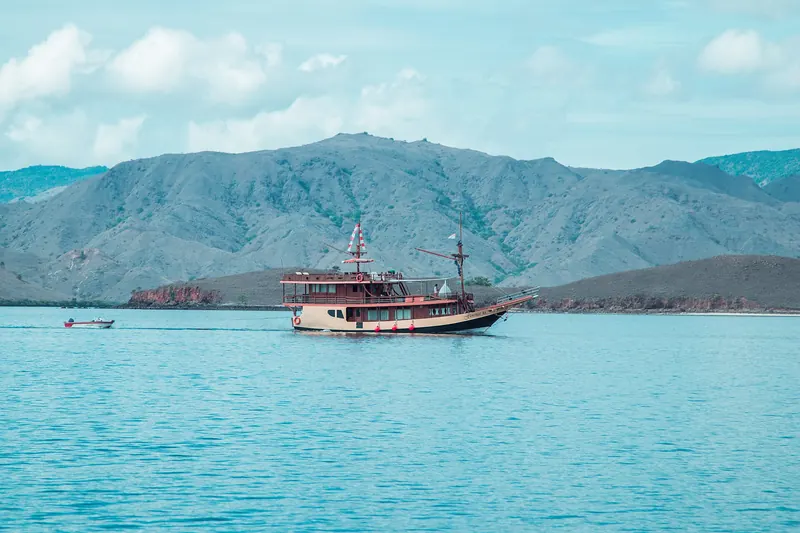
A fast boat on a Tojo Una-Una route; boats are the only way to reach and move around the Togean Islands
Photograph: Hardi A. Gani — opens in a new tab · CC BY-SA 4.0 — opens in a new tab
Changes: Resized and converted to WebP; displayed with responsive crops. · Original photograph and licence details ↗ — opens in a new tab
Grilled fish with rice and sambal, photographed in Bitung, North Sulawesi: the kind of simple fish meal served across the region
Photograph: Midori — opens in a new tab · CC BY-SA 3.0 — opens in a new tab
Changes: Resized and converted to WebP; displayed with responsive crops. · Original photograph and licence details ↗ — opens in a new tab
The jellyfish lake in the Togean Islands, reached from the jetty and its red-roofed shelter
Photograph: Kondephy — opens in a new tab · CC BY-SA 4.0 — opens in a new tab
Changes: Resized and converted to WebP; displayed with responsive crops. · Original photograph and licence details ↗ — opens in a new tab
Clownfish in a sea anemone on a Togean reef, an easy sight on a snorkelling trip
Photograph: Miranda Rachellina — opens in a new tab · CC BY-SA 4.0 — opens in a new tab
Changes: Resized and converted to WebP; displayed with responsive crops. · Original photograph and licence details ↗ — opens in a new tab