Sulawesi · South Sulawesi
Tanjung Bira guide: white sand, pinisi shipyards and the road from Makassar
Tanjung Bira is the white-sand cape at the south-eastern tip of South Sulawesi, where the Flores Sea meets the Gulf of Bone. It is a small beach village rather than a resort island: a single road in, guesthouses behind the sand, a ferry port for Selayar and, a short drive back up the coast, the shipyards where Bulukumba's Konjo-speaking shipwrights still build wooden pinisi schooners by hand. That combination of a proper swimming beach and a living boatbuilding tradition that UNESCO lists as intangible heritage is what makes it worth the long drive. Because the drive is long, Bira works best as a two- or three-night beach break added to a stay in Makassar, not as a day trip.
- Suggested time
- 2–3 nights, added to a stay in Makassar
- Where to stay
- The Tanjung Bira beach strip; Bulukumba town only if Bira is full
- Season and timing
- Bulukumba is driest from about August to November and wettest from December to July. The Festival Pinisi in Bulukumba was listed for 15–17 October 2026 when we checked. Weekends are busy with domestic visitors; midweek is much quieter.
The short answer
Give Tanjung Bira two or three nights. Fly into Makassar, then go by road; the Ministry of Tourism estimates four to five hours to Bulukumba and suggests renting a car, and Bira is further along at the very tip of the peninsula. Sleep on the Bira beach strip, where the guesthouses and seafood places are. Spend one day on the beach and a snorkelling boat to Liukang Loe island, and one morning at the pinisi shipyards of Tana Beru and Ara before the heat, with the afternoon back on the sand. Come on a weekday if you can, since Indonesian weekenders fill the village, and bring enough cash for the whole stay.
How Tanjung Bira works: one road, one cape, two coasts
Bira is a village (kelurahan) in the Bonto Bahari district of Bulukumba Regency, and its shoreline is the beach area known as Tanjung Bira. Bonto Bahari, whose name means "land of the sea", forms the southern tip of the peninsula, with the Flores Sea to the south and the Gulf of Bone to the east. The district centre is Tanah Beru, about 24 kilometres from Bulukumba town, the regency capital.
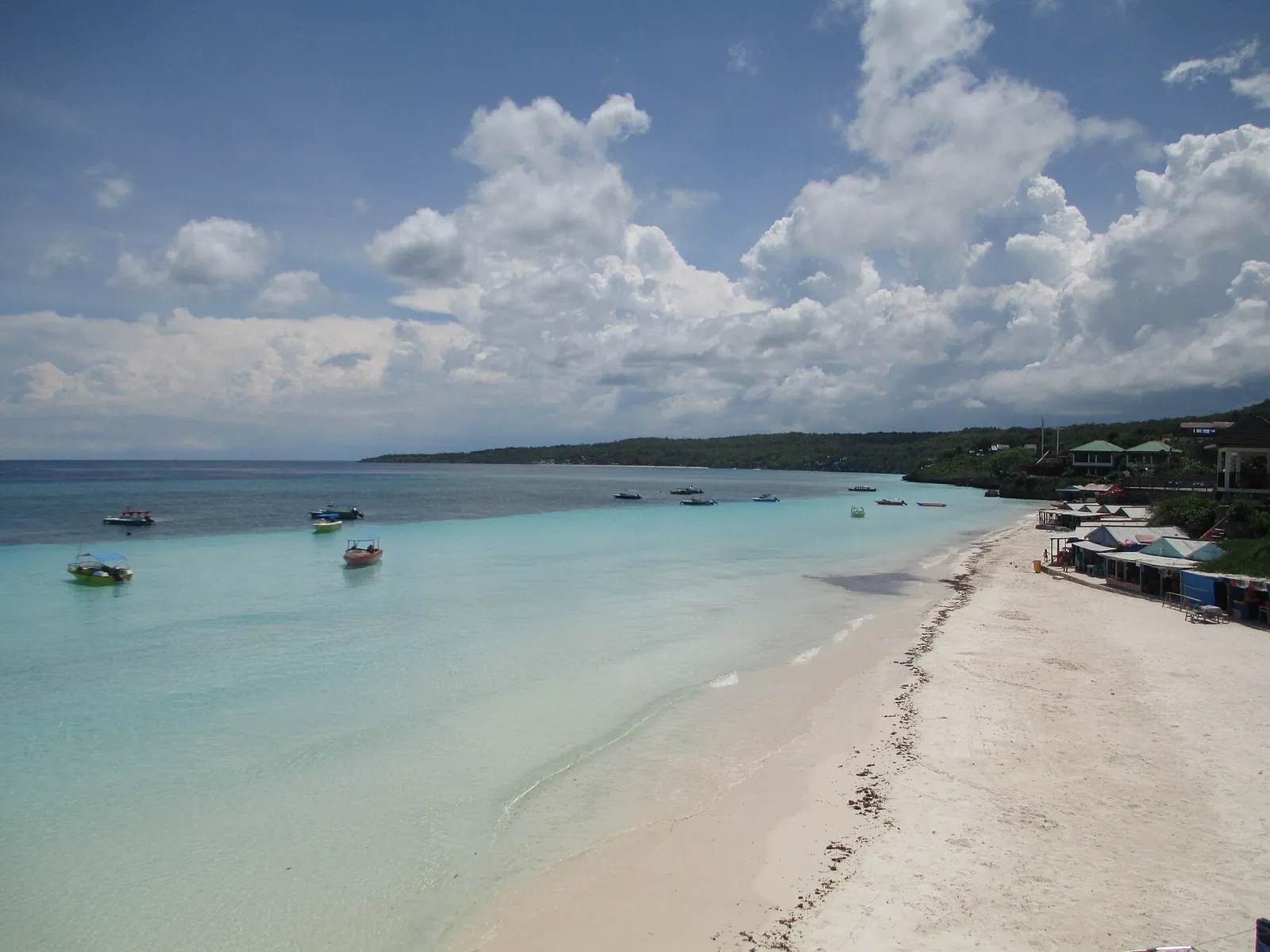
Wikivoyage sums up the practical side: there is only one road in and out, because this is the end of the line, and most things in Bira are within walking distance; for anything further, motorbike taxis (ojek) are easy to find. The main beach is a long stretch of pale sand and clear water, with the rooms and cafés behind it. The ferry to Selayar leaves from Bira port, a couple of kilometres back up the road.
Plan around the week. Wikivoyage notes that many Indonesians come at the weekend, when the village springs to life, while midweek you may have the place almost to yourself. If you want quiet water and an easy choice of rooms, arrive on a Monday rather than a Friday.
- Bira beach strip: guesthouses, losmen and small resorts, seafood cafés and the snorkelling boats.
- Bira port: the ferry to Pamatata on Selayar Island.
- Tana Beru and Ara: the boatbuilding villages back up the coast, best reached by car or ojek.
Beach, snorkelling and the islands offshore
The beach itself is the reason most visitors come, and it is a genuine swimming beach with clear water over sand. The Ministry of Tourism describes the coasts at Bira and neighbouring Bara as places where freshly caught seafood is served in many ways, and the evening routine here is simple: a swim late in the afternoon, sunset on the sand, then grilled fish.
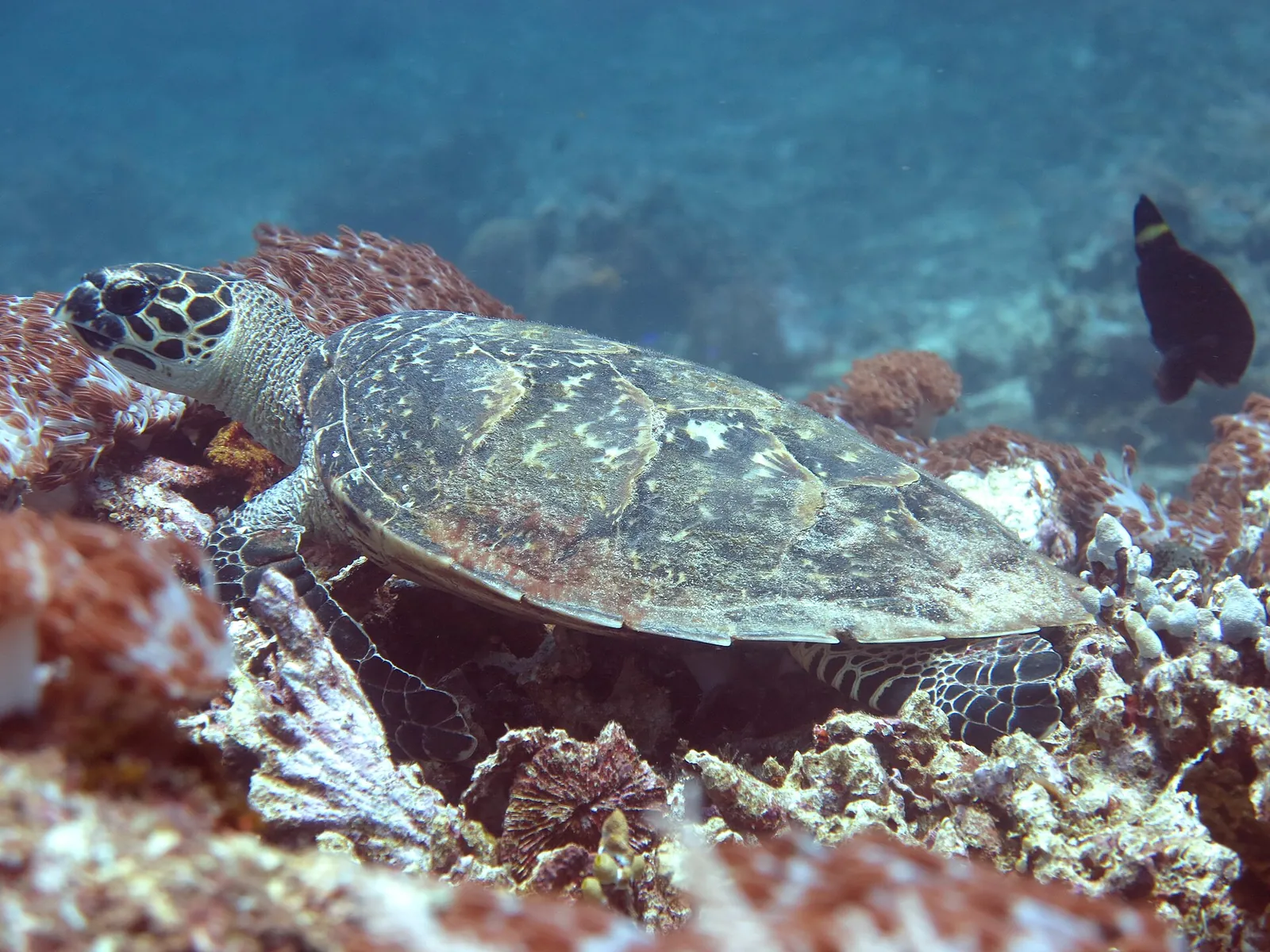
For snorkelling and diving, the ministry points to two small islands. Liukang Loe, a small island in the Flores Sea that belongs to Bira village, is the ministry's suggestion for snorkelling. Around Pulau Kambing the dive sites are known for strong currents, and the ministry advises new divers to go only under the supervision of a licensed, experienced dive operator. Its snorkelling page adds that the spots near the cliffs have moderate depth and colourful reefs, but that currents can be strong, so judge your own experience before you get in.
Boats to the islands are arranged locally. Agree the price, the return time and whether masks and life jackets are included before you leave, and keep to the reef rules: no standing on coral and no touching turtles.
Make time for the local food
What to eat and where to look
Grilled fresh fish and seafood
The Ministry of Tourism singles out the freshly caught seafood served on the beaches at Bira and Bara. The usual way is ikan bakar: fish grilled over coals with rice, sambal and lime.
- Where to look
- Beach cafés and warungs along the Bira strip; ask what came in that day.
- Fit it into your day
- Dinner after sunset on the beach.
Agree the price by weight before the fish goes on the grill.
Coto Makassar
The Ministry of Tourism calls coto Makassar probably the city's most famous dish: a rich, spiced beef soup, often with offal, traditionally eaten with ketupat or buras rice cakes.
- Where to look
- Coto shops in Makassar before or after the drive.
- Fit it into your day
- Breakfast or an early lunch in Makassar on the travel day.
Contains beef and offal; ask for meat only if you prefer.
Konro
Beef ribs in a dark broth coloured with keluak and spices, or grilled as konro bakar, as the ministry describes. It is a South Sulawesi favourite.
- Where to look
- Konro restaurants in Makassar.
- Fit it into your day
- A hearty dinner on your Makassar nights.
A heavy dish; share one portion if you plan to eat seafood the same day.
Gado-gado and fresh coconut
Wikivoyage notes that the cooking in Bira is naturally seafood-based but that vegetarian options exist, such as gado-gado, vegetables with peanut sauce, and recommends fresh coconut water by the beach.
- Where to look
- Guesthouse cafés and beach warungs.
- Fit it into your day
- Lunch on a beach day.
Peanut sauce; check for shrimp paste if you avoid seafood.
The pinisi shipyards of Tana Beru and Ara
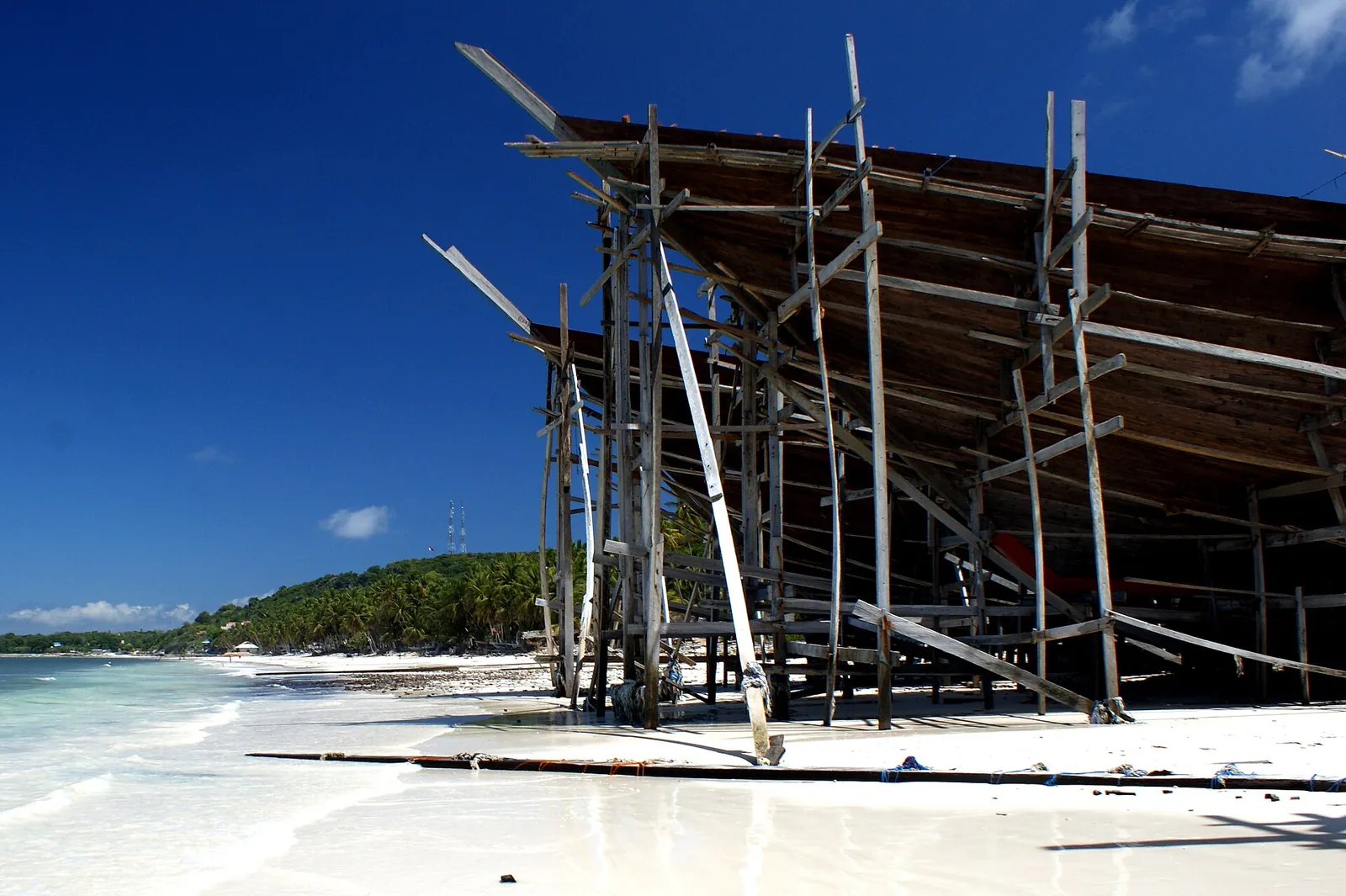
In 2017 UNESCO inscribed Pinisi, art of boatbuilding in South Sulawesi on its Representative List of the Intangible Cultural Heritage of Humanity. The word pinisi properly names the rig of the famous Sulawesi schooner, two masts carrying seven or eight sails, and UNESCO names Tana Beru and Bira among the main boatbuilding centres, where about 70 per cent of people make their living from boatbuilding and sailing. Pinisi-rigged ships were built mainly by the Konjo-speaking people of Ara, a village in Bonto Bahari, and Lemo-Lemo is the region's second boatbuilding centre.
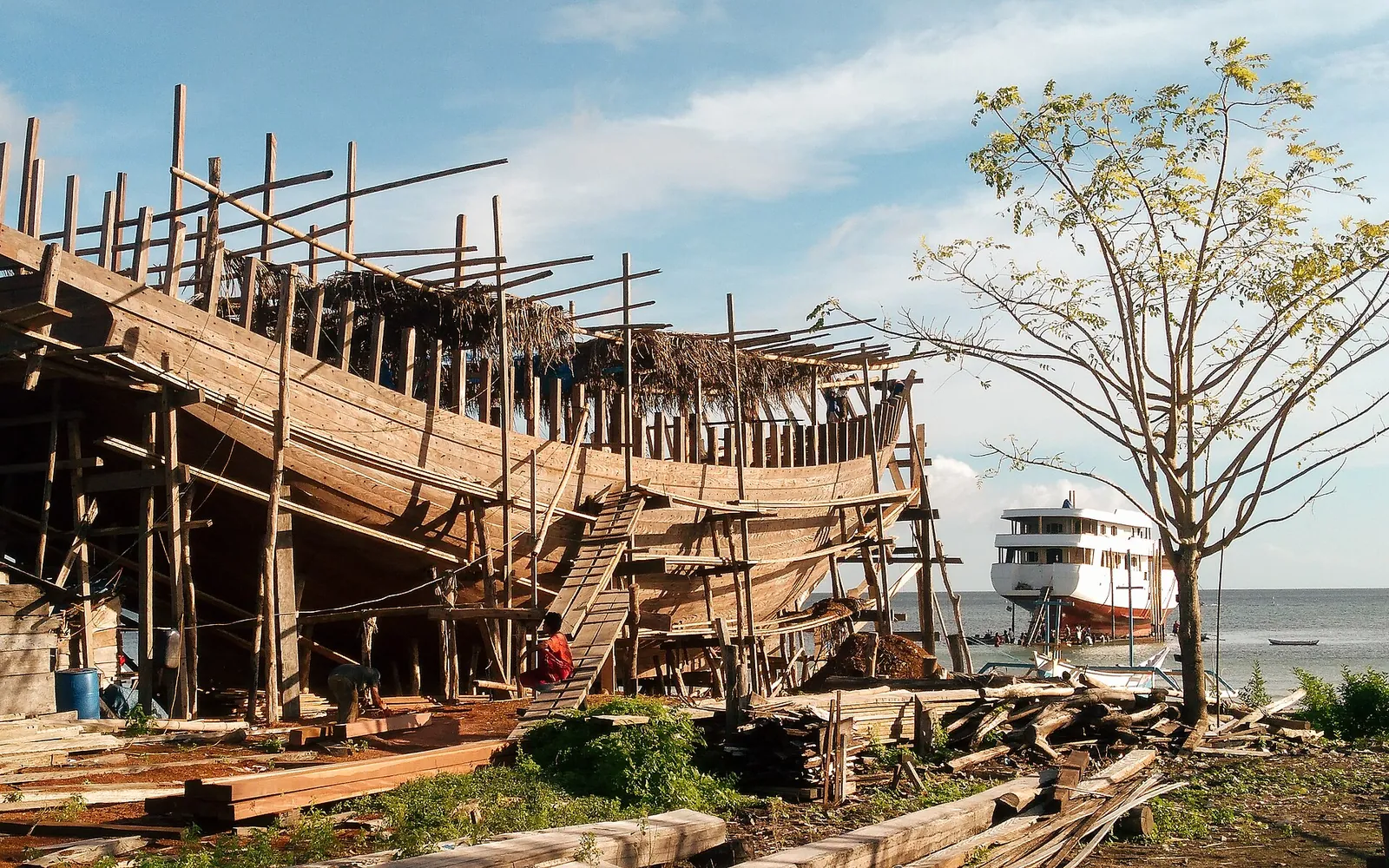
The Ministry of Tourism describes Tanah Beru as the place where most pinisi are built today: along its shore are dozens of dry docks with hulls at different stages of construction. The shipwrights work from inherited knowledge rather than technical drawings, a skill handed down within families, and every stage of building, from choosing the timber to launching the hull, is marked by its own rituals. The launch, when the community pushes a finished hull into the sea, is called annyorong lopi.
These are working yards, not a museum. Come in the morning, when work is under way and the light is softer, ask before walking into a yard or photographing people at work, and stay off the scaffolding and out of the way of tools and timber. Tana Beru and Ara are both in Bonto Bahari district, so a car or an ojek from Bira can cover them in one morning.
Getting there from Makassar
Every trip to Bira begins in Makassar. Sultan Hasanuddin International Airport (UPG), on the border of Makassar and Maros, is the gateway, with domestic flights from Jakarta, Surabaya, Bali and across eastern Indonesia, and international connections including Singapore and Malaysia.
From Makassar it is a long drive along the south coast. The Ministry of Tourism puts Bulukumba at roughly 175 kilometres and four to five hours by road and says a rented car is the more convenient option; its pages give the distance to Bira itself as about 176 to 200 kilometres. Wikivoyage describes the budget alternative: shared cars to Bira leave from Makassar's Terminal Malengkeri when they are full, and vans run on from the bus terminal in Bulukumba. Leave Makassar early so that you arrive in daylight.
If you are continuing to Selayar Island, the ministry says the ferry from Bira port takes about two hours and does not sail when the sea is rough. Wings Air also flies between Makassar and Selayar, according to the same page. Check the current ferry schedule locally, and keep a spare day if you have a flight to catch from Makassar.
Combining Bira with Makassar: a workable plan
This is an editorial suggestion, not a timetable. It fits Bira into a first trip to South Sulawesi without making the drive the main event.
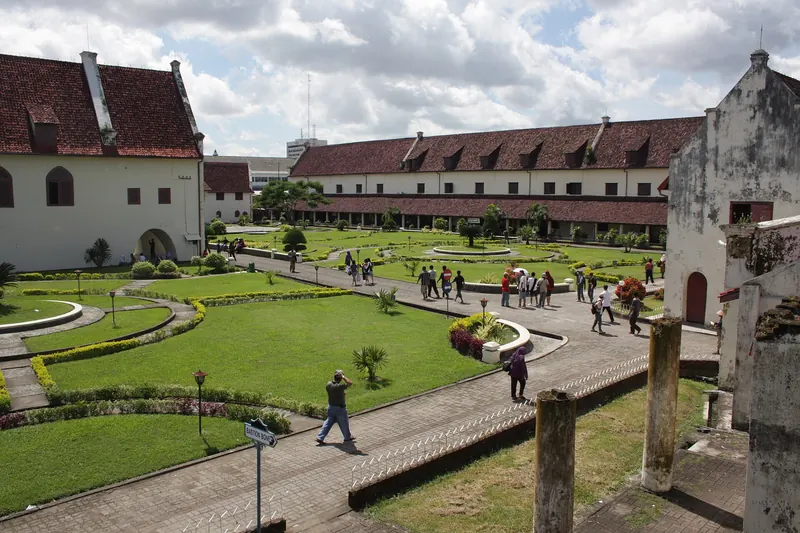
- Day 1 — Makassar: arrive, see Fort Rotterdam and eat seafood near Losari Beach at sunset.
- Day 2 — The drive south: leave early by car, arrive at Bira in the afternoon and swim before sunset.
- Day 3 — Beach and island: a morning boat to Liukang Loe for snorkelling, an afternoon on the beach, grilled fish for dinner.
- Day 4 — Shipyards and return: Tana Beru and Ara in the early morning, then the drive back to Makassar, or stay a third night and leave the next day.
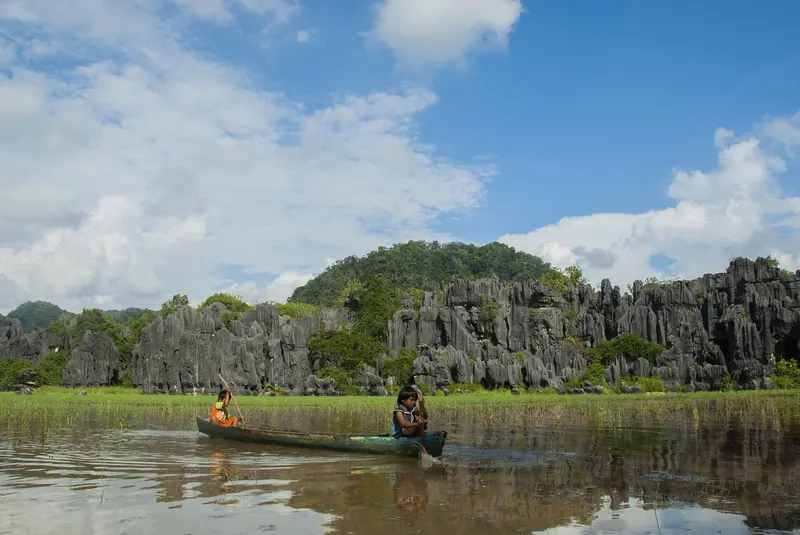
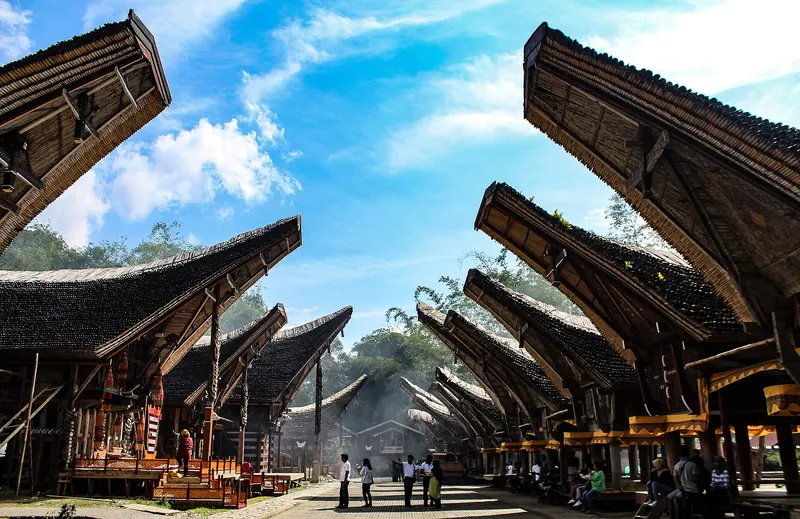
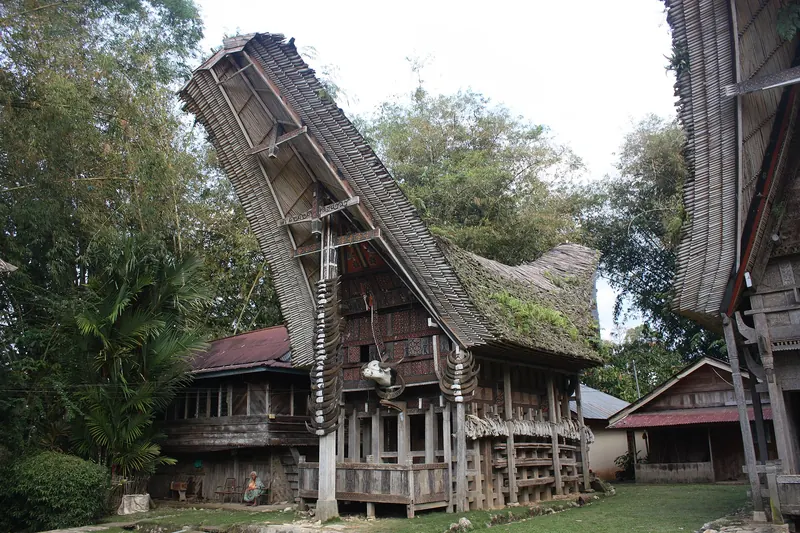
- Optional: the ferry to Selayar for Taka Bonerate, or a separate trip north to Rammang-Rammang or Tana Toraja.
Practical notes: cash, rooms and the Festival Pinisi
Bring cash. Wikivoyage's listing, last updated in 2017, noted only one ATM in the area, about two kilometres back up the road near the ferry; even if that has changed, small guesthouses and boatmen are often cash-only, so withdraw enough in Makassar or Bulukumba.
Accommodation ranges from basic losmen and wisma to a few beachfront resorts. Wikivoyage notes that the cheapest rooms may lack a private bathroom or air conditioning, and that prices rise the closer you get to the beach. Check those two details before you book.
If your dates are flexible, look at the Festival Pinisi in Bulukumba. When we checked on 2026-10-03, the Ministry of Tourism's event page listed it for 15–17 October 2026 with free entry, with shipbuilding rituals such as the launching ceremony, Kajang culture, pinisi sailing, and local food and handicraft exhibitions. Dates change from year to year, so confirm them before you plan around the festival.
Practical questions
How many days do I need in Tanjung Bira?
Two or three nights. The drive from Makassar takes most of a day each way, so a day trip is not worthwhile; two nights give you one full beach day and a morning at the shipyards.
How do I get from Makassar to Tanjung Bira?
By road. The Ministry of Tourism estimates four to five hours to Bulukumba and suggests renting a car; Bira is at the tip of the peninsula beyond it. Shared cars also leave from Makassar's Terminal Malengkeri when full, Wikivoyage reports.
Can I see pinisi boats being built?
Yes. Tana Beru and Ara, near Bira in Bonto Bahari, are the main pinisi boatbuilding centres, and hulls are built along the shore. Go in the morning and ask before entering a yard.
Is the snorkelling good, and is it safe?
The ministry recommends Liukang Loe for snorkelling and Pulau Kambing for diving, but warns that currents around Kambing can be strong. Beginners should dive only with a licensed, experienced operator.
When is the best time to visit Tanjung Bira?
Bulukumba is driest from about August to November. Visit midweek to avoid the weekend crowds, and consider the Festival Pinisi, listed for 15–17 October 2026 when we checked.
Can I continue to Selayar from Bira?
Yes. A ferry runs from Bira port to Pamatata on Selayar; the Ministry of Tourism gives about two hours and warns that ferries do not sail when the sea is rough.
Sources and checks before you travel
Reference sources for the version dated 3 October 2026. Confirm opening times, access, transport and conditions for your travel dates.
- UNESCO Intangible Cultural Heritage: Pinisi, art of boatbuilding in South Sulawesi ↗ — opens in a new tab
- Indonesia Travel (Ministry of Tourism): The Phinisi Schooner ↗ — opens in a new tab
- Indonesia Travel (Ministry of Tourism): Makassar ↗ — opens in a new tab
- Indonesia Travel (Ministry of Tourism): Snorkeling Bira ↗ — opens in a new tab
- Indonesia Travel (Ministry of Tourism): Selayar Island ↗ — opens in a new tab
- Indonesia Travel (Ministry of Tourism): Festival Pinisi 2026 ↗ — opens in a new tab
- Indonesia Travel (Ministry of Tourism): Phinisi Festival 2018 in Bulukumba ↗ — opens in a new tab
- Indonesia Travel (Ministry of Tourism): Makassar's culinary specialties ↗ — opens in a new tab
- Wikivoyage: Tanjung Bira ↗ — opens in a new tab
- Wikipedia: Pinisi ↗ — opens in a new tab
- Wikipedia: Bulukumba Regency ↗ — opens in a new tab
- Wikipedia (Indonesian): Bonto Bahari, Bulukumba ↗ — opens in a new tab
- Wikipedia (Indonesian): Bira and Pulau Liukangloe ↗ — opens in a new tab
- Wikipedia: Sultan Hasanuddin International Airport ↗ — opens in a new tab
Photo credits
The main beach at Tanjung Bira, at the south-eastern tip of South Sulawesi
Photograph: Superhickish — opens in a new tab · CC BY-SA 4.0 — opens in a new tab
Changes: Resized and converted to WebP; displayed with responsive crops. · Original photograph and licence details ↗ — opens in a new tab
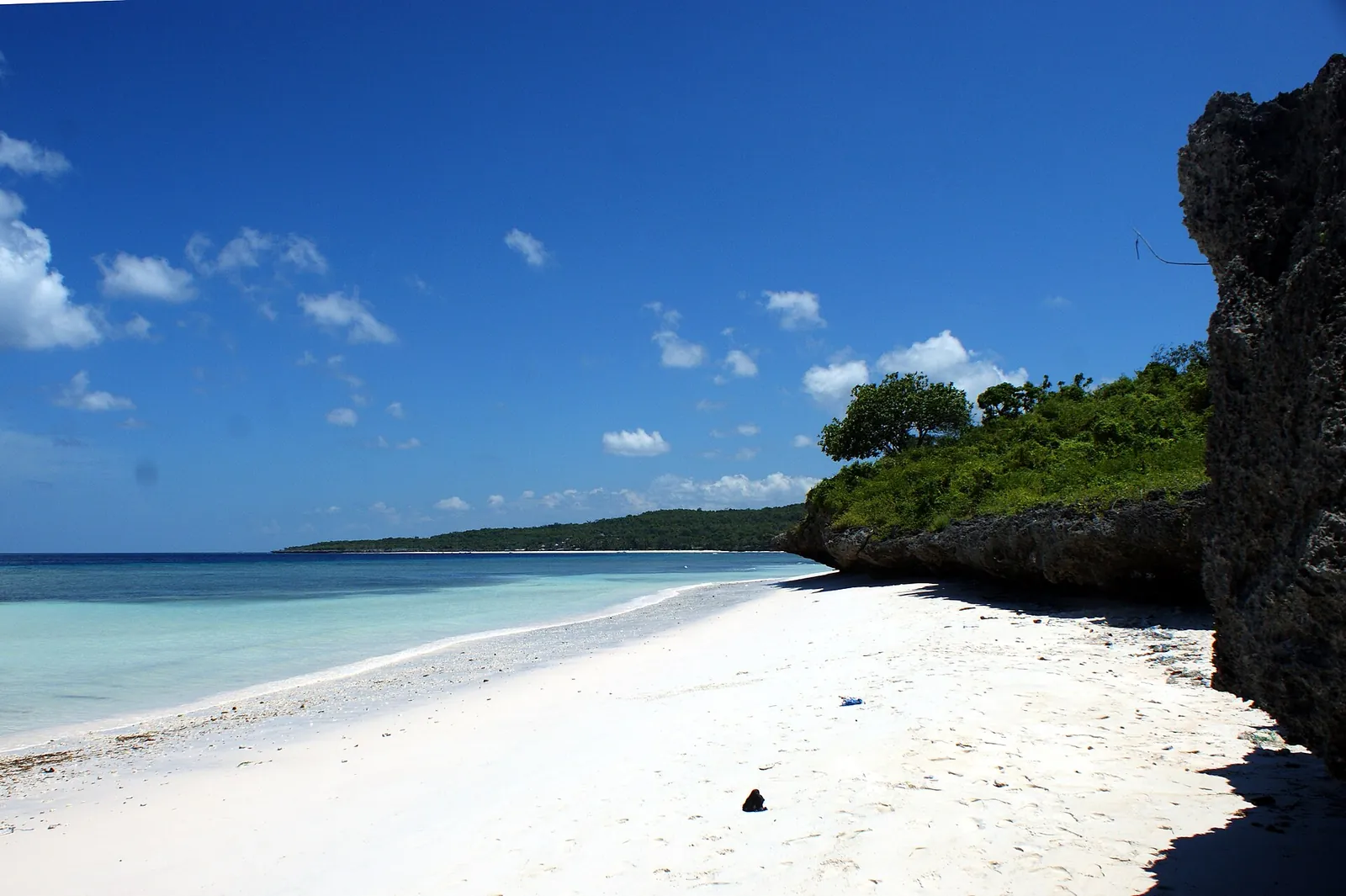
The west beach at Bira, Bulukumba
Photograph: Kondephy — opens in a new tab · CC BY-SA 4.0 — opens in a new tab
Changes: Resized and converted to WebP; displayed with responsive crops. · Original photograph and licence details ↗ — opens in a new tab
A traditional boat being built on the shore at Bira
Photograph: Kondephy — opens in a new tab · CC BY-SA 4.0 — opens in a new tab
Changes: Resized and converted to WebP; displayed with responsive crops. · Original photograph and licence details ↗ — opens in a new tab
A pinisi hull in its shipyard on the Tanaberu coast, Bulukumba
Photograph: Muhammad Imam Adly — opens in a new tab · CC BY-SA 4.0 — opens in a new tab
Changes: Resized and converted to WebP; displayed with responsive crops. · Original photograph and licence details ↗ — opens in a new tab
A hawksbill turtle at a dive site off Tanjung Bira
Photograph: Syahrul Harijo — opens in a new tab · CC BY-SA 4.0 — opens in a new tab
Changes: Resized and converted to WebP; displayed with responsive crops. · Original photograph and licence details ↗ — opens in a new tab