Plan your trip · Indonesia
Accessible travel in Indonesia: easier bases, boats, temples and transfers
Indonesia is not a step-free country, and it is better to plan for that honestly than to hope. Pavements in the big cities are often narrow, broken or blocked, many island boats are small, and the temples people come for were built as stairways. At the same time, a few places have made real changes: Jakarta's MRT stations have lifts, several of the capital's best-known sights advertise ramps and lifts, and Bali has at least one beach district built around a long, level, paved path. The trip that works is usually built around those places, with the harder sights treated as optional extras you confirm in advance.
- Suggested time
- About a week for Sanur and Jakarta, with rest days; add a separate night near Borobudur only if the temple matters to you
- Where to stay
- Sanur in Bali; a hotel near an MRT station in Jakarta
- Season and timing
- The Ministry of Tourism gives April to October as the dry season and November to March as the wet season in most of the country, including Java and Bali; wet paths, puddled kerbs and rougher crossings make the dry months easier.
The short answer
For a first trip with reduced mobility, use two flat, well-connected bases and avoid island-hopping. Sleep in Sanur in Bali, where a paved beachfront path runs about 5 km and the reef-sheltered water is calm and shallow, and add Jakarta if you want a city: stay a short, level walk from an MRT station and see the sights the Ministry of Tourism lists as disability-friendly, such as Istiqlal Mosque, Monas and the city's new parks. Allow about a week for the two, with rest days, because every transfer takes longer than the map suggests. Use a car with driver for transfers, and treat boat trips, Borobudur's upper terraces and Komodo's viewpoints as optional days you confirm with the operator before you book.
Choose a level base before anything else
Walking is the first thing to plan for. Wikivoyage's Indonesia guide describes the larger cities as pedestrian-hostile, with proper pavements rare and often blocked. Its Bali guide is more specific: in most parts of the island the pavement is simply the cover of a storm drain, in many places only about 60 cm wide, and often blocked by a parked motorbike or a broken section. Beach areas and the main tourist districts are easier, and it names Sanur and Seminyak for their wide, walkable beachfronts.
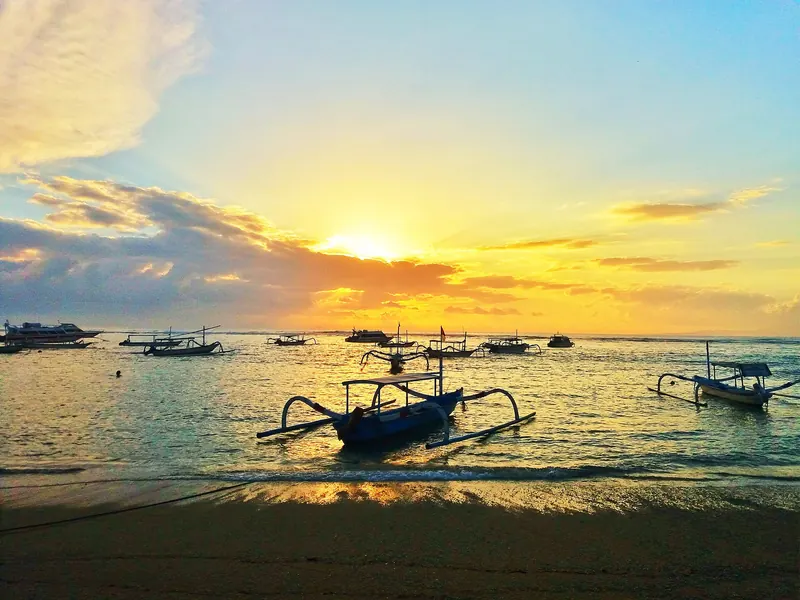
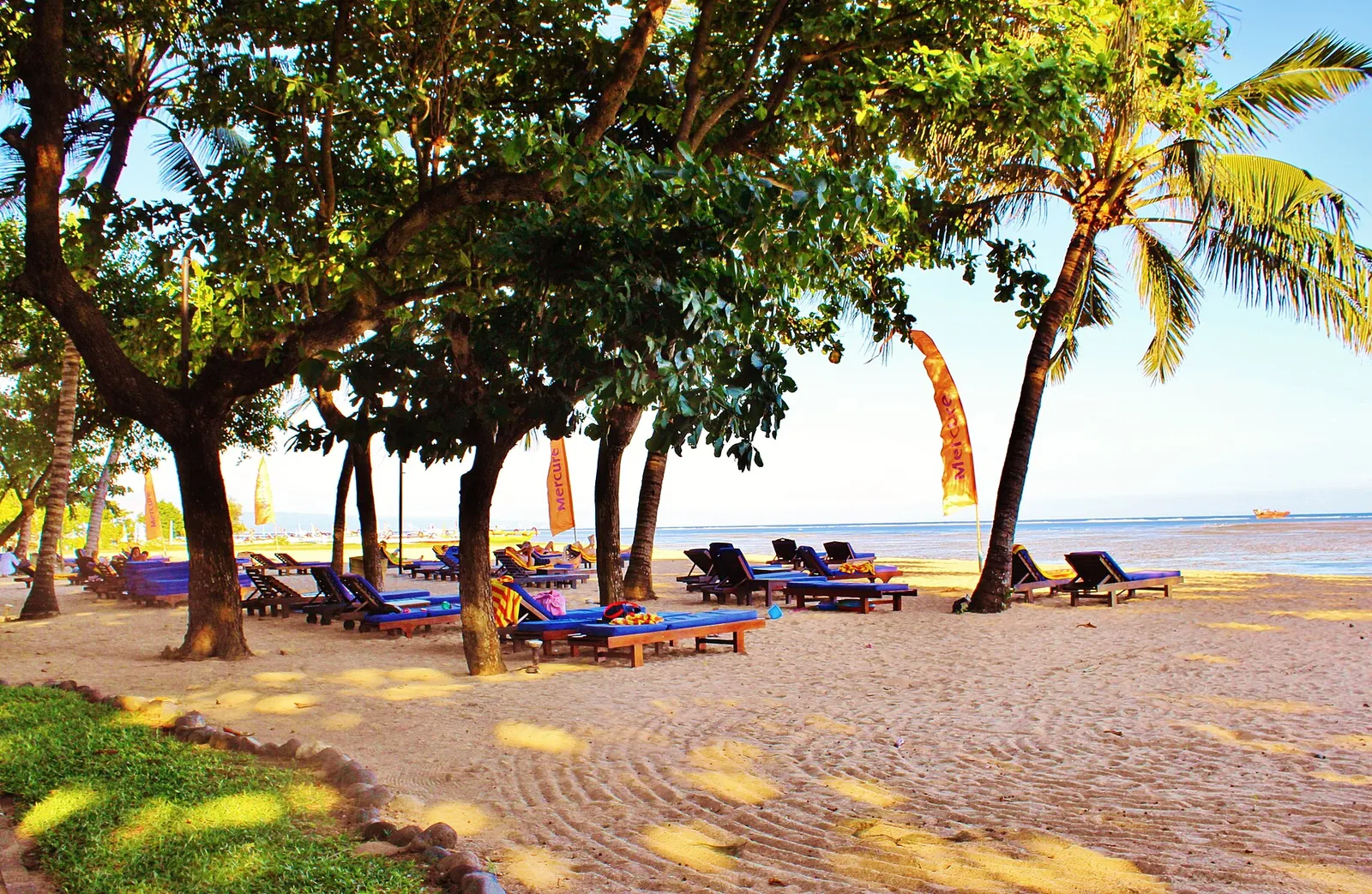
Sanur is the strongest single base on the island for reduced mobility. The Ministry of Tourism describes a paved beachfront path of about 5 km from the Jalan Mertasari area in the south to the main beach at Jalan Hang Tuah, a district where distances are short and the streets relatively quiet, and warm, shallow lagoons protected by offshore reefs. Wikivoyage puts the beachfront pavement at about 2.5 metres wide, with rental bikes sometimes sharing it but no motorbikes. Choose a hotel on or very close to that path, rather than out towards the bypass road on the district's western edge, and every meal and sunrise becomes a short, level roll or walk.
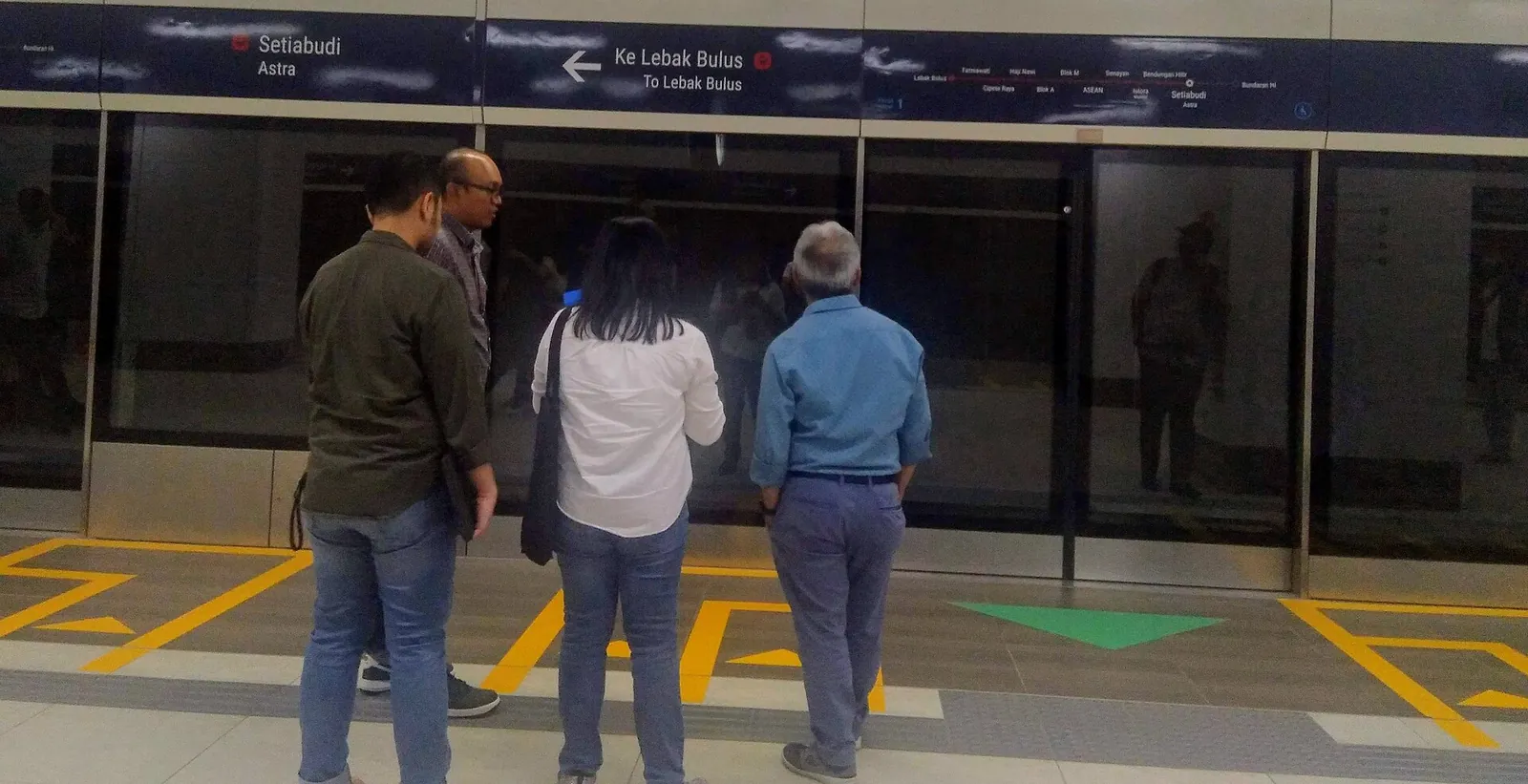
In Jakarta, the deciding factor is the walk to the station. The ministry's guide to commuting from Senayan describes the MRT station on Jalan Jenderal Sudirman with two lifts from the street and another from the concourse to the platform, and a Transjakarta busway stop about 110 metres away. Stations differ, so before you book a hotel, look at the exact route from its door to the nearest MRT entrance with a lift: kerbs, crossings and footbridges on that route matter more than the star rating.
Jakarta: where the city has put in ramps and lifts
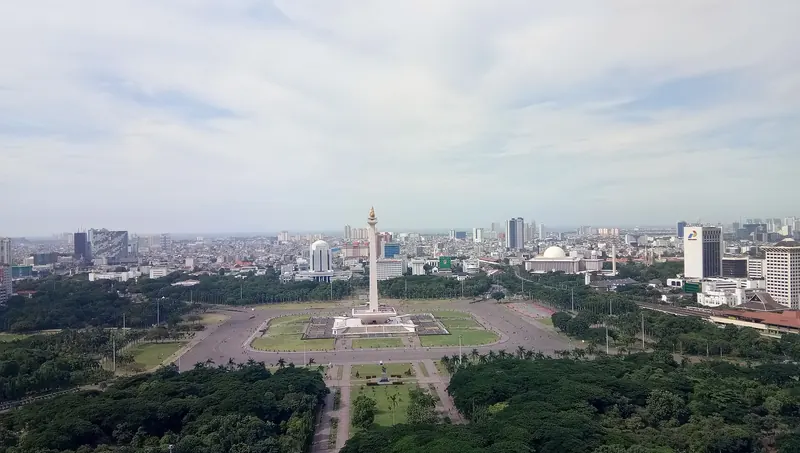
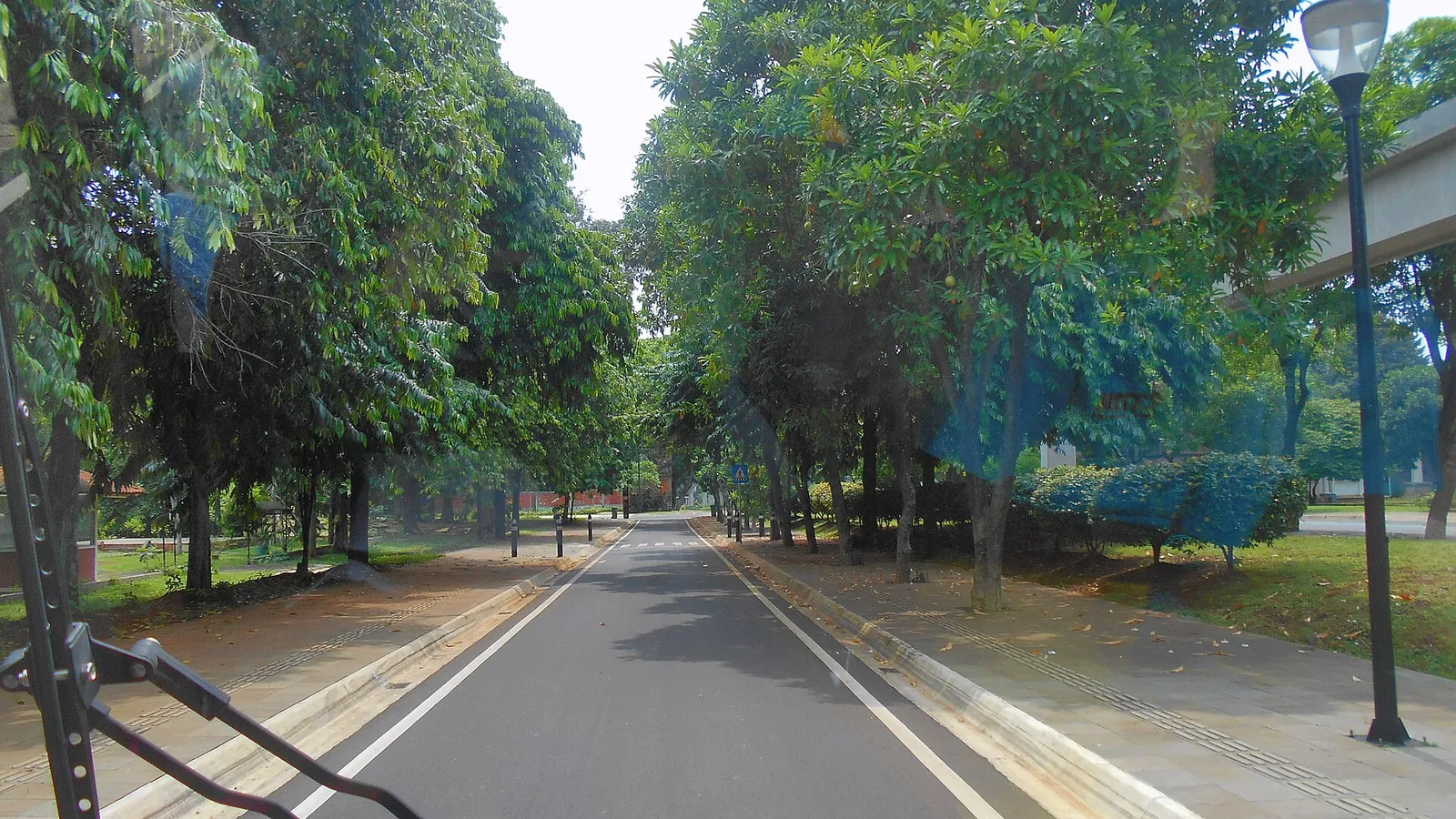
The Ministry of Tourism's own list of disability-friendly places in Jakarta is a good starting plan. At Istiqlal Mosque, it describes a wheelchair-friendly lane at the entrance, floor guides leading to lifts up to the main prayer areas, and audio aids in the lifts. At the National Monument (Monas), it says guards can help visitors find their way and that the museum beneath the monument has ramps and special lifts for wheelchair users. Taman Mini Indonesia Indah in East Jakarta, recently revamped, has neatly laid roads and widened, disability-friendly pavements, according to the same article, though the park is large and its sights are spread out.
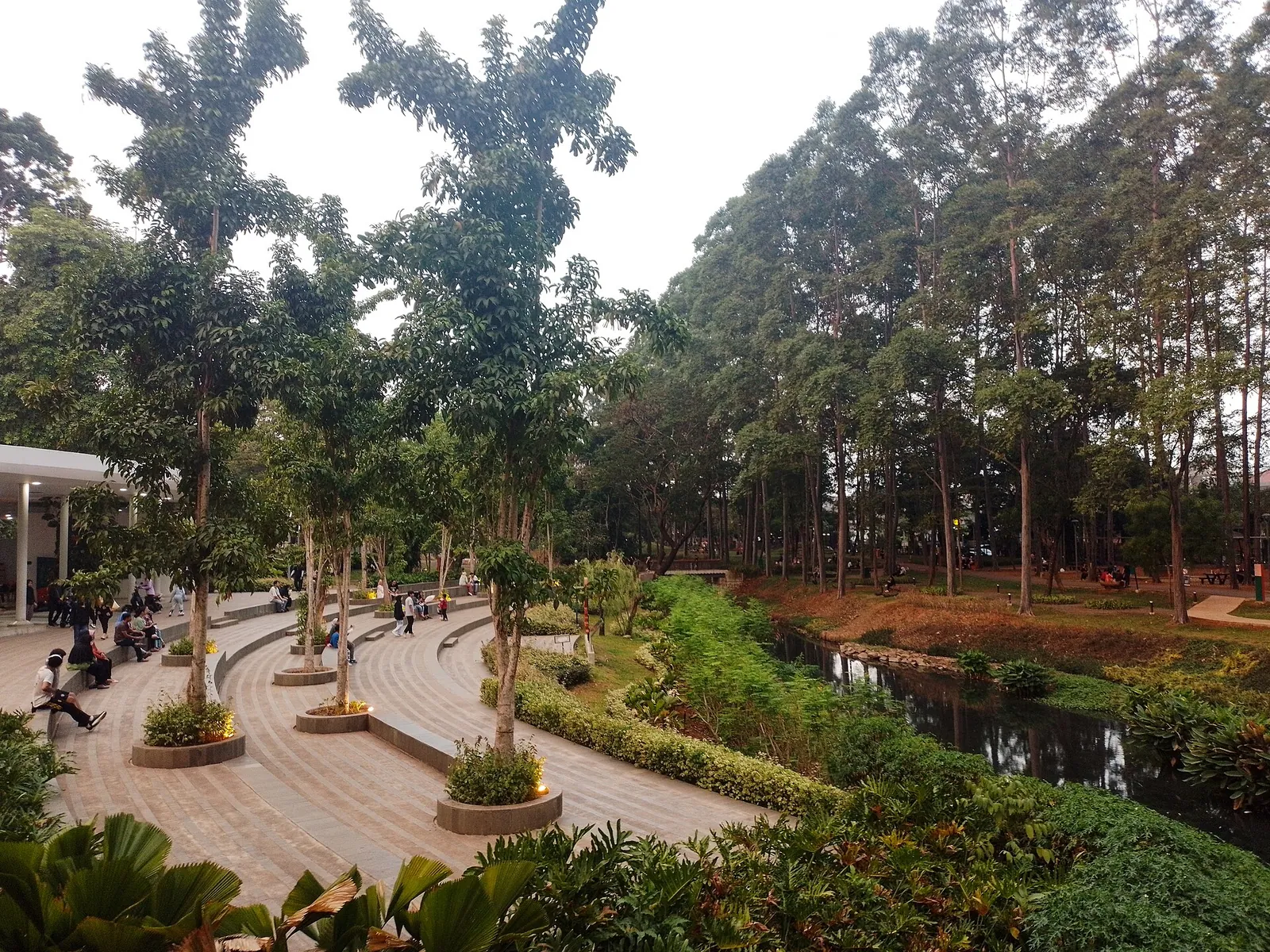
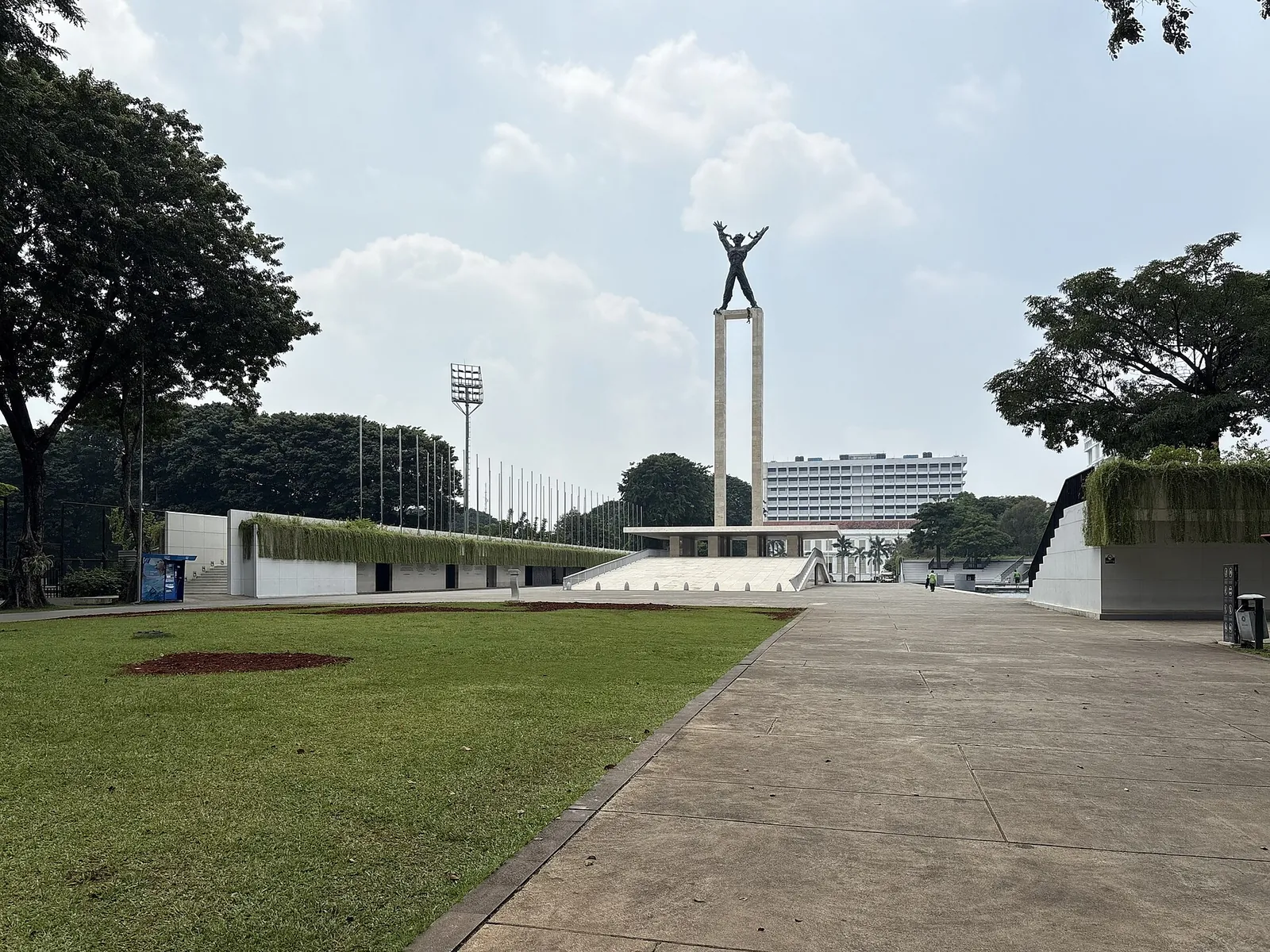
For time outdoors, the ministry points to two parks. Lapangan Banteng in Central Jakarta, around the West Irian Liberation Monument, has ramps and disability-friendly toilets, and a dancing fountain show at weekend nights. Tebet Eco Park in South Jakarta, about 7 hectares, has wide, sloping lanes that wheelchair users can follow, a boardwalk through the wetland and the Infinity Link Bridge. Both are better in the early morning or late afternoon, out of the midday heat.
For trains, KAI's page for its urban rail services lists toilets for priority passengers at all stations, guiding blocks, priority lifts and special gates, and a dedicated Commuter Line disability service on 081296605747; when we checked on 2026-10-03, that was the number shown. Transjakarta runs a door-to-stop service called Transjakarta Cares, but its official page describes it as being for people with disabilities who live in Jakarta, booked a day ahead, so do not rely on it as a visitor. For most visitors, a car booked through the Grab or Gojek apps, which the ministry notes show the fare upfront, or a hotel car will fill the gaps.
Make time for the local food
What to eat and where to look
Nasi Padang (Padang-style rice)
Rice with a choice of dishes such as rendang, grilled chicken and curries, chosen from a counter or a buffet. The ministry's guide to Jakarta eateries near MRT and Transjakarta stops highlights Bopet Mini, a Padang restaurant open since 1981, for its buffet-style service.
- Where to look
- Padang restaurants across the country; in Jakarta, the ministry places Bopet Mini about 450 metres from the Bendungan Hilir Transjakarta stop.
- Fit it into your day
- A practical lunch when you want to see the food before choosing and eat without a long wait.
Many dishes contain coconut milk and chilli; small restaurants often have a step at the entrance, so look before you go.
Soto Betawi
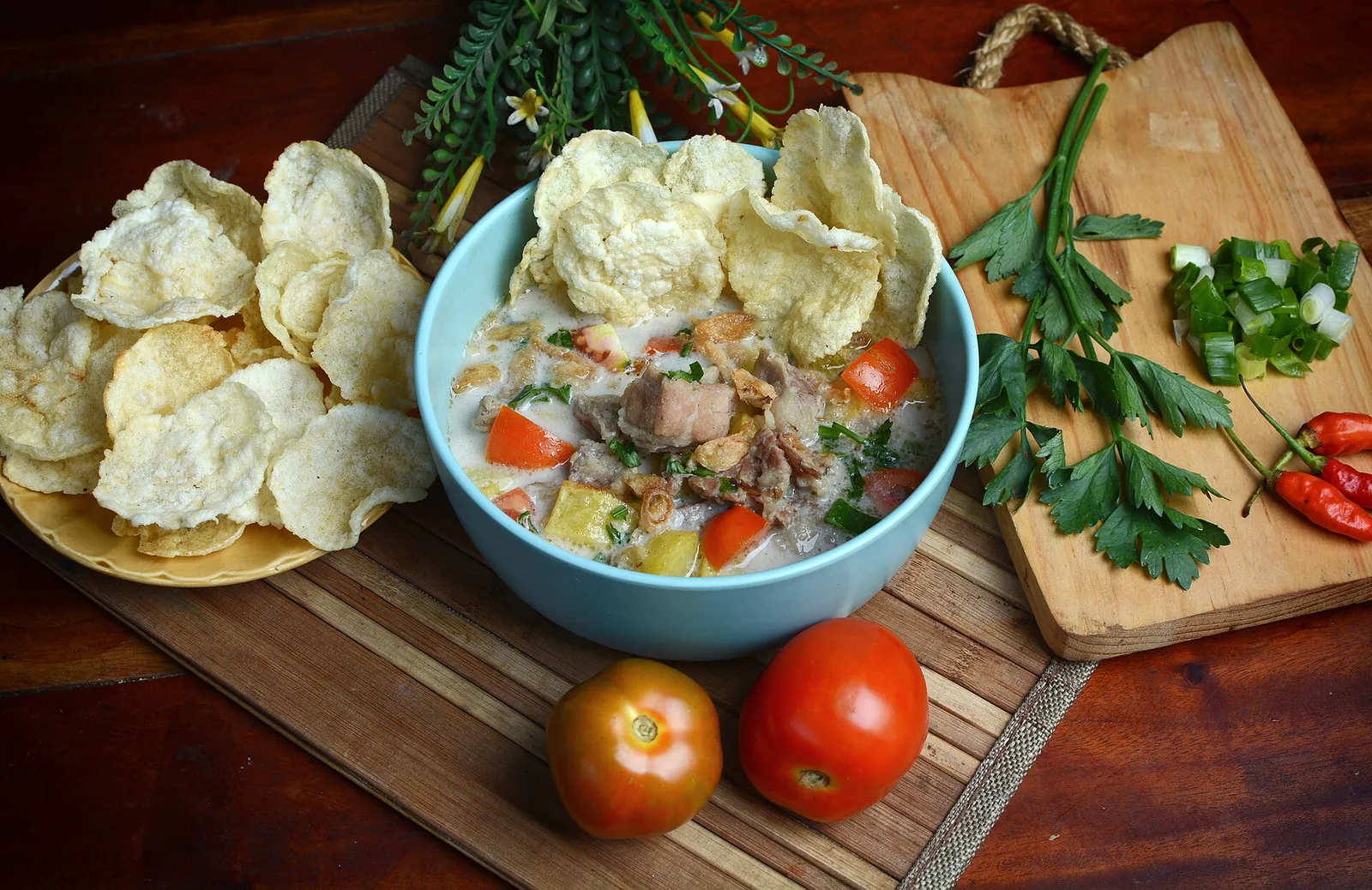
Jakarta's beef soup with a rich, creamy coconut-milk broth, served with tomato, spring onion and crisp emping crackers, and eaten with white rice, as the Ministry of Tourism describes it.
- Where to look
- Jakarta food courts and long-established soto stalls; Pujasera Blok M, a food court in Blok M Square near the MRT station, is one indoor option the ministry suggests.
- Fit it into your day
- A filling lunch between a morning at Monas or a park and an afternoon rest.
It may be made with offal as well as beef; ask before ordering if you prefer meat only. Contains dairy as well as coconut milk.
Gado-gado Betawi
Fresh vegetables with ketupat rice cakes, tofu and tempeh under a thick, slightly sweet peanut sauce, a classic Jakarta dish according to the ministry.
- Where to look
- Warungs and food courts in Jakarta, and hotel or café menus in Bali.
- Fit it into your day
- A light lunch on a hot day, and one of the easier vegetarian choices.
Contains peanuts and soy (tofu and tempeh); tell the cook about any allergy before ordering.
Sate lilit
Balinese satay of minced fish, chicken or pork mixed with the bumbu Bali spice paste and grated coconut, wrapped around bamboo sticks or lemongrass stalks and grilled over charcoal.
- Where to look
- Warungs and restaurants in Sanur and around Bali.
- Fit it into your day
- Dinner near your hotel on the beach path after a short sunset walk or roll.
Ask which protein is used; pork is common in Bali. Some warungs seat diners on floor mats (lesehan), so ask for a table if you need one.
Boats and small islands: the hardest part to make accessible
Island trips are where plans most often fail. Fast boats to Nusa Penida and Nusa Lembongan leave from the Port of Sanur, with departures listed between 07:00 and 15:00 WITA in a Bali provincial government article, and the crossing to Nusa Penida takes about an hour. Wikivoyage's guide to the Gili Islands warns that the sea is calmest in the morning, that boats stop running well before dark, and that during southerly winds, especially in July and August, you are very likely to get wet on the crossing. Before you book any boat, ask the operator exactly how passengers board at both ends (from a pier, a floating pontoon or the beach), whether crew will carry a folded wheelchair, and where you can sit.
Arriving is only half of it. On the Gili Islands, the Ministry of Tourism notes that cars and motorbikes are not allowed: people get around by bicycle, on foot or by cidomo, a small horse-drawn cart that takes three passengers. That makes the islands quiet, but with a bicycle or a cart as the only transport, they suit travellers who can walk short distances far better than wheelchair users.
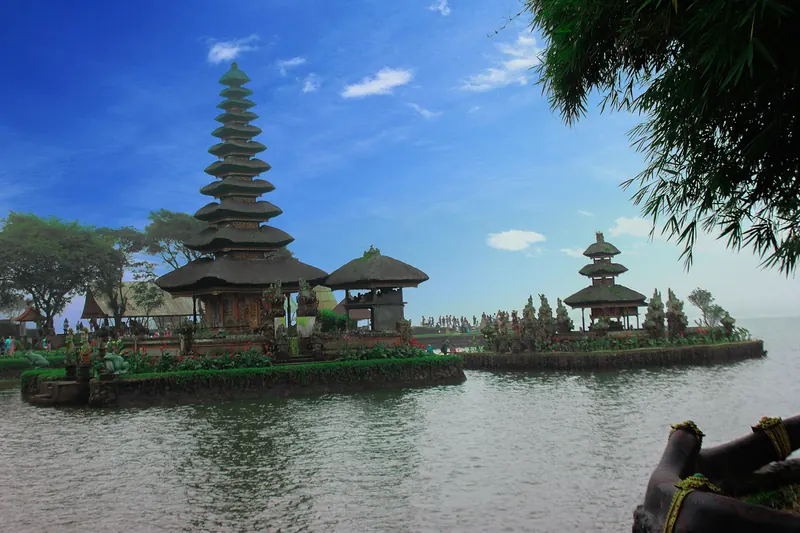
In Komodo National Park, the best-known viewpoint asks the most. The ministry describes the climb on Padar to the view over three bays as about 300 steps, and another of its articles as around 30 minutes of trekking on a slope of 45 degrees. A boat trip that stays on deck, with snorkelling for those who can swim, is a realistic alternative; the climb is not something to promise a group with mixed mobility.
Temples and heritage: the courtyard yes, the terraces maybe
Borobudur is a good example of a sight that is partly accessible. The Ministry of Tourism says visitors can walk from the car park to the main entrance or take a mini-train ride, and that the temple park was open daily from 06:30 to 17:00 when we checked on 2026-10-03. The monument itself is a stepped pyramid of five square terraces and three circular platforms, and climbing it needs an additional, limited ticket. The operator, InJourney, lists structure visits every day from 09:00 to 17:00 WIB with visitor numbers managed for conservation, and its guided packages include special upanat sandals for the climb. For a wheelchair user, the grounds and the view of the monument from the park are realistic; the terraces are a stair climb.
If you want to see Borobudur early and avoid a long drive on the same day, InJourney's Manohara is the only accommodation within the temple area, a short walk from the temple, with five rooms. Ask the hotel directly about step-free access to the room and the path to the temple before you book.
Smaller heritage houses can be harder than the famous sites. Wikivoyage's Sanur guide, for example, marks the Le Mayeur Museum on the beach path as not suitable for wheelchairs because of high steps. Treat any old house, palace or hilltop temple as stepped until the site tells you otherwise.
Airports, trains and transfers
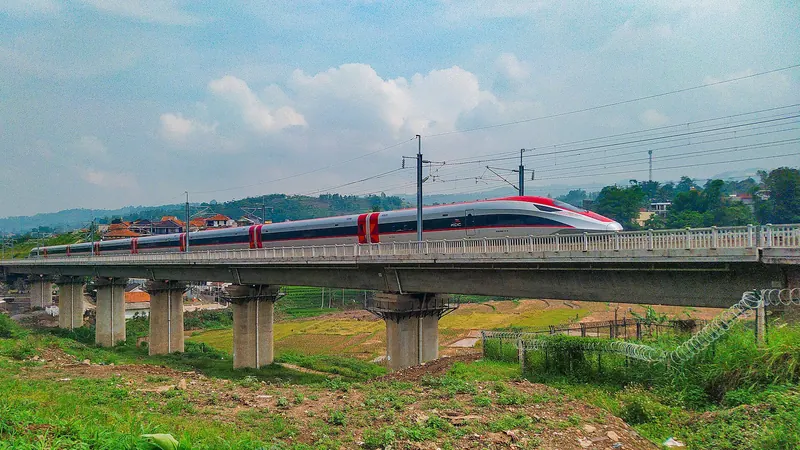
KAI runs three airport rail services: the Commuter Line Basoetta between central Jakarta and Soekarno-Hatta, KA Srilelawangsa between Medan, Binjai and Kualanamu, and the KA Bandara YIA between Yogyakarta's Tugu station and Yogyakarta International Airport. Its airport-rail page lists inclusive station facilities for disabled and elderly passengers and onboard staff to help passengers during the journey. Its high-speed Whoosh service lists priority seats.
Long-distance trains are less predictable. Wikivoyage notes that although all trains are air-conditioned, not all are designed for passengers with certain disabilities or for older travellers, so ask KAI's contact centre about the specific train, coach and station before you buy a ticket. For flights, request assistance when you book and again at check-in, and confirm with the airline how boarding and arrival will work at each airport on your route.
For most transfers between bases, a private car with driver booked through your hotel is the simplest option: you set the pace, the stops and the time of departure. Tell the company the size of your wheelchair or walking aid when you book, so that it sends a car with enough boot space.
Questions to ask before you book
Accessibility information in Indonesia is uneven, so the reliable answer usually comes from asking the hotel, the operator or the site directly, with photos where possible.
- Hotel: is the entrance step-free, is there a lift to the room, how wide is the bathroom door, and is there a roll-in shower or grab rails? How far is it, and over what surface, to the beach path or the station?
- Boat: where and how do passengers board at each end, will crew carry mobility aids, and what happens if the sea is rough?
- Tour or driver: what vehicle is used, how many steps or how much walking is involved at each stop, and can the route be shortened?
- Sights: is there a level route or a lift, and is a separate ticket needed for the parts that are only reached by stairs?
- Season: the dry months from April to October are easier on paths and crossings than the wet season.
Practical questions
Is Indonesia wheelchair accessible?
Partly. Pavements in most cities and much of Bali are narrow, uneven or blocked, and many boats and temples involve steps. A trip works best when it is built around places with ramps and level paths, such as Sanur's beachfront path and Jakarta's MRT and the sights the Ministry of Tourism lists as disability-friendly.
Which part of Bali is easiest with reduced mobility?
Sanur. The Ministry of Tourism describes a paved beachfront path of about 5 km, short distances and quiet streets, with calm, reef-sheltered water, and it is about a 20-minute taxi ride from the airport.
Is the Jakarta MRT accessible?
The ministry describes Senayan station with lifts from the street to the concourse and from the concourse to the platform. Stations differ, so check the entrance with a lift nearest your hotel before you rely on it.
Can I visit Borobudur in a wheelchair?
The park and the view of the monument are reachable: the Ministry of Tourism says you can walk or take a mini-train from the car park to the entrance. The monument is a stepped pyramid of terraces, and climbing it needs a separate, limited ticket, so the upper levels involve stairs.
Are the Gili Islands manageable with limited mobility?
For travellers who can walk short distances, yes, with care; for wheelchair users, it is hard. There are no cars or motorbikes, only bicycles and horse carts, and you need to ask the boat operator how passengers board.
Is there assistance on Indonesian trains?
KAI lists a Commuter Line disability service number (081296605747 when we checked), priority lifts and toilets at urban stations, and inclusive facilities and onboard staff on its airport trains. Not every long-distance train is designed for passengers with disabilities, so ask about the specific train before buying a ticket.
Sources and checks before you travel
Reference sources for the version dated 3 October 2026. Confirm opening times, access, transport and conditions for your travel dates.
- Indonesia Travel (Ministry of Tourism): Best disability-friendly travel destinations in Jakarta ↗ — opens in a new tab
- Indonesia Travel (Ministry of Tourism): Commuting options around Jakarta from Senayan ↗ — opens in a new tab
- KAI: Urban transport facilities ↗ — opens in a new tab
- KAI: Airport trains ↗ — opens in a new tab
- KAI: Whoosh ↗ — opens in a new tab
- Transjakarta: Transjakarta Cares ↗ — opens in a new tab
- Indonesia Travel (Ministry of Tourism): Sanur ↗ — opens in a new tab
- Indonesia Travel (Ministry of Tourism): Sanur Beach ↗ — opens in a new tab
- Love Bali (Bali Provincial Government): Nusa Penida ↗ — opens in a new tab
- Indonesia Travel (Ministry of Tourism): Gili Trawangan and the Gilis ↗ — opens in a new tab
- Indonesia Travel (Ministry of Tourism): The big three islands in Labuan Bajo ↗ — opens in a new tab
- Indonesia Travel (Ministry of Tourism): The wonder of Padar Island ↗ — opens in a new tab
- Indonesia Travel (Ministry of Tourism): Borobudur Temple, a marvel of Buddhist architecture ↗ — opens in a new tab
- Indonesia Travel (Ministry of Tourism): Borobudur trail of civilization ↗ — opens in a new tab
- InJourney Destination Management: Borobudur temple tours open every day ↗ — opens in a new tab
- InJourney Destination Management: Borobudur Premium Experience ↗ — opens in a new tab
- InJourney Destination Management: Manohara ↗ — opens in a new tab
- Indonesia Travel (Ministry of Tourism): Jakarta eateries with MRT and Transjakarta access ↗ — opens in a new tab
- Indonesia Travel (Ministry of Tourism): Soto Betawi ↗ — opens in a new tab
- Indonesia Travel (Ministry of Tourism): Gado-gado Betawi ↗ — opens in a new tab
- Indonesia Travel (Ministry of Tourism): Sate lilit ↗ — opens in a new tab
- Indonesia Travel (Ministry of Tourism): Weather, climate and seasons ↗ — opens in a new tab
- Wikivoyage: Indonesia ↗ — opens in a new tab
- Wikivoyage: Bali ↗ — opens in a new tab
- Wikivoyage: Sanur ↗ — opens in a new tab
- Wikivoyage: Gili Islands ↗ — opens in a new tab
Does this experience fit your route?
Need a driver who will go at your pace? Compare private tours in Bali, Jakarta and Yogyakarta, and ask each operator about the vehicle and the steps before you book.
Browse relevant experiences on Viator ↗ — opens in a new tabAffiliate link · Book with ViatorPhoto credits
Sanur Beach in Bali: calm, reef-sheltered water and a level beachfront make it one of the easier bases on the island
Photograph: Michelle Maria — opens in a new tab · CC BY 3.0 — opens in a new tab
Changes: Resized and converted to WebP; displayed with responsive crops. · Original photograph and licence details ↗ — opens in a new tab
A Jakarta MRT platform at Setiabudi, with screen doors and tactile guidance strips on the floor
Photograph: VulcanSphere — opens in a new tab · CC BY 4.0 — opens in a new tab
Changes: Resized and converted to WebP; displayed with responsive crops. · Original photograph and licence details ↗ — opens in a new tab
Tebet Eco Park in South Jakarta: wide paved paths, with terraced seating by the amphitheatre
Photograph: RasyaAbhirama13 — opens in a new tab · CC BY-SA 4.0 — opens in a new tab
Changes: Resized and converted to WebP; displayed with responsive crops. · Original photograph and licence details ↗ — opens in a new tab
Lapangan Banteng in Central Jakarta, with level paths towards the West Irian Liberation Monument
Photograph: Chainwit. — opens in a new tab · CC BY 4.0 — opens in a new tab
Changes: Resized and converted to WebP; displayed with responsive crops. · Original photograph and licence details ↗ — opens in a new tab
Renovated paths at Taman Mini Indonesia Indah in East Jakarta
Photograph: Firzafp — opens in a new tab · CC BY 4.0 — opens in a new tab
Changes: Resized and converted to WebP; displayed with responsive crops. · Original photograph and licence details ↗ — opens in a new tab
Soto Betawi, Jakarta's coconut-milk beef soup, served with emping crackers
Photograph: Irhanz — opens in a new tab · CC BY-SA 4.0 — opens in a new tab
Changes: Resized and converted to WebP; displayed with responsive crops. · Original photograph and licence details ↗ — opens in a new tab