Central Vietnam · Da Nang
Cham Islands guide: snorkelling, homestays and when the boats run
The Cham Islands (Cu Lao Cham) are a cluster of eight green, granite islands about 15 kilometres off Hoi An, and the core of the Cu Lao Cham – Hoi An World Biosphere Reserve that UNESCO recognised in 2009. Only the largest, Hon Lao, is lived on. Most visitors see it as a morning of snorkelling and a seafood lunch, then leave on the afternoon speedboats; those who stay the night find a small fishing community, a single coastal road and very little traffic. The one thing that decides everything here is the sea.
- Suggested time
- 1 day, or 1 night
- Where to stay
- Hoi An for a day trip; a homestay in Bai Lang or Bai Huong on Hon Lao for an overnight
- Season and timing
- March to September brings the calm sea the islands need; the national tourism site calls them virtually inaccessible from October to February, and sea bans can stop boats at short notice even in summer.
The short answer
Treat the Cham Islands as one flexible day from Hoi An, or one night if you want the island after the day-trippers leave. Go between March and September, when the national tourism site says the water is calm; from October to February it calls the islands virtually inaccessible. Take a speedboat from Cua Dai pier (about 25 minutes) or a slow wooden boat (about 90 minutes), snorkel around Hon Dai or Hon Tai, and eat lunch at Bai Ong or Bai Lang. To stay over, book a basic homestay in Bai Lang or the quieter Bai Huong village, and do not schedule the trip the day before a flight: boats stop when the wind rises.
Day trip or one night: decide before you book
The national tourism site describes the archipelago as eight islands 15 kilometres off Hoi An's coast, and says day-trippers come for snorkelling, diving and the beaches, while an overnight stay lets you see the sleepy Bai Huong fishing village and the island's monuments. That is the real choice. A day trip is a fixed programme: boat out in the morning, a snorkelling stop, lunch on a beach and the return crossing in the afternoon. It suits anyone who mainly wants to see the reef and is happy to share it.
An overnight changes the island. Once the last speedboats head back to Hoi An, the national tourism site says, the silence is almost total. Accommodation is in beachfront homestays and simple eco-lodges rather than hotels; the Hoi An World Heritage Conservation Centre notes that the island has no upscale hotels and that its homestays have basic facilities. Bai Lang, where the boats land and the island's market sits by the pier, is the practical base. Bai Huong, further along the coastal road, is smaller and quieter. Ask your host about meals, fans or air-conditioning and how you will get from the pier, and expect patchy Wi-Fi.
Whichever you choose, keep the day after free on the mainland. Cham is not a place to visit on the morning of an onward flight.
Crossing from Cua Dai, and when the sea says no
Boats leave from Cua Dai pier on the coast east of Hoi An. The national tourism site gives about 25 minutes by speedboat and about 90 minutes on the traditional wooden boat, which it recommends as the more leisurely, scenic way across. The Hoi An heritage centre puts the islands about 15 kilometres from Cua Dai, about 23 kilometres from the Old Town and about 45 kilometres from central Da Nang, so allow for the drive to the pier; organised day trips usually include hotel transfers.
The season matters more than the timetable. The national tourism site says the islands are virtually inaccessible from October to February because of rough seas, and that March to September brings calm water. Even in summer, the authorities close the crossing when the wind rises: on 16–17 July 2026, Nhan Dan reported, a sea ban on the Cua Dai – Cu Lao Cham route left more than 300 visitors stranded on the island for two days, and boats were barred from leaving in winds above level 5. If you stay overnight, have a spare day before anything you cannot move.
There is a fee to enter the reserve. When we checked on 2026-10-03, Tuoi Tre reported that a Da Nang People's Council resolution set the Cu Lao Cham Nature Reserve visitor fee at 70,000 VND per person per visit from 10 June 2026, collected by the reserve's management board, with exemptions including children under 16, students and people aged 60 and over, and free entry for everyone at Tet, on 29 March, 26 May and 2 September. Organised day trips often include it in the price; check before paying separately.
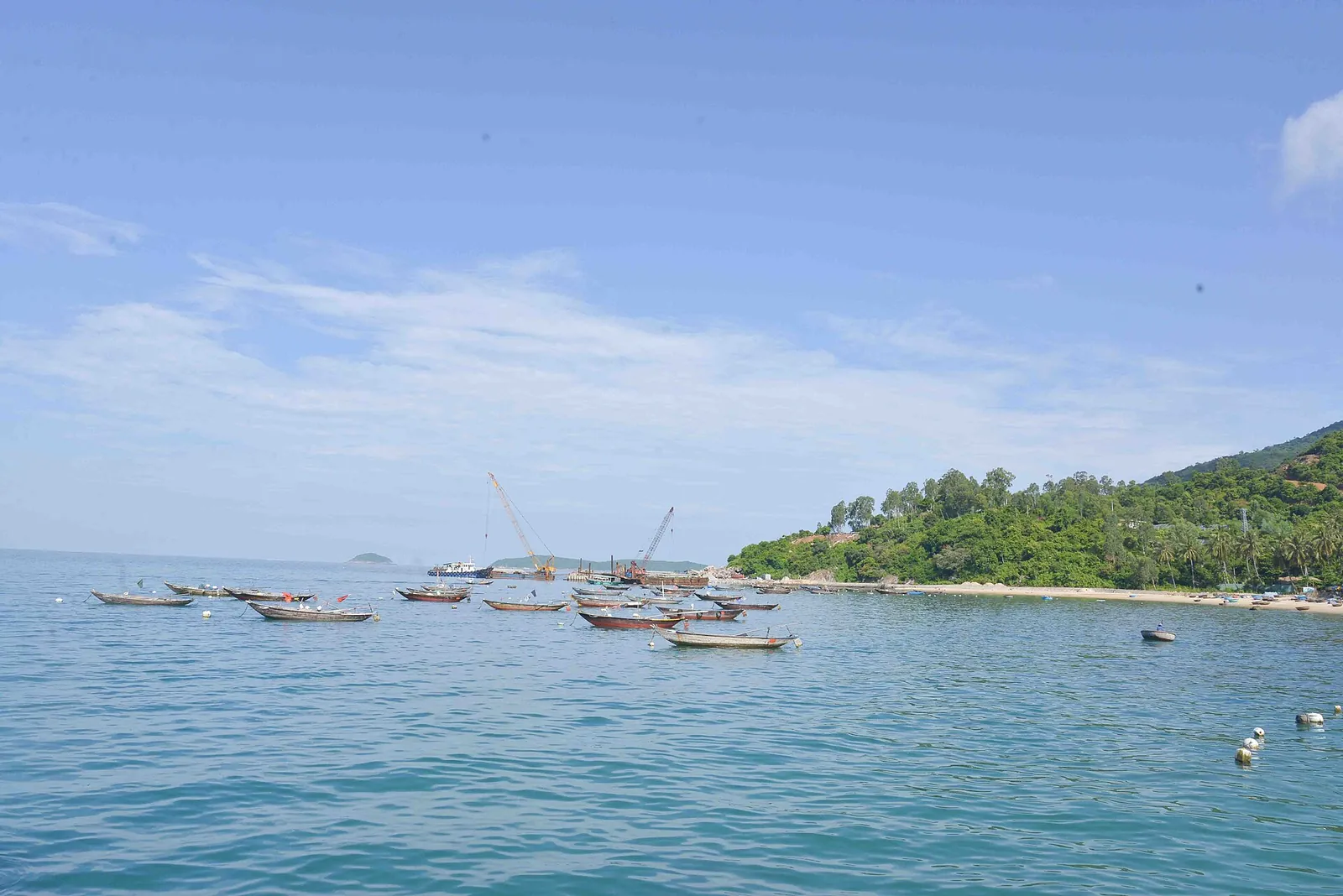
Make time for the local food
What to eat and where to look
Stone crab (cua da)
A crab that lives in Cu Lao Cham's forests and comes down to the shore to breed, and one of the island's specialities; the national tourism site mentions stone crabs eaten hours after they are caught.
- Where to look
- Seafood restaurants at Bai Lang and Bai Ong, and homestay kitchens, in season only.
- Fit it into your day
- A shared dish at dinner if you stay overnight between March and July.
Under a 2026 Da Nang decision, Znews reported, harvesting, buying, transporting and consuming stone crab is banned from 1 August to 28 February; do not order it then, and only crabs with shells of 7 cm or more may be caught in season.
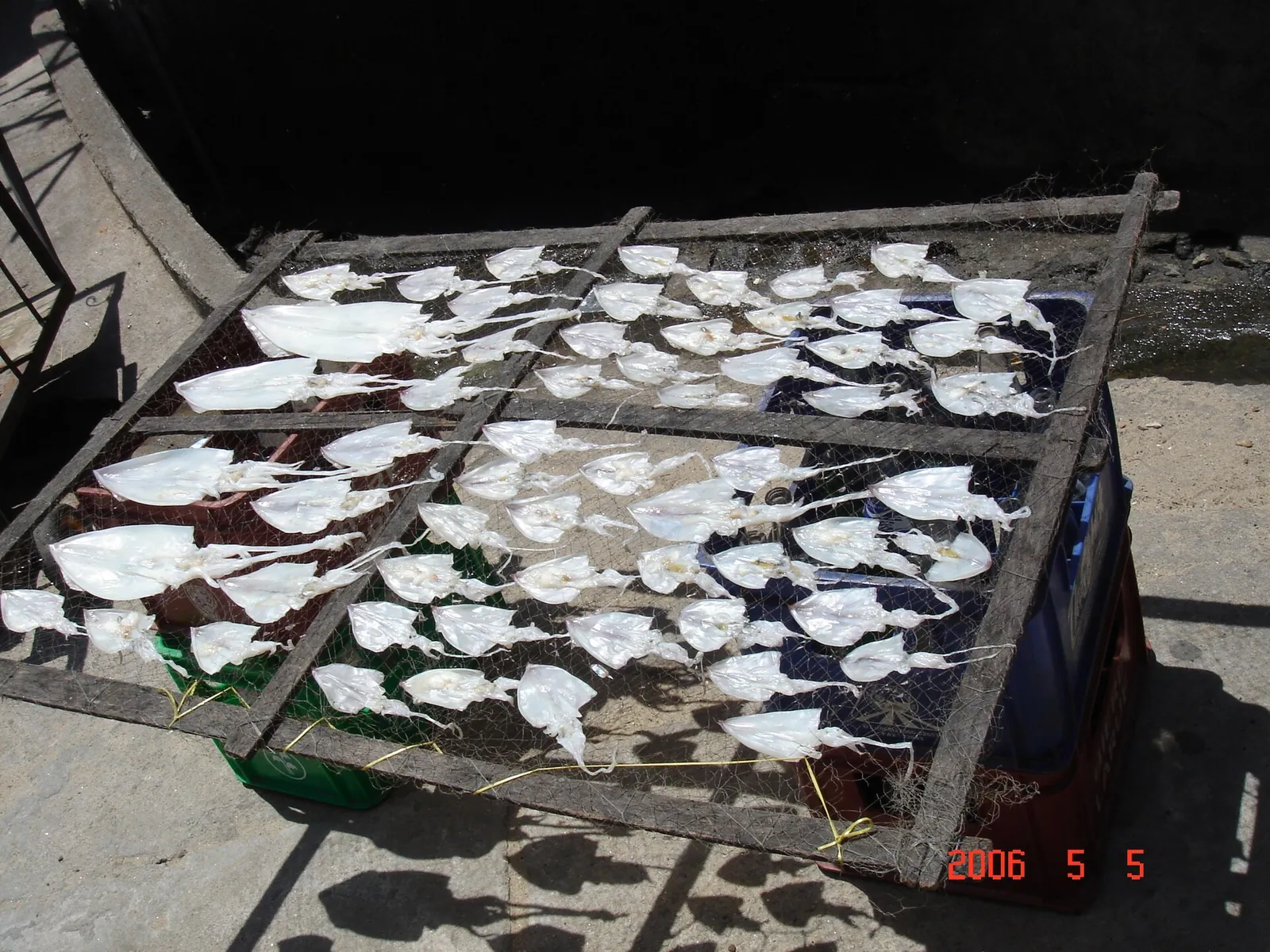
Squid dried in a day's sun (muc mot nang)
Squid dried on racks for a single day of sunshine, as the name says, and usually grilled. The heritage centre lists it among the island's seafood dishes and gifts to take home.
- Where to look
- Grilled at island restaurants; sold dried at Tan Hiep market by the Bai Lang pier.
- Fit it into your day
- Order it grilled with lunch, or buy a pack on the way back to the boat.
Shellfish and seafood allergies; keep dried squid cool on the journey home.
Wild forest greens (rau rung)
Greens gathered on the island's forested hills, stir-fried with garlic or boiled and dipped in fermented anchovy sauce; the national tourism site counts them among the pleasures of an overnight stay.
- Where to look
- Homestay dinners and the restaurants around Bai Lang.
- Fit it into your day
- A side dish with grilled seafood at dinner.
Mam nem dipping sauce is pungent and contains fish; ask for soy sauce instead if you prefer.
Sea snails and shellfish
The heritage centre's list of island seafood includes oc vu nang (a local sea snail), abalone, sea urchin, swimming crabs and grilled oysters with spring onion oil.
- Where to look
- The beach restaurants at Bai Ong and Bai Lang, where tour groups usually eat lunch.
- Fit it into your day
- A shared seafood lunch after snorkelling.
Choose a busy place where the seafood is cooked fresh, and agree prices by weight before ordering.
Snorkelling the reserve without harming it
The marine park protects more than 300 species of coral, according to the national tourism site, and day trips from Hoi An mostly snorkel around Hon Dai and Hon Tai, two of the smaller islands. Underwater visibility, the same page says, is at its best from June to August. Divers see more than snorkellers, and the site also mentions sea-walking with oxygen helmets for those who want to stand on the seabed. The heritage centre describes a 45-minute glass-bottom boat or basket-boat trip over the reef for anyone who would rather stay dry.
Bai Ong is the beach most visitors end up on: the Da Nang tourism portal describes it as the favourite stop, with restaurants, freshwater showers and the starting point for snorkelling and other water sports. Bai Xep, Bai Lang and Bai Huong are quieter places to swim and sit.
The reef is the reason the reserve exists, so treat it that way. Do not stand on or touch coral, do not take shells or feed fish, and wear a life jacket if you are not a confident swimmer. The island also banned plastic bags in 2009; the national tourism site says arrivals are checked at the pier, so pack in a cloth or paper bag and take your rubbish back to the mainland.
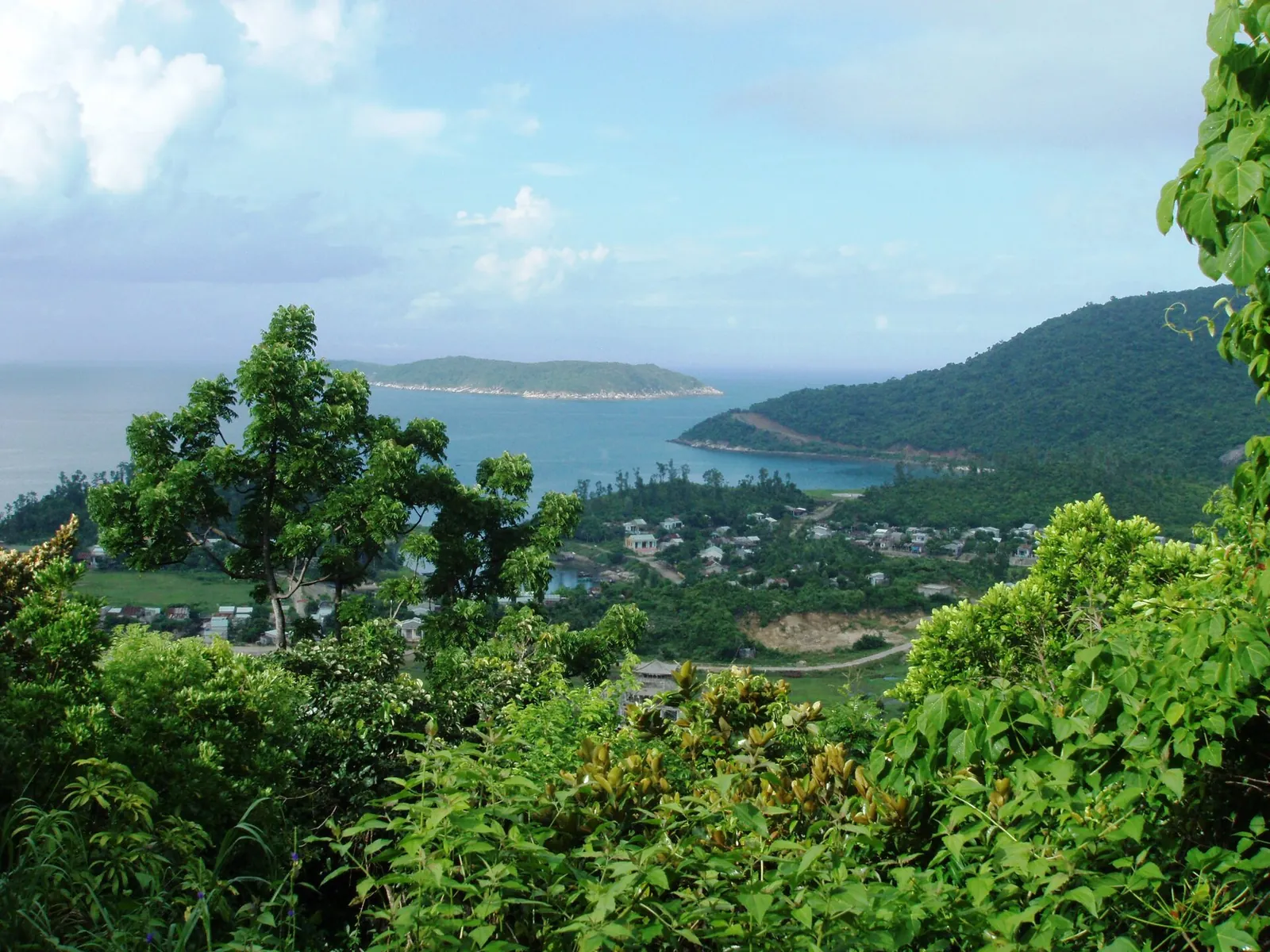
Hon Lao on foot: market, pagoda and the old well
Hon Lao is crossed by one winding coastal road, which the national tourism site suggests exploring by bicycle or on foot. The heritage centre lists the Tan Hiep market, the island's only market, right by the Bai Lang pier, for fresh and dried seafood, and the marine conservation exhibition, which it describes as visitors' usual first stop when the boat docks and a short introduction to the reserve, the island's customs and its sea produce.
Hai Tang Pagoda, built in the mid-18th century at the foot of the forested western mountain, is the monument to seek out; the national tourism site describes it as a spiritual anchor for fishermen before they go to sea. The Champa well, about 200 years old, is said never to run dry. The Da Nang tourism portal lists both among the island's national relics, alongside a temple to the founders of the swiftlet-nest trade, and two crafts recognised as national intangible heritage: harvesting bird's nests and weaving hammocks from the ngo dong tree.
Those ngo dong trees flower red along the road from Bai Lang towards Bai Huong in July and August, the heritage centre says. If you stay overnight, walk the road in the late afternoon, when the day-trippers have gone and the light is softer.
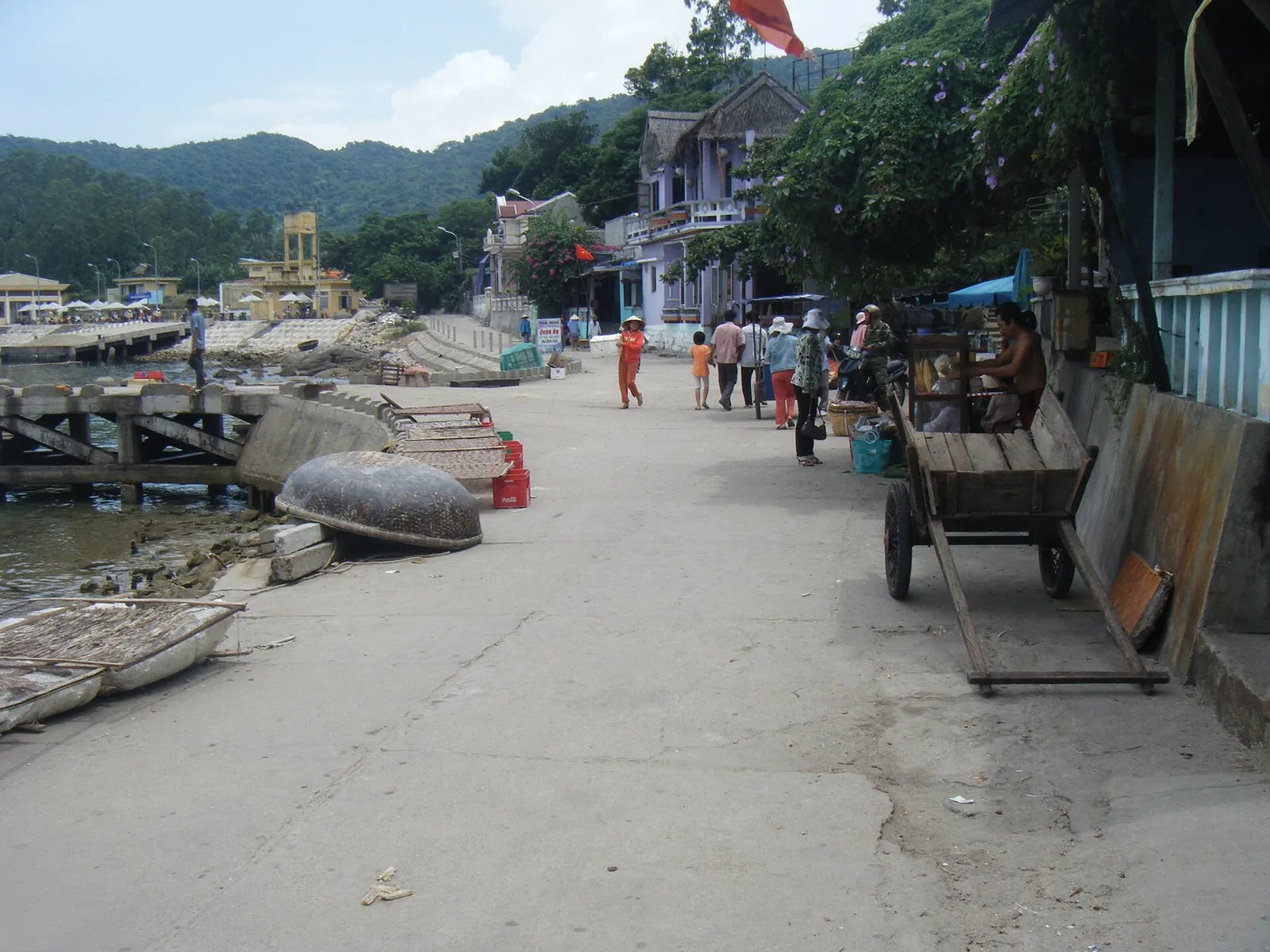
A workable day and a workable night
This is an editorial suggestion, not a timetable. Check the weather and the sea forecast the evening before, and confirm with your operator on the morning of travel.
- Day trip: hotel pick-up in Hoi An, the speedboat from Cua Dai, a snorkelling stop at Hon Dai or Hon Tai, lunch and a swim at Bai Ong, a short walk at Bai Lang to the market and the conservation exhibition, and the return crossing in the afternoon.
- Overnight, day 1: the morning boat, snorkelling, then check in to a homestay in Bai Lang or Bai Huong; walk to Hai Tang Pagoda and the Champa well in the late afternoon and eat with your host.
- Overnight, day 2: an early swim before the first boats arrive, a ride or walk along the coastal road, and an early afternoon boat back, with the following day kept free on the mainland in case the sea closes.

Practical questions
Is the Cham Islands better as a day trip or an overnight?
A day trip is enough for snorkelling and a beach lunch. Stay one night if you want to see the fishing villages and the island after the day-trippers leave, and keep a spare day on the mainland in case the sea closes.
When can you visit the Cham Islands?
March to September, when the sea is usually calm. Vietnam's national tourism site says the islands are virtually inaccessible from October to February, and sea bans can halt boats at short notice even in summer.
How do you get to the Cham Islands from Hoi An?
By boat from Cua Dai pier: about 25 minutes by speedboat or about 90 minutes by traditional wooden boat, according to the national tourism site. Most day trips include transfers from Hoi An or Da Nang hotels.
Is there an entrance fee for the Cham Islands?
Yes. When we checked on 2026-10-03, Tuoi Tre reported a Da Nang resolution setting the nature reserve visitor fee at 70,000 VND per person per visit from 10 June 2026, with exemptions for groups including children under 16 and people aged 60 and over.
Can I bring plastic bags to the Cham Islands?
No. The island has banned plastic bags since 2009, and the national tourism site says visitors are checked at the pier. Bring a cloth bag and take your rubbish back with you.
Can I eat stone crab on the Cham Islands in October?
No. Under a 2026 Da Nang decision reported by Znews, harvesting and consuming stone crab is banned from 1 August to 28 February to protect the breeding season.
Sources and checks before you travel
Reference sources for the version dated 3 October 2026. Confirm opening times, access, transport and conditions for your travel dates.
- Vietnam Tourism: Cu Lao Cham, an eco-paradise near Hoi An ↗ — opens in a new tab
- Vietnam Tourism: the best ways to explore the ancient town of Hoi An ↗ — opens in a new tab
- Danang Fantasticity (Da Nang tourism portal): Cu Lao Cham – Hoi An World Biosphere Reserve ↗ — opens in a new tab
- Hoi An World Heritage Conservation Centre: Cu Lao Cham travel tips ↗ — opens in a new tab
- Hoi An World Heritage Conservation Centre: Cu Lao Cham World Biosphere Reserve ↗ — opens in a new tab
- Tuoi Tre: Cu Lao Cham visitor fee stays at 70,000 VND (10 June 2026) ↗ — opens in a new tab
- Nhan Dan: hundreds of visitors stranded on Cu Lao Cham (17 July 2026) ↗ — opens in a new tab
- Znews: stone crab harvesting suspended at Cu Lao Cham (2 August 2026) ↗ — opens in a new tab
Does this experience fit your route?
A day trip with hotel pick-up is the simplest way to reach the Cham Islands' reef. Book for a date with a spare day after it, and check the weather-cancellation policy before you pay.
Check dates and details on Viator ↗ — opens in a new tabAffiliate link · Book with ViatorPhoto credits
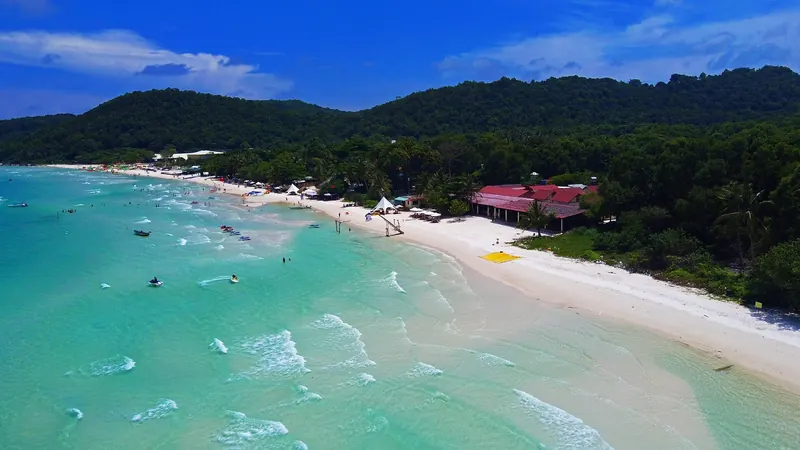
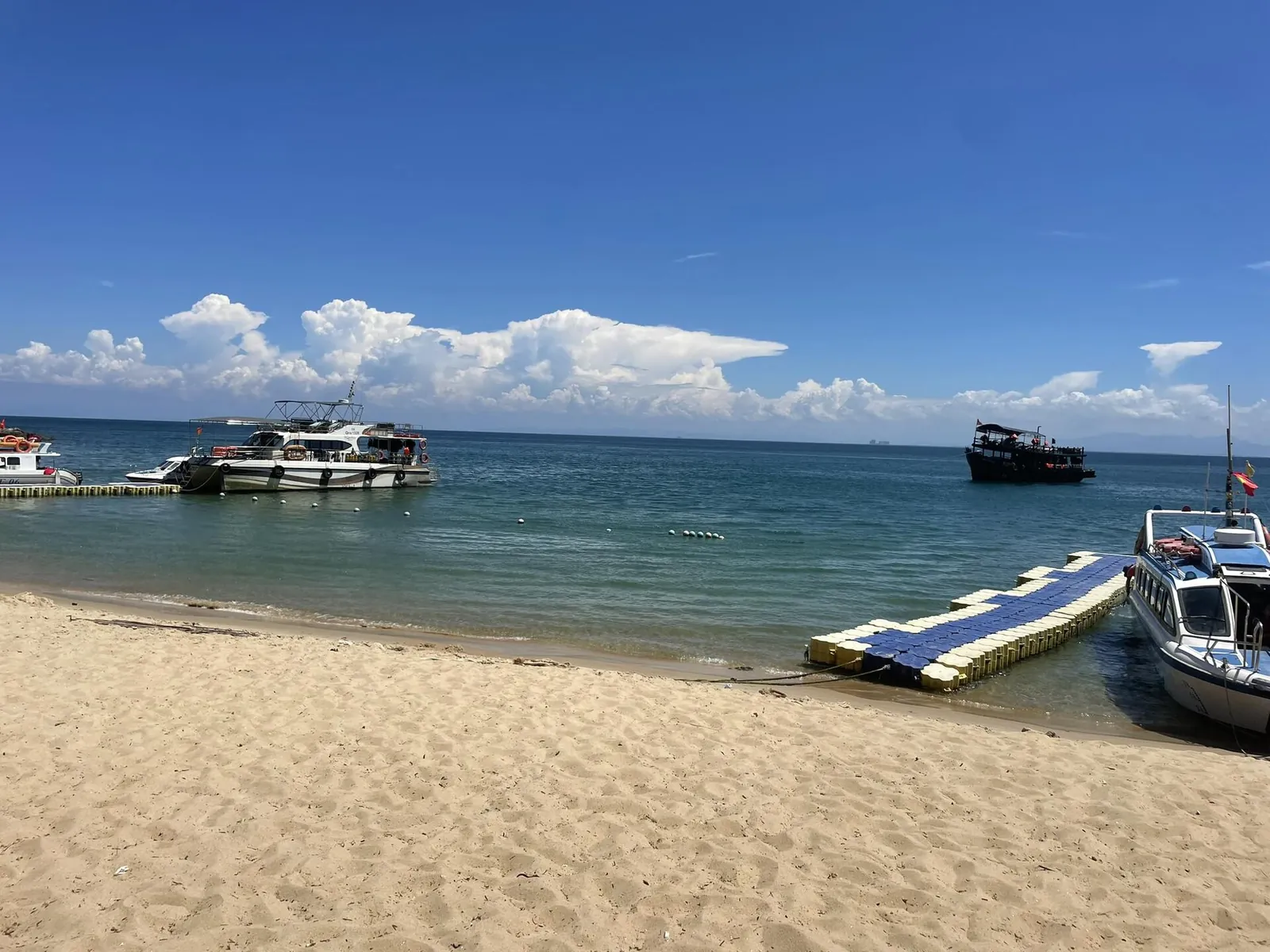
A beach on the Cham Islands (Cu Lao Cham) on a calm summer day, with boats moored off the sand.
Photograph: Theguywithkpdomain — opens in a new tab · CC0 — opens in a new tab
Changes: Resized and converted to WebP; displayed with responsive crops. · Original photograph and licence details ↗ — opens in a new tab
Boats in the bay at Bai Huong, the quieter fishing village on Hon Lao.
Photograph: Robert Quan — opens in a new tab · CC BY-SA 4.0 — opens in a new tab
Changes: Resized and converted to WebP; displayed with responsive crops. · Original photograph and licence details ↗ — opens in a new tab
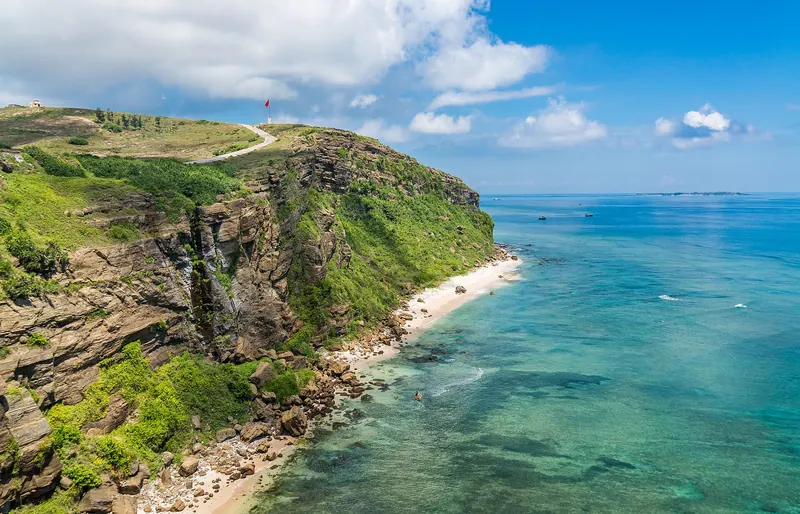
Looking over Hon Lao, the only inhabited island of the Cham Islands, and its sheltered bays.
Photograph: Original uploaded by Lê Thy (Transfered by Phó Nháy ) — opens in a new tab · Public domain — opens in a new tab
Changes: Resized and converted to WebP; displayed with responsive crops. · Original photograph and licence details ↗ — opens in a new tab
A seafront lane in the Cham Islands' main village, with round basket boats drawn up by the shore.
Photograph: Bùi Đình Thiêm ( thảo luận ) — opens in a new tab · CC BY-SA 3.0 — opens in a new tab
Changes: Resized and converted to WebP; displayed with responsive crops. · Original photograph and licence details ↗ — opens in a new tab
The main hall of Hai Tang Pagoda on Hon Lao, built in the mid-18th century.
Photograph: Lê Thy at Vietnamese Wikipedia — opens in a new tab · Public domain — opens in a new tab
Changes: Resized and converted to WebP; displayed with responsive crops. · Original photograph and licence details ↗ — opens in a new tab
Squid drying on racks on the Cham Islands, the start of the island's sun-dried squid.
Photograph: User:Blon — opens in a new tab · CC BY-SA 3.0 — opens in a new tab
Changes: Resized and converted to WebP; displayed with responsive crops. · Original photograph and licence details ↗ — opens in a new tab