South Central Coast and Highlands · Dak Lak
Buon Ma Thuot travel guide: coffee, Ede longhouses and Dray Nur falls
Buon Ma Thuot is the working capital of Vietnam's robusta country, a highland city at around 500 metres where coffee is the economy as well as the drink. It is not a pretty old town to wander, and it does not need to be. Come for the coffee museum and the cafés, the Ede longhouses that still stand inside the city, and the waterfalls, lake and forest an hour or so away, then carry on to Da Lat, Nha Trang or the northern highlands.
- Suggested time
- 2–3 days
- Where to stay
- Central Buon Ma Thuot around Nga Sau; optionally one night at Lak Lake or near Buon Don
- Season and timing
- Rainy season roughly May to October, dry season from October to April; the city's portal gives an annual average of about 23°C. March brings the Buon Ma Thuot Coffee Festival in festival years.
The short answer
Give Buon Ma Thuot two full days, or three with Lak Lake. Sleep in the city centre around the Nga Sau (six-way) intersection and use it as a base: one day for the World Coffee Museum, Ako Dhong village and the Dak Lak Museum, one day for Dray Nur falls and Buon Don or Yok Don National Park by hired car. Visit Lak Lake on National Road 27 as you leave for Da Lat, or stay a night by the lake.
Sleep in the city and go out by day
Buon Ma Thuot is where the roads of the Central Highlands meet. The city portal lists National Road 27 to Da Lat by way of Lak, National Road 26 east through Ninh Hoa to Khanh Hoa and the coast, National Road 14 north to Pleiku and Kon Tum and south towards Ho Chi Minh City, and Provincial Road 1 out to Buon Don and Yok Don. That makes the city the natural base: the sights you will want are spread around it, mostly within about 40 km by the portal's reckoning, and none of them is a place you need to sleep beside.
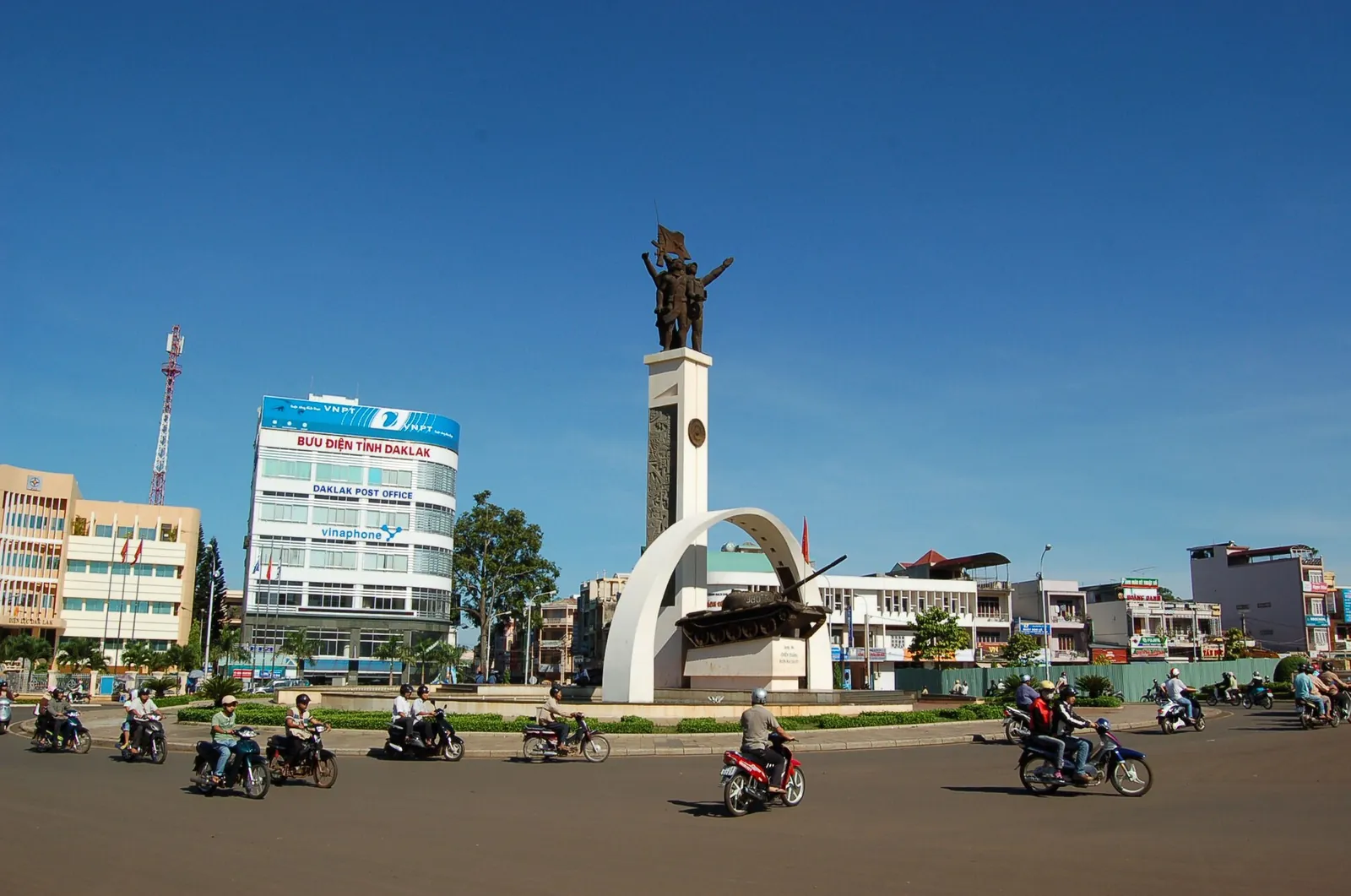
Choose a hotel in the centre, near the Nga Sau intersection with its Victory Monument. The six-way junction has long been treated as the face of the city, and staying near it puts you close to restaurants, cafés and the taxis you will use to reach the museums. A night by Lak Lake is worth adding if you want to see the water early in the morning, or if you are going on to Da Lat anyway. Yok Don National Park runs overnight trekking and camping trips for people who want to stay in the forest.
Coffee capital: the museum, the farms and the cup
Coffee came to Vietnam with the French in 1857, but according to the Dak Lak provincial portal it was in 1914 that they chose Buon Ma Thuot for robusta, for its basalt soil and its altitude of 500 to 600 metres. The plantations around the city have grown ever since, and the province now calls itself the coffee capital of Vietnam.
The World Coffee Museum, built by Trung Nguyen Legend on almost two hectares on Nguyen Dinh Chieu Street, opened in November 2018. Its collection runs to more than 10,000 coffee objects from around the world, arranged as three coffee "civilisations" (Ottoman, Roman and Zen), with a café and a coffee show. When we checked on 3 October 2026, the museum's FAQ listed opening hours of 7:00 to 18:00 daily, with ticket sales pausing at 17:15, and admission of 150,000 dong for adults and 40,000 dong for children aged 7 to 12, free for under-sixes. Guided tours are offered in English, French, Chinese and Ede as well as Vietnamese, at a charge per group.
Give the museum a morning, then drink coffee the local way in the city's cafés: robusta brewed slowly through a phin filter, black or with condensed milk, hot or over ice. Trung Nguyen Coffee Village, a 20,000-square-metre garden with old coffee trees and an Ede longhouse displaying gongs and farm tools, makes a second coffee stop.
Make time for the local food
What to eat and where to look
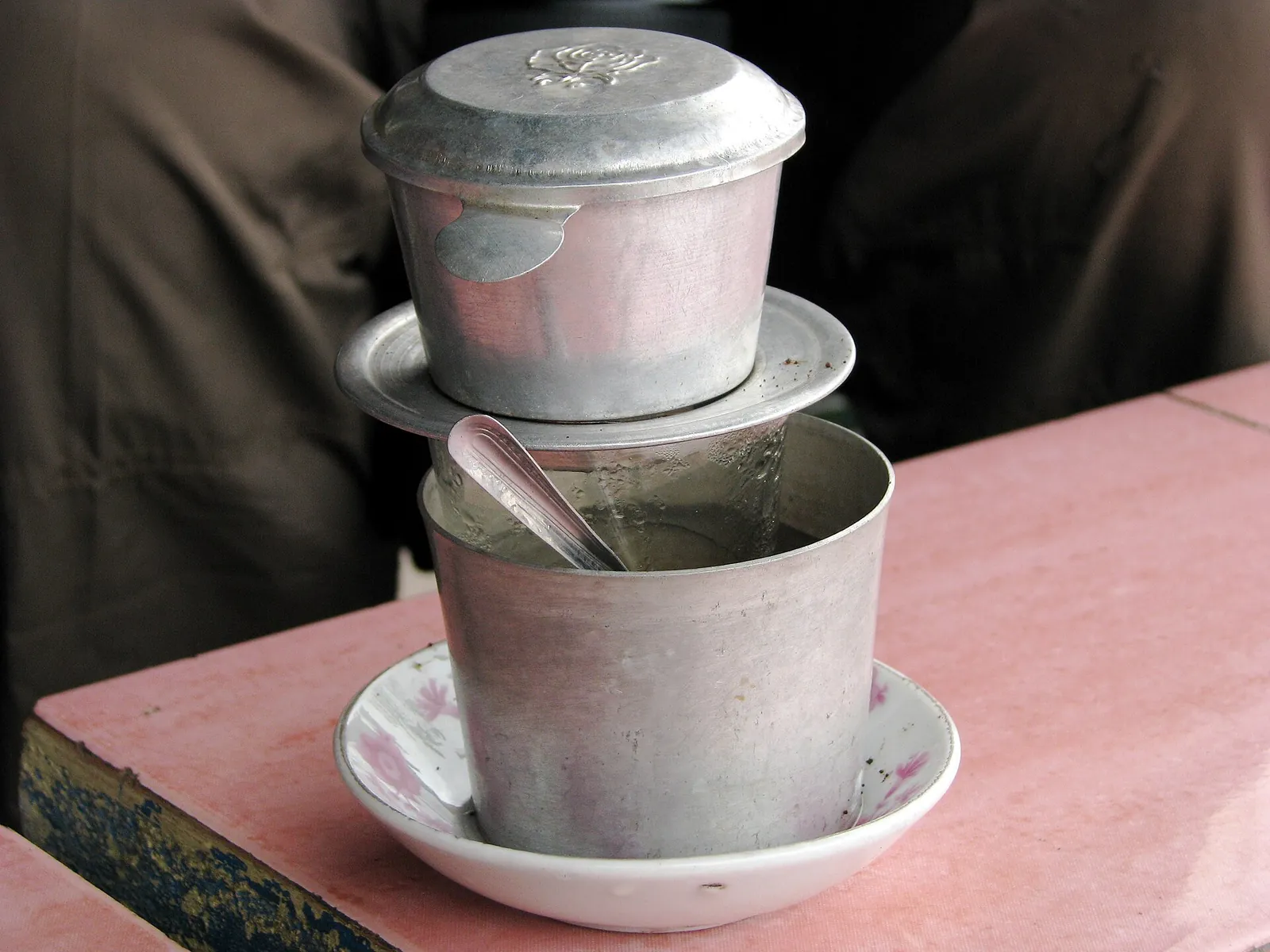
Buon Ma Thuot robusta coffee (ca phe)
The province grows Vietnam's robusta, and the city drinks it strong: coffee dripped through a small metal phin filter, served black or with sweetened condensed milk, hot or over ice.
- Where to look
- Cafés all over the centre, from pavement stools to garden cafés; the World Coffee Museum has its own café and coffee show.
- Fit it into your day
- Make the morning coffee part of the plan, then buy beans to take home after the museum.
Phin coffee is strong and the iced version with condensed milk is very sweet; ask for less milk if you prefer.
Bun chia (bone-broth noodle soup)
Rice noodles in a pork-bone broth that Vietnam Airlines' guide compares with Hue's bun bo, served with shrimp paste, pepper, chilli and fresh herbs.
- Where to look
- Noodle shops in the city centre, mainly at breakfast and lunchtime.
- Fit it into your day
- A filling breakfast before a day out to the falls or Buon Don.
The shrimp paste is strong; add it a little at a time, or leave it out.
Buon Don grilled chicken with com lam
Chicken grilled over charcoal and eaten with green chilli salt, alongside com lam: glutinous rice packed into bamboo tubes and roasted over an open fire, then peeled out of the bamboo.
- Where to look
- Restaurants around Buon Don and the excursion areas, and highland-style restaurants in the city.
- Fit it into your day
- Lunch on the Buon Don or Yok Don day, shared at the table.
Green chilli salt can be very hot; taste before dipping.
Ruou can (jar rice wine)
Rice wine fermented in earthenware jars and drunk communally through straws straight from the jar. For the Ede and M'nong it is part of ceremonies and hospitality, not just a drink.
- Where to look
- Community-tourism villages, cultural performances and some highland-style restaurants.
- Fit it into your day
- Accept a turn with your hosts at a village evening or a gong performance.
It is stronger than it tastes, and you will be offered more than one round. Don't drink and then ride a motorbike.
Ede longhouses, gongs and the city's history
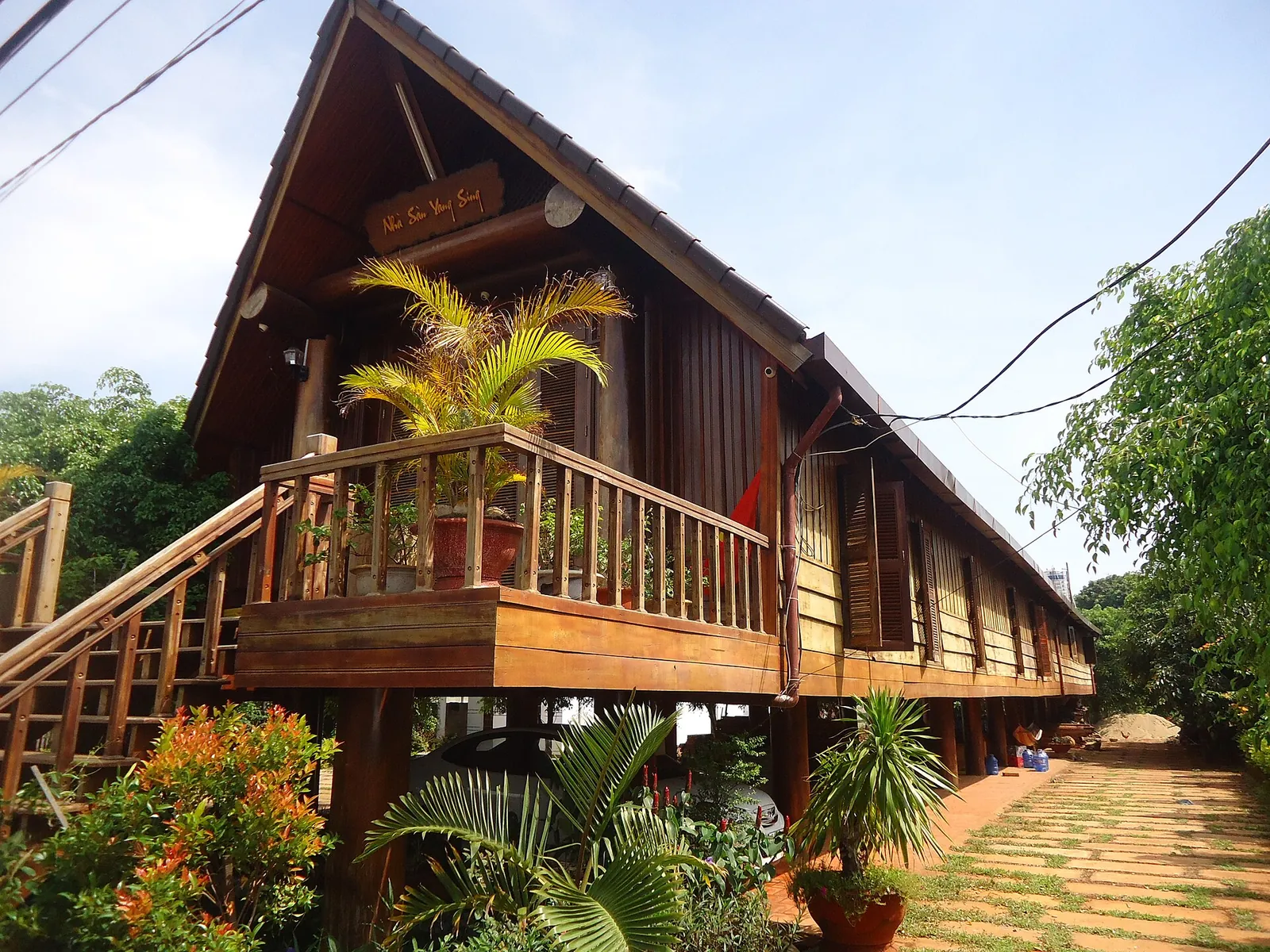
The city's name is Ede: Buon Ama Thuot, the village of Father Thuot, the chief who founded the first settlement beside the Ea Tam stream. Ako Dhong, inside the city in what was Tan Loi ward, was the province's first village recognised for community tourism, and the provincial tourism department describes it as a 'village within a city': Ede longhouses raised on stilts, set among gardens on the edge of the city. These are family homes; ask before photographing people or going up into a house, and go with a local guide or arrange a visit if you want to see inside.
The Space of Gong Culture of the Central Highlands was recognised by UNESCO in 2005, and gongs are still at the heart of Ede ceremonies such as the water-wharf offering held after the harvest. Outside festival days you are more likely to hear them at a performance than at a ritual. The Ko Tam community eco-tourism area in the city stages gong exchanges, campfires and folk games, especially around Tet.
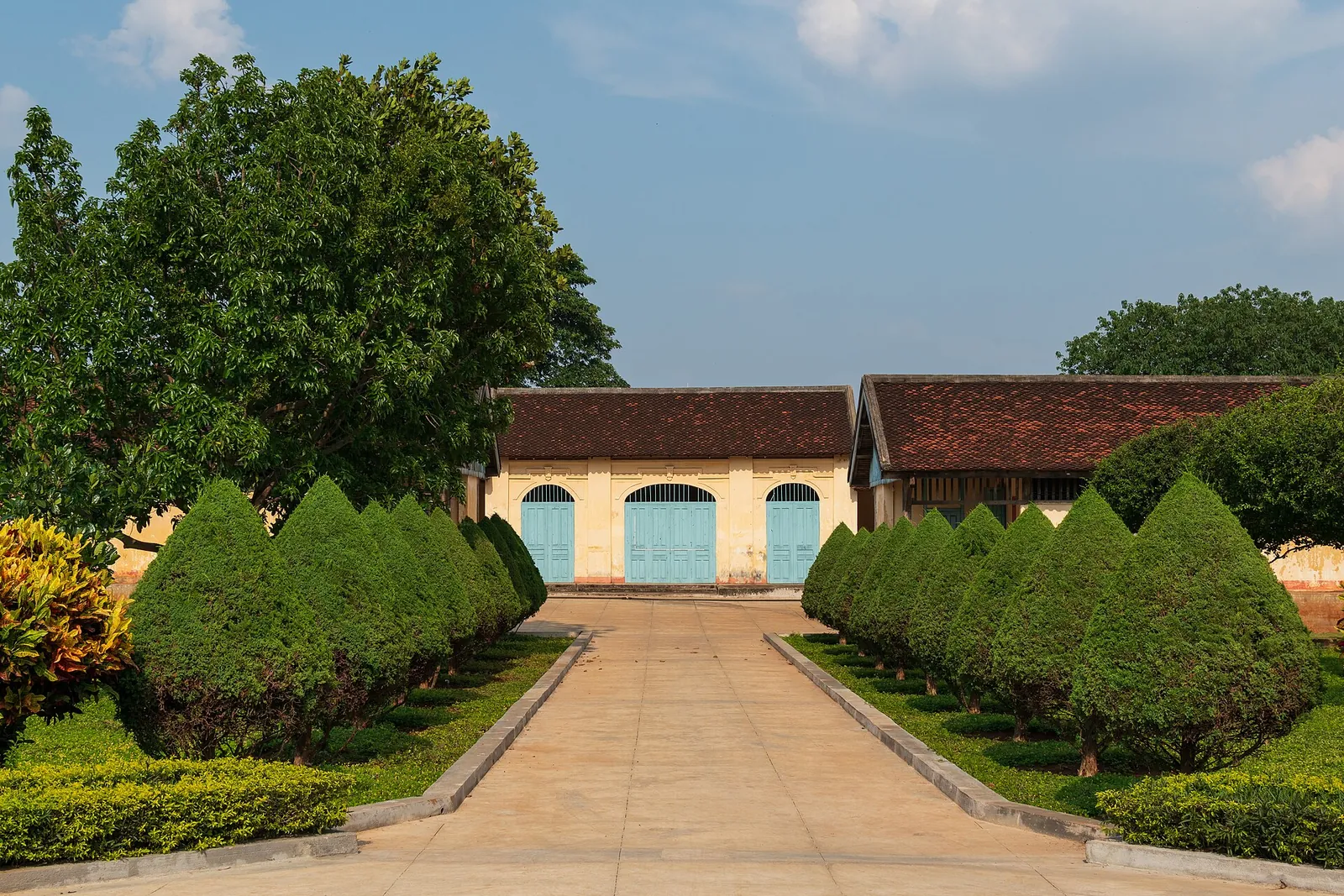
For background before or after the villages, the Dak Lak Museum at 2 Y Ngong Street presents the heritage of the Central Highlands peoples; it was founded in 1976 and moved into a new building in 2011. The Buon Ma Thuot Exile House at 18 Tan Thuat Street, a prison built by the French, tells the political history of the province. Either fits into the same day as the coffee museum.
Dray Nur, Buon Don and Lak Lake: one outing per day
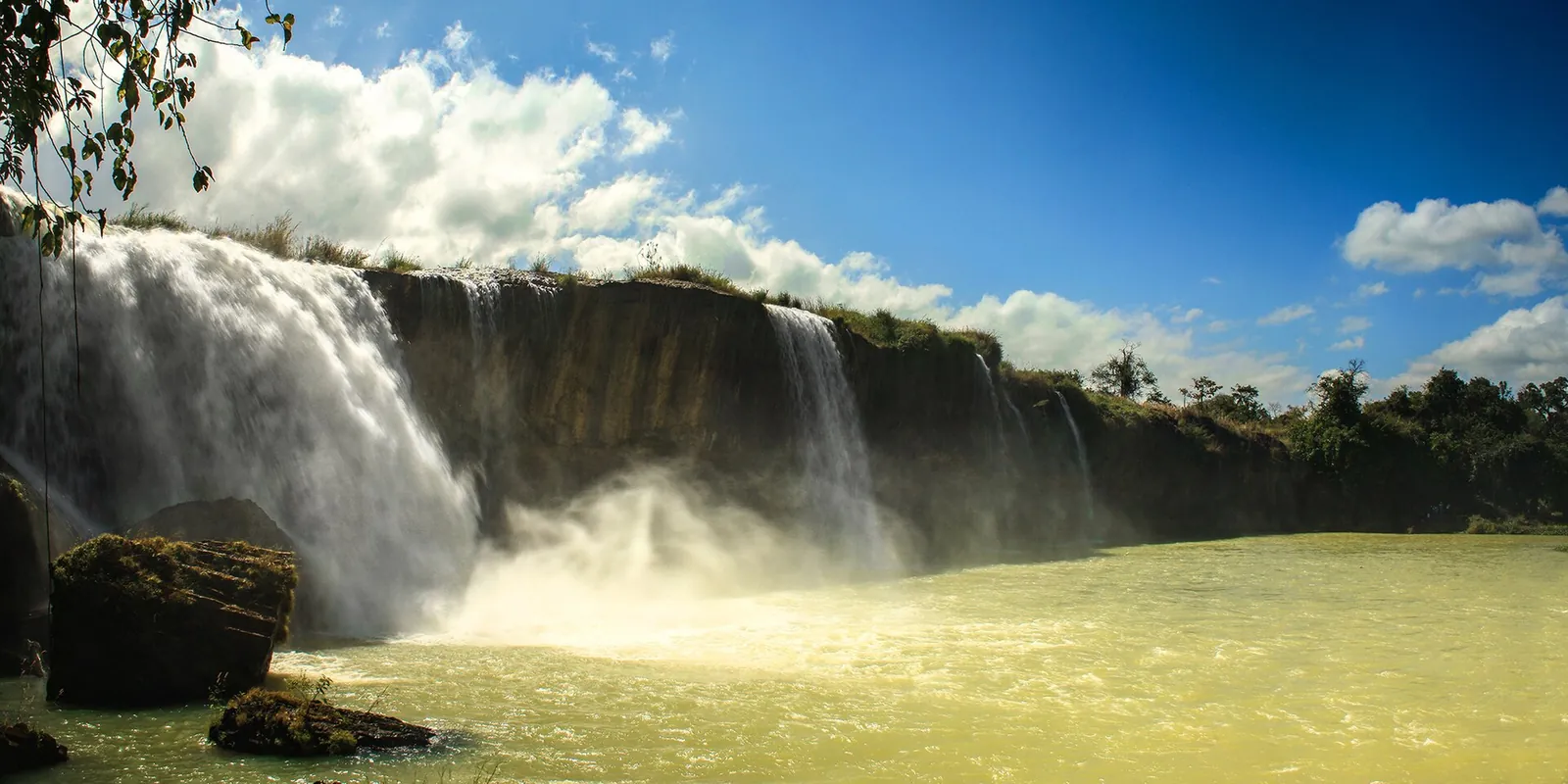
Dray Nur is the falls to see on the Serepok River. The city portal puts it about 30 km from Buon Ma Thuot on the road towards Ho Chi Minh City, with a curtain of water about 250 metres wide dropping more than 30 metres. The World Coffee Museum sells a combined museum-and-falls offer, but you make your own way between the two, so book a car or taxi for the half day.
Buon Don, further out on Provincial Road 1, is the old elephant-hunting settlement on the Serepok, home to Lao, Ede, M'nong, J'rai and Kinh families and known for the grave house of the elephant hunter Khunjunob. Beyond it is Yok Don National Park, which protects dry deciduous dipterocarp forest over more than 115,000 hectares. The park's own tours include birdwatching, cycling, trekking and camping, a boat trip on the Serepok, a cooking class and half- or full-day elephant experiences. Buon Tri in Krong Na commune, a community-tourism village of stilt houses, showcases the area's Lao culture.
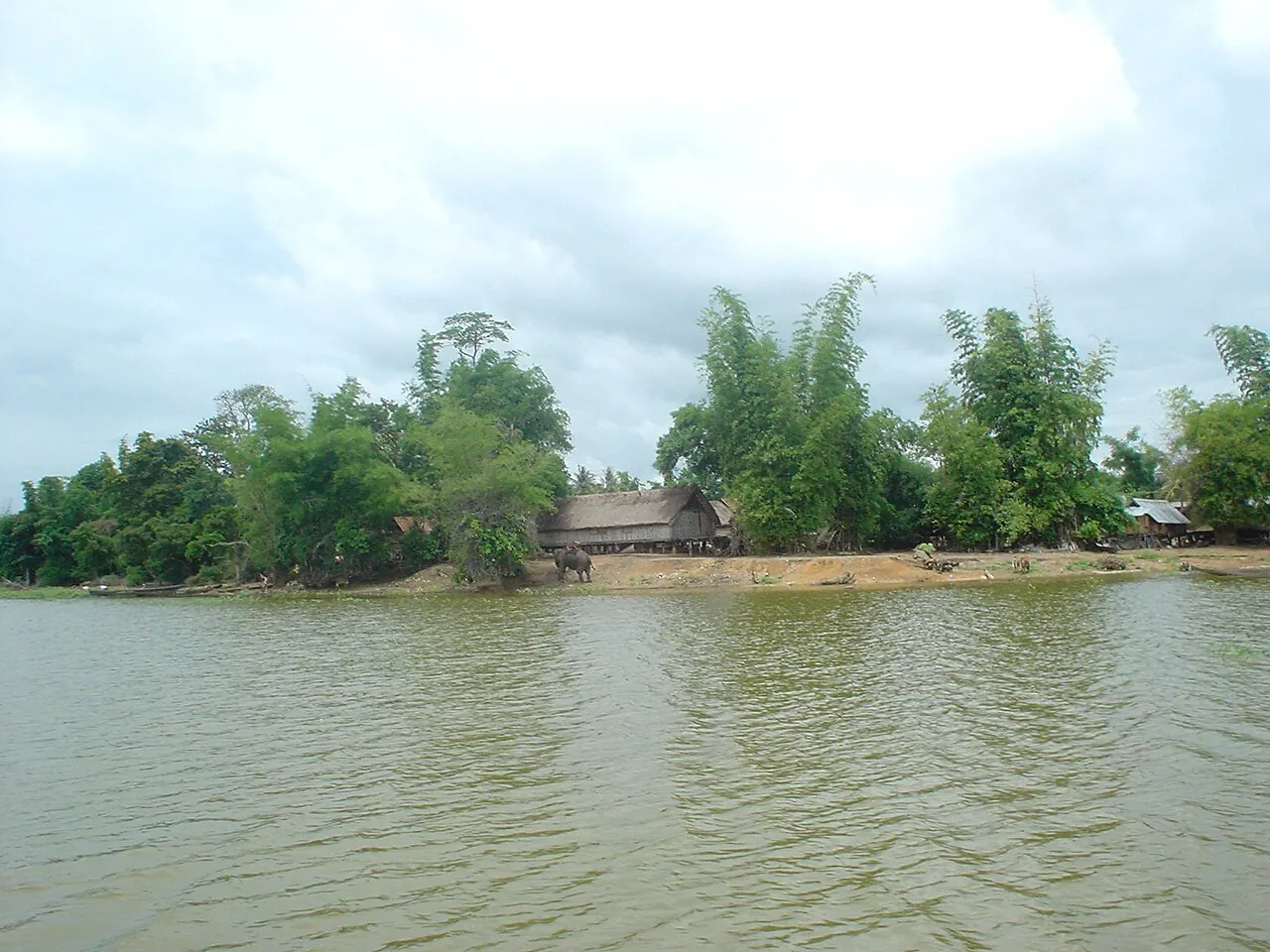
Lak Lake, at the small town of Lien Son, is one of the largest natural lakes in the Central Highlands, about 500 hectares at around 500 metres, ringed by hills and forest. M'nong families live around its shores, and the villages of Jun and M'lieng are known for longhouses, brocade weaving and gongs; the provincial portal mentions dug-out canoe trips on the water. Because the lake lies on the road to Da Lat, the easiest plan is to stop here on your way out of the province rather than make a round trip from the city.
Elephants: watch, don't ride
Elephants are Buon Don's symbol, but very few domestic animals remain: a 2023 provincial report counted only 37 in Dak Lak, many of them old, with no calf born in captivity for 30 years. The province itself is now steering visitors away from riding. Since 10 February 2023 the Buon Don suspension-bridge tourism centre has stopped elephant rides and offers feeding, bathing alongside and photographs instead, and Yok Don National Park says it was the first organisation in Vietnam to switch to elephant-friendly tourism.
Older descriptions of Lak Lake and Buon Don still mention elephant rides. Choose a no-riding experience, ask the operator how long the elephants work each day, and don't book shows where elephants are made to perform.
Getting there and moving on
Buon Ma Thuot Airport (BMV) is about 11 km south-east of the centre, according to Vietnam Airlines, roughly 20 to 25 minutes by taxi. When we checked on 3 October 2026, Vietnam Airlines listed services to Buon Ma Thuot from Hanoi, Ho Chi Minh City and Da Nang among other domestic cities. Schedules change, so check the current timetable before planning around a particular flight.
By road, the city portal says direct coaches from Ho Chi Minh City's Mien Dong bus station take around eight hours. Da Lat is reached on National Road 27 by way of Lak Lake, the coast at Nha Trang on National Road 26 through Ninh Hoa, and Pleiku and Kon Tum on National Road 14. Since the 2025 reorganisation of provinces, Dak Lak also takes in the coast around Tuy Hoa, and a Buon Ma Thuot–Khanh Hoa expressway was under construction when the province reported on it in early 2025.
A workable two- or three-day plan
This is an editorial suggestion, not a timetable. Check opening times for each place before you go.
- Day 1 — Coffee and the city: the World Coffee Museum in the morning, a long lunch, then Ako Dhong village and the Dak Lak Museum or the Exile House in the afternoon. Dinner near Nga Sau.
- Day 2 — Falls and forest: a hired car to Dray Nur early, then on to Buon Don or a half-day tour with Yok Don National Park; back to the city for the evening.
- Day 3 — Lak Lake on the way out: leave on National Road 27, spend the morning at the lake and the M'nong villages, then continue to Da Lat or stay the night at Lien Son.
Practical questions
How many days do I need in Buon Ma Thuot?
Two full days cover the coffee museum, an Ede village and one excursion to the falls or Buon Don. Add a third day for Lak Lake, ideally on the way to Da Lat.
When is the best time to visit Buon Ma Thuot?
The dry season, from about October to April, is easiest for roads and excursions; the waterfalls are fullest in the rainy season, from May to October. The Buon Ma Thuot Coffee Festival is held in March in festival years: the 9th edition ran from 9 to 13 March 2025.
What are the World Coffee Museum's opening hours and ticket prices?
When we checked on 3 October 2026, the museum's FAQ listed 7:00 to 18:00 daily (ticket sales pause at 17:15), with tickets at 150,000 dong for adults and 40,000 dong for children aged 7 to 12. Check the museum's website before you go.
Can I visit Dray Nur waterfall without a tour?
Yes. It is about 30 km from the city; hire a car or taxi for the half day, or combine it with Buon Don. There is no shuttle from the World Coffee Museum, even with its combined offer.
Should I ride an elephant at Buon Don or Lak Lake?
No. Dak Lak has only a few dozen domestic elephants left, and the Buon Don tourism centre stopped rides in 2023. Choose a feeding or observation experience, such as the elephant tours run by Yok Don National Park.
How do I get from Buon Ma Thuot to Da Lat or Nha Trang?
Da Lat is on National Road 27 by way of Lak Lake, and Nha Trang is on National Road 26 through Ninh Hoa. Go by coach or private car.
Sources and checks before you travel
Reference sources for the version dated 3 October 2026. Confirm opening times, access, transport and conditions for your travel dates.
- World Coffee Museum: FAQ ↗ — opens in a new tab
- World Coffee Museum: home page ↗ — opens in a new tab
- World Coffee Museum: museum and Dray Nur combined offer ↗ — opens in a new tab
- Buon Ma Thuot ward portal: culture and tourism in Buon Ma Thuot ↗ — opens in a new tab
- Dak Lak provincial portal: Buon Ma Thuot, the world's coffee destination ↗ — opens in a new tab
- Dak Lak provincial portal: Nga Sau (six-way) intersection ↗ — opens in a new tab
- Dak Lak provincial portal: Dak Lak develops new products to stimulate tourism ↗ — opens in a new tab
- Dak Lak provincial portal: declaration of community tourism in Buon Tri ↗ — opens in a new tab
- Dak Lak provincial portal: the legend of Lak Lake ↗ — opens in a new tab
- Dak Lak provincial portal: Don Village now and then ↗ — opens in a new tab
- Dak Lak provincial portal: 'Smiling with elephants, stop riding elephants' ↗ — opens in a new tab
- Dak Lak provincial portal: 'Our happy elephants' exhibition at Dak Lak Museum ↗ — opens in a new tab
- Dak Lak provincial portal: opening of the 9th Buon Ma Thuot Coffee Festival ↗ — opens in a new tab
- Dak Lak provincial portal: connecting tours and developing destinations ↗ — opens in a new tab
- Yok Don National Park (official site) ↗ — opens in a new tab
- Vietnam Airlines: flights to Buon Ma Thuot ↗ — opens in a new tab
- Vietnam Tourism: Central Highlands Gong Culture International Festival ↗ — opens in a new tab
Photo credits
Dray Nur falls on the Serepok River, about 30 km from Buon Ma Thuot
Photograph: Bich Le — opens in a new tab · CC BY 3.0 — opens in a new tab
Changes: Resized and converted to WebP; displayed with responsive crops. · Original photograph and licence details ↗ — opens in a new tab
The Victory Monument at Nga Sau, the six-way junction at the centre of Buon Ma Thuot
Photograph: Rdavout — opens in a new tab · CC BY-SA 3.0 — opens in a new tab
Changes: Resized and converted to WebP; displayed with responsive crops. · Original photograph and licence details ↗ — opens in a new tab
Jun village on the shore of Lak Lake, home to M'nong families
Photograph: Đỗ Tuấn Hưng — opens in a new tab · CC BY-SA 3.0 — opens in a new tab
Changes: Resized and converted to WebP; displayed with responsive crops. · Original photograph and licence details ↗ — opens in a new tab
The Exile House, a French colonial-era prison in Buon Ma Thuot
Photograph: Dominic Nelson — opens in a new tab · CC BY-SA 4.0 — opens in a new tab
Changes: Resized and converted to WebP; displayed with responsive crops. · Original photograph and licence details ↗ — opens in a new tab
An Ede longhouse at Ako Dhong village in Buon Ma Thuot
Photograph: Key2015 — opens in a new tab · CC BY-SA 4.0 — opens in a new tab
Changes: Resized and converted to WebP; displayed with responsive crops. · Original photograph and licence details ↗ — opens in a new tab
Coffee brewed through a phin filter, the usual way to drink it in Buon Ma Thuot
Photograph: McKay Savage from London, UK — opens in a new tab · CC BY 2.0 — opens in a new tab
Changes: Resized and converted to WebP; displayed with responsive crops. · Original photograph and licence details ↗ — opens in a new tab