Plan your trip · Vietnam
Accessible Vietnam: pavements, transport and hotels for reduced mobility
Vietnam is not an easy country to move through on foot, and it is harder still with a wheelchair, a walking frame or limited stamina. The problem is less the sights than the space between them: pavements taken over by shops and motorbikes, poorly maintained roads, traffic that does not stop for pedestrians, and old town houses built tall and narrow. What helps is that the airports, the national airline, the new metro lines and many modern hotels are far more manageable than the streets, so a good trip is built around door-to-door transport, a short list of bases and a lot of asking ahead.
- Suggested time
- 10–14 days for two or three regions; one week for a single base
- Where to stay
- Da Nang beachfront first; central Hanoi and District 1 in Ho Chi Minh City for the cities
- Season and timing
- February to April is the gentlest weather for most routes; April and May can be extremely hot, and the central coast has storms and floods from about September to November.
The short answer
Plan on fewer bases and longer stays: 10 to 14 days for two or three regions, or a week in one. Da Nang is the most manageable base, with a compact airport about 3 km from the centre, a long beachfront of modern hotels and Hoi An's car-free Ancient Town within reach by car. Fly the long legs rather than taking overnight trains, book a private car with driver for transfers and day trips, and choose a newer hotel with a lift after confirming the room, the bathroom and the entrance in writing. In Hanoi and Ho Chi Minh City, stay central so that taxis rather than pavements do the work.
Pavements, kerbs and traffic: what the streets are really like
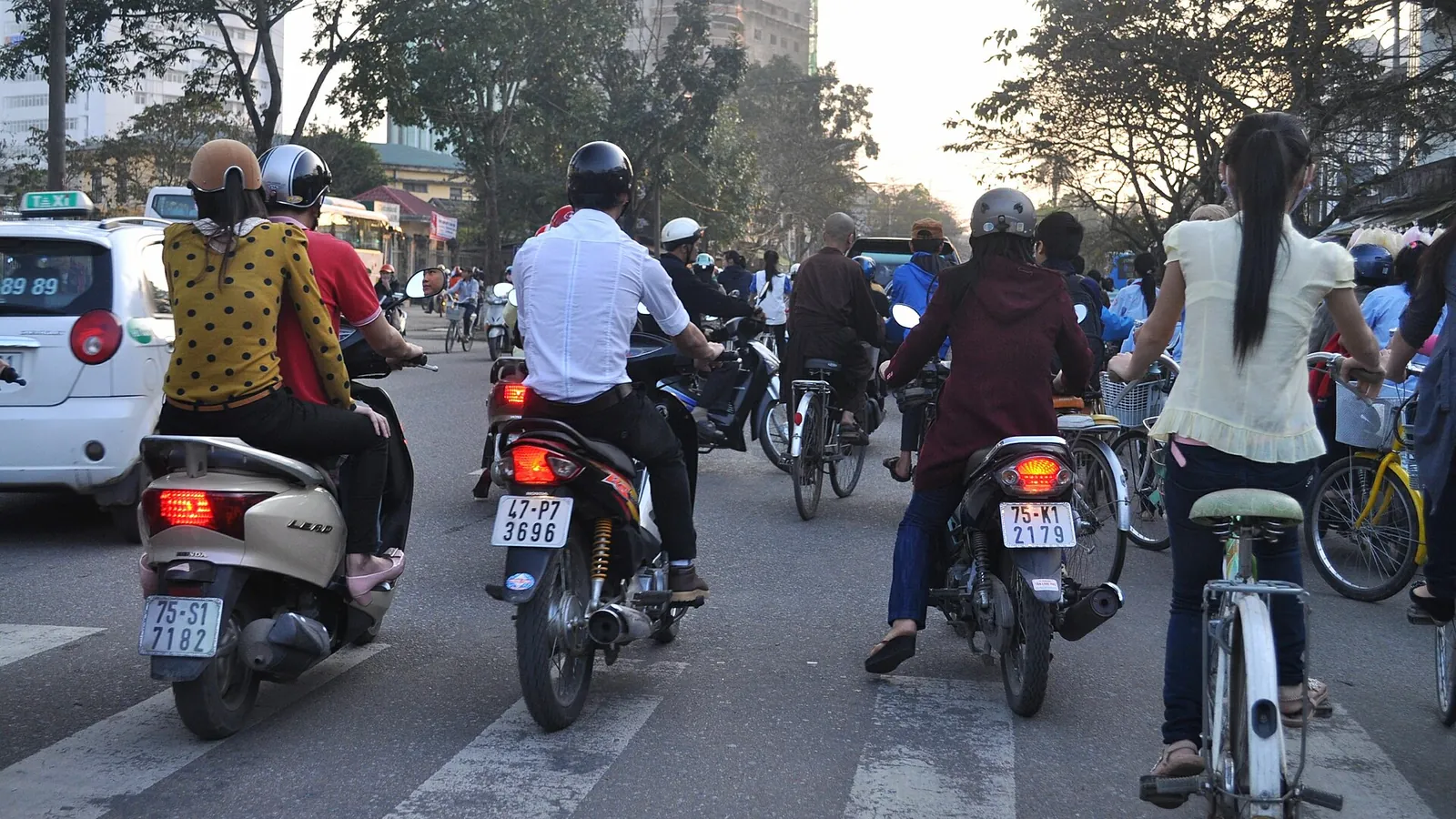
Expect to share or lose the pavement almost everywhere in the cities. The tourism board's own description of Hanoi's Old Quarter is of shops pouring onto the sidewalks and motorbikes navigating narrow streets, and in the evenings, drinkers spill onto the pavement on tiny plastic stools. Canada's travel advice describes road conditions as poor throughout the country, with potholes and poorly maintained roads, so expect long stretches where the pavement is unusable in a wheelchair. It adds that some vehicles, especially motorcycles, drive against the flow of traffic and on the sidewalks.
Crossing the street is the second challenge. Canada describes road safety as poor throughout the country, notes that pedestrians are commonly the victims of accidents and advises using elevated walkways or pedestrian bridges where they exist. Those bridges usually mean stairs, so for many travellers with reduced mobility the realistic answer is to take a car even for short distances, especially at night or in the rainy season, when roads are slippery and potholes fill with water.
Bag snatching is the other street-level risk. The UK government warns that thieves on motorcycles commonly snatch bags, and the tourism board suggests keeping cameras and phones close to the body on busy pavements. If you push a wheelchair or use a mobility scooter, carry valuables on the side away from the traffic or in a front bag rather than hanging from the handles.
- Ask your hotel to book cars for you, or use the companies the tourism board names as trusted at the international airports, Mai Linh and Vinasun; a folding wheelchair fits more easily in a car than a rigid frame.
- Plan sightseeing around car drop-off points rather than walking routes, and keep a short walk between the car and the entrance.
- Bring your own repair kit and spare inner tubes or tyres for a manual chair; rough surfaces wear them quickly.
Flying in and around Vietnam with assistance
Flying is the most practical way to cover Vietnam's length. The tourism board points out that the train from Hanoi to Ho Chi Minh City can take up to 30 hours and that a one- or two-hour domestic flight often makes more sense, and for a traveller who tires easily the time saved is only part of the gain: an airport with lifts and staff assistance is much easier than a station platform.
When we checked on 2026-10-03, Vietnam Airlines' page for passengers with reduced mobility listed a wheelchair service for people with mobility difficulties, assistance for passengers with visual or hearing impairments, and one mobility aid, such as crutches, a cane or a foldable wheelchair, that meets carry-on and lithium-battery rules. It asked passengers to book at least 48 hours before departure for wheelchairs or equipment containing dangerous materials (powered chairs with batteries fall here), for stretchers or onboard medical equipment and for groups of ten or more disabled travellers, and at least 72 hours ahead for medical oxygen. Service dogs were carried free if registered at least 36 hours ahead. The airline advises travelling with an escort; it lists that the escort must be at least 18, able-bodied, in the same cabin and able to help in an emergency evacuation.
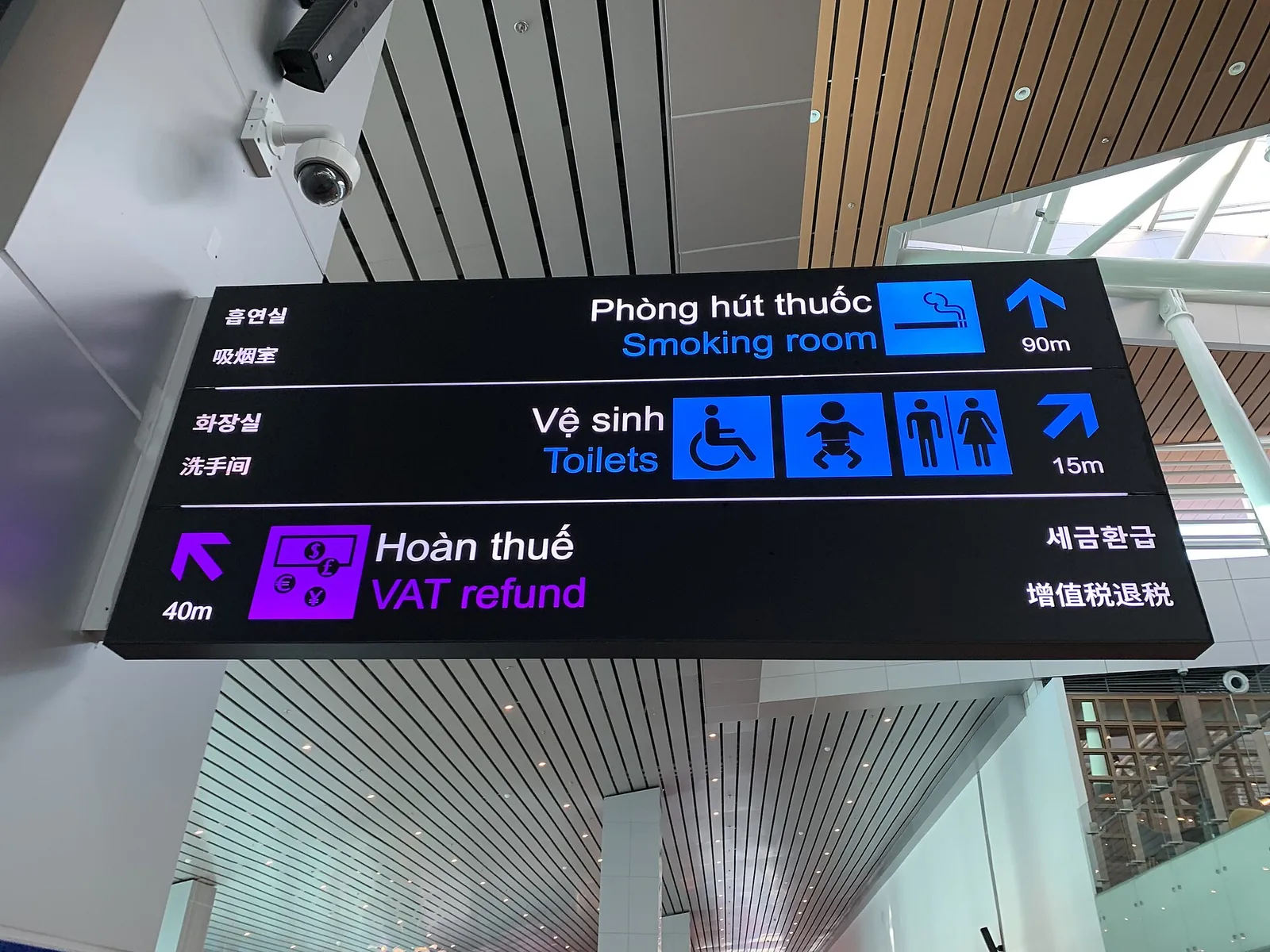
The airports themselves are manageable. The tourism board describes Hanoi's Noi Bai as two terminals 850 m apart, with a free shuttle bus between domestic T1 and international T2, and Tan Son Nhat in Ho Chi Minh City as two terminals linked by a 500 m covered walkway. At Da Nang, the city's tourism site says the two terminals are joined by a covered walkway, that check-in is on Level 2 with lifts from the ground floor and that a visitor support centre operates in both terminals. Low-cost carriers have their own rules, so check the assistance page of the airline on your ticket, not the national carrier's.
Make time for the local food
What to eat and where to look
Phở (rice noodle soup)
Rice noodles in a clear beef or chicken broth with herbs and lime on the side. It is served everywhere from street stalls to air-conditioned restaurants, which makes it an easy meal to find somewhere with a proper table and chair.
- Where to look
- Phở restaurants with indoor seating in central Hanoi, Da Nang and District 1 in Ho Chi Minh City, and hotel breakfast buffets.
- Fit it into your day
- An early breakfast before a morning outing, while it is still cool.
Street stalls often seat diners on low plastic stools on the pavement; if getting up and down is hard, choose a restaurant with full-height tables.
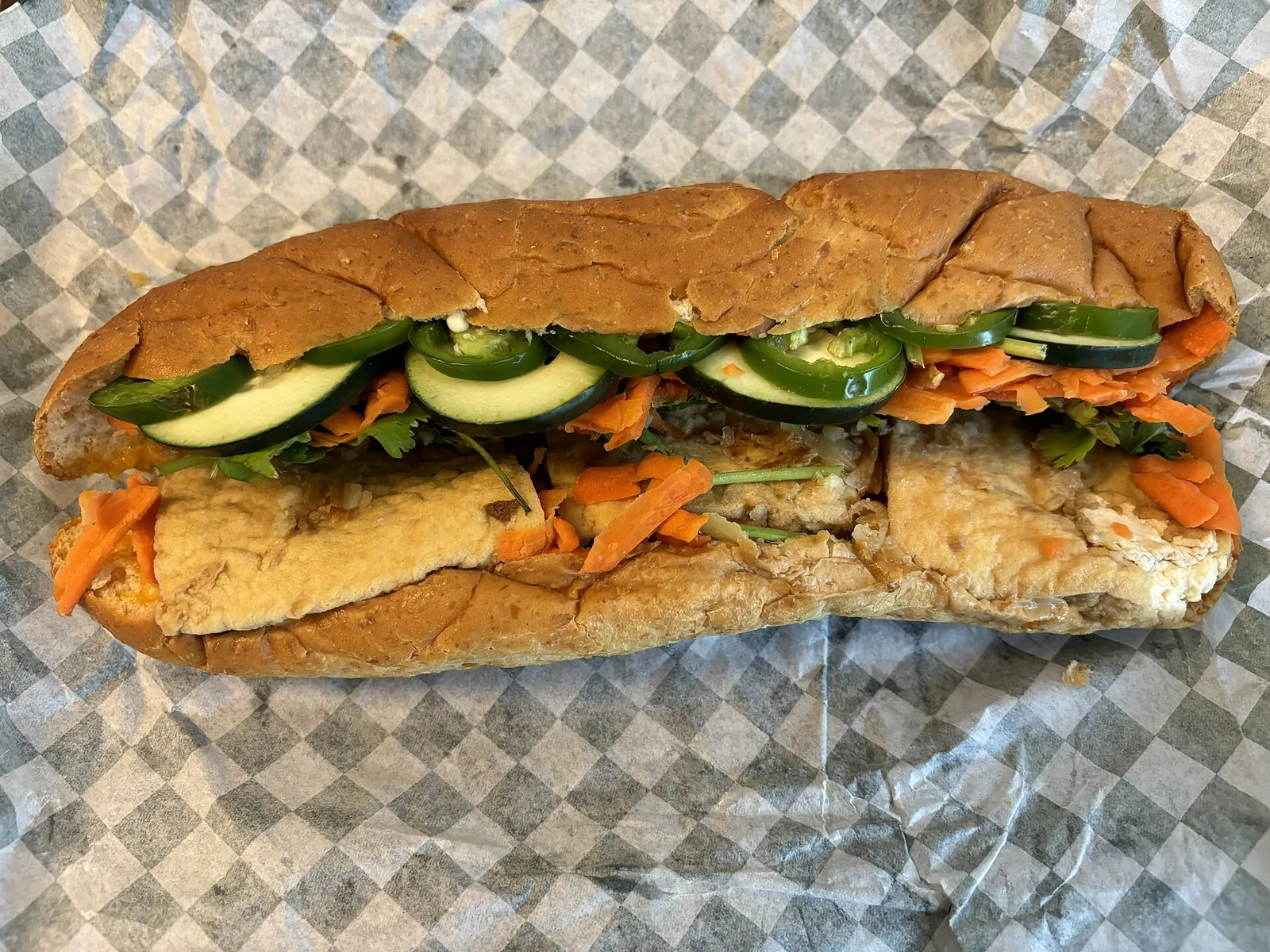
Bánh mì
A crisp baguette filled with pâté, cold cuts or grilled meat, pickled vegetables, herbs and chilli. It is the one Vietnamese meal you can buy from a cart without leaving the car.
- Where to look
- Street carts and small shops in every city; ask your driver to stop, or have the hotel order one in.
- Fit it into your day
- Lunch on a transfer day or in the car between sights.
Often contains pork and pâté; tofu or egg versions exist if you ask.
Mì Quảng
Da Nang and Hoi An's own noodle dish: flat turmeric-yellow noodles with a little rich broth, pork, shrimp or chicken, herbs and a crisp rice cracker.
- Where to look
- Family restaurants in Da Nang and Hoi An; pick one on a street where a car can stop, outside Hoi An's car-free hours.
- Fit it into your day
- Lunch in Da Nang between a morning on the beach and an afternoon rest.
Contains shellfish, peanuts and fish sauce in most versions.
Cơm tấm (broken rice)
Ho Chi Minh City's everyday plate: broken rice with grilled pork chop, a slice of egg meatloaf and pickles, eaten with fish sauce.
- Where to look
- Cơm tấm restaurants in District 1 and the surrounding districts, many with indoor tables.
- Fit it into your day
- Dinner in Ho Chi Minh City after a rest through the afternoon heat.
Contains pork and fish sauce.
Trains, metro lines and buses
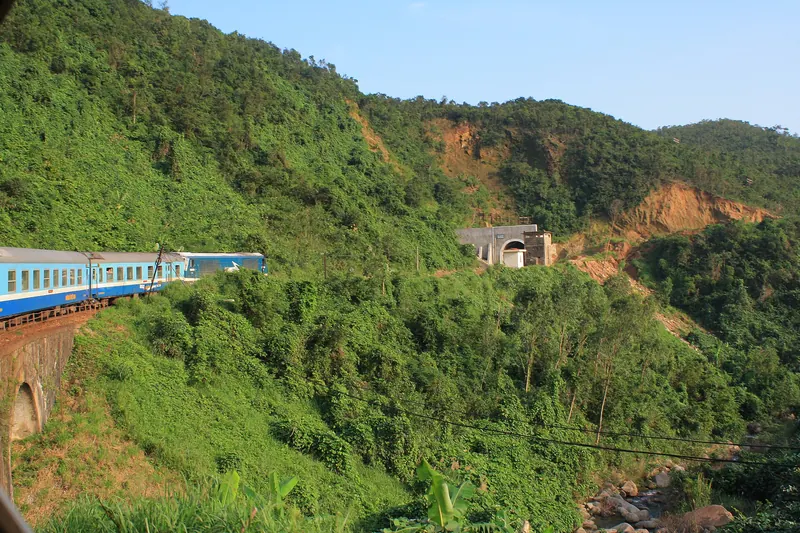
Vietnam's long-distance trains are scenic but physically demanding. The tourism board notes that every carriage has western and squat toilets at both ends and that the sleepers are four-berth cabins; there is no promise of step-free boarding or a wheelchair space, so a short daytime leg, such as Hue to Da Nang, is a better test than an overnight run. When we checked on 2026-10-03, the Railway Transport Joint Stock Company's 2026 fare policy listed a 30% discount for people with severe and especially severe disabilities, including foreign nationals; it did not say what proof is accepted, so ask at the station ticket office before you rely on it.
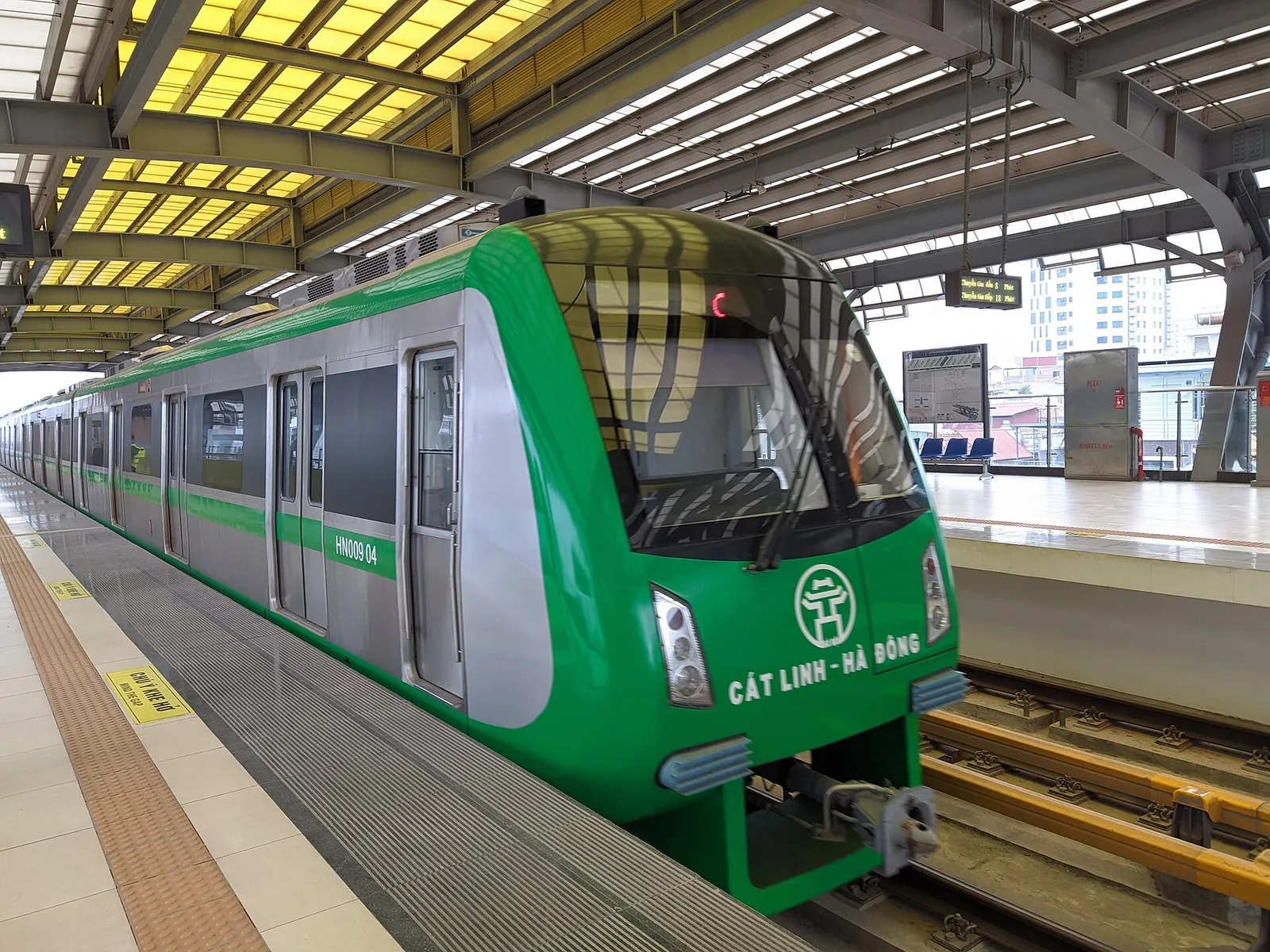
The new city metro lines are the most predictable public transport. Hanoi Metro runs Line 2A (Cat Linh–Ha Dong) and Line 3 (Nhon–Hanoi Station); when we checked on 2026-10-03, its site listed trains from 05:30 to 22:00, said that wheelchair users pass through a separate gate under staff guidance and asked passengers using wheelchairs or pushchairs to request help from station staff. Single-journey tickets for foreigners are sold at the counter as a paper QR code. In Ho Chi Minh City, Metro Line 1 from Ben Thanh to Suoi Tien opened at the end of 2024 and runs almost 20 km, with three underground stations in the centre; we could not find an official accessibility statement for it, so ask staff at the station before you plan a day around it.
Open-tour buses link the main tourist towns, but the tourism board describes most of them as sleeper buses or coaches with deeply reclining seats, which means steep steps and narrow aisles. For most travellers with reduced mobility, a private car with driver is the better choice between towns that have no flight, and it lets you stop when you need to.
The most manageable destinations, and the harder ones
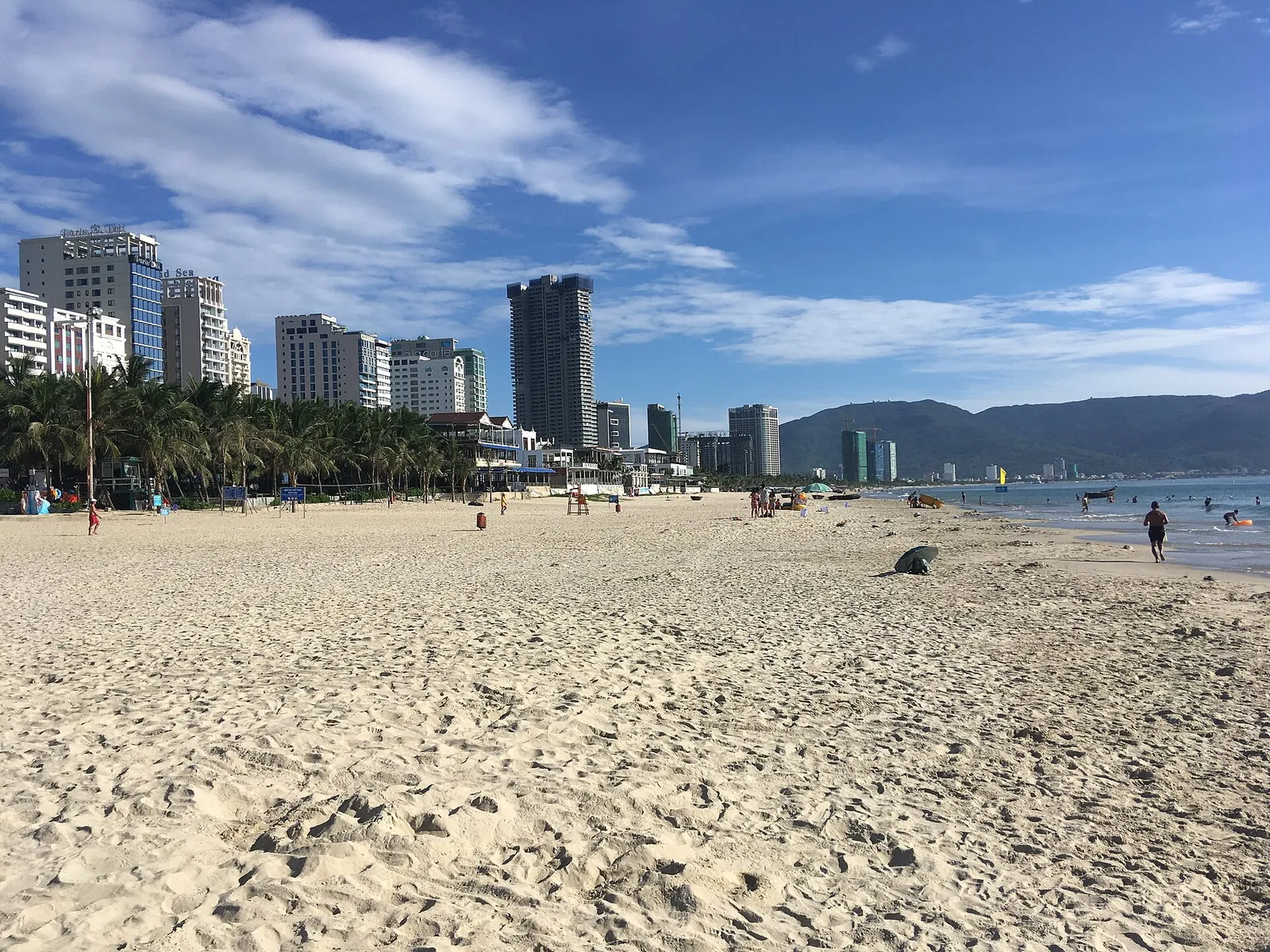
Da Nang is the easiest base in the country. Its tourism site places the airport about 3 km from the centre and My Khe Beach about 2 km from it, with government lifeguards on duty from 4:30 to 19:00 daily, and lists showers, changing rooms and freshwater pools at the public beach in Pham Van Dong Park. The beachfront is lined with high-rise hotels, which are more likely to have lifts than the narrow houses of the old towns. At the Marble Mountains, the path up Thuy Son is stone steps, but when we checked on 2026-10-03 the Da Nang tourism site listed a lift with a separate ticket of 15,000 dong one way; the caves and pagodas at the top still involve steps and uneven ground.
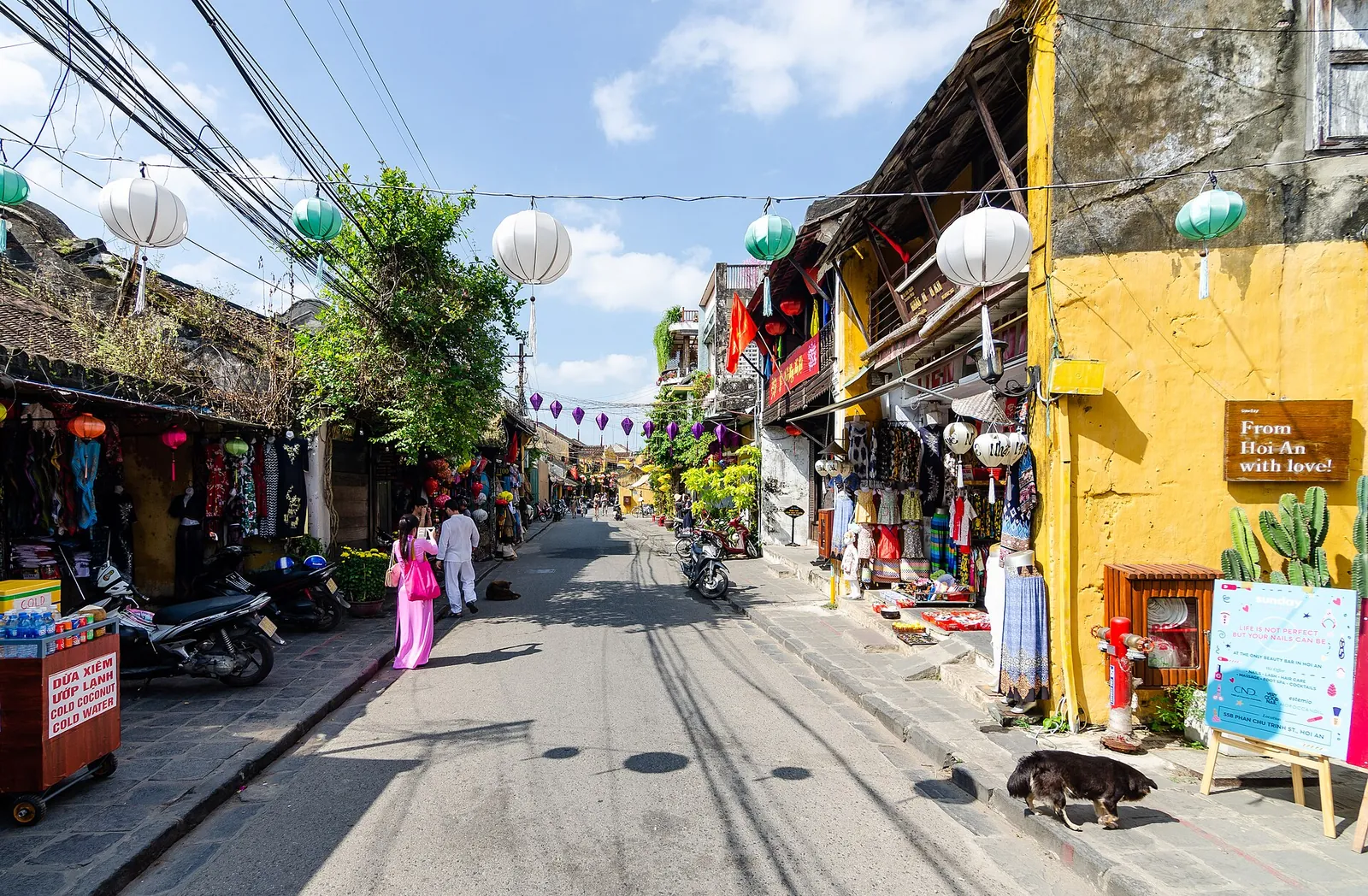
Hoi An, about 29 km from Da Nang airport, is flat, and its Ancient Town is reserved for pedestrians and non-motorised vehicles for most of the day: when we checked on 2026-10-03, the heritage office listed 09:00 to 21:30 in summer and 09:00 to 21:00 in winter, with Phan Chau Trinh Street closed to traffic from 17:30. That makes the streets calmer to roll along, but it also means a car cannot drop you at your door during those hours, so stay just outside the closed area or confirm where your driver can stop. The ticketed historic houses are old buildings, so ask at each entrance about steps before you go in.
Hanoi is harder. The Old Quarter's tube houses have narrow fronts and are built deep and high, the pavements are crowded, and the traffic is relentless. The tourism board suggests a cyclo tour as a gentle introduction, which also suits travellers who can transfer into a seat and want to see the streets without walking them. Ho Chi Minh City has wider boulevards in District 1, but the same pavement problems.
The hardest trips are those built on boats, caves and mountains: Ha Long Bay cruises with tender transfers, the caves of Phong Nha, and Sapa or Ha Giang, where the attraction is walking between villages on steep paths. They are not impossible, but each needs a specialist operator and detailed questions before you book.
Hotels: what to ask before you book
Do not rely on an 'accessible' label alone. Many smaller hotels in Hanoi's Old Quarter and in Hoi An occupy tall, narrow buildings, and a guesthouse may have a lift that is too small for a wheelchair or stops half a floor short. Newer resort and city hotels are usually a safer bet, but layouts vary from building to building.
Ask the hotel directly and keep the answer in writing: whether there are steps at the entrance or a ramp, the size of the lift door, the width of the bathroom door, whether the shower is level or in a tub, whether there are grab rails, and how far the room is from the lift. Ask for photographs. If you need a ground-floor room, say so when you book rather than at check-in.
Heat, medicines and emergencies
Heat affects stamina more than most travellers expect. The tourism board warns that April and May can be extremely hot and that heatstroke and dehydration can be a problem in the hot season, while the central coast has storms and floods late in the rainy season. Plan outings for early morning, rest in the middle of the day and keep the central coast flexible between September and November, when flooding can block roads.
Check your medicines before you go. When we checked on 2026-10-03, the UK government's health advice said that Vietnam restricts medicines it classifies as addictive or psychotropic, that it is illegal to carry more than seven days' supply of such prescribed medicine, and that you should carry the prescription and a doctor's letter stating the amount needed. It also warns that some medicines are hard to find in Vietnam and many are fake, so bring enough of everything else, and recommends insurance that covers treatment and medical evacuation.
The ambulance number is 115 and the police number is 113, and the UK advice notes that emergency lines are operated in Vietnamese only. Save your hotel's phone number and the address in Vietnamese on your phone, and ask the hotel which hospital it would use.
Practical questions
Is Vietnam wheelchair friendly?
Not on the streets. Pavements are often blocked by parked motorbikes and stalls, roads are poorly maintained and traffic is heavy. Airports, the national airline, the new metro lines and many modern hotels are much easier, so plan around cars, flights and carefully chosen hotels rather than walking.
Which city in Vietnam is easiest with reduced mobility?
Da Nang. The airport is about 3 km from the centre, the terminals are joined by a covered walkway with lifts to check-in, the beachfront has many modern high-rise hotels, and Hoi An's car-free Ancient Town is within reach by car.
How do I book wheelchair assistance on Vietnam Airlines?
Request it when you book or through the airline's special assistance channels. When we checked on 2026-10-03, Vietnam Airlines asked for at least 48 hours' notice for wheelchairs or equipment with batteries, stretchers and onboard medical equipment, and 72 hours for medical oxygen. Low-cost carriers have their own rules.
Do Vietnamese trains have discounts for disabled passengers?
The rail operator's 2026 fare policy listed a 30% discount for people with severe and especially severe disabilities, including foreign nationals, when we checked on 2026-10-03. It did not state what proof is accepted, so ask at the station ticket office.
Can I take my medicines to Vietnam?
Usually, but check first. The UK government's advice says Vietnam restricts addictive and psychotropic medicines, that you may not carry more than seven days' supply of them, and that you should carry the prescription and a doctor's letter. If you need more, contact the Vietnamese embassy before travelling.
Is Hoi An's Ancient Town accessible?
The streets are flat and closed to motor traffic for most of the day, which makes them calmer, but the ticketed historic houses are old buildings, so ask about steps at each one, and cars cannot reach the centre during the pedestrian hours. Stay just outside the closed area or agree a drop-off point with your driver.
Sources and checks before you travel
Reference sources for the version dated 3 October 2026. Confirm opening times, access, transport and conditions for your travel dates.
- Vietnam Airlines: Reduced Mobility Passengers ↗ — opens in a new tab
- Railway Transport JSC: 2026 fare policy and ticket rules ↗ — opens in a new tab
- Hanoi Metro: frequently asked questions ↗ — opens in a new tab
- Hanoi Metro: tips for using the metro ↗ — opens in a new tab
- Hanoi Metro: home page and network ↗ — opens in a new tab
- VnExpress: Ben Thanh–Suoi Tien metro holiday service ↗ — opens in a new tab
- Vietnam National Authority of Tourism: Transport within Vietnam ↗ — opens in a new tab
- Vietnam National Authority of Tourism: A traveller's guide to Vietnam's airports ↗ — opens in a new tab
- Da Nang Fantasticity: Guide for visitors arriving at and departing from Da Nang International Airport ↗ — opens in a new tab
- Da Nang Fantasticity: Da Nang beaches ↗ — opens in a new tab
- Da Nang Fantasticity: Marble Mountains ↗ — opens in a new tab
- Hoi An Centre for Cultural Heritage Management: Hoi An travel information ↗ — opens in a new tab
- Vietnam National Authority of Tourism: Explore the Old Quarter your way ↗ — opens in a new tab
- Vietnam National Authority of Tourism: Health and safety ↗ — opens in a new tab
- Vietnam National Authority of Tourism: Frequently asked questions ↗ — opens in a new tab
- Government of Canada: Vietnam travel advice ↗ — opens in a new tab
- UK FCDO travel advice: Vietnam health ↗ — opens in a new tab
- UK FCDO travel advice: Vietnam safety and security ↗ — opens in a new tab
- UK FCDO travel advice: Vietnam getting help ↗ — opens in a new tab
Does this experience fit your route?
Compare private tours with a car and driver, and ask each operator about steps, walking distances and vehicle access before you book.
Check dates and details on Viator ↗ — opens in a new tabAffiliate link · Book with ViatorPhoto credits
Tran Phu Street in Hoi An's Ancient Town, flat and closed to motor traffic for most of the day
Photograph: Steffen Schmitz ( more photos ) — opens in a new tab · CC BY-SA 4.0 — opens in a new tab
Changes: Resized and converted to WebP; displayed with responsive crops. · Original photograph and licence details ↗ — opens in a new tab
A Line 2A train at Vanh Dai 3 station, Hanoi Metro
Photograph: Louis Anderson — opens in a new tab · CC BY-SA 4.0 — opens in a new tab
Changes: Resized and converted to WebP; displayed with responsive crops. · Original photograph and licence details ↗ — opens in a new tab
Traffic in Hue: crossing the road is one of the main challenges for travellers with reduced mobility
Photograph: David McKelvey from Brisbane, Australia — opens in a new tab · CC BY 2.0 — opens in a new tab
Changes: Resized and converted to WebP; displayed with responsive crops. · Original photograph and licence details ↗ — opens in a new tab
A tofu bánh mì, the easiest meal to buy without leaving the car
Photograph: Nguyentrongphu — opens in a new tab · CC BY-SA 4.0 — opens in a new tab
Changes: Resized and converted to WebP; displayed with responsive crops. · Original photograph and licence details ↗ — opens in a new tab
My Khe Beach in Da Nang, about 2 km from the city centre
Photograph: Christophe95 — opens in a new tab · CC BY-SA 4.0 — opens in a new tab
Changes: Resized and converted to WebP; displayed with responsive crops. · Original photograph and licence details ↗ — opens in a new tab
Signs to toilets, including an accessible toilet symbol, in Da Nang airport's international terminal
Photograph: Chainwit. — opens in a new tab · CC BY 4.0 — opens in a new tab
Changes: Resized and converted to WebP; displayed with responsive crops. · Original photograph and licence details ↗ — opens in a new tab