Seoul and the Capital Area · Seoul
Seongsu, Seoul: factory cafes, Seoul Forest and a half-day plan
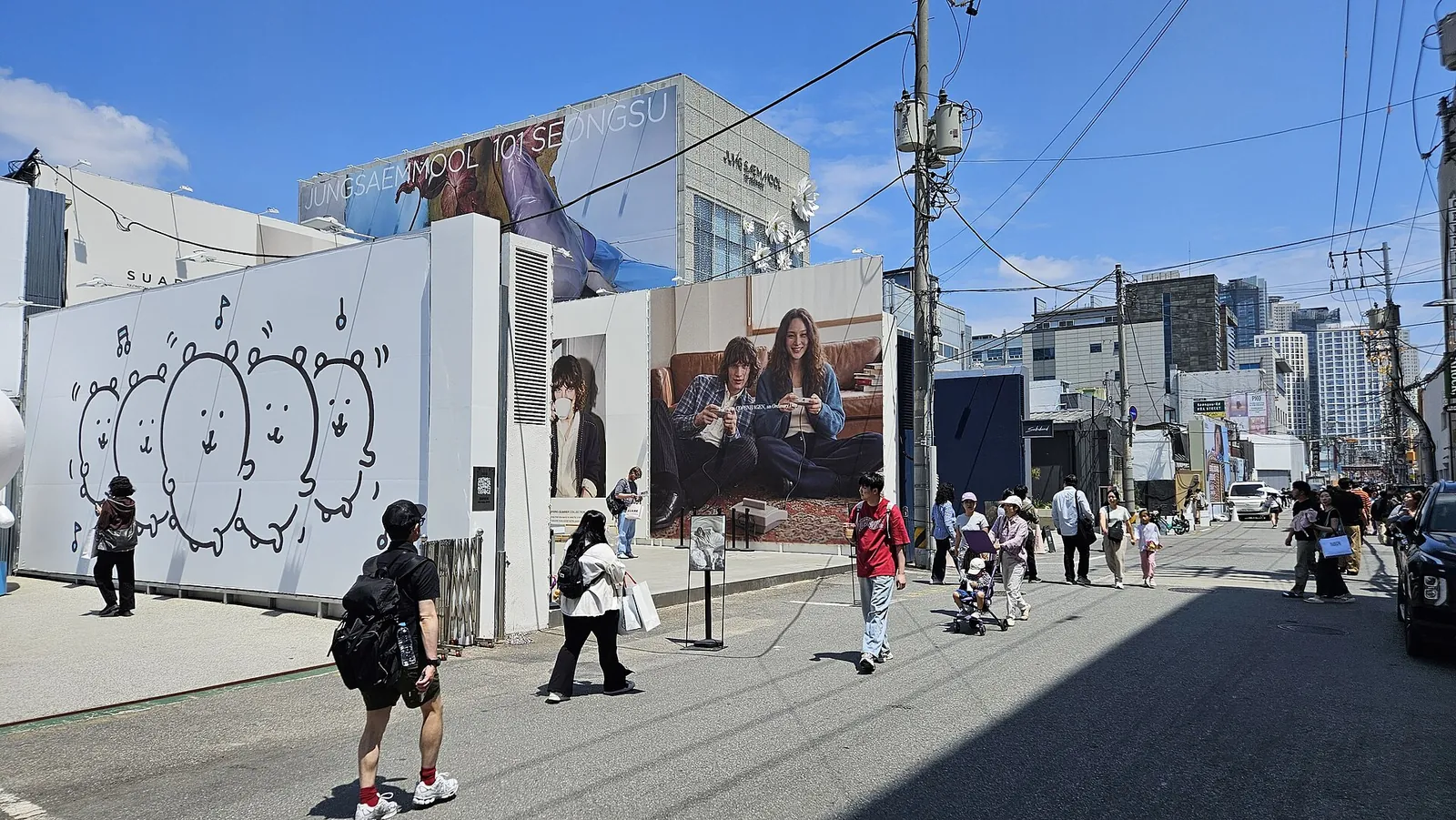
Seongsu, on the north bank of the Han River in Seongdong-gu, was a district of small factories and shoe workshops before it became Seoul's showcase for converted-warehouse cafes, flagship stores and brand pop-ups. Visit Seoul describes it as Korea's largest handmade-shoe area, home to 70% of the country's handmade shoe makers, and many of the brick buildings that now hold espresso bars and galleries still look like the workshops they were. There are no monuments here: what you come for is the walk, the coffee and the turnover of shops, with Seoul Forest's lawns and the riverbank a few minutes away.
- Suggested time
- Half a day; a full day with Seoul Forest and a riverside sunset
- Where to stay
- Usually a day out from a hotel elsewhere in Seoul; Seongsu-dong or the streets around Seoul Forest if you want to stay in the district
- Season and timing
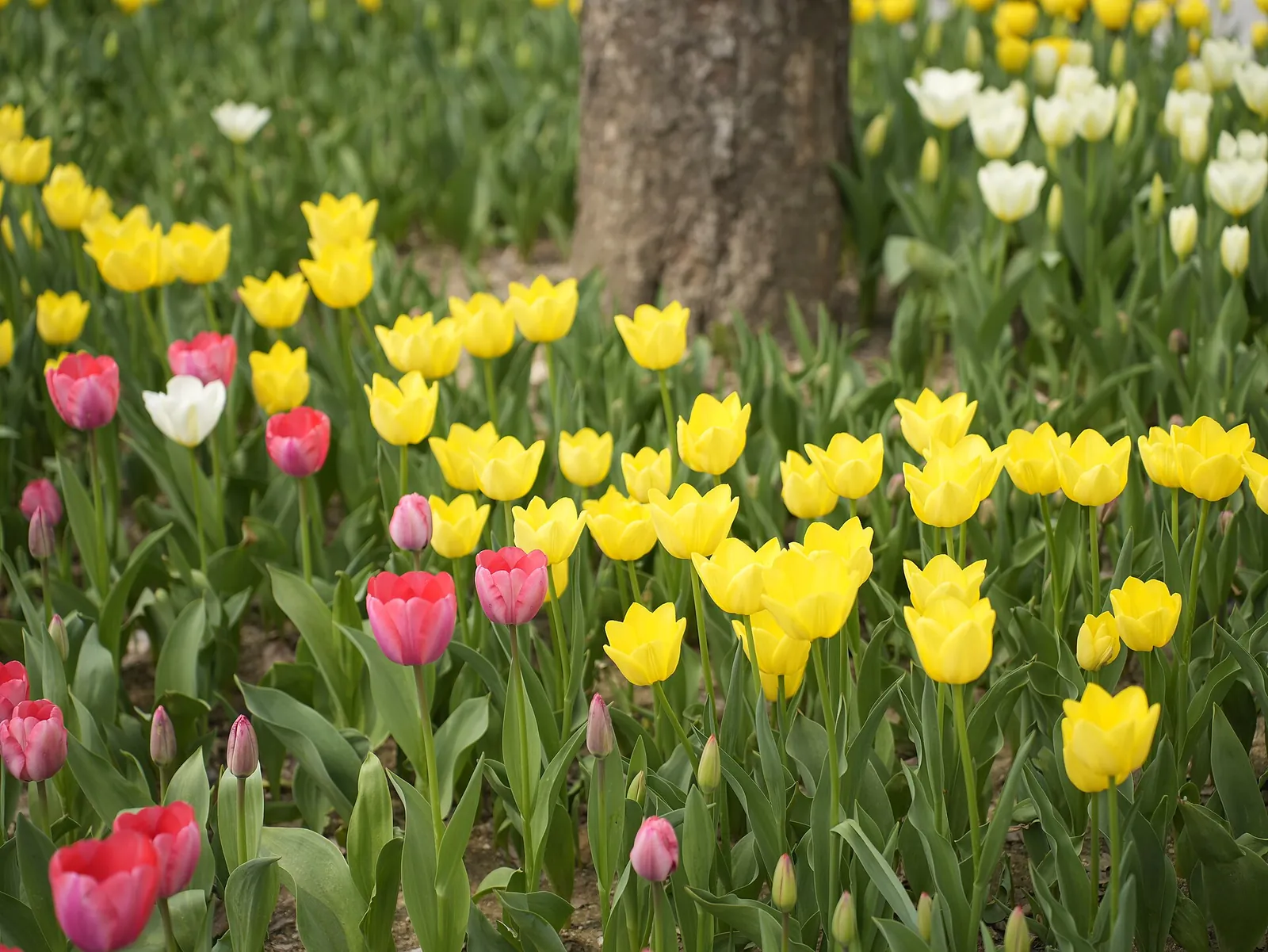
- Any season works for the cafes and shops. Visit Seoul names spring (cherry blossoms and tulips) and autumn (music festivals) as Seoul Forest's busiest seasons; when we checked, its Butterfly Garden and ground fountain ran only from May to October. The 2026 Seoul International Garden Show is held in and around Seoul Forest until 27 October 2026.
The short answer
Give Seongsu a half day, or a relaxed full day if you add Seoul Forest properly. Arrive at Seongsu station (Line 2) around late morning, walk Yeonmujang-gil and the side streets between the cafes and pop-ups, cross to Seoul Forest in the afternoon, catch the sunset from the Seongsu pedestrian overpass above the riverside park, and finish with pork galbi in the alley by Ttukseom station. You do not need to sleep here: from a hotel in Jongno, Myeongdong or Gangnam it is an easy subway trip. Avoid Mondays, when several of the venues below are closed.
Is Seongsu worth it, and where to sleep
Seongsu is worth a half day if you enjoy coffee, design and shops, and less so if your Seoul time is short and the palaces or museums matter more to you. Its appeal is the mix Visit Seoul describes in its 2026 walking feature: former factories, brick warehouses and shoe workshops now holding cafes, beauty showrooms, galleries and flagship stores, with pop-ups replacing each other from month to month. That turnover is the point, and also the catch: a pop-up you saw online may have closed by the time you arrive, so check what is on that week before you plan around one shop.
Most visitors should stay elsewhere and come in by subway. Line 2 stops at Seongsu and Ttukseom stations, and the Suin-Bundang Line stops at Seoul Forest station, which links to Wangsimni in one direction and Apgujeong Rodeo in Gangnam in the other. From Jongno, Myeongdong or Gangnam you reach it on Line 2 or the Suin-Bundang Line, usually with no more than one change, so a hotel near the palaces or the shopping streets works fine.
Sleeping in Seongsu makes sense if you plan evenings here, want Seoul Forest at the start of the day, or prefer a quieter, more residential base than Myeongdong. Seongsu-dong 2-ga, around Seongsu station, is closest to the cafes and Yeonmujang-gil; Seongsu-dong 1-ga, by Seoul Forest and Ttukseom station, is near the park and Galbi Alley. If you want more choice nearby, the streets around Konkuk University station in neighbouring Gwangjin-gu are one stop east of Seongsu on Line 2. Check the exact walk to a station before booking.
The factory-street walk: Yeonmujang-gil, Daelim Changgo and the shoe workshops
Start at Seongsu station and treat the area between exits 1 to 4 and Yeonmujang-gil as your walking zone. Visit Seoul calls Yeonmujang-gil a multi-cultural street where the traces of former shoe factories meet cafes, galleries, boutiques and brand pop-ups; the name comes from a Joseon-era ground where soldiers practised martial arts. Its anchor is Daelim Changgo, which Visit Seoul describes as a cultural complex that keeps the gabled roof, red brick and steel columns of a 1970s rice mill and works as a cafe, bar and gallery.
Close to exit 2, Cafe Onion occupies a converted 1970s building whose industrial fittings were kept; Visit Seoul lists more than 20 kinds of bread. When we checked on 2026-10-03, Visit Seoul gave its hours as 08:00–22:00 on weekdays and 09:00–22:00 at weekends, which makes it a good first stop if you arrive early, before most shops open. Nearby, AMORE Seongsu, Amorepacific's flagship beauty space in a former car-repair shop, was listed as open Tuesday to Sunday, 10:30–20:30, and closed on Mondays; Visit Seoul notes that its custom foundation and lipstick services need a reservation.
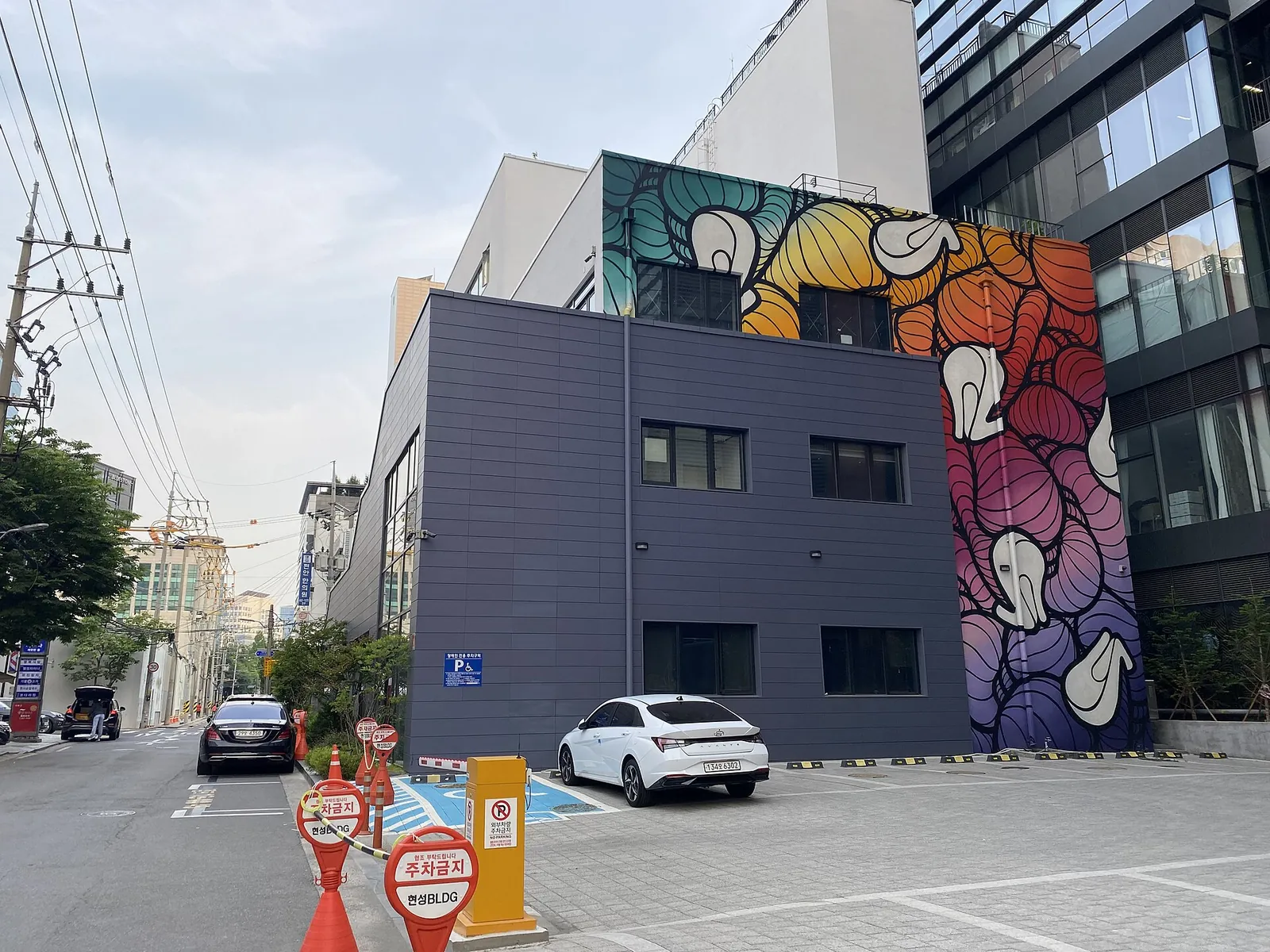
The Seongsu Handmade Shoes Street, by exit 1, is the working side of the district: Visit Seoul says design, development, production and sale all happen here, and that a made-to-measure pair takes about one to two weeks. That is only practical if you are in Seoul long enough to collect it or arrange delivery. For the rest, walk without a fixed list: the side streets are where the murals, small studios and new shopfronts are, and Visit Seoul's own route ends at the immersive flagship stores and at D Museum by Seoul Forest.
Make time for the local food
What to eat and where to look
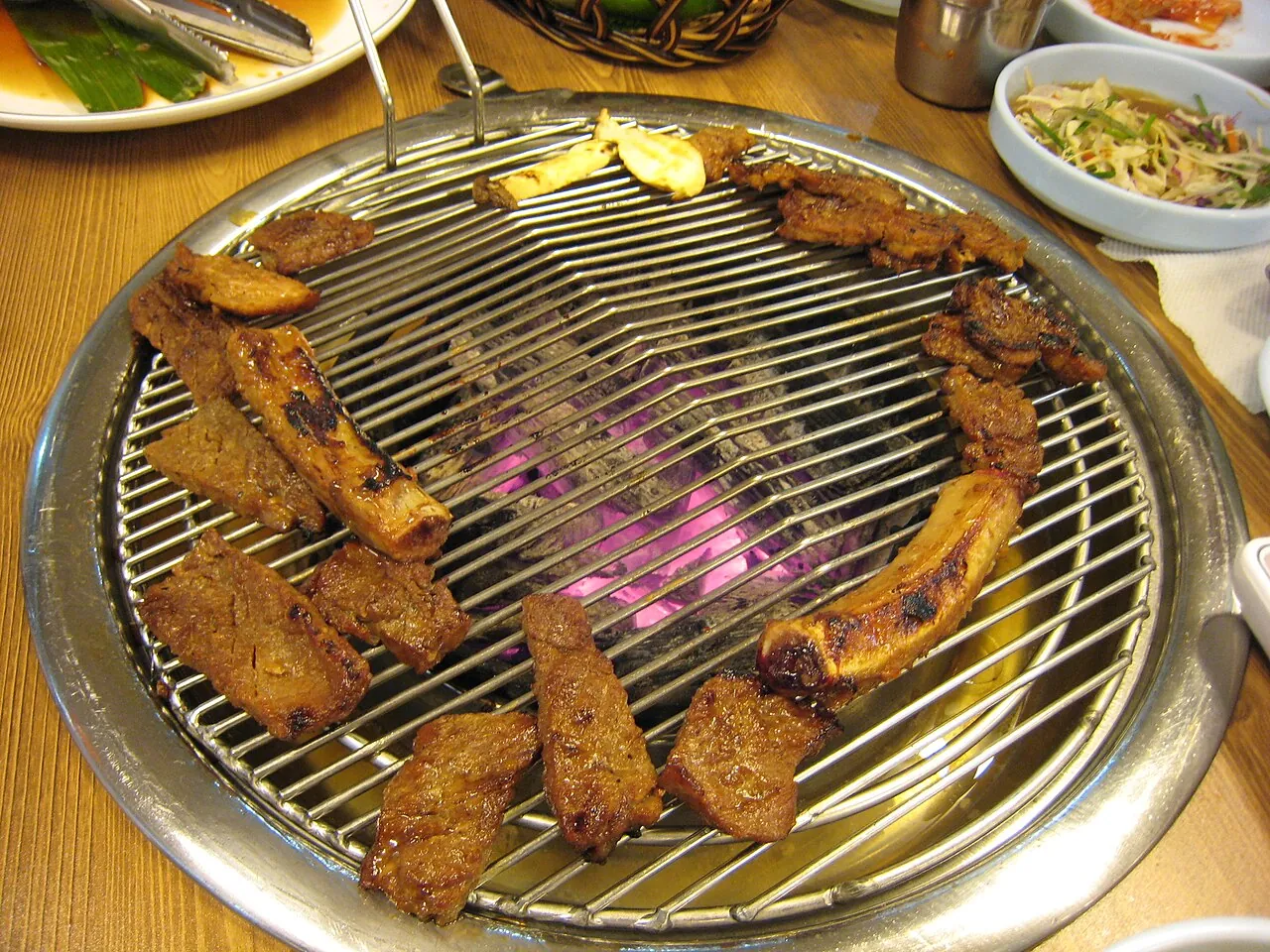
Dwaeji galbi (marinated pork ribs) in Galbi Alley
Pork ribs in a sweet soy marinade, grilled at the table over charcoal and eaten with side dishes. Visit Seoul traces Seongsu-dong Galbi Alley back to the 1970s, when a racetrack nearby brought rib restaurants to the area, and notes that each restaurant uses its own marinade.
- Where to look
- Seongsu-dong Galbi Alley around Seoulsup 4-gil, near Ttukseom station exit 8 and Seoul Forest station exit 4.
- Fit it into your day
- Dinner after Seoul Forest or the riverside sunset; galbi is ordered by the portion and is best shared.
The marinade usually contains soy (wheat) and sugar; ask before ordering if you avoid either. Expect smoke and a busy, informal setting.
Bakery and coffee in converted factories
Seongsu's cafes are as much about the building as the cup: Visit Seoul lists more than 20 kinds of bread at Cafe Onion, in a former 1970s factory, and Daelim Changgo serves coffee in a former rice mill with a gallery inside.
- Where to look
- Around Seongsu station exits 2 and 3, Seongsui-ro and Yeonmujang-gil.
- Fit it into your day
- Breakfast or a late-morning start; one big cafe stop is usually enough, so leave room for lunch.
Popular cafes queue at weekends; pastries usually contain wheat, butter and eggs.
Dakgalbi (spicy grilled chicken)
Chicken marinated in chilli paste and grilled or stir-fried; around Seongsu station Visit Seoul lists a charcoal-grilled version, including cuts such as chicken neck.
- Where to look
- Restaurants near Seongsu station, such as the Palgakdo branch Visit Seoul lists by the station.
- Fit it into your day
- A filling lunch between the cafe streets and Seoul Forest.
Spicy by default; the marinade contains chilli paste with wheat and soy.
Eomuk (odeng, fish cake) with a drink
Skewers of fish cake simmered in broth, a classic snack in Korea; Visit Seoul lists Whitturu, an odeng bar near Yeonmujang-gil, for fish-cake dishes with a drink.
- Where to look
- Small bars and snack shops around Yeonmujang-gil in the evening.
- Fit it into your day
- A light evening stop if you skip a full galbi dinner, or a snack before heading back across the city.
Fish cake contains fish and often wheat; the broth is usually made with anchovy or other seafood.
Seoul Forest, D Museum and the riverbank at sunset
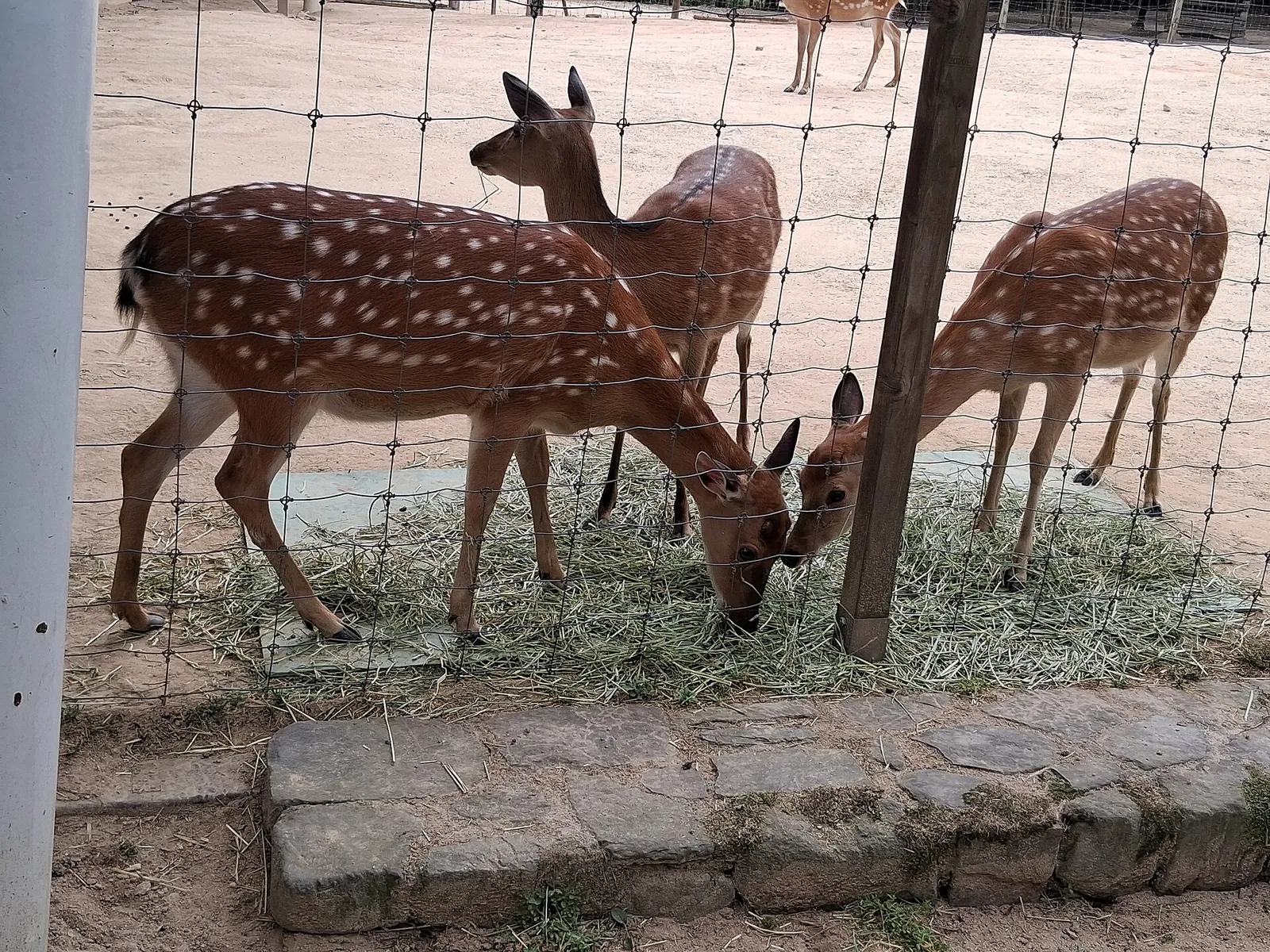
Seoul Forest opened in 2005 on land that Visit Seoul says was once used as horse stables and military training grounds, and covers about 495,000 square metres. It is divided into five themed areas, from the Cultural and Arts Park with its large family lawn and ground fountain to the Eco Forest and the Hangang riverside zone. When we checked on 2026-10-03, Visit Seoul listed the park itself as open 24 hours, the Eco Forest from 5:30 to 21:30, the Insect and Plant Garden from 10:00 to 17:00 (11:00–16:00 from November to February) and the Butterfly Garden from 10:00 to 17:00 from May to October, both closed on Mondays. The ground fountain was listed as running six 30-minute sessions a day, on the hour from 12:00 to 17:00, between May and October.
Use the park as the afternoon half of your Seongsu day. Seoul Forest station (Suin-Bundang Line, exits 3 and 4) and Ttukseom station (Line 2, exit 8) are the nearest entrances. Visit Seoul notes that the main entrance has no steps or slopes and that strollers and wheelchairs can be borrowed at the information desk, though some paths are gravel. Until 27 October 2026, the park and its surroundings host the 2026 Seoul International Garden Show, so expect extra gardens and more visitors.
D Museum, which moved from Hannam-dong to Seoul Forest in 2021, holds rotating exhibitions of photography, design, fashion and immersive installations a minute from Seoul Forest station exit 4. When we checked, Visit Seoul listed 11:00–18:00 on Tuesday, Wednesday, Thursday and Sunday and 11:00–19:00 on Friday and Saturday, with adult admission at 12,000 won; exhibitions change, so check what is showing first.
For the end of the day, Visit Seoul recommends the Seongsu pedestrian overpass at 257 Gangbyeonbuk-ro for sunset and night views over the Han River towards N Seoul Tower and Seongsu Bridge, with Lotte World Tower on the other side, and suggests arriving at least 30 minutes before sunset. The riverside park below is a good place to wait for the light.
Further along the eastern riverbank
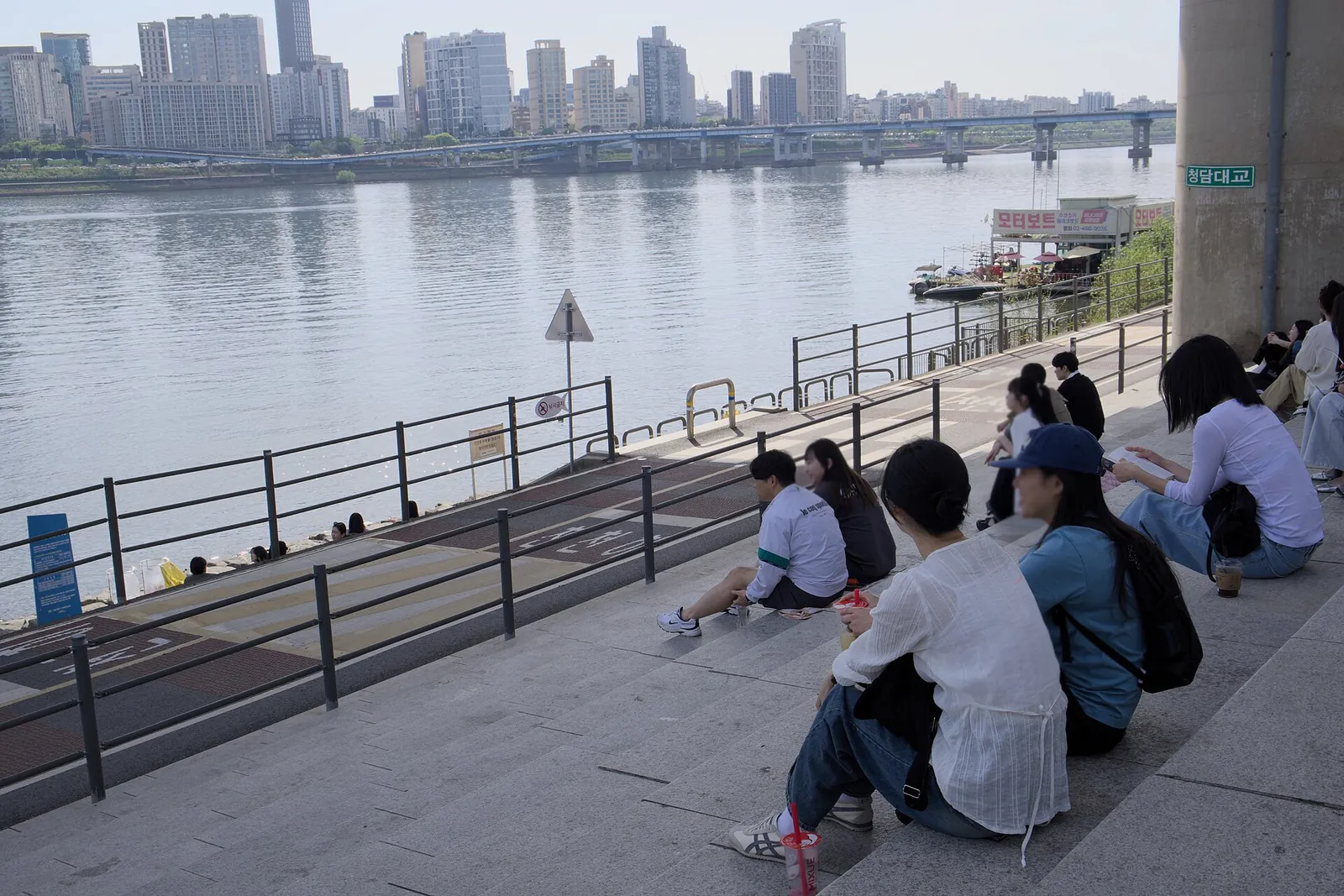
If you want more river time, Ttukseom Hangang Park lies further upriver in Gwangjin-gu, by Jayang station on Line 7 (exit 2), according to Visit Seoul. It is the sportier of the riverside parks, with water sports such as windsurfing and water skiing, courts, an X-game area for skating and a climbing wall, and Visit Seoul notes that the Hangang cycling trail runs along the river. It works as a separate stop on a warm afternoon rather than something to squeeze between Seongsu and Seoul Forest.
For a quieter view across the river, Eungbongsan, a hill of about 95 metres in Eungbong-dong, Seongdong-gu, is a neighbourhood park that Visit Seoul says is known for sunset and night views. Pick one riverside viewpoint per evening; they are in different directions from Seongsu.
A workable Seongsu day
An editorial suggestion, not a timetable. Check that the places you choose are open on your day, and avoid Mondays.
- Late morning: Seongsu station; coffee and bread in a converted-factory cafe, then Yeonmujang-gil, Daelim Changgo and the side streets.
- Early afternoon: AMORE Seongsu or a current pop-up, and a look at the handmade-shoe workshops by exit 1.
- Mid-afternoon: walk or ride one stop to Seoul Forest; D Museum by Seoul Forest station if an exhibition appeals.
- Sunset: the Seongsu pedestrian overpass and the riverside park below it.
- Dinner: pork galbi in Seongsu-dong Galbi Alley, near Ttukseom station exit 8.
Practical questions
How long do I need in Seongsu?
Half a day covers the cafe streets, Yeonmujang-gil and one or two flagship stores. Add Seoul Forest, a sunset over the river and dinner in Galbi Alley to make it a full, unhurried day.
How do I get to Seongsu?
Take Line 2 to Seongsu station for the cafe streets, or to Ttukseom station (exit 8) for Seoul Forest and Galbi Alley. Seoul Forest station on the Suin-Bundang Line is the nearest stop for D Museum and connects to Wangsimni and to Apgujeong Rodeo in Gangnam.
Should I stay in Seongsu?
Only if you plan to spend evenings here or want a quieter base. For most first visits, a hotel in Jongno, Myeongdong or Gangnam works better for the rest of Seoul, and Seongsu is an easy subway trip from each.
Which day should I avoid?
Monday. When we checked, AMORE Seongsu, D Museum, and Seoul Forest's Insect and Plant Garden and Butterfly Garden were all listed as closed on Mondays.
Is Seoul Forest free?
Visit Seoul lists the park as open 24 hours and gives no admission fee for the park itself; check individual gardens, programmes and events, which keep their own hours.
Is Seongsu good on a rainy day?
Reasonably: cafes, flagship stores and D Museum are indoors. Keep Seoul Forest and the riverside sunset for a dry day.
Sources and checks before you travel
Reference sources for the version dated 3 October 2026. Confirm opening times, access, transport and conditions for your travel dates.
- Visit Seoul: Exploring Seongsu, Seoul's Creative Playground (2026) ↗ — opens in a new tab
- Visit Seoul: Seongsu Hotspot One-Day Course ↗ — opens in a new tab
- Visit Seoul: Seongsu Yeonmujang-gil ↗ — opens in a new tab
- Visit Seoul: Daelim Warehouse ↗ — opens in a new tab
- Visit Seoul: Cafe Onion ↗ — opens in a new tab
- Visit Seoul: Amore Pacific Flagship Store (Seongsu) ↗ — opens in a new tab
- Visit Seoul: Seongsu Handmade Shoes Street ↗ — opens in a new tab
- Visit Seoul: Seoul Forest ↗ — opens in a new tab
- Visit Seoul: accessible Seongsu course ↗ — opens in a new tab
- Visit Seoul: D Museum ↗ — opens in a new tab
- Visit Seoul: 2026 Seoul International Garden Show ↗ — opens in a new tab
- Visit Seoul: Seongsu Pedestrian Overpass ↗ — opens in a new tab
- Visit Seoul: Seongsu-dong Galbi Alley ↗ — opens in a new tab
- Visit Seoul: Ttukseom Hangang Park ↗ — opens in a new tab
- Visit Seoul: Eungbongsan ↗ — opens in a new tab
- VisitKorea: airport transportation ↗ — opens in a new tab
Does this experience fit your route?
Seongsu is easy to explore on your own; if you would rather have a guide for a food walk or a Han River outing, check the itinerary and meeting point first.
Browse relevant experiences on Viator ↗ — opens in a new tabAffiliate link · Book with ViatorPhoto credits
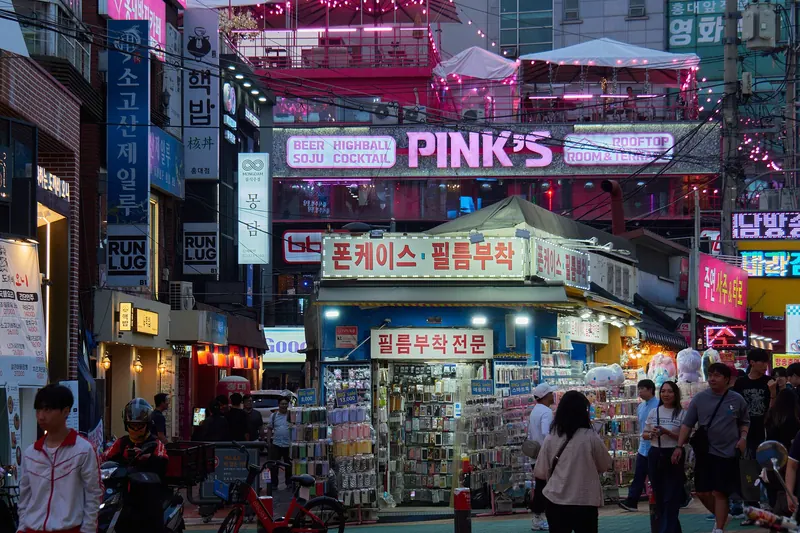
A shopping street in Seongsu-dong on a sunny day, with murals and brand advertising on the walls
Photograph: Aspere — opens in a new tab · CC0 — opens in a new tab
Changes: Resized and converted to WebP; displayed with responsive crops. · Original photograph and licence details ↗ — opens in a new tab
Street art on a building in Seongsu-dong
Photograph: CartoonChess — opens in a new tab · CC BY-SA 4.0 — opens in a new tab
Changes: Resized and converted to WebP; displayed with responsive crops. · Original photograph and licence details ↗ — opens in a new tab
Tulips in Seoul Forest, which Visit Seoul names as one of the park's spring draws
Photograph: WANGYIFAN2024 — opens in a new tab · CC BY-SA 4.0 — opens in a new tab
Changes: Resized and converted to WebP; displayed with responsive crops. · Original photograph and licence details ↗ — opens in a new tab
Dwaeji galbi, marinated pork ribs, cooked at the table on a charcoal grill
Photograph: by karendotcom127 — opens in a new tab · CC BY 2.0 — opens in a new tab
Changes: Resized and converted to WebP; displayed with responsive crops. · Original photograph and licence details ↗ — opens in a new tab
Sika deer in the enclosure in Seoul Forest's Eco Forest area
Photograph: Drcbrothephotographer — opens in a new tab · CC0 — opens in a new tab
Changes: Resized and converted to WebP; displayed with responsive crops. · Original photograph and licence details ↗ — opens in a new tab
The riverside steps at Ttukseom Hangang Park, upriver from Seongsu
Photograph: Motoko C. K. — opens in a new tab · CC BY 4.0 — opens in a new tab
Changes: Resized and converted to WebP; displayed with responsive crops. · Original photograph and licence details ↗ — opens in a new tab