Itineraries · Singapore
Singapore in 3 days: a first visit with arrival and departure
Three calendar days give Singapore a clear introduction if you protect the middle day and keep the flight days light. This plan centres on food, civic buildings and the bay rather than trying to collect every major attraction. Stay in one central hotel, choose one museum, and treat the last neighbourhood as conditional on your departure. An early arrival can create useful sightseeing time; an evening arrival cannot. Both can still make a satisfying short visit.
- Suggested time
- 3 calendar days
- Where to stay
- One central hotel in City Hall, Bugis or Chinatown
- Season and timing
- Keep outdoor plans flexible and pause indoors or over a seated meal when heat or rain makes walking uncomfortable. Choose a shorter route rather than trying to recover every omitted stop.
The short answer
Use day one for arrival, rest and a Chinatown meal if energy permits. Give day two to one Civic District museum and Marina Bay. On day three choose Kampong Gelam or Little India before departure only when the flight leaves enough room. These are three calendar days, with airport transfers included, rather than three guaranteed full sightseeing days.
Before arrival: keep the centre of the trip clear
Choose the hotel first and check luggage storage, check-in arrangements and your actual station connection. Reserve a museum only after checking its current visitor information. Avoid a prepaid attraction on arrival day unless your flight and cancellation conditions make that commitment sensible.
The route works best when day two remains the substantial sightseeing day. If the flight lands late on day one or departs early on day three, remove those walks. Moving every lost stop into the middle produces a different, less comfortable trip.
Day one: arrive, recover and eat in Chinatown
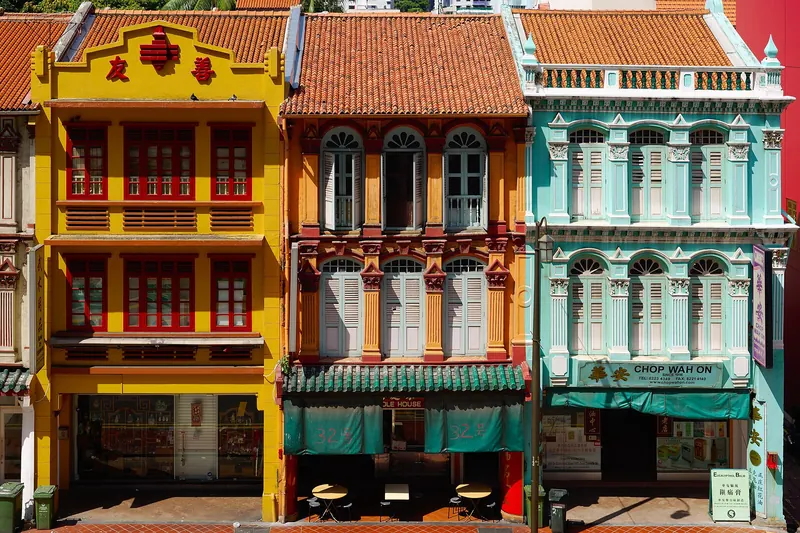
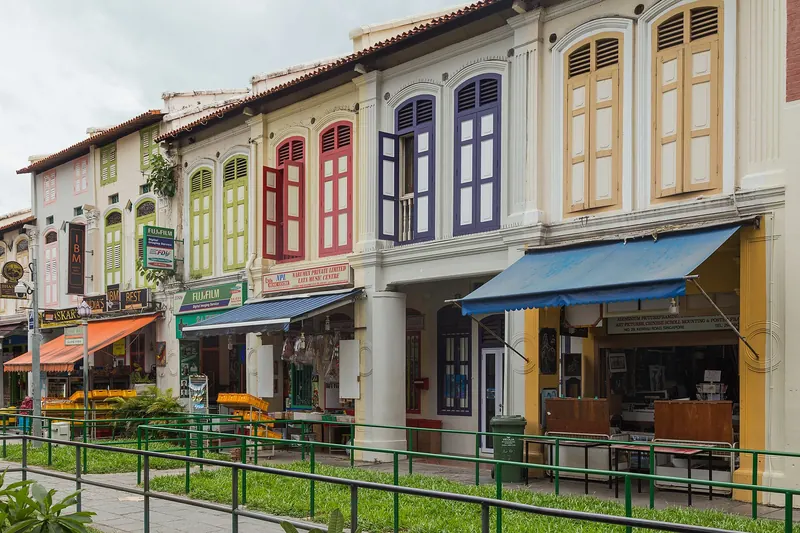
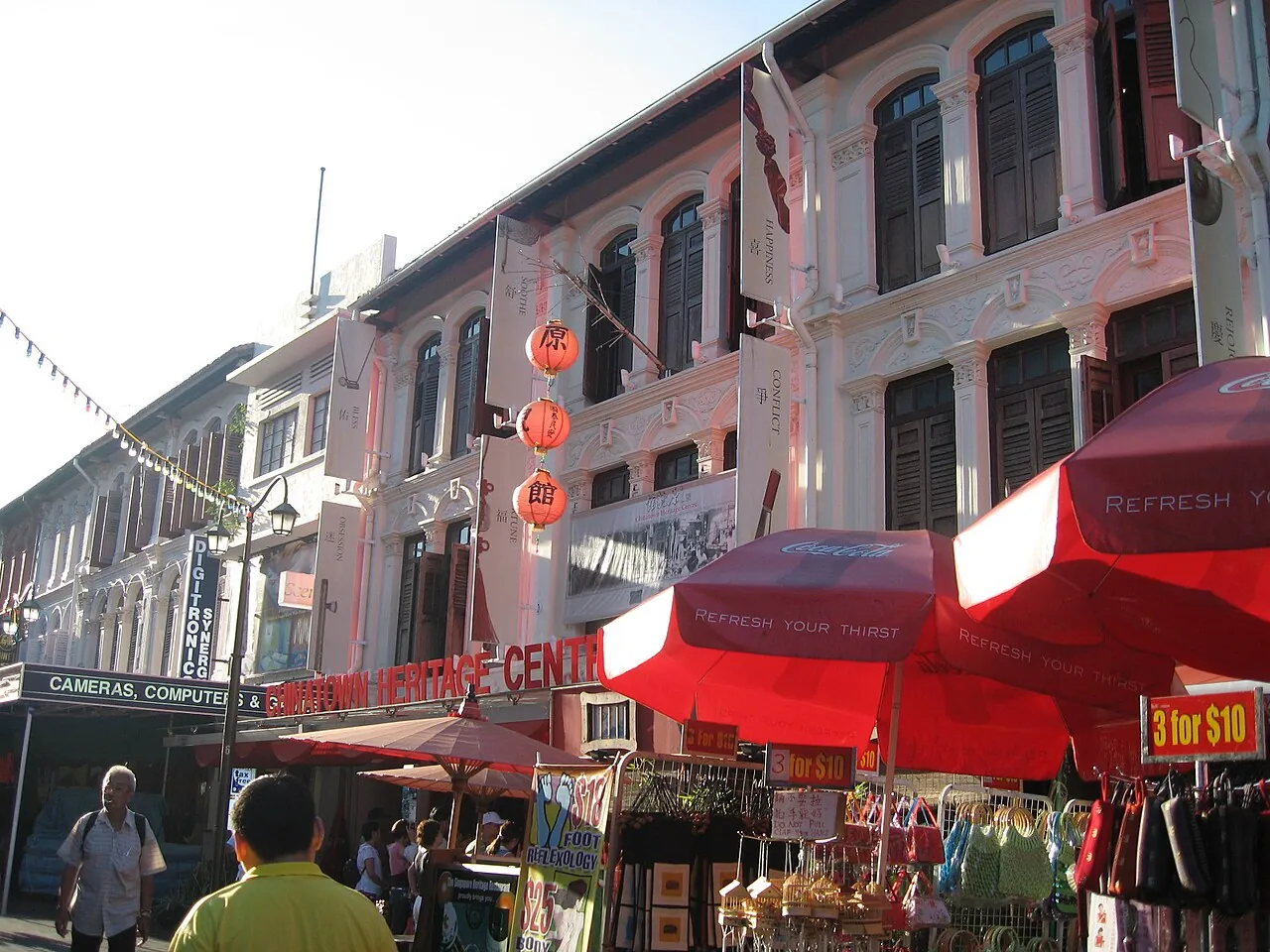
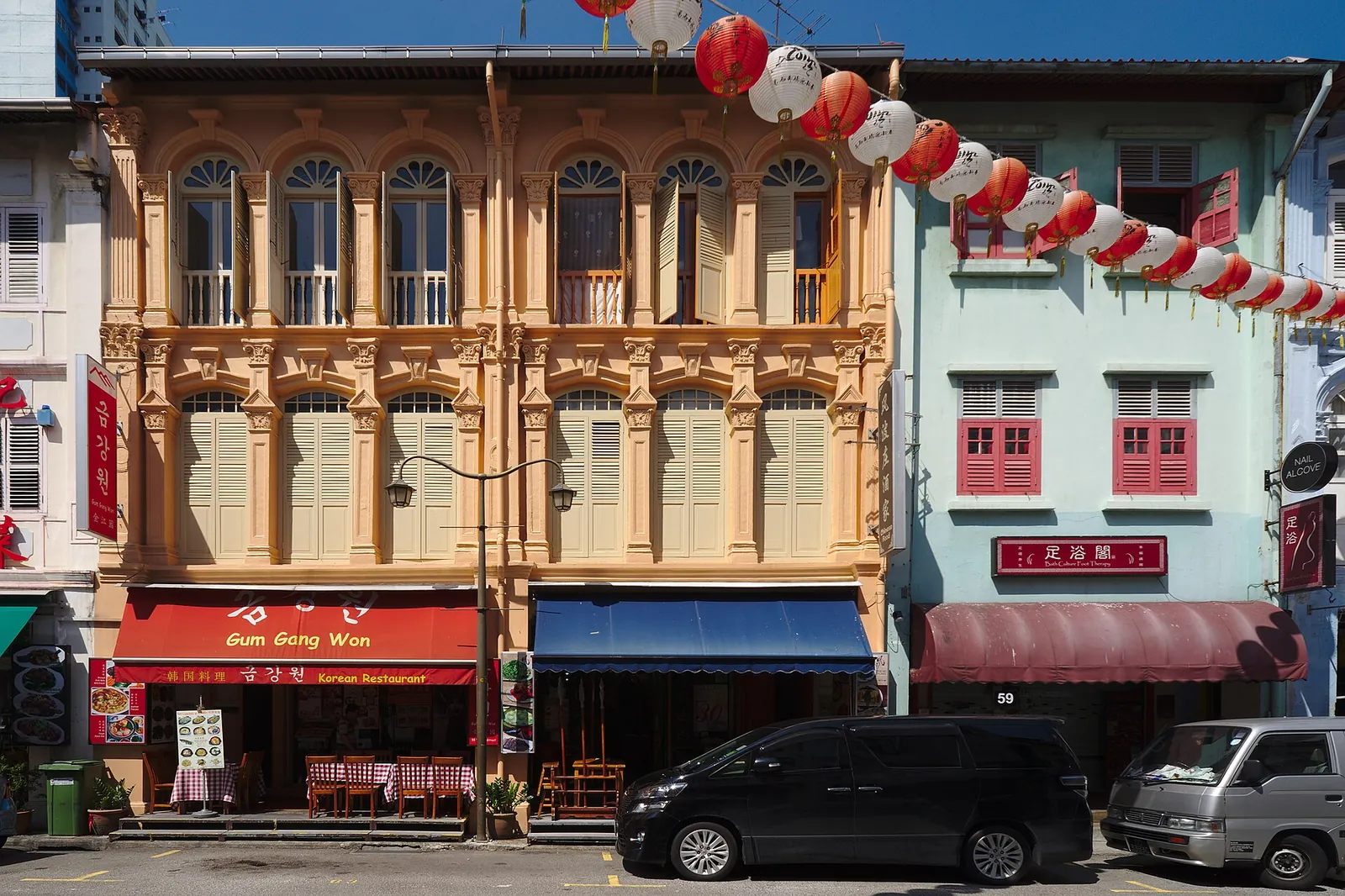
Go to the hotel or its agreed luggage drop, then take a real break. If there is usable daylight and you feel ready, choose Chinatown for a short street walk and one meal. Maxwell Food Centre and Chinatown Complex are options to compare, not two food centres you must visit.
Look at the streets as a neighbourhood rather than a checklist of temple interiors. Follow individual visitor instructions at religious buildings. If the arrival is tiring, eat near the hotel and save Chinatown for a shorter visit on day two instead of forcing an evening excursion.
Make time for the local food
What to eat and where to look
Chicken rice
Chicken with seasoned rice, usually accompanied by sauces and soup.
- Where to look
- Current menus at Maxwell Food Centre or Chinatown Complex.
- Fit it into your day
- Make this the main Chinatown meal rather than adding several compulsory tastings.
Ask about meat preparation, broth and sauces; a plain-looking portion does not establish allergen suitability.
Kaya toast
Toast with a sweet coconut-and-egg spread.
- Where to look
- Central coffee shops near your hotel.
- Fit it into your day
- Use a seated breakfast to decide how much walking feels comfortable that day.
Kaya commonly contains egg; sets may include additional eggs and dairy.
Roti prata
Flatbread commonly served with curry.
- Where to look
- Little India-area coffee shops and restaurants that list it.
- Fit it into your day
- Choose it for the final-day meal if that neighbourhood fits your departure.
Ask about wheat, egg, dairy and the curry ingredients.
Day two: one civic museum before the bay
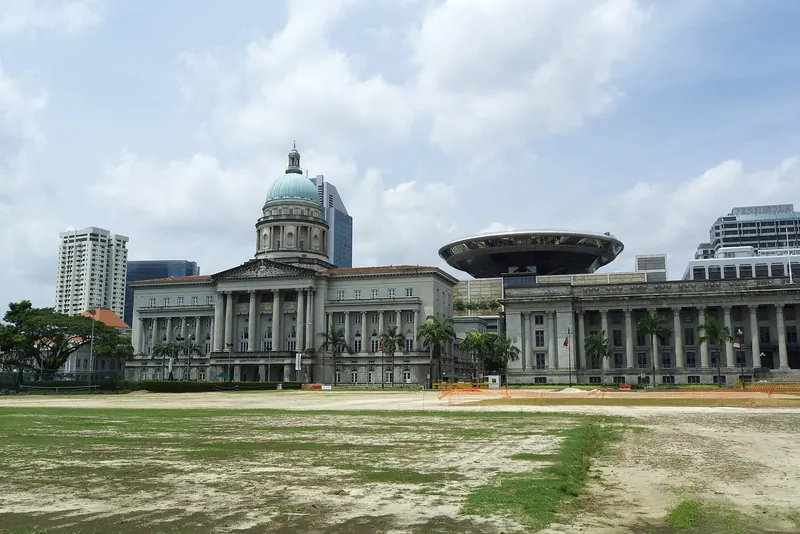
Start with the Civic District and choose one indoor anchor. National Gallery Singapore occupies the former City Hall and Supreme Court buildings. Check the exhibitions and ticket conditions that interest you, then allow the visit to be the morning’s main event rather than the first of several museums.
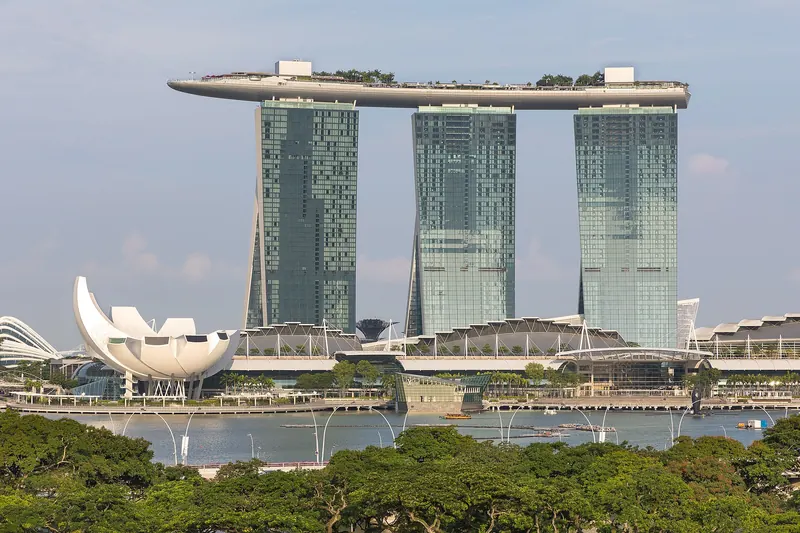
Have a seated lunch and reassess the weather before continuing to Marina Bay. Merlion Park offers a public waterfront viewpoint. Follow a manageable stretch of the bay and finish when the view has satisfied you; crossing every bridge and adding multiple paid attractions is unnecessary.
Give the evening a single purpose
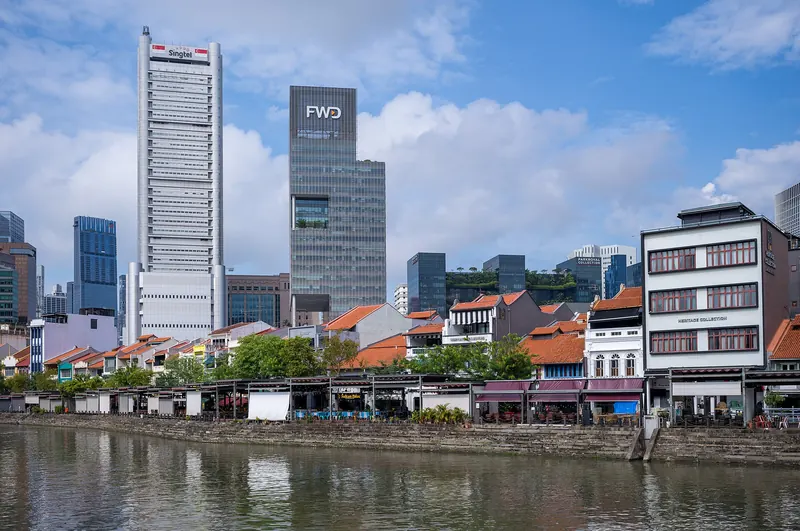
Choose dinner, a river walk or a specific booked experience as the evening’s anchor. A Singapore River outing can replace more bay walking if you prefer that setting. Decide where you will eat and how you will return before extending the route.
If you substituted Chinatown earlier in the day, shorten the waterfront segment. The route’s success is seeing a few places attentively, with meals and recovery between them, rather than completing every alternative offered here.
Day three: one heritage quarter, then departure
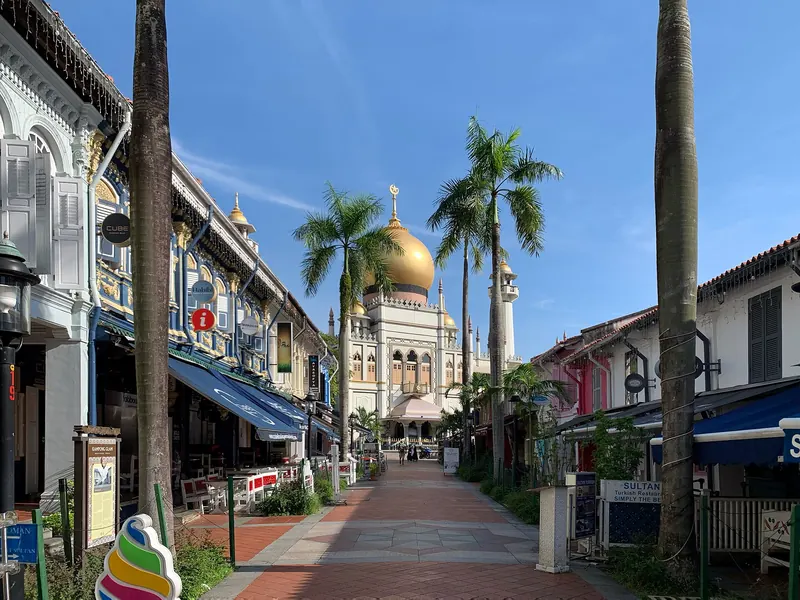
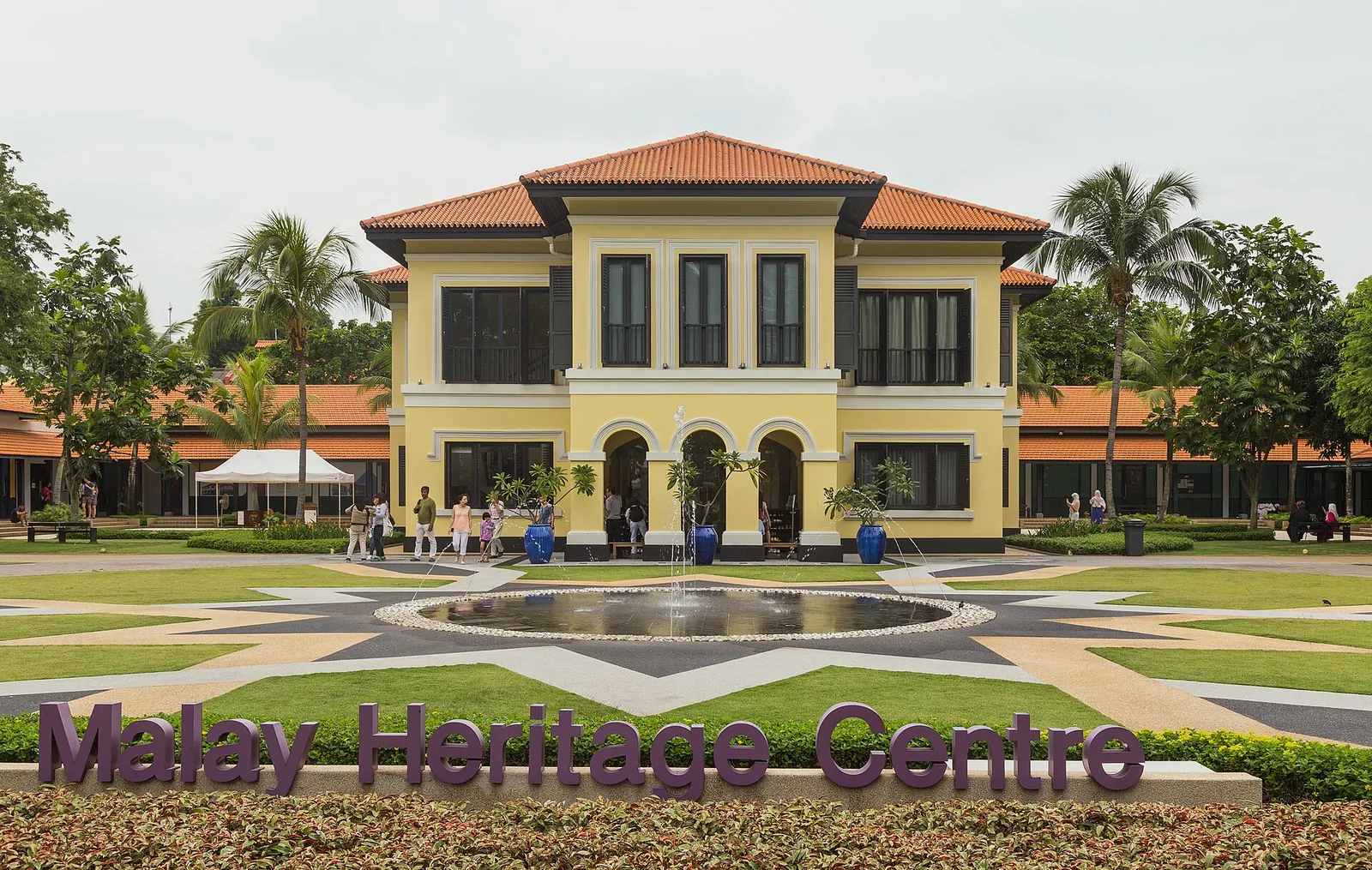
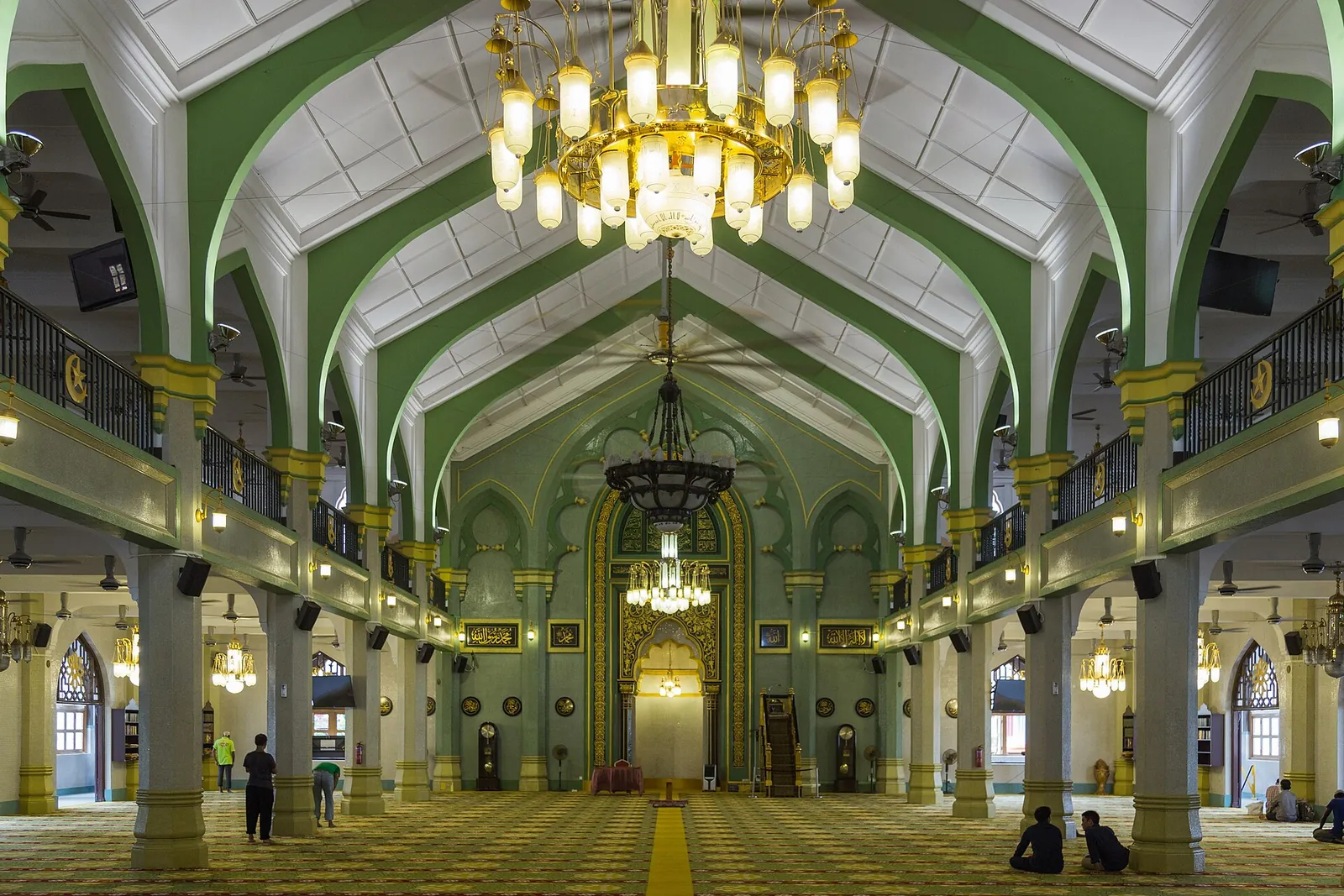
If departure arrangements permit, choose Kampong Gelam for Sultan Mosque’s surroundings and Haji Lane, or Little India for its streets and a meal around Tekka Centre. Pick the quarter that better matches your interests and hotel connection. Save the other for a future visit.
Keep luggage and the journey to Changi ahead of the sightseeing decision. Check the airport’s current transport options; rail connections to the city run through Tanah Merah or Expo. This guide gives no transfer estimate. An early flight makes this a departure day with breakfast near the hotel.
When a guided food walk is useful
The linked Chinatown food tour is an alternative to the independent meal and street walk, not an extra meal squeezed into the same arrival evening. Use it when a guide’s food introductions are worth committing to a fixed meeting arrangement.
Confirm the current meeting point, dietary handling, departure availability and cancellation terms. Move it to the full middle day if arrival uncertainty is too high, then reduce the museum or waterfront programme accordingly.
Practical questions
Are three days enough for Singapore?
They are enough for a focused first visit to central districts. Count arrival and departure honestly; this plan does not include every island, wildlife park or major attraction.
Should I book a Sentosa day as well?
Only by replacing the main central day. For this short itinerary, combining a full Sentosa outing with the museum and bay would remove the rest that makes the plan workable.
Do I need to change hotels?
One central hotel is the simplest editorial choice for this route. Compare the actual address, station connection and luggage arrangements.
What if my flight leaves early on day three?
Skip the heritage walk. Have breakfast if practical, collect luggage and follow your airline and airport departure requirements.
Sources and checks before you travel
Reference sources for the version dated 3 October 2026. Confirm opening times, access, transport and conditions for your travel dates.
- Changi Airport: leaving the airport ↗ — opens in a new tab
- Singapore Tourism Board: Chinatown ↗ — opens in a new tab
- Singapore Tourism Board: National Gallery Singapore ↗ — opens in a new tab
- Singapore Tourism Board: Merlion Park ↗ — opens in a new tab
- Singapore Tourism Board: Kampong Gelam ↗ — opens in a new tab
- Singapore Tourism Board: Little India ↗ — opens in a new tab
- Singapore Tourism Board: local food and drinks ↗ — opens in a new tab
- Viator: Tastes of Chinatown indexed listing ↗ — opens in a new tab
Does this experience fit your route?
Compare the Chinatown tour’s meeting and cancellation conditions, then keep the remaining itinerary light enough for your actual flights.
Check dates and details on Viator ↗ — opens in a new tabAffiliate link · Book with ViatorPhoto credits
Chinatown Heritage Centre streetscape, photographed in 2006.
Photograph: Terence Ong — opens in a new tab · CC BY 2.5 — opens in a new tab
Changes: Resized and converted to WebP; displayed with responsive crops. · Original photograph and licence details ↗ — opens in a new tab
Temple Street shophouses in Chinatown, photographed in 2014.
Photograph: Nicolas Lannuzel from Singapore, Singapore — opens in a new tab · CC BY-SA 2.0 — opens in a new tab
Changes: Resized and converted to WebP; displayed with responsive crops. · Original photograph and licence details ↗ — opens in a new tab
Former Kampong Glam Palace, photographed in 2016; the image does not establish current admission.
Photograph: Marcin Konsek — opens in a new tab · CC BY-SA 4.0 — opens in a new tab
Changes: Resized and converted to WebP; displayed with responsive crops. · Original photograph and licence details ↗ — opens in a new tab
Sultan Mosque interior, photographed in 2016; follow current visitor access guidance.
Photograph: Marcin Konsek — opens in a new tab · CC BY-SA 4.0 — opens in a new tab
Changes: Resized and converted to WebP; displayed with responsive crops. · Original photograph and licence details ↗ — opens in a new tab