Chugoku · Yamaguchi
Shimonoseki travel guide: markets, waterfront walks and seafood
Shimonoseki’s official sightseeing guide introduces fugu, kawara soba and Karato Market as food interests. Put the experience that matters to you first, then give the meal and the journey enough room. The route below is a planning suggestion; confirm the current arrangements for the places you choose.
- Suggested time
- One day; one night to separate lunch and evening
- Where to stay
- Central Shimonoseki for a food-and-waterfront stay
- Season and timing
- Check Karato’s actual food-event calendar and current ferry arrangements
The short answer
Allow one day; one night to separate lunch and evening. Consider central Shimonoseki for a food-and-waterfront stay. Choose the main visit before adding another area. Yamaguchi’s official guide describes the market’s weekend-and-holiday food stalls, distinct from an ordinary weekday visit. A well-placed lunch and a flexible final stop keep the day enjoyable.
A waterfront food day with context
Shimonoseki’s official sightseeing guide introduces fugu, kawara soba and Karato Market as food interests. Build a route that gives one of these meals time, then add a selected waterfront or historical stop. The city deserves more than a rapid market purchase. Decide whether food, maritime history or a strait crossing is the day’s principal purpose.
Karato has different visiting formats
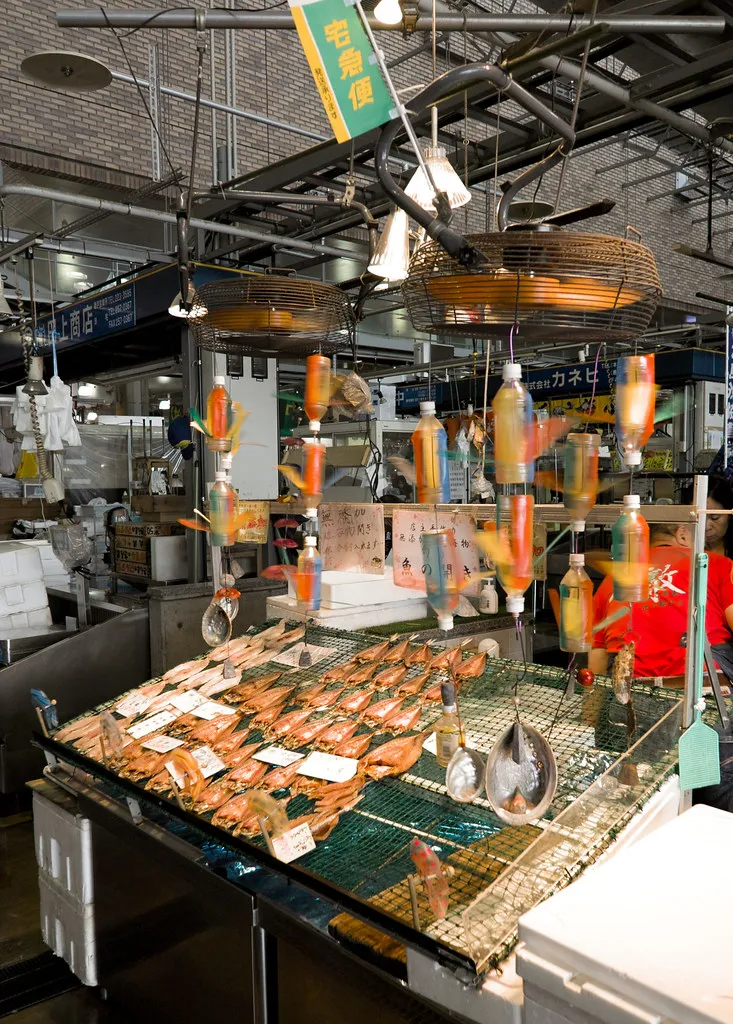
Yamaguchi’s official guide describes the market’s weekend-and-holiday food stalls, distinct from an ordinary weekday visit. Check the current event and shop arrangements for your date before expecting that atmosphere. Follow instructions for eating, photography and movement. A working market does not become a free-standing street-food event every day simply because older photos show busy stalls.
Make time for the local food
What to eat and where to look
Fugu, often called fuku locally
Choose a professional restaurant’s stated preparation and price; different dishes offer different experiences.
- Where to look
- Current menus and official visitor listings near your selected Shimonoseki route.
- Fit it into your day
- Choose this as a deliberate meal or snack near the main visit. Check the preparation and ingredients before ordering; leave time to reach your next connection.
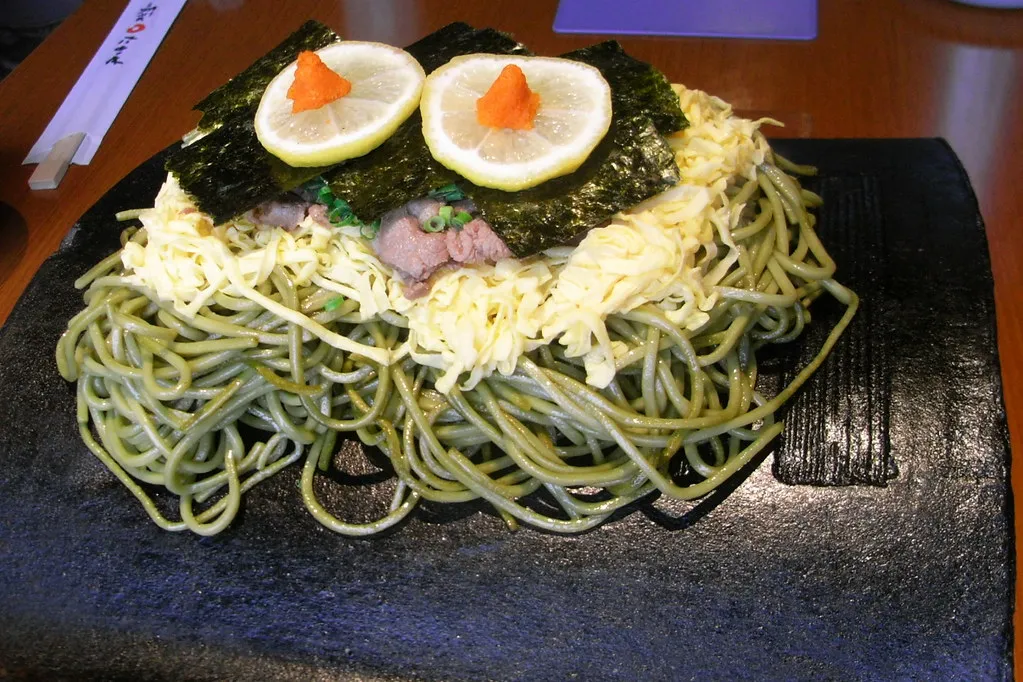
Kawara soba
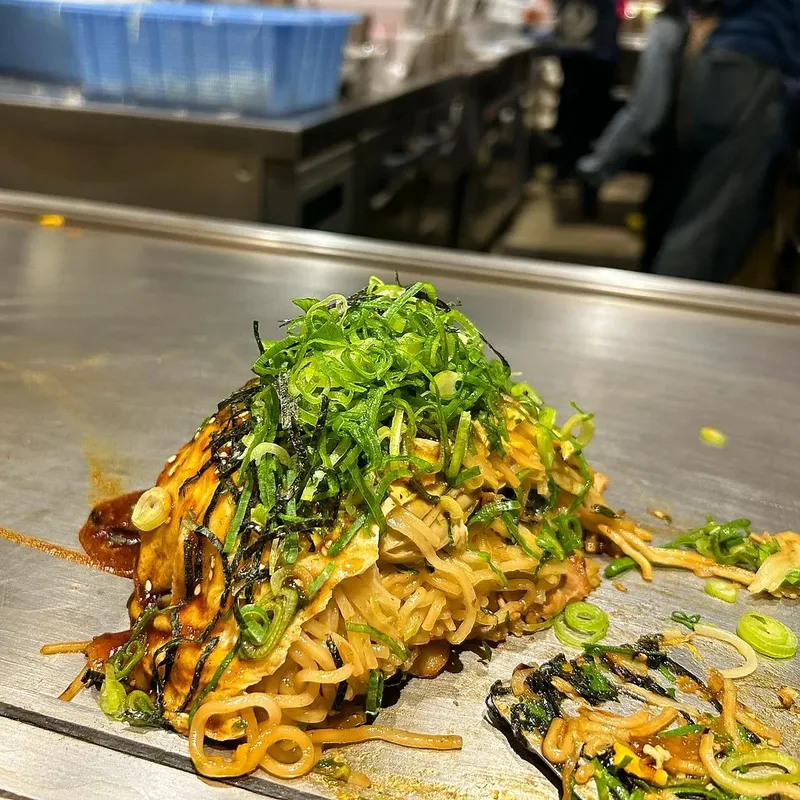
The regional noodle dish gives a cooked-food alternative to seafood; check the actual serving and accompaniments.
- Where to look
- Current menus and official visitor listings near your selected Shimonoseki route.
- Fit it into your day
- Choose this as a deliberate meal or snack near the main visit. Check the preparation and ingredients before ordering; leave time to reach your next connection.
Choose a fugu meal by preparation
A fugu experience can involve different courses and serving styles. Compare the current menu and decide whether you want a full meal or another seafood option. Do not invent a standard price or claim every restaurant is equivalent. Kawara soba offers another regional interest, especially when a cooked dish suits the group better than a sashimi-focused meal.
Crossing the strait is a separate plan
Mojiko lies across the strait, but a crossing adds its own departure point and return. Check the ferry or other journey and choose which city receives the main part of the day. A meal in Shimonoseki and a focused port walk can be enough. Keep the last connection clear rather than assume two cities can be explored without reducing either programme.
Give the meal a place in the route
Choose a seated meal near your planned visits and keep an alternative nearby if the restaurant is full. Compare the dish, portion and price on the current menu. If ingredients matter, ask about broth, sauce and preparation as well as the main item.
Choose a guided experience for a clear reason
A guided experience is worth comparing when it adds explanation, gives you access to a properly arranged activity or solves a difficult local journey. Read the route and meeting point before buying: a title naming Shimonoseki does not establish where the outing starts. Ask how much time is spent at the main visit, whether admissions and meals are included, and what happens if conditions change. For a simple independent walk, the official visitor information may be all you need; spend on the part of the day you want to understand more deeply.
Practical questions
How much time should I allow for Shimonoseki?
One day; one night to separate lunch and evening. This is a planning starting point; allow more time if you choose an additional area or a slower visit.
Will Karato have food stalls on any weekday?
Check the current market calendar. The official regional guide distinguishes its weekend-and-holiday food-stall format from ordinary market visits.
Is Mojiko a simple additional street on the same walk?
It is across the strait. The crossing and return have their own departure points and timing, so choose how much time each city receives.
Sources and checks before you travel
Reference sources for the version dated 30 September 2026. Confirm opening times, access, transport and conditions for your travel dates.
Does this experience fit your route?
Explore related tours and experiences
Check dates and details on Viator ↗ — opens in a new tabAffiliate link · Book with ViatorPhoto credits
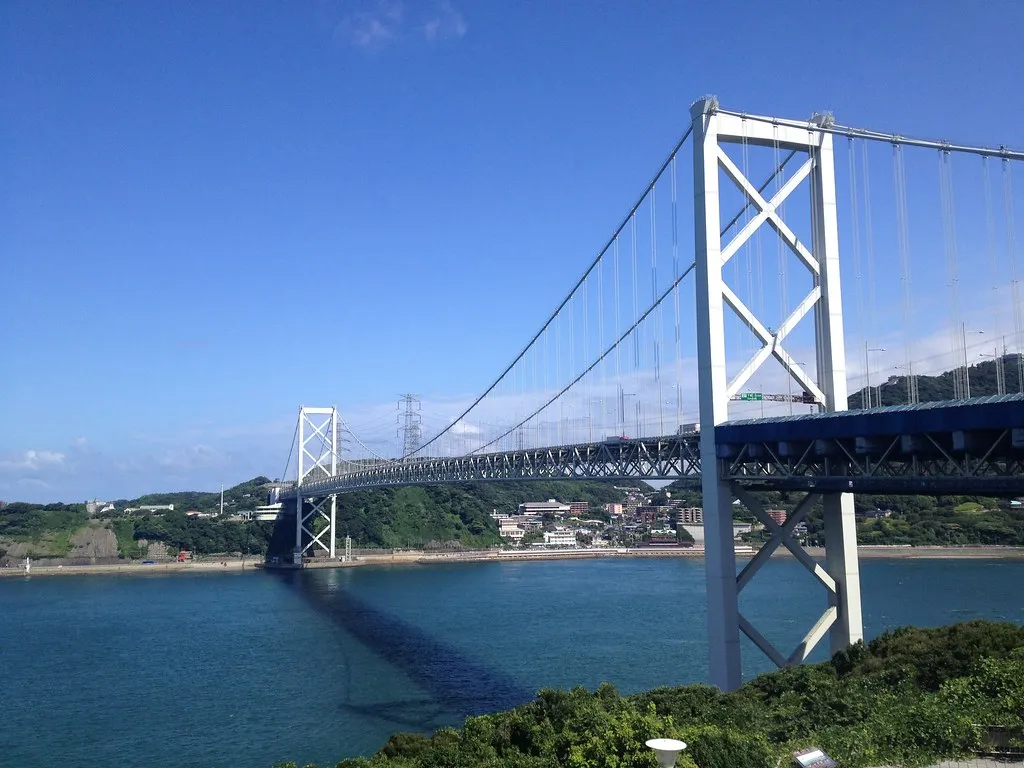
Kanmon Bridge spanning the strait between Honshu and Kyushu.
Photograph: amaknow — opens in a new tab · CC BY 2.0 — opens in a new tab
Changes: Resized and converted to WebP; displayed with responsive crops. · Original photograph and licence details ↗ — opens in a new tab
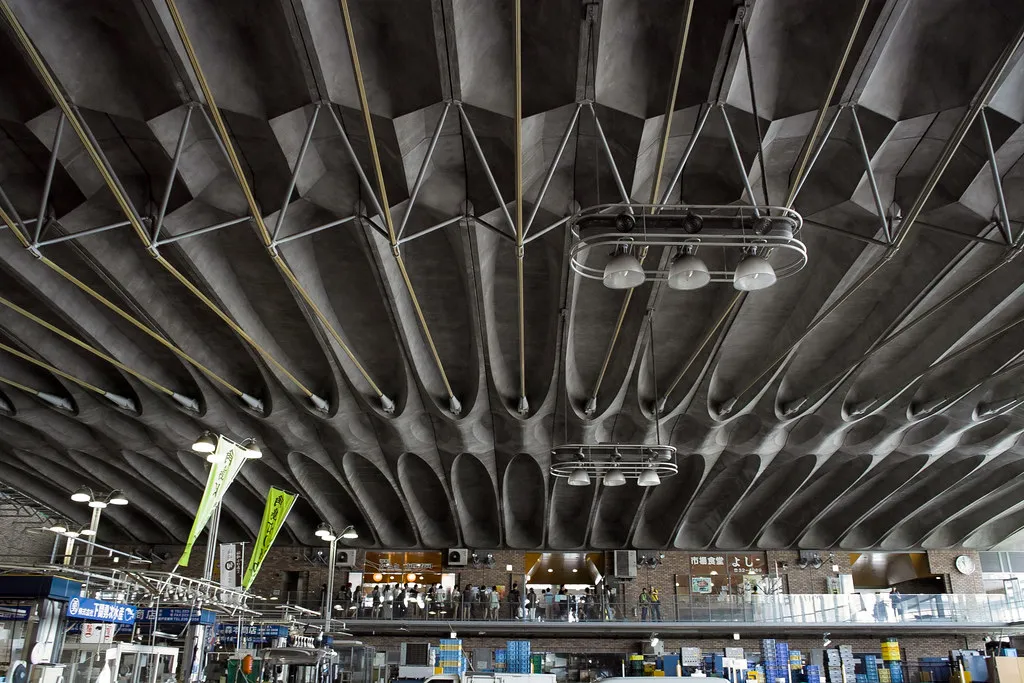
The roof structure and stalls of Karato Market in Shimonoseki.
Photograph: Kenta Mabuchi — opens in a new tab · CC BY-SA 2.0 — opens in a new tab
Changes: Resized and converted to WebP; displayed with responsive crops. · Original photograph and licence details ↗ — opens in a new tab
Kawara soba served on a hot tile with egg and lemon; an illustrative Shimonoseki regional dish.
Photograph: Yamaguchi Yoshiaki — opens in a new tab · CC BY-SA 2.0 — opens in a new tab
Changes: Resized and converted to WebP; displayed with responsive crops. · Original photograph and licence details ↗ — opens in a new tab
A seafood stall inside Karato Market in Shimonoseki.
Photograph: Kenta Mabuchi — opens in a new tab · CC BY-SA 2.0 — opens in a new tab
Changes: Resized and converted to WebP; displayed with responsive crops. · Original photograph and licence details ↗ — opens in a new tab