Chugoku · Yamaguchi
Hagi travel guide: old streets, pottery and a Yamaguchi stay
Pottery, old walls and summer-orange trees give Hagi a character that is best explored through a settled town stay.
- Suggested time
- 1 to 2 days
- Where to stay
- Hagi
- Season and timing
- All year round; visit calendars to be checked
The short answer
Make Hagi a focused part of the trip: select the main experience first, then arrange access, a meal and a realistic return. The route ideas below are editorial suggestions to adapt to your interests and mobility, rather than a fixed timetable.
Choose the experience that gives the day its shape
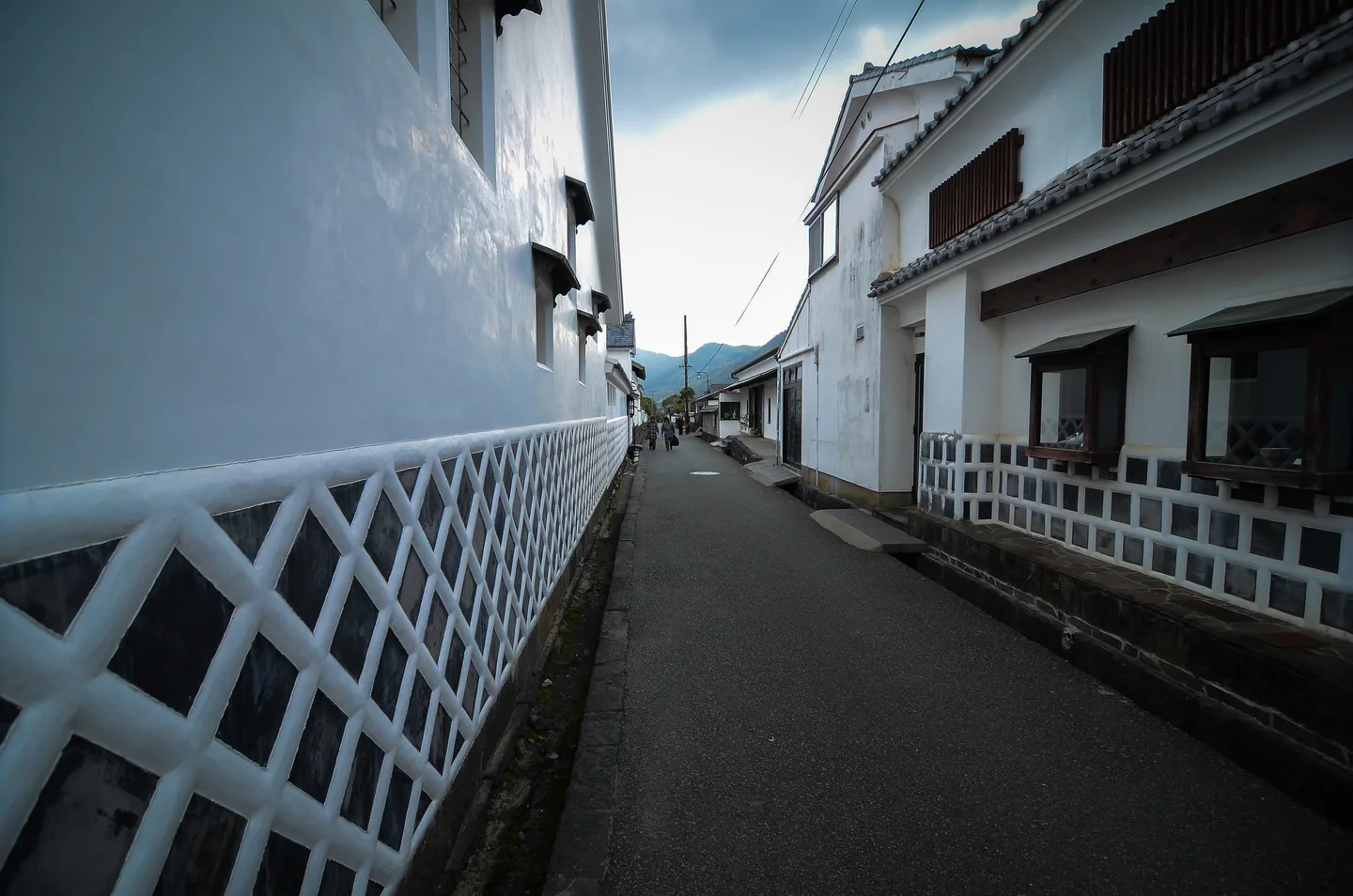
Hagi Castle Town preserves a historic street pattern, while the castle ruins provide a different sort of visit from a standing castle interior. The tourism association also highlights Tokoji and pottery experiences. Choose whether your emphasis is town history or Hagi ware, then build the route around that interest.
Give the main stop enough time to notice details, read interpretation and pause when something interests you. Keep one optional extension, and add it only if it leaves enough time for the experience you came for.
Build the route around arrival and return
Use the actual arrival station or bus stop when checking the last local transfer. A place described as being in Hagi may be beyond a comfortable central walk. For a day visit, leave bags where permitted and keep one cluster of sights together; an overnight stay gives pottery browsing more breathing room.
Make time for the local food
What to eat and where to look
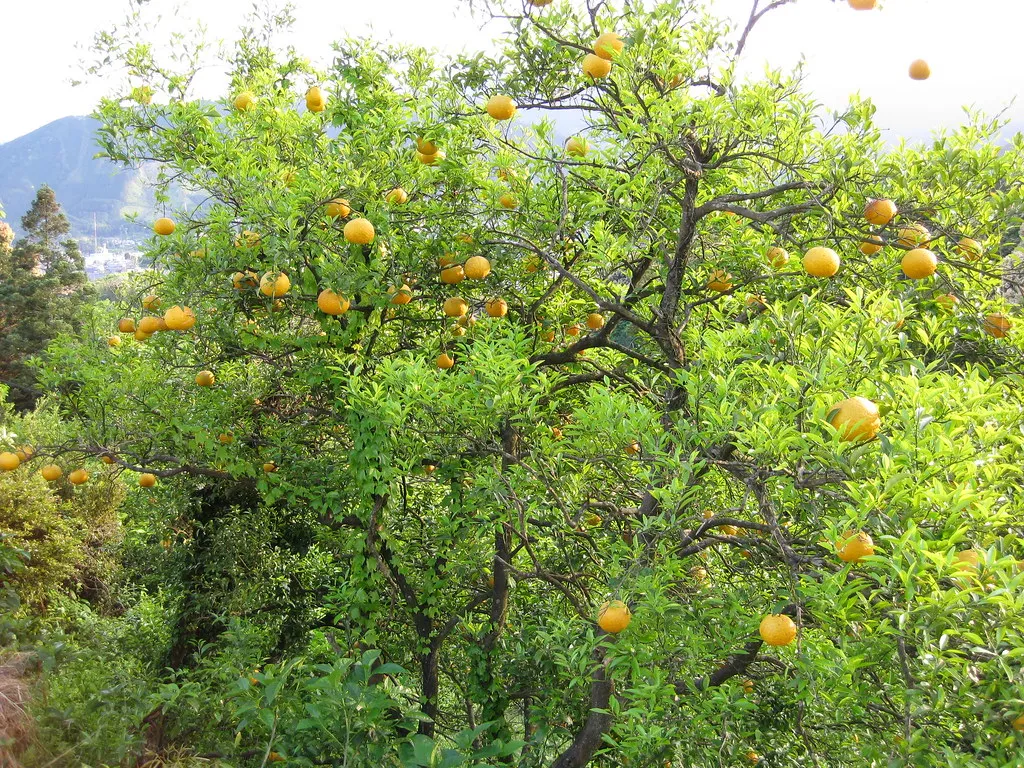
Natsumikan sweets
Confectionery using the summer oranges associated with Hagi Castle Town.
Make room for a locally connected meal
Natsumikan summer-orange sweets make a small, locally connected stop between streets and galleries. A sit-down meal is also a chance to notice Hagi ware in use. Treat a particular ceramic style or dish as something to ask about, not a guarantee at every restaurant.
Match the visit to the current conditions
Pottery demonstrations and hands-on sessions need their own schedule checks. If you want to make something, establish booking, firing and delivery arrangements before paying. A workshop is a working space, and visitors should follow staff instructions rather than entering freely for photographs.
When a guided experience adds value
A town walk can explain the preserved layout; a pottery session can turn an attractive object into a craft you understand. Select an offer that explicitly visits Hagi instead of assuming a Yamaguchi regional tour includes it.
Practical questions
How much time should I give Hagi?
Use the suggested route as a starting point, then add the actual travel time and a meal. Staying nearby can make a slower visit possible; the right duration depends on the experiences you choose.
What should I confirm before booking?
Pottery demonstrations and hands-on sessions need their own schedule checks. Check the relevant official notice for your visit date.
Is a guided experience worthwhile?
A town walk can explain the preserved layout; a pottery session can turn an attractive object into a craft you understand. Confirm the listing’s route and inclusions before booking.
Sources and checks before you travel
Reference sources for the version dated 30 September 2026. Confirm opening times, access, transport and conditions for your travel dates.
Does this experience fit your route?
Explore related tours and experiences
Check dates and details on Viator ↗ — opens in a new tabAffiliate link · Book with ViatorPhoto credits
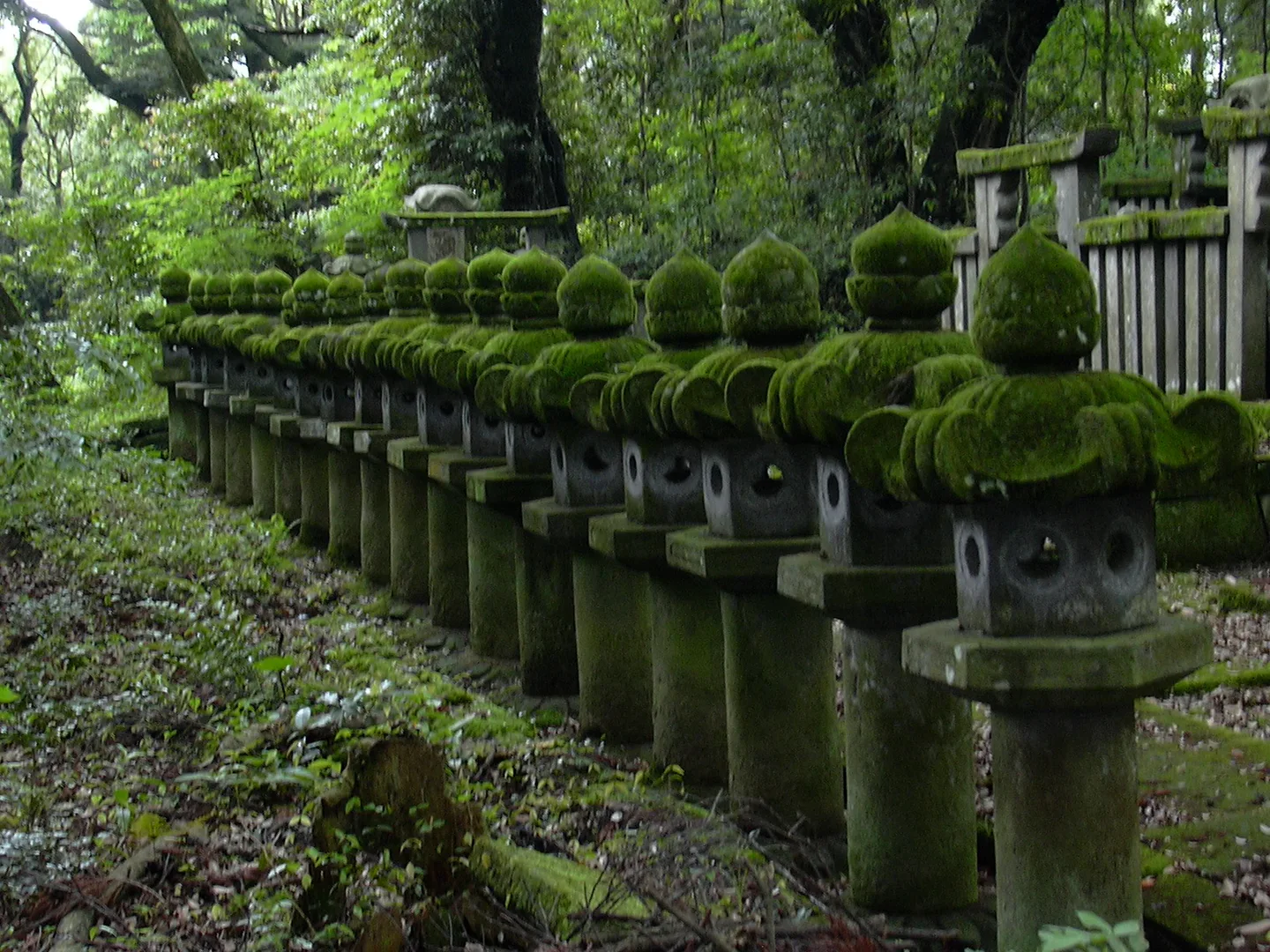
Moss-covered stone lanterns among trees in Hagi, Yamaguchi.
Photograph: StefanRohrbach — opens in a new tab · CC BY 2.0 — opens in a new tab
Changes: Resized and converted to WebP; displayed with responsive crops. · Original photograph and licence details ↗ — opens in a new tab
Natsumikan citrus fruit growing on a tree; an illustrative food photograph.
Photograph: Yasuyuki Hirata — opens in a new tab · CC BY 2.0 — opens in a new tab
Changes: Resized and converted to WebP; displayed with responsive crops. · Original photograph and licence details ↗ — opens in a new tab
White traditional walls along a lane in Hagi.
Photograph: Joshua Damasio — opens in a new tab · CC0 1.0 — opens in a new tab
Changes: Resized and converted to WebP; displayed with responsive crops. · Original photograph and licence details ↗ — opens in a new tab
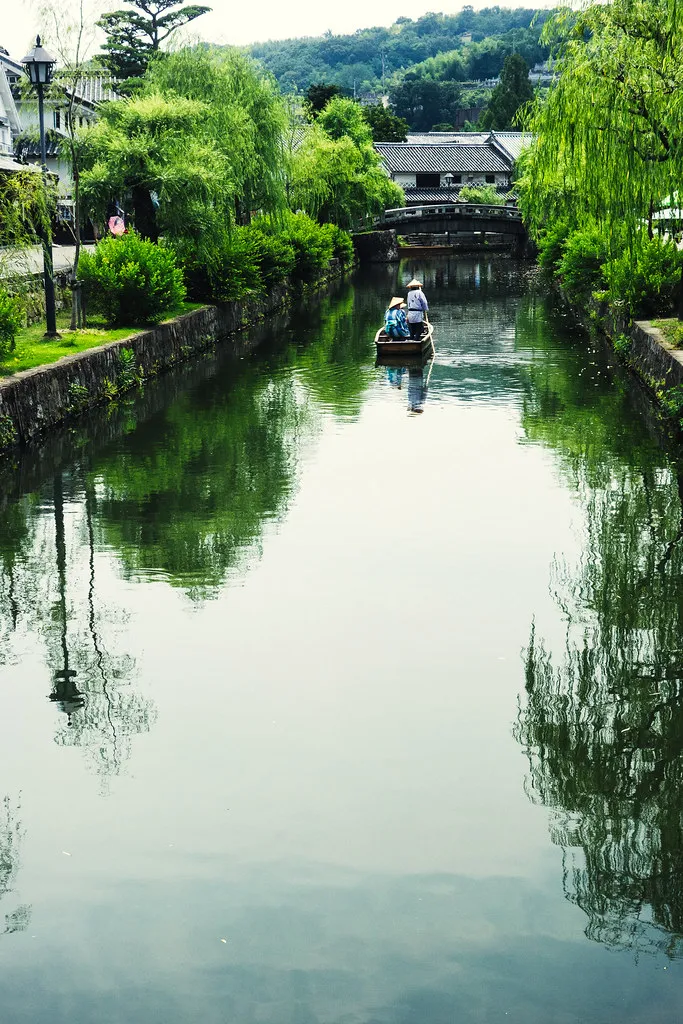
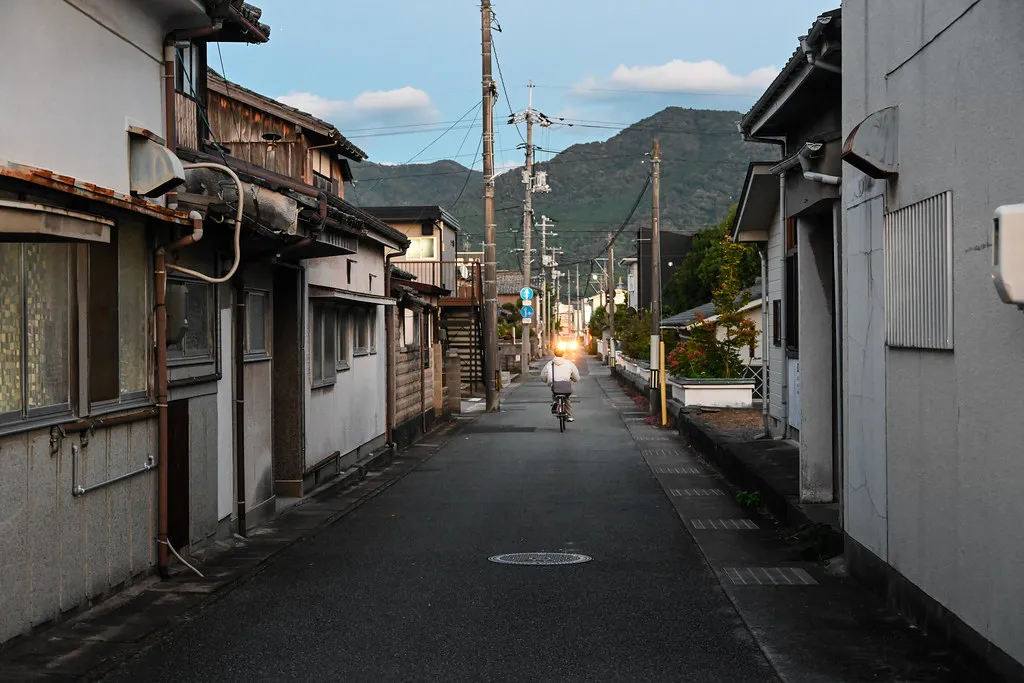
A Hagi street with traditional buildings and hills beyond.
Photograph: m-louis .® — opens in a new tab · CC BY-SA 2.0 — opens in a new tab
Changes: Resized and converted to WebP; displayed with responsive crops. · Original photograph and licence details ↗ — opens in a new tab