Plan your trip
Longer stays in Japan: choosing bases and useful day trips
A longer Japan trip can give you time to recognise a neighbourhood, return to a restaurant and change an outing when the weather changes. Choose a base for the days you will actually spend there, then add excursions that justify their journeys.
- Suggested time
- Choose the number of nights for the purpose of the stay
- Where to stay
- A small number of bases with useful transport and everyday meal options
- Season and timing
- Match current local conditions and activity availability
The short answer
Choose fewer bases with transport suited to the trips you actually want to make. Compare accommodation for a longer stay, access to everyday meals and the cost of repeated regional journeys. Give each base enough consecutive nights for ordinary neighbourhood time, weather changes and one or two well-chosen excursions.
Choose between a Tokyo stay and a Kansai stay
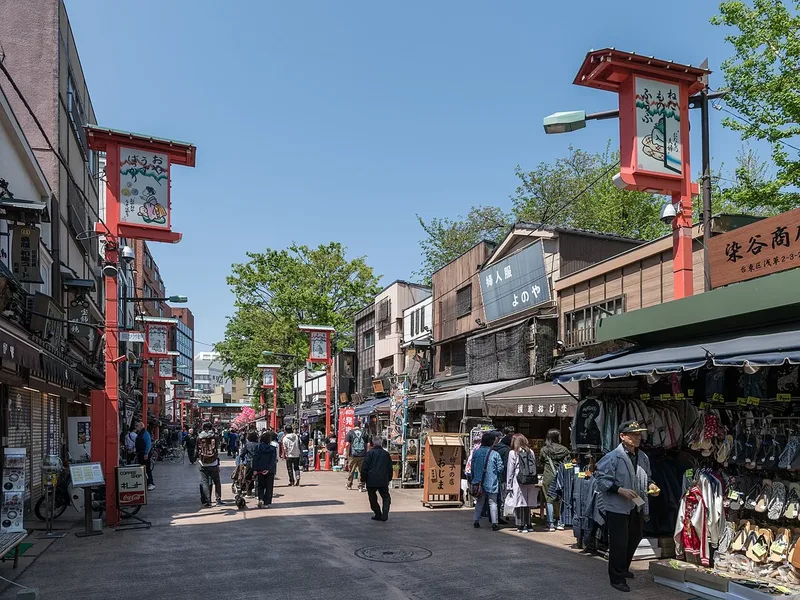
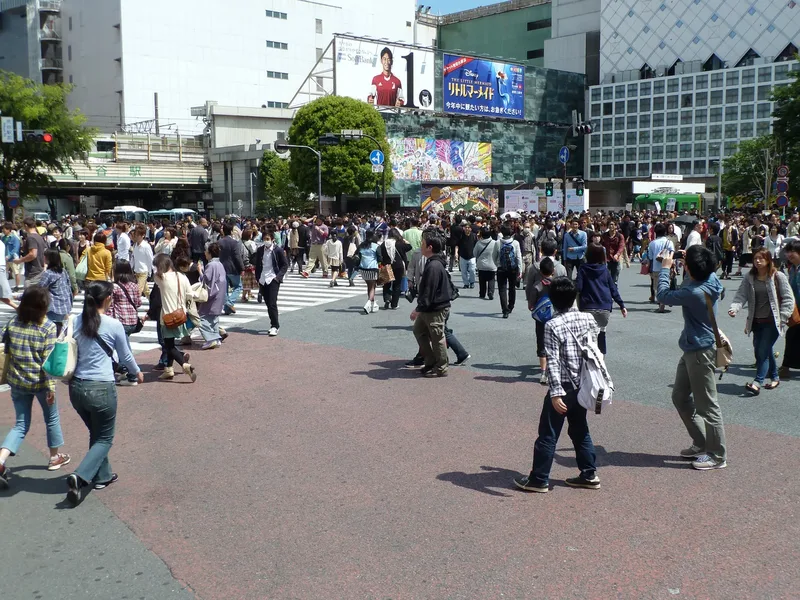
Tokyo suits a stay built around different neighbourhoods: Asakusa and Ueno offer one direction, while Shibuya and Shinjuku give another. A useful first week could include an orientation day, two separate neighbourhood days, one museum or other indoor interest, a chosen excursion and time for laundry and ordinary meals. This is an editorial pattern to adapt, rather than a requirement to visit every named district. Choose accommodation near the transport you expect to use repeatedly, then test the whole journey from the door.
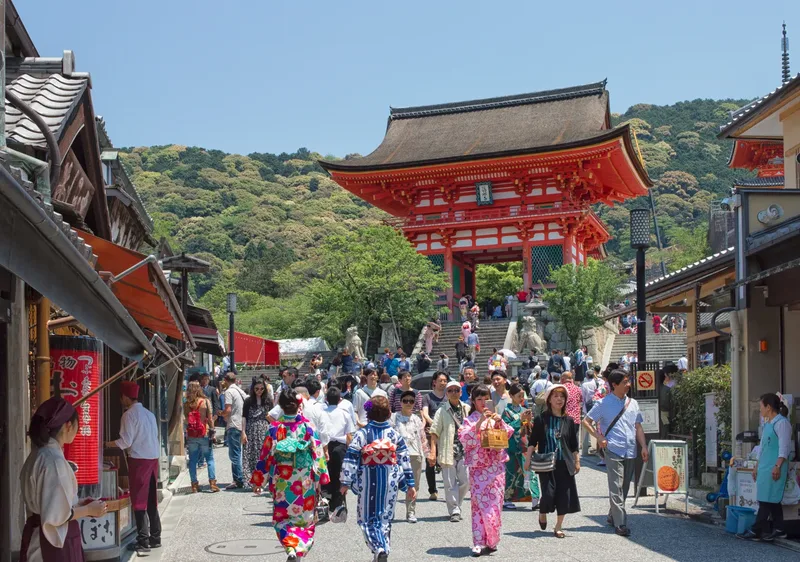
For Kansai, compare Kyoto and Osaka as everyday bases. Kyoto can suit a visit centred on temples, craft and tea; Osaka may appeal when food and city evenings are the main interest. A Nara outing is a separate day to plan from either base. Staying in one city for a week does not mean commuting to the other every morning. If most desired visits are in Kyoto, the lower cost of a distant room may disappear into repeated journeys and less useful mornings.
Use one orientation day to support later independent days
The Tokyo Private Custom Walking Tour with a Local Guide, product 457658P1, is a relevant comparison early in a Tokyo stay. Its listing describes an agreed itinerary, walking and public transport, with help navigating the city. Ask for a compact orientation around the area where you will stay, plus one unfamiliar district, rather than trying to cover every sample stop. Learning how to reach a station entrance and order an ordinary lunch can make the remaining independent days easier.
The provider lists a hotel or central meeting arrangement and says it does not provide a private car or airport meeting. Transport fares and meals need their own budget. Arrange this on a settled day after arrival, with a route and pace agreed in advance. A longer stay benefits from useful explanation once; you can then revisit a favourite street independently instead of booking the same kind of sightseeing each day.
Make time for the local food
What to eat and where to look
A dependable neighbourhood lunch
Find one meal near the accommodation that suits your appetite and ingredients, then use it as an easy option on a quieter day.
- Where to look
- Current menus within a workable walk of your base.
- Fit it into your day
- Allow a seated lunch between local visits.
A cooking or food introduction
A chosen class or explained food walk can make later independent meals more meaningful. Confirm the taught menu or actual tastings before booking.
- Where to look
- The selected venue’s menu and teaching information.
- Fit it into your day
- Choose it for learning, with a separate meal if the portions do not cover lunch.
Keep excursions separate from neighbourhood days
A Tokyo-based week might include a Kamakura day for coastal town and temple interests, or a Nikko day for religious heritage. Choose the excursion that interests you more, then check the return and local travel rather than placing both into consecutive long days by default. In Kansai, Nara can provide a focused change of setting, while a Koyasan overnight is a different accommodation decision. Count that overnight as a move with luggage, arrival and meal arrangements, rather than labelling it an easy add-on to an Osaka evening.
Check the room for everyday use
Before committing to many nights, compare laundry, luggage storage, room layout and the meals available nearby. If self-catering matters, ask what the kitchenette actually contains and whether the accommodation permits the cooking you intend. A small fridge or kettle does not establish a full kitchen. Read the cancellation and cleaning arrangements for the selected rate. Keep the first and final days lighter so checking in, buying essentials and packing do not compete with a fixed activity on the other side of the city.
Let repeated meals deepen the stay
Use the first days to find a dependable lunch near your base: a noodle shop, a teishoku set meal or another restaurant whose menu suits you. Later, add a special meal or a cooking class for a different purpose. Return visits can help you notice serving styles and seasonal changes without turning every dinner into an excursion. Keep one or two days free of long-distance departures. A longer stay has room for a museum in rain, a repeated neighbourhood walk and an afternoon of rest; those choices are part of using the base well.
Practical questions
Should I choose Tokyo, Kyoto or Osaka for a longer stay?
Choose the city where most ordinary days and desired outings fit. Test repeated journeys from the actual accommodation. Kyoto and Osaka can support different interests even when both appear in the same Kansai plan.
When is a private Tokyo orientation worthwhile?
Early in a settled stay, when the agreed walk helps you use public transport and explore independently afterward. Product 457658P1 uses walking and public transport; confirm the route, meeting point and separate fare and meal costs.
Should I reserve excursions for every day?
Leave room for neighbourhood visits, laundry, changing weather and rest. Put longer outings on separate days and make an accommodation move when it serves the route better than repeated returns.
Sources and checks before you travel
Reference sources for the version dated 30 September 2026. Confirm opening times, access, transport and conditions for your travel dates.
Does this experience fit your route?
Explore related tours and experiences
Check dates and details on Viator ↗ — opens in a new tabAffiliate link · Book with Viator