Kansai · Kyoto
Ine travel guide: boat houses, seafood and a Kyoto coast trip
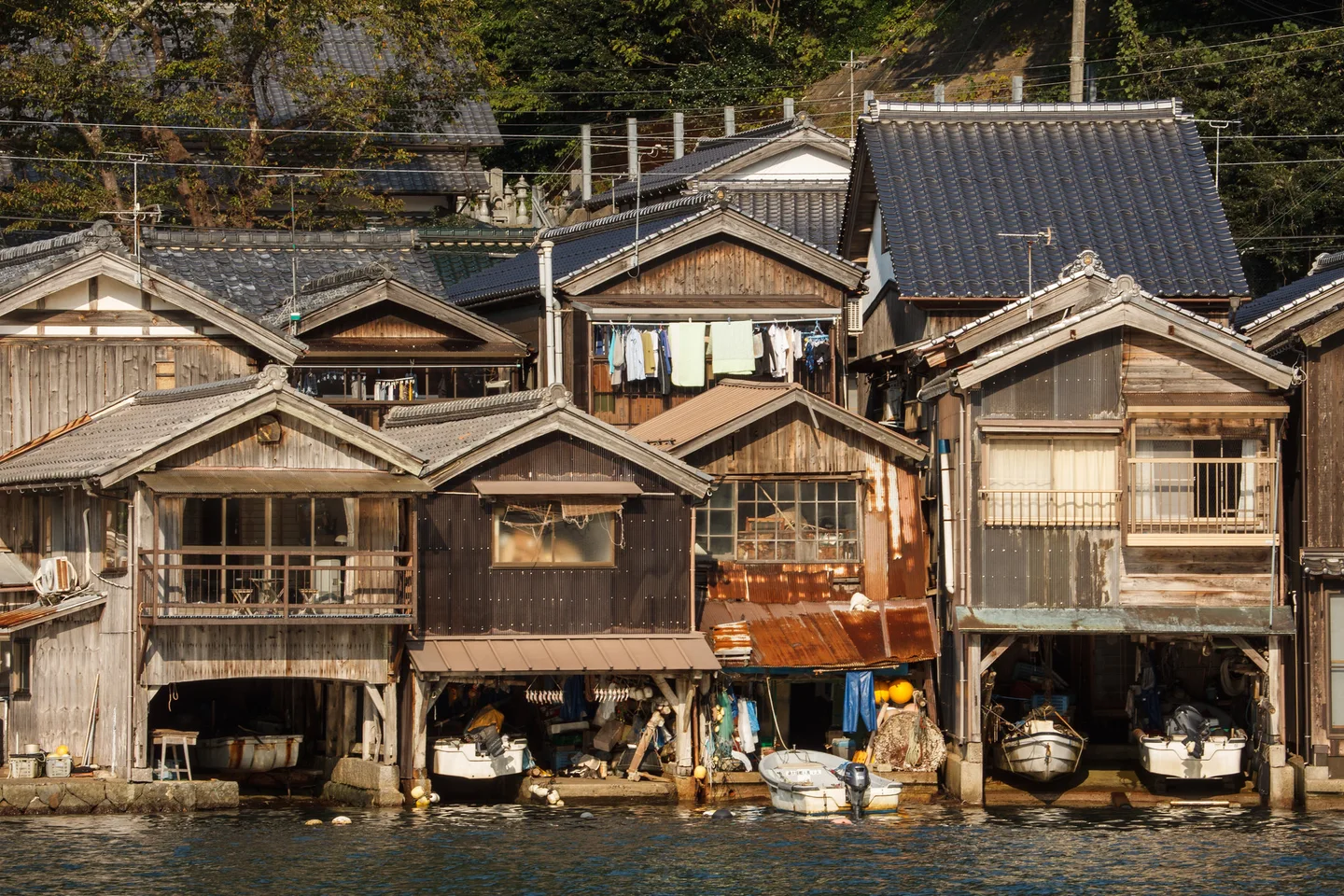
In Ine, the view is also a working village. Wooden boat houses face the bay, boats sit close to everyday homes and the coast asks for a different pace from central Kyoto. Come for the waterfront, but leave time for a meal and the practical journey that makes the visit possible.
- Suggested time
- A full day or an overnight stay
- Where to stay
- Ine or Amanohashidate; Kyoto or Osaka for a longer excursion
- Season and timing
- A coastal trip shaped by weather, daylight and seasonal seafood
The short answer
Give Ine a full coastal day, or stay overnight if the village atmosphere is the reason you are coming. From Kyoto or Osaka, transport takes a meaningful part of the day. A combined Amanohashidate–Ine excursion can simplify it; an independent overnight gives more flexibility. Respect the private homes and working boat houses.
Is Ine worth the detour from Kyoto?
Choose Ine when the village and sea are part of what you want from Japan, not simply because you want to reproduce a photograph. It offers a quieter scale of travel than the urban temple circuit: a waterfront walk, a different view from the bay and a meal that connects the visit with a fishing coast.
For a short stay in Kyoto, consider the opportunity cost of the transfer. If your priority is Kyoto’s city neighbourhoods and temples, a coastal outing may be too much. If you want a change of landscape, an overnight around Ine or Amanohashidate can make the journey feel like another part of the trip rather than a rushed add-on.
See the funaya without intruding on village life
The funaya are waterfront boat houses connected with residents’ living and working spaces. An attractive open doorway is not an invitation to enter. Stay in public areas, keep paths clear, and join an authorised visit if you want to understand a building from inside.
A walk beside the bay and a boat experience give different perspectives. Check the day’s operating status and the exact departure place before treating a cruise as a fixed appointment. A calm-looking photograph does not establish conditions on the water for your visit.
Make time for the local food
What to eat and where to look
Seasonal seafood meals
Let the day’s menu guide your choice of a fish meal. A fishing village is a reason to look for seafood, but a particular catch, portion or price should not be treated as guaranteed.
- Where to look
- Use Ine’s tourist information and current restaurant listings around the village.
- Fit it into your day
- Plan lunch before the return bus, or confirm dinner with your accommodation if staying overnight.
Buri shabu
This yellowtail hot-pot style is associated with the Ine coast. It makes a useful reason to research a seasonal meal, with availability and reservation requirements checked directly rather than inferred from an old picture.
- Where to look
- Local establishments identified in the official coastal-food listings.
- Fit it into your day
- If this dish is central to your visit, confirm it before arranging the transport.
Tango barazushi
A regional layered sushi dish connects the visit with the wider Tango Peninsula. Distinguish a regional speciality from a promise that every café in Ine serves it.
- Where to look
- Regional food shops and restaurants in the Tango area, using current local listings.
- Fit it into your day
- Consider it where it fits an Amanohashidate or coastal connection, rather than making a long extra journey for one dish.
Heshiko
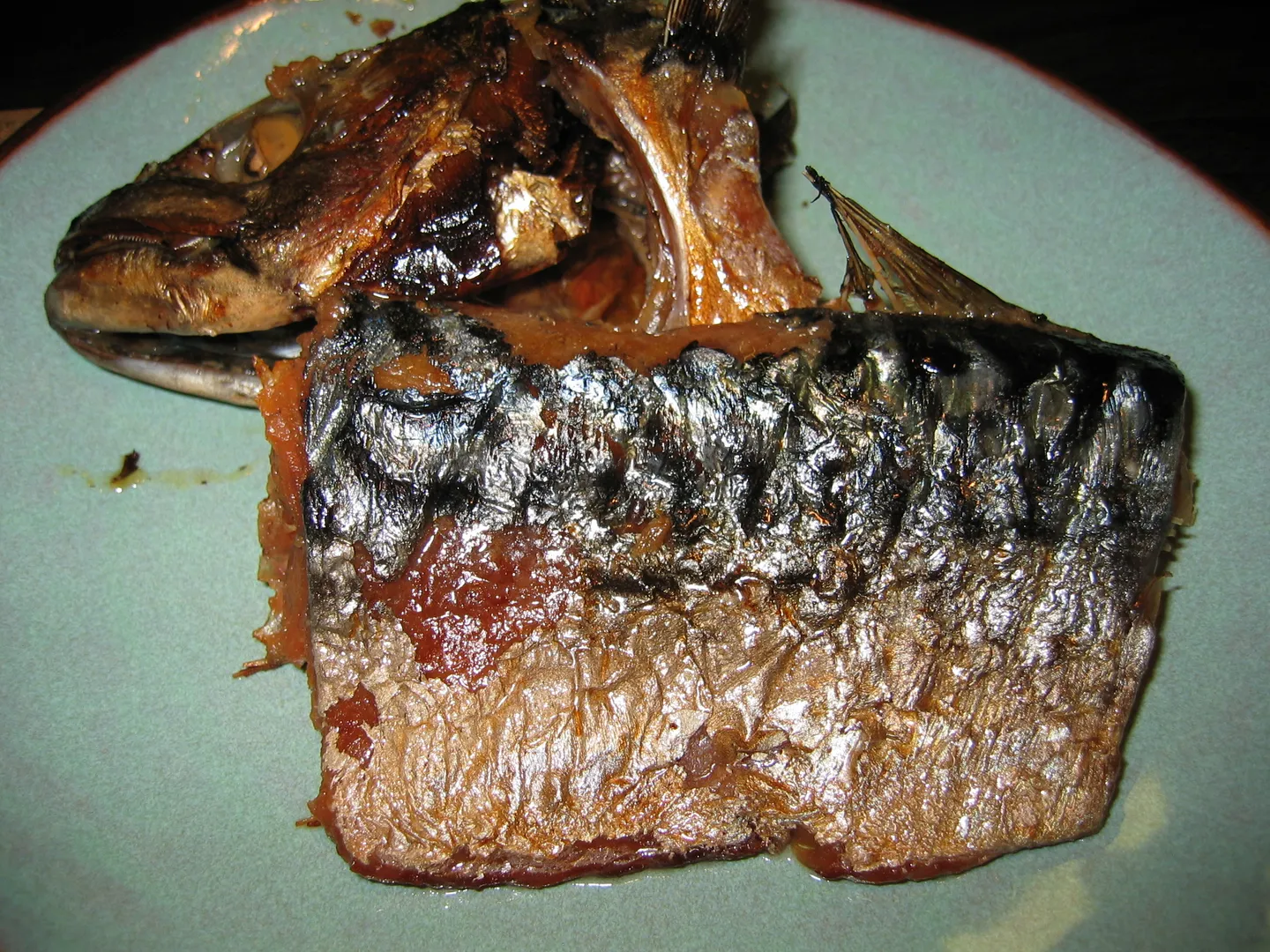
Preserved fish, including mackerel, represents a wider Sea of Japan food tradition also found in Tango. It is a distinctive flavour to explore in an appropriate meal; the guide’s photograph illustrates the preserved-fish style, not a currently advertised restaurant serving.
- Where to look
- Regional food sellers or restaurants that identify the preparation on their menu.
- Fit it into your day
- Try a small serving as part of a meal, and ask about ingredients if you have dietary restrictions.
Plan the transport before adding extra stops
Ine is in northern Kyoto Prefecture on the Tango Peninsula, not beside Kyoto’s urban sightseeing districts. An independent public-transport journey generally requires you to plan the rail connection towards Amanohashidate and the onward coastal bus. Consult the operator’s current timetable and work backwards from the return service.
Avoid building a day around the assumption that every connection is frequent. Check where the bus stops, what happens if you miss the return, and whether you will have time to eat. A stay on the coast can reduce pressure, but confirm the accommodation’s arrival and dinner arrangements before committing to a late journey.
Choose a boat experience or a combined coastal tour
Local boat outings are a way to understand the village from the bay, while a longer excursion from Kyoto or Osaka solves a different problem: reaching the coast and combining stops. Decide whether you need local interpretation, transport from the city, or both.
The linked combined Amanohashidate–Ine tour is worth comparing if you prefer an organised day. Check the chosen departure option and current inclusions: transport to the village, a boat ride and an inside visit to a funaya are not interchangeable. Do not assume an activity is included just because it appears in a photograph or title.
For an overnight visit, a shorter local experience may leave more time to walk, eat and notice the harbour. Match the programme to the pace you want rather than adding the largest number of attractions. Check guide language separately from the language of the booking page.
A day that leaves room for the coast
For a day trip, pick a manageable combination: the bay walk and an experience in Ine, or an organised route that combines Ine with Amanohashidate. Keep lunch and the final journey visible in your plan. Adding several farther coastal towns usually changes the day into a transport exercise.
For an overnight, first secure the accommodation and any meal you are relying on. Small communities do not offer the same late-evening choice as Osaka. A simple waterfront morning or a proper seafood lunch may be a better use of the extra time than trying to add another distant attraction.
Practical questions
Can you visit Ine as a day trip from Kyoto?
Yes, but it is a substantial coastal journey. Check current train and bus connections or compare an organised excursion. Keep the return and time for a meal in the plan.
Can you enter the boat houses?
Do not enter private funaya without permission. Use public viewpoints or book an authorised visit whose access is clearly stated.
Should you stay overnight in Ine?
It can make sense if a slower coastal visit is your priority. Check accommodation availability, arrival times, dining and your next connection before choosing the stay.
Does a combined tour include an Ine Bay boat ride?
Check the exact product and option you select. Do not assume transport, a cruise or inside access is included unless the current programme says so.
Sources and checks before you travel
Reference sources for the version dated 30 September 2026. Confirm opening times, access, transport and conditions for your travel dates.
- JNTO ↗ — opens in a new tab
- Ine tourism ↗ — opens in a new tab
- Ine visitor guidance ↗ — opens in a new tab
- Tankai bus operator ↗ — opens in a new tab
- Tourist Association of Ine • Visits and access ↗ — opens in a new tab
- Tourist Association of Ine - funaya houses ↗ — opens in a new tab
- Another Kyoto coast of Kyoto ↗ — opens in a new tab
- Another Kyoto products of the sea ↗ — opens in a new tab
- Another Kyoto is buri shabu di Ine ↗ — opens in a new tab
- Another Kyoto • Tango barazushi ↗ — opens in a new tab
- Visit Kyotango Regional specialties ↗ — opens in a new tab
Does this experience fit your route?
Explore related tours and experiences
Check dates and details on Viator ↗ — opens in a new tabAffiliate link · Book with ViatorPhoto credits
Ine's waterfront funaya boathouses overlooking the bay.
Photograph: Petr Meissner — opens in a new tab · CC BY 2.0 — opens in a new tab
Changes: Resized and converted to WebP; displayed with responsive crops. · Original photograph and licence details ↗ — opens in a new tab
Slices of heshiko preserved mackerel; an illustrative regional food photograph.
Photograph: Ryosuke Hosoi — opens in a new tab · CC BY 2.0 — opens in a new tab
Changes: Resized and converted to WebP; displayed with responsive crops. · Original photograph and licence details ↗ — opens in a new tab